
Where to Stay in Croatia: Best Areas by Region
Where to stay in Croatia by region - Split for islands, Istria for a road trip, Dubrovnik for a short stay, and Zagreb for culture.
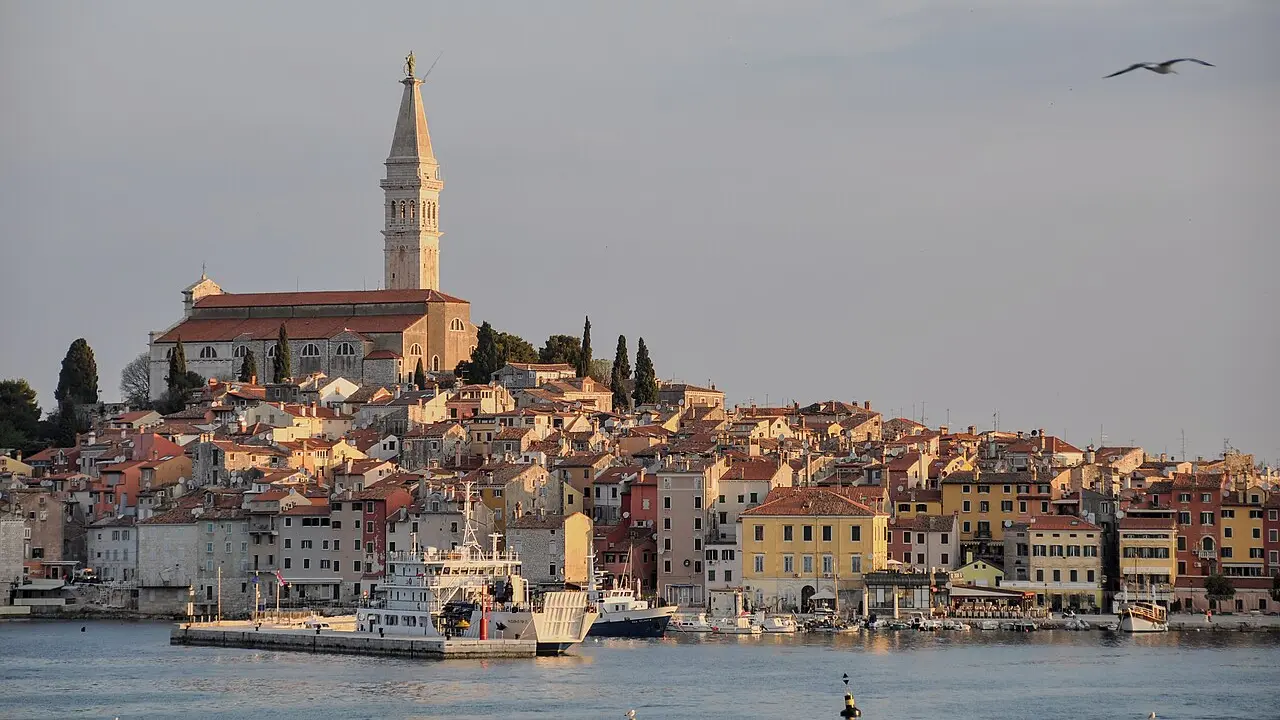
For a first trip, base in Split (Central Dalmatia) unless you already know you want something else. From there you can walk an old town, catch island catamarans, and day-trip to waterfalls without rebuilding your plan every night. Pick Istria if you want a food-and-hill-town road trip, Dubrovnik if the walls are the whole point of a short stay, and Zagreb only as a culture stop before you hit the coast.
Croatia has an elongated, crescent-shaped geography around the Adriatic: Zagreb sits inland in the north, Istria projects from the northwest, and the Dalmatian coast and islands extend far to the south. The region you sleep in therefore decides much of the trip. Trying to “stay everywhere” burns days on transfers. One or two bases beat five hotels.
Quick pick: which region for which trip
| Your trip | Best place to stay | Why |
|---|---|---|
| First visit, 5-8 days, islands + old towns | Split / Central Dalmatia | Ferries, buses and trains sit beside the old town |
| Food, hill towns, driving from Italy or Central Europe | Istria (Rovinj or Pula) | Compact peninsula; a car earns its keep |
| Families wanting simple road access to an island | Kvarner (Krk or Opatija) | Krk connects to the mainland by bridge |
| Quieter coast, parks + islands | Zadar / northern Dalmatia | Less intense than Split or Dubrovnik |
| Bucket-list walls, 2-4 nights | Dubrovnik | Short stay wins; a full week here gets expensive |
| Culture first, then coast | Zagreb (+ Plitvice day) | Not a beach base - use it as arrival/departure |
Don’t choose from a country-wide price band: a live quote for your dates, room type and cancellation terms is more useful than an inherited average. Compare the full stay on the booking screen, then read our Croatia trip cost guide for the other lines that shape the trip.
Central Dalmatia: Split, the default first base
Split is the practical answer for most first-timers because the ferry port, bus station and train station sit together right beside the old town. Split Airport’s official transport page places the terminal about 20 km from Split. Once in town, the sightseeing core is walkable - Diocletian’s Palace is the old town - and day trips reach Trogir, Krka, and the islands without moving hotel every night.
Sleep in or beside the palace for atmosphere on a short stay, or one street out if you want quieter nights. The neighbourhood-level trade-offs - Veli Varoš, Bačvice, Meje - are spelled out in where to stay in Split. A beach-first week on the mainland often continues southeast to the Makarska Riviera; where to stay in Makarska compares those bases. If you’re weighing Split against the far south, Split or Dubrovnik settles that choice.
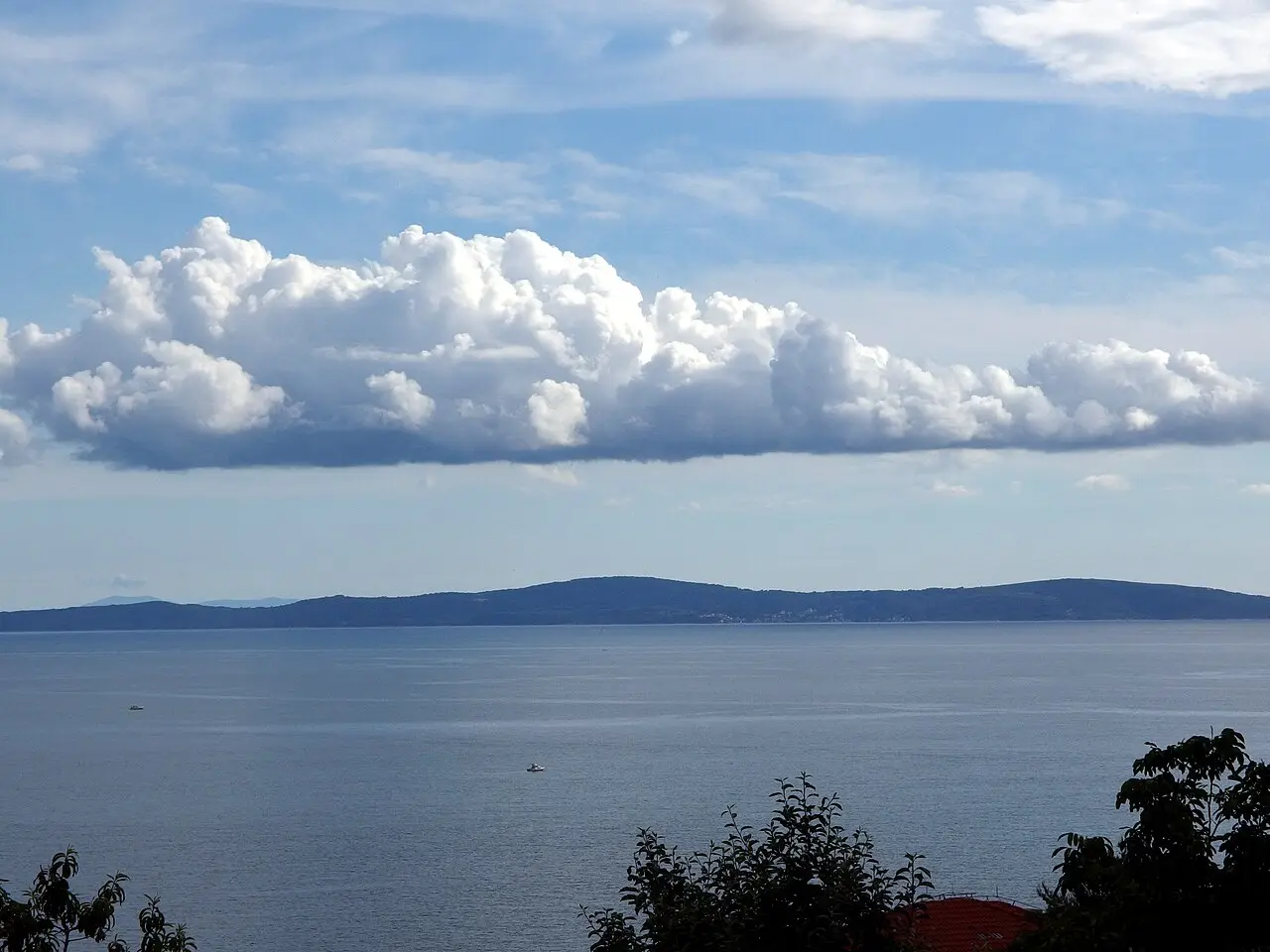
Dubrovnik: short stay, not a whole-country base
Dubrovnik delivers the postcard Croatia - limestone walls, the Stradun, the cable car over the old town - and it does it in a compact package. That compactness is also the limitation: the city sits at the far southern end of the country, away from Istria and the northern bases. Use it for 2-4 nights with a clear plan, not as your only week-long base if you also want islands and Central Dalmatia.
Inside the walls is atmospheric and noisy; Lapad and Babin Kuk trade drama for beach and breathing room. The area breakdown is in where to stay in Dubrovnik. Pair Dubrovnik with Split on a one-way coastal arc if you have five days or more - the day-by-day version is our 5-day Split-Hvar-Dubrovnik itinerary.
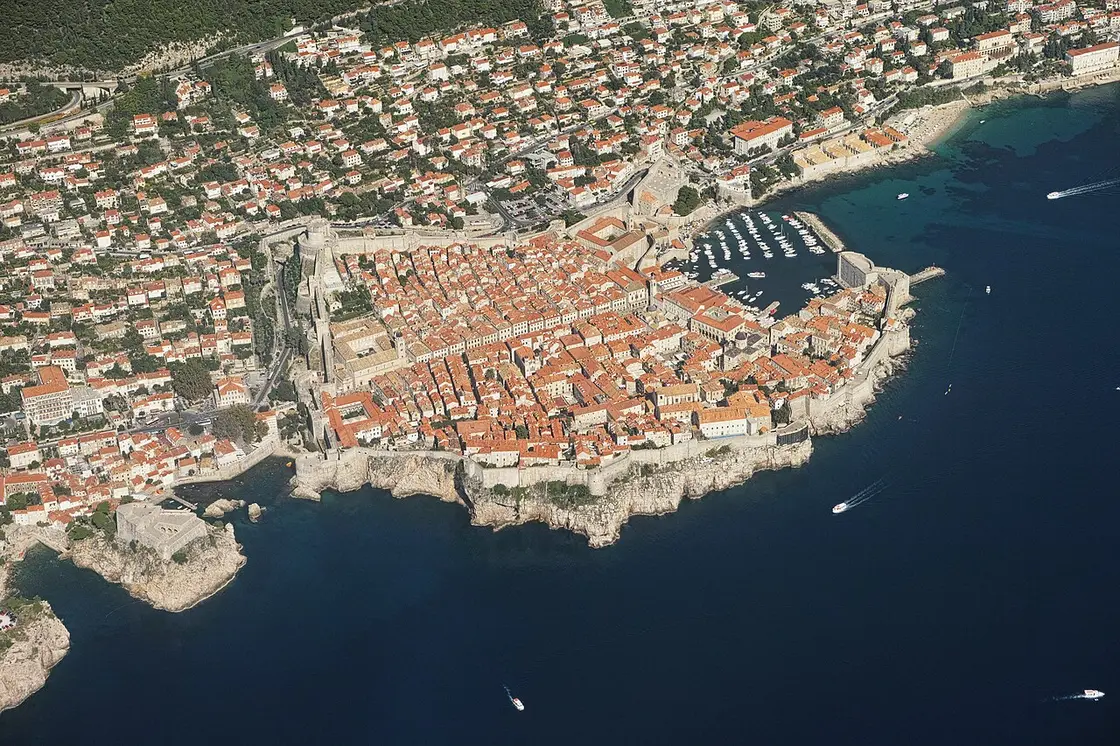
The islands: overnight beats a day trip
An island day trip from Split is fine; an overnight is better. Once the day boats leave, Hvar town, Stari Grad or a quieter Brač bay changes character. Hvar is the glamorous, busy pick - nightlife and Pakleni swims - while Stari Grad and Jelsa suit a slower pace. Pick the town before you pick the hotel: passenger and car ferry arrivals don’t always use the same port, and that alone shapes your base. Details: where to stay in Hvar.
Island stays work best as one or two nights inside a Split-centred trip, or as the spine of a longer ferry-hopping week. They’re a weak sole base if you also want Istria or Zagreb - the geography will fight you.
Istria: the road-trip north
Istria is a different Croatia. The northern peninsula combines Adriatic coastal towns, inland hill towns and a food-led road trip, and it rewards a car more than a ferry pass. Base in Rovinj for atmosphere, Pula for the Roman arena and a practical hub, or divide your time between the coast and inland towns such as Motovun. The region overview is our Istria travel guide; for old town versus the resort belt versus camping specifically, see where to stay in Rovinj.
Choose Istria when you’re driving down from Italy, Austria or Slovenia, or when you want long lunches and olive oil more than island nightlife. It pairs poorly with Dubrovnik on a short trip - they sit at opposite ends of the country. If you’ve 12-14 days, you can do north then south; with one week, pick one.
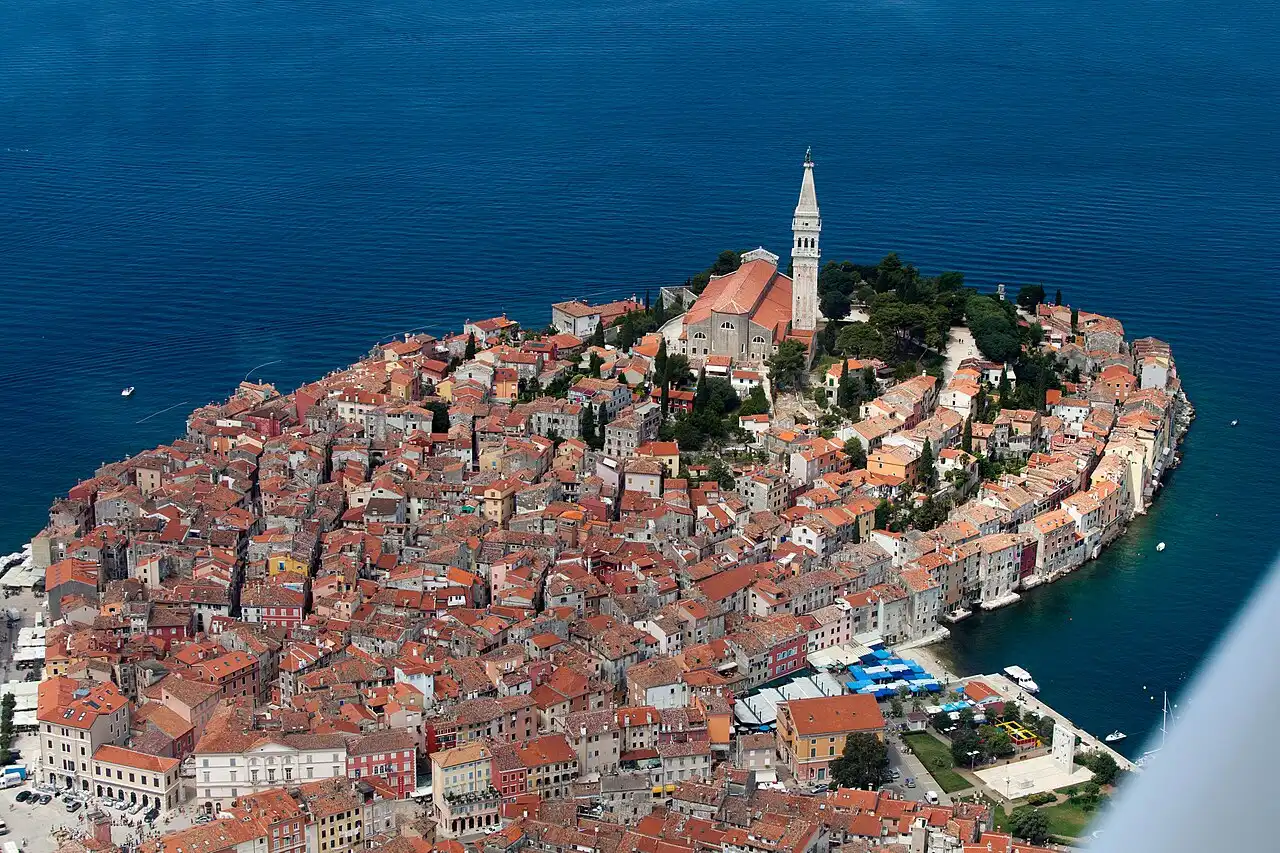
Kvarner and northern Dalmatia
Kvarner - the gulf around Rijeka - works well for travellers who want variety without making every move by boat. Krk is linked to the mainland by a bridge, which makes it a straightforward island choice for a driving trip. Opatija gives a classic promenade-and-hotel strip. Pair Kvarner with Istria if you’re already in the north; don’t try to bolt it onto a Dubrovnik week.
Further south, Zadar is the quieter northern-Dalmatian city base: old-town peninsula, famous sunsets, and easier access to parks and lesser-visited islands than Split. It suits travellers who want coast without the peak intensity of the Split-Dubrovnik corridor. Old Town vs Kolovare vs Borik is spelled out in where to stay in Zadar.
Zagreb: arrival city, not a beach week
Zagreb is a proper Central European capital - Upper Town lanes, café culture, museums - and a sensible first or last night if your flights land there. It’s not a seaside holiday base. For which neighbourhood to book, see where to stay in Zagreb. Use the capital with a day at Plitvice on the way to the coast, then move. Trying to “do Zagreb and Dubrovnik and the islands” in five days is how trips unravel.
One base or two?
Match bases to trip length the same way we match routes in how many days in Croatia:
- 3-4 days: one base. Split, Dubrovnik, Rovinj or Zagreb - not a mix.
- 5-7 days: one region done well (Split + one island overnight is the classic), or Istria with a car.
- 8-10 days: two bases max - for example Split area then Dubrovnik, or Istria then Central Dalmatia.
- 12+ days: north-to-south becomes realistic.
A car helps in Istria, inland day trips and multi-stop coast driving; it can be awkward on passenger-only island legs. The decision framework is in do you need a car in Croatia. If price and crowds matter, compare live availability across more than one date and use best time to visit Croatia to choose the season.
How to compare actual properties
Start with the map, not the star rating. In Split, being close to the old town and transport cluster can remove several local transfers. In Dubrovnik, decide whether you value the atmosphere inside the walls or easier access and more space outside them. On an island, confirm that the property is convenient for the port you’ll actually use. In Istria, check parking before treating a beautiful old-town address as a road-trip base.
Then compare the whole booking rather than the headline nightly figure. Use the same dates, occupancy, room type, taxes shown at checkout and cancellation conditions for every candidate. A cheaper room can be the worse choice if it forces a taxi for every departure or leaves you far from the route you planned. Conversely, paying for an old-town address makes little sense if most of your days begin with a car.
Finally, test the base against a normal day. Where will breakfast, the first bus or boat, and the evening return fit? Can you carry luggage from the arrival point? If the plan depends on several early departures, a practical transport-side base usually beats a photogenic address. If the trip is mainly slow dinners and evening walks, the atmospheric centre may be worth the trade-off.
The honest summary: Split is the default, Dubrovnik is a short premium stay, Istria is the other Croatia for drivers, and islands reward overnight stays. Pick the region that matches the trip you actually booked, then drill into the city page for the street-level answer.
Photos
Read also

Before you go · 10 min read
Where to Stay in Korčula: Old Town to Vela Luka
Verified · September 5, 2026Korčula Town for walls and boats, Lumbarda for sand, Vela Luka for the Split car ferry. Match the base to how you arrive - then book.

Before you go · 10 min read
Sailing in Croatia: Yacht Charter Costs & Routes
Updated · September 5, 2026Croatia yacht charter 2026: bareboat weekly ranges, skipper and deposit separate, APA on crewed boats, season guides, island routes.

Before you go · 10 min read
Where to Stay in Makarska: Riviera Bases Compared
Updated · August 30, 2026Brela, Baška Voda, Makarska, Tučepi or the quieter south - which Riviera base fits beach weeks, families, nightlife and Brač ferry mornings.

Before you go · 8 min read
Hvar or Korčula: Which Island Fits Your Trip?
Verified · August 28, 2026Hvar or Korčula in 2026? Split catamarans (~€25 like-for-like), vibe, beaches and who each Dalmatian island suits - plus the hop between them.