
Hvar Travel Guide 2026: Town, Beaches & Islands
What to do on Hvar island, Croatia: Hvar Town and the fortress, Pakleni Islands boat trips, lavender, the Stari Grad Plain and how to get there.
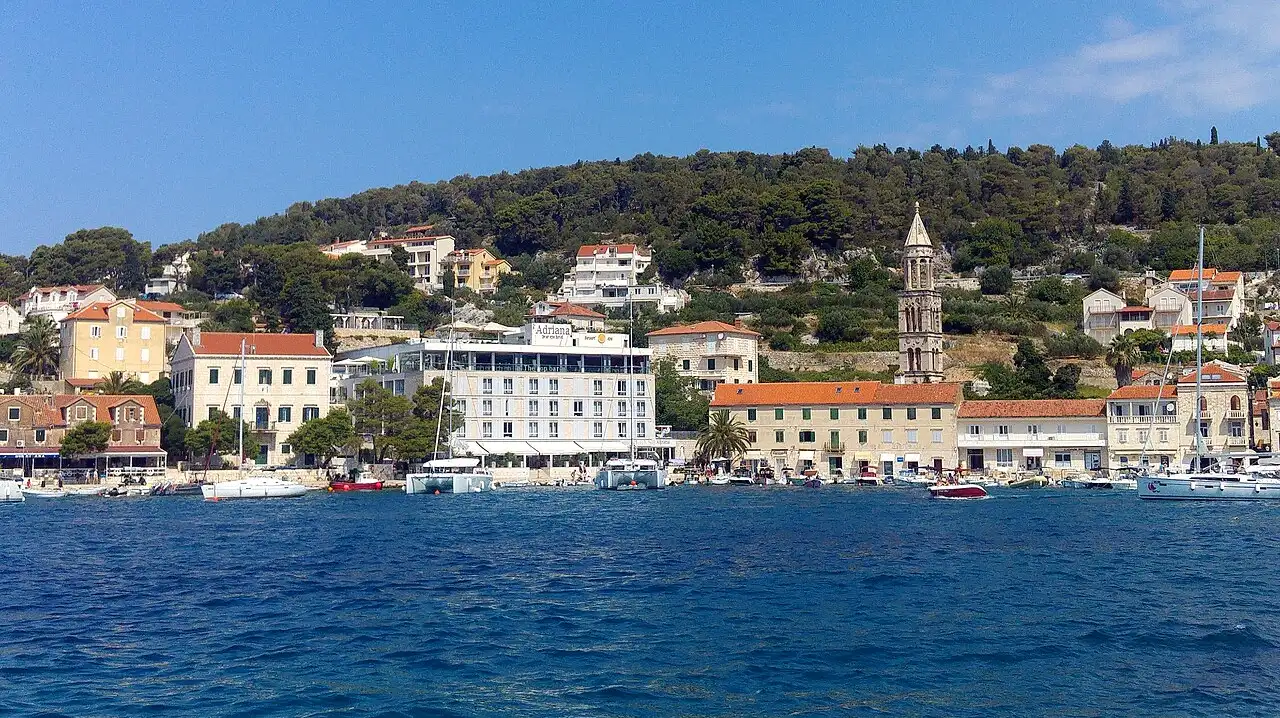
Hvar is the glamorous, lavender-scented star of the Dalmatian islands - a long, sunny limestone ridge off Split with a marble harbour town, turquoise island coves and some of Croatia’s best-known nightlife. Here’s the shape of a good visit. The headline day is built around Hvar Town: walk up to the Spanish Fortress (Fortica) for the view, see the cathedral of St Stephen on its open seafront square, then take a taxi-boat out to the Pakleni Islands to swim. Inland lie the lavender fields, the ancient Stari Grad Plain (a UNESCO World Heritage Site) and the quieter towns of Stari Grad, Jelsa and Vrboska. Croatia uses the euro (€) and has been in the Schengen Area since 1 January 2023, so for most visitors arrival is formality-free.
Hvar is really two islands in one, and which you get comes down to where you sleep: the marble harbour of Hvar Town with its bars and yacht crowd, or the lavender-scented calm of Stari Grad, Jelsa and the inland plain. Most people see only the first, dashing over from Split for a night out, and miss the half that rewards a slower few days - don’t make that mistake.
How long to spend on Hvar
A long day trip from Split is enough to see Hvar Town, climb to the fortress and squeeze in a swim, but the island rewards an overnight far more. Two or three nights let you pair the town with a Pakleni Islands boat trip, a lazy beach day and a half-day inland to the lavender villages and the Stari Grad Plain - that’s the rhythm that works. Hvar bills itself as the sunniest island in Croatia - locals quote well over 2,700 hours of sun a year - so the weather is rarely the problem; the heat and the summer crowds are. Mornings and the shoulder months are calmest, and the town flips between chic by day and very loud by night in July and August. If you can choose your dates, you’ll want late May to June or September: a warm sea, long light and a fraction of the August crush, with the lavender at its peak in late June - our take on Croatia in May vs September weighs up the two shoulder months.
Hvar Town: the Fortica, cathedral and square
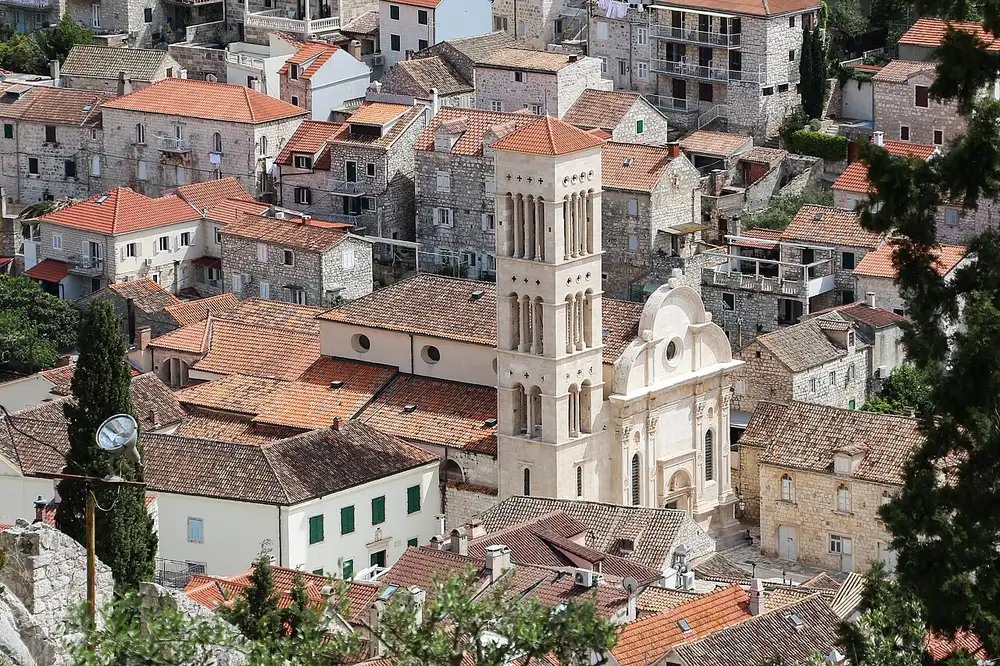
Everything in Hvar Town radiates from St Stephen’s Square (Trg Svetog Stjepana) - the largest old square in Dalmatia, a long sweep of pale stone running from the inner harbour up to the cathedral, open to the sea at one end. It’s the social heart of town: café terraces, evening crowds and, at the top, the Renaissance-Baroque Cathedral of St Stephen with its tiered bell tower. The square, the lanes and the waterfront are free to wander; the cathedral treasury keeps its own hours.
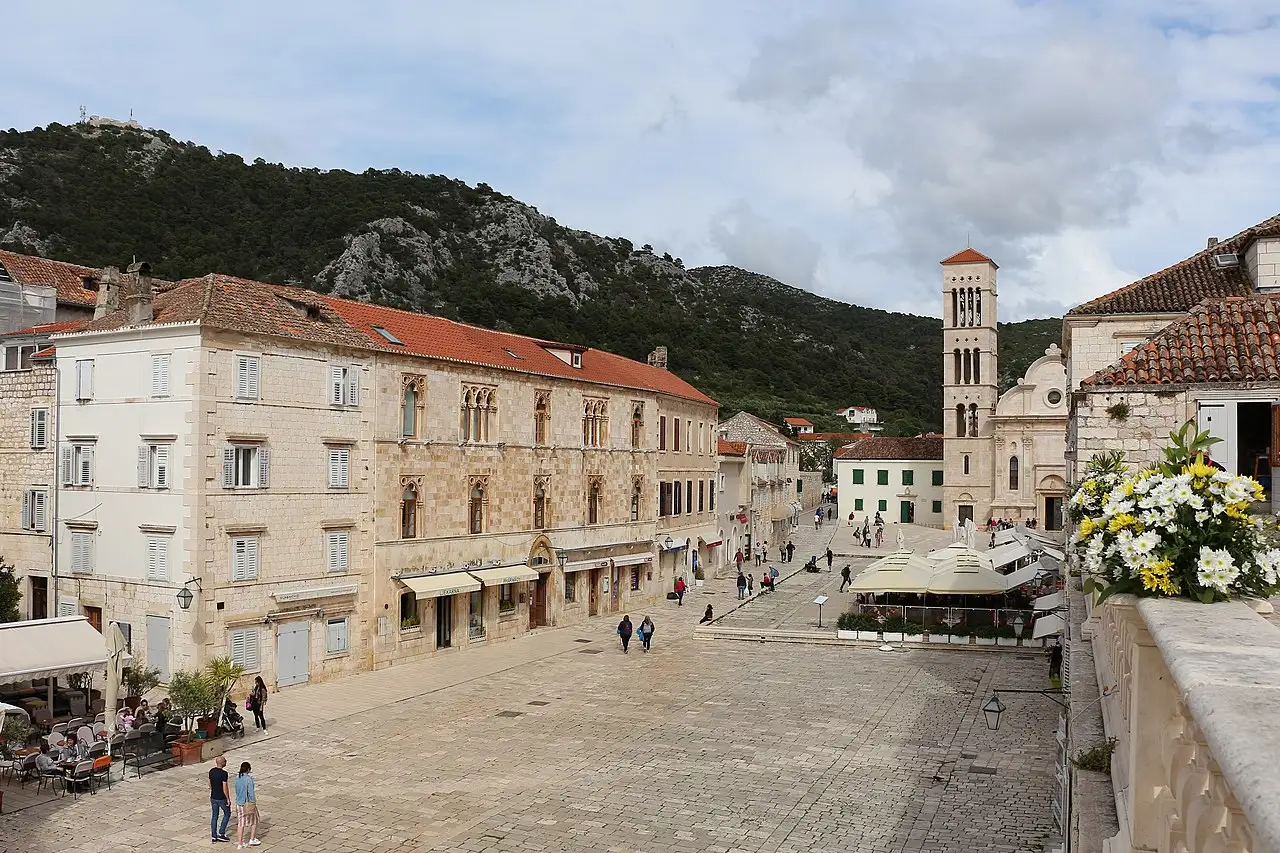
The unmissable climb is up to the Spanish Fortress, known locally as the Fortica or Španjola, on the hill directly above the town. A fortified citadel has crowned this rock since the medieval Venetian period, rebuilt over the centuries; the walk up through the lanes and old town gardens takes 15-20 minutes, or you can drive most of the way. From the ramparts you get the postcard panorama in the photo above - the town’s red roofs, the yacht-filled harbour and the Pakleni Islands strung out across the channel. You’ll want to go early or near sunset to dodge both the heat and the crowds.
Down on the waterfront, past the harbour, the Franciscan Monastery (15th century) sits on a small headland with a peaceful cloister, a garden and a small museum whose prize is a large Last Supper canvas. It’s a quiet counterpoint to the party-town reputation, and the seafront walk out to it’s lovely in the early evening.
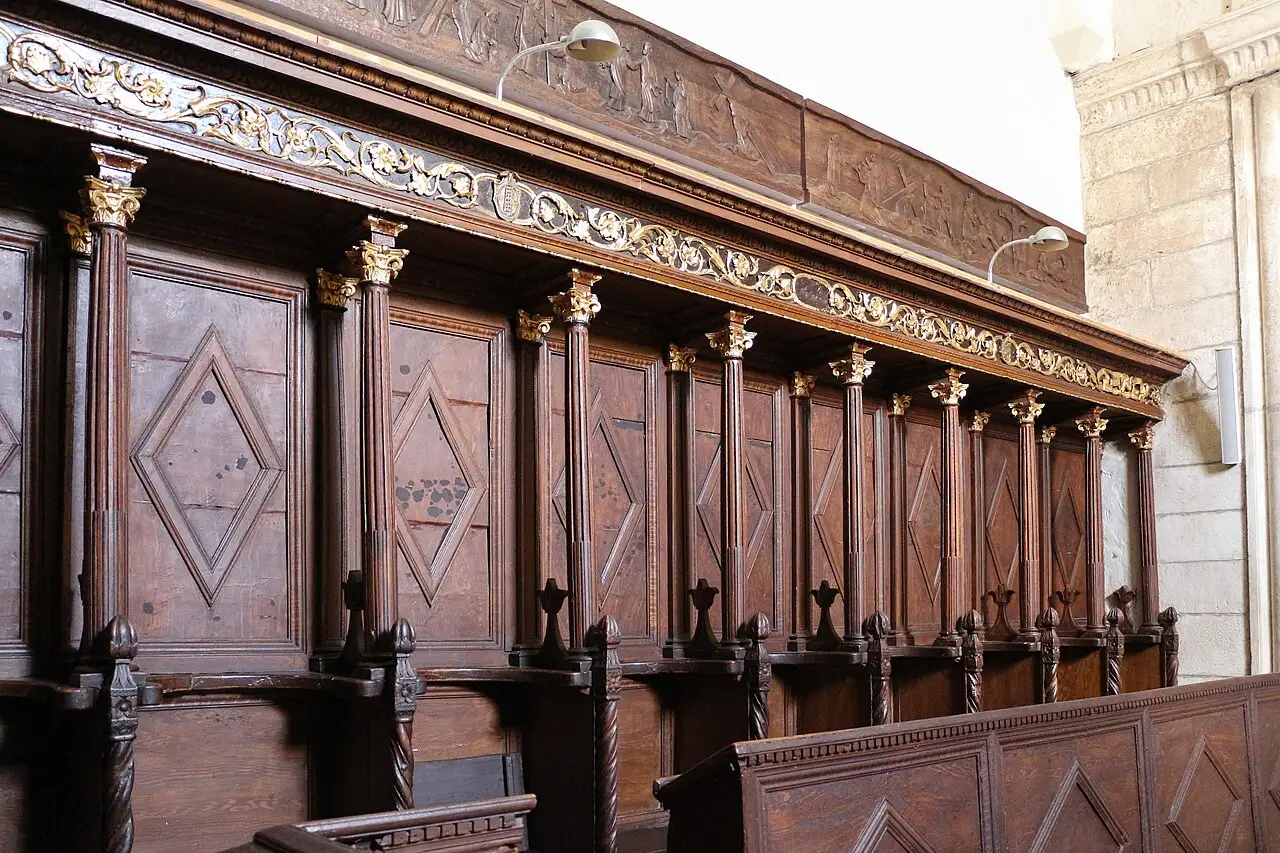
The Pakleni Islands
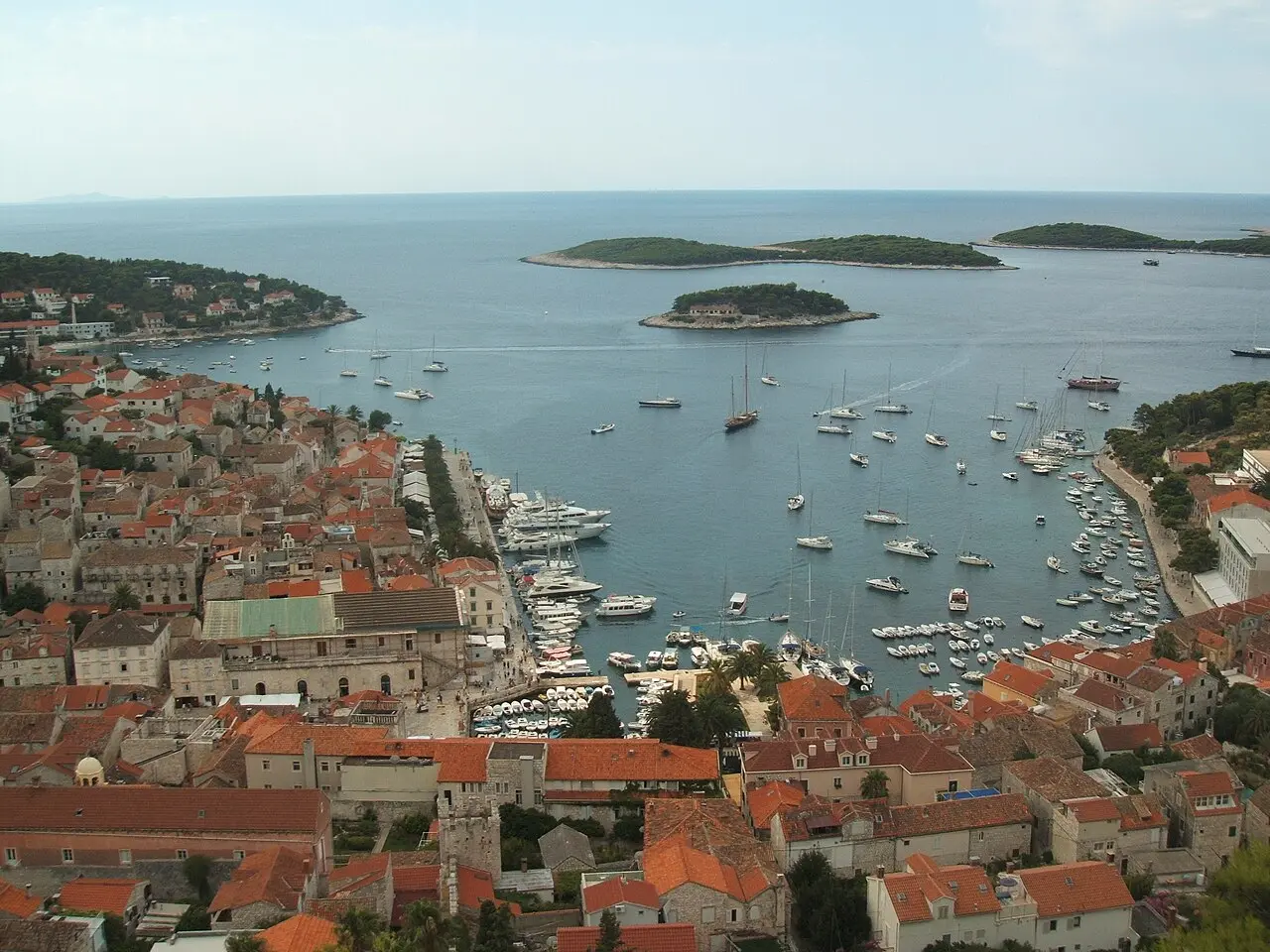
The single best thing to do from Hvar Town is to get on the water - don’t skip it. The Pakleni Islands (Paklinski otoci) are a low, wooded archipelago strung out just offshore, a 10-20 minute taxi-boat ride from the harbour. They’ve no big resorts and no cars - just pine, white-pebble coves, anchored yachts and a handful of beach restaurants. The best-known spot is Palmižana, a sheltered bay on Sveti Klement with a marina, botanical garden and a cluster of konobas; smaller islets like Jerolim and Stipanska have famously clear swimming.
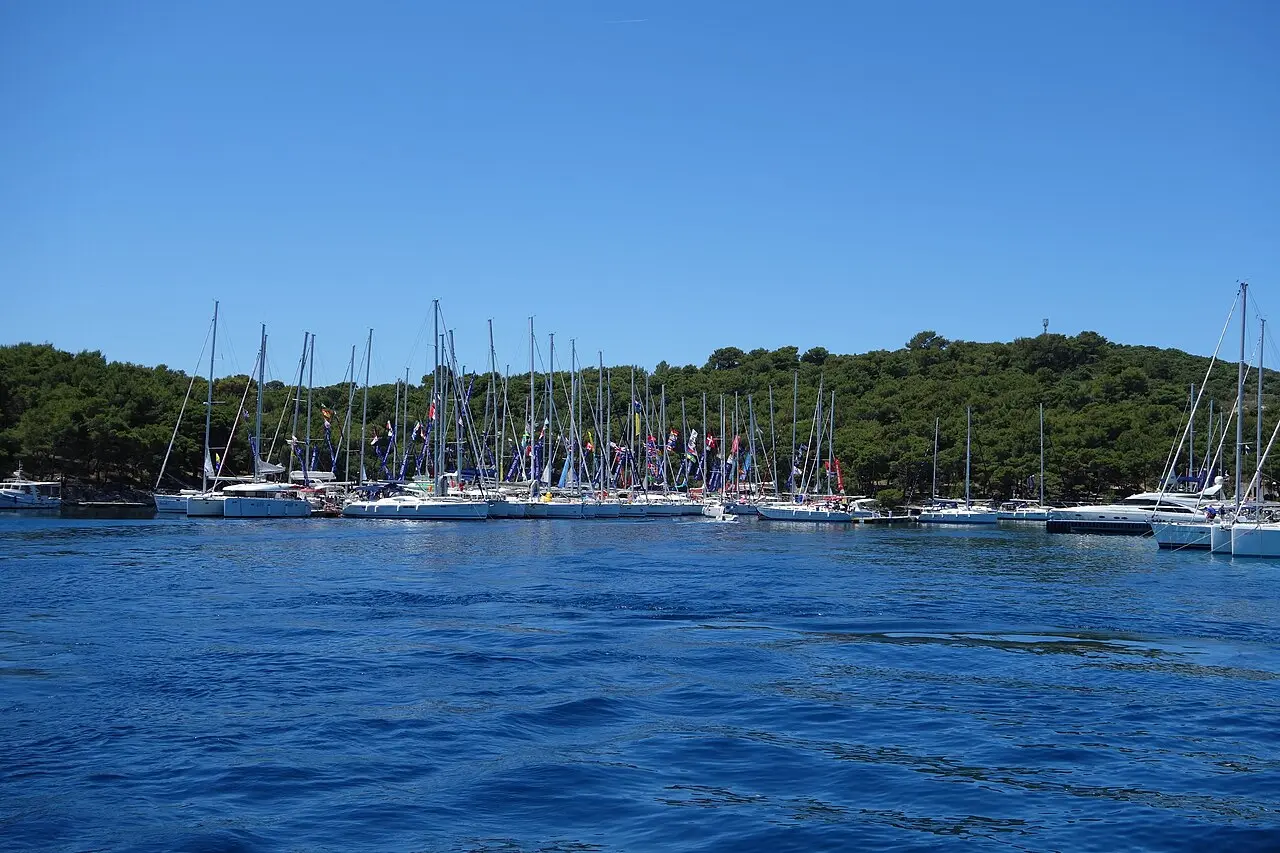
Water taxis run all day in season from the Hvar Town waterfront; agree the destination and the return time before you board, and bring water and shade, as the islets have little of either. Organised boat trips combining several coves and a lunch stop are easy to arrange in town - see our note on tours below.
Beaches near Hvar Town
Hvar’s coast is rock and pebble rather than sand, and you’ll often find the clearest water a short boat hop away on the Pakleni. Close to Hvar Town, Pokonji Dol is a pebble bay about a half-hour walk (or a quick boat) east, with a small islet offshore; Dubovica, a photogenic cove with a stone hamlet, lies a short drive east toward Sveta Nedjelja. Around the rest of the island, Stari Grad, Jelsa and Vrboska all have easy town beaches, and the Soline peninsula near Vrboska has pine-shaded pebble coves. As everywhere in Croatia, water shoes make the rocky entries far more comfortable - see our guide to the best beaches in Croatia for how Hvar’s coves compare with the rest of the coast.
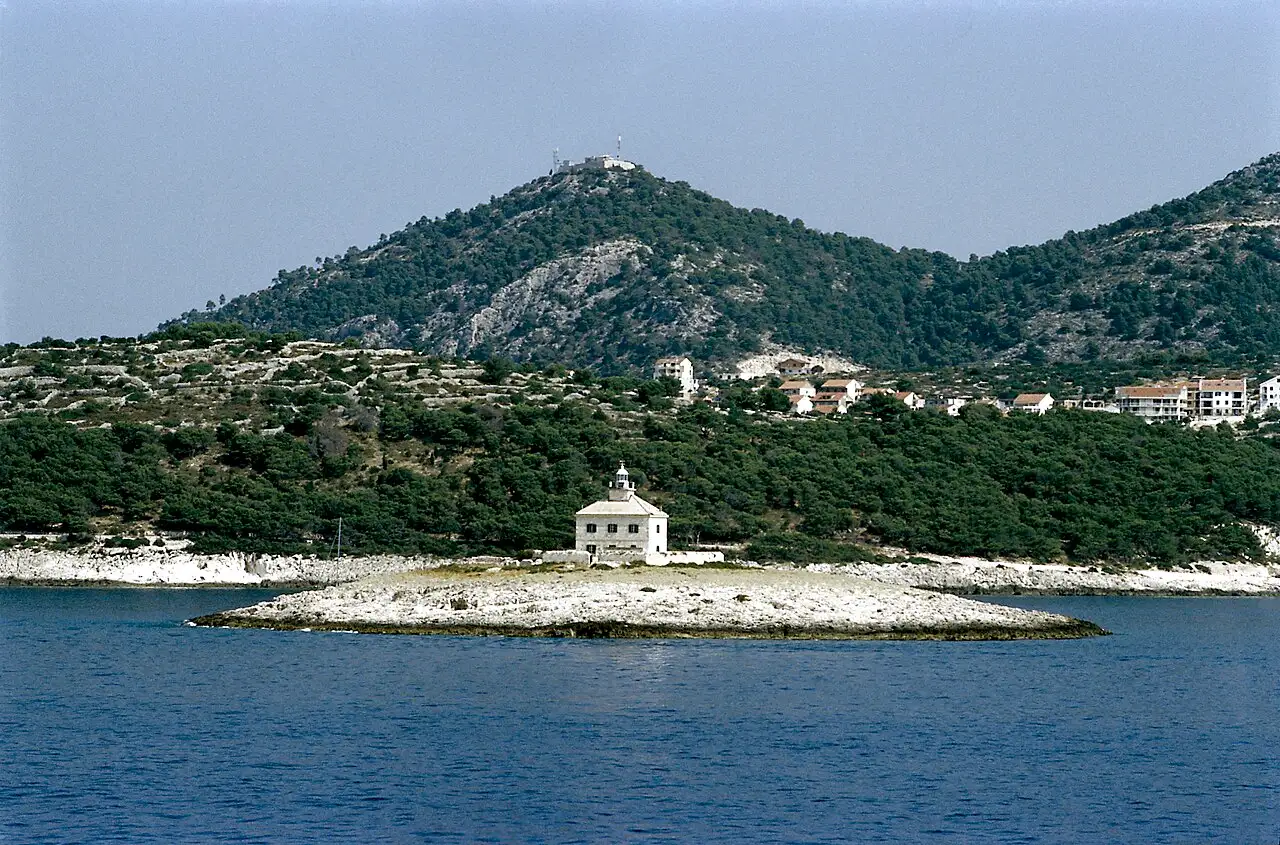
Lavender, Velo Grablje and the inland villages
Inland Hvar is the antidote to the harbour glamour - that’s where the lavender lives. The island is famous for lavender, grown for oils and soaps, and in late June and early July the terraces around the once-abandoned, now-revived village of Velo Grablje and the slopes above Brusje turn purple and hum with bees. Velo Grablje holds a small lavender festival each summer; the exact dates move year to year, so check the island tourist board before planning a visit around it.
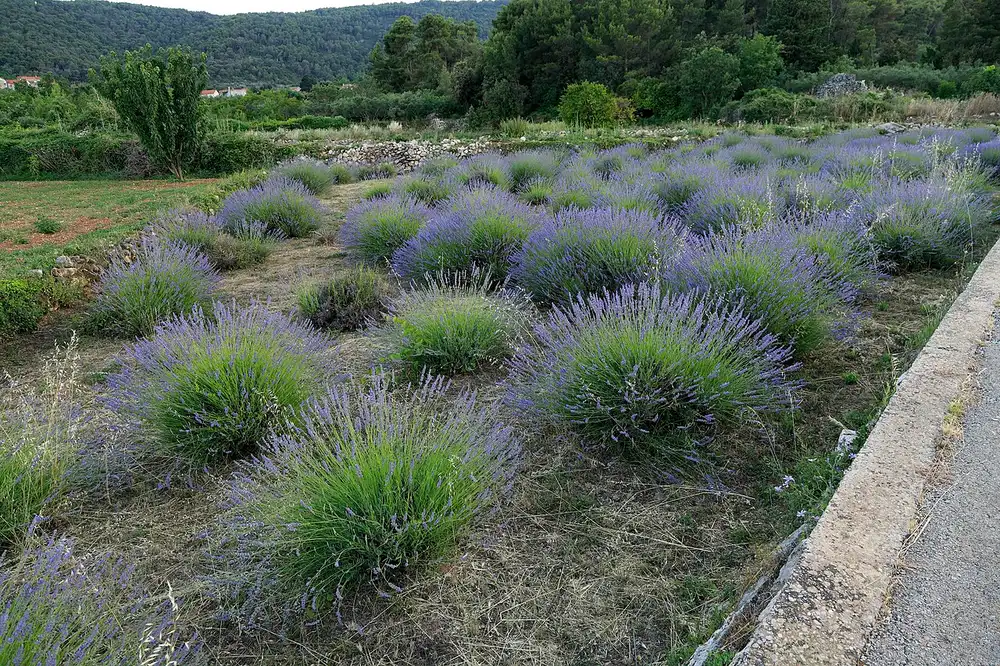
The drive across the island’s spine, with old stone hamlets and sea views on both sides, is a highlight in itself if you’ve a car - and the easiest way to reach the lavender villages and the quieter eastern towns.
The Stari Grad Plain (UNESCO)
On the way to the eastern towns lies one of Hvar’s most unusual sights - it’s easy to drive past without noticing. The Stari Grad Plain (Starogradsko polje) is a fertile plain whose field divisions were laid out by Greek colonists from Pharos in the 4th century BC - a geometric grid of plots, dry-stone walls and field shelters that has been farmed continuously for nearly 2,400 years. That remarkable survival earned it a place on the UNESCO World Heritage List. It still produces grapes and olives; you’ll want to walk or cycle the old lanes between the walls from Stari Grad.
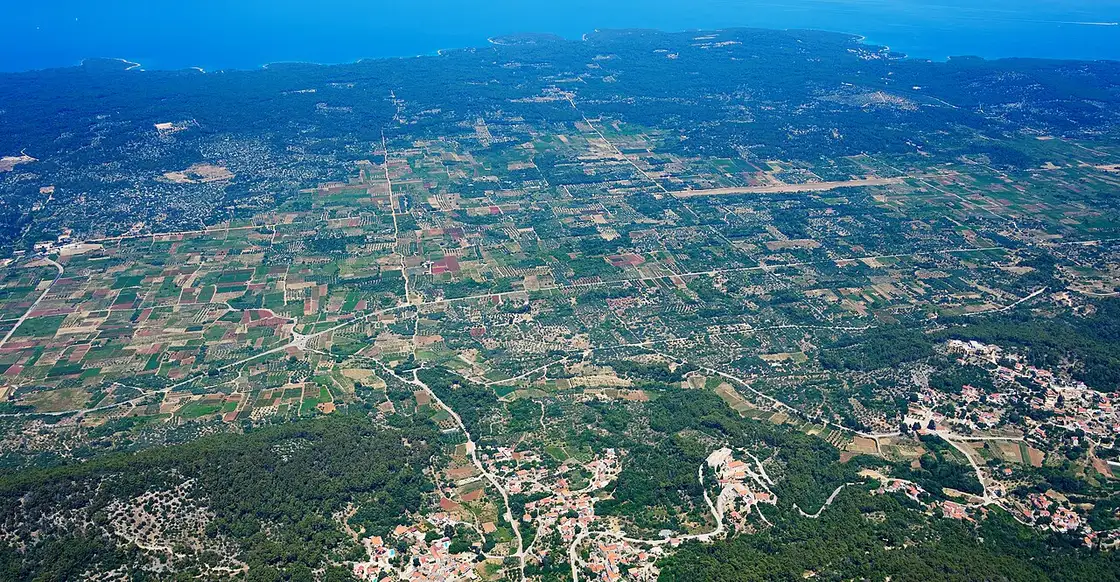
Stari Grad, Jelsa and Vrboska
Hvar Town gets the headlines, but the island’s other towns are calmer and, for many, more charming.
| Town | Why go |
|---|---|
| Stari Grad | The island’s oldest settlement and the main car-ferry port from Split; a mellow stone old town around a deep bay - you’ll use it as the gateway to the Stari Grad Plain |
| Jelsa | A green, family-friendly harbour town in the centre of the island, with a pretty square and easy beaches |
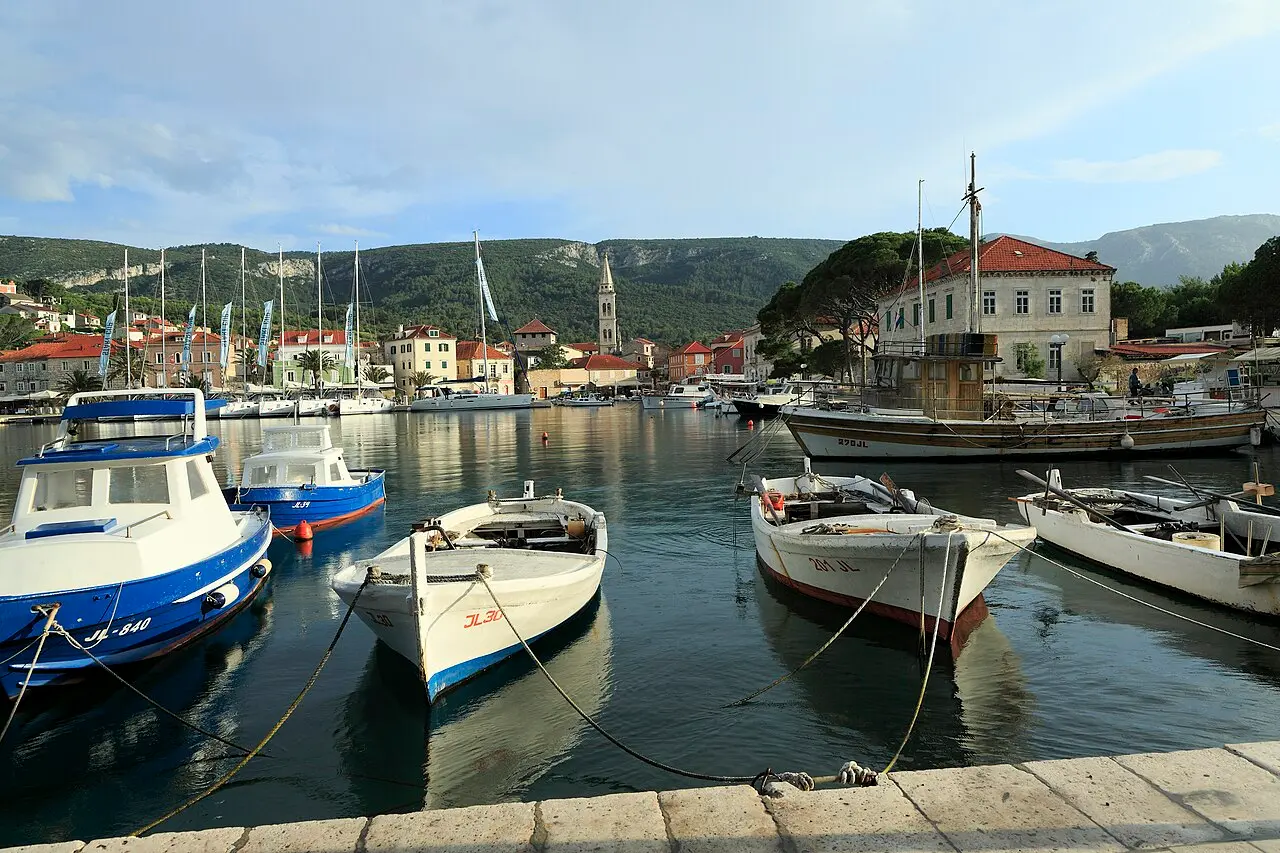
| Vrboska | The smallest and prettiest - nicknamed “Little Venice” for its bridged inlet, with a fortified church |
| Sućuraj | The far-eastern tip, where the short Drvenik car ferry lands; quiet and handy for arrivals from the mainland |
Stari Grad is where most cars arrive and a calmer base than the party town; Jelsa is the easygoing family choice; and tiny Vrboska, set along a narrow bridged inlet, is the one photographers love.
Where to stay: best areas
Where you base yourself depends on what you want from Hvar - the buzz of the town or the calm of everywhere else.
| Area | Good for | Notes |
|---|---|---|
| Hvar Town | Sights, dining, nightlife | Most expensive and busiest; book early for summer, and expect noise late |
| Stari Grad | A calmer old-town base | Where the car ferry lands; mellow, good value, walkable |
| Jelsa | Families and quiet | Central, green, easy beaches; relaxed atmosphere |
| Vrboska / Soline | Peace and pine-shaded coves | Smallest and quietest; a car helps |
Hvar Town fills up and prices peak in July and August, so reserve well ahead and weigh a quieter base elsewhere on the island. For a proper head-to-head - Hvar Town vs Stari Grad vs Jelsa, plus how the ferries decide it - see our guide to where to stay on Hvar. For a sense of nightly costs across the country, see is Croatia expensive?.
Where to eat
Hvar’s food is Dalmatian island cooking - here’s what to expect - grilled fish and shellfish, olive oil, gregada (a Hvar fish-and-potato stew), lamb, capers and the island’s own wines from the Plavac Mali grape. As in Split and Dubrovnik, the terraces right on the harbour and the main square are atmospheric but tourist-priced; you’ll eat better and cheaper a few lanes back, in the inland villages, or at a konoba out on the Pakleni Islands. For how we choose places, see the food directory.
How to get to Hvar
Hvar is an island, so every trip involves a boat. There are three arrival points and two kinds of crossing, and which you pick depends on whether you bring a car:
| Route | Type | Rough time | Notes |
|---|---|---|---|
| Split → Hvar Town | Passenger catamaran | ~1 h | Foot passengers only; lands right in Hvar Town. Operators: Jadrolinija, Kapetan Luka (Krilo), TP Line |
| Split → Stari Grad | Car ferry | ~2 h | Takes vehicles; Stari Grad is ~17 km from Hvar Town (bus/taxi connection) |
| Drvenik → Sućuraj | Car ferry | ~30 min | Shortest crossing, from the mainland coast road; lands at the far east end |
For a quick day trip without a car, the passenger catamaran from Split to Hvar Town is by far the easiest - it drops you in the heart of town in about an hour. If you’re bringing a car, you must use a car ferry (catamarans take passengers only): the Split-Stari Grad ferry or, if you’re driving down the coast, the short Drvenik-Sućuraj hop. In peak season, book the Split-Stari Grad car ferry ahead - a purchased ticket reserves your sailing and vehicle space sells out fast, but Jadrolinija still asks booked passengers to check in 60 minutes before departure in summer, so don’t treat the booking as licence to arrive at the last minute. Drvenik-Sućuraj works differently: it sells day tickets and boards by arrival queue with no reservation at all, so get there early or you may not make the crossing. Catamaran and ferry timetables are seasonal, so confirm the latest with Jadrolinija and Kapetan Luka before you travel.
Hvar also makes a natural stop on a Dalmatian island-hopping trip; it’s one of the legs on our Dalmatia coast route from Split to Dubrovnik. The neighbouring island of Korčula is an easy add-on for a quieter, wine-focused stop - and Hvar or Korčula lays out which island fits which trip. If you’re continuing by road on the mainland, see our guide to renting a car in Croatia - but note that taking a hire car onto the island is often more hassle and cost than it’s worth for a short stay.
Day trips from Hvar
Beyond the Pakleni Islands, Hvar is a springboard for the wider central Dalmatian islands - don’t stop at the harbour. Boat trips run in season to the Blue Cave on Biševo and the unspoilt island of Vis, and to Bol on Brač with its famous Zlatni Rat beach. Back on the mainland, Hvar pairs naturally with Split and the rest of the Dalmatian coast.
Practical tips
- When to go. July and August are hot, lively and dearest; late May-June and September give warm sea, long days and thinner crowds. The best time to visit Croatia has the month-by-month picture.
- Money. Croatia uses the euro (€). Cards are widely accepted, but carry cash for water taxis, beach konobas and small cafés.
- Boats first. Plan around the catamaran and ferry timetables - they shape your whole day. Book car ferries ahead in summer and arrive early.
- Sun and shoes. Hvar is genuinely the sunniest spot in the country; bring a hat, water and water shoes for the rocky coves.
Plan the rest of your trip
Hvar is best enjoyed as part of a wider Dalmatian loop. Pair it with Split just across the channel, the southern showpiece of Dubrovnik, and the islands and coast in between on our Dalmatia route from Split to Dubrovnik. For timing and budgets, see the best time to visit Croatia and is Croatia expensive?. The cities hub collects our other Croatian city and island guides.
Opening hours, prices, timetables and seasonal services change through the year - the figures here are planning estimates, not quotes. Confirm current details with the operators and official sources before you go.
Photos
On the map
The map loads on click - to keep the page lightweight.
The map didn’t load. Check your connection and refresh the page.
Good to know
Hvar Town's square, lanes and waterfront are free to walk. The Spanish Fortress (Fortica), the cathedral treasury and the Franciscan monastery museum are ticketed; buy on site. Check current prices and hours with the Hvar tourist board before you go - they change by season.
Details checked: June 23, 2026
Distance ≈0 km · ~1 h by catamaran
- Split ≈0 km · ~1 h by catamaran Passenger catamarans run Split → Hvar Town in about an hour; car ferries run Split → Stari Grad in about two hours. Confirm times with the operators.
Read also

Cities · 12 min read
Motovun Travel Guide: Walls, Truffles & Teran
Verified · September 4, 2026Motovun hilltown guide: walls ticket €5 in 2026, St Stephen, Teran cellars, Mirna views, parking climb, and why the film festival no longer plays here.

Cities · 10 min read
Dugi Otok & Sakarun Beach: Island Day-Trip Guide
Updated · August 31, 2026Day-trip Dugi Otok from Zadar: Jadrolinija ferry to Brbinj, Sakarun beach, Veli Rat lighthouse, and Telašćica cliffs - DIY or boat tour.

Cities · 10 min read
Opatija Travel Guide: Habsburg Riviera & Lungomare
Verified · August 25, 2026Opatija on the Kvarner Gulf: the 10 km Lungomare, Villa Angiolina museum, Maiden with the Seagull, and how it differs from Rijeka and Istria.

Cities · 10 min read
Omiš Travel Guide: Pirates, Zipline & Cetina Canyon
Verified · August 21, 2026Omiš is 25 km from Split: Promet bus €2.50, Mirabela €4-6, Cetina rafting and an 8-line zipline over the canyon.