
Best Time to Visit Croatia 2026: Month by Month
Best time to visit Croatia: the shoulder season (late May-June, September) means a warm sea and fewer crowds. Month-by-month weather, sea and prices.
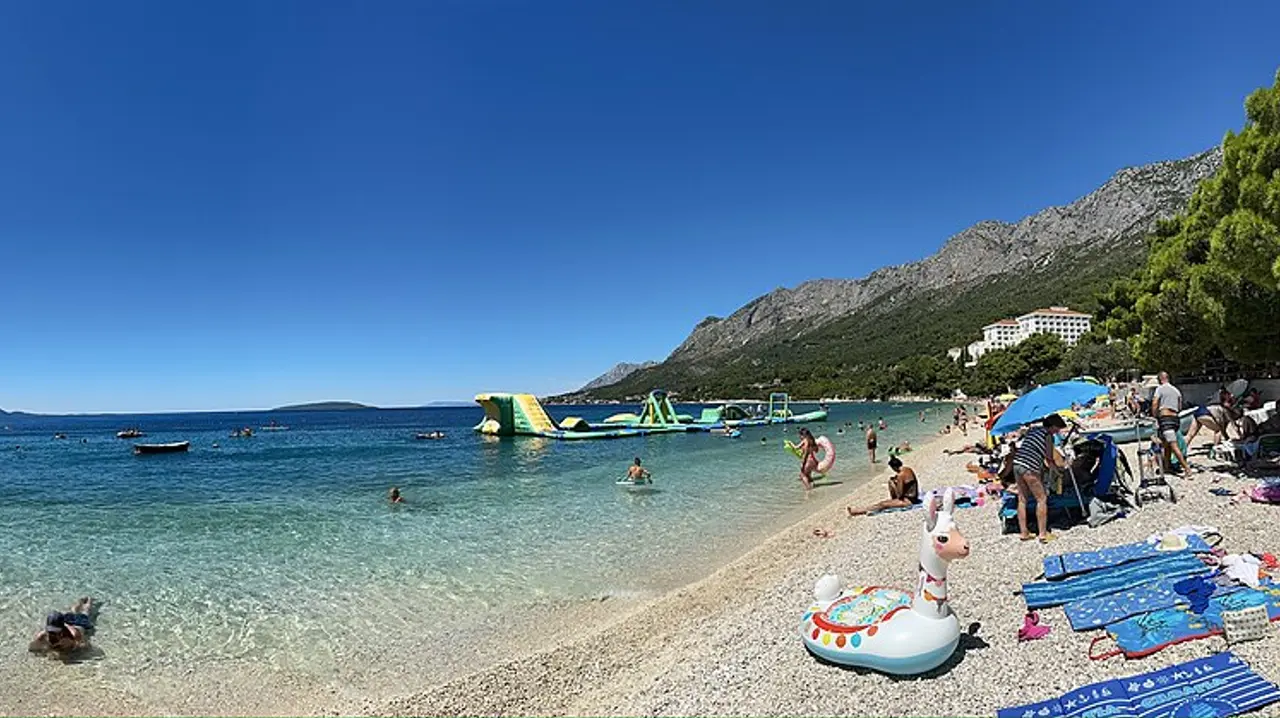
The best time to visit Croatia is the shoulder season - late May to June, and September - when the Adriatic is warm enough to swim, the days are long, and the coast is far less crowded and expensive than at its July-August peak. July and August bring the hottest, busiest, priciest weather and the warmest sea; spring and autumn trade a little beach time for thinner crowds and lower prices; and winter is quiet, cheap and mild on the coast, but many island and seaside businesses close. The right month depends on what you want - beaches and islands, national parks, cities, or low prices.
Here’s the catch: Croatia runs two clocks at once - the sea warms and cools slowly, while the crowds and prices spike sharply around July and August - so the best month really comes down to which of the two matters more to you.
The short answer: when to go
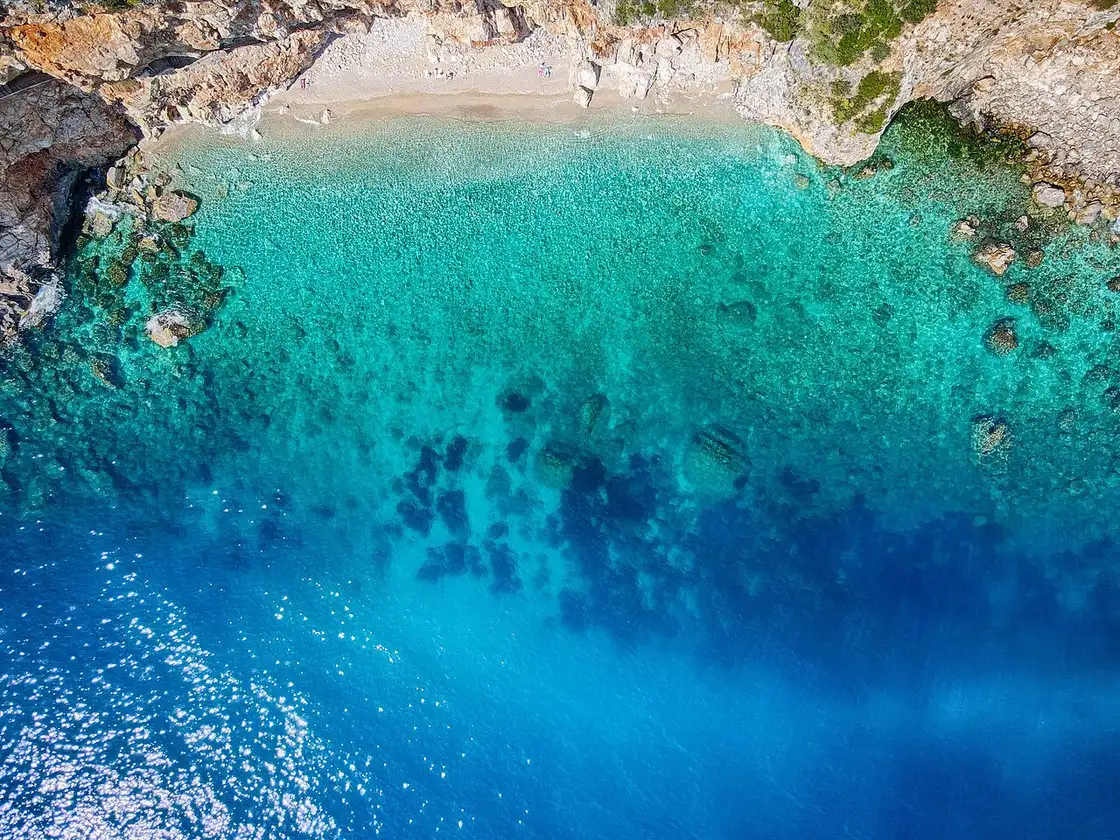
If you mainly want the coast and islands, aim for the warm shoulder: June and September give you a swimmable sea, long sunny days and noticeably fewer people than midsummer, with late May and early October as cheaper, slightly cooler bookends. It’s also when the best beaches are at their calmest, before the August crush fills every cove. Choose July-August only if you specifically want peak heat, full ferry schedules and lively nightlife - and accept the crowds and the highest prices of the year. For how warm the water actually gets month by month, see the Croatia sea temperature guide.
If you can pin your exact weeks, the first half of June and the first three weeks of September are the bullseye: a warm sea and long light, but sitting just either side of the August price-and-crowd wall rather than inside it. The single most expensive fortnight of the year is roughly mid-July to mid-August, so nudging a beach trip even one week past it changes the bill more than the weather.
If your trip is built around the national parks, the cities, or value, the shoulder and even the off-season win outright: spring and autumn are kinder for hiking Plitvice and Krka, and city breaks to Zagreb work all year. The single biggest lever on cost is timing - see is Croatia expensive? for the budget side of this.
Croatia by season
Spring (April-June). The coast wakes up: April and early May are green and mild but the sea is still cool, while late May and June hit the sweet spot - warm air, a sea warming through the low 20s°C, long days and modest crowds. Ferry schedules fill out through June, and it’s one of the two best windows of the year.
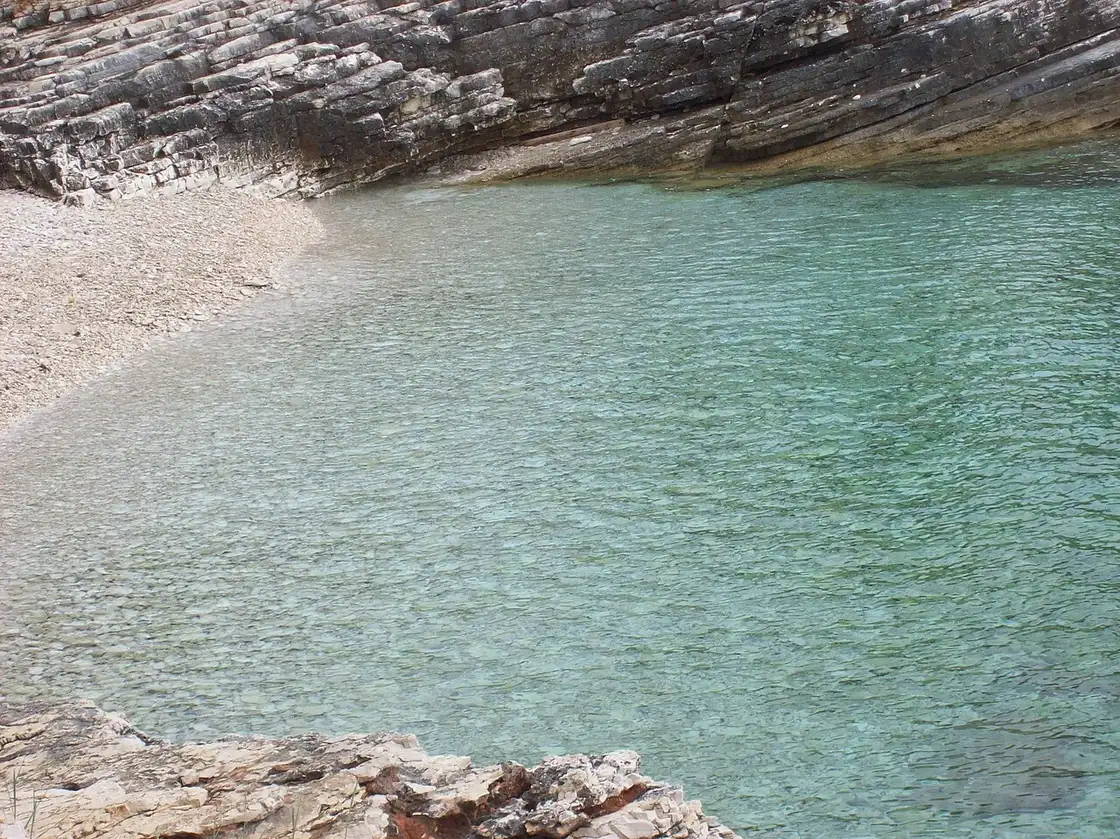
Summer (July-August). The headline season: hot, dry and sunny, with the warmest sea of the year (Adriatic surface temperatures reach the mid-20s°C). It’s also the most crowded and most expensive time, with peak accommodation rates, busy ferries and packed old towns. Book everything well ahead, and start sightseeing early to beat the heat. For a closer look at the two peak months, see Croatia in July and Croatia in August.
Autumn (September-October). The other prime window. September keeps a warm sea (often around 23-24°C) and summer’s long light with thinner crowds and easing prices - arguably the single best month on the coast. October cools steadily, the sea is still swimmable early in the month, and the inland parks turn to autumn colour, though some seasonal coastal businesses begin to wind down. For the full month, including which ferries thin out and by how much park tickets drop, see Croatia in October.
Winter (November-March). The off-season is cheapest and quietest. The coast stays mild but wet and windy, and many island and seaside hotels, restaurants and ferries run reduced schedules or close. Inland it’s properly cold, with snow possible. The big winter draw is the cities - above all Advent in Zagreb, the capital’s award-winning Christmas market.
Month by month
The table below is a planning snapshot for the coast - air feel, rough Adriatic sea temperature, crowds and relative prices. Sea figures are seasonal normals (warmer in the south around Dubrovnik, cooler in the north around Istria); confirm live conditions before a swimming trip.
| Month | Weather | Sea | Crowds | Prices |
|---|---|---|---|---|
| Jan-Feb | Cool, wet, windy on the coast; cold inland | ~13-14°C (too cold to swim) | Very low | Lowest |
| March | Mild, changeable; spring begins | ~13-15°C | Low | Low |
| April | Green, mild; cool sea | ~15-16°C | Low-moderate | Low |
| May | Warm, sunny; sea warming | ~17-20°C | Moderate (late May busier) | Rising |
| June | Warm, long days; good sea | ~21-23°C | Moderate-high | High |
| July | Hot, dry; warm sea | ~24-25°C | Very high | Peak |
| August | Hottest, busiest | ~24-25°C | Highest | Peak |
| September | Warm, long light; great sea | ~23-24°C | High early, easing | High, falling |
| October | Cooling; autumn colour inland | ~22-23°C early, ~19-21°C late | Moderate | Falling |
| Nov-Dec | Mild but wet; cold inland; Advent | ~16-18°C falling (too cold to swim) | Low (Advent busier in cities) | Low (city peaks at Advent) |
The pattern is clear: the sea lags the air, staying comfortably swimmable from roughly June to early October, while the crowds and prices spike specifically in July-August. Inland the calendar runs differently: Zagreb’s peak is Advent in Zagreb, when the capital fills for Christmas rather than the coast. That gap between sea and air is exactly why the shoulder months are such good value.
The real numbers: Split’s rain and sunshine by month
The feel-by-month table above holds for the whole coast, but here are the actual figures behind it: 1991-2020 climate normals for Split (Marjan Hill station, WMO 14445), the official international reference point for central Dalmatia, cross-checked against the Croatian Meteorological and Hydrological Service.
| Month | Rainfall | Sunshine (avg/day) |
|---|---|---|
| Jan | 73 mm | 4.5 h |
| Feb | 64 mm | 5.4 h |
| Mar | 58 mm | 6.3 h |
| Apr | 62 mm | 7.4 h |
| May | 58 mm | 9.0 h |
| Jun | 49 mm | 10.6 h |
| Jul | 25 mm | 11.6 h |
| Aug | 32 mm | 10.8 h |
| Sep | 82 mm | 8.2 h |
| Oct | 80 mm | 6.4 h |
| Nov | 120 mm | 4.3 h |
| Dec | 99 mm | 4.1 h |
Two things stand out. July isn’t just the hottest month, it’s the driest by a wide margin - a quarter of what November gets - and even November’s rain isn’t a washout, it’s spread over roughly 12 days rather than dumped at once. And the shoulder season earns its reputation in the sunshine column too: May already averages 9 hours of sun a day, within striking distance of July’s 11.6, for a fraction of the crowds and the price.
When to go by region
Croatia is long and varied, and the ideal timing shifts a little by area:
- Dalmatia (Split, Dubrovnik, the islands). The classic beach-and-island region and the warmest sea, so it follows the main rule most closely: June and September are ideal, July-August are peak. Hvar and the other islands are at their best - and most crowded - in high summer; the Dalmatian coast route is most comfortable in the shoulder.
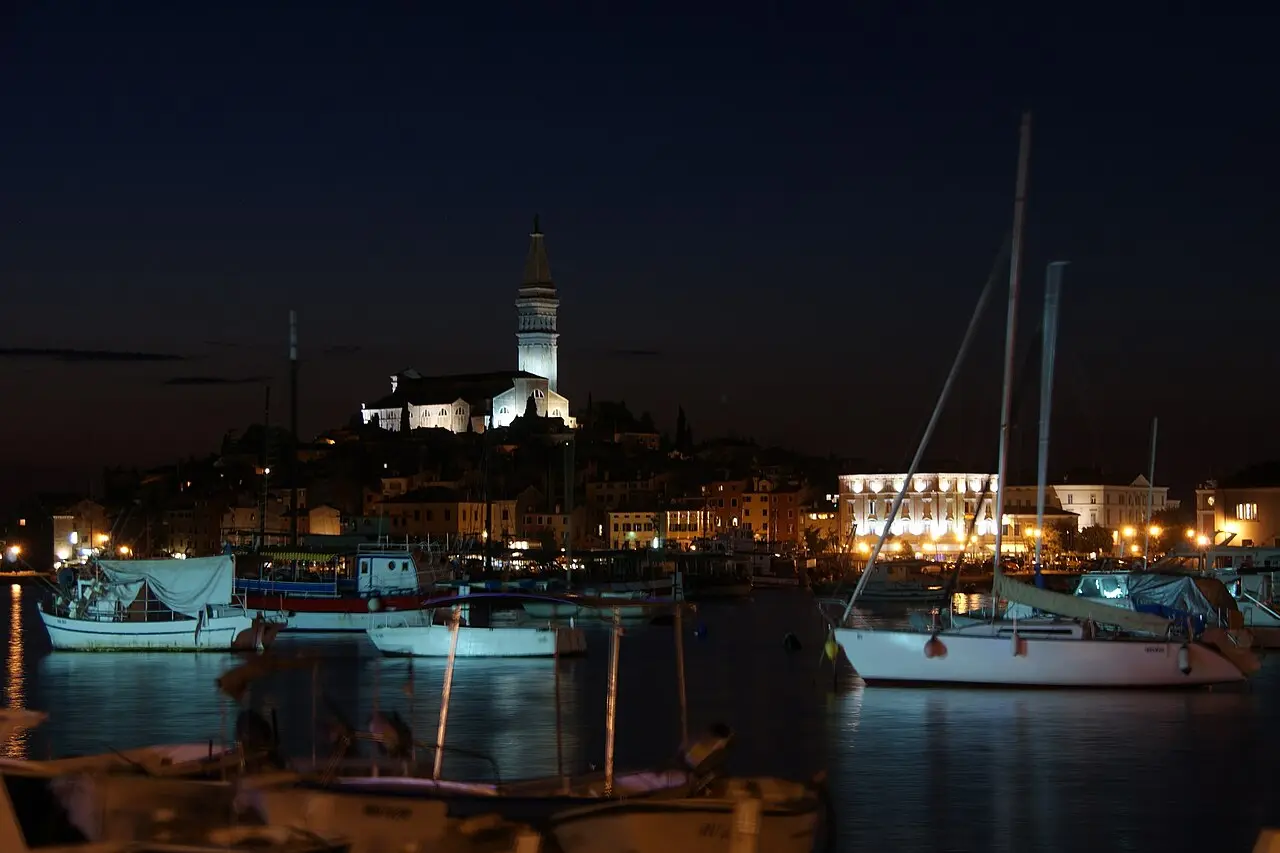
- Istria (Rovinj, Pula). The northern coast is a touch cooler than the south, with a slightly shorter beach season, but it shines in the shoulder for towns, food and wine - and the autumn truffle season is a real reason to come in October-November.
- Inland & the national parks (Plitvice, Krka). Spring and autumn are the most comfortable for walking the boardwalks, with fewer crowds and lower national-park admission than in peak summer; the parks are scenic year-round but hot and busy in July-August.
- Zagreb and the continental interior. A year-round city break that doesn’t depend on the sea. Summers are warm, winters cold, and the Advent period (late November-early January) is the standout, when the capital fills for its Christmas market.
When it is cheaper and less crowded
If your priority is value and space, avoid the July-August peak entirely. The cheapest, quietest windows are:
- Late May-June and September-early October - the shoulder: warm enough to swim, but with accommodation, ferries and park tickets noticeably cheaper than midsummer, and the old towns walkable rather than packed.
- November-March (off-season) - the cheapest of all on the coast, but with the trade-offs of cool, wet weather, reduced ferry schedules and many seasonal businesses closed. Best suited to city breaks and the Advent markets rather than beaches.
Two practical notes. First, the sea stays warm into autumn longer than newcomers expect - it’s often better swimming in September than in June. Second, prices and crowds are driven by the calendar more than the weather, so shifting a beach trip from early August to early September can cut costs sharply for almost the same conditions. For the numbers behind this, see is Croatia expensive?. If it comes down to the two classic shoulder months, our head-to-head on Croatia in May vs September settles which one fits your trip.
Events through the year
Croatia’s festival calendar can be a reason to come - or a week to avoid if you want quiet. Major fixtures include summer music festivals on the coast and islands (around Split, Hvar and Pula), the long-running Dubrovnik Summer Festival of theatre and music through July and August, and, in winter, Advent in Zagreb. Exact dates move year to year, so it’s worth confirming them on the official event and tourist-board sites before you build a trip around one - and book accommodation early, as festival weeks sell out and raise prices locally. Our Croatia festivals calendar lays the whole year out month by month, including the dates already confirmed for next season.
Practical tips for timing your trip
- For the coast, target the shoulder. Late May-June or September give warm sea, long days and far better value than July-August.
- September is the quiet winner. A warm sea and summer light with easing crowds and prices - often the best single month on the coast.
- Book peak season early. For July-August, reserve accommodation and car ferries well ahead and arrive early at ports - see our transport and car-hire notes.
- Match the region to the month. Dalmatia and the islands for summer sea; Istria and the parks for the shoulder; Zagreb and Advent for winter.
- Check live conditions. Sea temperatures and ferry schedules are seasonal - confirm before a swimming or island trip.
Plan the rest of your trip
Once you’ve picked your window, decide how long to stay with our 7-10 day Croatia itinerary guide, then build the trip around it: weigh a city base in Split or Dubrovnik, add an island like Hvar, and link the coast on the Dalmatia route from Split to Dubrovnik. For costs and logistics, see is Croatia expensive? and the wider trip-planning hub, with the national parks at Plitvice and Krka. And whatever month you land in, our Croatia packing list covers what to bring, from water shoes to the right plug adapter.
Opening hours, prices, timetables and seasonal services change through the year - the figures here are planning estimates, not quotes. Confirm current details with the operators and official sources before you go.
Photos
Read also

Before you go · 10 min read
Where to Stay in Korčula: Old Town to Vela Luka
Verified · September 5, 2026Korčula Town for walls and boats, Lumbarda for sand, Vela Luka for the Split car ferry. Match the base to how you arrive - then book.

Before you go · 10 min read
Sailing in Croatia: Yacht Charter Costs & Routes
Updated · September 5, 2026Croatia yacht charter 2026: bareboat weekly ranges, skipper and deposit separate, APA on crewed boats, season guides, island routes.

Before you go · 10 min read
Where to Stay in Makarska: Riviera Bases Compared
Updated · August 30, 2026Brela, Baška Voda, Makarska, Tučepi or the quieter south - which Riviera base fits beach weeks, families, nightlife and Brač ferry mornings.

Before you go · 8 min read
Hvar or Korčula: Which Island Fits Your Trip?
Verified · August 28, 2026Hvar or Korčula in 2026? Split catamarans (~€25 like-for-like), vibe, beaches and who each Dalmatian island suits - plus the hop between them.