
Croatia Sea Temperature by Month: Warm Enough to Swim?
Croatia sea temperature by month: 24-25°C in July, 25-26°C peak August, 21-23°C June, ~22-23°C early October. When the Adriatic is warm enough to swim.
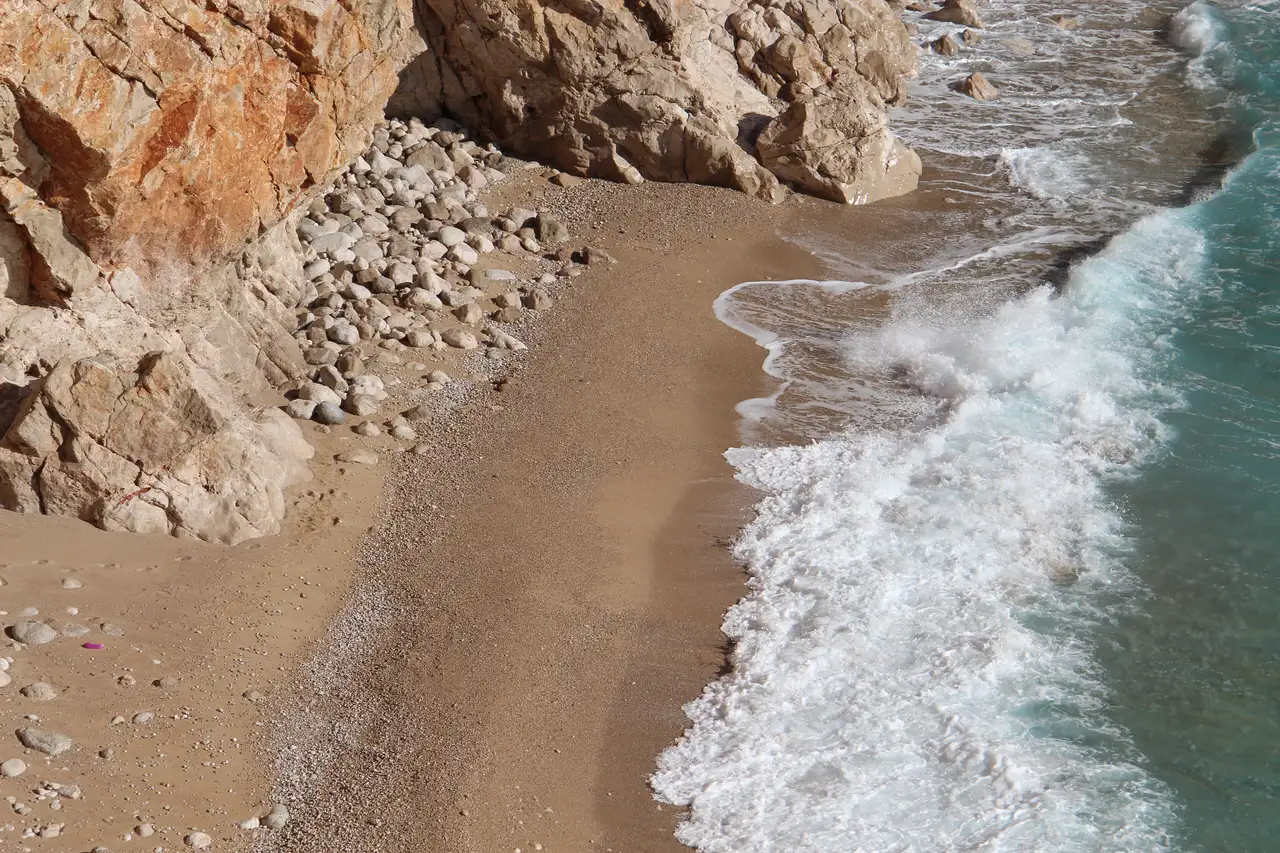
The short answer to the question everyone asks: June is warm enough - the Adriatic sits around 21-23°C and climbs all month, so by mid-June it’s comfortable swimming, warmer in the south. October is a game of two halves - the first two weeks are still swimmable at a warm 22-23°C, then the sea eases down through the back half of the month to a cooler 19-21°C, coolest in the Istrian north. The warmest water of the whole year is late July and August, when the southern coast reaches 25-26°C.
What trips people up is that the sea doesn’t follow the calendar. It runs about two months behind the air, so the hottest sunshine in late June sits over water that’s still catching up, while September stays warm long after the tan lines have faded. Get that lag right and you can pick a month where the swimming is genuinely good rather than gambling on a cold shock at the shore.
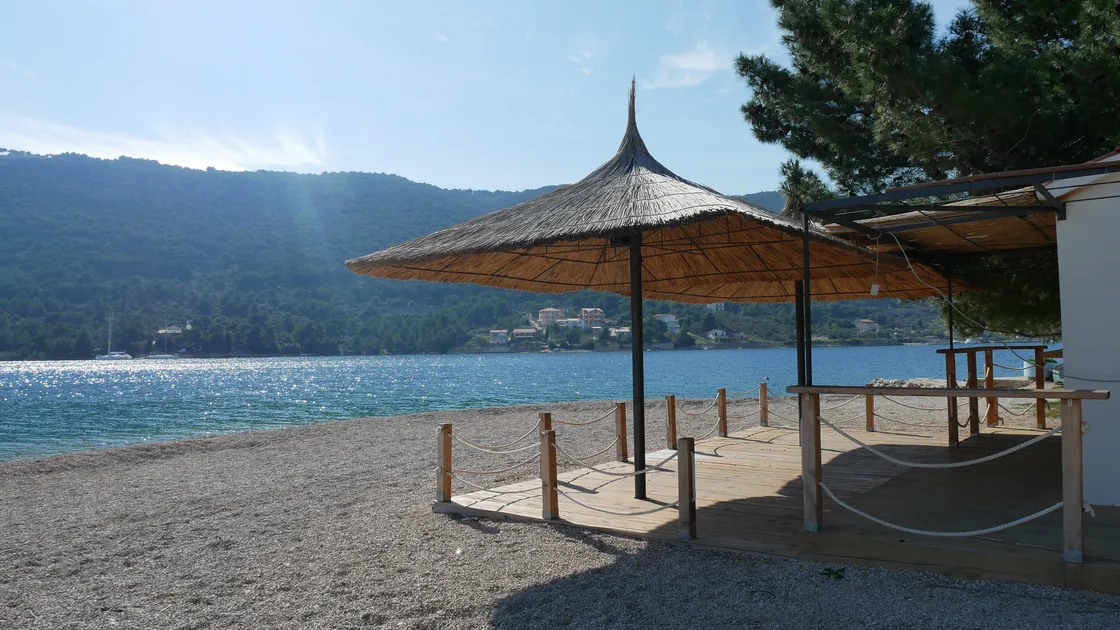
Croatia sea temperature by month
These are typical averages for the central Croatian coast (the Split area), which is a fair middle reference. The south runs a degree or two warmer, the north a couple cooler - more on that below. Treat them as seasonal normals, not a forecast: any given week can land above or below.
| Month | Typical sea temp (central coast) | Swimming |
|---|---|---|
| January | ~13°C | No |
| February | ~12°C (coldest) | No |
| March | ~13°C | No |
| April | ~15°C | Brisk, wetsuit territory |
| May | 17-19°C | Cool, the brave only |
| June | 21-23°C | Yes, warming fast |
| July | 24-25°C | Yes, warm |
| August | 25-26°C (peak) | Yes, warmest |
| September | 23-24°C | Yes, still warm |
| October | 22-23°C early, ~19-21°C late | Both halves, cooler north |
| November | 17-18°C | Cool |
| December | 14-15°C | No |
The pattern is the important part. The water bottoms out in late winter (February, not January, because the sea keeps giving up heat well after the shortest day), then warms slowly through spring and holds its warmth deep into autumn. That is why the swimming season is lopsided toward the back end of summer.
Why the sea lags the sun by two months
Water is slow to heat and slow to cool - it has far more thermal mass than air. So the Adriatic spends all of spring and early summer soaking up warmth, and doesn’t peak until the air has already started to turn. The upshot is one of the most useful facts for planning a Croatia beach trip: September is warmer for swimming than June, even though June has the longer, stronger days. By September the sea has banked a whole summer of heat; in June it’s still spending winter’s chill.
Is the sea warm enough in June?
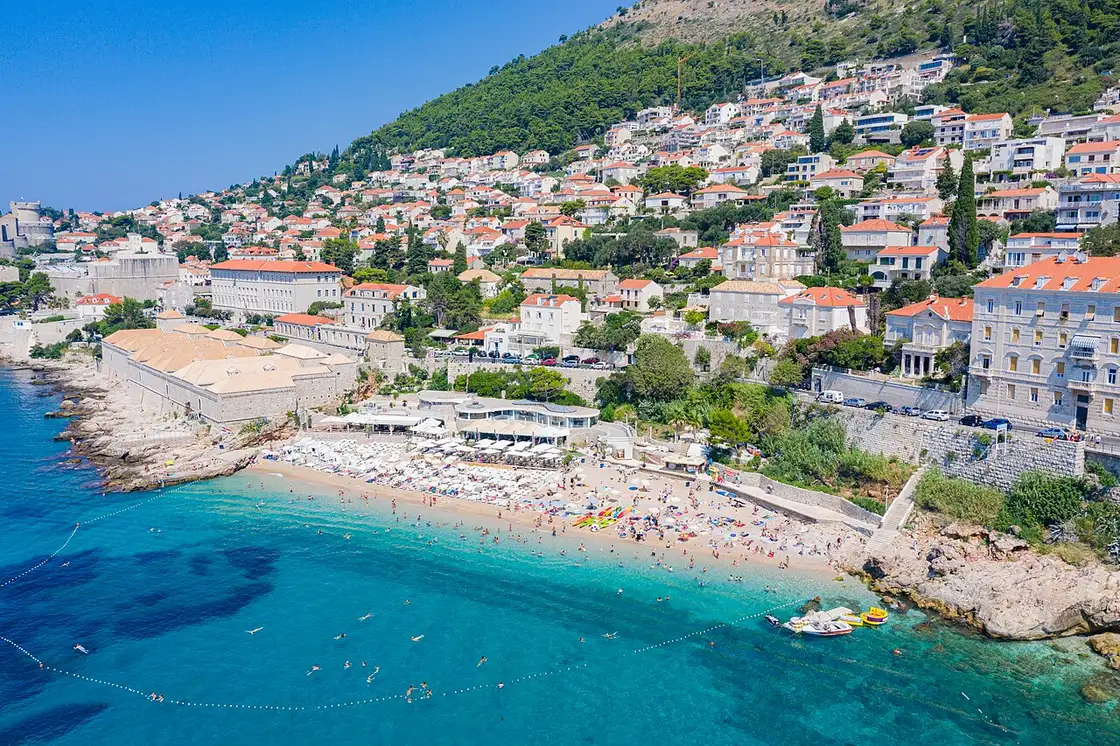
Yes, with a caveat about timing within the month. Early June the water is still finding its feet at around 20-21°C - swimmable, but you notice the first plunge. By late June it has risen to a comfortable 22-23°C, warmer again on the southern islands. So June is a genuinely good beach month, and it comes with a bonus: the crowds and prices haven’t yet hit their July peak, and the days are the longest of the year.
If you’re travelling with small children, aim for the second half of June rather than the first - a couple of degrees makes the difference between a quick shriek-and-out and an actual afternoon in the water. For the fuller trade-off between early and late season, our best time to visit Croatia guide lays out crowds, weather and cost month by month, and if you’re weighing spring against autumn specifically, Croatia in May vs September settles the sea-versus-scenery question.
Is the sea warm enough in October?
This is where the two-month lag cuts the other way, and where the answer really depends on the calendar more than the map. Early October the sea is still holding summer’s warmth at about 22-23°C right along most of the coast, from Split down to Dubrovnik - the real gap this early in the month is up in Istria, where the water sits a degree or so cooler. Plenty of people swim happily through the first fortnight, and the beaches are blissfully empty.
Then it turns, though less dramatically than the calendar suggests. As the nights lengthen the water eases down through the second half of the month, settling around 20-21°C off Split and Dubrovnik by the last week and closer to 19°C in the Istrian north, which cools first and fastest all month. So an early-October beach trip anywhere on the coast is a quiet, warm-enough win; a late-October one is cooler but rarely the cold shock people expect, except up north. If a warm swim matters that late in the year, the safest bet is simply to avoid Istria and stay central or south. For everything else that changes that month - ferry frequency, national park prices, which island restaurants are still open - see Croatia in October.
Where the sea is warmest: south beats north
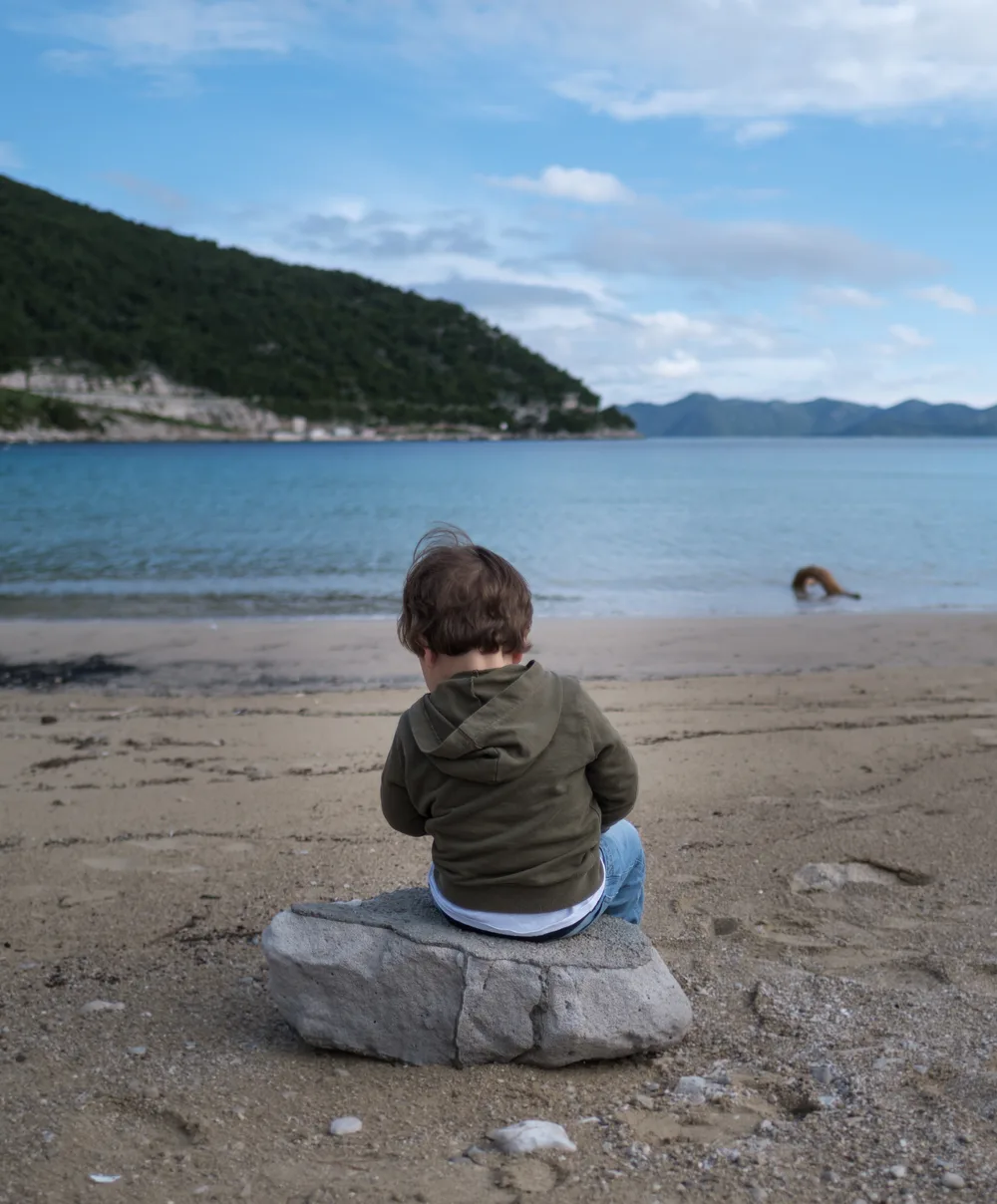
Croatia’s coast runs a long way north to south, and the water temperature tracks it. The southern Adriatic - Dubrovnik, the Elaphiti islands, Mljet, Korčula and the Pelješac peninsula - is the warmest stretch, typically 1-2°C above the central-coast averages above, and it stays swimmable a couple of weeks longer at each end of the season. This is the region to target for a May or October swim.
The northern Adriatic - Istria and the Kvarner gulf around Pula, Rovinj and the northern islands - runs 2-3°C cooler, most noticeably early and late in the season. In high summer the gap shrinks and Istria’s water is lovely; in the shoulder months it’s the first to feel cold. It’s not a reason to skip the north, which has some of the country’s clearest water and best rocky swimming - just a reason to set expectations, and to pack a little less optimism about the sea in June or September up there.
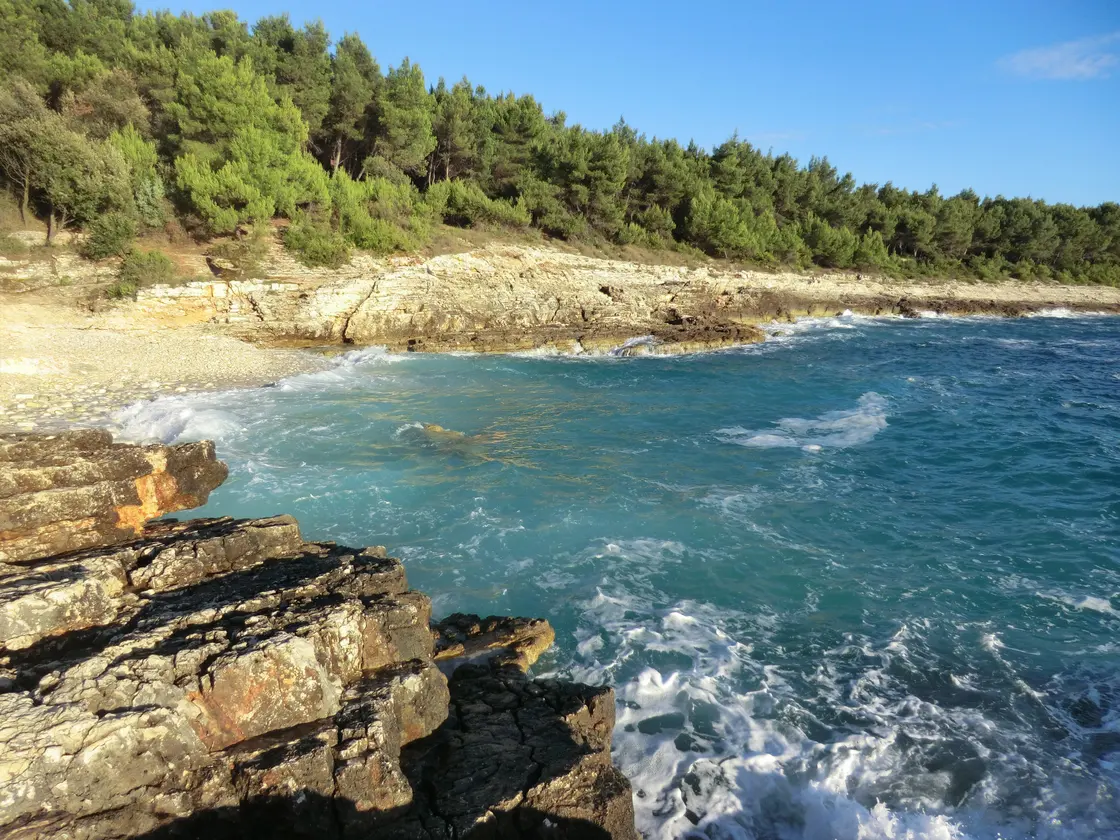
When the swimming season really runs
Put it together and the comfortable swimming window is roughly mid-June to late September, with the first half of October still warm enough to count in most years. The back half of October and all of May are swimmable if you don’t mind a noticeably cooler dip - and you get empty beaches as the reward, especially away from Istria. From November to March the sea is winter-cold, and most people are on the coast for the towns and the light, not the water.
A few honest caveats worth carrying:
- Year to year varies. These are averages; a hot early summer or a warm autumn can shift the whole picture by a week or two. Check a live sea-temperature reading close to your dates.
- Wind can drop the shallows overnight. A strong offshore bura wind can push warm surface water out and pull cooler water up, so a bay that was 24°C can feel several degrees colder the morning after a blow. It usually recovers within a day or two.
- Air isn’t water. A 30°C afternoon in June doesn’t mean a 30°C sea - that lag is the whole point, and it’s why some first-timers are surprised by their first swim.
Plan the rest of your trip
Once you have picked a month for the water, line up the rest: our best time to visit Croatia guide covers weather, crowds and prices across the year, and Croatia in May vs September compares the two best shoulder months head to head. For where to actually get in the water, see our roundup of the best beaches in Croatia, and if you want to chase the warmest sea between the southern islands, the island-hopping guide sets out the routes. Sorting a budget too? Is Croatia expensive? breaks down what a trip actually costs by season.
Sea temperatures are seasonal normals that shift year to year - confirm a current reading with the sources above before you count on a warm swim, especially in the shoulder months.
Photos
Read also

Before you go · 10 min read
Where to Stay in Korčula: Old Town to Vela Luka
Verified · September 5, 2026Korčula Town for walls and boats, Lumbarda for sand, Vela Luka for the Split car ferry. Match the base to how you arrive - then book.

Before you go · 10 min read
Sailing in Croatia: Yacht Charter Costs & Routes
Updated · September 5, 2026Croatia yacht charter 2026: bareboat weekly ranges, skipper and deposit separate, APA on crewed boats, season guides, island routes.

Before you go · 10 min read
Where to Stay in Makarska: Riviera Bases Compared
Updated · August 30, 2026Brela, Baška Voda, Makarska, Tučepi or the quieter south - which Riviera base fits beach weeks, families, nightlife and Brač ferry mornings.

Before you go · 8 min read
Hvar or Korčula: Which Island Fits Your Trip?
Verified · August 28, 2026Hvar or Korčula in 2026? Split catamarans (~€25 like-for-like), vibe, beaches and who each Dalmatian island suits - plus the hop between them.