
Where to Stay in Korčula: Old Town to Vela Luka
Korčula Town for walls and boats, Lumbarda for sand, Vela Luka for the Split car ferry. Match the base to how you arrive - then book.
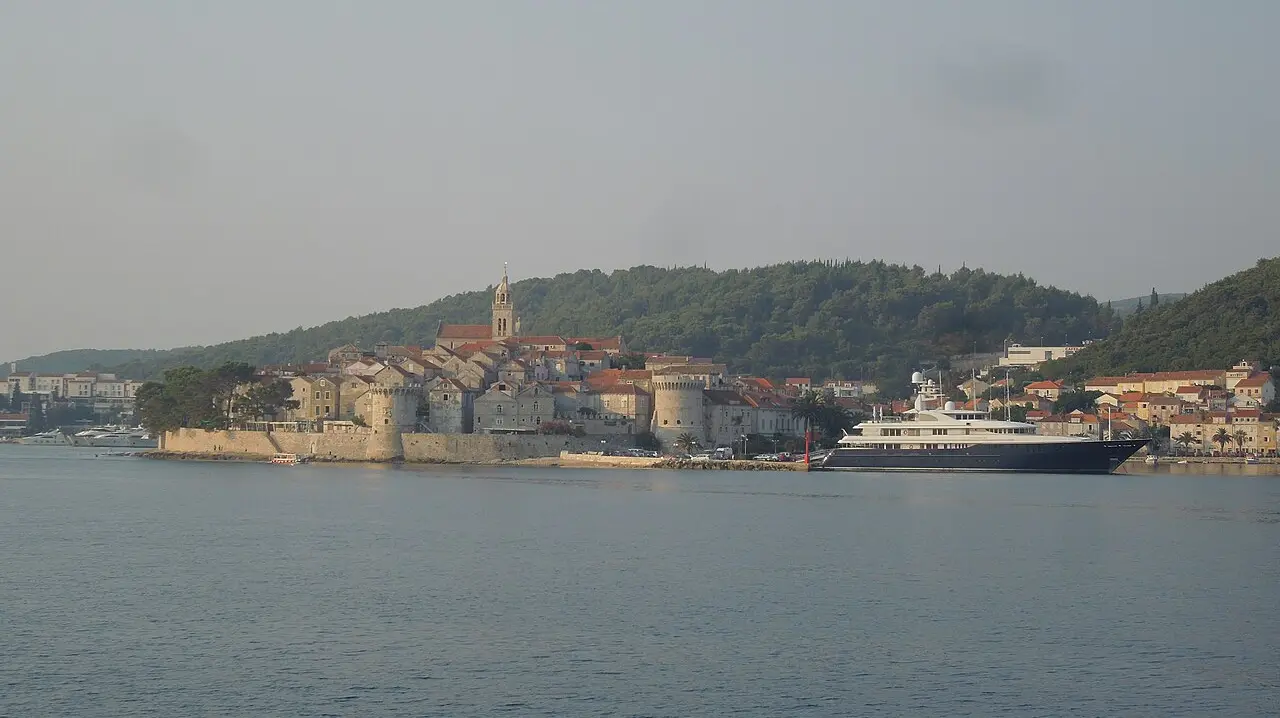
Most first visits should sleep in Korčula Town - inside the walls or a short walk outside them - because that’s where the boats, the restaurants and the herringbone lanes actually are. Switch to Lumbarda when the trip is about sand and Grk vineyards, and to Vela Luka when the Split car ferry is how you arrive or when you want a working harbour instead of a fortress. There’s no airport. How you land is a booking filter, not a footnote, and the mechanics sit in how to get to Korčula.
The tourist board lists the island as a string of places - Žrnovo, Lumbarda, Račišće, Pupnat, Čara, Smokvica, Blato, Vela Luka - around that walled town. You don’t need all of them. You need one bed that matches the boat you already bought.
Sleep by the walls, or just outside them
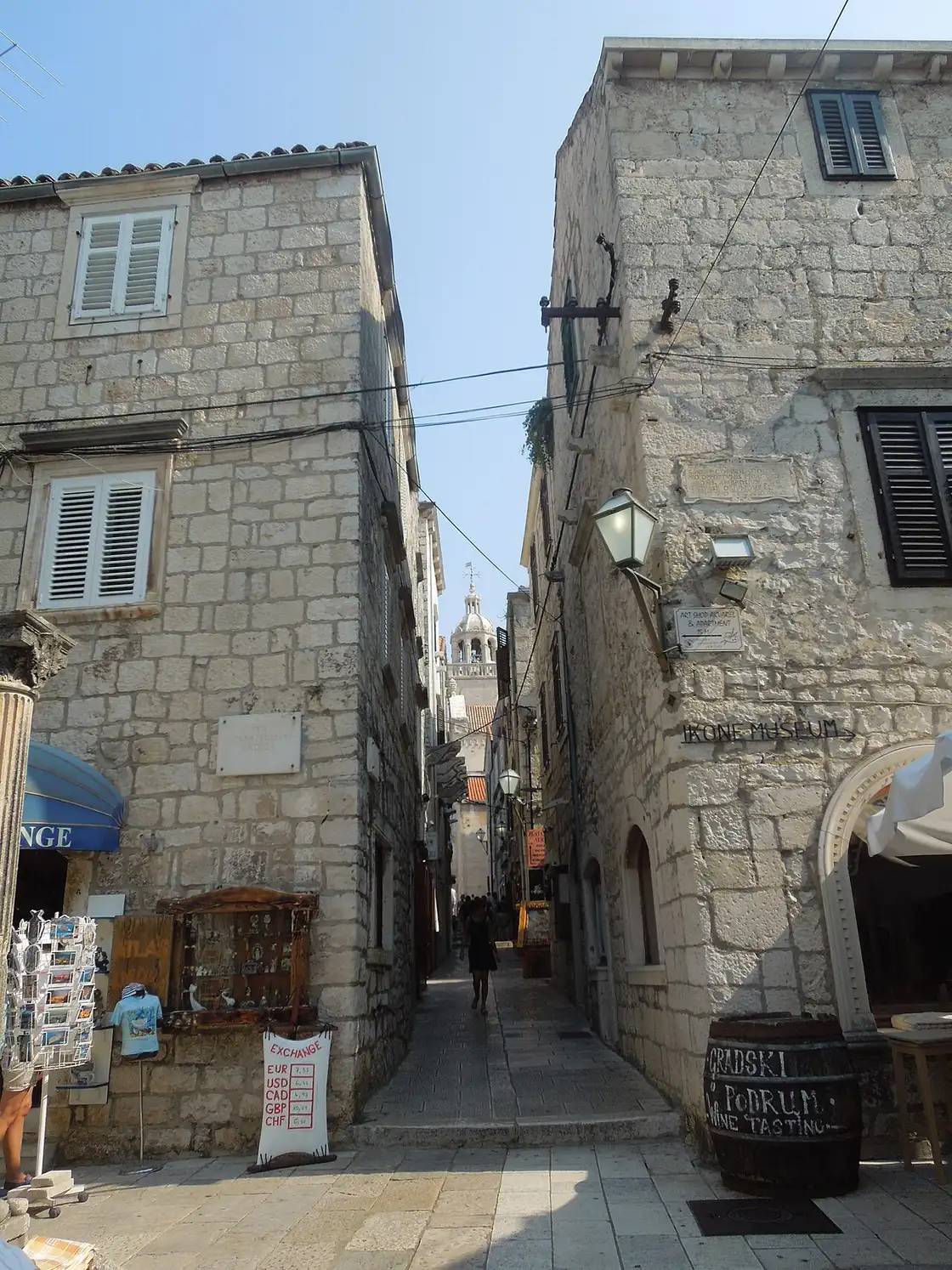
Korčula Town is the reason the island shows up on a first-time map. The old town sits on a thumb of land, ringed with walls, and UNESCO lists it on the tentative list, not the World Heritage list proper - “The historic town of Korčula”, submitted in January 2007 and still waiting, whatever the hotel copy says. Lanes run off the spine in a fishbone and St Mark’s holds the square.
The Moreška - the local sword dance, performed with real blades to a brass band - runs far longer than the “twice a week in summer” line suggests - the rhythm really is two or three nights a week, but the season stretches over half the year. The 2026 season is 29 April to 14 October, at 21:00 in the Ljetno kino, the town’s summer theatre, and tickets are 20 EUR for adults and 10 EUR for children aged 4 to 14. July and August carry 11 dates each. So does September: 2, 7, 10, 14, 15, 16, 21, 23, 28, 29 and 30. Even October keeps four: 5, 7, 12 and 14. If you’re booking a shoulder-season room, the dance isn’t something you missed.
One thing worth knowing before you plan around it: 29 July, St Theodore’s Day, the town’s patron-saint day, isn’t in the ticketed Ljetno kino calendar (that runs 27 and 30 July around it), but the dance isn’t skipped. The tourist board’s programme for the day lists a 19:00 mass and procession of the three brotherhoods and then a festive Moreška at 22:00 on Trg pomirenja, the main square, outside the theatre run. Two different things on one evening, and the square is where the town itself turns up.
That density is the sell and the tax. Rooms inside the walls are the ones people screenshot. They’re also the ones that run out, the ones with stairs and no lift, and the ones where suitcase wheels on polished stone at midnight sound like a tram. Just outside the Land Gate, along the promenade and in the newer streets behind the bus stop, you get a flatter walk and a place to put a car that isn’t a prayer. Same town, different night.
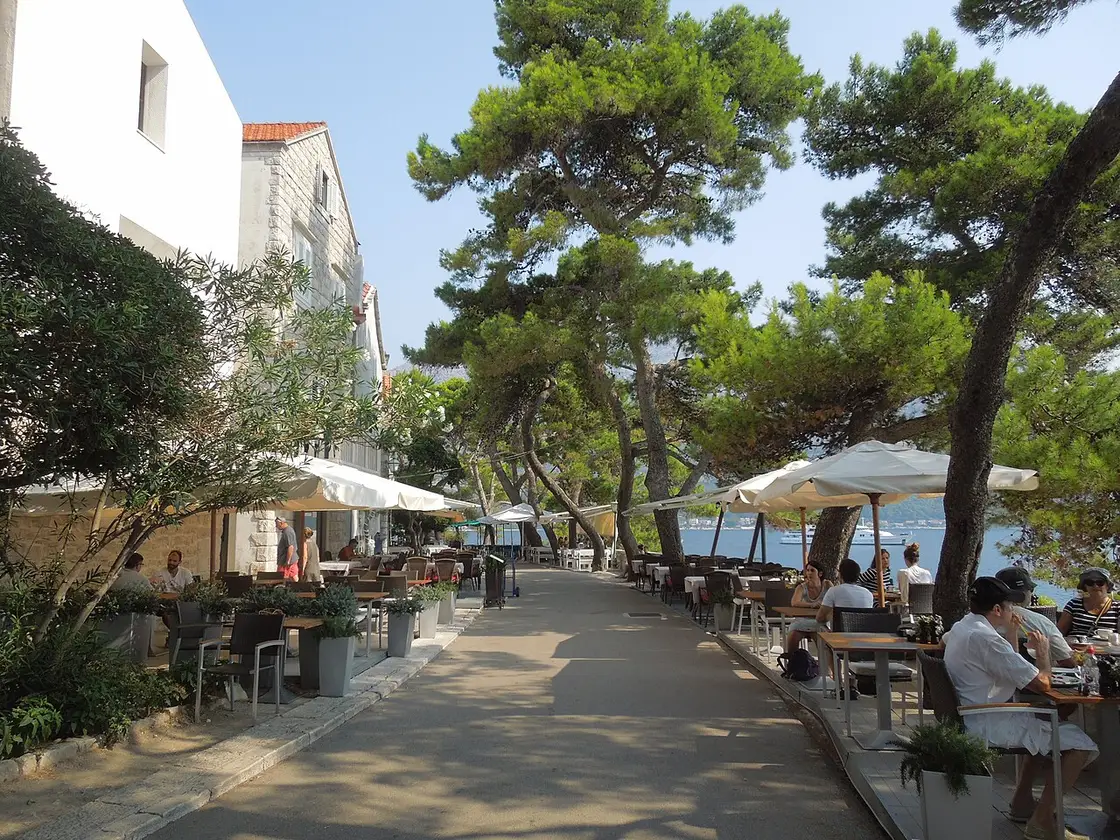
Stay in town if your days are walls, a swim off the rocks, a water taxi to Badija, and dinner you can walk to. Skip the interior-of-the-walls pin if you’ve a pushchair, a lot of luggage, or a low tolerance for other people’s conversations through an open window. The Korčula island guide covers what you’ll walk to from here; this page is only about whether “here” should be the pin at all.
Lumbarda: sand, Grk, and a shorter fuse
Lumbarda is the eastern village, and the number that matters is how close it is: about 6 km from Korčula Town, 10 to 15 minutes by road, which is a local bus, a taxi or a very short drive. It’s the place Croatian islanders mention when someone complains that “the Adriatic has no sand”. Bilin Žal and Vela Pržina are both the kind of shallow, pale shelf you can actually put a small child on without a lecture about sea urchins. Around them the vines for Grk sit in sandy soil - a grape you won’t casually reorder in London.
The trade is pace. Lumbarda in the evening is konobas, a village square and a walk back to the apartment. It isn’t a substitute old town. You come into Korčula Town for the walls and the boats, then you go back. In summer that hop is easy (bus, taxi, occasional water taxi). In October it’s a timetable you check twice.
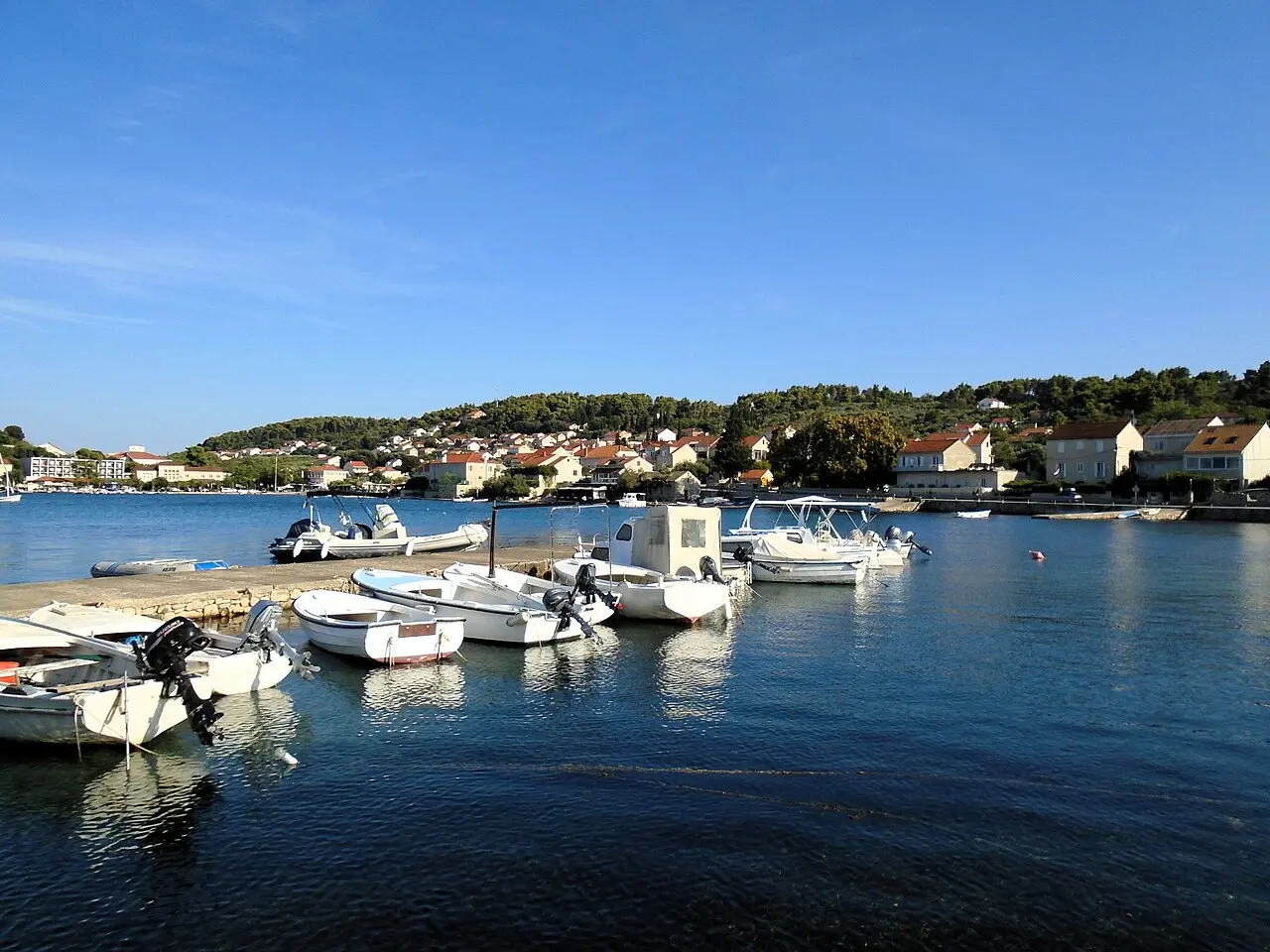
Book Lumbarda when the swim is the point and the town is a day’s outing. Don’t book it as a “quiet Korčula Town” - you’ll spend the stay on the road, slightly resentful, wondering why you didn’t just pay for the promenade.
Vela Luka: the other town, on purpose
Vela Luka is Korčula’s second town, at the west end of the island, and the distance is the whole point: about 42 km and 50 minutes by road from Korčula Town. That isn’t a stroll after dinner, it’s a proper drive across the island. It’s a harbour with a shipyard pulse, a palm-lined waterfront, and cafes that still look like they’ve locals in them at 11 on a Tuesday. The Split car ferry lands here. That single fact should decide more bookings than it does.
If you’re bringing a vehicle from Split, sleeping in Vela Luka the first night is the move that doesn’t waste the sailing. Driving the island spine to the old town the same evening is a long, tired, dark ribbon of road after a three-hour crossing - do it the next morning. If you’re not bringing a car, Vela Luka is a legitimate base only when you actually want that slower town and the boat out to Proizd in season. It makes a weak substitute for the walled town, and the two aren’t near each other in any useful pedestrian sense.
What Vela Luka isn’t is a sword-dance-free zone, and this is worth knowing if you booked it to avoid the crowds. During the Festival viteških igara Korčula, the island’s knightly-games festival that fills the first half of September (2-13 September in 2026), the festival programme lists a Moreška in Vela Luka on 7 September at 21:00 - the same evening the town calendar also shows a Ljetno kino date, so confirm the venue with the tourist board before driving 42 km for it. Entry to the festival events is free. The festival is the reason early September is a better week on this island than its reputation suggests; check the current year’s dates before you book around it.
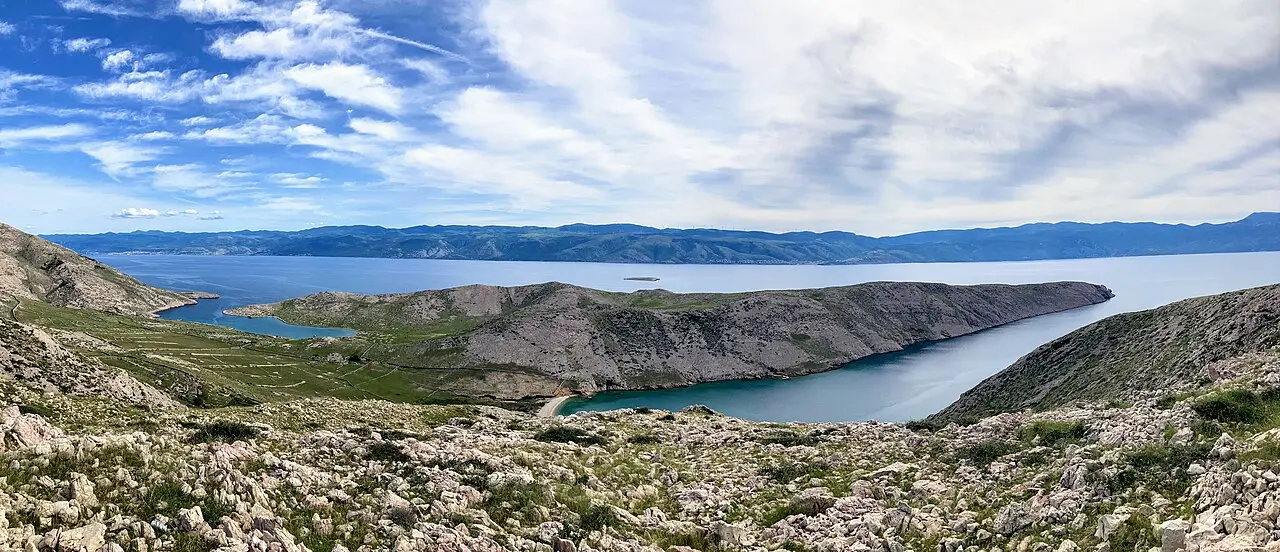
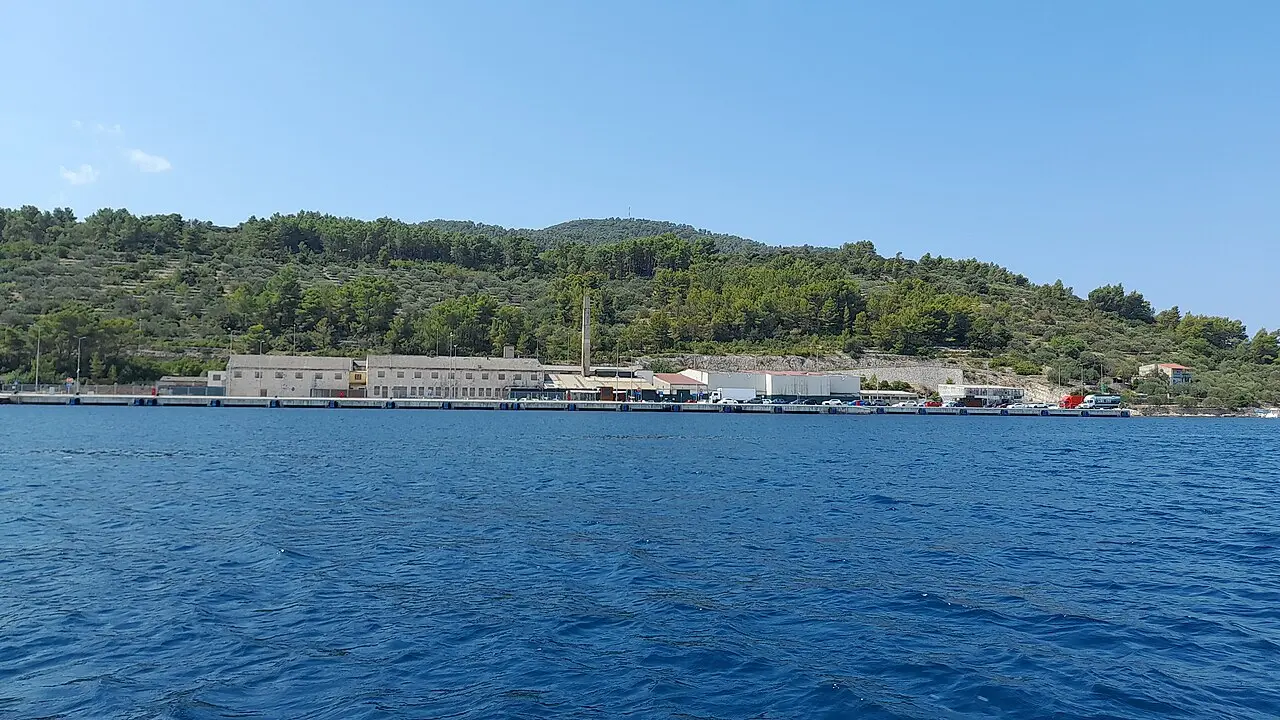
Inland Blato and the wine villages of Čara and Smokvica are for people who already know they want a house between vines, a car on the drive, and a supermarket that isn’t performing for yachts. First week on the island: probably not.
Let the landing pick the pin
Three landings, three default beds. Full times, fares and seasonal caveats belong on the transport page - here’s only the booking logic.
- Foot catamaran into Korčula Town harbour (the Split and Dubrovnik fast boats): sleep in or next to the old town. You walk off the pontoon into the place you came for. Don’t “save money” in Vela Luka and then buy a taxi across the island in the heat.
- Car ferry from Split into Vela Luka: sleep Vela Luka at least the first night, or accept a long drive on arrival. The old town is the other end of the island.
- Orebić hop from Pelješac: foot boats land you in Korčula Town; the car ferry uses Dominče, a short hop east of the walls. Either way you’re on the town end, not the Vela Luka end. Confirm the exact quay on the operator ticket - the two Orebić products are easy to mix up.
Cars on Korčula are optional in town, useful in Lumbarda, close to essential in Vela Luka if you plan to see the walls more than once. Parking inside the fortress isn’t a plan. The national picture is in where to stay in Croatia if you’re still choosing an island at all; the Hvar comparison lives on Hvar or Korčula.
What a night costs
Treat the three bases as a ladder, not a price list: what follows names which end is dearer, not what a night costs, because that figure moves faster than any page can hold it. Korčula Town in July and August is the dear end, especially anything with a wall in the photograph. Lumbarda sits under that for similar dates, with more apartments and fewer “I can see a tower from the pillow” premiums. Vela Luka and the inland villages undercut both, which is honest value only when you wanted that geography anyway.
Shoulder weeks in June and September loosen every pin. July-August is when the old town sells out on the kind of lead time you’d use for a Friday Eurostar. If the walled pin is non-negotiable in peak summer, lock the crossing first and book the bed against it: a room you can’t reach on the day is just a cancellation, and vehicle space on the car ferry sells out in season. Then check the map pin, the stairs, and whether “Korčula” in the title means the town or the island.
Three stays, no scoreboard
A long weekend off a catamaran: old town or the promenade, walk everywhere, swim off the rocks, one evening in Lumbarda if the bus behaves. A week with children who have decided the sea must be sandy: Lumbarda, with a reserved town day for the walls and the Moreška. A driving loop down the coast that happens to include Korčula: Vela Luka off the Split ferry, then a daylight run to the peninsula town when you’re not also unpacking the car.
The island is big enough to get this wrong and small enough that you’ll feel the mistake every afternoon. Pick the pin that matches the boat. Then stop shopping.
Opening hours, prices, timetables and seasonal services change through the year - the figures here are planning estimates, not quotes. Confirm current details with the operators and official sources before you go.
Photos
Good to know
Korčula room rates climb hardest in July and August, and Old Town beds go first. What follows sorts the three bases against each other rather than quoting nightly euros, so check live prices and the exact pin on the map before you pay.
Details checked: September 3, 2026
Read also

Before you go · 11 min read
Croatia in Winter: Weather, Advent & What's Open
Updated · October 23, 2026Croatia from November to March: official weather by city, which ferries and parks still run, winter tyre rules and flights. Checked 23 October 2026.

Before you go · 10 min read
Sailing in Croatia: Yacht Charter Costs & Routes
Updated · September 5, 2026Croatia yacht charter 2026: bareboat weekly ranges, skipper and deposit separate, APA on crewed boats, season guides, island routes.

Before you go · 10 min read
Where to Stay in Makarska: Riviera Bases Compared
Updated · August 30, 2026Brela, Baška Voda, Makarska, Tučepi or the quieter south - which Riviera base fits beach weeks, families, nightlife and Brač ferry mornings.

Before you go · 8 min read
Hvar or Korčula: Which Island Fits Your Trip?
Verified · August 28, 2026Hvar or Korčula in 2026? Split catamarans (~€25 like-for-like), vibe, beaches and who each Dalmatian island suits - plus the hop between them.