
How to Get to Korčula: Ferries from Split & Dubrovnik
How to reach Korčula in 2026: catamarans from Split and Dubrovnik, the Orebić car ferry, Vela Luka routes, times, fares and which option to pick.
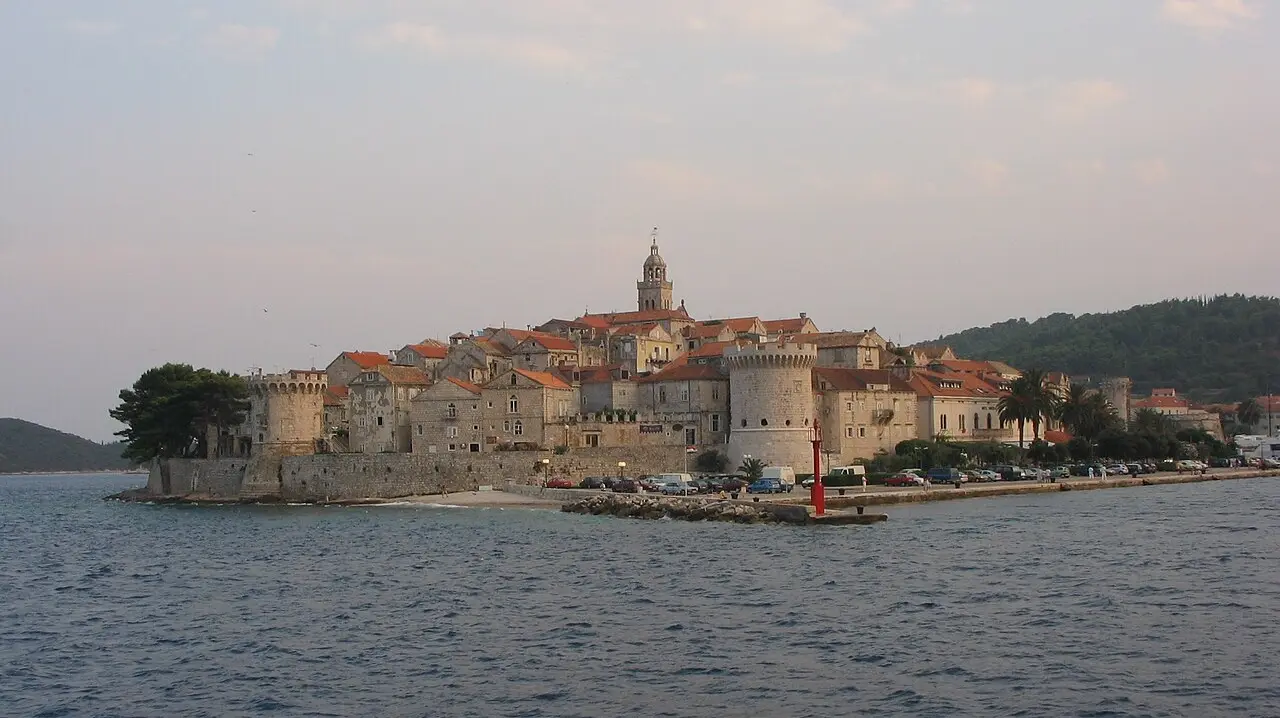
Korčula has no airport, so every visitor arrives by boat - and the route you pick shapes the whole day. From Split, you’ll either take a fast catamaran into Korčula Town in about three hours (foot passengers only) or a slower car ferry to Vela Luka if you’re bringing a vehicle. From Dubrovnik, a seasonal catamaran reaches the old town in roughly two hours. If you’re already driving down the coast, the 15-minute ferry from Orebić on the Pelješac peninsula is the quickest hop year-round. Catamarans land you in the harbour under the walls; car ferries use Dominče or Vela Luka, both a short bus or taxi from the walled town. Timetables and fares shift with the season, so treat the figures below as planning ballparks and confirm your sailing on the operator’s site before you book.
Heads-up. Ferry and catamaran schedules, fares and vehicle space change every season. The euro amounts here help you choose a route, not lock in a price - check Jadrolinija, Krilo and the local operators for your exact date.
The four routes at a glance
| From | Boat type | Time (approx.) | Car? | Runs | Lands at |
|---|---|---|---|---|---|
| Orebić | Foot ferry / car ferry | 15-20 min | Both options | Year-round | Korčula Town / Dominče |
| Split | Catamaran (Krilo etc.) | ~2.5-3.5 h | No | Seasonal | Korčula Town |
| Split | Car ferry (Jadrolinija) | ~3 h | Yes | Year-round | Vela Luka |
| Dubrovnik | Catamaran | ~2 h | No | Seasonal (summer) | Korčula Town |
The pattern that catches first-timers: catamarans are foot passengers only and tie up in Korčula Town itself, while car ferries either land at Dominče (a few kilometres east of the old town) or at Vela Luka on the far west of the island. If you’re not sure how Croatian boats work in general, our beginner’s guide to how Croatia ferries work explains car ferry versus catamaran before you commit to a ticket.
From Orebić: the year-round shortcut
If you’re driving the Dalmatian coast or coming down from Split on the road, the smartest crossing is often not from Split at all. Korčula sits just off the Pelješac peninsula, and a short hop from Orebić puts you on the island in minutes.
- Foot passengers: frequent ferries run Orebić → Korčula Town in about 15 minutes, year-round, operated by G&V Line Iadera (state line 614, the ship Zvijezda Kvarnera). You’ll walk off the boat straight into the old town harbour.
- With a car: the Orebić → Dominče car ferry takes about 20 minutes and lands at the island’s vehicle port, roughly 3 km east of Korčula Town. Budget a local bus, taxi or the walk if your hotel is in the walled centre.
Foot fares are cheap (a few euros ballpark); a vehicle ticket runs higher - confirm the current price with the operator. This line runs when the catamarans don’t, including winter, which makes it the quickest winter option for anyone touring by car (the Split-Vela Luka car ferry also runs year-round, but it’s a much longer crossing).
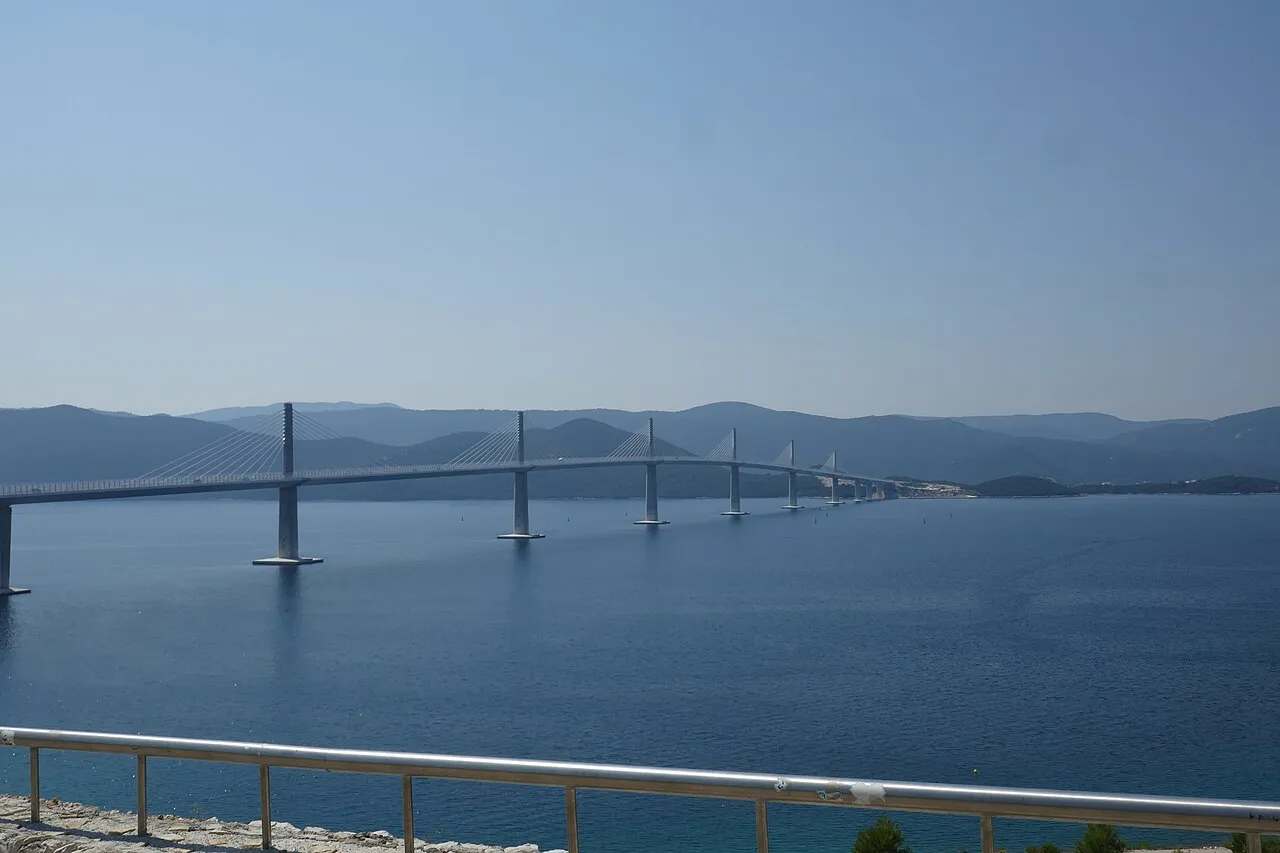
Getting to Orebić is straightforward now that the Pelješac Bridge opened in July 2022. The 2.4 km cable-stayed bridge links the mainland to Pelješac and lets you drive from Split toward Dubrovnik without dipping through Bosnia at Neum. You’ll pass Ston and the oyster towns on the peninsula neck before dropping down to Orebić. Our Dalmatia coast route from Split to Dubrovnik threads Korčula into that drive and explains where to pause for wine and walls along Pelješac.
From Split: catamaran or car ferry
Split is the busiest ferry hub in Croatia, and most island-hoppers start here. You have two genuinely different options for Korčula.
The fast catamaran (foot passengers)
Kapetan Luka (Krilo) runs the main fast line that most travellers use. In season you’ll find:
- A through-catamaran (the “Krilo Star” line) from Split → Milna (Brač) → Hvar → Korčula → Pomena (Mljet) → Dubrovnik, typically 1 April to 31 October, with one departure a day each way. Sample one-way fares in 2026 run around €25 for the Split-Korčula segment - confirm on krilo.hr.
- Shorter Split → Hvar → Korčula hops on the same operator run about 2 h 30 min and are listed at the same €25 (Krilo destination page, checked August 2026).
These boats are foot passengers only - no cars, no exceptions - and they land in Korčula Town harbour, which is exactly where you want to be if you’re staying in the old town. In July and August the Hvar and Korčula legs sell out days ahead, so book online as soon as your dates are fixed.
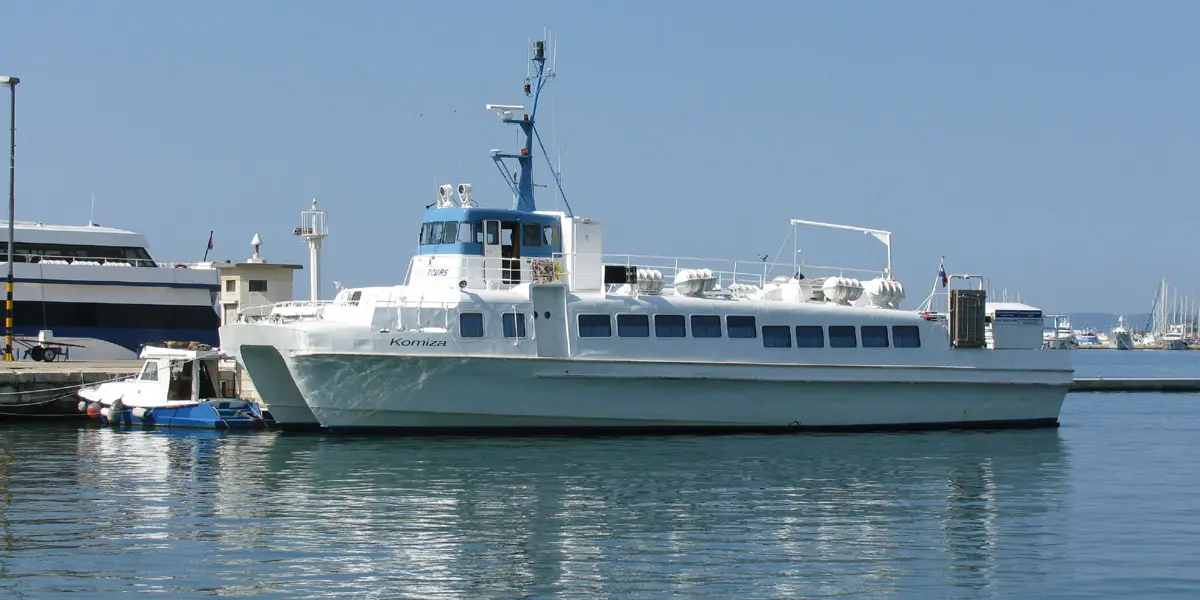
Jadrolinija also runs seasonal catamarans on some Korčula legs; always compare both operators’ timetables for your date. If you’re building a multi-island chain, the through-boat is the spine of our Croatia islands itinerary - Brač, Hvar, Vis and Korčula strung together without backtracking to Split each time.
The car ferry to Vela Luka
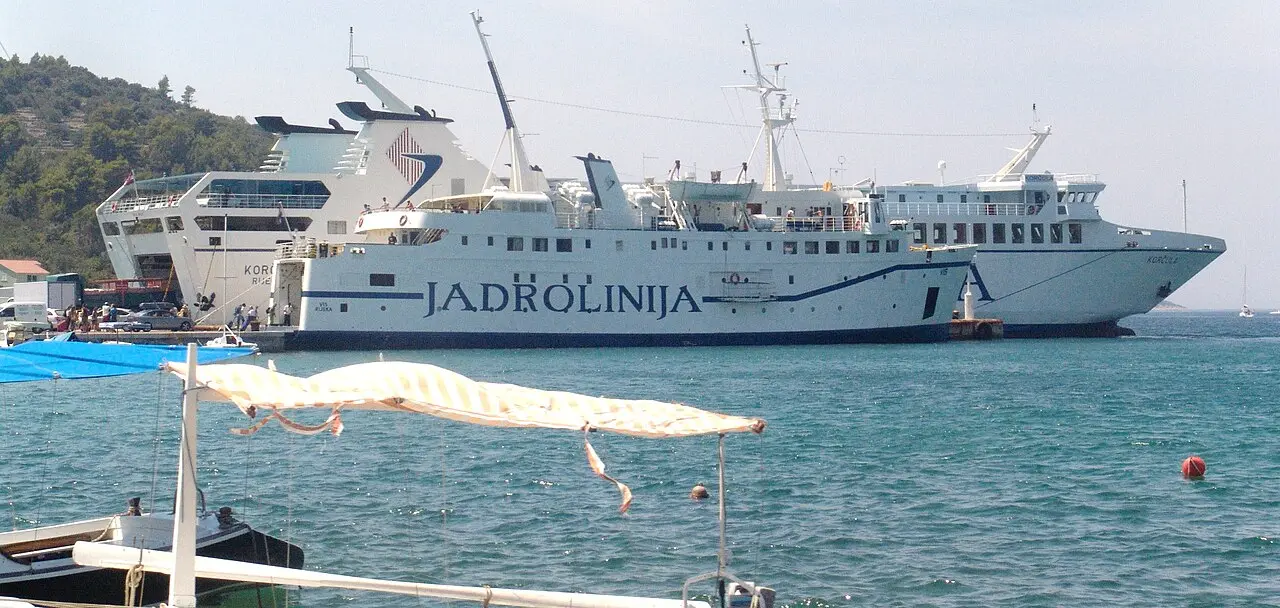
If you’re bringing a car (or want the cheapest slow option without a vehicle), Jadrolinija’s car ferry runs Split → Vela Luka in about 3 hours, year-round on two seasonal timetables - unlike the catamarans, which stop completely outside summer. It carries vehicles and foot passengers, lands on the west end of Korčula, and leaves you a 50-minute, 42 km drive across the island to Korčula Town. This makes sense when:
- You’ve got a rental car and don’t want to leave it on the mainland.
- You’re staying in Vela Luka or the west coast rather than the old town.
- Catamaran times don’t match your plan and you need a vehicle-friendly crossing.
Vehicle space sells out in summer - reserve ahead and arrive at the port early, the same rules as any Croatian car ferry.
Practical Split tip: the catamaran quay sits next to Split’s main bus station by the harbour, so you can bus in from the airport and walk straight to the boat. For the airport leg itself, see Split Airport to the city centre.
From Dubrovnik: the southern catamaran
Coming from Dubrovnik, you ride the northbound leg of that same through line, not a separate product. Krilo Tropic leaves Dubrovnik at 15:30, calls at Mljet (Pomena) 16:50 and reaches Korčula at 17:30 - about two hours, foot passengers only, €25 one way, daily 1 April to 31 October. Note the order: on this leg Mljet comes before Korčula, and the departure is mid-afternoon, not mid-morning. The 10:30 morning boat you may read about elsewhere was a separate Krilo Shipping Company line (844, KSC Naranča); the operator’s notice says it ceased after the last sailing on Sunday 9 August 2026.
The same Krilo through-catamaran that continues on to Split also calls at Korčula, but check the direction before you book: it heads north from Dubrovnik toward Split (via Korčula) in the afternoon, departing Dubrovnik around 15:30, while the reverse Split → Dubrovnik sailing departs Split around 08:00 in the morning. Either boat is foot passengers only and lands in Korčula Town; both run seasonally, roughly April-October, with the densest schedule in July and August.
Dubrovnik’s boats leave from Gruž harbour, not the Old Town port. Gruž is where the cruise ships, car ferries and catamarans cluster, a short bus or taxi ride from the walled city. If you’re flying in, Dubrovnik Airport to the Old Town covers the ground transfer before you board.
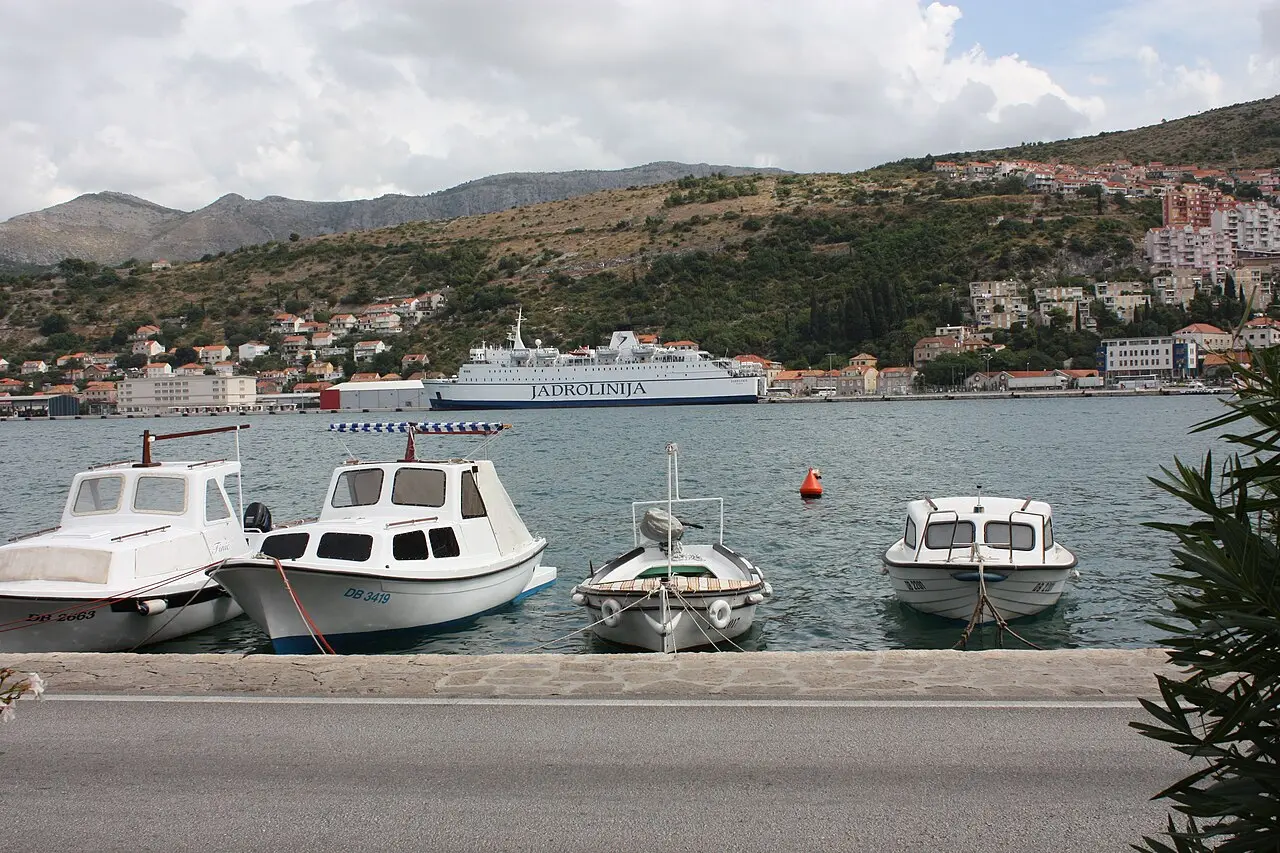
You can also reach Korčula by driving to Orebić and taking the short ferry - useful if you’ve got a car and the catamaran timetable doesn’t suit, or if you’re already touring the Pelješac wine road.
With a car vs travelling light
The car question decides almost everything:
- No car: take a catamaran from Split or Dubrovnik. It’s faster, lands in town, and you won’t need parking inside the walled old centre (which barely exists).
- With a car: either the Orebić → Dominče ferry if you’re driving the coast, or Split → Vela Luka if you’re coming from the north with a vehicle.
- Hybrid that works well: rent on the mainland, drive Pelješac, ferry from Orebić, then leave the car on the peninsula and use buses or taxis on Korčula - the old town is compact and parking is tight.
Our do you need a car in Croatia guide walks through when a vehicle earns its keep on the coast versus when it’s just an expensive passenger on the boat deck.
Booking tips and what to check
A few habits save ruined afternoons:
- Book catamarans ahead in summer. Anything touching Hvar or Korčula in July-August can sell out several days before sailing. Krilo and Jadrolinija both sell online.
- Car ferry vehicles need reservations too. Vehicle decks on popular lines fill before passenger seats do. If you’re driving onto Orebić-Dominče or Split-Vela Luka in peak season, reserve and arrive 60+ minutes early.
- Check wind cancellations. Catamarans are more sensitive to Bura and rough seas than car ferries. Keep your plan flexible on stormy days.
- Match port to hotel. Vela Luka is a good 45-50 minutes from Korčula Town by road, so landing there for a walled-town hotel turns a short crossing into a long taxi. Lumbarda, by contrast, is only about 10 minutes away - it was never the port to worry about. The bed-side of that choice is where to stay in Korčula.
- Through-boat vs hop. The Krilo Star line lets you ride Split to Dubrovnik with a Korčula stop baked in - handy for one-way coastal trips without doubling back.
Once you’re on the island, our Korčula travel guide covers the old town, beaches, Pošip and Grk wine, and the Moreška sword dance - the stuff that makes the ferry worth taking.
Which route should you pick?
- Driving the coast with a car: Orebić ferry - fastest, year-round, cheap.
- Foot passenger from Split, staying in Korčula Town: Krilo catamaran - book early.
- Car from Split, or staying in Vela Luka: Jadrolinija car ferry to Vela Luka.
- Coming from Dubrovnik without a car: seasonal catamaran from Gruž (~2 h).
- Island-hopping Split ↔ Dubrovnik: the through-catamaran with a night on Korčula midway - the move our Dalmatia coast route builds around.
Korčula rewards the effort: a herringbone old town, wines you won’t find elsewhere and a pace that’s quieter than Hvar or Dubrovnik. Pick the boat that matches your luggage and your next night’s address, confirm the timetable the week you travel, and the crossing itself becomes part of the holiday, not a chore you’re rushing through.
Opening hours, prices, timetables and seasonal services change through the year - the figures here are planning estimates, not quotes. Confirm current details with the operators and official sources before you go.
Photos
Read also

Transport · 13 min read
London to Split 2026: 2h35 Nonstop, from £109 Return
Verified · October 22, 2026Nonstop London-Split takes about 2 hours 35 minutes. Croatia Airlines lists Gatwick from £109 and Heathrow from £159 return - check live fares.

Transport · 9 min read
Zadar Airport to the City: Buses & Transfers
Updated · August 27, 2026Zadar Airport (ZAD) to the old town in 2026: Liburnija shuttle, taxi, private transfer and app rides - the €5 bus, 20-minute trip and where each stops.

Transport · 13 min read
Zagreb to Dubrovnik: Fly, Drive or Take the Bus?
Updated · October 23, 2026Zagreb to Dubrovnik: fly (55 min, ~3.5 h door to door), bus 8 h 30 min - 14 h, drive 7 h plus €33.70 tolls, or a private transfer. Which one fits.

Transport · 12 min read
Zagreb to Split 2026: Bus, Train, Flight or Car
Updated · September 19, 2026Zagreb to Split by bus (from €24, under 5h), train (nearly 8h) or car (€26 toll). Real August 2026 fares and what actually saves you time.