
How Croatia Ferries Work: A Beginner's Guide
How Croatia ferries work for first-timers: car ferry vs catamaran, foot vs vehicle, who runs them, the main ports, and how to buy tickets.
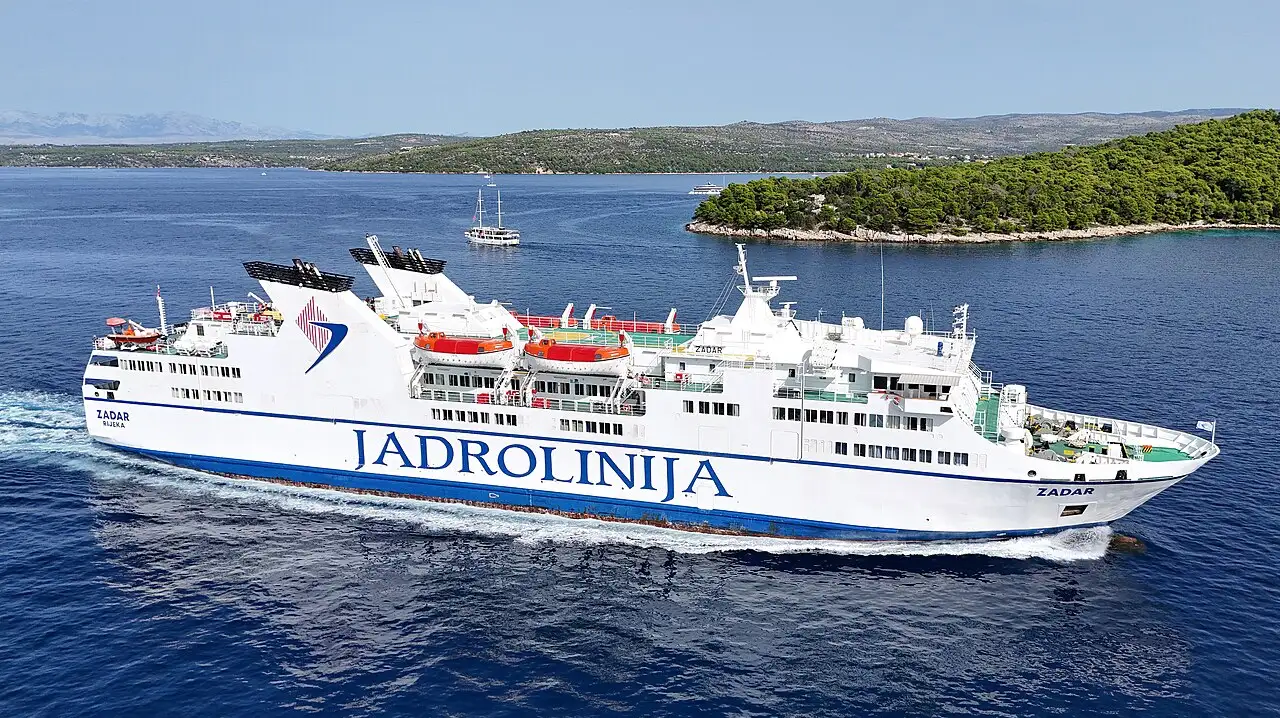
Croatia’s ferries split into two clear types, and getting the difference straight is most of the battle. A car ferry (Croatian trajekt) carries vehicles and foot passengers and is the slow, steady workhorse to almost every inhabited island. A catamaran (katamaran) is a fast passenger boat - foot passengers only, no cars - that is quicker and usually lands you right in the main town. The national operator Jadrolinija runs most of the network, with private catamaran lines like Kapetan Luka (Krilo) and TP Line filling in the fast routes. Croatia uses the euro and has been in the Schengen Area since 1 January 2023, so for most visitors there are no border formalities island to island. The one rule that saves trips: timetables are seasonal, summer fills up, and you should check the current schedule with the operator before you build a plan.
The choice between the two is usually made for you. If the car comes along, it is a trajekt and you plan the day around the queue; if you’re travelling light and want to be on the island by lunchtime, it’s a catamaran. Get that one decision right and most of the usual ferry stress goes with it.
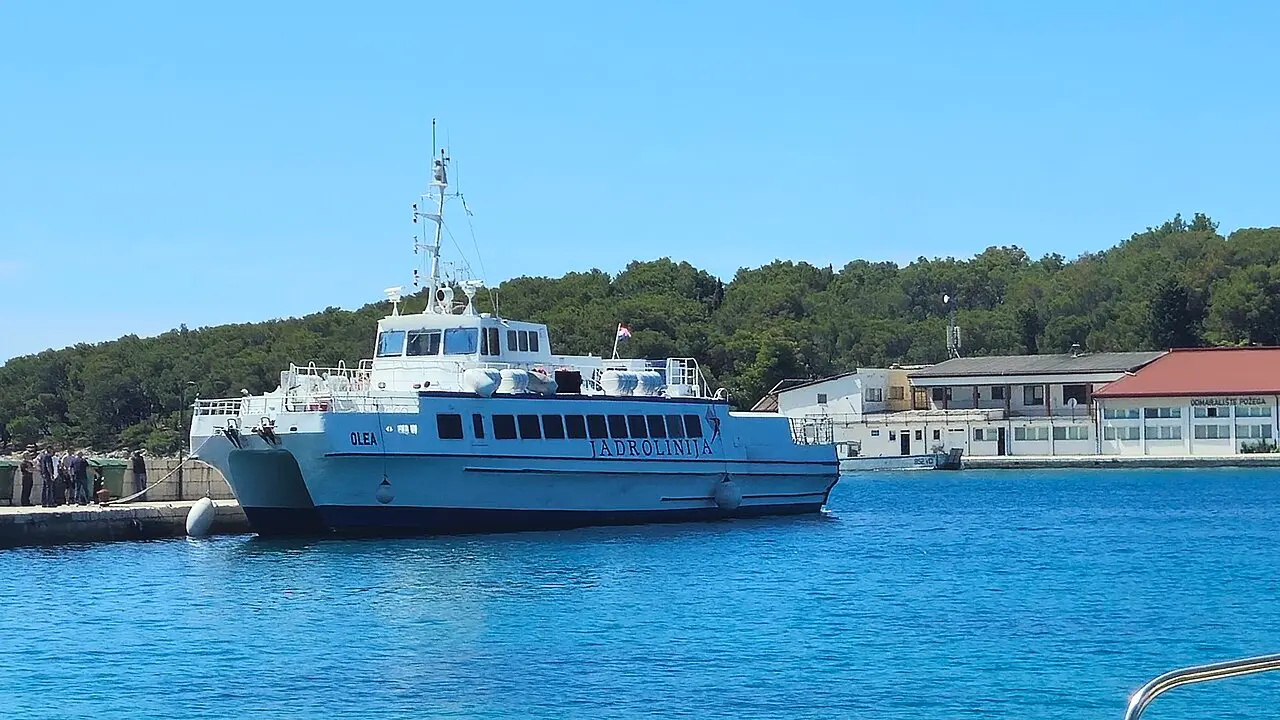
Car ferry vs catamaran: the one decision that matters
Every Croatian island trip comes down to a single question: are you bringing a car? Our full guide on whether you need a car in Croatia answers that by trip type; here is what your answer means for the boats.
| Car ferry (trajekt) | Catamaran (katamaran) | |
|---|---|---|
| Carries vehicles | Yes | No - foot passengers only |
| Speed | Slower | Faster |
| Where it lands | Often an out-of-town ferry port | Usually the main town harbour |
| Weather sensitivity | More stable in rough seas | Cancelled more easily by strong wind |
| Best for | Drivers, longer stays, lots of luggage | Day trips, quick town-to-town hops |
If you’re travelling without a car, the catamaran is almost always the better pick - it’s faster and drops you in the centre of town. If you’re bringing a vehicle, you must use a car ferry; catamarans take passengers only and there’s no exception. There’s one catch worth knowing in advance: the car-ferry port is sometimes a few kilometres from the main town. On Hvar, for example, the car ferry from Split lands at Stari Grad, about 16 km by road from Hvar Town, while the catamaran ties up in Hvar Town itself.
A pattern that works well for a lot of trips: explore the mainland by car, leave it at the port, and cross to the islands on foot. A foot-passenger ticket costs a fraction of taking a vehicle across, and most island towns are small and walkable. Our guide to renting a car in Croatia covers when the car earns its keep and when it’s just an expensive passenger on the boat.
Who runs the ferries
A handful of operators cover almost everything you’ll use:
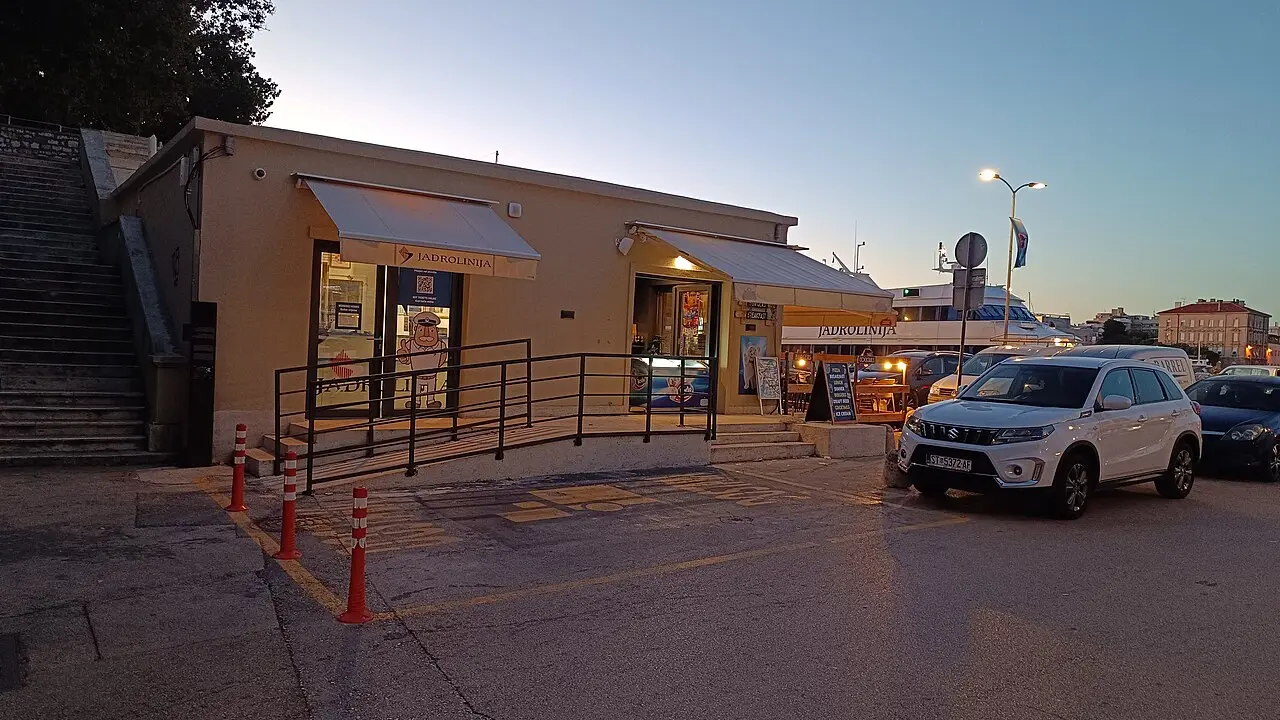
- Jadrolinija - the state-owned national operator and the backbone of the system. Its fleet runs into the dozens of vessels and includes both car ferries to nearly every inhabited island and a growing number of fast catamarans. If a route exists, Jadrolinija probably runs some version of it.
- Kapetan Luka (Krilo) - the largest private catamaran company, best known for the Split-Hvar-Korčula-Dubrovnik fast line and Split-Brač-Hvar services. Foot passengers only.
- TP Line - a catamaran operator with fast services in central and southern Dalmatia, linking Split and the Makarska coast out to the islands.
Smaller and seasonal lines add capacity in summer, and 2026 brings new ones - among them a high-speed Split-Bol (Brač)-Hvar-Vis link and a seasonal Zadar-Silba-Mali Lošinj fast service running through the summer. For schedules and tickets, always go to the operators’ own sites first: they’re the only authoritative source for current times and fares.
The main ports
Almost every island trip starts from one of a few mainland hubs, each opening up a different cluster of islands:
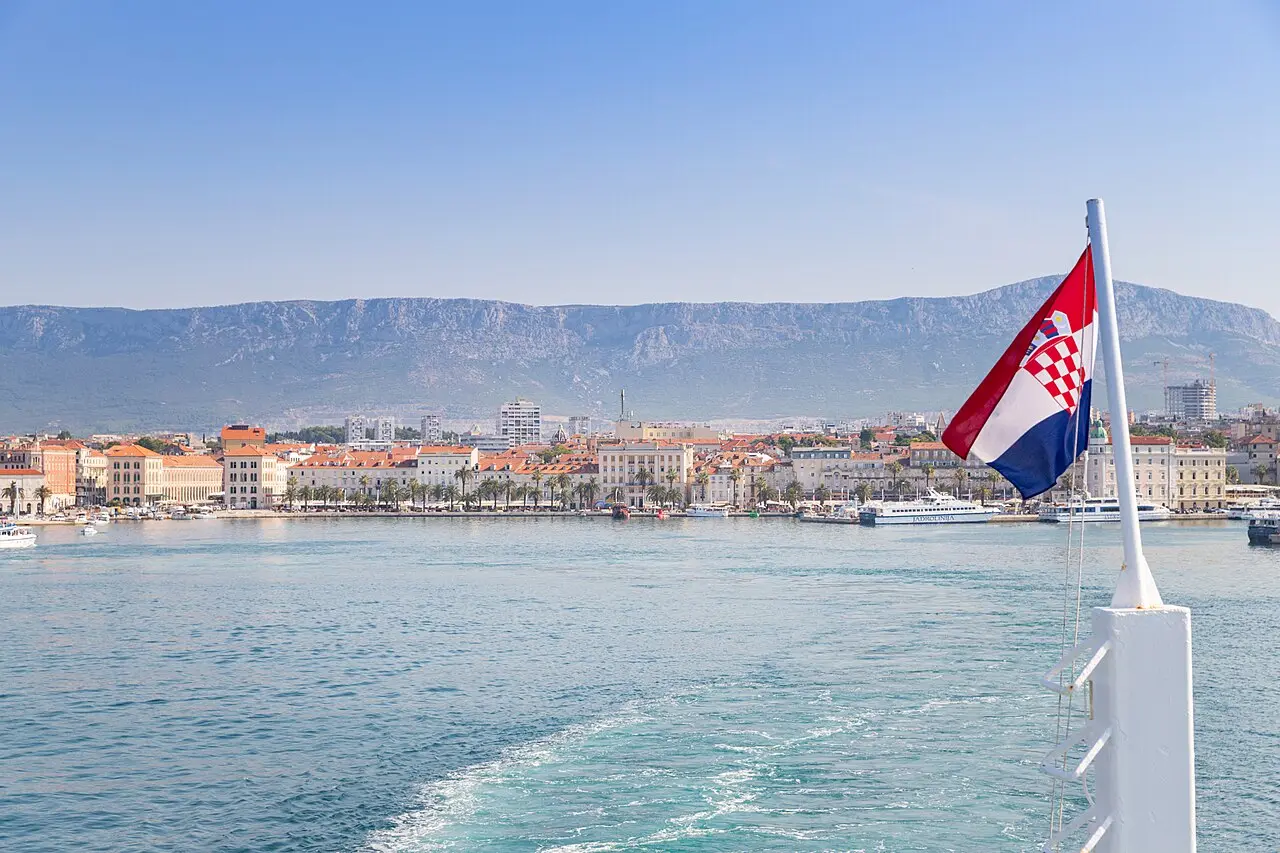
- Split - the busiest hub by far and the gateway to central Dalmatia: Brač, Hvar, Vis, Šolta and the through-route down to Korčula and Dubrovnik. If you’re island hopping, you’ll almost certainly pass through Split. See our Split travel guide.
- Zadar - the northern Dalmatian hub, with boats to Dugi Otok, Ugljan, Pašman and the Kornati area.
- Šibenik - handy for the closer islands (Zlarin, Prvić, Kaprije) and a base for the Kornati archipelago.
- Dubrovnik - the southern hub, reaching Mljet, the Elaphiti Islands (Šipan, Lopud, Koločep) and, on the through-catamaran, Korčula.
- Rijeka and the Kvarner ports - serve Krk, Cres, Lošinj and Rab, though Krk and parts of the Kvarner are also reached by bridge or short shuttle ferry. The driving week is the Kvarner islands route.
Jadrolinija also runs international car-ferry routes across the Adriatic to Italy - L53 Split-Ancona, L54 Dubrovnik-Bari and L56 Split-Bari - plus a fast Zadar-Ancona link, if you’re arriving or leaving by sea. Those three Italy lines can go out together, because one ship covers them all: a technical fault on the ferry Dalmacija took the lot off the water on 8 September 2026, with no sailings until 21 October 2026 and compensation handled under the EU passenger-rights rules. Check the operator’s passenger notices before you build a plan around an Adriatic crossing.
Reservations, queues and turning up early
This is where first-timers trip up, because the rules differ by line.
Foot passengers can reserve a seat on any catamaran or fast service, and on the popular summer routes you should - anything via Hvar or Korčula sells out days ahead in July and August. Book those online in advance. For the specific Split, Dubrovnik and Orebić routes onto Korčula, see how to get to Korčula. Boarding on the catamarans typically opens about 30 minutes before departure.
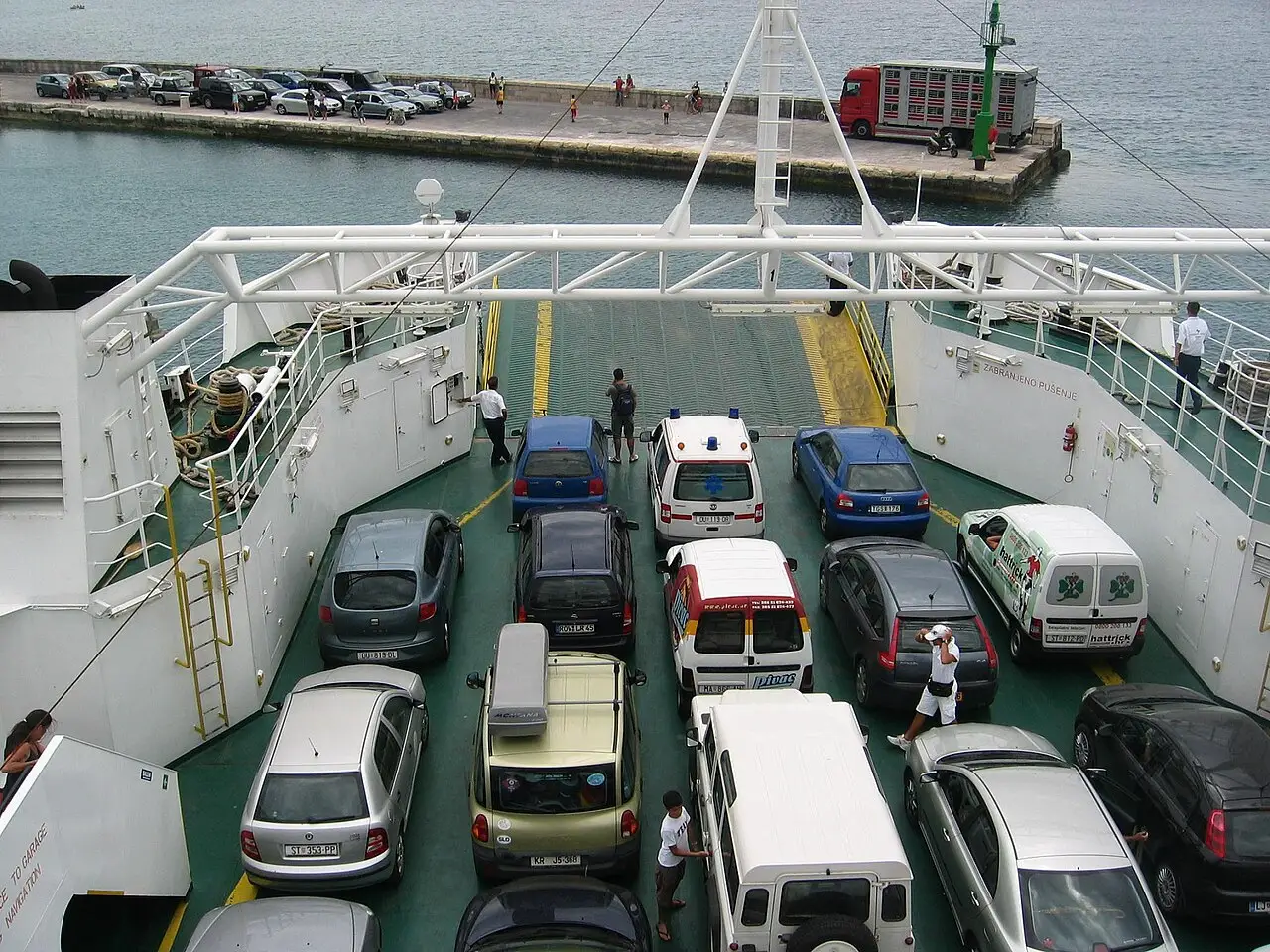
Vehicles are a different game. Car space is reservable on many car-ferry lines, and if you are crossing in summer you should reserve your car place at least a day or two ahead - it’s not unusual for vehicle spots to sell out. On reservation lines, Jadrolinija advises arriving at the port about 60 minutes before departure in summer to join the vehicle lane (30 minutes is enough in winter).
Some local service lines don’t take vehicle reservations at all and load first-come, first-served. On those, buying a ticket does not guarantee your car a place on a specific sailing - boarding goes by the order cars arrive in the queue. For these lines in peak season, get to the port one to two hours early, or even earlier on the busiest crossings, or you risk being bumped to the next boat.
How and where to buy tickets
You can buy ferry and catamaran tickets three ways:
- Online in advance through the operator’s website (jadrolinija.hr, krilo.hr) or a booking platform such as Ferryhopper. This is the safe choice for catamarans and for taking a car across in summer.
- At the port - ticket offices and kiosks sell tickets before sailing. For foot-passenger car-ferry tickets in the shoulder season, you can usually just turn up and buy on the day.
- From agencies in town for some routes, though the port office or website is simpler.
Bring your passport or ID - it’s checked at boarding, and on the international lines to Italy it’s a Schengen border. Fares depend on the route, the season and (for vehicles) the size of the car, and they change year to year, so price your trip on the operator’s current site rather than relying on an old figure. As a rough sense of scale, short hops like Split-Supetar on Brač start around €6-7 for a foot passenger, while a longer seasonal run such as Split-Dubrovnik starts in the region of €25 - but treat those as ballpark and reconfirm. Ferry fares are just one line of the trip budget; for how they sit alongside rooms, food and tickets, see how much a Croatia trip costs.
When the boats run - and when they don’t
Frequency follows the season hard. In July and August the popular routes sail several times a day and extra seasonal lines open up. In spring, autumn and winter sailings drop to a few a day, and on minor routes a few a week - a basic lifeline service to keep the islands connected. That seasonality is the single biggest constraint on any plan, so treat any timetable you find as a starting point and confirm the current sailings before you commit.
Weather matters too. The catamarans are fast but light, and strong wind - the cold bura off the mountains or the humid jugo from the south - can cancel a fast sailing while the heavier car ferry still runs. If you have a flight or a tight connection, build in a buffer and don’t pin everything on the last catamaran of the day.
Practical tips for your first crossing
- Catamaran = no car. If you need the car on the island, take a car ferry - and remember it may land outside the main town.
- Book ahead in summer for fast catamarans and for taking a car across; for first-come car-ferry lines, arrive 1-2 hours early.
- Foot passengers travel light and cheap. Crossing on foot costs far less than a vehicle, and most island towns are walkable.
- Check the live timetable. Sailings are seasonal and change each year - the operators’ sites are the only reliable source.
- Carry ID and some cash. Cards work at the main ports, but small island kiosks may not take them.
Plan your island trip
Once you know how the boats work, the next step is stringing islands together. Our guide to Croatia island hopping covers the main routes, sample one-week itineraries and which islands to build a trip around, our Croatia islands ranked compares the main 15 by beaches, ferries and cost, and for a ready-made plan there’s a day-by-day Croatia islands itinerary from Split through Brač, Hvar, Vis and Korčula. The Hvar travel guide and Split travel guide cover the two ports you’re most likely to pass through. For how the ferries fit with buses, trains and driving across the country, see getting around Croatia, and for the busiest coastal leg, Split to Dubrovnik by bus, ferry, car or transfer. To build a whole trip around buses and boats, our Croatia without a car itinerary links the coast without a rental. The transport hub collects the rest of our getting-around guides.
Opening hours, prices, timetables and seasonal services change through the year - the figures here are planning estimates, not quotes. Confirm current details with the operators and official sources before you go.
Photos
Read also

Routes · 11 min read
Split to Krka 2026: Bus €7-14, 1h20, Tour or Car
Verified · August 2, 2026Split to Krka National Park in 2026: bus fares and times to Skradin, day tours, driving the A1, Skradin vs Lozovac and what a ticket costs.

Routes · 10 min read
Best Day Trips from Dubrovnik (Mljet, Kotor, Cavtat)
Verified · July 18, 2026The best day trips from Dubrovnik: Mljet's island lakes, the car-free Elaphiti islands, Cavtat and Kotor in Montenegro, and how to reach each.

Routes · 9 min read
Best Day Trips from Split (Krka, Hvar, Blue Lagoon, Trogir)
Verified · July 13, 2026The best day trips from Split: Krka waterfalls, Trogir, the island of Hvar, the Blue Lagoon and Blue Cave - how to reach each and what to book.

Routes · 7 min read
Plitvice Lakes from Zagreb or Split Without a Car
Updated · June 30, 2026How to visit Plitvice Lakes from Zagreb or Split with no car: bus times and fares, guided tours, the day-trip plan and park tickets in 2026.