
Best Day Trips from Dubrovnik (Mljet, Kotor, Cavtat)
The best day trips from Dubrovnik: Mljet's island lakes, the car-free Elaphiti islands, Cavtat and Kotor in Montenegro, and how to reach each.
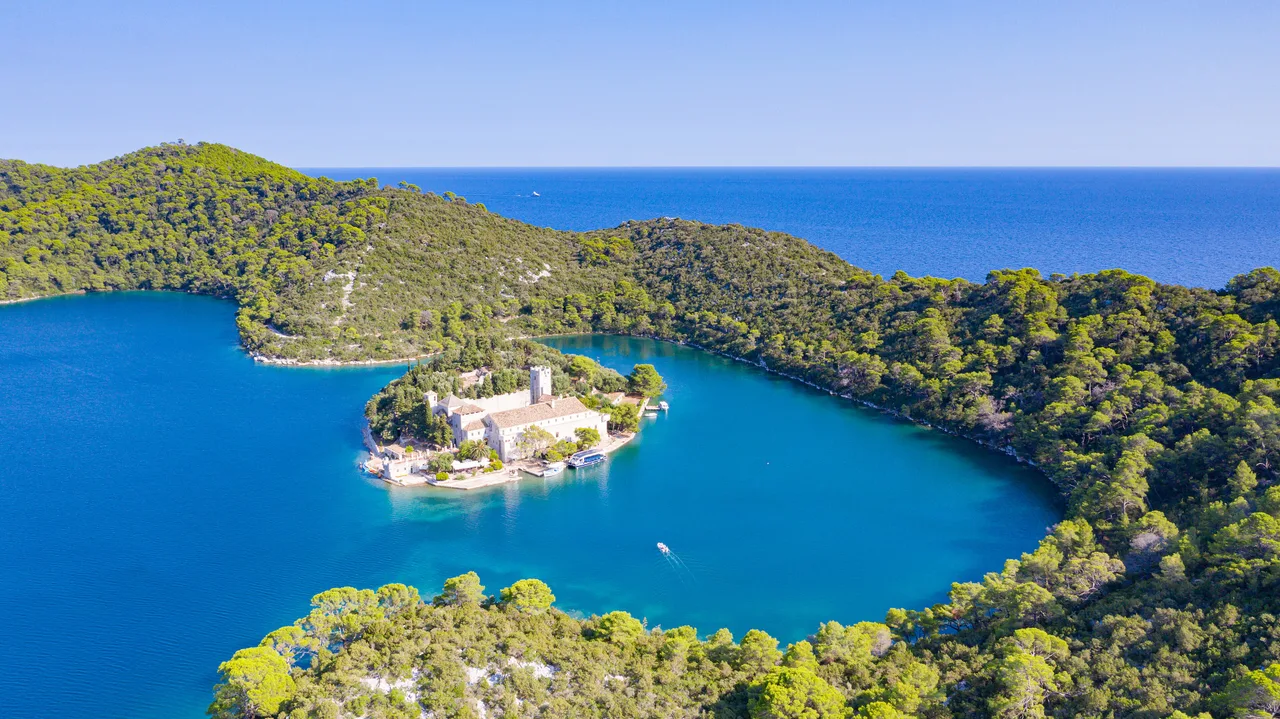
The best day trips from Dubrovnik split cleanly into two kinds: islands you sail to and towns you drive or bus to. Four are worth building a day around - here’s how they stack up. Mljet is the standout - two forested saltwater lakes filling a whole end of the island, with a monastery marooned on an islet in the larger one. Closer in, the car-free Elaphiti islands are the easy swim day just offshore, and Cavtat is the genteel half-day right next door. The ambitious one is Kotor, over the border in Montenegro: a walled town at the head of a mountain-ringed bay, more expedition than afternoon out. Everything worthwhile out of Dubrovnik is a boat ride or a short coastal drive away, and the single biggest planning decision is which of those two it’ll be.
The nearest calm coastal town is covered in our Cavtat travel guide.
Dubrovnik makes an unusually good base for this, because the old town is a dead end by land but a hub by sea. Ferries and tour boats leave straight from Gruž harbour, the coastal road runs south to Montenegro and north over the Pelješac Bridge, and the nearest islands are close enough that you’re swimming within the hour.
Mljet National Park: forest, lakes and a monastery islet
If you do one island, make it Mljet - you won’t regret it. The whole northwest third of the island is a national park built around two connected saltwater lakes - Malo Jezero (the smaller) and Veliko Jezero (the larger and deeper) - ringed by dense pine forest, with a Benedictine monastery on a little islet in the middle of the big lake. It’s the green, unhurried antidote to Dubrovnik’s stone and crowds.
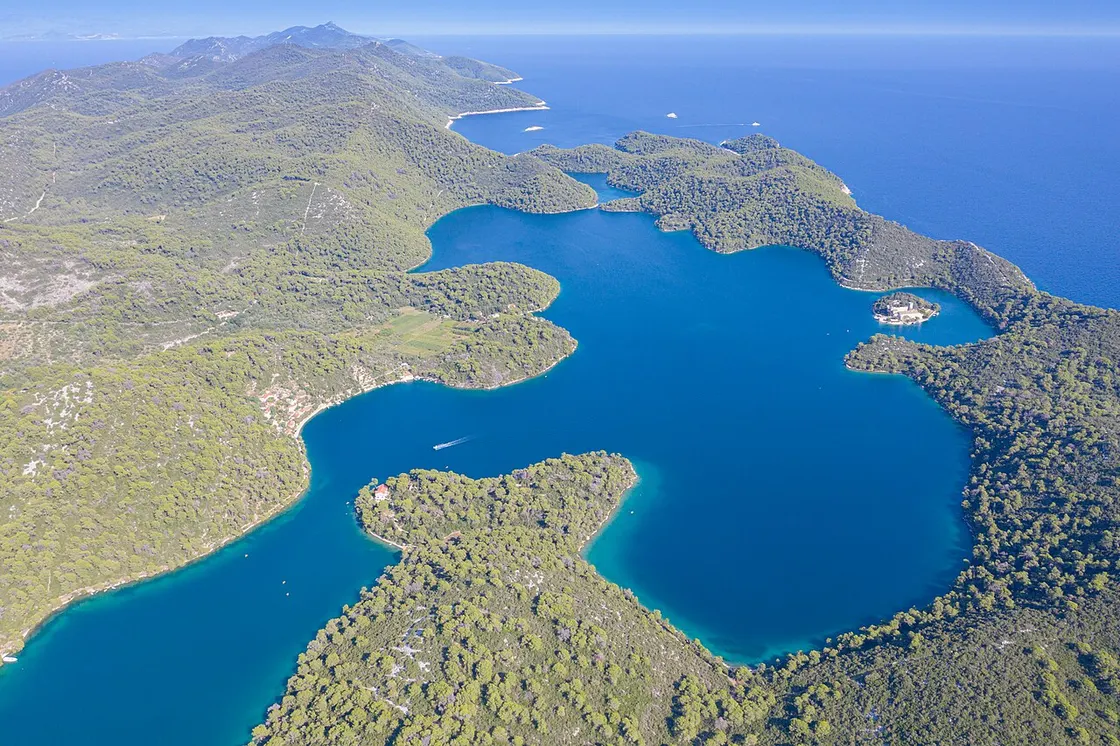
Get there by catamaran from Gruž to Polače (the port right on the park’s doorstep), run by TP Line on the state ferry line 9807 in roughly 1.5 hours, about €11 one way (€10.75 in 2026). Park admission for 2026 is €15 in low season and €25 in high season for adults, with under-7s free, and it includes the marked walking and cycling trails, the viewpoints, and the return boat to the monastery islet. You can hire a bike at Polače for about €10-15 a day, and a loop around the lakes on two wheels is the classic way to see it.
Two honest tips. First, unlike Krka, you can swim in the lakes - bring your things. Second, and this one matters: you’ll want to book your return catamaran the moment you land, before you head into the park. The afternoon boats back to Dubrovnik fill up, and being stranded on Mljet is a lovely problem only if you meant to stay - don’t leave it to chance. Prices and timetables shift by season, so confirm current figures on np-mljet.hr and with the ferry operator.
The Elaphiti islands: a car-free swim day
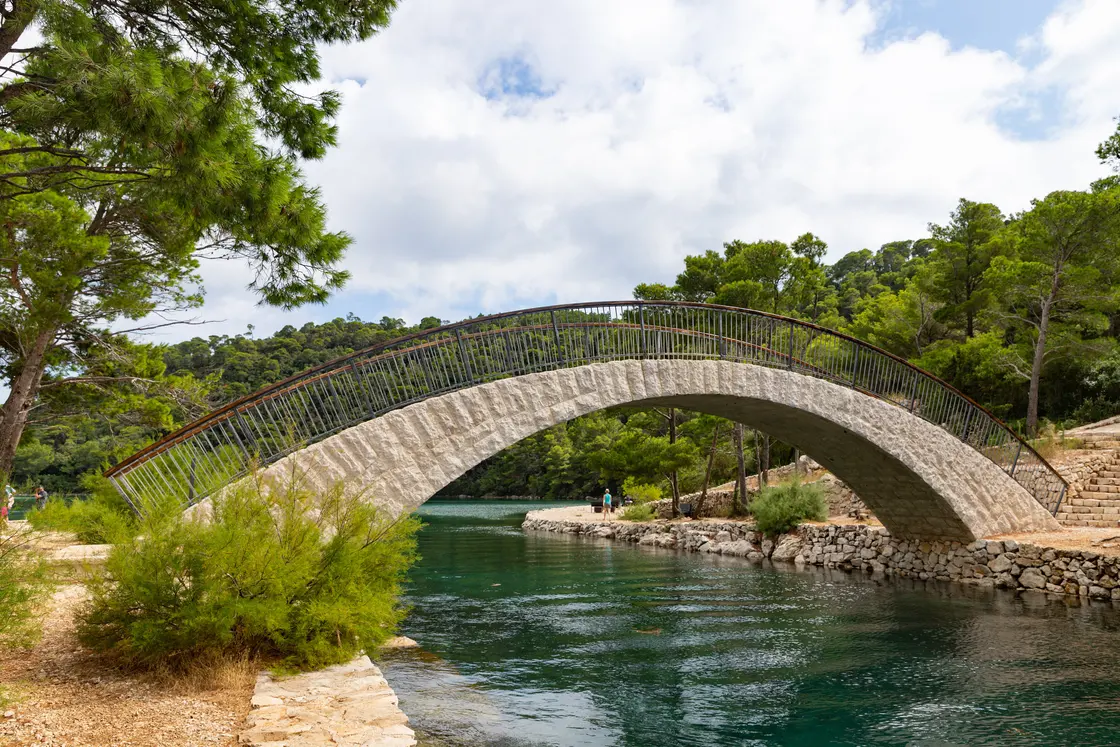
For less effort and more swimming, the Elaphiti islands sit just off Dubrovnik and are the easy island day. Three are inhabited - Koločep, Lopud and Šipan - and the first two are entirely car-free, all olive groves, sleepy harbours and clear coves. Lopud has the archipelago’s best sand at Šunj, a rare shallow, family-friendly beach.
You can do this independently on the Jadrolinija ferry (line 807) from Gruž: Koločep is about 25-30 minutes, Lopud about 45-50, and Šipan (Suđurađ) about an hour, €5.40 adult one way in season. That makes Koločep the effortless half-day and Lopud the one to aim for if you want a proper beach - you’ll feel the difference. Alternatively, a three-island cruise (lunch usually on board; prices move with the operator) stitches all three into a full day on the water, which suits anyone who would rather be sailed around than watch a ferry timetable. Either way, this is the low-stress option: no border, no long crossing, just a swim and a slow lunch - that’s the appeal. For 2026 times, fares and what sits on each island, see the full Elaphiti Islands guide.
Cavtat: the easy half-day next door
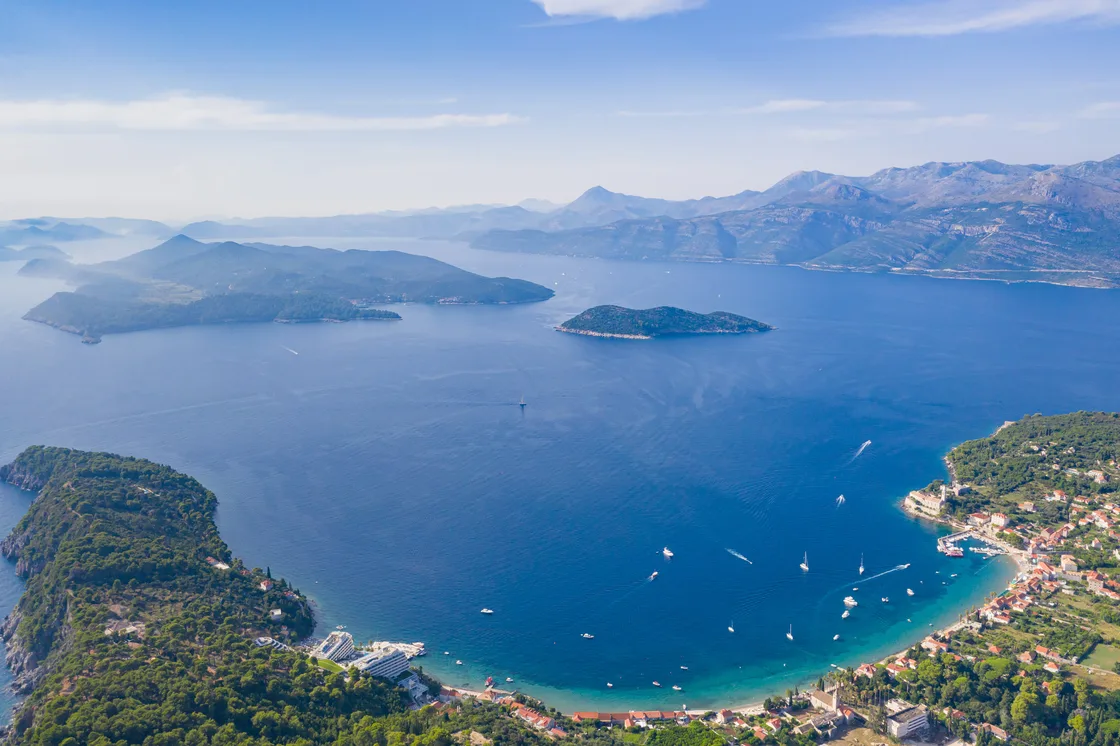
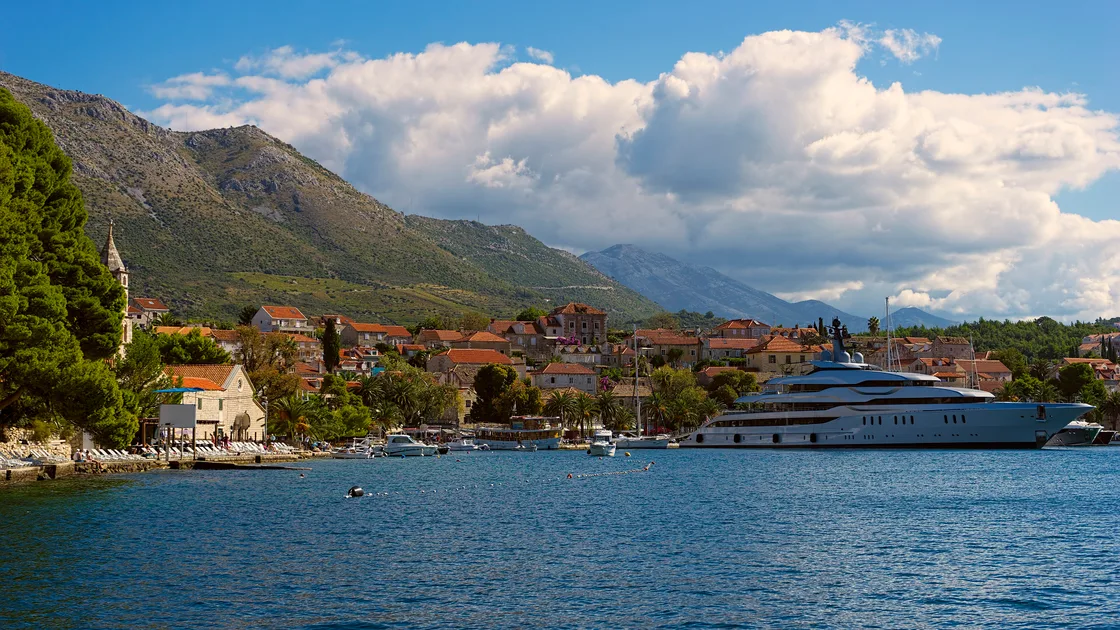
Cavtat is the trip you can do on a whim. It’s a genteel little resort town about 18 km south of Dubrovnik, near the airport, wrapped around a pretty palm-lined bay. Getting there costs almost nothing: the Libertas bus line 10 runs from Dubrovnik every half-hour or so, takes about 30 minutes and costs around €4, or in summer a taxi-boat crosses from the Old Port for roughly €8, which is the nicer arrival.
Cavtat is calmer and cheaper than Dubrovnik, and some travellers even base themselves here and day-trip into the city the other way. The set-piece is the Račić family mausoleum by the sculptor Ivan Meštrović, up in the cypress-topped cemetery, along with the waterfront promenade, the Rector’s Palace and the house of the painter Vlaho Bukovac. Half a day, a swim and a long lunch on the riva is the right speed for it.
Kotor, Montenegro: the day trip abroad
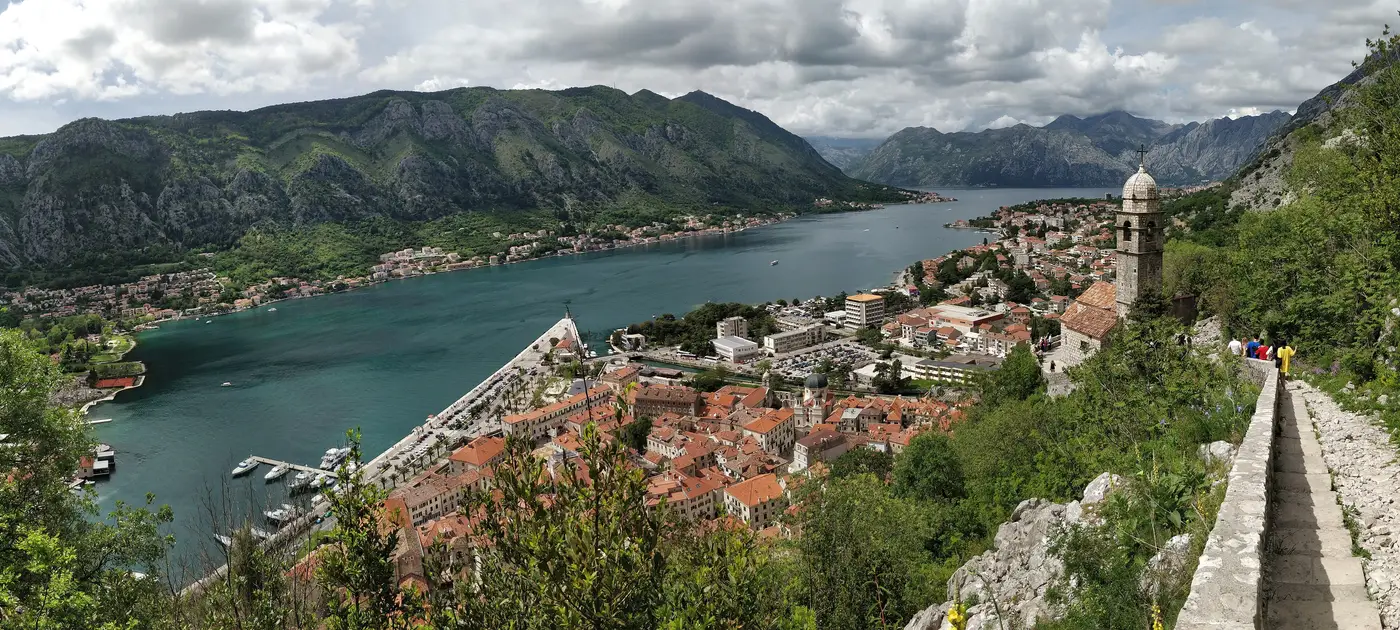
The one that feels like a proper expedition is Kotor, across the border in Montenegro. It sits at the head of the Bay of Kotor, a deep, fjord-like inlet ringed by grey mountains, with a walled medieval old town and a dizzying set of town walls that zigzag up to the San Giovanni fortress above it. It’s about 92 km from Dubrovnik but a 2.5 to 3.5 hour trip, because the road hugs the coast and you cross an international border. Buses leave Gruž up to seven times a day (earliest around 7:15am, roughly €15-25 one way); take the earliest one to make it a comfortable day.
The catch is the border. Montenegro is not in the EU or Schengen, so you need your passport or national ID card, and the crossing at Karasovići-Debeli Brijeg can add anywhere from ten minutes to well over an hour in peak summer. Most day-trippers pair Kotor with Perast and its islet church of Our Lady of the Rocks a little further round the bay. For the full picture of the town itself, our sister site’s Kotor guide covers what to see and do; if you’re driving a hire car across, read the cross-border rules (green card, written permission) in our one-way car rental guide first. And if you would rather not race back the same day, our Dubrovnik to Kotor coastal route stretches the same drive into a relaxed two or three days through Cavtat, Herceg Novi and Perast.
Further afield: Ston, Trsteno, Korčula and Lokrum
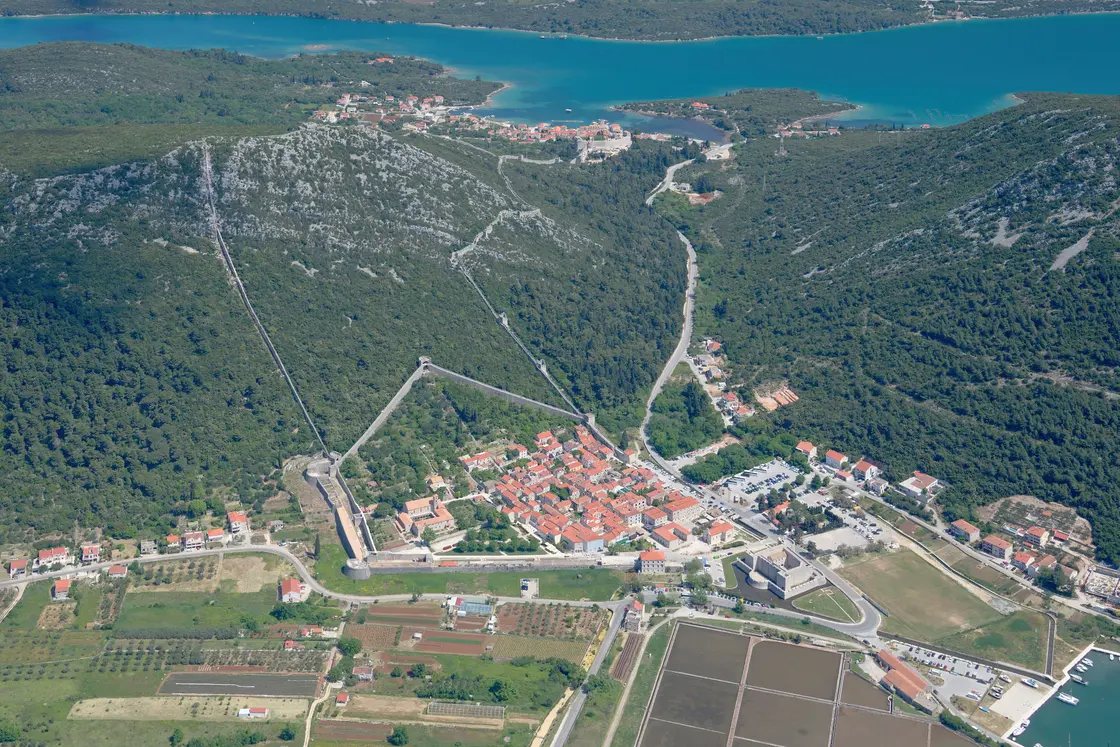
A few more are worth the drive if you’ve wheels or the appetite. Ston, about an hour north on the Pelješac peninsula, guards the neck of the peninsula with a long defensive wall - one of the longest in Europe - plus centuries-old salt pans and the oyster beds that make it a foodie stop; carry on and the Pelješac wine road (Dingač, Plavac Mali) is right there.
Closer in, the Trsteno Arboretum is a Renaissance garden about 20 km up the coast (and a Game of Thrones filming spot). Korčula, the walled “little Dubrovnik,” is doable as a long day but better as an overnight. And Lokrum barely counts as a day trip at all - it’s a 15-minute boat from the Old Port, so it’s really a half-day of peacocks, a monastery and a swim when you’ve an afternoon spare in the city; our Lokrum island guide has the ticket, the timetable and the Iron Throne in the visitor centre.
Boat or bus? How to choose
The rule of thumb: take a boat for the islands, drive or bus for the towns. Mljet, the Elaphiti and Lokrum are scheduled ferries or tour boats; Cavtat, Ston and Trsteno are quick coastal runs; Kotor is a long international bus or a car with your passport. A rental car unlocks the mainland trips on your own schedule and lets you dodge the coach crowds, but it’s dead weight for the islands and useless inside Dubrovnik’s pedestrian old town.
A few practical notes to finish on:
- Book island boats ahead in July and August - the Mljet catamaran and the Elaphiti cruises sell out days in advance.
- Screenshot the last ferry. Day trips to Mljet and the Elaphiti live and die by the evening timetable.
- Carry your passport for Kotor, leave early, and expect the border to eat some time in peak season.
- Start early. Every one of these is cooler, quieter and better before the cruise-ship day-trippers spill out.
Sort your base first with the Dubrovnik travel guide, and if the city itself is still on your list, our one day in Dubrovnik itinerary makes the most of the hours between trips. For the Montenegro run specifically, the Dubrovnik to Kotor transport guide compares the bus, tour and drive, and to link several islands into one trip, see island hopping in Croatia.
Ferry and bus times, tour prices and park fees change by season. This roundup was checked on 18 July 2026; confirm current timetables with Jadrolinija, TP Line and the bus operator, and park prices on np-mljet.hr, before you travel.
Read also

Routes · 11 min read
Split to Krka 2026: Bus €7-14, 1h20, Tour or Car
Verified · August 2, 2026Split to Krka National Park in 2026: bus fares and times to Skradin, day tours, driving the A1, Skradin vs Lozovac and what a ticket costs.

Routes · 9 min read
Best Day Trips from Split (Krka, Hvar, Blue Lagoon, Trogir)
Verified · July 13, 2026The best day trips from Split: Krka waterfalls, Trogir, the island of Hvar, the Blue Lagoon and Blue Cave - how to reach each and what to book.

Routes · 10 min read
How Croatia Ferries Work: A Beginner's Guide
Updated · June 30, 2026How Croatia ferries work for first-timers: car ferry vs catamaran, foot vs vehicle, who runs them, the main ports, and how to buy tickets.

Routes · 7 min read
Plitvice Lakes from Zagreb or Split Without a Car
Updated · June 30, 2026How to visit Plitvice Lakes from Zagreb or Split with no car: bus times and fares, guided tours, the day-trip plan and park tickets in 2026.