
One-Way Car Rental Croatia 2026: Is It Worth the Fee?
One-way car rental in Croatia: what the drop-off fee costs (€100-250), the Split-Dubrovnik route, the Pelješac Bridge, and when it pays off.
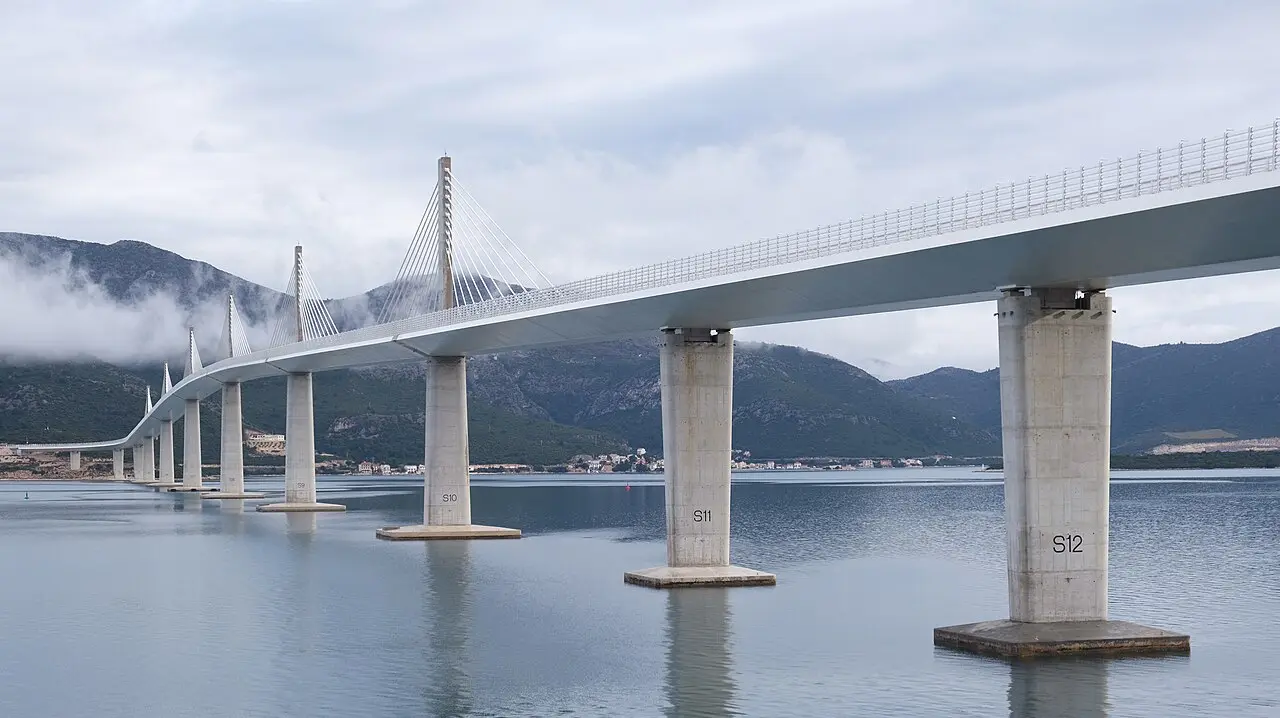
A one-way car rental in Croatia - picking the car up in one city and dropping it in another - lets you drive the coast in one direction without doubling back. Split to Dubrovnik is the classic version of this trip, so it is the main worked example here. Expect a one-way drop-off fee of roughly €100-€250 on top of the rental itself, and know that since the Pelješac Bridge opened in 2022, the drive stays entirely inside Croatia - no more Bosnia/Neum border stop, no passport needed for the route itself. One-way makes sense if Dubrovnik is your end point and you’re flying out from there; if you’re looping back to Split anyway, a normal return rental is cheaper. Fees below are planning ballparks in euros (€), not quotes - always confirm with the rental company when you book.
Heads-up. Drop-off fees, insurance terms and cross-border rules vary by company and change over time, and the figures here are orientation, not a quote. Confirm the exact one-way fee, the green-card/cross-border policy and whether your route needs a passport when you book. Checked July 2026.
What a one-way rental actually costs
The car-hire price is the same whether you keep the car in one city or move it; the extra you pay for one-way is the drop-off fee (sometimes called a “one-way fee” or “relocation fee”), charged because the company has to get the vehicle back to its home base.
- Split → Dubrovnik specifically: typically €100-€250, since it’s a relatively short hop down the coast (about 230 km).
- Longer routes (say Dubrovnik to Zagreb, ~600 km): higher, usually €200-€300.
- Same city, different branch (e.g. Split town to Split airport): usually free.
- Flat-fee policies exist: some firms publish a fixed charge - Autowill, for example, advertises a flat €250; Hertz lists around €300 to return to another location in Croatia. Others scale the fee by distance.
The fee is normally shown at the booking stage, so compare a few providers - for a short route like this one the gap between companies can be larger than the fee itself. Off-season, some offer reduced or waived one-way fees to reposition cars. Our full renting a car in Croatia guide covers deposits, insurance excess and the documents you’ll need. If you’re picking up at the airport, car rental at Split Airport covers the terminal desks and peak-summer queues; starting from the capital instead, see car rental at Zagreb Airport.
The Pelješac Bridge vs the Neum corridor
This is the part that’s changed, and old advice online is often out of date. There are two ways to drive Split-Dubrovnik, and they’re no longer equal.
The Pelješac Bridge route (the default now). Since the 2.4 km Pelješac Bridge opened in July 2022, the main road crosses the bay on Croatian soil and the journey is about 236 km in roughly 3 hours 13 minutes with no border crossing at all. There’s no toll on the bridge. For a one-way rental this is the simple choice: you don’t need a passport for the route, and there’s no Bosnia paperwork to think about.
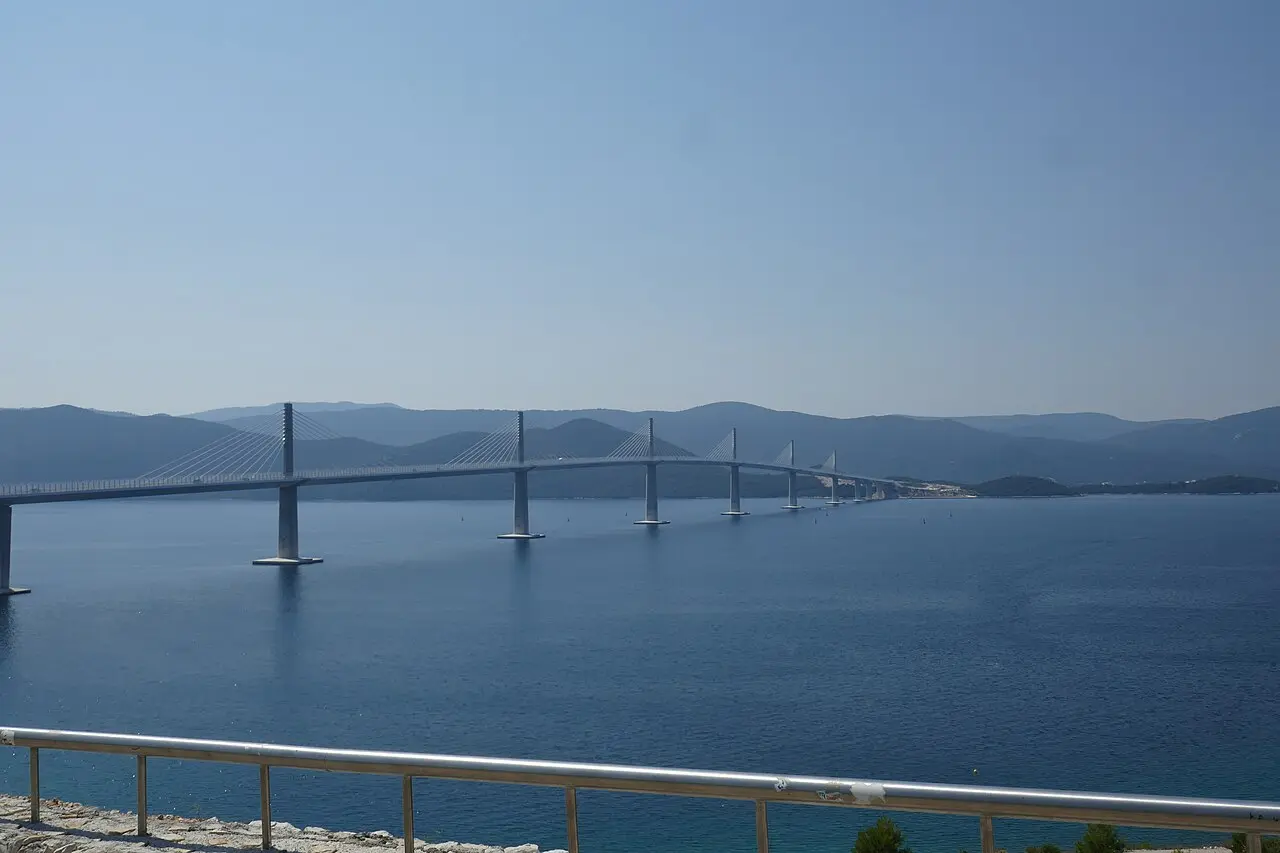
The Neum corridor route (the old way). Before the bridge, the coastal road dipped through a short strip of Bosnia and Herzegovina at Neum, splitting Croatia in two. That route is about 229 km - 7 km shorter and, with no border queue, around 12 minutes faster. But it crosses two international borders, so you need a passport or EU ID card, and the wait is a lottery: locals report under two minutes off-season but up to two hours each way in peak summer. Most drivers now take the bridge precisely to avoid that gamble.
A 2026 caveat worth flagging: renovation works on the Pelješac Bridge are scheduled to start around October 2026 and run into May 2027. The contractor keeps two-way traffic across the bridge throughout, with occasional lane restrictions rather than a closure. Worth knowing why that matters: the old road around the bay runs through Neum in Bosnia and Herzegovina, so any diversion onto it would put two international border crossings back into your drive and you would need passports on board. Check the current status before you set off in that window.
Taking a hire car across a border (green card and insurance)
If you stick to the bridge route, this section doesn’t apply - you never leave Croatia. It matters if you take the Neum corridor (into Bosnia) or plan a detour into Montenegro (for example, on to Kotor):
- Tell the rental company first. Most Croatian firms allow driving into Bosnia, Montenegro and Slovenia, but you usually need written permission and sometimes pay a small cross-border surcharge. Crossing without it can void your insurance.
- Green Card. Ask for the Green Card - the international motor-insurance certificate - listing the countries you’ll enter. For Bosnia and Montenegro this is the document border police may ask to see.
- One-way across a national border is different. Dropping a Croatian car in another country (not just another Croatian city) is a separate, much pricier arrangement - cross-border drop-offs can run over €400 and aren’t offered by every company. The Split→Dubrovnik one-way is domestic, so it avoids all of this.
- Toll roads still apply. Even staying in Croatia, the fast inland stretch on the A1 motorway is tolled by distance; you pay by card or cash at the exit barrier. Budget a few euros for tolls on top of fuel - the Pelješac Bridge itself is free, but the motorway sections are not.
A common mistake is to assume the old Bosnia rules still bite on this route. They don’t, as long as you take the bridge - the green-card and passport requirements above only matter if you deliberately route through Neum or carry on into Montenegro afterward.
Is one-way worth it, or should you do a round trip?
It comes down to your route shape:
- One-way wins if Dubrovnik (or Split) is a genuine end point - you’re flying out from there, continuing by ferry, or simply don’t want to retrace 230 km. Paying €100-€250 to skip a five-hour round-trip drive back is usually worth it, and it frees you to take the scenic coastal road one way without thinking about the return.
- A round trip wins if you’re based in one city and exploring out and back, or doing a loop that returns you near the pickup point - then there’s no drop-off fee at all, and a same-city return is often free.
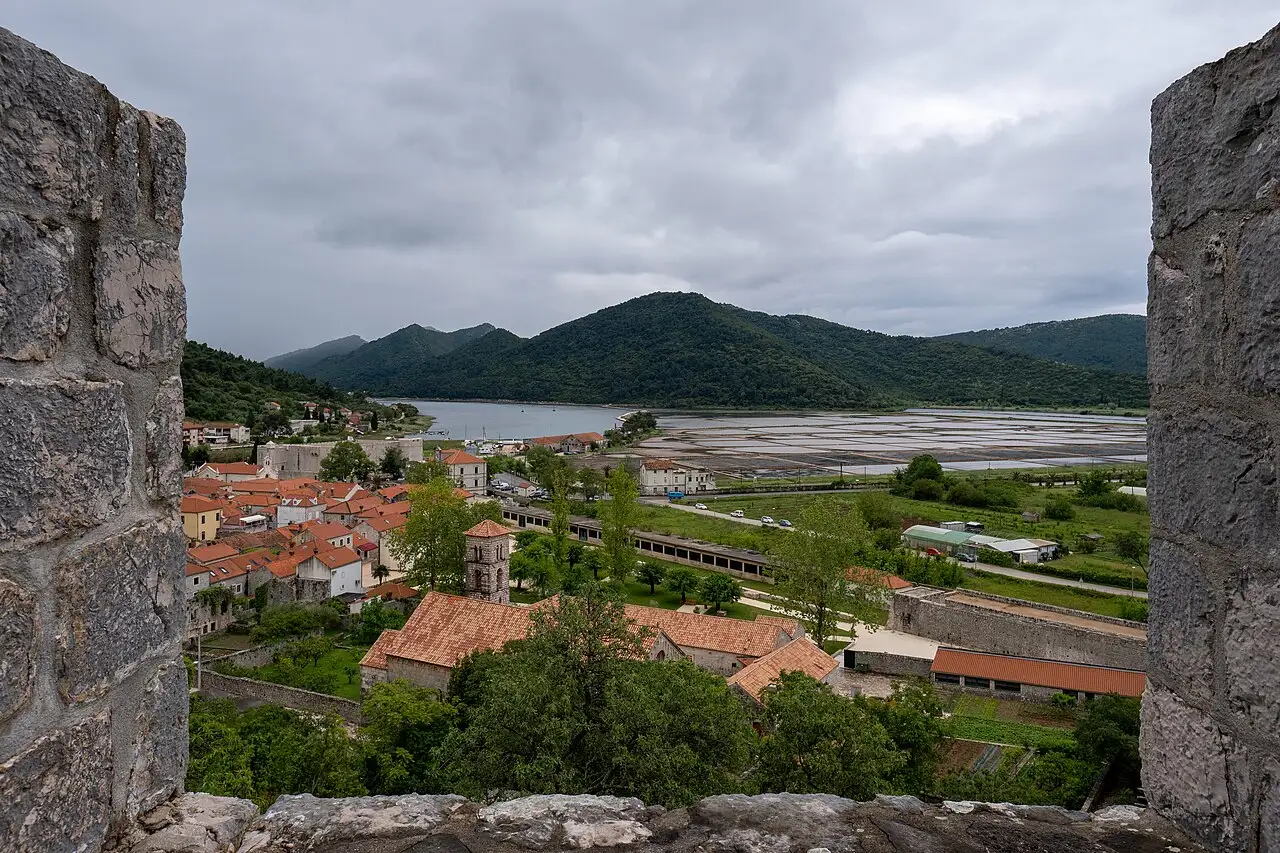
- Either way, build the drive in: the Split-Dubrovnik run is a highlight, not just a transfer. Stop in Ston for the walls and oysters, detour onto the Pelješac wine road, and you’ve turned the transfer into part of the trip.
- Starting inland instead of on the coast? Our Zagreb to Split via Plitvice route is a one-way pickup-and-drop-off case in its own right - Zagreb airport pickup, Split drop-off, Plitvice in between.
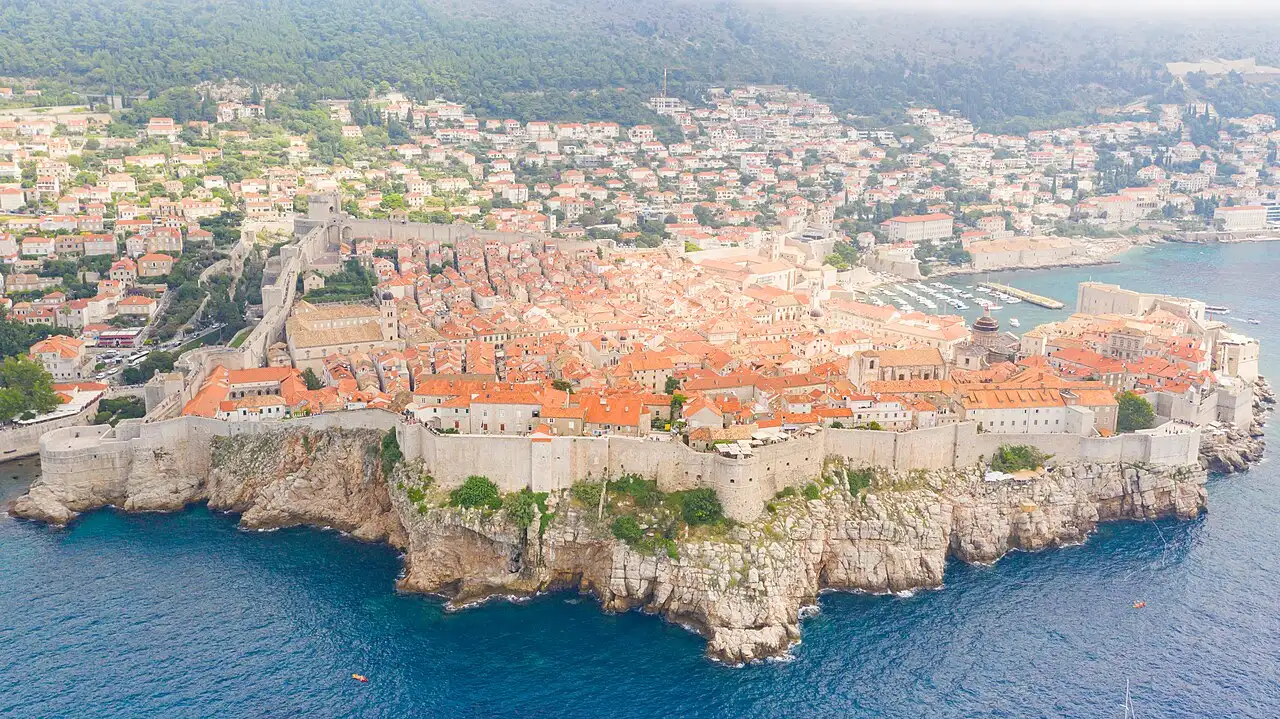
For the route itself, our Dalmatia coast route from Split to Dubrovnik maps the drive stop by stop, and the Split to Dubrovnik transport guide compares the car against the bus, ferry and transfer if you’re still weighing how to make the journey.
Opening hours, prices, timetables and seasonal services change through the year - the figures here are planning estimates, not quotes. Confirm current details with the operators and official sources before you go.
Photos
Read also

Before you go · 10 min read
Where to Stay in Korčula: Old Town to Vela Luka
Verified · September 5, 2026Korčula Town for walls and boats, Lumbarda for sand, Vela Luka for the Split car ferry. Match the base to how you arrive - then book.

Before you go · 10 min read
Sailing in Croatia: Yacht Charter Costs & Routes
Updated · September 5, 2026Croatia yacht charter 2026: bareboat weekly ranges, skipper and deposit separate, APA on crewed boats, season guides, island routes.

Before you go · 10 min read
Where to Stay in Makarska: Riviera Bases Compared
Updated · August 30, 2026Brela, Baška Voda, Makarska, Tučepi or the quieter south - which Riviera base fits beach weeks, families, nightlife and Brač ferry mornings.

Before you go · 8 min read
Hvar or Korčula: Which Island Fits Your Trip?
Verified · August 28, 2026Hvar or Korčula in 2026? Split catamarans (~€25 like-for-like), vibe, beaches and who each Dalmatian island suits - plus the hop between them.