
Split to Dubrovnik: Bus, Ferry, Car or Transfer (2026)
Split to Dubrovnik four ways: bus, summer catamaran, your own car over the Pelješac Bridge or a transfer. Times, rough euro costs and which to pick.
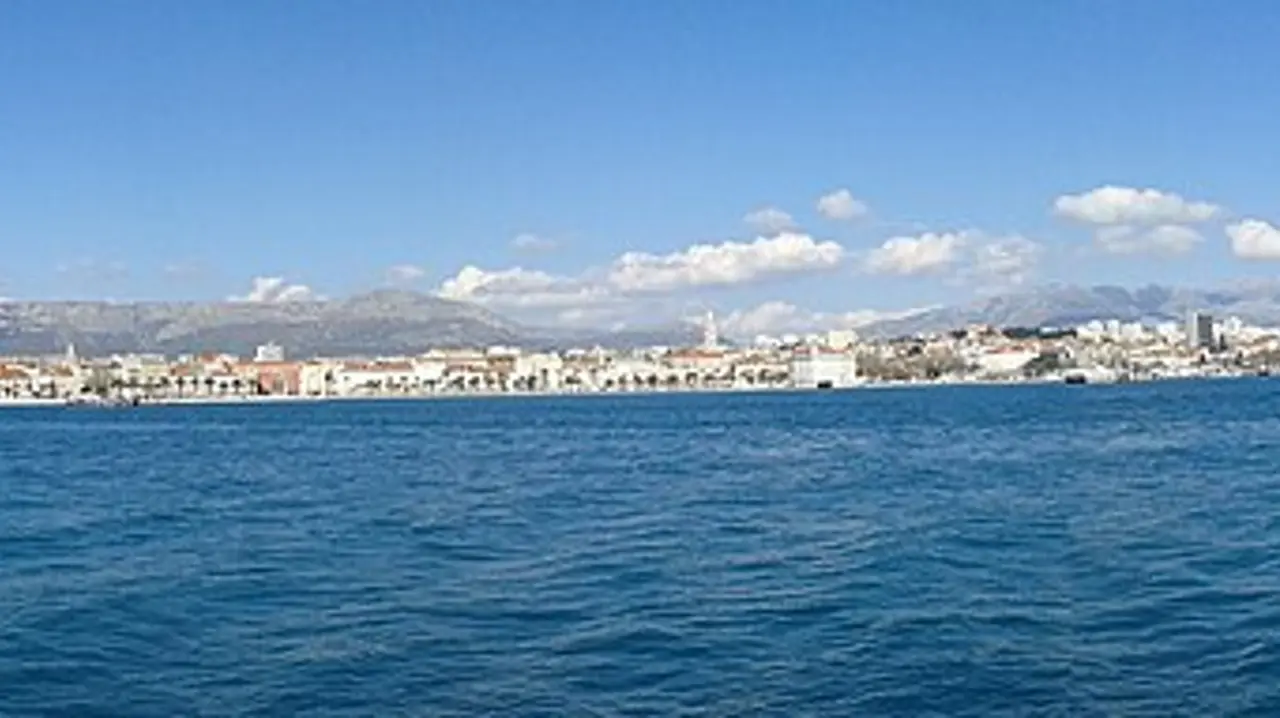
The two cities sit about 230 km apart down the Dalmatian coast, and you have four realistic ways to cover the gap: a coach (the cheapest, roughly 4-5 hours), a seasonal catamaran (summer only, scenic, foot passengers), your own car (the most flexible, about 3 to 3.5 hours over the Pelješac Bridge), or a private transfer (door to door, the priciest). There’s no train - the railway doesn’t reach Dubrovnik. For most travellers the bus wins on price and the car on freedom; the catamaran is the prettiest if your dates fall in high season. Prices below are planning ballparks in euros (€), not quotes - always confirm the current fare and timetable before you book.
Heads-up. Fares, journey times and sailing schedules change with the season and the operator. The euro figures here are rough orientation to help you choose, not live prices - check the operator’s own site for your exact date.
The four options at a glance
| Option | Time | Rough cost (one way) | Runs | Best for |
|---|---|---|---|---|
| Coach / bus | ~4-5 h | budget fare | Year-round, several daily | Cost, simplicity |
| Catamaran | ~4.5-5 h | mid-range fare | Summer only (roughly May-Oct) | Scenery, no traffic |
| Drive yourself | ~3-3.5 h | fuel + tolls + car | Anytime | Freedom, stops en route |
| Private transfer | ~3-3.5 h | premium (per car) | Anytime, on demand | Door to door, groups, luggage |
By bus: the cheapest and simplest
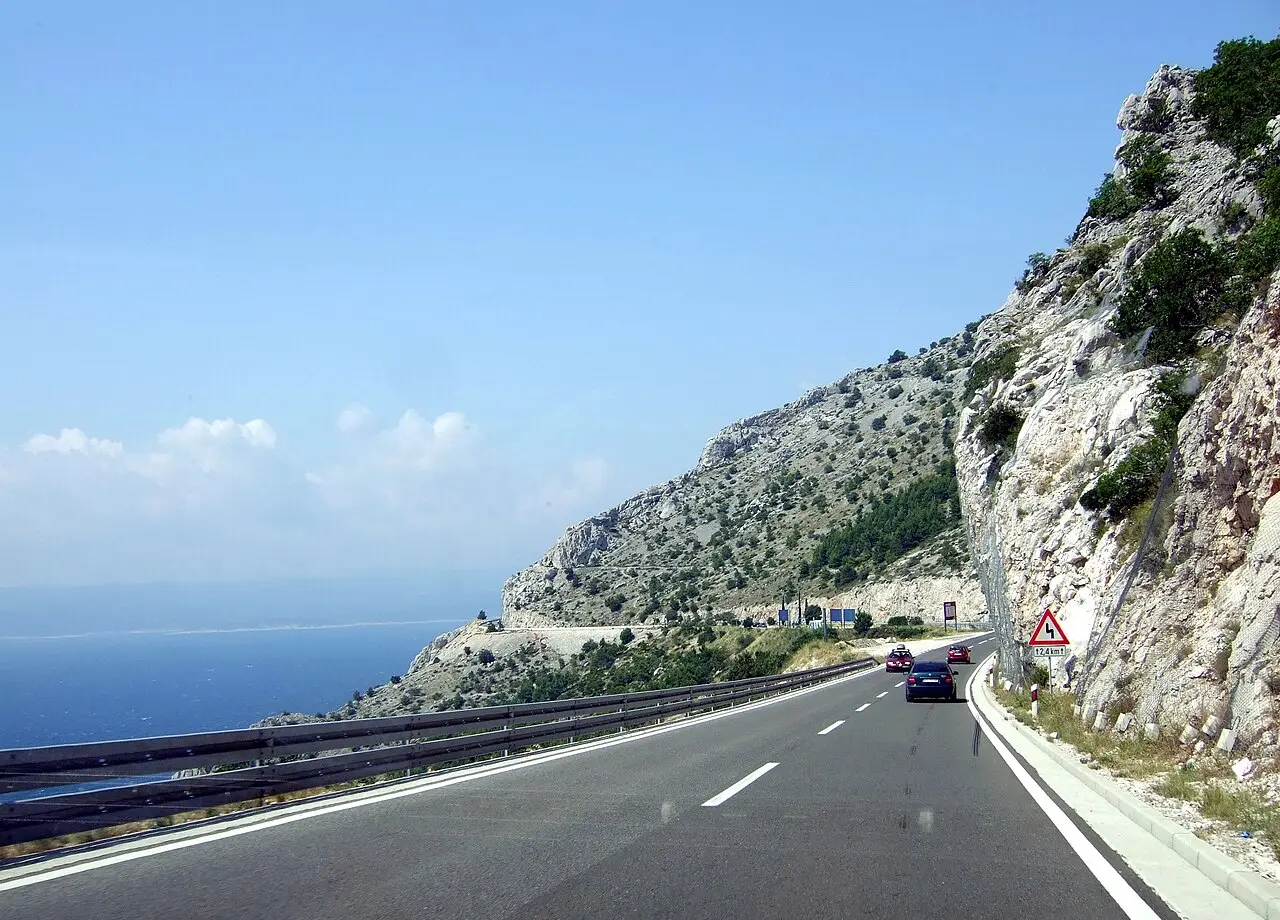
The coach is how most people make this trip. Several operators - Arriva, FlixBus and others, with tickets sold through aggregators like Getbybus - run the Split-Dubrovnik route year-round, several times a day, with departures clustered in the morning and early afternoon. The ride takes roughly four to five hours depending on the service, the number of stops and the season; direct buses are quicker than ones that call at every coastal town.
Buses leave from Split’s main bus station (Autobusni kolodvor), right beside the ferry port and the train station, and arrive at Dubrovnik’s bus station at Gruž, a short local-bus or taxi ride from the Old Town. Book ahead online in July and August and around public holidays, when popular departures sell out; in shoulder season you can usually buy at the station or online a day or two before - you don’t need to plan as far ahead as the summer crowds assume. One quirk worth knowing: most buses still take the old coastal road past Ston and through the scenery of the Pelješac peninsula’s neck, so it’s a genuinely pretty ride, not just a motorway slog.
A practical note on borders: historically the coastal bus dipped briefly into Bosnia and Herzegovina at Neum, meaning passport checks. Since the Pelješac Bridge opened in July 2022, the main road bypasses Neum entirely and stays inside Croatia - but check whether your specific service uses the bridge or the old Neum road, and carry your passport either way.
By catamaran: summer only, but the prettiest
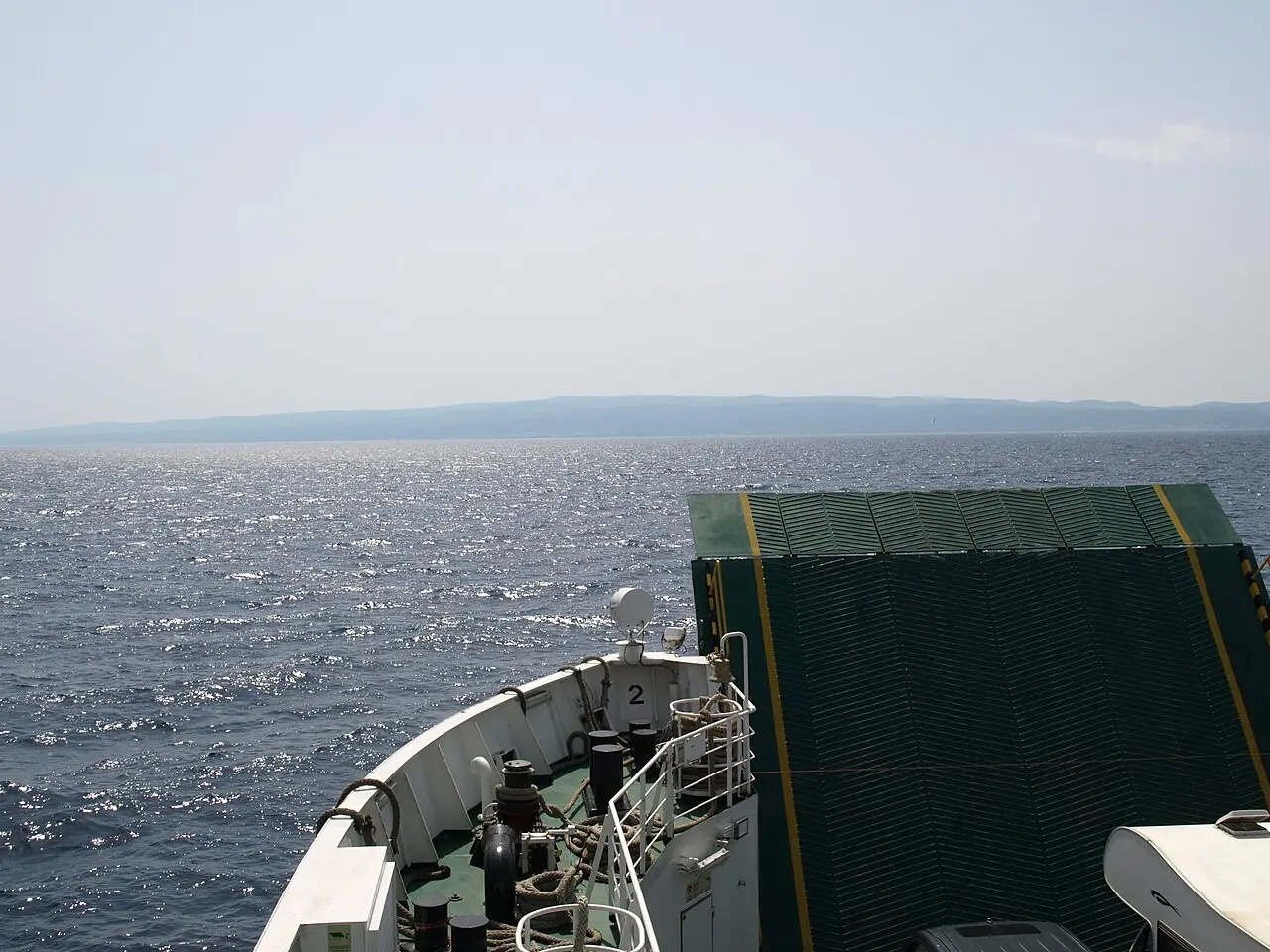
In the warmer months a fast catamaran links Split and Dubrovnik along the coast, calling at islands on the way - typically Hvar and Korčula, sometimes Mljet. Operators such as Jadrolinija and Kapetan Luka (Krilo) run these seasonal lines, usually from around May to October, with the most sailings in July and August. It’s foot passengers only - no cars - and takes about four and a half to five hours end to end, similar to the bus but far more scenic, gliding past island harbours instead of sitting in coastal traffic.
The catch is the season and the demand: outside summer the line may not run at all, and in peak months the popular sailings sell out days ahead, so book online early. The catamaran also doubles neatly as island hopping - you can break the journey for a night or two on Hvar or Korčula rather than going straight through. For how the boat network fits together, see our guide to Croatia island hopping.
By car: the most flexible
Driving gives you the coast on your own terms - stop in Ston for oysters and the great wall, pull over at a viewpoint, detour onto the Pelješac wine road. The drive is about 230 km and takes roughly three to three and a half hours non-stop, longer once you factor in stops and summer traffic. You have two broad routes:
- The fast inland way: take the A1 motorway south from Split toward Ploče, then drop down to the coast. Quicker, tolled by distance, less scenic.
- The coastal way: follow the old Magistrala (D8) along the sea - slower and winding but spectacular, through Makarska and the Pelješac neck.
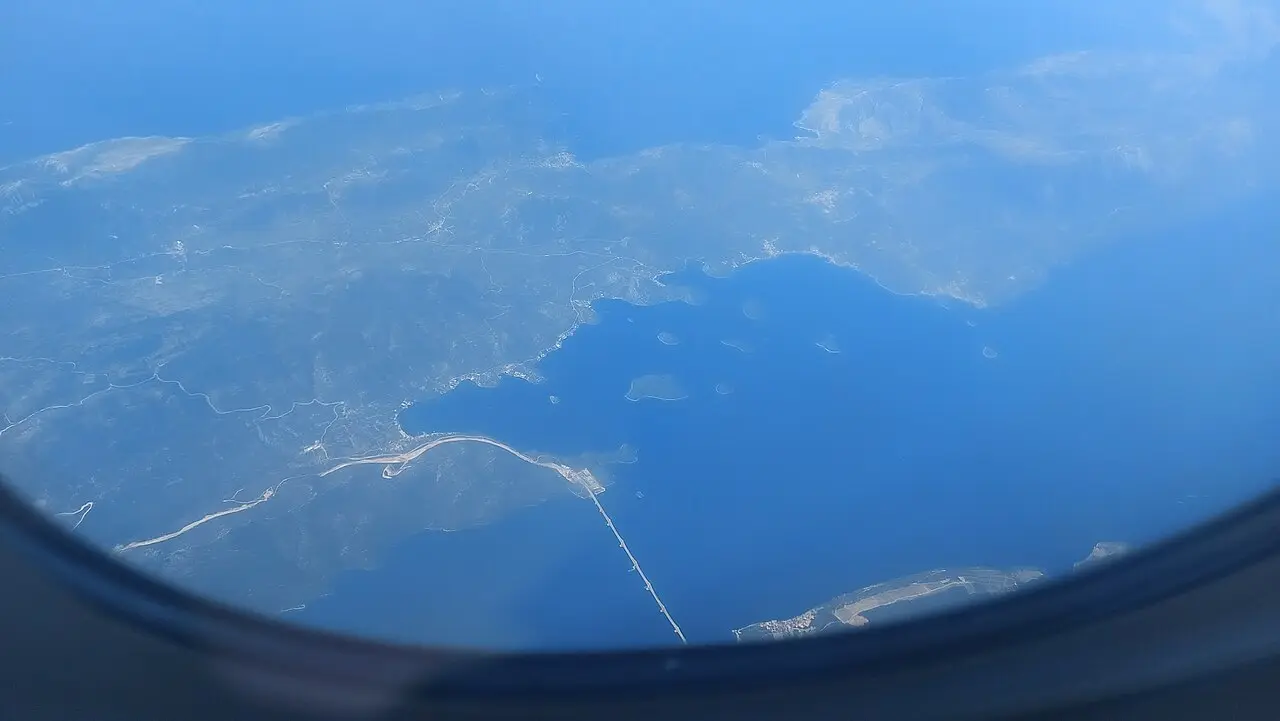
Either way, the modern route crosses the Pelješac Bridge, which since July 2022 lets you reach Dubrovnik without leaving Croatia or crossing the Bosnian strip at Neum - no border checks. If you’re renting, note that the cars and old towns don’t mix: both Split and Dubrovnik have pedestrian-only historic cores, so you park outside and walk in. A common, cheaper plan is a one-way rental between the two cities - handy if you’re not looping back, though it carries a one-way drop-off fee. Our guide to renting a car in Croatia covers costs, insurance and the Neum question in detail.
By private transfer: door to door
A private transfer is the most comfortable and the most expensive option: a driver picks you up at your Split accommodation or the airport and drops you at your Dubrovnik door, with no station changes and no luggage juggling. It runs on demand at any time, takes the same three to three and a half hours as driving yourself, and is priced per car, not per person - which means for a family or a group of four it can work out close to four separate bus tickets, while being far more convenient. Most transfer drivers will also stop for a short break or a quick photo at a viewpoint if you ask. It’s the natural choice if you’re travelling with small children, heavy bags, an early flight to catch, or simply want the trip handled.
The inland A1 vs the coastal road
If you’re driving or in a transfer, you’ll likely take part of the A1 motorway for speed.
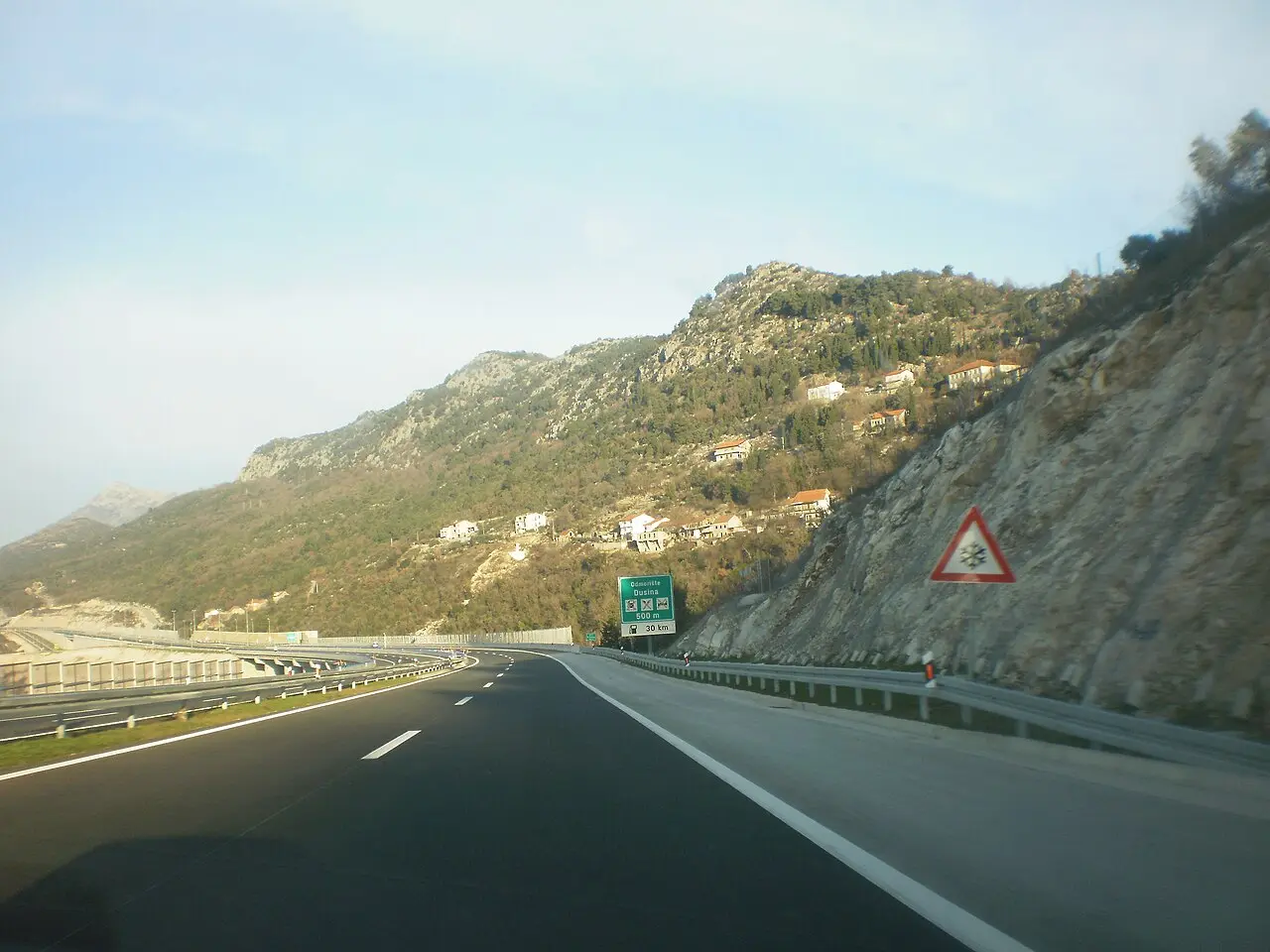
The A1 is tolled per distance (pay by card or cash on exit, or use the ENC tag), while the coastal D8 is toll-free but slower. Many drivers do a sensible mix: motorway for the dull middle stretch, the coast road for the pretty bits around Makarska and Pelješac. There’s no single “right” route - it depends on whether you’re optimising for time or for views.
Which should you pick?
- Cheapest, no fuss: take the bus. Year-round, frequent, and it drops you near both old towns.
- Most scenic, in summer: take the catamaran - and consider breaking it on Hvar or Korčula.
- Most freedom: drive, ideally one-way, so you can stop in Ston and along Pelješac.
- Most comfortable, or for a group/family: book a private transfer door to door.
Whatever you choose, this is one of the classic Dalmatian journeys. If you’d rather make a road trip of it over several days - Trogir, Hvar, Korčula, Ston - our Dalmatia coast route from Split to Dubrovnik maps the whole thing stop by stop, and our wider getting around Croatia guide covers buses, ferries and driving across the country. For the cities themselves, see the Split travel guide and the Dubrovnik travel guide. Only in Dubrovnik for the day? Our one day in Dubrovnik itinerary makes the most of it. Carrying on into Montenegro from Dubrovnik? See Dubrovnik to Kotor.
Opening hours, prices, timetables and seasonal services change through the year - the figures here are planning estimates, not quotes. Confirm current details with the operators and official sources before you go.
Photos
Read also

Transport · 12 min read
London to Split 2026: 2h35 Nonstop, from £109 Return
Verified · September 3, 2026Nonstop London-Split takes about 2 hours 35 minutes. Croatia Airlines lists Gatwick from £109 and Heathrow from £159 return - check live fares.

Transport · 9 min read
Zadar Airport to the City: Buses & Transfers
Updated · August 27, 2026Zadar Airport (ZAD) to the old town in 2026: Liburnija shuttle, taxi, private transfer and app rides - the €5 bus, 20-minute trip and where each stops.

Transport · 11 min read
How to Get to Korčula: Ferries from Split & Dubrovnik
Updated · September 5, 2026How to reach Korčula in 2026: catamarans from Split and Dubrovnik, the Orebić car ferry, Vela Luka routes, times, fares and which option to pick.

Transport · 13 min read
Zagreb to Dubrovnik: Fly, Drive or Take the Bus?
Updated · September 19, 2026Zagreb to Dubrovnik: fly (55 min, ~3.5 h door to door), bus 8 h 30 min - 14 h, drive 7 h plus €33.70 tolls, or a private transfer. Which one fits.