
Yes, Uber Works in Croatia - Zagreb, Split & More
Confirmed: Uber covers 4 Croatian cities, Bolt covers 9. How airport pickup works, which is cheaper, and how to avoid taxi overcharging scams.
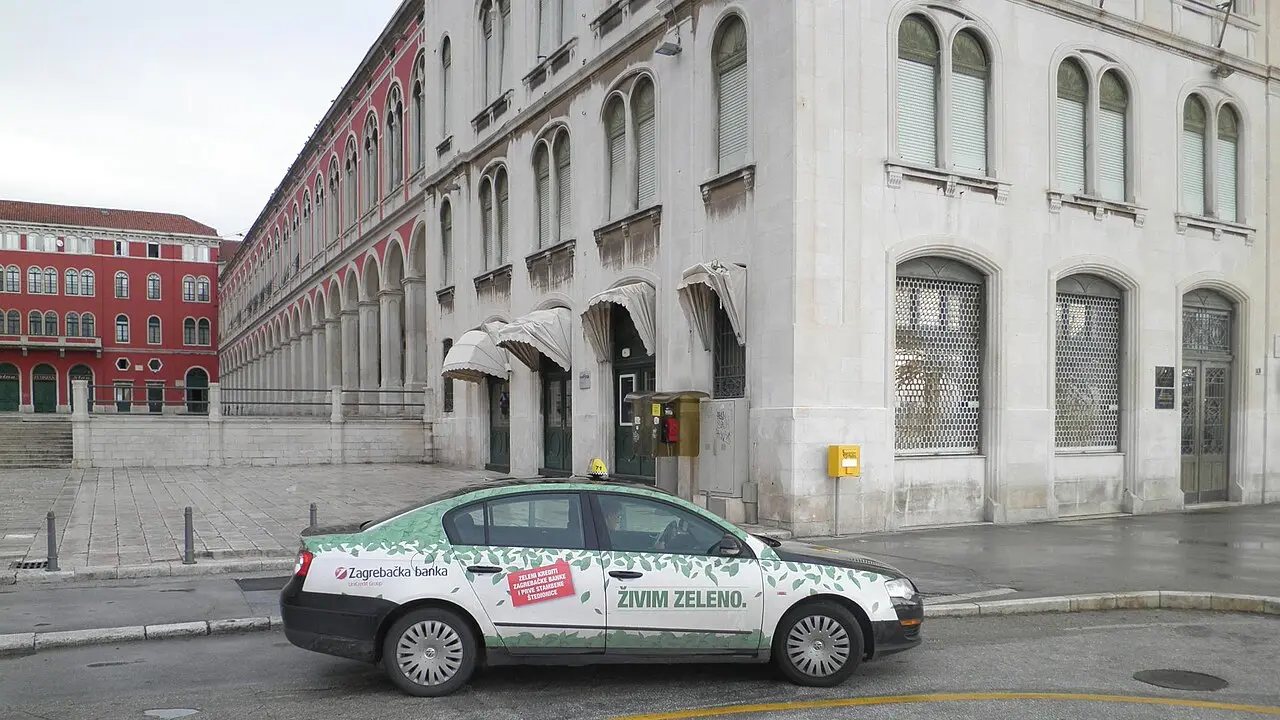
Uber and Bolt both work in Croatia’s biggest cities, and between them they’re the easiest way around the country’s one real transport headache: taxi drivers who quote whatever they like at airports, ports and old-town ranks. Bolt covers more ground - nine Croatian cities against Uber’s core handful - while Uber tends to have the deeper driver pool in Zagreb, Split and Dubrovnik when it matters most, late at night or straight off a flight. Both show a fixed, card-only price before you book, which is the whole point: no meter to argue with, no “broken” display, no round-number cash demand at 2am.
Heads-up. Ride-hailing prices are dynamic and only show up once you request a ride, and street-taxi tariffs are set city by city rather than nationally - this guide focuses on where the apps actually run, how airport pickup works, and how to avoid the overcharging scams, not a fixed price list. Checked August 2026.
Uber vs Bolt vs street taxi, at a glance
| Uber | Bolt | Street taxi | |
|---|---|---|---|
| Cities | Zagreb, Split, Dubrovnik, Zadar (official pages); Rijeka, Šibenik reported - confirm in-app | 9 cities incl. Karlovac, Osijek, Pula | Everywhere, but ranks cluster at airports, ports, old towns |
| Price | Fixed, shown before booking | Fixed, usually cheaper than Uber | Metered or “agreed” - the risky one |
| Payment | Card in-app | Card in-app | Cash or card, driver’s choice |
| Best for | Reliability late at night in the big three | Cheaper fare, wider small-city coverage | Only with a confirmed price or a running meter |
Where the apps actually work
Bolt publishes its own Croatian coverage, and it’s the wider of the two: Zagreb, Split, Dubrovnik, Zadar, Rijeka, Šibenik, Pula, Osijek and Karlovac - nine cities spanning the coast and a few inland towns most visitors skip. Uber’s confirmed strongholds are narrower but cover the places tourists actually go: Zagreb, Split, Dubrovnik and Zadar each have a dedicated official Uber airport page. Rijeka and Šibenik turn up in secondary listings too, but that tier is murkier - at least one current guide reports Uber isn’t actually running in Šibenik, which is exactly the kind of gap a bare listing won’t show you. Uber’s own site also lists dozens of smaller Croatian towns individually, but a listing existing doesn’t guarantee drivers are circulating there - in a town of a few thousand people, and really anywhere outside the confirmed four, open the app and check before you count on a ride rather than assume the page means live coverage.
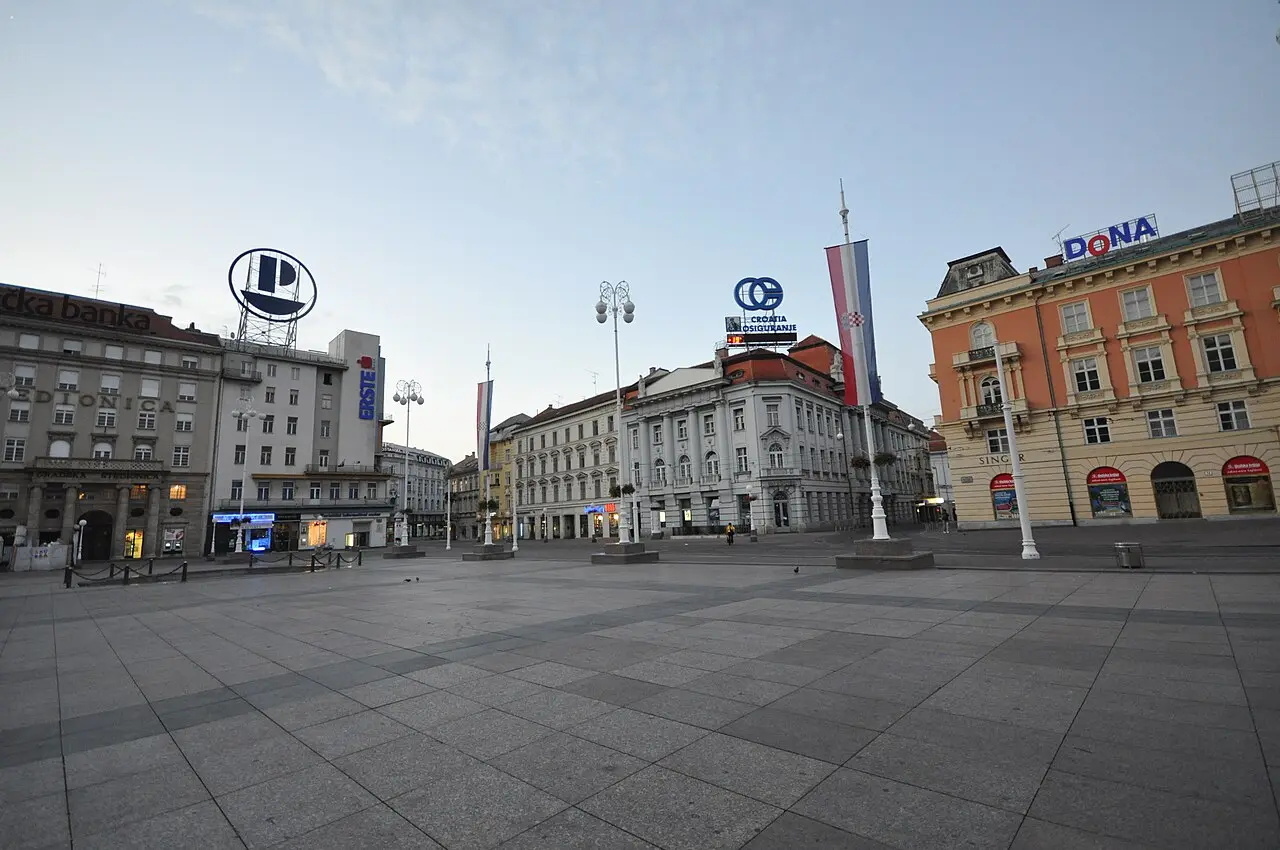
If you’re island-hopping, treat ride-hailing as a bonus rather than a plan. A few listings mention Bolt or Uber reaching Hvar Town or Korčula in the busiest summer weeks, but driver numbers on the islands are thin at best, and a scooter, a local taxi rank or your own two feet stay the reliable fallback.
How booking and pricing actually work
Both apps work the way they do anywhere else: open the app, set your pickup and drop-off, and you get a fixed price before you confirm - no negotiating and no surprise at the end. Payment runs through the card saved in the app; don’t expect to pay a Bolt or Uber driver in cash. One practical difference worth knowing: Bolt tends to run cheaper than Uber on the same route, though neither publishes a fare table to check that against, while Uber generally has more cars circulating in Zagreb, Split and Dubrovnik, so it can mean a faster pickup when Bolt’s board looks thin. It’s worth having both apps installed rather than picking a favourite and sticking with it.
Croatian street taxi fares work differently - each city or county sets its own base rate and per-kilometre charge by local ordinance, so what you’d pay in Zagreb isn’t built on the same numbers as Split or Dubrovnik. That city-by-city system is part of why fares can look so inconsistent to a first-time visitor, and it’s exactly the gap that lets a small number of drivers overcharge - more on that below.
Picking up at the airport
All four major airports - Zagreb (ZAG), Split (SPU), Dubrovnik (DBV) and Zadar (ZAD) - have official Uber pickup pages, and Bolt covers the same four cities on its general coverage list, so both apps are a legitimate, working option straight off the plane. In practice you’ll be routed to a signed rideshare zone, usually near but separate from the taxi rank - follow the app’s directions rather than the taxi signage, which is built for street cabs. Zagreb Airport’s pickup point sits right beside the rank and is clearly marked; expect a similar setup at the coastal airports.
The trade-off against a taxi or a pre-booked transfer is driver supply. Outside June to October, or on a very early or very late flight, you can wait longer for an app ride than for a rank taxi - sometimes with no car showing up at all. Keep a backup in mind rather than betting the whole plan on one option. We break down the airport-specific numbers, euro figures included, in our Split Airport and Dubrovnik Airport guides.
Street taxis and the overcharging problem
A regular taxi is perfectly fine in Croatia as long as you confirm the price first - the problem is a minority of drivers who don’t wait to be asked. The country has had real, well-documented cases: a widely reported Zagreb ride billed at over €1,500 for about a kilometre and a half, and a pattern of inflated fares specifically around airports, ferry ports and the old towns of Dubrovnik and Split, where a driver can bank on a tourist not knowing the going rate (our is Croatia safe guide covers the fuller picture, taxis included). Croatia has been moving toward capping fares and requiring visible price lists after the headlines, but don’t assume the fix is universal yet. The practical answer is simple: open Bolt or Uber first, and if you do flag a street cab, agree the fare or confirm the meter is running before the door closes, not after.

Bolt or Uber: does it matter which you open first?
Not enough to lose sleep over, but a small habit helps: check Bolt for the cheaper quote, check Uber if Bolt shows a long wait or nothing nearby. In Zagreb, Split and Dubrovnik both apps are genuinely reliable, so this is mostly about shaving a euro or two off the fare and a few minutes off the wait, not a real gap in safety or service. Outside those three cities, lean on Bolt first - its Croatian coverage simply runs wider, into towns Uber doesn’t reliably serve.
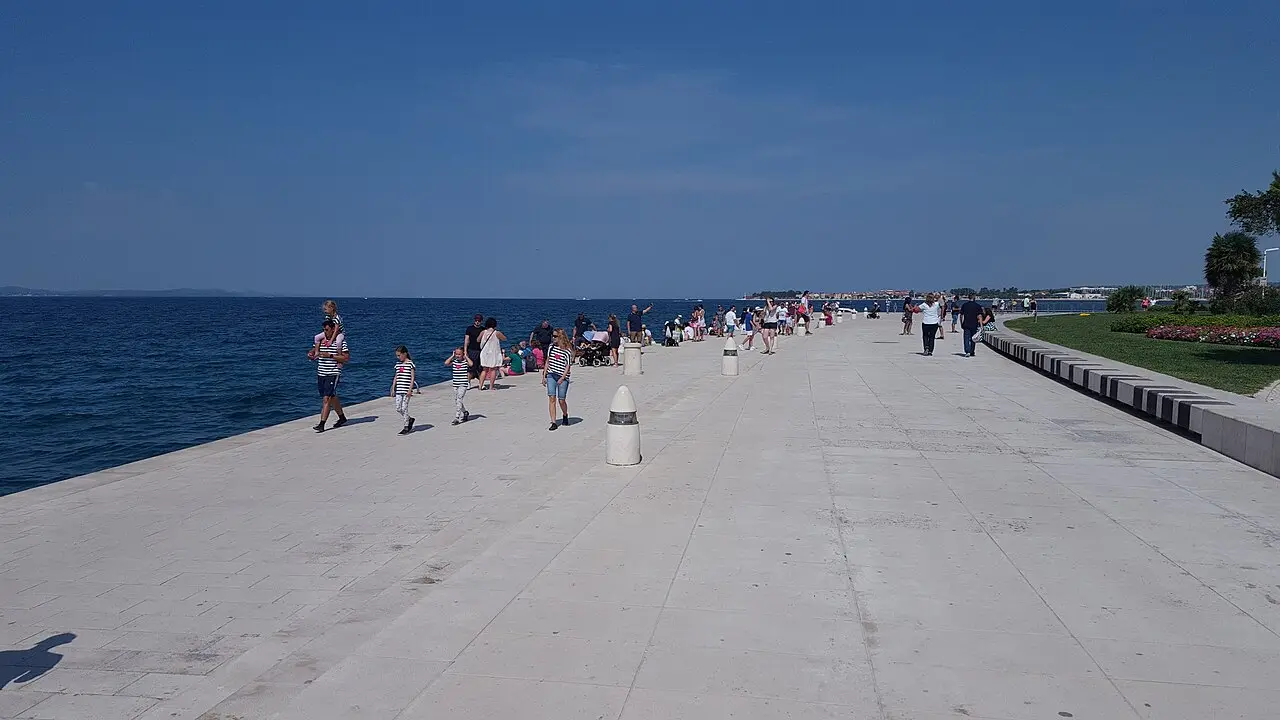
A few things that make it smoother
- Have a working connection before you land. Both apps need data to book a ride - an eSIM or local SIM beats trying to set one up on patchy airport wifi.
- Share your live location on a vague pickup. Outside a city centre, a dropped pin on a farm track or an unmarked junction can send a driver to the wrong gate - sharing live location fixes that faster than typing directions.
- Tipping isn’t expected the way it is in the US - rounding up or adding a small amount for good service is welcome, never required, whether it’s an app ride or a street taxi.
- Keep the receipt screen open until you’ve checked the fare matches what you agreed to see in the app - it takes five seconds and closes off the one way an app ride could still go wrong.
Beyond the big cities
Smaller towns and the islands are where ride-hailing quietly runs out, and that’s where renting a car or a pre-booked private transfer earns its keep instead - neither depends on an app having enough local drivers signed on. Our renting a car in Croatia guide covers what that costs and where the catches hide, and our wider getting around Croatia guide ties buses, ferries and driving together for the stretches of a trip that fall outside any app’s coverage map. Out late in Split? Our Split nightlife guide covers the same question from the other end of the night - budget a taxi or app ride each way rather than counting on finding one at 3am.
Landing soon? Our Split Airport and Dubrovnik Airport guides break down exactly what a shuttle, taxi or app ride costs from each terminal, euro figures included.
Coverage and driver numbers in this guide are a snapshot from August 2026 - both apps expand over time and adjust pricing dynamically, and street-taxi tariffs are set locally and revised periodically. Check the app or the posted price list for what’s current before you ride.
Photos
Read also

Transport · 12 min read
London to Split 2026: 2h35 Nonstop, from £109 Return
Verified · September 3, 2026Nonstop London-Split takes about 2 hours 35 minutes. Croatia Airlines lists Gatwick from £109 and Heathrow from £159 return - check live fares.

Transport · 9 min read
Zadar Airport to the City: Buses & Transfers
Updated · August 27, 2026Zadar Airport (ZAD) to the old town in 2026: Liburnija shuttle, taxi, private transfer and app rides - the €5 bus, 20-minute trip and where each stops.

Transport · 11 min read
How to Get to Korčula: Ferries from Split & Dubrovnik
Updated · September 5, 2026How to reach Korčula in 2026: catamarans from Split and Dubrovnik, the Orebić car ferry, Vela Luka routes, times, fares and which option to pick.

Transport · 13 min read
Zagreb to Dubrovnik: Fly, Drive or Take the Bus?
Updated · September 19, 2026Zagreb to Dubrovnik: fly (55 min, ~3.5 h door to door), bus 8 h 30 min - 14 h, drive 7 h plus €33.70 tolls, or a private transfer. Which one fits.