
Split Airport to City Centre: Shuttle, Bus & Taxi
Split Airport (SPU) to the city centre in 2026: shuttle bus, taxi, private transfer, seasonal catamaran and car hire - costs, times and timetables.

Split Airport (SPU) isn’t actually in Split - it’s about 25 km west of the city, near Kaštela and Trogir, so you’ll need ground transport for the roughly 30-minute hop into town (longer in summer traffic). Your main choices are the airport shuttle bus to Split’s main bus station (cheap and simple), a slower public city bus, a taxi or private transfer (fastest, door to door), a rental car picked up at the terminal, and - in summer - a seasonal catamaran from the nearby coast. For most arrivals the shuttle bus is the easy default; a transfer makes sense with luggage, a group or a late arrival. Fares below are rough euro (€) ballparks, not quotes - confirm the current price and timetable before you rely on them.
Heads-up. Bus fares, taxi rates and schedules change with the season and operator. The euro figures here are planning estimates to help you choose, not live prices - check the operator’s site or ask at the airport desk for the current details.
Where the airport is
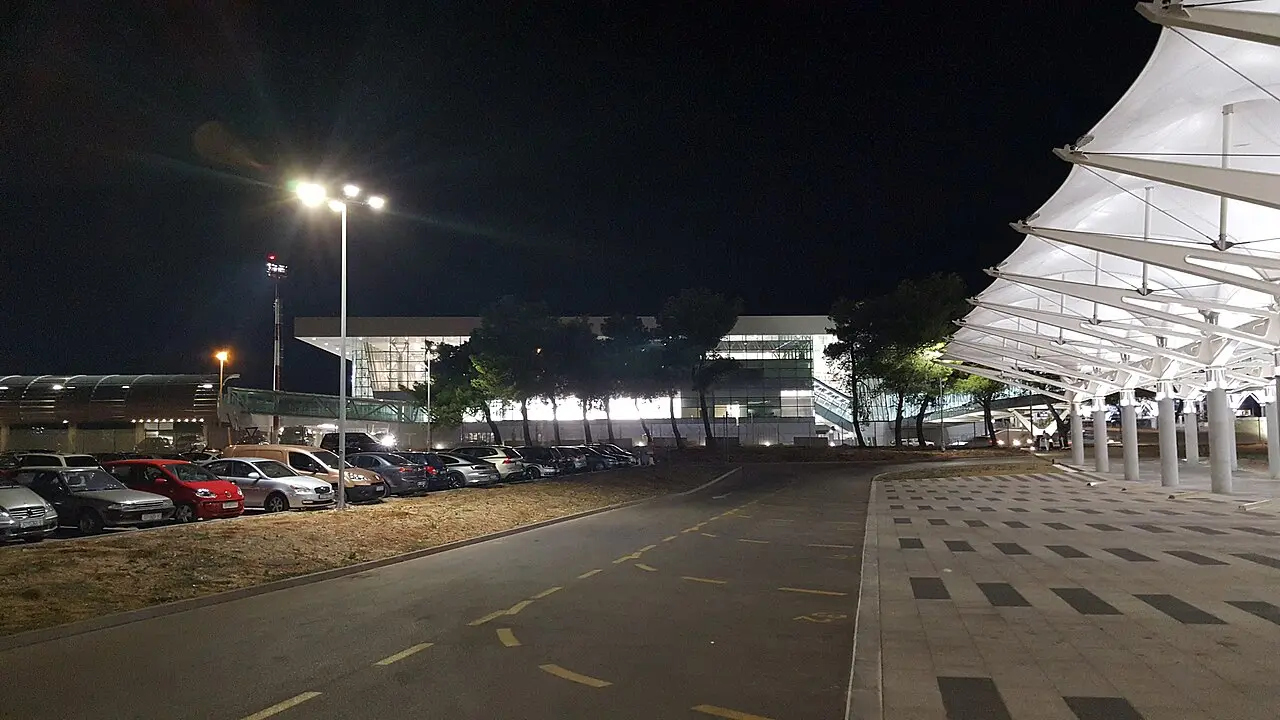
The airport sits on the coast at Resnik, in Kaštela, between Split and Trogir. It’s only about 6 km from Trogir and roughly 25 km from central Split. That geography matters: if you’re heading straight to Trogir you’ve got a very short hop, while Split is a half-hour drive east along the coast or the motorway. The terminal was expanded a few years ago, so the building you arrive in is modern, with the bus stops, taxi rank and car-hire desks all just outside.
The airport shuttle bus (the easy default)
The most popular option is the official airport shuttle bus, which connects the terminal with Split’s main bus station (Autobusni kolodvor) by the harbour. Note a 2026 change worth knowing: the long-running Pleso prijevoz coach left the route on 1 February 2026, and the airport shuttle is now run by Platanus (tickets at ticket.platanus.hr). Plenty of older guides still name Pleso, so book from the current operator. It runs roughly every 30 minutes around flight times, takes about 30-45 minutes depending on traffic, and costs €10 one way / €15 return (Platanus, checked 18 August 2026). From the bus station you’re a short walk from the Riva and the old town, or you can pick up a city bus or taxi for the last stretch.
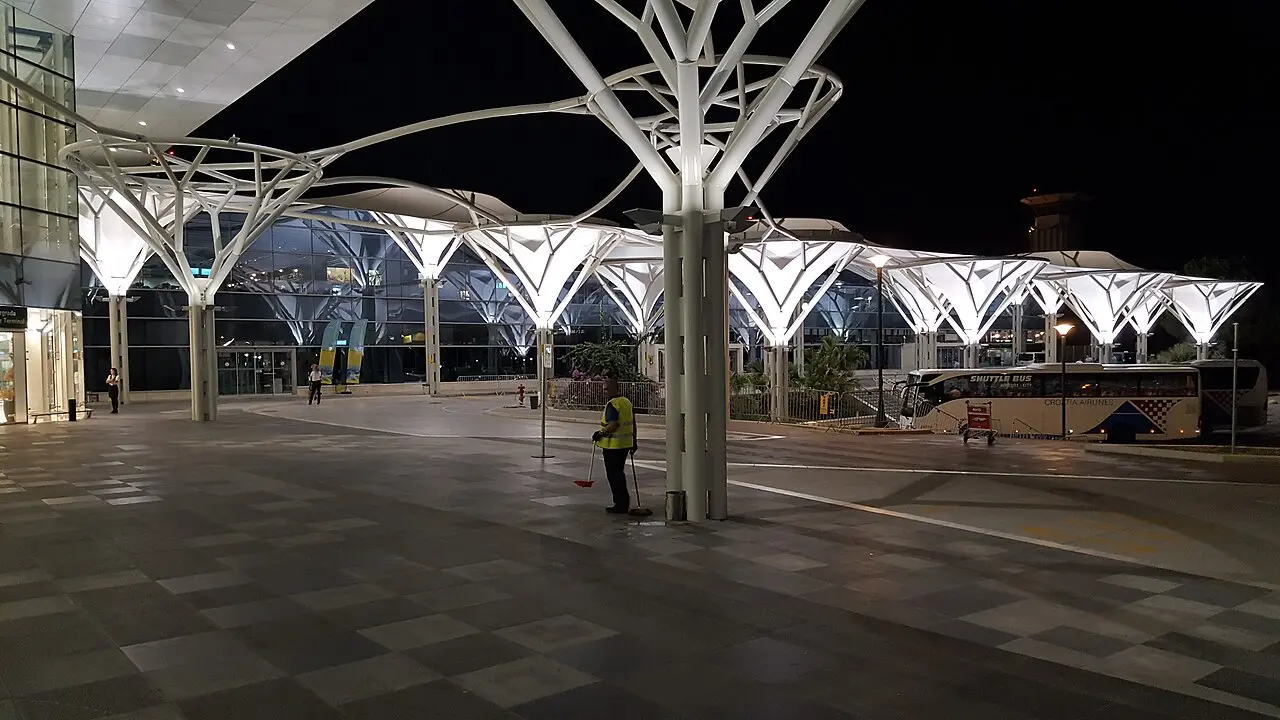
This shuttle is the right pick if you’re travelling light, happy to end up at the bus station, and want the cheapest reliable ride that isn’t the slow local bus. Buy the ticket before you board, online at ticket.platanus.hr or at the Platanus booth in front of the buses, by card or cash. In peak summer the bus can fill, so don’t dawdle to the stop.
The public city bus (cheapest, slower)
The local operator Promet Split runs public city buses along the Kaštela coast that pass the airport, most usefully line 37, which links Split and Trogir via Kaštela. It’s the cheapest way into town: Promet’s own airport page prices the run at €3.00 into Split (about fifty minutes) and €2.50 to Trogir (ten), but also the slowest at about 50-75 minutes, because it stops frequently through every Kaštela village - and it ends at a local Split terminal rather than the central bus station by the harbour. You pay a standard city fare (cheaper if you buy the ticket beforehand rather than from the driver), and you’ll want some coins or a contactless card ready.
Take the city bus if you’re on a tight budget, not in a hurry, and ideally not loaded with suitcases - luggage space is limited and the bus can be crowded. If you’re going to Trogir rather than Split, this same coastal bus is genuinely handy given how close the airport is.
Taxi and private transfer (fastest, door to door)
A taxi from the rank outside arrivals will take you directly to your accommodation in about 30 minutes, traffic permitting, for roughly €35-50 to the old town. It’s far quicker and more comfortable than the bus, at a much higher price; agree the fare or confirm the meter before setting off, as airport runs are a fixed longer distance. For a set price booked in advance, a private transfer is the most predictable: a driver meets you in arrivals with your name, helps with bags, and drives you to the door for a flat rate of around €35-60 per car (not per person), which is good value for a family or group of four. App-based rides (Uber, Bolt) also work here and often come in around €20-35 - see our Uber and taxis in Croatia guide for how coverage compares nationwide.
A transfer or taxi is the sensible choice if you land late at night (when buses thin out), have heavy luggage or kids, or are heading somewhere off the bus route - say a villa outside town or straight down the coast. With four people splitting the per-car fare, the gap to the bus narrows a lot.
The seasonal catamaran
In the summer months a seasonal fast catamaran operates from the coast near the airport (the Resnik/Kaštela area) to Split and on to some islands, aimed at travellers who want to skip the city entirely and go straight to the coast. Because these seasonal lines and their stops change year to year, treat this as an option to check live rather than count on: confirm whether it’s running for your dates, where exactly it departs, and how you reach the jetty from the terminal. If it fits, it’s a scenic way to begin an island trip - see how the boat network works in our Croatia island hopping guide.
Renting a car at the airport
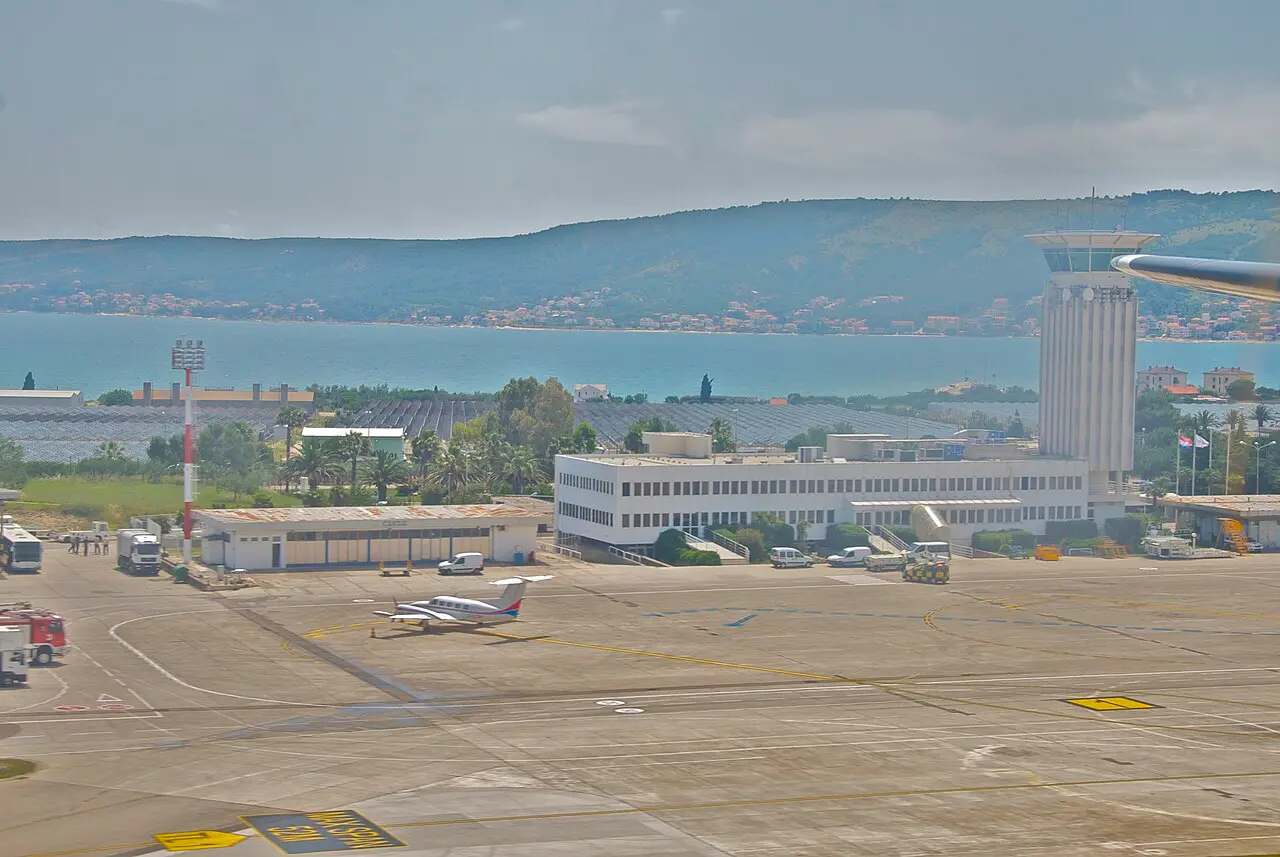
If your trip is built around driving - the islands aside - picking up a hire car at the terminal saves a transfer into town and back out. The major desks are in the building, and you’re straight onto the road for the coast, the Dalmatia route to Dubrovnik or the inland national parks. Bear in mind a car is a liability inside Split - the old town is pedestrian-only and parking is scarce and paid - so this only pays off if you’re leaving the city soon after landing. Our renting a car in Croatia guide covers rates, insurance and the airport surcharge, and for the SPU-specific desks, prices and queue tips see car rental at Split Airport.
Tips for a smooth arrival
A few things make the airport-to-city leg easier:
- Buy the shuttle ticket before you board. Platanus sells tickets online at ticket.platanus.hr, at its booth in front of the buses (card or cash) and at bus station ticket offices, and scans them as you get on.
- Match your plan to your flight time. The shuttle is timed loosely around flights, but very early or very late arrivals can fall between services - that’s exactly when a pre-booked transfer or a taxi pays off.
- Know your destination before you land. Heading to the islands? Check whether a seasonal boat suits you, or whether it’s quicker to bus into Split and catch a catamaran from the main harbour. Going to Trogir, just up the coast, means a short hop rather than the full run to Split.
- Sort data on arrival. A working SIM or eSIM makes booking a ride, checking the bus app and finding your accommodation far less stressful - see our wider getting around Croatia guide for the on-the-ground basics.
- Don’t drive into Split’s old town. If you’ve hired a car, remember Diocletian’s Palace is pedestrian-only; aim for a car park outside the core.
Which option should you choose?
- Cheapest reliable ride: the shuttle bus to the main bus station.
- Absolute cheapest: the public city bus - if you’re not in a hurry and travel light.
- Fastest, door to door: a taxi or, for a fixed price, a private transfer - best with bags, kids or a late landing.
- Going to Trogir: the short coastal city bus is ideal given the 6 km distance.
- Driving onward: grab a rental car at the terminal and skip the city entirely.
Once you’re in town, the Split travel guide covers what to see and do, and our getting around Croatia guide explains buses, ferries and trains for the rest of your trip. If the open question is still the London ticket, flights from London to Split is the page for airlines and the season curve. Heading down the coast next? See Split to Dubrovnik: bus, ferry, car or transfer, or if you’re flying straight into Dubrovnik instead, our Dubrovnik Airport to the Old Town guide covers the same ground for that airport.
Opening hours, prices, timetables and seasonal services change through the year - the figures here are planning estimates, not quotes. Confirm current details with the operators and official sources before you go.
Photos
Read also

Transport · 12 min read
London to Split 2026: 2h35 Nonstop, from £109 Return
Verified · September 3, 2026Nonstop London-Split takes about 2 hours 35 minutes. Croatia Airlines lists Gatwick from £109 and Heathrow from £159 return - check live fares.

Transport · 9 min read
Zadar Airport to the City: Buses & Transfers
Updated · August 27, 2026Zadar Airport (ZAD) to the old town in 2026: Liburnija shuttle, taxi, private transfer and app rides - the €5 bus, 20-minute trip and where each stops.

Transport · 11 min read
How to Get to Korčula: Ferries from Split & Dubrovnik
Updated · September 5, 2026How to reach Korčula in 2026: catamarans from Split and Dubrovnik, the Orebić car ferry, Vela Luka routes, times, fares and which option to pick.

Transport · 13 min read
Zagreb to Dubrovnik: Fly, Drive or Take the Bus?
Updated · September 19, 2026Zagreb to Dubrovnik: fly (55 min, ~3.5 h door to door), bus 8 h 30 min - 14 h, drive 7 h plus €33.70 tolls, or a private transfer. Which one fits.