
Renting a Car in Croatia 2026: Costs in €, Tolls & Neum
Renting a car in Croatia in 2026: daily rates from €30-60, insurance, motorway tolls, the Neum crossing and parking - what to know before you book.
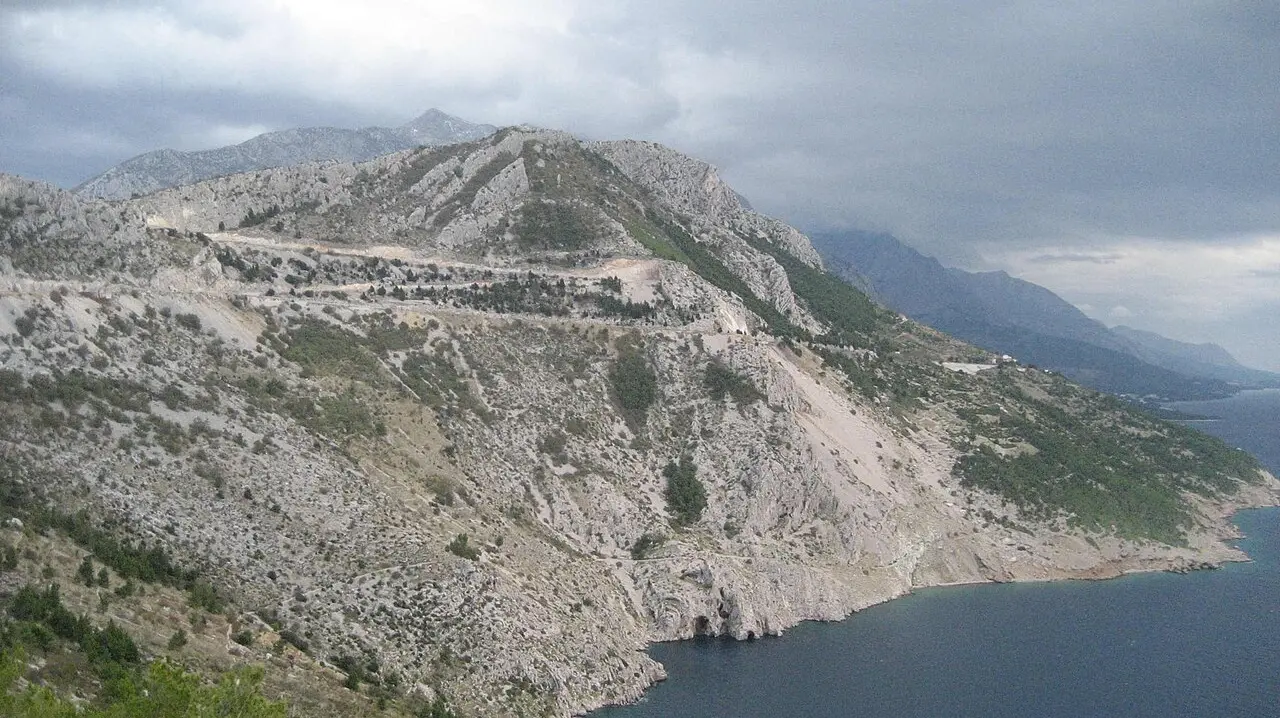
You don’t strictly need a car in Croatia - the coast is well served by buses and ferries, and the old towns of Split and Dubrovnik are walkable - but a hire car transforms a trip built around Istria, the inland national parks or a slow Adriatic road trip. As a rough planning figure, expect somewhere from €30-€60 a day for a small car in shoulder season, with peak-summer July-August rates running noticeably higher; the headline daily rate is only part of the bill once you add insurance, fuel, motorway tolls and town parking. Always check live prices for your exact dates, because they swing hard with season and demand.
Heads-up. All prices here are ballpark figures to help you plan, not quotes - rental rates, tolls and ferry fares change with the season and the operator. Confirm the current numbers at the time you book.
Do you actually need to rent a car?
It depends entirely on your route. You’ll want a car if you’re exploring Istria’s hill towns, driving the Adriatic coast at your own pace, basing yourself somewhere rural, or reaching national parks like Plitvice and Krka without tying yourself to tour timetables. A car also makes day-tripping between Dalmatian towns far easier than juggling bus schedules.
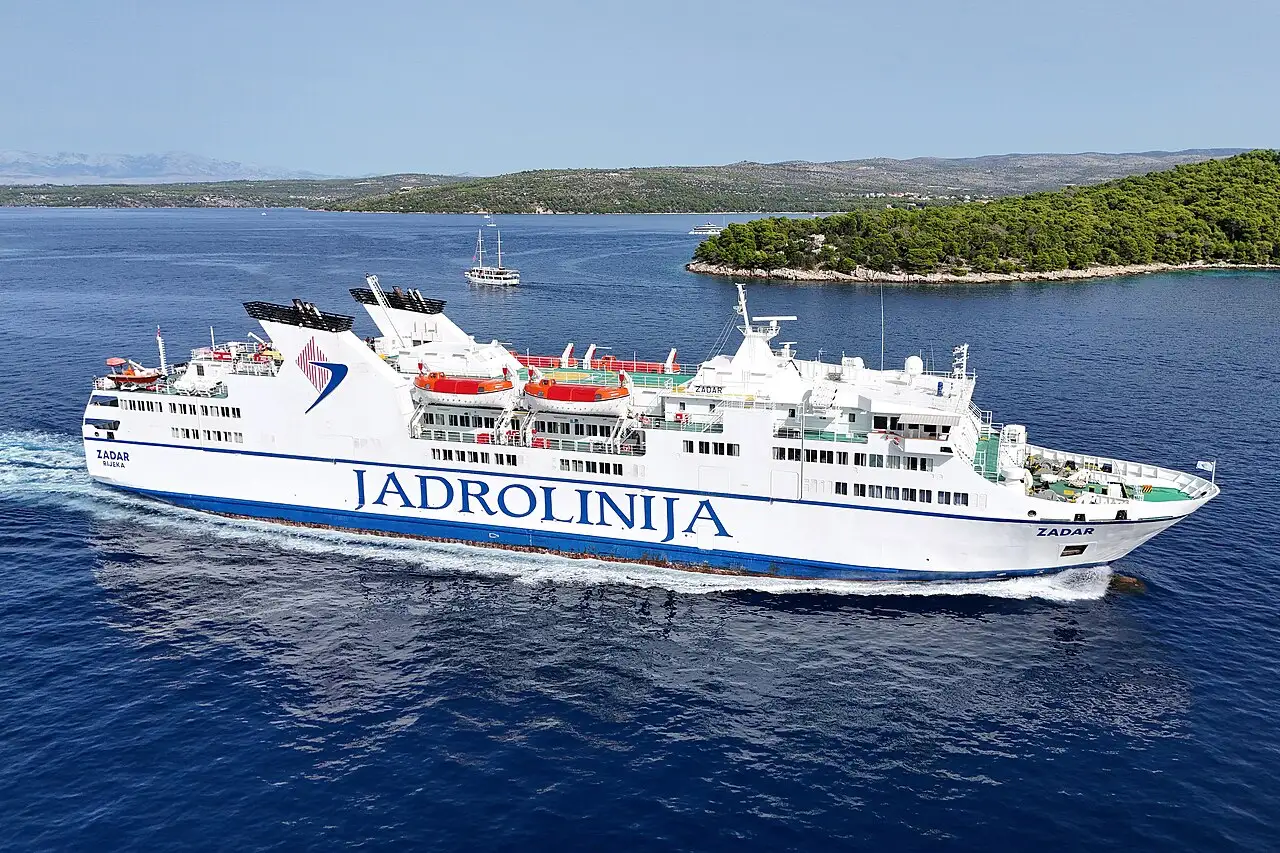
You can skip it if your trip is mostly city-based or island-hopping. Inside Split, Dubrovnik or Zagreb a car is a liability - the historic cores are pedestrian-only and parking is scarce and pricey. For the islands, you generally don’t need to bring a car at all: most are small, walkable or served by local buses, and taking a vehicle across on the ferry costs far more than a foot-passenger ticket. A common, cost-effective pattern is to explore the mainland by car, then leave it at the port and cross to the islands on foot. Our guide to whether you need a car in Croatia works through that decision by trip type and region.
If you’re weighing the whole budget, our guide to how much a Croatia trip costs breaks down daily spend across travel styles.
Where to rent: airports vs. town offices
The big international airports - Split (SPU), Zagreb (ZAG) and Dubrovnik (DBV), plus Zadar, Pula and Rijeka - all have the major rental desks (Sixt, Europcar, Hertz, Avis and others) right in the terminal, which is the most convenient option if you’re picking up on arrival. Airport pick-ups are handy but often carry a location/airport surcharge, so a downtown office can work out cheaper if it suits your plans. For Split specifically - the terminal desks, the summer queues and how to skip them - see our guide to car rental at Split Airport. For the capital hub - desk layout, deposit holds and A1 tolls out - see car rental at Zagreb Airport.
Beyond the big names, local Croatian and regional rental companies frequently undercut the international brands, especially for longer hires. It’s worth comparing both a global aggregator and a local-rental platform before you book.
Documents, age and the deposit
To rent in Croatia you’ll generally need:
- A full driving licence held for a minimum period (often at least one to two years; the exact rule is set by the rental company).
- A passport or ID, and a credit card in the main driver’s name for the security deposit.
- To meet the minimum age - typically 21, with drivers under about 25 often paying a “young driver” surcharge.
An International Driving Permit (IDP) is recommended alongside national licences that aren’t in the Latin alphabet; EU/EEA licences are fine as they are. The rental company blocks a deposit (a hold) on your credit card at pick-up - for a standard car this can run to several hundred euros - and releases it after the car is returned undamaged. A debit card is often not accepted for the deposit, so bring a credit card.
Insurance: CDW, excess and the gaps
Every rental includes basic Collision Damage Waiver (CDW) and theft protection, but “included” doesn’t mean “fully covered.” CDW comes with an excess (deductible) - the amount you still pay if the car is damaged - which is commonly several hundred to over a thousand euros, held against your card.
You can reduce or remove that excess by buying extra excess-reduction cover. At the desk this is convenient but expensive; a standalone excess-reimbursement policy bought online in advance is usually far cheaper for the same protection. Watch the standard exclusions, too: tyres, windscreen, undercarriage and wing mirrors are often not covered by basic CDW. Photograph the car from every angle (and film a short video) at pick-up and again at drop-off, and make sure any existing scratches are logged on the contract.
One thing CDW does not do is cover you - your health, a cancelled trip or your belongings. That’s a separate product; see our Croatia travel insurance guide for how the two differ and why some travel policies bundle a car-hire excess refund. For the mechanics of the vehicle side - deposit against excess, exactly what the waiver excludes, super CDW versus a standalone excess policy, and the Green Card rules for Bosnia and Montenegro - read Croatia rental car insurance.
Driving in Croatia: tolls, the coast road and old towns
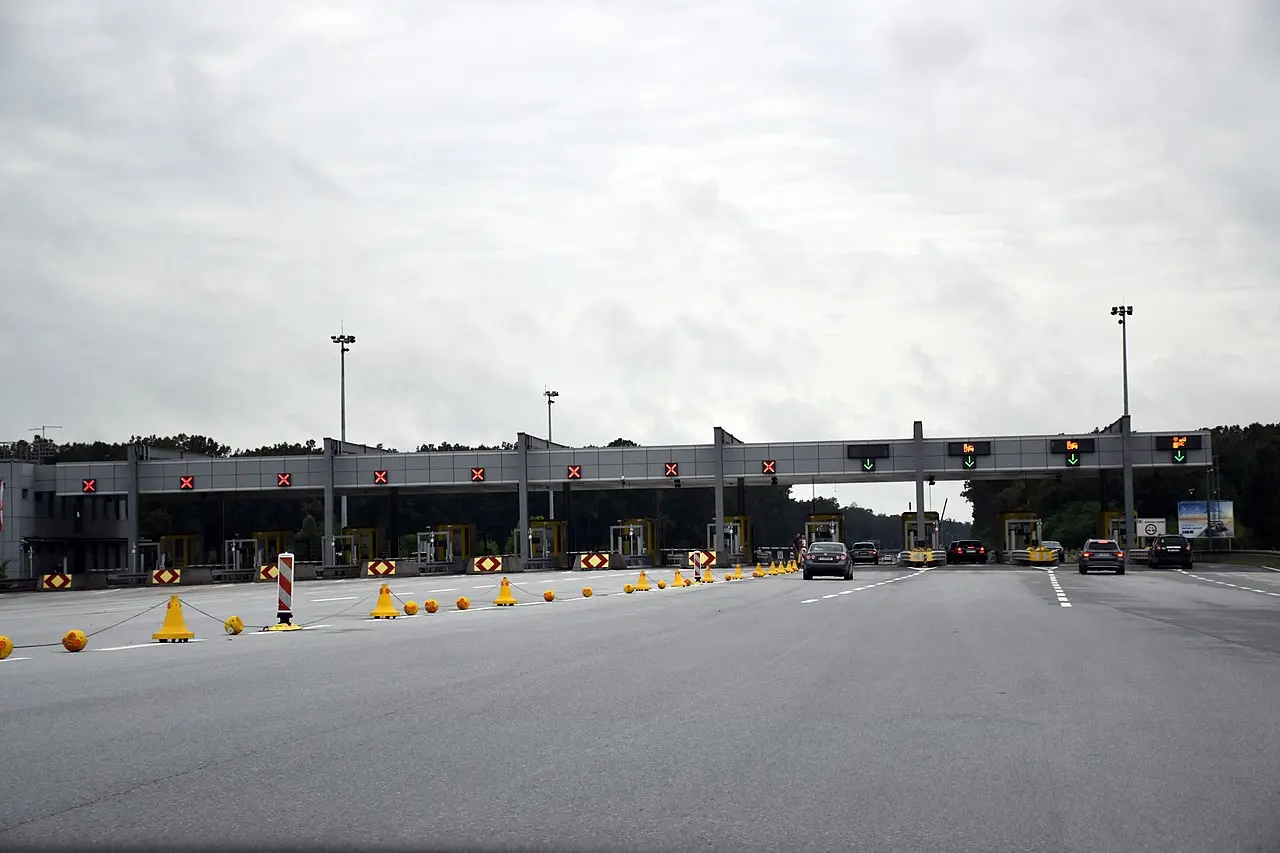
Croatia uses no national windscreen vignette. Instead, the modern motorways (autoceste, the A1, A2 and so on) are tolled per distance - you take a ticket on entry and pay on exit, by card or cash, or use the ENC electronic tag for a discount and faster lanes. Budget for tolls on long motorway legs (for example Zagreb-Split), and note that the scenic coastal Jadranska Magistrala (the D8) is toll-free but slower and winding.
A few rules and habits to drive safely and legally:
- Headlights must be on during daytime in the winter months.
- Drink-driving limits are low and strictly enforced: 0.50 g/kg of alcohol in the blood for someone driving a car, and zero for truck, bus and professional drivers and for drivers under 24 who hold a Croatian licence - a visitor under 24 driving on a foreign licence gets the standard 0.50 limit.
- Don’t drive into the historic old towns. Split’s Diocletian’s Palace and Dubrovnik’s walled Old Town are pedestrian zones - you park outside and walk in. Town parking is paid and zoned in season; pay at the meter or via the SMS/app systems, and keep clear of resident-only zones.
The coast road rewards a relaxed pace. For the full-country drive, our Croatia road trip itinerary runs Zagreb to Dubrovnik over ten days; for the southern coast alone, the Dalmatia road trip from Split to Dubrovnik maps out that stretch stop by stop.
One-way rentals and returning in a different city
If your trip runs one direction - say, fly into Zagreb and out of Dubrovnik - you can usually pick up in one city and drop off in another, but the rental company charges a one-way fee for repositioning the car. That fee is small or waived within the same region and steeper for long cross-country drop-offs, so factor it in when comparing an open-jaw plan against a return-to-base loop. Always confirm the drop-off location, date and time on the contract. For the popular Split→Dubrovnik case specifically - the typical fee and the Pelješac Bridge vs Bosnia-border choice - see one-way car rental from Split to Dubrovnik.
Crossing borders: the Neum corridor and the Pelješac Bridge
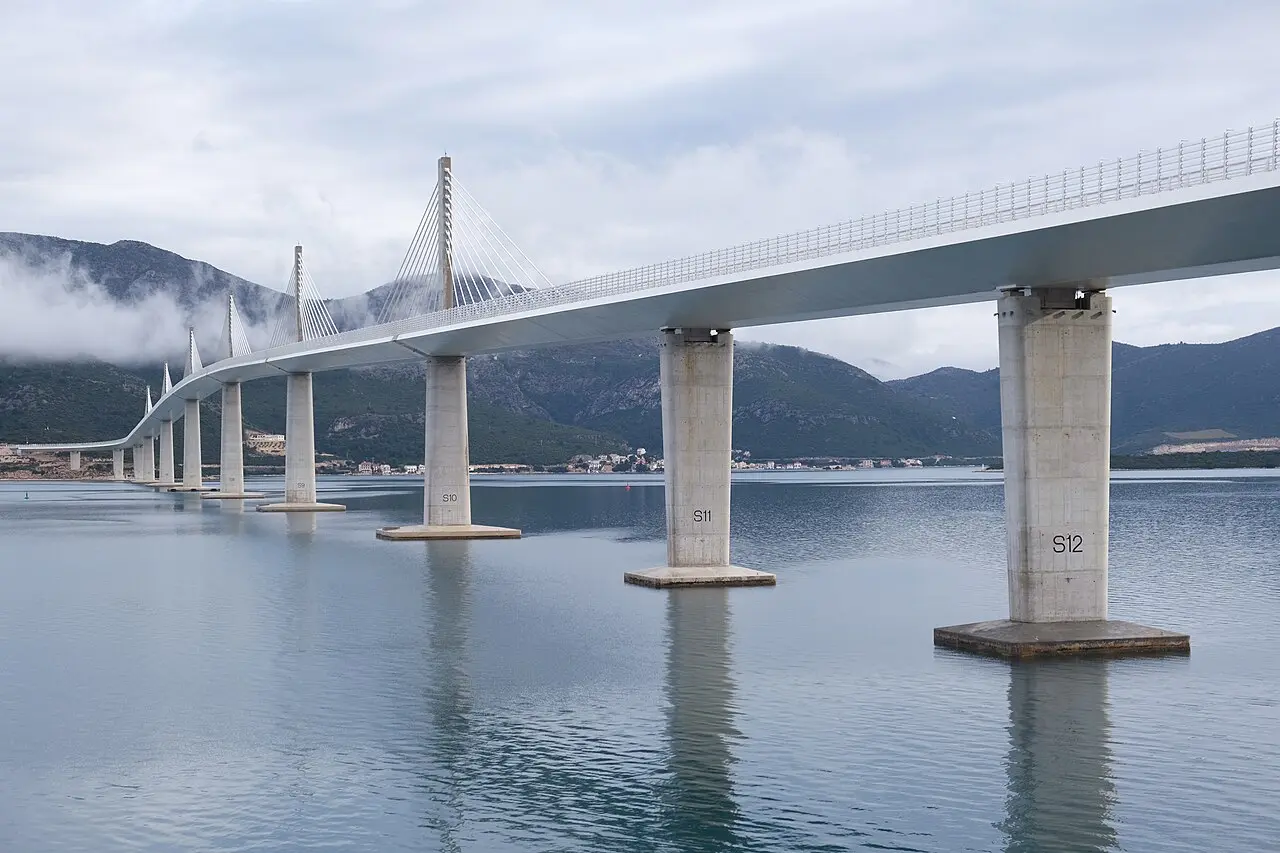
Historically, driving south from Split to Dubrovnik meant briefly crossing into Bosnia and Herzegovina at Neum, a short coastal strip - which meant two extra border checks and, in practice, occasional queues. Since the Pelješac Bridge opened in July 2022, the main route bypasses Neum entirely, keeping you inside Croatia (and the EU/Schengen) the whole way to Dubrovnik. You can still take the old coastal road through Neum if you wish, but for most drivers the bridge is faster and avoids border formalities. If you’re bringing your own foreign-plated car from Germany, Austria or Italy - vignettes on the way, Croatian distance tolls, free-flow timing - see driving to Croatia.
If you do plan to take a Croatian rental car across a border - into Bosnia, Montenegro, Slovenia or beyond - tell the rental company first. Many require advance notice and a cross-border permit and a green card (insurance extension); taking the car abroad without authorisation can void your cover.
Season and booking ahead
Demand - and price - peaks in July and August, when fleets sell out and last-minute rates spike. Book well in advance for summer, and especially for one-way hires and larger vehicles, which are the first to go. Shoulder season (May-June and September-October) brings better availability, lower rates and pleasanter driving on the coast; in winter, fewer cars are out but mountain routes can need winter tyres or chains. Reserving early also locks in a better excess-cover price if you arrange it separately.
What it costs: a planning estimate
Treat the figures below as rough orientation, not quotes - confirm live prices for your dates:
| Item | Rough guide |
|---|---|
| Small car, shoulder season | from ~€30-€60 / day |
| Small car, July-August | noticeably higher; book early |
| Security deposit (hold) | several hundred € on a credit card |
| CDW excess | several hundred to €1,000+ |
| Motorway tolls (e.g. Zagreb-Split) | per-distance; budget separately |
| One-way drop-off fee | small/waived locally, higher long-distance |
| Fuel | tank-full pricing at petrol stations |
Before you book
- Compare a global aggregator against a local platform - local Croatian firms often undercut the big brands.
- Buy excess-reduction cover online in advance rather than at the desk.
- Photograph and film the car at pick-up and drop-off.
- Plan parking outside the old towns of Split and Dubrovnik - you can’t drive in.
- Deciding between the car and public transport? See getting around Croatia for how driving compares with buses, ferries and trains.
- To see what the car quietly adds beyond the daily rate - deposits, tolls, parking and one-way fees - read our hidden costs in Croatia guide.
- For the wider picture, see our trip-planning and transport sections, and the full car-rental hub.
This guide is informational and uses ballpark figures for planning. Rental terms, tolls and ferry fares change - always confirm the current details with the rental company and official sources before you travel.
Photos
Read also

Car rental · 12 min read
Zagreb Airport Car Rental 2026: From €21/Day
Updated · September 5, 2026Car hire at Zagreb Airport (ZAG): local listings from €21/day in September 2026, Enterprise economy deposit €900. Desk hours, A1 tolls and pickup.

Car rental · 11 min read
Car Rental at Split Airport: Prices, Lines & Local Tips
Updated · July 16, 2026Car rental at Split Airport (SPU): terminal desks vs shuttle lots, the Saturday summer queues, prices, deposits and how to beat the lines.

Entertainment · 9 min read
Dubrovnik Nightlife: Revelin, Cliff Bar & Getting Home
Verified · October 3, 2026Dubrovnik nightlife: sunset at Buža, Old Town wine bars, Culture Club Revelin 22:30-05:30 in season, Gruž and Lapad bar prices, the 01:15 last bus.

Entertainment · 14 min read
Martinje: St Martin's Day & Young Wine in Croatia
Updated · October 2, 2026Martinje, 11 November, is when Croatia baptises the new must into young wine. Where to go from Zagreb in 2026, what to order, how to get back.