
Croatia Road Trip: The Ultimate 10-Day Driving Itinerary
A 10-day Croatia road trip by car: Zagreb, Plitvice, Zadar, Split and Dubrovnik - the driving route, distances, tolls, the Pelješac Bridge and parking.
The classic Croatia road trip runs the length of the country by car: from the inland capital down to the far southern coast, taking in a waterfall national park and three very different coastal cities on the way. This 10-day drive links Zagreb, Plitvice Lakes, Zadar, Split and Dubrovnik - about 665 km all told - and the car is the point, because it lets you stop at a lake, a hilltop viewpoint or a roadside konoba whenever you feel like it. What you need to plan for isn’t the sights but the driving: the tolls, the car-free old towns, the Pelješac Bridge and where you leave the car each night.
This is the mainland route. If you would rather hop between islands by ferry, that’s a different trip - see our Croatia islands itinerary - and if you only have time for the southern coast, the Dalmatia coast route covers Split to Dubrovnik in more detail. This one is for people who want to drive Croatia end to end.
Should you drive it at all?
Be honest about this before you book a car. On the pure Zagreb-Split-Dubrovnik corridor, buses and catamarans are frequent and the old towns are all walkable, so a car earns its keep mainly at Plitvice, on the coastal back roads, and for the freedom to stop where you like. If your trip is really about island-hopping, a car becomes a liability (ferry queues, nowhere to park), and you would do better car-free. Our do-you-need-a-car thinking in the getting around Croatia guide weighs it up. For this itinerary the answer is yes, a car pays off, because Plitvice and the drive itself are half the trip.
One planning decision up front: this is an open-jaw route, starting in Zagreb and ending in Dubrovnik. You can pick the car up in one and drop it in the other, but the rental company charges a one-way fee for the long cross-country repositioning - factor it in, and see our guide to one-way car rental in Croatia for how that works. Compare it against looping back, though on a 10-day trip the open-jaw almost always wins on time.
Days 1-2: Zagreb
Start in the capital, and start on foot. Zagreb is inland, compact and genuinely walkable, so there’s no sense collecting a hire car until you leave - park the rental plan for day three. Spend two days on the Upper Town (Gornji Grad): the tile-roofed St Mark’s Church, the cathedral (its twin spires have been under restoration since the 2020 earthquake, so expect scaffolding), the Dolac farmers’ market above the main square, and the string of good small museums, including the oddly moving Museum of Broken Relationships. Zagreb is a working city rather than a resort, and that’s the appeal after the coast fills with tourists.
Day 3: Drive to Plitvice Lakes
Pick up the car and head south. It’s about 135 km and 2 hours from Zagreb to Plitvice Lakes, down the A1 motorway to Karlovac and then the D1. This is the first place the car truly pays off, because Plitvice is awkward to reach any other way and lets you arrive early, before the coach crowds.
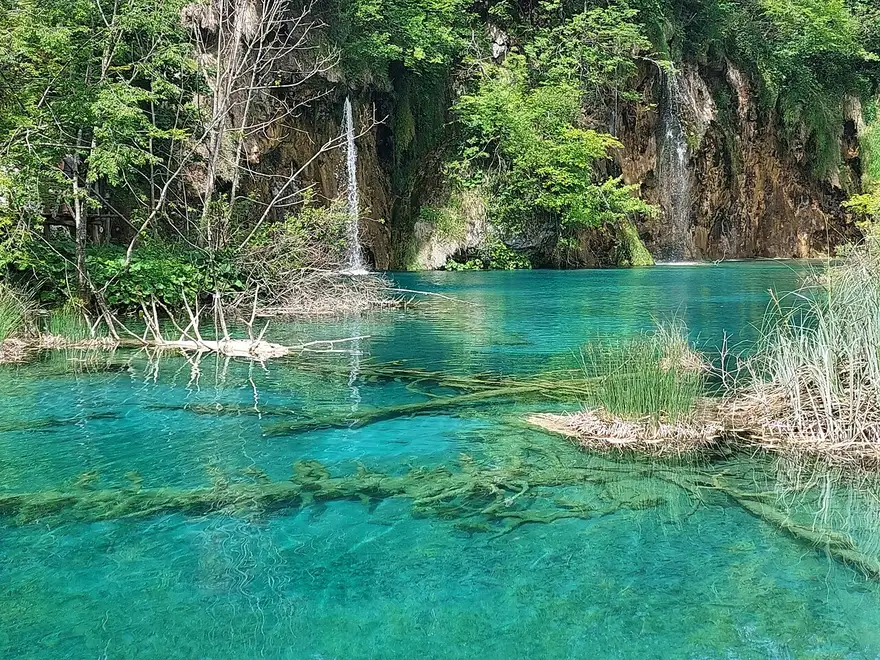
Plitvice is a chain of sixteen terraced lakes in impossible shades of turquoise and green, linked by tumbling waterfalls and kilometres of timber boardwalk, with the entry ticket covering a boat across the largest lake and a panoramic shuttle train. Arrive at opening, park at Entrance 1 or 2, and do one of the marked lettered routes; our Plitvice Lakes national park guide has the trails, the 2026 ticket prices and how to dodge the queues. Stay the night nearby so you’re not driving on to the coast tired.
Day 4: Down to Zadar
From Plitvice it’s about 135 km and two hours down to Zadar, dropping out of the mountains onto the coast, and this is where you first smell the sea. Zadar is an underrated first taste of Dalmatia: a walkable Roman-and-Venetian old town on a little peninsula, the musical Sea Organ and the solar Greeting to the Sun built into the waterfront, and a sunset that Alfred Hitchcock once called the finest in the world. It also sits within a day trip of the Kornati islands and Krka waterfalls if you want to slow down. The Zadar travel guide covers where to stay and eat; park at the edge of the peninsula and walk in.
Days 5-6: Split
Continue about 160 km and 90 minutes south on the A1 to Split, the loud, sun-baked heart of Dalmatia and your base for two nights. The headline is Diocletian’s Palace, a 1,700-year-old Roman palace that never became a museum - people still live and drink coffee inside its walls, which is what makes it feel alive rather than roped-off. Walk the Riva waterfront, climb the Marjan hill for the view, and use Split as a hub: Trogir and Krka are easy half-days, and catamarans run to Brač, Hvar and Vis if you want an island afternoon. The Split travel guide has the detail. Park outside the old core - the palace quarter is a pedestrian maze - and leave the car for the two days.
Days 7-10: South to Dubrovnik
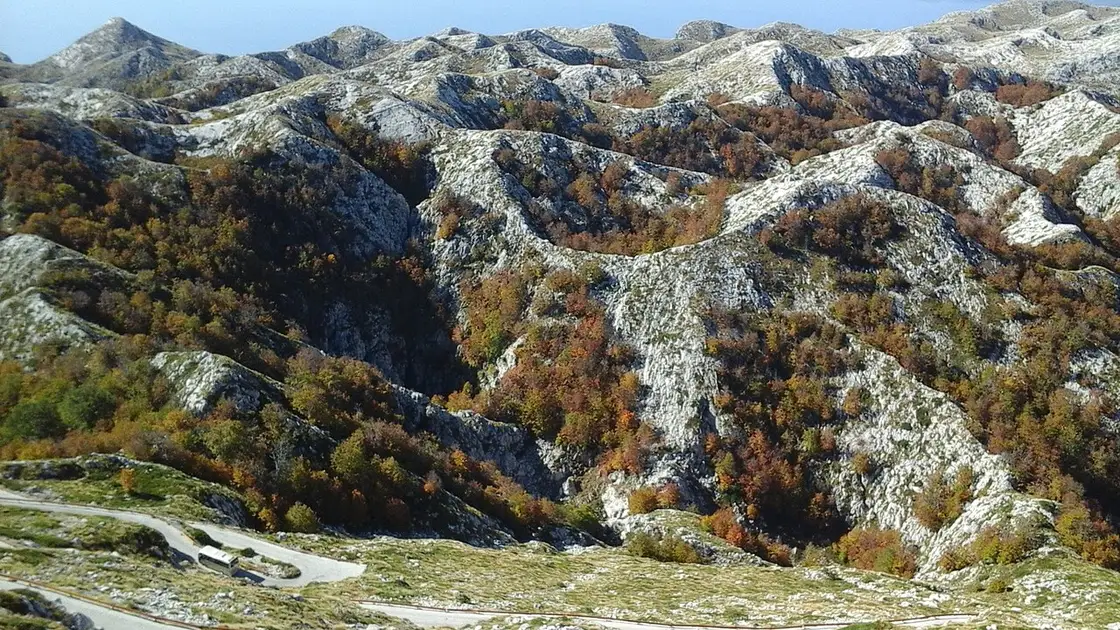
The final leg is the best drive of the trip: about 230 km and 3 hours from Split to Dubrovnik, first on the A1 toward Ploče, then along the coastal D8 past the Makarska riviera under the grey wall of the Biokovo mountains. The big change here’s the Pelješac Bridge, opened in July 2022: it carries you straight across to the Pelješac peninsula and on to Dubrovnik without crossing into Bosnia at Neum, so there are no border checks and no queues that used to snarl this route. Break the drive at Ston for its long defensive walls and famous oysters, or detour onto Pelješac itself for the wine.
Give Dubrovnik the last three nights. Walk the city walls at opening, ride the cable car up Mount Srđ for the view over the Old Town, and wander the marble Stradun. Then here’s the one thing every driver learns late: the walled Old Town is completely pedestrian, and parking near Pile and Ploče gates is limited and among the priciest in Croatia, so drop the hire car at the airport or your hotel garage and don’t try to keep it by the walls. The Dubrovnik travel guide covers where to stay and how the walls, cable car and day trips fit together.
Driving in Croatia: what to know
- Tolls, no vignette. Croatia doesn’t use a windscreen sticker - here’s how tolls work. The A1 and other motorways are tolled by distance: you take a ticket on entry and pay at the barrier on exit, by card, euro cash, or an ENC electronic tag (small discount, faster lane). The long-promised barrier-free “free-flow” system has slipped to March 2027, so the whole 2026 season still runs on booths. Budget for tolls on the Zagreb-Split-Ploče legs and confirm current fares on hac.hr before you go.
- The Pelješac Bridge. Since July 2022 the main road south bypasses the Neum corridor entirely, keeping you inside Croatia and the EU the whole way. No passports, no border wait.
- Old towns are car-free. Split, Zadar and Dubrovnik all make you park outside the walls and walk in. Build parking (and its cost) into each stop rather than circling for a space.
- Time your travel days. The worst A1 jams are the last weekend of July and the first weekend of August, with long waits at the Sveti Rok tunnel - you’ll want to avoid moving cities on those two weekends if you can. For choosing your dates overall, see the best time to visit Croatia.
- The car itself. Reckon on roughly €30-60 a day for a small car in shoulder season, more in peak summer, plus fuel, tolls and parking on top; the full breakdown is in our renting a car in Croatia guide.
- The rest of the daily spend. The car is one line of four. Beds, food and park tickets move the total far more over ten days, and how expensive Croatia actually is sets the daily bands in euros, dollars and pounds.
Make it your own
Ten days is comfortable but not padded, so trim or stretch to taste. Short on time? Cut Zagreb and start in Split, flying into Split airport - that’ll turn it into a tighter southern-coast drive. Or keep Zagreb but drop the far south - you’ll still get the inland-to-coast shape - and follow our Zagreb to Split via Plitvice route, which covers the same inland-to-coast shape in a few days instead of ten. Have two weeks? Add Istria in the north (Rovinj, Pula, Motovun) before Plitvice, or slot in island nights from Split. Want to leave Croatia altogether? The Balkan Grand Loop swaps the northern legs for a cross-border circle through Mostar, Sarajevo and the Montenegrin mountains before dropping back down the coast. If you want the fuller overview of how long to give Croatia and which route suits your trip length, start with our Croatia itinerary planner, and the routes hub collects the other drives and island trips.
Opening hours, prices, timetables and seasonal services change through the year - the figures here are planning estimates, not quotes. Confirm current details with the operators and official sources before you go.
Route day by day
- Days on the road
- 10
- Distance
- ≈665 km
- Budget from
- 110 EUR
- Best season
- May, June, September, October
The route at a glance
-
Zagreb
Route startstop ≈2880 min
Start in the capital. Zagreb is inland and easy on foot, so see the Upper Town, cathedral and Dolac market before you pick up the car - you do not want a hire car sitting in a city garage for two days.
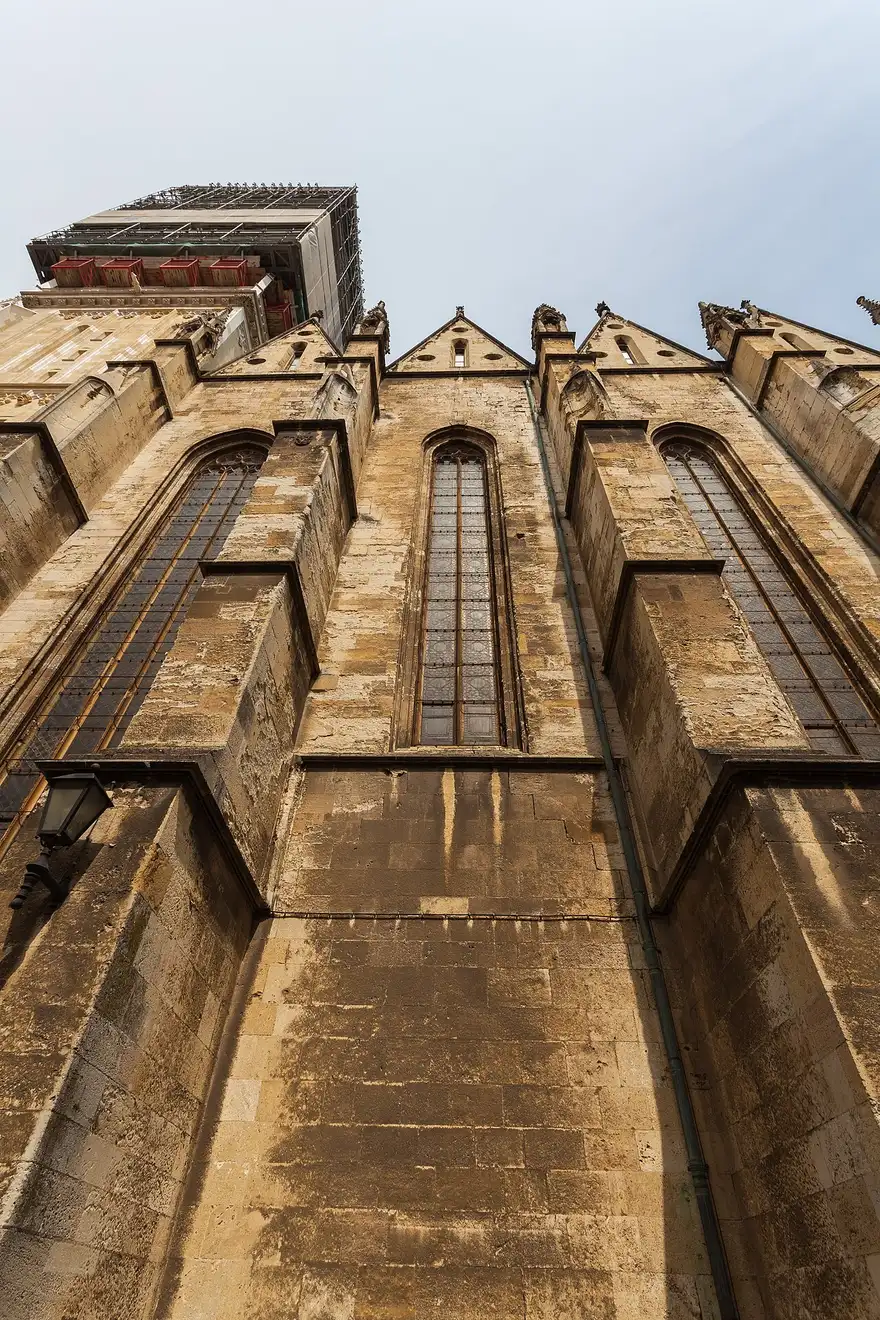
Photo: Diego Delso / Wikimedia Commons, CC BY-SA 3.0 ( source) -
Plitvice Lakes
135 km from the startstop ≈1440 min
About 2 hours south of Zagreb, the first stop where the car earns its keep. Sixteen terraced turquoise lakes linked by waterfalls and boardwalks; arrive at opening and park at Entrance 1 or 2.
Photo: NerijusTertelis / Wikimedia Commons, CC BY-SA 4.0 ( source) -
Zadar
270 km from the startstop ≈1440 min
Drop down to the coast (about two hours) for your first sea air. Zadar has a compact Roman old town, the Sea Organ and Greeting to the Sun on the waterfront, and one of the best sunsets on the Adriatic.
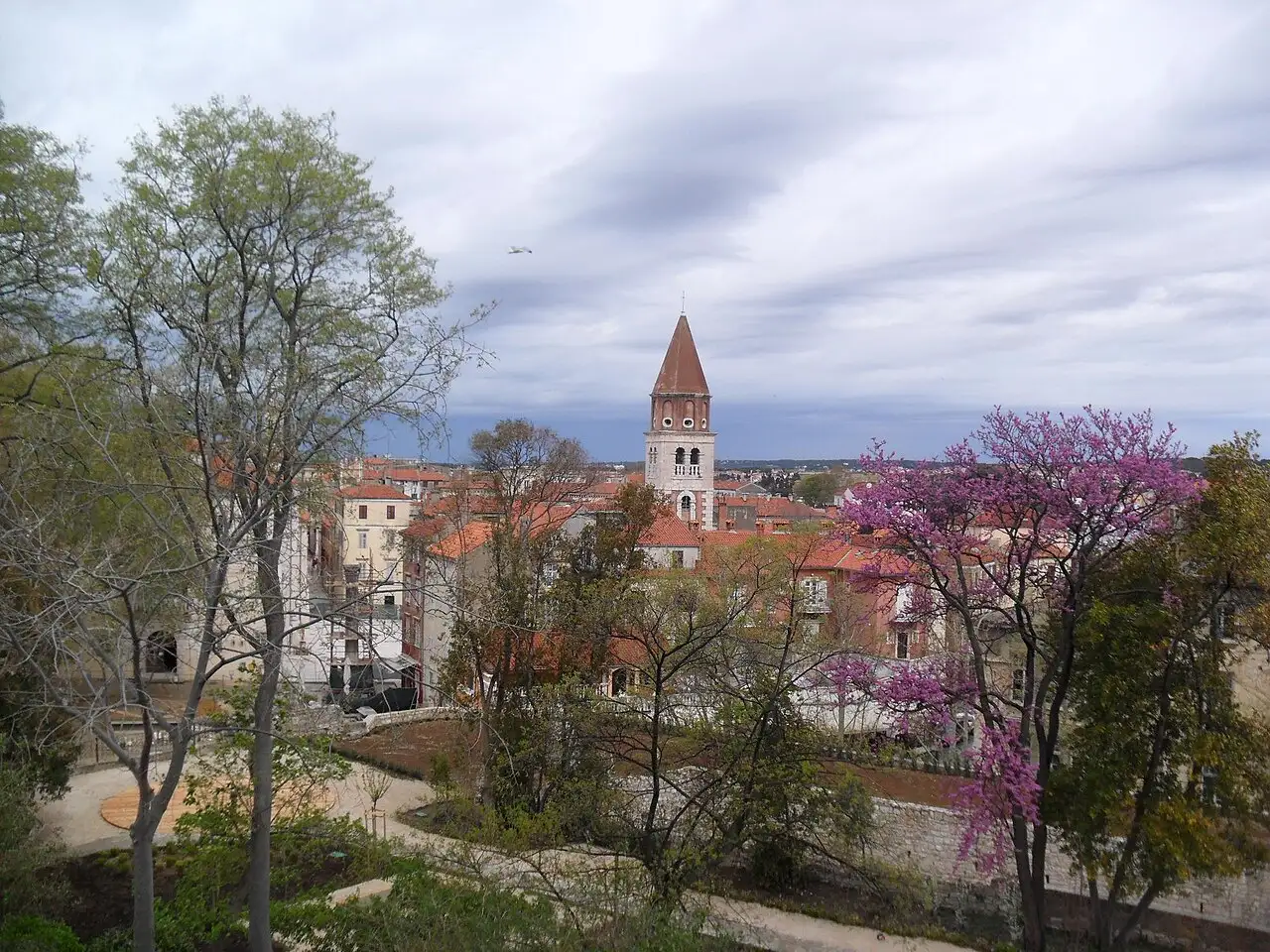
Photo: Sandor Bordas / Wikimedia Commons, CC BY-SA 3.0 ( source) -
Split
430 km from the startstop ≈2880 min
About two hours south on the A1, the busy heart of Dalmatia and a base for two nights. Diocletian's Palace is a living Roman quarter, not a ruin; use Split for day trips to Trogir, Krka or the islands.
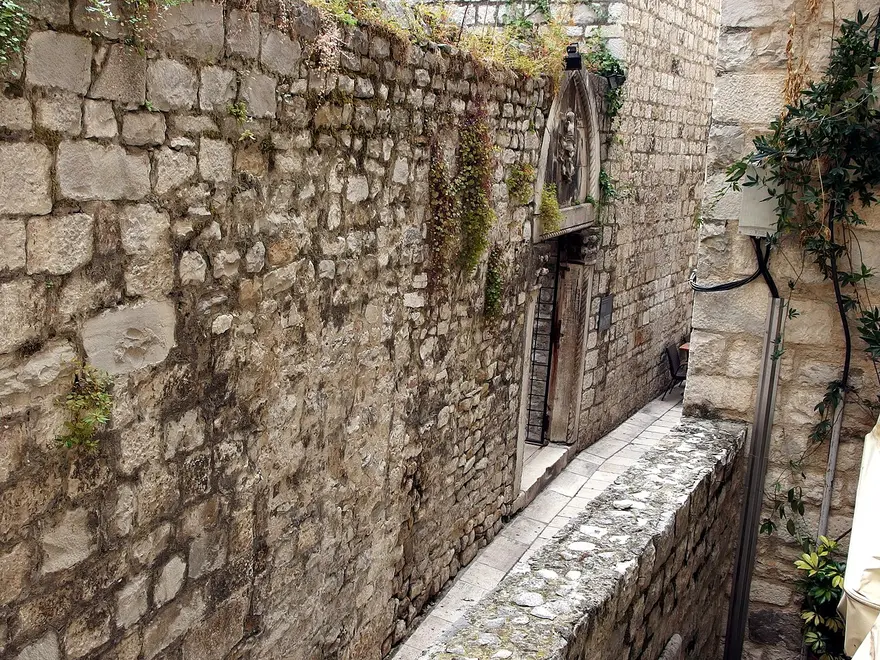
Photo: Mark Ahsmann / Wikimedia Commons, CC BY-SA 3.0 ( source) -
Dubrovnik
665 km from the startstop ≈2880 min
The finale, about 3 hours south over the Pelješac Bridge (no Bosnian border). Walk the walls, ride the cable car, then drop the car - the walled Old Town is pedestrian-only and parking is expensive.
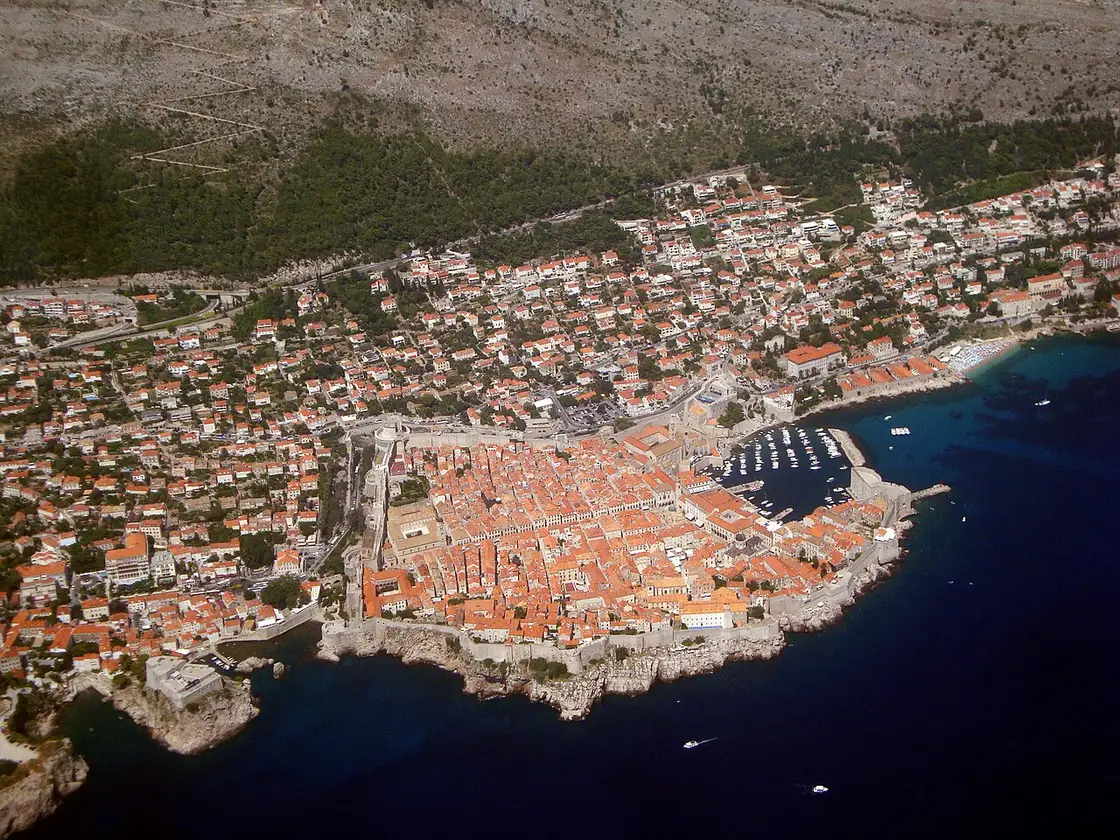
Photo: Chris93 / Wikimedia Commons, CC BY-SA 3.0 ( source)
Route map
The map with stops loads on click - to keep the page lightweight.
The map didn’t load. Check your connection and refresh the page.