
Kornati National Park: Boat Tours from €35 (2026)
Kornati National Park boat tours cost about €35-40 per person from Zadar, Murter or Sibenik - lunch and park fee included. How to visit 89 bare islands.
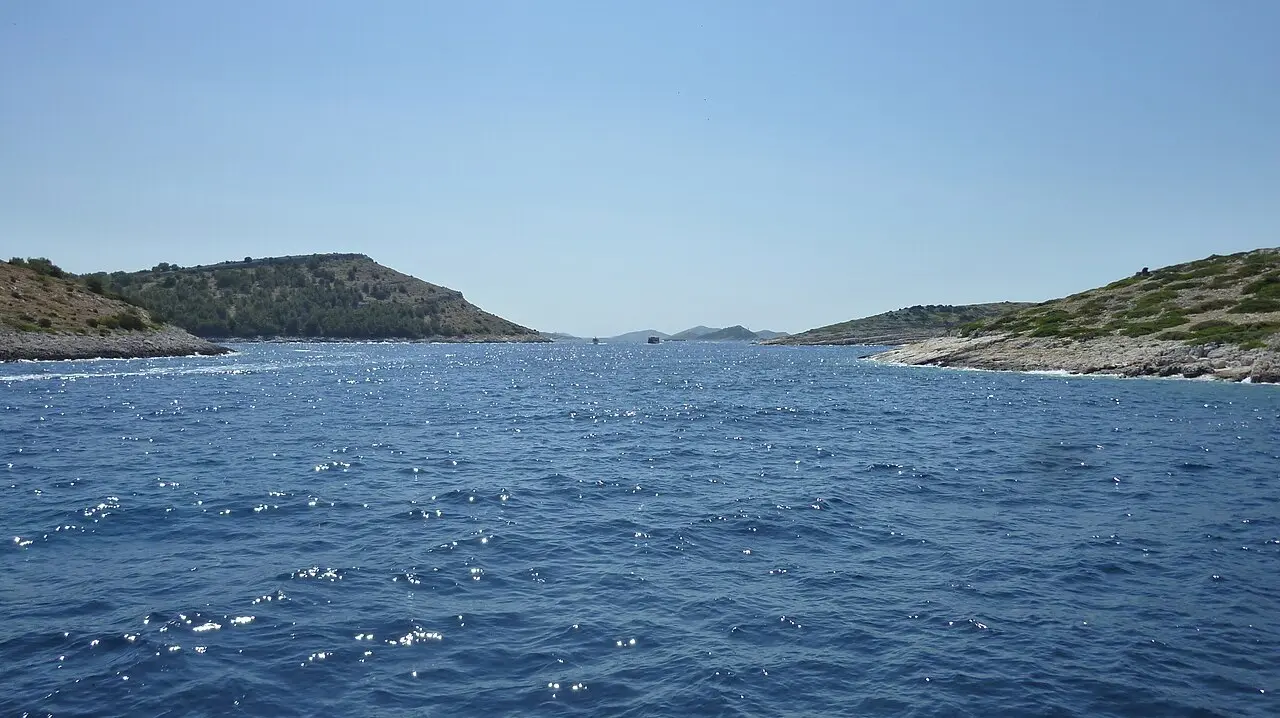
Kornati National Park is a scatter of 89 bare, sun-bleached islands off the coast between Zadar and Sibenik, and the only way in is by boat. Most visitors go on an organised full-day trip (roughly €35-40 per person, usually with lunch and the park fee included); a smaller number sail in on their own boat and pay a fee per vessel at the park. There’s no bridge, no scheduled ferry and, once you’re out there, almost nothing man-made at all. That emptiness is the whole point, and it’s why Kornati either delights people or leaves them cold.
Kornati isn’t somewhere you drop into for an hour - there’s no bridge and no scheduled boat, so visiting means committing a whole day to it, almost always on an organised trip and occasionally on your own hull. That’s the real question to settle first: whether a day of bare rock, empty sea and near-total silence sounds like bliss or like boredom, because Kornati commits hard to being nothing else - don’t book it for scenery you won’t like.
What Kornati actually is
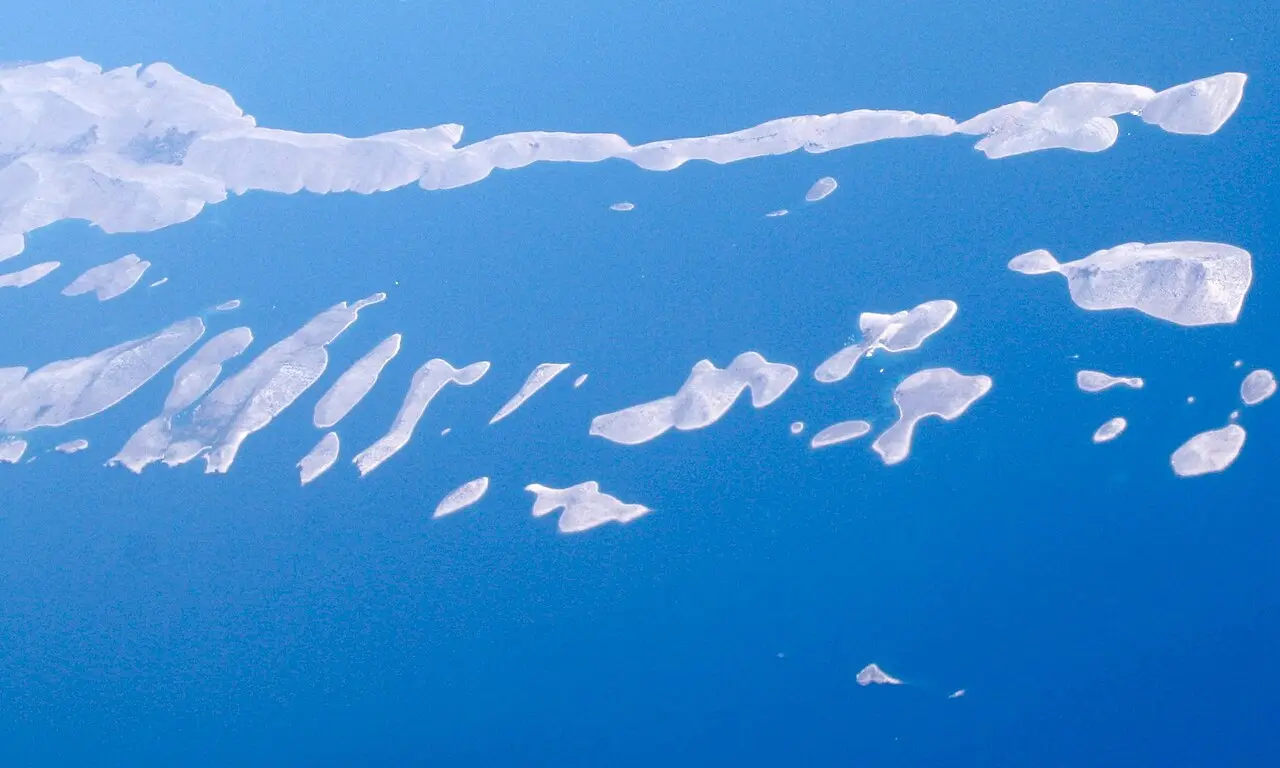
Picture the opposite of a green, terraced Adriatic island. The Kornati islands are karst rock, almost treeless, pale grey and gold, ringed by the low stone walls that shepherds built over centuries. The land was burned for grazing for so long that little grows now, which is exactly why the archipelago looks the way it does: stark, empty and strangely lunar. George Bernard Shaw’s line about the gods making Kornati “from tears, stars and breath” gets quoted on every tour, and out there you see why.
The national park protects 89 islands, islets and reefs in the southern part of the wider Kornati archipelago, and nobody lives here permanently. What you’ll come for is the seascape and, above all, the crowns (krune): the outer islands facing the open Adriatic drop away in sheer cliffs, some over 80 metres straight into deep blue water, on the side that takes the full force of the winter storms. From a boat below them the scale is genuinely startling - that’s the postcard.
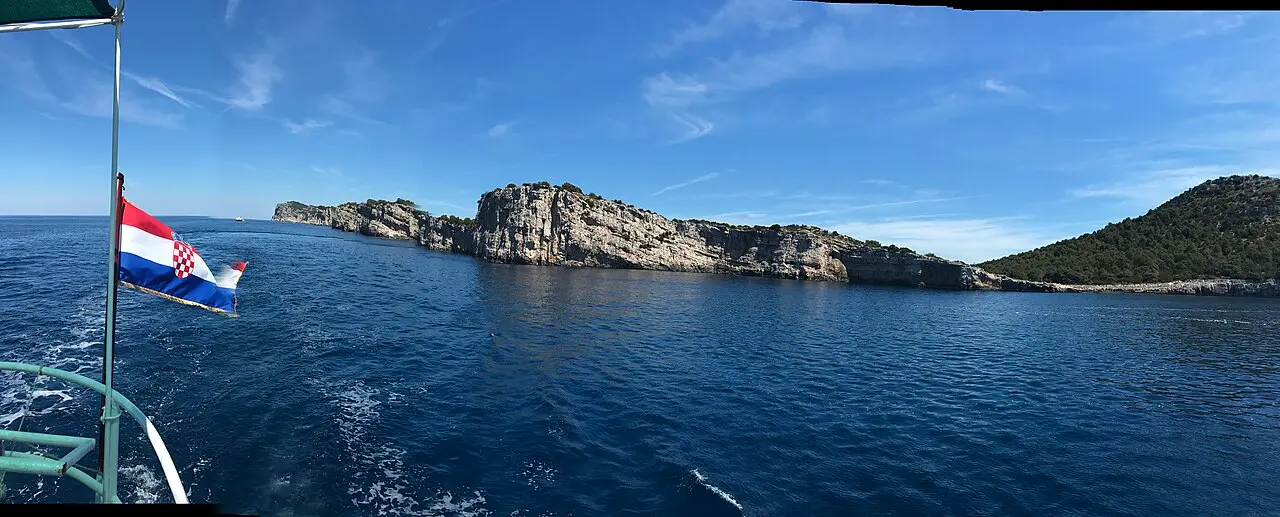
Three ways to visit
1. A full-day organised boat trip. This is how most people do it and by far the least hassle. Day boats leave in the morning from Murter (the traditional gateway, closest to the islands), Zadar, Sibenik, Biograd and Vodice, spend the middle of the day cruising the park with stops to swim and eat, and get you back late afternoon or early evening. Expect a full 8 to 10 hours on the water. Murter departures reach the islands fastest, so you spend less of the day just getting there; Zadar and Sibenik trips run longer but pair the park with a scenic coastal cruise.
2. Hire a local boatman. In Murter and the villages nearby you can arrange a smaller private boat with a skipper. It costs more, but it lets you set the pace and skip the big-group timetable, which is worth it if there are a few of you.
3. Take your own boat. Kornati is one of the Mediterranean’s classic sailing grounds, dotted with sheltered bays and a couple of ACI marinas (Piskera and Zut). If you’re chartering a yacht along the Dalmatian coast, the park is an obvious highlight. Our Croatia island hopping guide and the Croatia ferries guide cover how boats and passes work more generally, though neither will carry you into the park itself.
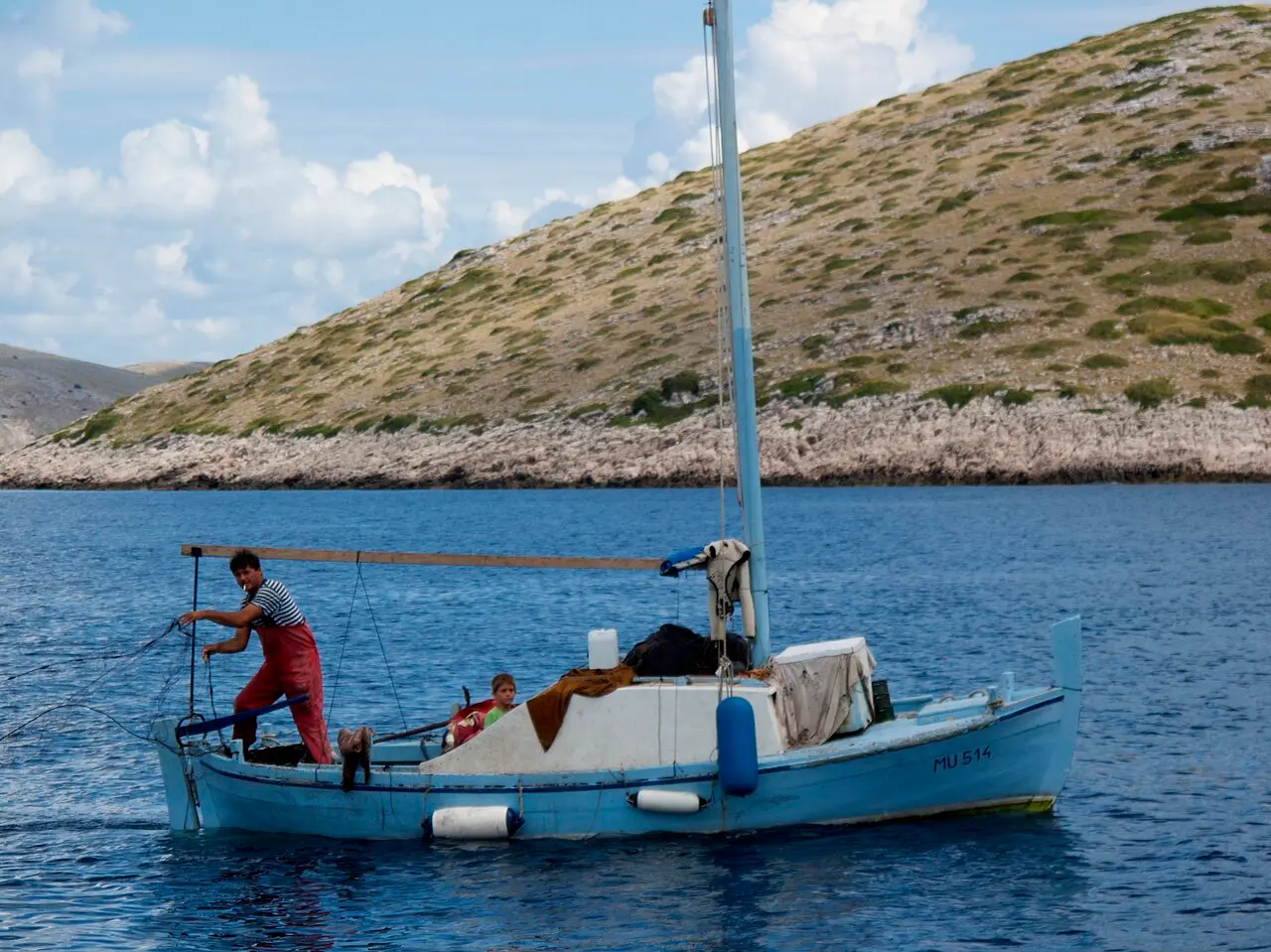
What a tour costs, and the entry-fee catch
An organised full-day trip runs about €35-40 per person in 2026, and the good ones fold in the boat, a welcome drink, lunch, a guide and the park entrance ticket. That last item matters, because if you turn up on your own boat the ticket is a separate cost that catches people out.
The park charges its entry fee per vessel, based on the boat’s length, not per head, and sells one, three and five-day tickets. The detail that matters for anyone sailing in: a ticket bought in advance - online through the Parks of Croatia webshop, or from an authorised seller on the mainland - is noticeably cheaper than one bought from a ranger boat inside the park. Leave it until you’re already among the islands and you pay the higher rate. For a small boat the advance fee is modest (the 2026 tariff puts a boat under 7 metres at €25 in the off-season months and €45 from June to September when bought outside the park), rising with length; check the current tariff before you sail. On a day tour none of this is your problem, the operator has already paid it.
Kornati and Telascica: the usual pairing
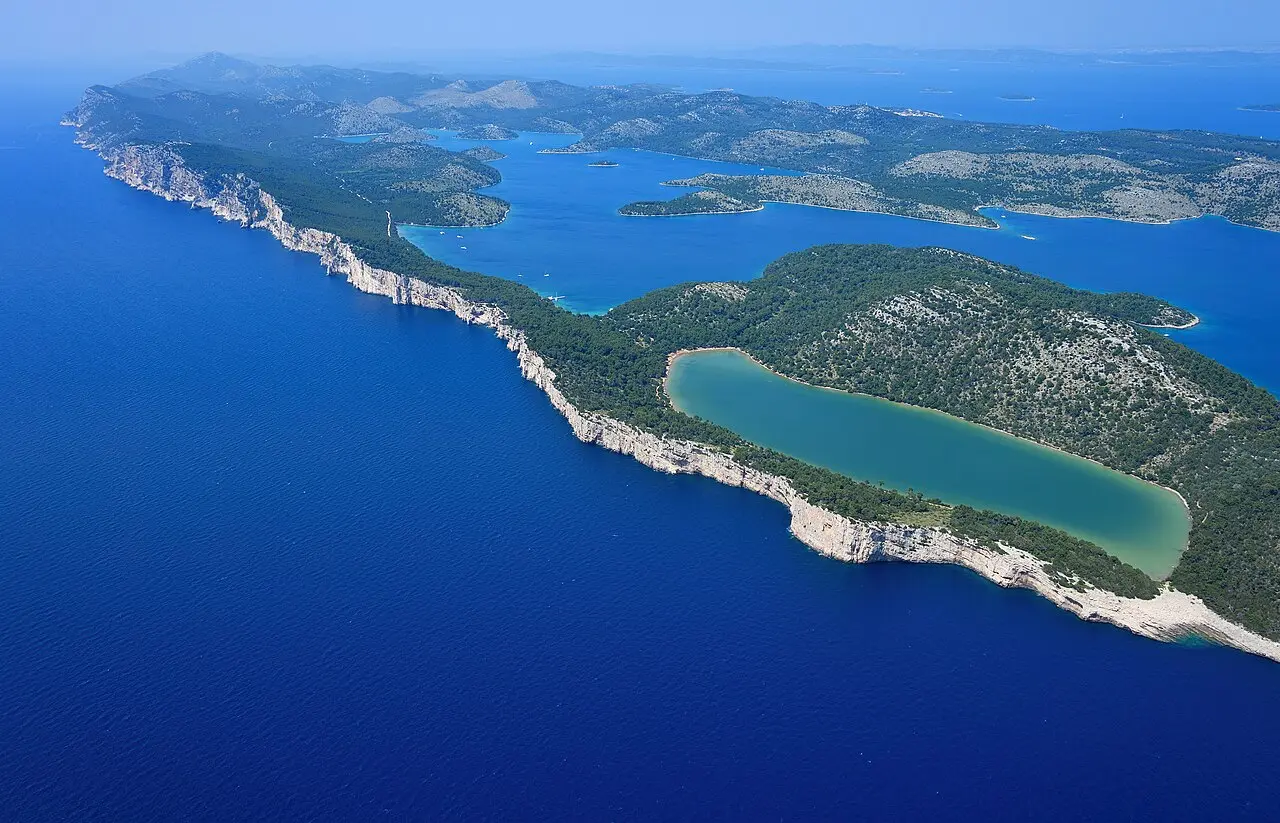
Plenty of boat trips combine Kornati with the Telascica Nature Park at the southern tip of Dugi Otok, and it’s worth knowing they’re two separate protected areas with two separate fees. Telascica is the deep, sheltered bay that sailors love, backed by the park’s two headline sights: the Stene cliffs, which rear over 160 metres out of the sea, and Mir, a shallow salt lake warm enough to wade into, sitting just behind the clifftop. If your tour includes Telascica you get the best of both in one day: the wild open-sea cliffs of Kornati and the calm lake-and-bay landscape next door.
What to expect on the day
A Kornati day is built around being on the water, not ticking off sights. You cruise between islands, stop to swim in clear coves, and usually eat a long lunch at a seasonal konoba (tavern) in one of the bays, where grilled fish and lamb are the standards. Don’t expect sandy beaches, towns or shops: the coves are pebble or rock, and facilities in the park are minimal, so bring water, sun cover and some cash. There’s very little shade on an open boat, and the same wind that makes the sailing good can make the crossing bumpy, so pack a layer and take motion-sickness tablets if you’re prone.
When to go, and reading the wind
Boat tours run from roughly April to October, and within that window the month changes the day more than you would think. July and August bring the warmest sea - around 25°C, calm and easy for swimming - but also the most boats in the coves, the highest tour prices and konobas booked solid at lunch. Late May, June and September are the sweet spot: the water is still warm enough to swim, the weather is settled, and far fewer boats share the same bays. Outside the April-to-October window there’s almost nothing running, as the seasonal konobas close and the day fleet stops.
Wind matters more here than on a sheltered coastal day, because Kornati sits out in open water. In summer the prevailing wind is the maestral, a gentle northwesterly sea breeze that builds through the afternoon and is exactly what fills a sail without roughing up the crossing. The one to watch is the bura, a cold, gusty northeasterly that blows up mainly in spring and autumn; when it’s strong, operators cancel or reroute the day rather than punch across open water into it. So if you’re coming in the shoulder season, check the forecast and, ideally, keep a spare day in your plan - a blown-out sailing is the one thing that can write off the trip. In peak summer the reverse problem applies: book a few days ahead, because the best-value boats from Murter and Zadar fill up.
Is it worth it?
It depends entirely on what you want from a day out. If you like boats, swimming and empty, dramatic seascapes, Kornati is one of the most distinctive days on the whole Croatian coast, and the cliffs alone earn the trip. If you’re hoping for beach bars, pretty harbour towns or things to do on land, you’ll be underwhelmed, because there’s deliberately almost nothing out here. This is a nature-and-sea day, not a sightseeing one.
Two honest pointers. First, if a full day at sea sounds like a lot, it is: 8 to 10 hours is a real commitment and there’s no bailing out early. Second, pick your departure port to suit your base rather than booking the first tour you see, because starting from Murter buys you more time among the islands and less time in transit. If Kornati sounds like the wrong kind of day, the busier southern islands offer the opposite: Hvar for nightlife and beaches, Korcula for an old town. And if you want islands with something to read rather than empty stone, Brijuni up in Istria is the other extreme: Roman ruins, a safari park and Tito’s summer capital, all inside four hours. Want mountains instead of sea on the same trip? Paklenica is inland from Zadar, with canyons, climbing and trails rather than boats.
If you’re basing yourself nearby, our Zadar travel guide and Sibenik travel guide cover where to stay and which tours leave from where - both cities put the park within an easy day trip.
Park fees, tour prices and sailing seasons change year to year - confirm the current fees and departures with your operator or the national park (np-kornati.hr) before you count on going.
On the map
The map loads on click - to keep the page lightweight.
The map didn’t load. Check your connection and refresh the page.
Admission and opening hours
- Admission price
- Most people visit on an organised full-day boat trip, roughly €35-40 per person, which usually includes the boat, a welcome drink, the park entrance ticket, lunch and a guide. On your own boat the park charges a fee per vessel by length, with 1, 3 and 5-day tickets; buying in advance or online is cheaper than paying a ranger inside the park. Confirm current prices before you go.
- Opening hours
- The park is open year-round, but boat tours run mainly April to October, leaving in the morning for a full day on the water (about 8-10 hours). There is no scheduled public ferry into the park.
Access is by boat only. There are almost no shops or facilities in the park, so bring water, sun cover and cash. Confirm current fees and sailings with the tour operator or np-kornati.hr.
Details checked: July 14, 2026
Read also

What to see · 12 min read
Paklenica National Park: Canyons, Climbing and Trails
Updated · August 29, 2026Paklenica National Park in 2026: canyon and cave tickets from €5, Anića Kuk climbing routes, and trails from Starigrad near Zadar.

What to see · 9 min read
Best Beaches near Split: Bačvice to the Riviera
Updated · August 26, 2026Best beaches near Split in 2026: sandy Bačvice, Marjan coves, Žnjan and Makarska Riviera day trips - plus Brač by catamaran.

What to see · 10 min read
Elaphiti Islands: Lopud, Šipan & Koločep
Verified · August 15, 2026Jadrolinija 807 from Gruž: €5.40 in season to Koločep, Lopud or Šipan. Times, Šunj, and why one island beats hopping all three.

What to see · 7 min read
Klis Fortress: Game of Thrones Views above Split
Updated · August 13, 2026Klis Fortress above Split was Meereen in Game of Thrones. Adults 12 EUR, kids 4 EUR; open daily 08:30-20:30 - confirm on tvrdavaklis.com.