
Best Beaches near Split: Bačvice to the Riviera
Best beaches near Split in 2026: sandy Bačvice, Marjan coves, Žnjan and Makarska Riviera day trips - plus Brač by catamaran.
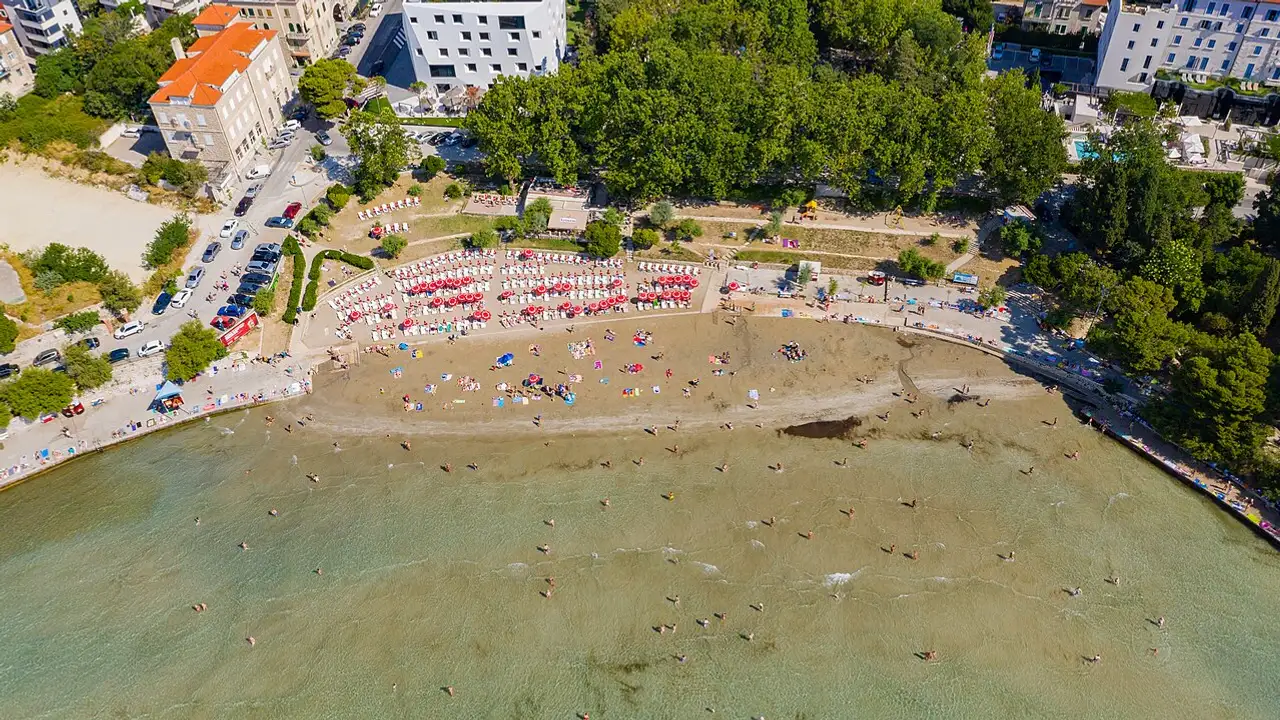
The best beaches near Split split into three zones you’ll actually use: sandy Bačvice a 10-15 minute walk from Diocletian’s Palace, pebble coves on Marjan hill for clearer water, and longer hops south to the Makarska Riviera or east by catamaran to Brač and Šolta. Almost everything on the Dalmatian coast is pebble or rock, so Bačvice’s shallow sand is the outlier - and it’s where locals play picigin in ankle-deep water all year. Entry to public beaches is free; you only pay if you rent sunbeds or umbrellas from a concession.
| Beach | Type | Best for | Getting there from old town |
|---|---|---|---|
| Bačvice | Sand, shallow | Families, quick swim, picigin | ~15 min walk east |
| Kašjuni | Pebble bay | Clear water, pine shade | ~3.7 km, bus 12 or taxi |
| Žnjan | Long pebble strip | Space, sports, aquapark | 2.8-4.7 km, or bus east |
| Brela (Riviera) | White pebble | Scenery without a ferry | ~50 km / ~1 h 15 by road |
| Zlatni Rat (Brač) | Pebble spit | Iconic swim + windsurf | Catamaran to Bol (~1 h 5 min in season) |
Pack water shoes for every pebble beach and assume July-August crowds on Bačvice and Žnjan after mid-morning.
Bačvice: sand in the city centre
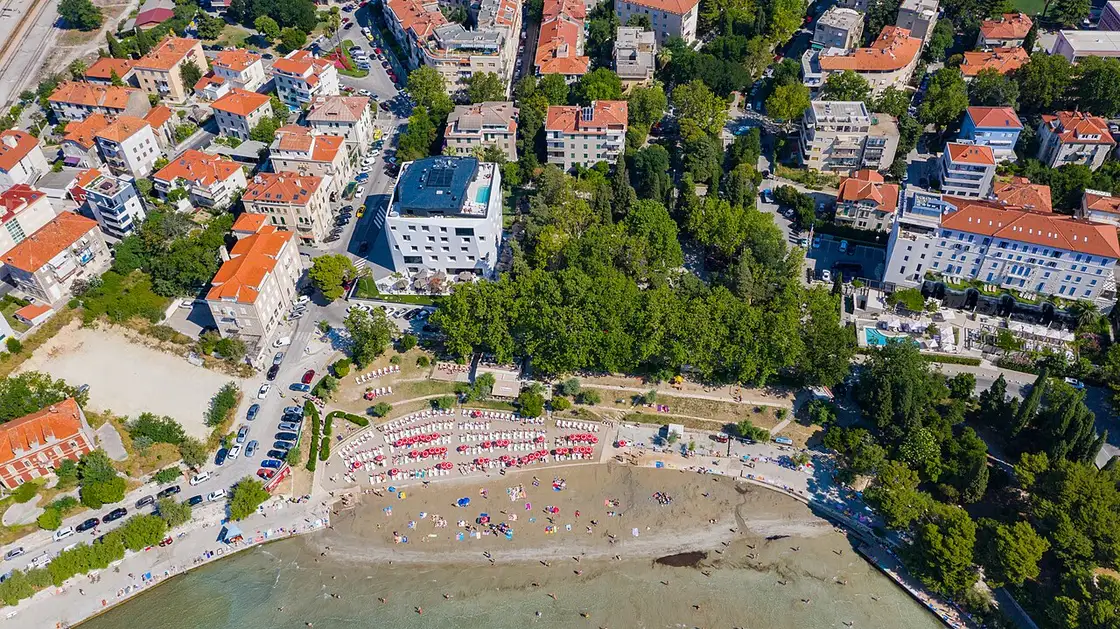
Bačvice is the beach Split talks about in its own songs - a sheltered sandy bay east of the ferry port that the city has run as its official municipal beach since 1919. The tourist board describes it as a natural phenomenon on this coast: fine sand, very shallow water and room for thousands of towels on a hot August afternoon. It’s not a secret cove; it’s where the town meets the sea after work.
That shallow shelf is why families land here, and it’s also the stage for picigin, a ball game invented in Split in 1908 and now listed as Croatian intangible cultural heritage. Players stand in shin-deep water and keep a small rubber ball off the surface with open palms and theatrical dives - no net, no scoreboard, just style. You’ll see groups playing even outside high summer if the weather cooperates. Watching from the promenade above the sand is half the ritual.
Walk from the Riva or Diocletian’s Palace in about 10-15 minutes along the waterfront. Bus line 21 serves the Bačvice neighbourhood if you’re staying further out. The beach has showers, changing cabins and beach bars; sunbeds and umbrellas are rented by concessionaires and prices change by season - ask at the kiosk, not a stale blog post. At night Bačvice becomes a busy nightlife strip, which suits late drinks more than a silent dawn swim.
For palace logistics, ferries and where to sleep, the Split travel guide covers the city side; this page stays on the water.
Marjan hill: Kašjuni and the closed Bene
Southwest of the centre, Marjan is a forested peninsula with a string of small beaches. Kašjuni, the westernmost on the hill, is the one most visitors remember: a deep pebble bay with a café, changing cabins and water that tends to read clearer than Bačvice because it faces open sea. Split’s tourist board lists it as popular with families; there’s a dog-friendly strip separated by rocks next to the main bay and a marked naturist (FKK) section - signs point you to each, so you won’t wander into the wrong patch by accident.
Kašjuni is about 3.7 km from the old town - close to an hour along Marjan’s promenades, which is a fine walk in the morning and a poor idea at two in the afternoon. Bus 12 is the shortcut; the tourist board names it as the line that runs directly to these beaches. Stick to the marked promenades: the park signs its unsecured side trails and asks people to stay off them. Bring shoes for the pebbles and claim shade under the pines early - the bay gets busy, but it’s still a step calmer than Bačvice on a Saturday.
Bene, on the north-east side of Marjan, is the family beach locals praise for shallow water, a playground and tennis courts - but as of August 2026 the Split tourist board lists Bene as closed to the public. Don’t plan around it until the city reopens it; Kašjuni or Bačvice cover the same needs in the meantime.
East Split: Žnjan, Trstenik and the lungomare
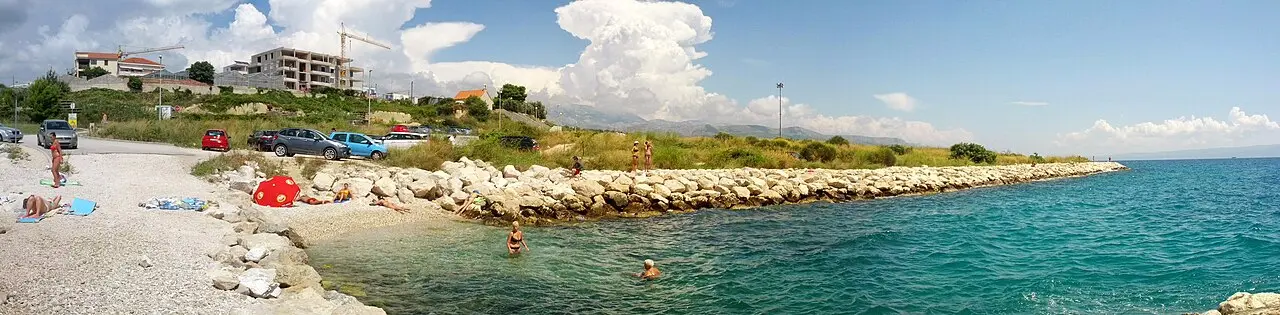
Follow the coastal promenade east from Bačvice and you pick up Firule, then Trstenik and Žnjan in sequence - Split’s answer to a continuous city beach. Trstenik is a pebble bay with an easy entrance; the renewed section in front of the Radisson Blu hotel carries a Blue Flag for water quality and management, according to the tourist board.
Žnjan is the big upgrade story. The plateau reopened in summer 2025 after renovation work through 2024-2025, and the city now lists football pitches, tennis, skate park, beach volleyball, an aquapark, diving board, accessible beach and even an amphitheatre on the strip. It’s where Split residents go when they need more room than Bačvice can offer. Expect a younger, sportier crowd and more parking infrastructure than on Marjan.
It’s 2.8 km to the Trstenik end and 4.7 km to Žnjan itself from the centre - 35 minutes to an hour on foot, so take a local bus if you’re carrying cooler boxes and umbrellas. Sunbed concessions operate along the strip; the sand-and-pebble mix varies by cove, so water shoes still earn their place.
Makarska Riviera without a ferry
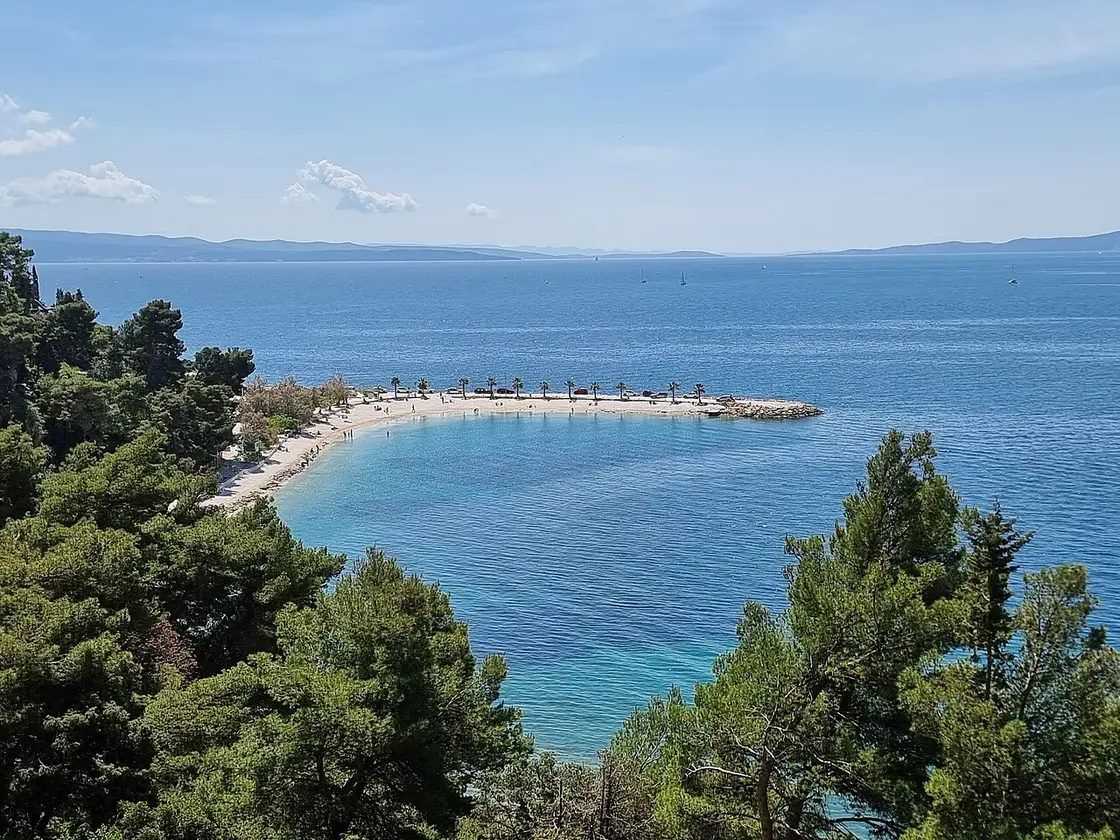
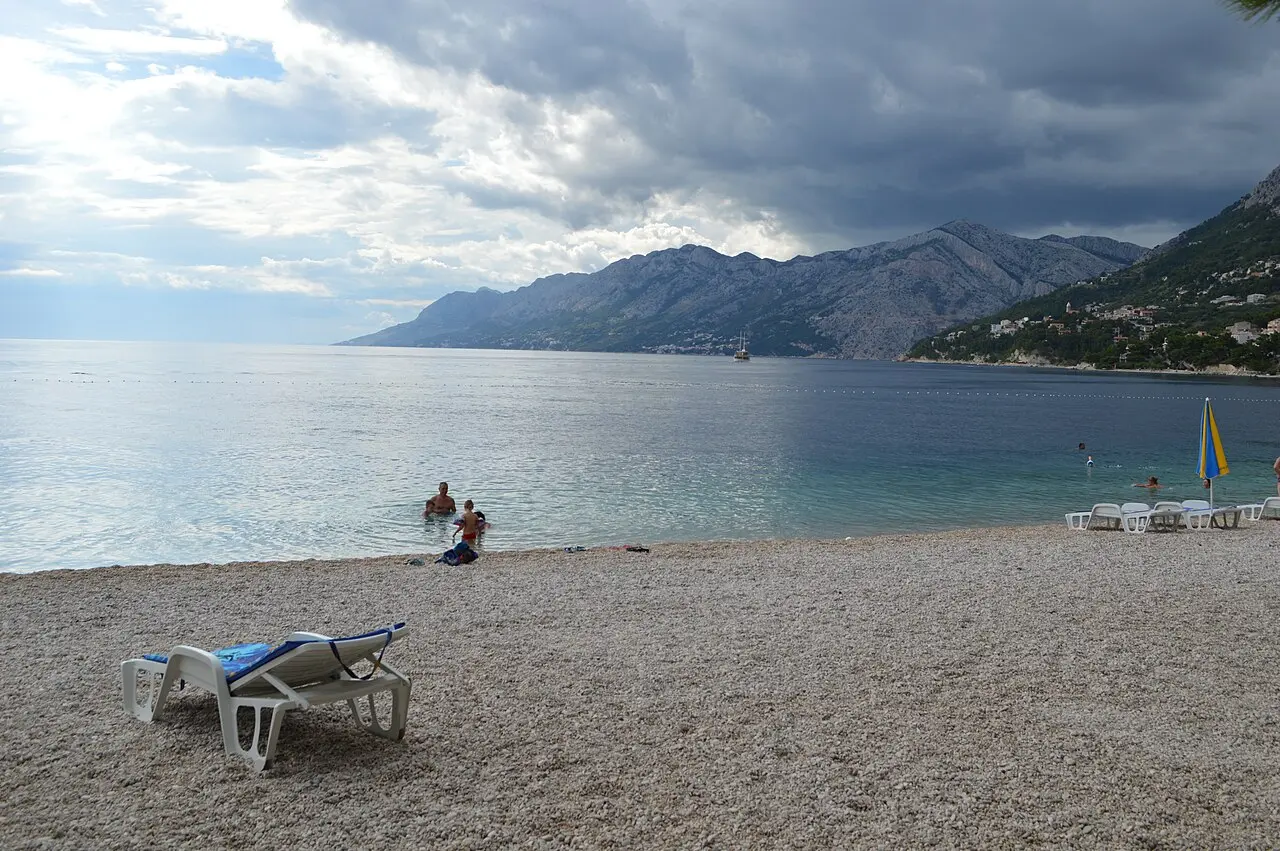
When you want mainland beach quality that rivals the islands, drive southeast on the coastal road to the Makarska Riviera. Brela sits at the near end, about 50 km out - roughly an hour and fifteen minutes from Split in normal traffic - and Makarska itself is another 12 km on, longer on summer Saturdays when the D8 clogs. This is a 60 km ribbon of white-pebble beaches under the Biokovo mountains, and Brela’s Punta Rata is the famous pin-up: pine shade, clear water and the little offshore Brela Stone in photos.
You don’t need a boat ticket to get that scenery - only a car, a bus or an organised tour. Base in Brela or Tučepi if beaches are the whole point, or day-trip from Split if you’re splitting time with the palace and island ferries. Sleeping on the Riviera itself instead of day-tripping is covered in where to stay in Makarska. The national best beaches roundup puts Punta Rata in context with Zlatni Rat and the northern sands; from Split it’s the fastest “postcard” beach that isn’t on an island.
Island beaches: Brač and Šolta
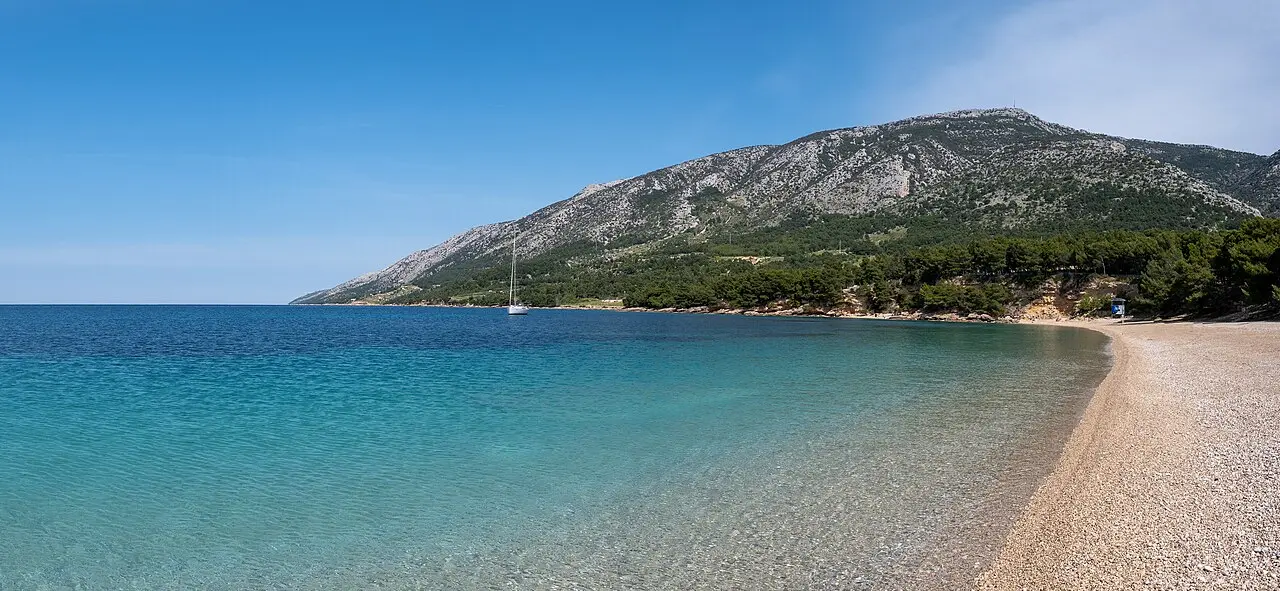
Split’s ferry port sits beside the old town, which makes day-trip beaches practical. The headline is Zlatni Rat at Bol on Brač - the white pebble spit that reshapes with the currents and draws windsurfers when the afternoon Maestral blows. Seasonal catamarans from Split to Bol take roughly 1 hour 5 minutes when they’re running; timetables change every year, so check Jadrolinija or the operator’s current PDF before you plan lunch on the island.
If Bol feels crowded, Supetar on Brač’s north coast is the car-ferry hop (Split-Supetar runs frequently in summer; foot-passenger fares are typically in the €6-7 range on short hops - confirm the live price when you buy). Closer still, Šolta’s Rogač harbour is about an hour by ferry and offers quieter coves such as Nečujam for a calmer swim without the Bol circus.
Island days eat a full morning: ticket queue, crossing, walk or bus on the other side. Our Croatia island-hopping guide explains how catamarans differ from car ferries so you don’t book the wrong vessel.
Match the beach to your trip
Short on time, staying central: Bačvice for a sandy dip and picigin between sightseeing blocks; Kašjuni when clear water matters more than sand and pebbles don’t bother you.
Kids and shallow water: Bačvice first; Žnjan’s long shallow shelves second. Skip Bene until the city reopens it.
Best water without leaving town: Kašjuni on Marjan, early morning before the beach bars fill.
Need space and facilities: Žnjan after its 2025 reopening - sports pitches, aquapark and room to spread out.
Postcard scenery, no ferry: Drive the Makarska Riviera to Brela; stay overnight if the D8 traffic on a day return sounds painful.
Iconic spit and windsurf: Zlatni Rat via Bol catamaran - full day, tickets and timetable checked in advance.
Quiet island cove: Šolta from Rogač, then bus or taxi to a smaller bay.
Practical notes for Split beach days
Most Croatian beaches are public and free; concessions only charge for sunbeds, umbrellas and sometimes showers near beach clubs. Water shoes matter on every pebble entry, and sea urchins turn up on rocky stretches - they’re not a crisis, but they’re a reason not to go barefoot.
Shade is the other Split lesson. Pine trees behind Kašjuni and the Riviera beaches give natural cover; open sand at Bačvice and Žnjan does not. Arrive before 10:00 in July and August to claim shade under the pines or a decent patch of sand.
Sea temperature follows the calendar: swimming is comfortable from June through early October, with peak warmth in July and August. Shoulder months (June and September) often give you warm water with fewer towels per square metre.
String beaches into a wider coast plan: use Split as your base, add an island from the hopping guide, and link mainland stops on the Dalmatia route from Split to Dubrovnik. For how Split’s picks compare nationally - sand in Nin, Stiniva on Vis, Dubrovnik’s Banje - see the best beaches in Croatia.
Opening hours, prices, timetables and seasonal services change through the year - the figures here are planning estimates, not quotes. Confirm current details with the operators and official sources before you go.
Photos
Read also

What to see · 12 min read
Paklenica National Park: Canyons, Climbing and Trails
Updated · August 29, 2026Paklenica National Park in 2026: canyon and cave tickets from €5, Anića Kuk climbing routes, and trails from Starigrad near Zadar.

What to see · 10 min read
Elaphiti Islands: Lopud, Šipan & Koločep
Verified · August 15, 2026Jadrolinija 807 from Gruž: €5.40 in season to Koločep, Lopud or Šipan. Times, Šunj, and why one island beats hopping all three.

What to see · 7 min read
Klis Fortress: Game of Thrones Views above Split
Updated · August 13, 2026Klis Fortress above Split was Meereen in Game of Thrones. Adults 12 EUR, kids 4 EUR; open daily 09:00-19:00 - confirm on tvrdavaklis.com.

What to see · 9 min read
Cape Kamenjak: Istria Wild Swimming Peninsula
Verified · August 12, 2026Cape Kamenjak day trip from Pula: 2026 car entry €10-20, free for walkers and cyclists, coves, rules and where to base.