
Croatia Island Hopping 2026: Ferries, Routes & Costs
Island-hop Croatia in 2026: car ferries vs fast catamarans, hubs like Split, the classic Split-Hvar-Korčula-Dubrovnik run, and how to keep fares low.
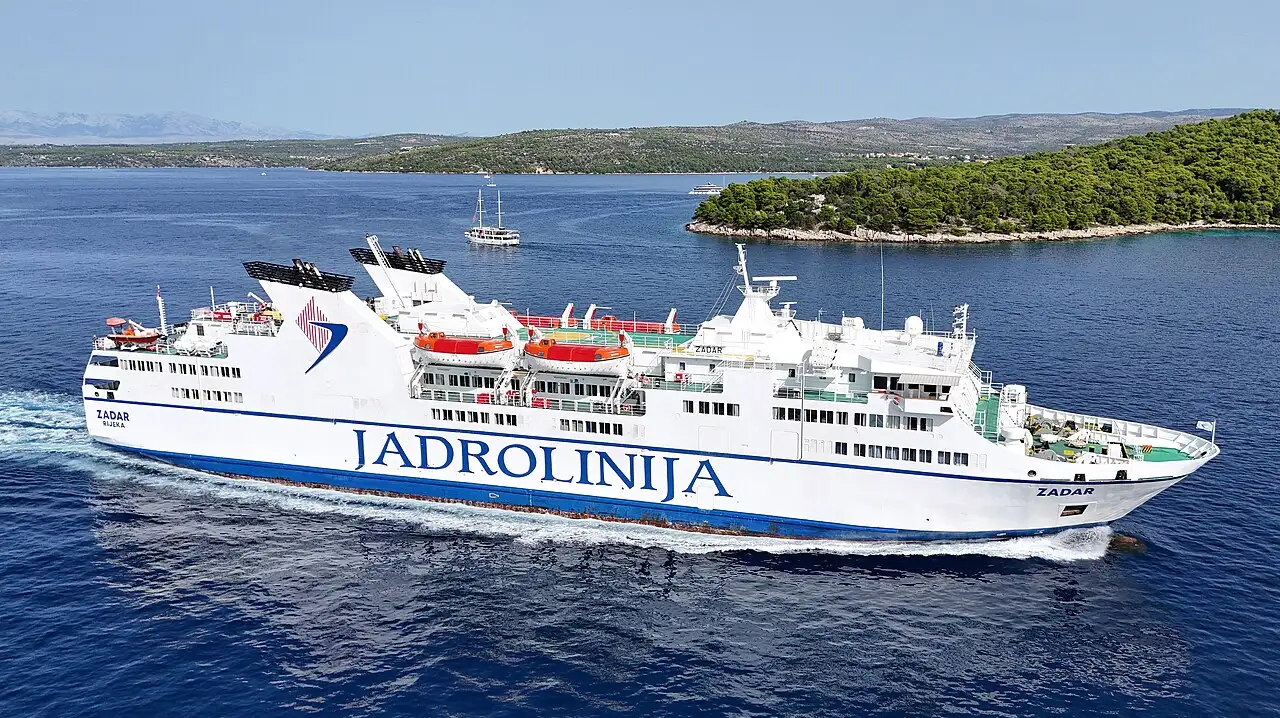
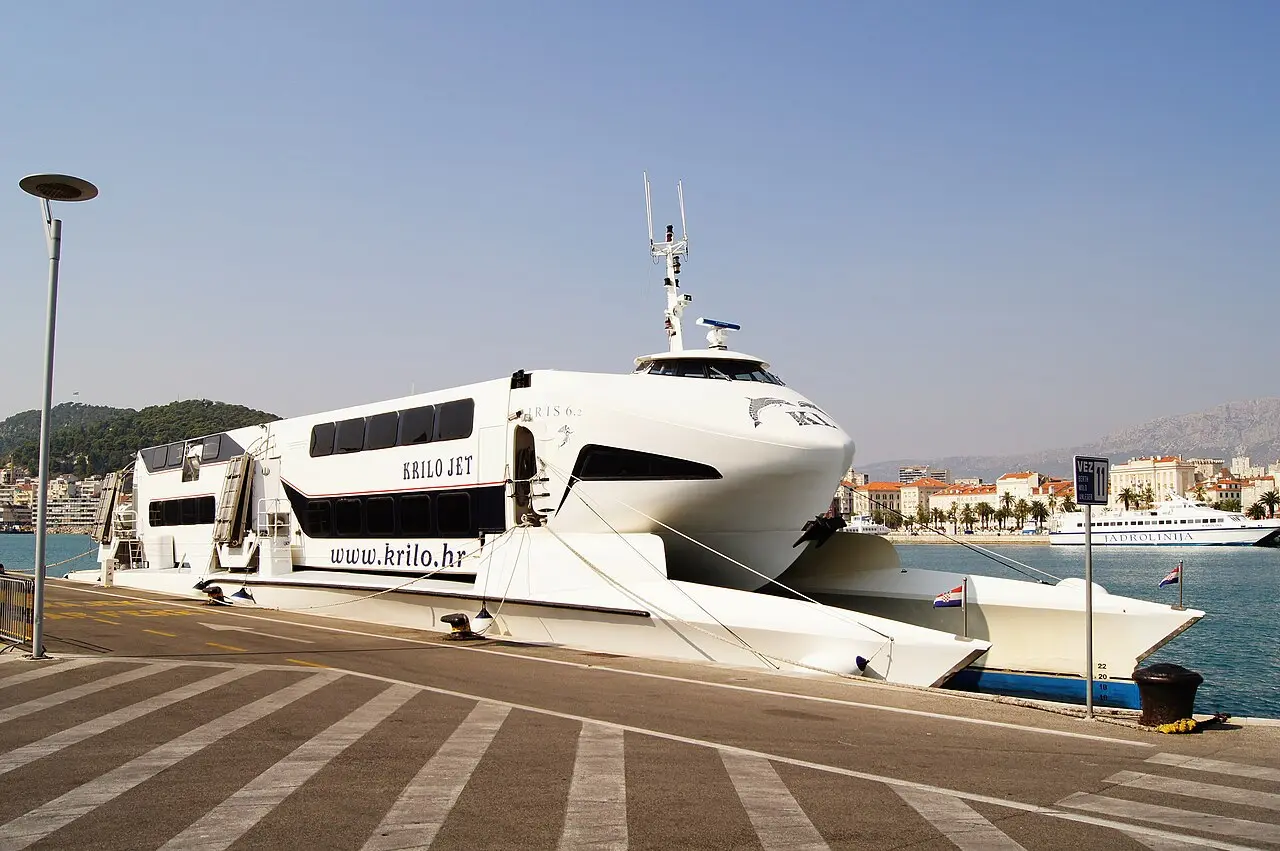
Croatia island hopping works on a simple system: a fan of ferry and catamaran routes radiates out from a handful of mainland ports, and you string islands together by hopping from one boat to the next. The two boat types matter most - slow car ferries carry vehicles and foot passengers, while fast passenger catamarans are foot-only but quicker and drop you in the heart of the island towns. The national operator Jadrolinija runs the bulk of the network, alongside private catamaran lines like Kapetan Luka (Krilo), TP Line and G&V Line. Croatia uses the euro (€) and has been in the Schengen Area since 1 January 2023, so for most visitors the trip is formality-free. The golden rule: timetables are seasonal and thin out sharply in winter, so always check the current schedule before you build a route.
The trip lives and dies by two things the timetable decides for you: whether you take a slow car ferry or a fast foot-passenger catamaran, and whether the two islands you want actually connect - because the network fans out from mainland hubs, so you often hop back to the coast rather than straight island-to-island. Get those right and a week on the water plans itself - that’s the whole game.
How island hopping works
There’s no single “island-hopping pass” in Croatia, and no hop-on hop-off boat that loops the coast. Instead you’ll travel port to port on scheduled services, buying each leg as you go. Most routes run out and back from a mainland hub rather than island to island, so a typical hop is mainland → island, then island → mainland → next island - you’ll feel that pattern fast. Some lines do chain several islands on one run - the Split-Hvar-Korčula-Dubrovnik catamaran is the classic example - and those are the legs worth planning a route around.
Frequency follows the season. In July and August the popular routes run several times a day and extra seasonal lines open up; in spring, autumn and winter sailings drop to a few a day or, on minor routes, a few a week. That seasonality is the single biggest constraint on a route, so don’t treat any timetable you see as final and confirm the current sailings with the operator before committing.
Which boat, and how to book
Two decisions and one caution cover the boats, and our beginner’s guide to how Croatia’s ferries work takes each one much further - who runs what, exact boarding times, current fares. First, car or no car: a foot passenger takes whichever catamaran or car ferry is running and lands faster and closer to town, while a vehicle locks you onto a car ferry and sometimes a port a few kilometres out of town, as at Hvar’s Stari Grad, about 16 km by road from Hvar town itself. Second, book ahead for July and August: fast catamarans via Hvar or Korčula sell out days ahead - you’ll want to book early, and a car needs a reserved place plus an early arrival at the vehicle lane. Third, tickets are simplest bought online through the operator’s site (Jadrolinija, Kapetan Luka/Krilo, TP Line, G&V Line around Dubrovnik) or at the port kiosk before sailing; fares change every year, so price the trip on the operator’s current site rather than an old figure.
Pick your hub, then build the route
Where you start decides which islands are realistically in play. Build a central Dalmatia route around Split: it’s by far the busiest port in the country and the launchpad for Brač, Hvar, Vis, Šolta and the through-line to Korčula and on to Dubrovnik, so almost any island-hopping trip touches it at some point (see our Split travel guide). A northern route built around Zadar reaches a different set of islands entirely - Dugi Otok, Ugljan, Pašman and the Kornati group. Šibenik, just down the coast, is the quieter way into the closer islands (Zlarin, Prvić, Kaprije, Žirje) and the Kornati archipelago. A southern route runs out of Dubrovnik, reaching Mljet and the Elaphiti Islands (Šipan, Lopud, Koločep) directly, and Korčula from the other direction on the through-catamaran.
Rijeka and the Kvarner coast run a separate system altogether, up in the far north, serving Krk, Cres, Lošinj and Rab - a trip to plan on its own rather than bolt onto a Dalmatian route. Krk needs no boat at all thanks to a toll-free bridge (our Krk island guide has the detail), and the Kvarner islands route strings the whole cluster together by car.
How long each hop takes, and which pairs don’t connect
Real crossing times do more for planning than a route sketch. Out of Split, reckon on about 50 minutes by car ferry to Supetar on Brač (the single busiest ferry route in the country) or a seasonal direct catamaran to Bol (55 minutes to just over an hour); Hvar town is roughly an hour by catamaran, or about two hours by car ferry into Stari Grad (110 minutes on the 2026 timetable), the port about 16 km by road short of town; Korčula runs about two and a half hours by catamaran, or a car ferry to Vela Luka at the island’s far end. Away from the Split spine, the Orebić-Korčula car ferry is a 15-20 minute hop, Mljet is about an hour from Dubrovnik on the G&V Line catamaran, and Šolta’s Rogač harbour is an easy hour out of Split for a quiet night close to the city.
Not every pair of islands you might want to link actually has a boat between them. Vis leans almost entirely on Split, and out of season that’s the only way in or out; in high summer Jadrolinija’s line 659 runs Split-Bol-Hvar-Vis, so a direct Hvar-Vis hop does exist for part of the year - check the operator’s current dates before you build a route on it; the same goes for the small-boat run out to the Blue Cave on Biševo, which is a there-and-back add-on from Komiža, not a through-route to anywhere else. And Kvarner runs on its own network: Krk, Cres, Lošinj and Rab are served from Rijeka, and there’s no island-to-island chain linking them to Hvar, Vis or Korčula. Rijeka and Zadar are joined by a seasonal fast catamaran, so the two systems do meet on the mainland - that’s the northern link, but a hop from, say, Hvar to Krk is a drive or a bus with a boat at each end, not a single sailing - don’t expect a direct boat.
The islands worth hopping
Croatia has over a thousand islands; these are the ones most travellers build a route around. For the full picture, our Croatia islands ranked guide scores the main 15 by beaches, ferry access and cost:
| Island | Reach from | Why go |
|---|---|---|
| Hvar | Split | Glamorous harbour town, Pakleni islets, lavender; see our Hvar travel guide |
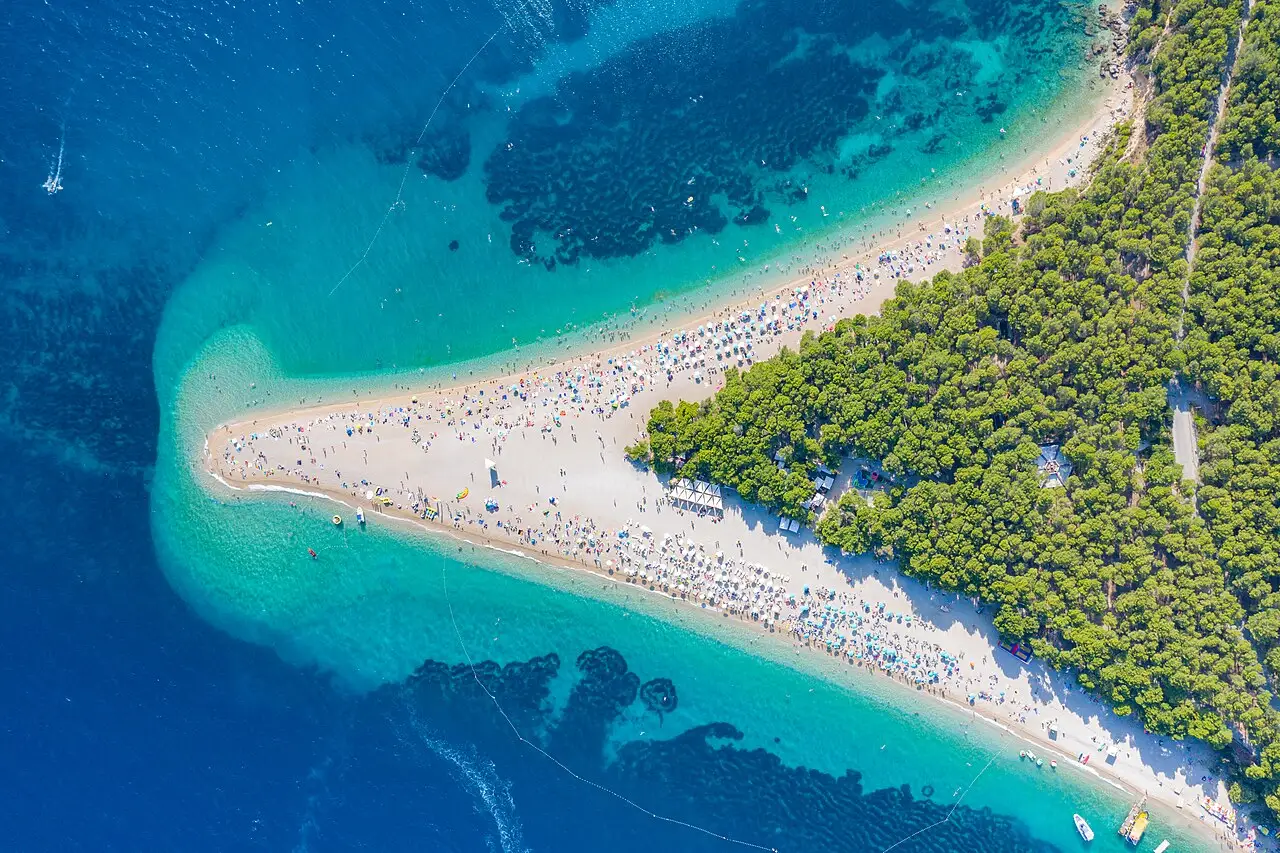
| Brač | Split | Zlatni Rat beach at Bol, the highest island peak in the Adriatic |
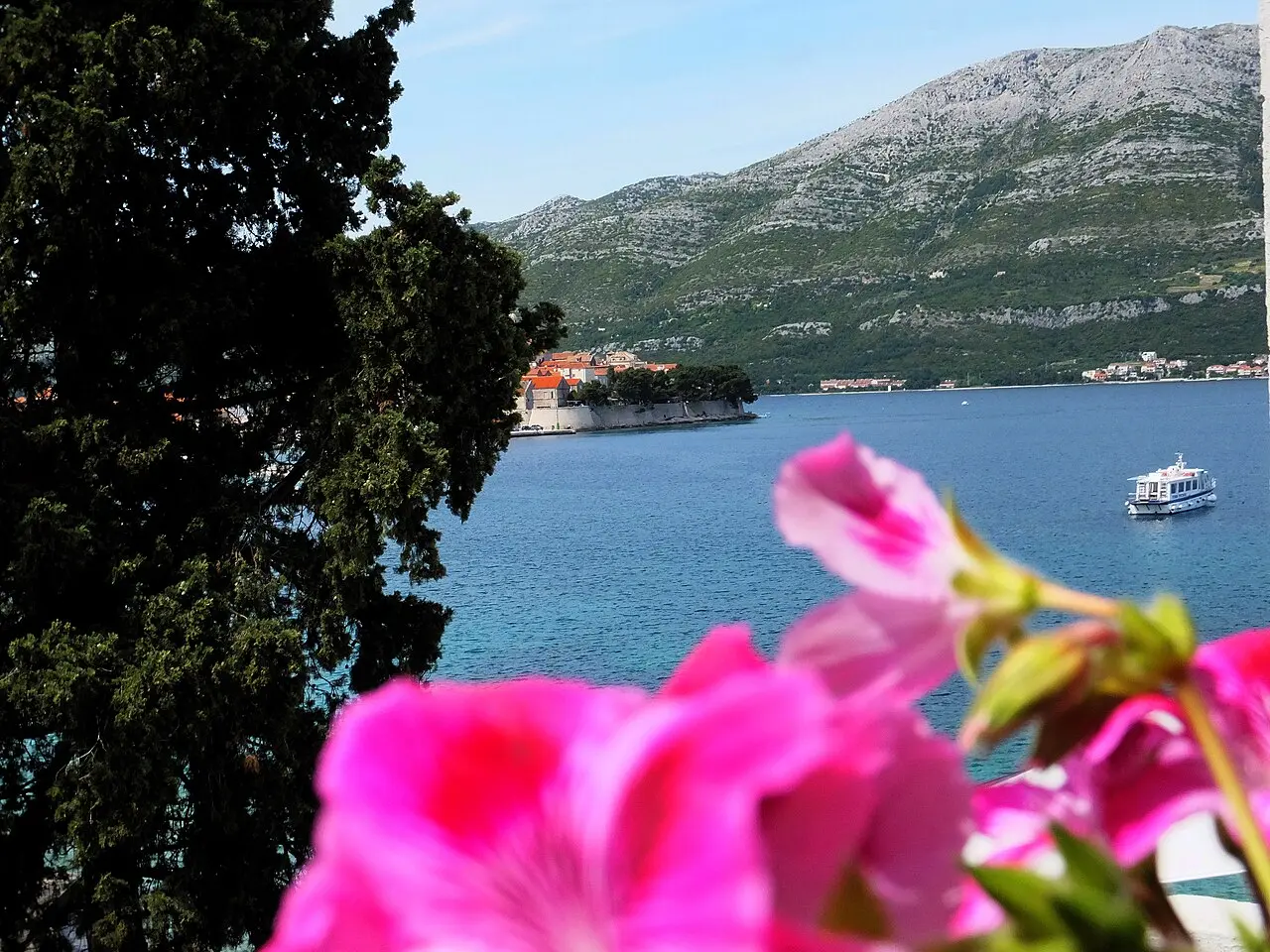
| Korčula | Split / Dubrovnik | Walled “little Dubrovnik” old town on a peninsula, vineyards |
| Vis | Split | The furthest, least developed big island - Komiža, the Blue Cave on Biševo |
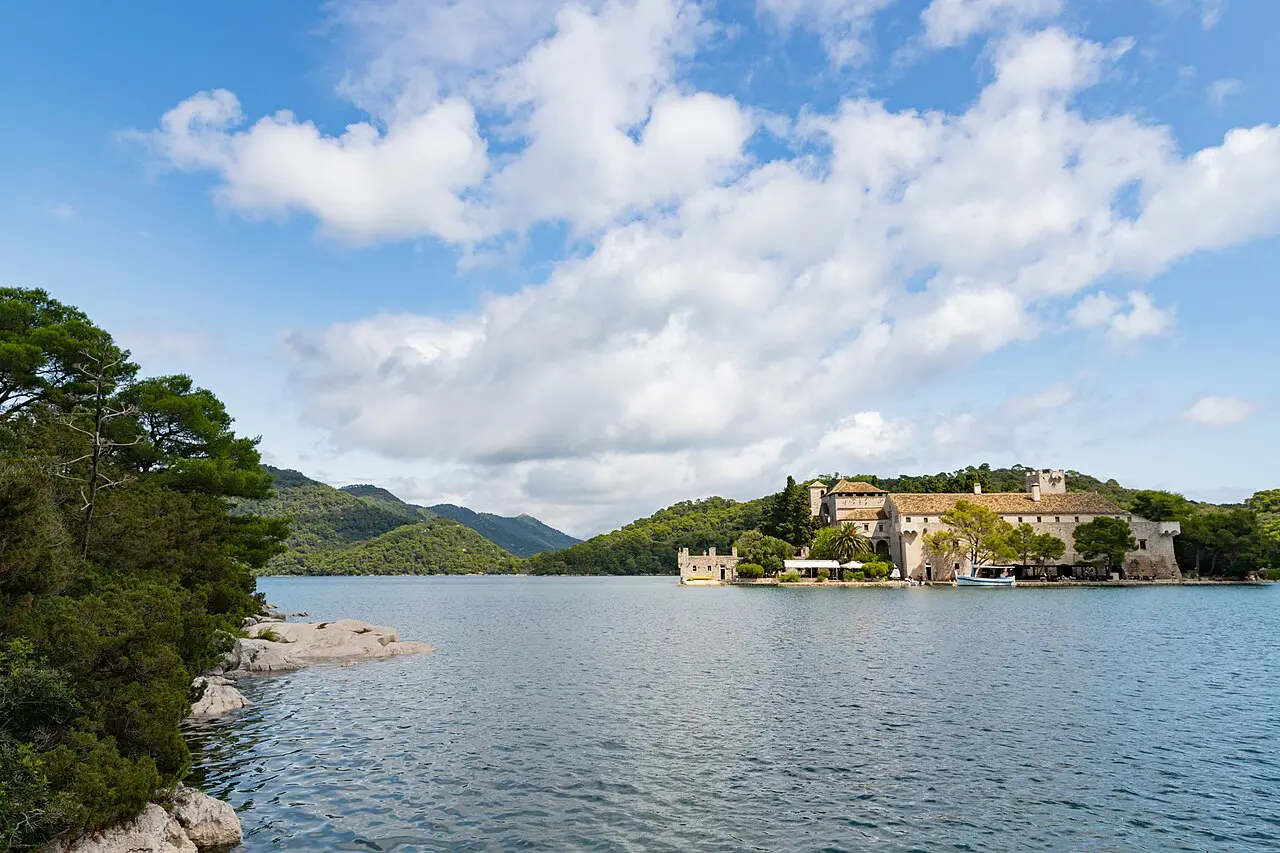
| Mljet | Dubrovnik | Forested national park with two saltwater lakes and an islet monastery - don’t rush it |
| Kornati | Zadar / Šibenik | A bare, dramatic archipelago national park, mostly visited by boat trip |
| Cres / Lošinj | Rijeka / Kvarner | Wild Cres and greener Lošinj, linked by a bridge |
| Krk / Rab | Rijeka / Kvarner | Krk is bridged to the mainland; Rab has a beautiful medieval old town |
Vis is the connoisseur’s choice - the furthest of the major islands from the coast, kept off-limits as a Yugoslav military base for decades and so spared mass development, with the fishing town of Komiža and boat trips to the Blue Cave (Modra špilja) on neighbouring Biševo - our Blue Cave guide covers the tours, the separate entry ticket and when it actually glows. You’ll feel the distance. Mljet, off Dubrovnik, protects a third of its area as a national park around two linked saltwater lakes, with a 12th-century monastery on an islet in the larger lake - one of the most peaceful spots in the Adriatic.
Sample routes for 7-10 days
These are framework itineraries, not fixed schedules - sailings change by season, so pin down current times before you book.
Central Dalmatia loop (about 7 days), from Split, no car. Base yourself on the Split-Hvar-Korčula spine. Start in Split (1-2 nights), catamaran to Hvar (2 nights - town, the fortress, a Pakleni islands boat trip), then continue down the through-catamaran to Korčula (2 nights - old town, vineyards), and either loop back to Split or carry on to Dubrovnik. Slot in a day trip to Brač for Zlatni Rat if you’ve time. For a fuller version of this chain with Vis added and the exact boats named leg by leg, follow our Croatia islands itinerary.
South to north, one way (about 10 days). Begin in Dubrovnik, take a boat to Mljet (1-2 nights in the national park), join the through-catamaran up to Korčula, then Hvar, then Split - adding a side trip to Vis from Split for its quieter, end-of-the-line feel. This open-jaw plan pairs well with the road route in our Dalmatia coast guide from Split to Dubrovnik if you mix boat and car.
Keep each move realistic: one island change per day is plenty, allow buffer time for a missed or cancelled sailing (wind can disrupt catamarans), and resist over-packing the schedule - half the pleasure of island hopping is the slow waterborne pace.
Practical tips
- Check the current timetable. Sailings are seasonal and change year to year - the operators’ sites are the only reliable source. Don’t plan around times you saw last year.
- Book ahead in summer for fast catamarans and for taking a car across; arrive early at the port for vehicle lanes.
- Catamaran = no car. If you need the car on the island, you must take a car ferry, which may land outside the main town.
- Build in slack. Strong wind (the bura and jugo) can cancel catamaran sailings; leave a buffer, especially before a flight.
- Money. Croatia uses the euro (€). Cards work at ports, but carry some cash for kiosks and small islands.
When to go
Island hopping is at its best in the shoulder months - late May to June and September - when the sea is warm, sailings are still frequent and the islands are far less crowded than at the July-August peak. In winter many routes shrink to a basic lifeline service. For the month-by-month picture, see our guide to the best time to visit Croatia.
Plan the rest of your trip
New to the boats? Start with our beginner’s guide to how Croatia ferries work - car ferry vs catamaran, reservations and tickets. Prefer your own keel to scheduled hops? That’s a different budget: sailing in Croatia covers charter costs and routes. Then pair this with the islands and cities themselves: Hvar, Split and Dubrovnik, and the coastal drive that links them in our Dalmatia route from Split to Dubrovnik. If you’re combining boats with driving, read renting a car in Croatia first, and for timing your trip, the best time to visit Croatia. For how the boats fit with buses, trains and driving across the country, see getting around Croatia; and for the busiest coastal leg, Split to Dubrovnik by bus, ferry, car or transfer. The transport hub collects our other guides to getting around.
Opening hours, prices, timetables and seasonal services change through the year - the figures here are planning estimates, not quotes. Confirm current details with the operators and official sources before you go.
Photos
Read also

Transport · 12 min read
London to Split 2026: 2h35 Nonstop, from £109 Return
Verified · September 3, 2026Nonstop London-Split takes about 2 hours 35 minutes. Croatia Airlines lists Gatwick from £109 and Heathrow from £159 return - check live fares.

Transport · 9 min read
Zadar Airport to the City: Buses & Transfers
Updated · August 27, 2026Zadar Airport (ZAD) to the old town in 2026: Liburnija shuttle, taxi, private transfer and app rides - the €5 bus, 20-minute trip and where each stops.

Transport · 11 min read
How to Get to Korčula: Ferries from Split & Dubrovnik
Updated · September 5, 2026How to reach Korčula in 2026: catamarans from Split and Dubrovnik, the Orebić car ferry, Vela Luka routes, times, fares and which option to pick.

Transport · 13 min read
Zagreb to Dubrovnik: Fly, Drive or Take the Bus?
Updated · September 19, 2026Zagreb to Dubrovnik: fly (55 min, ~3.5 h door to door), bus 8 h 30 min - 14 h, drive 7 h plus €33.70 tolls, or a private transfer. Which one fits.