
Driving to Croatia 2026: Vignettes, Borders & Tolls
Drive to Croatia in 2026: AT/SI vignettes, no HR vignette, barrier tolls until free-flow 1 Mar 2027, Neum vs Pelješac - official sources only.
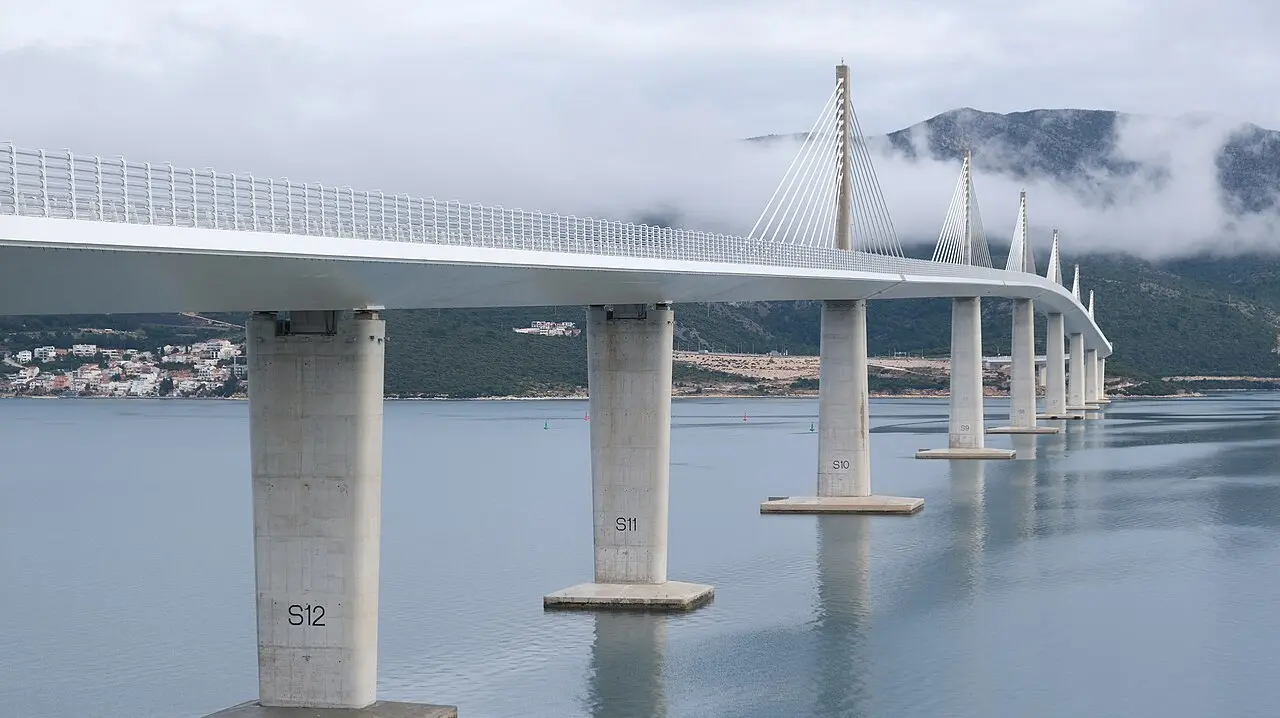
Driving your own car to Croatia from Germany, Austria or Italy is straightforward once you separate three bills: vignettes on the way (Austria, Slovenia - and Hungary if you go that way), Croatian distance tolls (no vignette), and optional border drama at Neum if you skip the Pelješac Bridge. This page is about entering and crossing Croatia in a foreign-plated car, not about picking up a hire car at Split Airport - that’s covered in renting a car in Croatia.
Prices move. Vignette and toll tariffs below were checked on 7 August 2026 against official operator shops. Re-check ASFINAG, DARS and HAC before you leave; treat any euro figure here as a planning snapshot, not a quote.
Short answer
| Segment | What you buy / pay | Notes |
|---|---|---|
| Germany (car) | No motorway vignette | Truck toll (LKW-Maut) is a different system |
| Austria | Digital vignette (ASFINAG) | Plus separate section tolls on some tunnels/passes |
| Slovenia | e-vinjeta (DARS) | 7-day product is the usual short trip choice |
| Croatia | Distance toll at barriers / ENC | No Croatian vignette; free-flow not live until 1 Mar 2027 |
| Split → Dubrovnik | Prefer Pelješac Bridge | Old Neum coast road exits into Bosnia briefly |
Germany: no car vignette
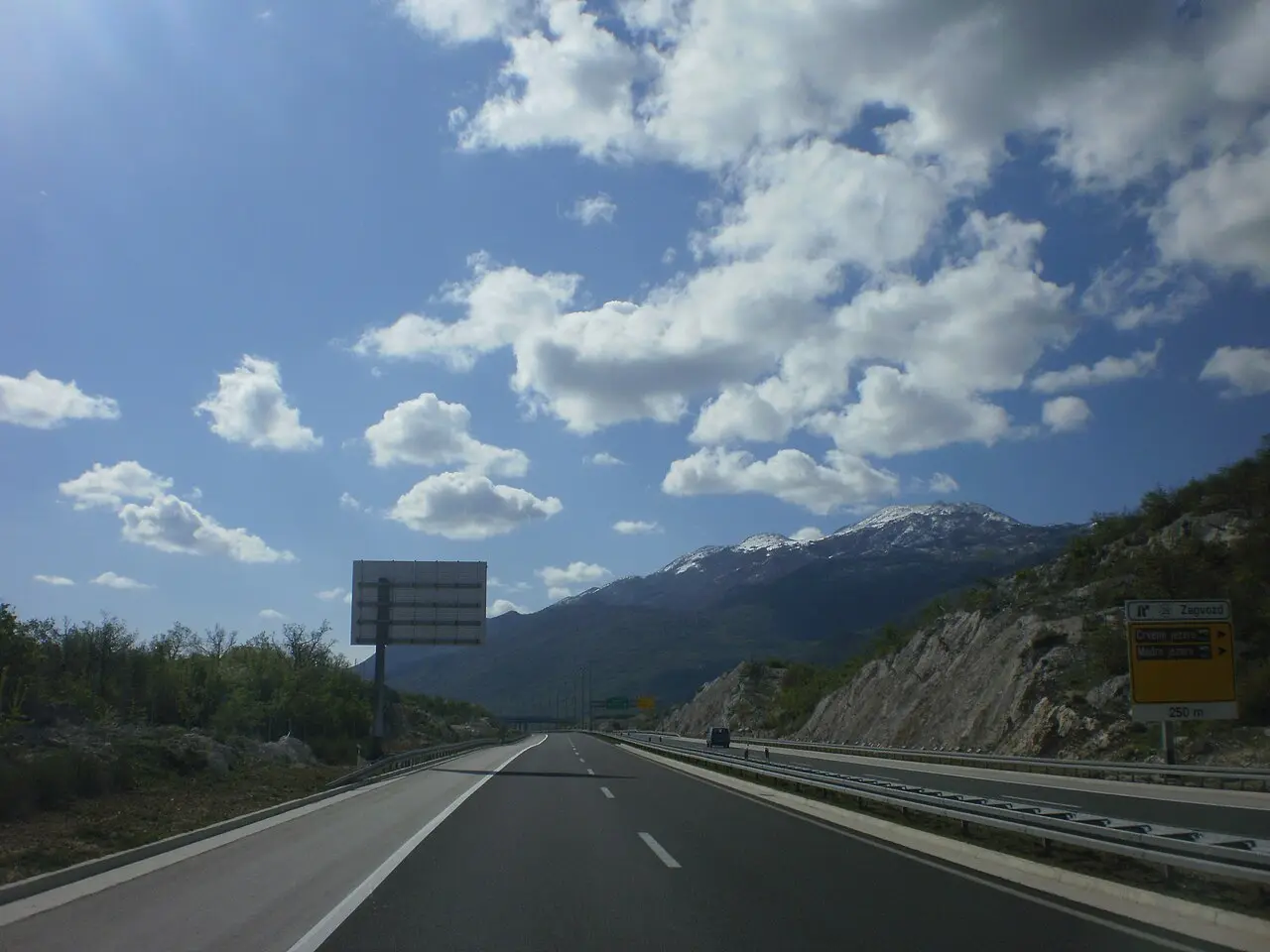
Passenger cars don’t need a German Autobahn vignette. If you are coming from Munich or further north, budget fuel and time, not a DE sticker. (Heavy-goods tolling is a separate regime - irrelevant for a normal holiday car.)
Austria: buy the digital vignette from ASFINAG only
Austrian motorways and expressways need a valid vignette. Buy it from the official ASFINAG shop or app - reseller mark-ups are common elsewhere.
Passenger car (Category B) prices checked 7 August 2026 on the ASFINAG shop:
| Product | Price |
|---|---|
| 1-day | €9.60 |
| 10-day | €12.80 |
| 2-month | €32.00 |
| Annual | €106.80 |
The 1-day and 10-day digital products can start immediately. Longer products bought online as a private consumer are often only valid from the 18th day after purchase - plan ahead if you want a 2-month or annual vignette (ASFINAG rules).
Some alpine routes also charge section tolls on top of the vignette (tunnels and special stretches such as approaches to the Karawanken corridor). Pay those only through ASFINAG; don’t invent a flat “Austria total” - it depends on your exact path.
Slovenia: e-vinjeta before you hit the motorway
Slovenia runs a digital e-vignette linked to your plate. Buy from the official DARS e-vinjeta portal (ASFINAG also sells the Slovenian product as an authorised partner without an extra fee).
For a car, the short option most road-trippers use is the 7-day e-vinjeta at €16 (operator pricing widely published for 2026; confirm the live amount on DARS when you pay). Monthly and annual products exist if you transit often.
Drive onto a Slovenian motorway without a valid e-vinjeta and you risk a substantial fine - buy before the first on-ramp, not at the first petrol pump after you are already on the blue signs.
Croatia: distance tolls in 2026, free-flow from 2027
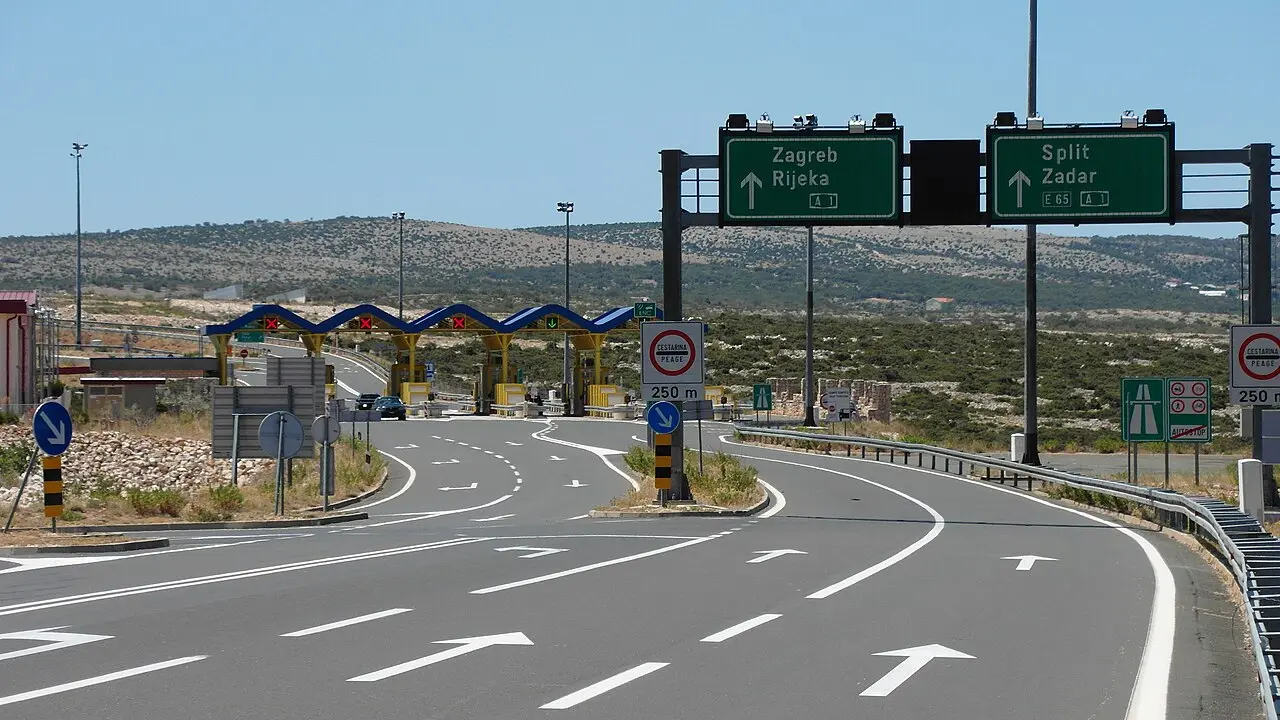
Croatia does not sell a national car vignette. If a website offers you a “Croatia vignette”, walk away - it’s not a real product.
How payment works now (HAC): toll is calculated by distance between entry and exit points and by vehicle category. On closed-system motorways you take a ticket on entry and pay on exit (cash, listed cards, or ENC electronic collection). ENC users use dedicated lanes and do not take a paper ticket (HAC toll page).
Other concessionaires operate parts of the network (for example Istria’s Y), but the rule of thumb is the same: pay for kilometres, not for a sticker.
Free-flow / Crolibertas - read this carefully. Croatia has adopted a Toll Collection Act (24 December 2025) that mandates a unified electronic free-flow system using on-board units and/or automatic number-plate recognition. Official project communication states the new system will be fully applied from 1 March 2027 (Crolibertas). Light vehicles up to 3.5 t will be able to use an OBU or register for plate-based billing; heavy vehicles will need an OBU.
So for anyone driving in 2026: plan for barriers, tickets and ENC as today. Free-flow is the next chapter, not this summer’s reality. That’s also why old “2026 free-flow” headlines were premature - the legal go-live date on the project site is March 2027.
Borders, Schengen and the Neum corridor
Croatia has applied the Schengen acquis in full since 1 January 2023. Land approaches from Slovenia feel like an internal Schengen move for people already inside the area; external borders (for example from Serbia or Bosnia) still mean full checks - and for non-EU travellers, EES biometrics on short stays. Confirm current entry rules on official MUP and MVEP pages before you go - or use our Croatia entry requirements page for the EES/ETIAS snapshot.
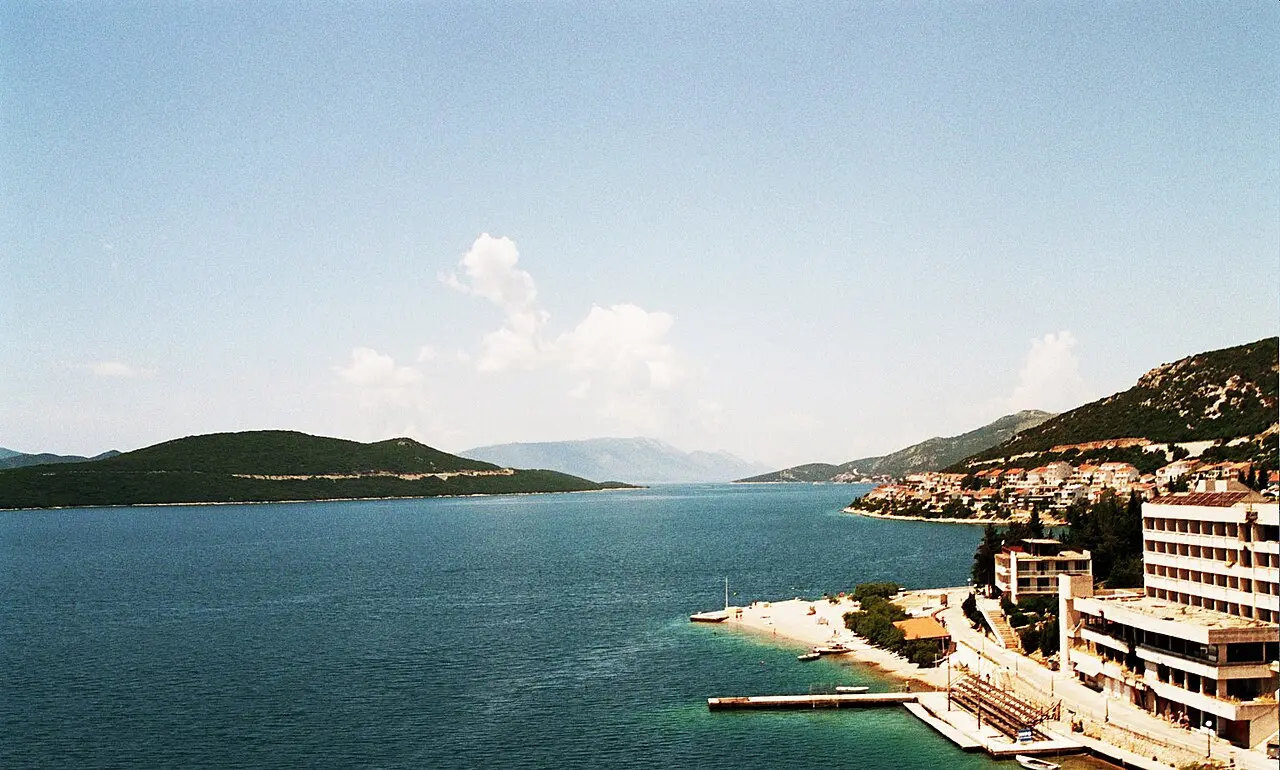
Neum: the old coastal road between Split and Dubrovnik briefly crosses Bosnia and Herzegovina’s coastline. That means leaving Croatia/Schengen, two sets of border stops, and whatever vehicle-insurance formalities your insurer requires for BA. In summer the queues can erase any “scenic” gain.
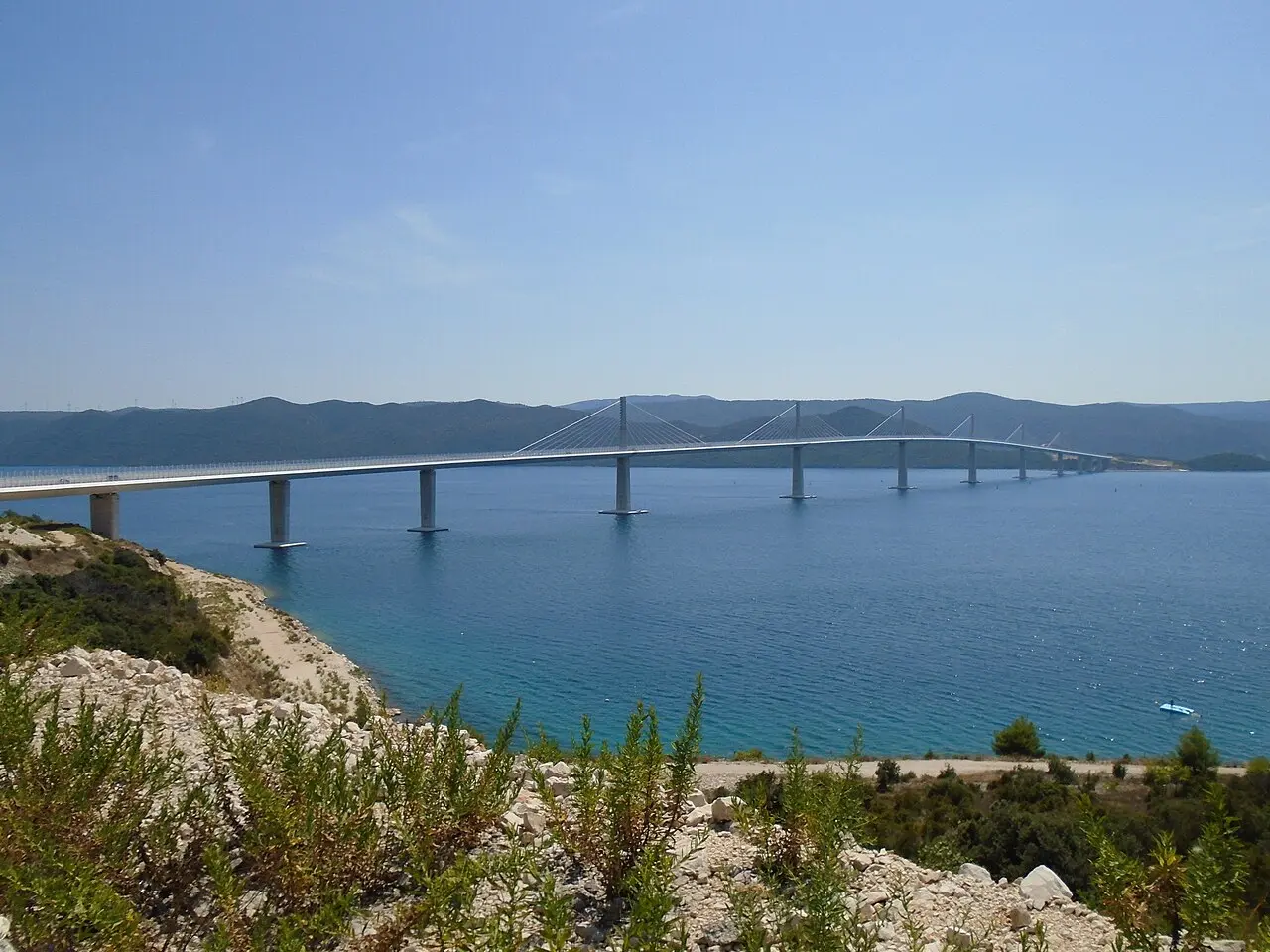
Pelješac Bridge: since July 2022 the main route stays in Croatia end-to-end. For almost every driver heading to Dubrovnik with luggage and kids, the bridge is the sane default - you don’t gain much by gambling on Neum queues. Keep Neum for a deliberate detour, not a default GPS choice.
Documents, insurance and what to carry
For a private car, pack the boring stack: driving licence (EU licences are fine; non-Latin scripts - carry an International Driving Permit as well), vehicle registration, and proof of motor insurance valid for the countries on your route. If you plan to use Neum, confirm with your insurer what they need for Bosnia - multilateral Green Card rules have been shifting, and a blog claim isn’t a policy endorsement.
Personal travel medical insurance is still worth having on a multi-country drive - a crash or roadside medical bill is a different risk from motor third-party cover, and you’ll want a policy that actually pays. Compare options in our Croatia travel insurance guide, and read hidden costs in Croatia so tolls and parking do not surprise you after the vignettes.
Own car vs renting inside Croatia
Bring your own car when you already live within a day’s drive, you are touring with a lot of kit, or you want one vehicle from home to the islands’ car ferries. Rent inside Croatia when you fly in, want a small car for old-town parking, or need a one-way drop between airports - see renting a car in Croatia and getting around Croatia. Mixing both (drive down, fly home) is common; just check ferry bookings and whether your foreign plate’s welcome on the island hop you planned.
Time and money to budget
Munich to Zagreb is usually a 5-6 hour clean run on motorways without long stops; Split is closer to 8-10 hours if you avoid Friday evening A1 queues. Those are planning ranges, not a timetable: the Slovenia-Croatia approach can still eat an hour in peak summer simply from car volume, even inside Schengen.
For a short holiday transit in a passenger car, the typical cash stack is an Austrian 10-day vignette plus a Slovenian 7-day e-vinjeta, then Croatian distance tolls for the kilometres you actually drive. Austrian section tunnels sit on top of the vignette - they are not included. Keep some euro cash for Croatian exit plazas if a card fails; ENC is worth it if you’ll live on the motorway for several days, not for a single Zagreb-to-coast hop.
If Dubrovnik is the end point, do not trust a navigator that insists the old Neum coast road is “shorter”. Pelješac Bridge usually feels faster because you never leave Schengen and you skip two border stops. Keep Neum for people who actually want the Bosnian strip, not as a default shortcut.
Practical rhythm for a DE → HR weekend run
- Buy the Austrian digital vignette (and any section tolls on your alpine path) from ASFINAG.
- Buy the Slovenian e-vinjeta from DARS before the first SI motorway.
- Keep cash or a working card ready for Croatian exit plazas; ENC helps if you’ll rack up motorway kilometres.
- Aim for the Pelješac Bridge if Dubrovnik is the destination.
- Budget extra hours on July/August Friday evenings on the A1 - the infrastructure is good; the volume is the problem.
Checked against ASFINAG, HAC and Crolibertas on 7 August 2026. Re-check those operators before you roll - vignette prices and the free-flow timeline are set by them, not by travel blogs.
Toll non-payment and missing vignettes are enforced offences. This guide is practical orientation only - official operator tariffs and border rules prevail.
Photos
Read also

Transport · 12 min read
London to Split 2026: 2h35 Nonstop, from £109 Return
Verified · September 3, 2026Nonstop London-Split takes about 2 hours 35 minutes. Croatia Airlines lists Gatwick from £109 and Heathrow from £159 return - check live fares.

Transport · 9 min read
Zadar Airport to the City: Buses & Transfers
Updated · August 27, 2026Zadar Airport (ZAD) to the old town in 2026: Liburnija shuttle, taxi, private transfer and app rides - the €5 bus, 20-minute trip and where each stops.

Transport · 11 min read
How to Get to Korčula: Ferries from Split & Dubrovnik
Updated · September 5, 2026How to reach Korčula in 2026: catamarans from Split and Dubrovnik, the Orebić car ferry, Vela Luka routes, times, fares and which option to pick.

Transport · 13 min read
Zagreb to Dubrovnik: Fly, Drive or Take the Bus?
Updated · September 19, 2026Zagreb to Dubrovnik: fly (55 min, ~3.5 h door to door), bus 8 h 30 min - 14 h, drive 7 h plus €33.70 tolls, or a private transfer. Which one fits.