
Croatia Entry Requirements 2026: EES, ETIAS & Visas
Croatia entry 2026: EES is live, ETIAS is not yet open, Schengen 90/180 rules, visas and insurance - checked against official MUP and EU sources.
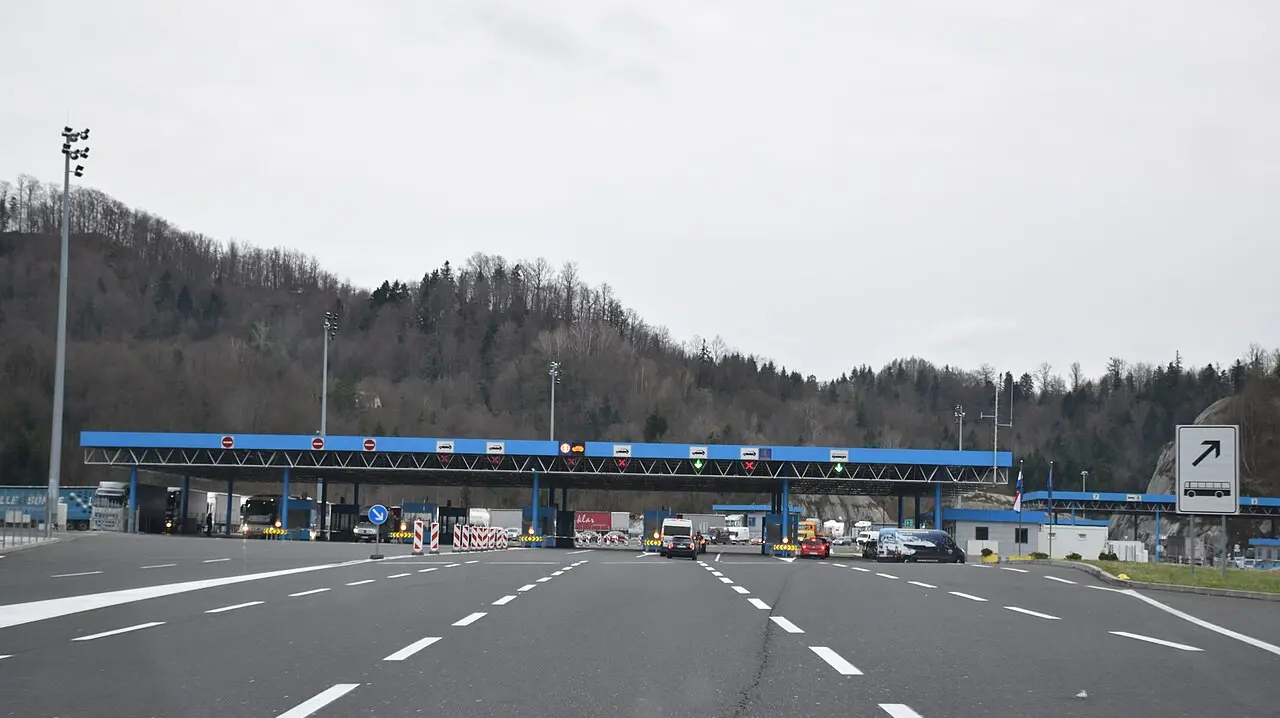
Croatia is in the Schengen Area, so entry follows common EU short-stay rules - not a separate Croatian tourist visa scheme. As of 7 August 2026, the Entry/Exit System (EES) is fully operational for non-EU short-stay travellers, while ETIAS is still not open and you can’t apply yet. Whether you need a Schengen visa depends on your passport; the 90 days in any 180-day period rule applies either way.
Not legal advice. Entry, visa and border rules change. This page summarises official MUP, MVEP and EU sources checked on 7 August 2026. Before you fly, confirm your nationality on the MVEP visa overview and the EU traveller sites for EES and ETIAS.
Where travellers still mix things up in 2026 is treating three systems as one - don’t blur them: the old stamp era, the live EES biometric register, and the still-future ETIAS authorisation. Get those three straight and the rest is paperwork and timing.
Short answer by passport type
| Who you’re | Visa? | EES at the border? | ETIAS today? |
|---|---|---|---|
| EU / EEA / Swiss citizen | No | No (EES doesn’t apply) | No |
| Visa-exempt third country (e.g. US, UK, CA, AU, JP) | No for short stay | Yes - short stay | Not required yet - system not live |
| Visa-required third country | Yes - Schengen C (or D for longer stays) | Yes - short stay | No - you use a visa, not ETIAS |
Always double-check your country on the MVEP overview tool - lists and exceptions move, and you don’t want a surprise at the border.
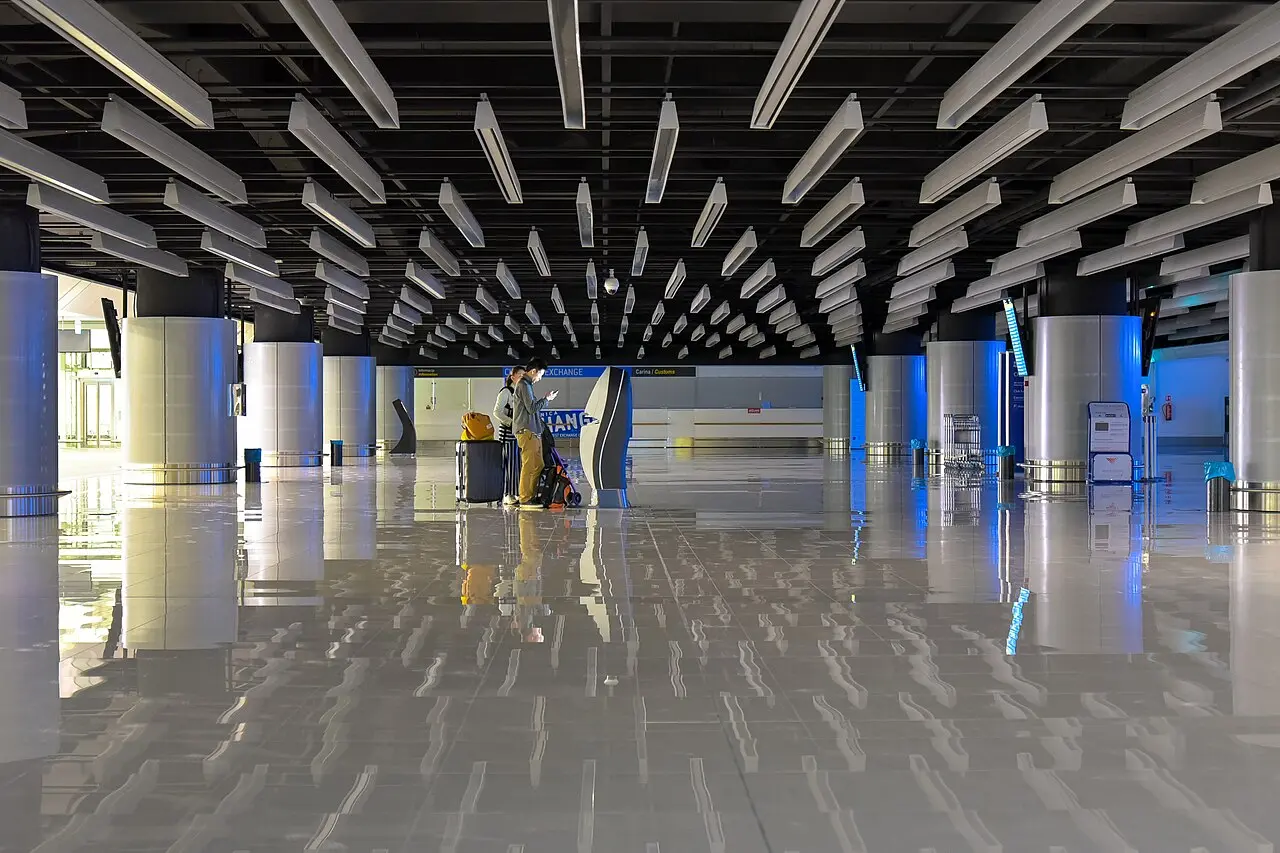
Schengen stay: 90 days in 180
Croatia joined Schengen on 1 January 2023 (MUP; MVEP). Time you spend in Croatia counts toward the same Schengen clock as France, Italy, Spain and the rest.
Third-country nationals - with or without a visa - may stay for up to 90 days in any rolling 180-day period (MUP; MVEP). Stretching a trip with a quick hop to a non-Schengen neighbour doesn’t “reset” days already used inside Schengen.
Use the official calculator when you’re close to the limit: Check how long you can stay (linked from MVEP). Overstays are exactly what EES is built to flag.
EES - what actually happens at the border now
The Entry/Exit System replaced manual passport stamping for non-EU short stays with a digital record of entries, exits and refusals, plus biometrics.
Status (official): progressive operations started 12 October 2025; the system has been fully operational across Schengen external borders since 10 April 2026 (European Commission DG HOME; eu-LISA). Croatia’s MUP FAQ describes the same EU timeline and local roll-out detail.
Who it covers: third-country nationals on a short stay. It doesn’t apply to EU citizens. Residence-permit / residence-card / long-stay visa holders and other categories listed in Article 2 of Regulation (EU) 2017/2226 are exempt (MUP EES FAQ).
What you do on a first registration: travel-document data, a facial image, and fingerprints from four fingers of the right hand. Children under 12 are exempt from fingerprinting; a facial image is still taken (MUP FAQ). Later entries and exits use biometric verification against the stored file. There’s no fee for EES biometric registration (MUP FAQ).
Croatia airports: self-service EES kiosks at Zagreb, Split, Dubrovnik, Pula, Zadar and Rijeka for eligible first-time registrations; after pre-registration you still complete the border check (MUP FAQ). Languages on the kiosks include English and Russian among others.
Expect the first enrolment to take longer than a stamp used to - especially at busy road crossings in July and August. That’s normal, not a sign you did something wrong.
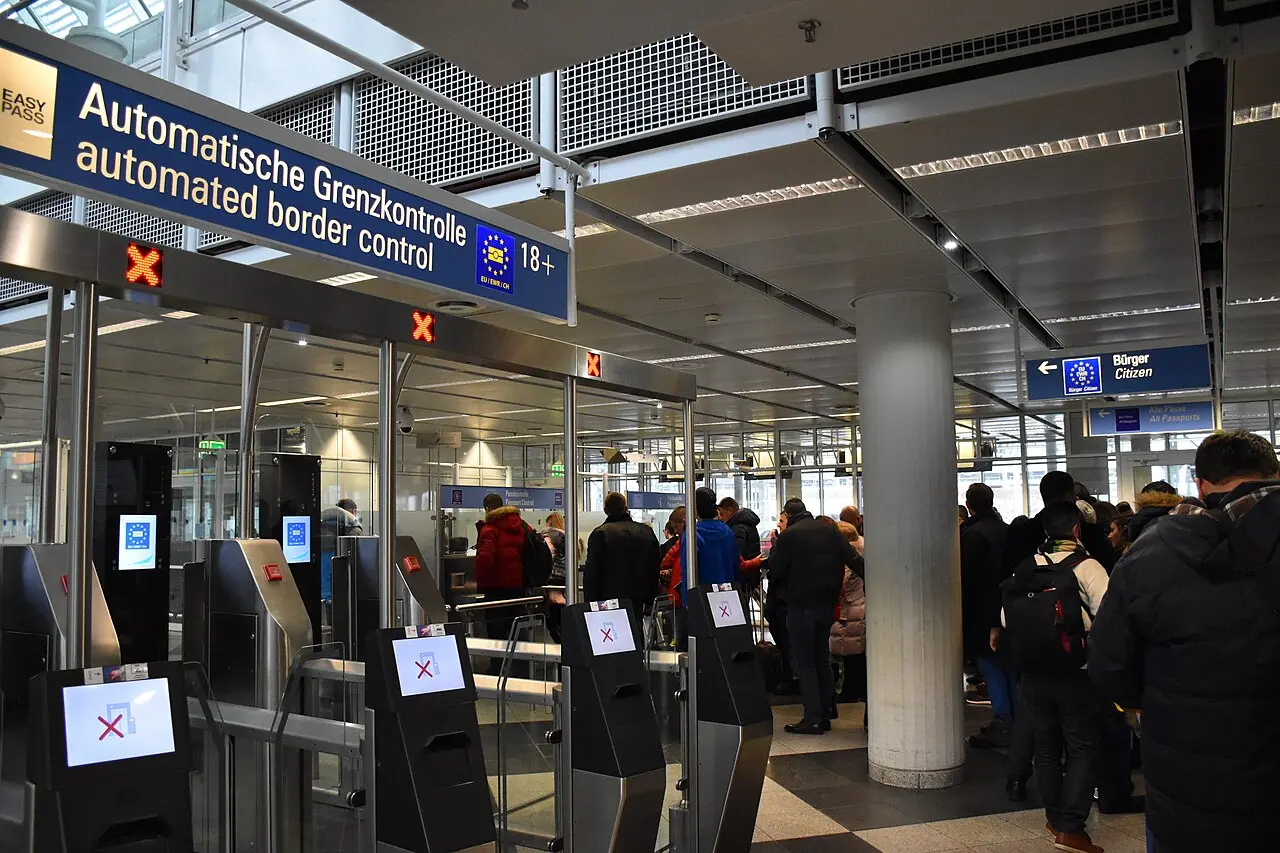
Official traveller briefing: travel-europe.europa.eu/ees. Croatia-specific FAQ: mup.gov.hr/ees-faq/294458.
ETIAS - not open yet (do not buy fake “ETIAS” sites)
ETIAS will be a pre-travel authorisation for visa-exempt third-country nationals visiting the participating European countries for short stays. It’s not a visa, and an approval doesn’t guarantee entry (MUP Border checks page).
Status on 7 August 2026 (official site): “ETIAS is currently not in operation and no applications for travel authorisations are collected at this point. The European Union will inform about the specific date for the start of ETIAS several months prior to its launch.” Source: travel-europe.europa.eu/etias.
So: don’t pay a third-party site that claims to sell you an ETIAS today. There’s no live application channel. When the EU publishes a start date, you’ll want to apply only via the official site or official app.
What we can say from official material already published - here’s the shape so far:
- Planned fee: EUR 20 (official ETIAS communications; MUP notes a fee is foreseen).
- Fee exemptions for children under 18 and persons over 70 (MUP Border checks, referring to Regulation (EU) 2018/1240).
- Online form in advance of travel; authorisation linked electronically to the passport.
Press stories about a possible 2027 start are not an official Commission date. Until travel-europe.europa.eu publishes one, treat any calendar claim as unverified.
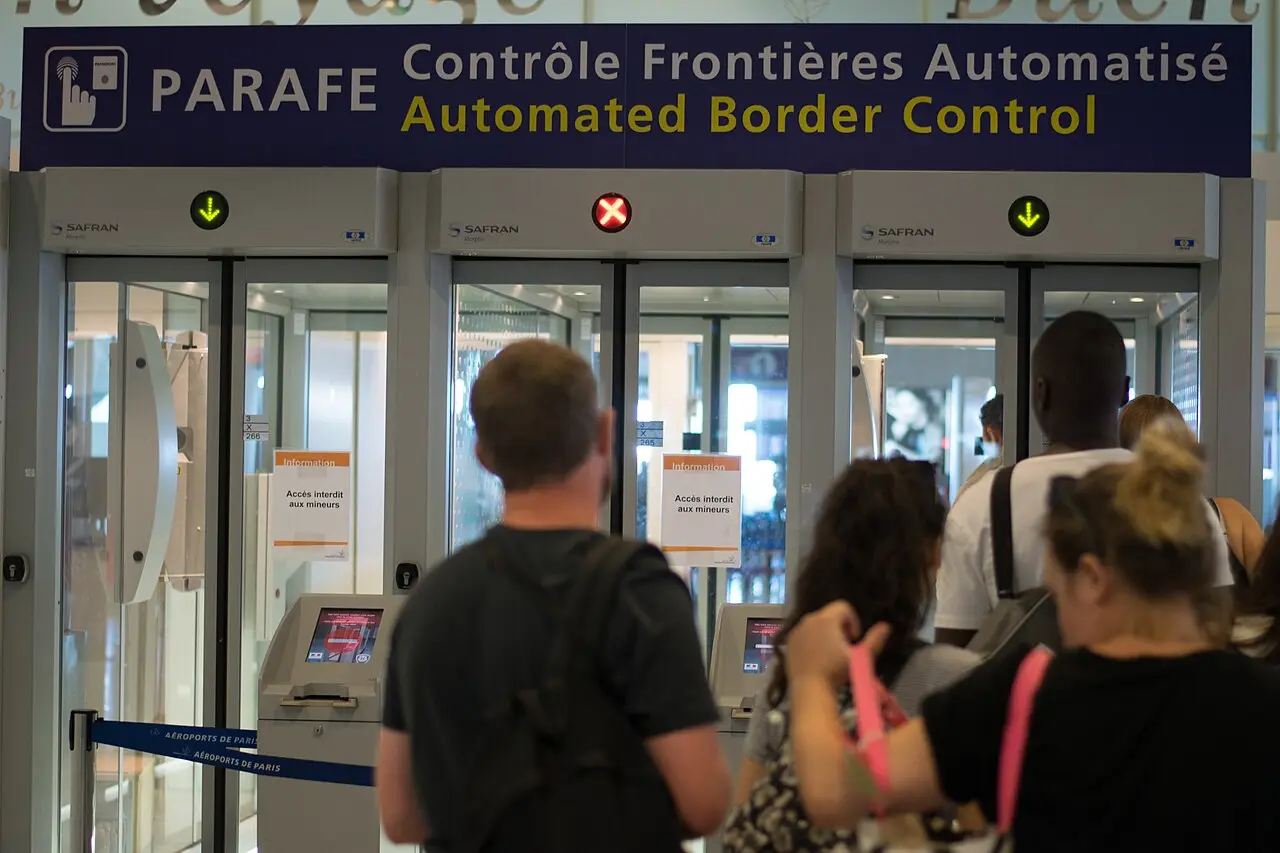
Do you need a Schengen visa for Croatia?
Check the MVEP visa requirements overview for your nationality. As of Schengen accession, Croatia issues Schengen short-stay visas (A/C) and national long-stay visas (D) through its diplomatic missions (MVEP).
Short-stay visa (C) - for planned stays of up to 90 days in 180, or airport transit (MUP). Apply no earlier than six months before travel and no later than 15 calendar days before (MUP).
Long-stay (D) - national visa for longer purposes under the Aliens Act (temporary stay, work permit pathways, and so on). Details sit on MVEP; this guide stays on tourist/short-stay territory.
Older Croatian C visas issued before 31 December 2022 may still allow entry to Croatia only if still valid - they do not open the rest of Schengen (MVEP notice).
Travel insurance and what border guards care about
If you need a Schengen visa, MUP requires adequate, valid travel medical insurance covering repatriation for medical reasons, urgent medical attention, emergency hospital treatment and/or death, valid across the Member States for the stay. Our Croatia travel insurance guide unpacks the usual €30,000 medical floor used in Schengen visa practice and what EHIC/GHIC actually cover.
Visa-exempt visitors are rarely asked to show a policy as a hard entry condition - but an uninsured hospital stay or evacuation is still the expensive risk. Pair that with the practical safety picture in Is Croatia safe?, and get a working eSIM or local SIM so 112 and your insurer can reach you.
Border officers can still ask for the usual Schengen Borders Code basics: a valid travel document, a visa if required, and evidence you can support yourself and leave again. Exact subsistence figures vary - don’t rely on a blog number; bring a return or onward ticket and a card that works, and check current official guidance for your case.
Passport and documents checklist
- Passport that meets Schengen validity rules (commonly: valid at least three months beyond your planned exit from Schengen, and issued within the last ten years - confirm against current Schengen Borders Code wording before you travel).
- Visa sticker in the passport if your nationality requires one.
- No ETIAS printout needed today - the system isn’t collecting applications.
- Proof of funds / accommodation / return if asked.
- Travel insurance certificate if you applied for a visa (and strongly advised for everyone else).
- For digital-nomad or residence routes, separate permit rules apply - those aren’t short-stay tourism.
EU citizens travel on an ID card or passport under free-movement rules; EES doesn’t enrol them.
Practical tips that save a queue
Arrive with time in hand on peak Saturdays - especially if you’re travelling as a family and someone is on a first EES registration. If you’re a first-time EES traveller at a Croatian airport, look for the marked kiosk lane before the booth so you don’t join the officer queue early. Keep fingers clean and dry for the scanner; remove hats and heavy sunglasses for the facial capture. If a family member is under 12, expect face capture without fingerprints. At busy external road crossings in July and August, budget even more slack: biometrics plus car volume make the line longer than in shoulder season.
Driving your own car into Croatia is a separate logistics problem - vignettes on the way through Austria and Slovenia, Croatian distance tolls, and the Neum vs Pelješac choice - see driving to Croatia. For moving around once you’re in, see getting around Croatia and renting a car in Croatia.
What to verify the week before you leave
- Your nationality on the MVEP visa overview.
- EES traveller page and MUP EES FAQ - still live, still biometric.
- ETIAS official page - still “not in operation” unless the EU has announced a start date.
- Passport expiry against Schengen validity rules.
- Insurance wording if you hold a visa - or a solid policy even if you don’t.
Checked against MUP, MVEP, European Commission and travel-europe.europa.eu on 7 August 2026. Re-check those same pages before you travel; this article is a guide, not a ruling.
Entry and visa decisions rest with border authorities and consulates. Nothing here replaces official advice for your passport.
Photos
Read also

Before you go · 10 min read
Where to Stay in Korčula: Old Town to Vela Luka
Verified · September 5, 2026Korčula Town for walls and boats, Lumbarda for sand, Vela Luka for the Split car ferry. Match the base to how you arrive - then book.

Before you go · 10 min read
Sailing in Croatia: Yacht Charter Costs & Routes
Updated · September 5, 2026Croatia yacht charter 2026: bareboat weekly ranges, skipper and deposit separate, APA on crewed boats, season guides, island routes.

Before you go · 10 min read
Where to Stay in Makarska: Riviera Bases Compared
Updated · August 30, 2026Brela, Baška Voda, Makarska, Tučepi or the quieter south - which Riviera base fits beach weeks, families, nightlife and Brač ferry mornings.

Before you go · 8 min read
Hvar or Korčula: Which Island Fits Your Trip?
Verified · August 28, 2026Hvar or Korčula in 2026? Split catamarans (~€25 like-for-like), vibe, beaches and who each Dalmatian island suits - plus the hop between them.