
Is Croatia Safe? Crime, Scams & Travel Safety Guide
Is Croatia safe? Yes - among the safest countries in Europe. The real risks are taxi and bill scams, summer pickpockets and the sea, not violent crime.
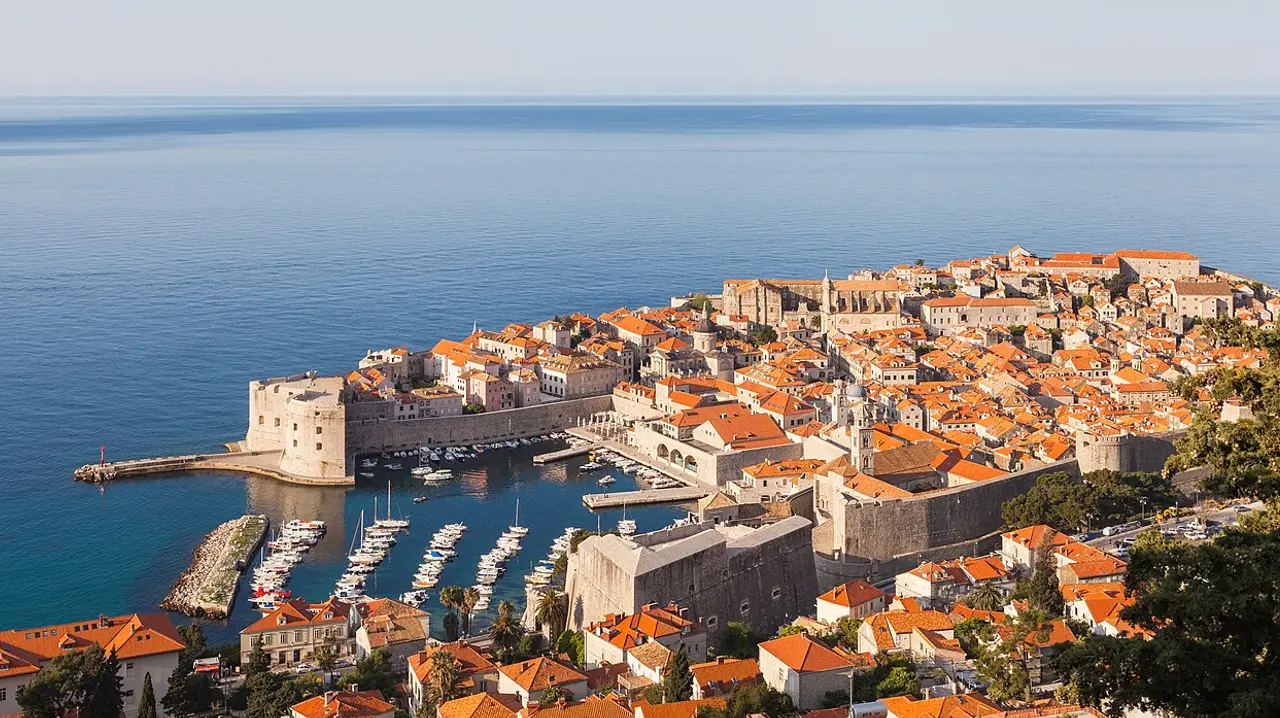
Croatia is one of the safest countries in Europe, and the honest answer to “is it safe?” is yes - with an asterisk that has nothing to do with violent crime. Both the US State Department (Level 1, “exercise normal precautions”, updated 18 May 2026) and the UK Foreign Office put it in their calmest tier, and the homicide rate sits below one per 100,000, among the lowest anywhere. What actually catches tourists here’s money, not danger: an overcharging taxi, a padded restaurant bill, a pickpocket in a July crowd, or a rocky beach and a sunburn you didn’t plan for.
So the useful version of this guide isn’t “should I be scared” (you shouldn’t) but “where do people actually lose money or a good day”, and how to sidestep each one. Here’s what to watch, from the taxi at the airport to the sea at the beach.
How safe is Croatia, really?
Statistically, very. Violent crime against visitors is rare, and the classic markers of a risky destination - armed robbery, no-go districts, kidnapping scares - simply aren’t part of the picture. You can walk Split’s Riva, Zagreb’s Tkalčićeva or Dubrovnik’s Stradun late into the night, alone, and the worst you’re likely to meet is a loud stag party. The most common crimes reported are petty theft, drug possession, and the occasional alcohol-fuelled scuffle in the summer coastal towns, which is a very different risk profile from feeling physically unsafe.
The main things the official advisories flag are practical, not dramatic: pickpocketing in crowds, a few well-worn scams, wildfire risk in the dry months, and driving offences. None of it should change whether you go - it should just shape how you carry your wallet and pick your taxi.
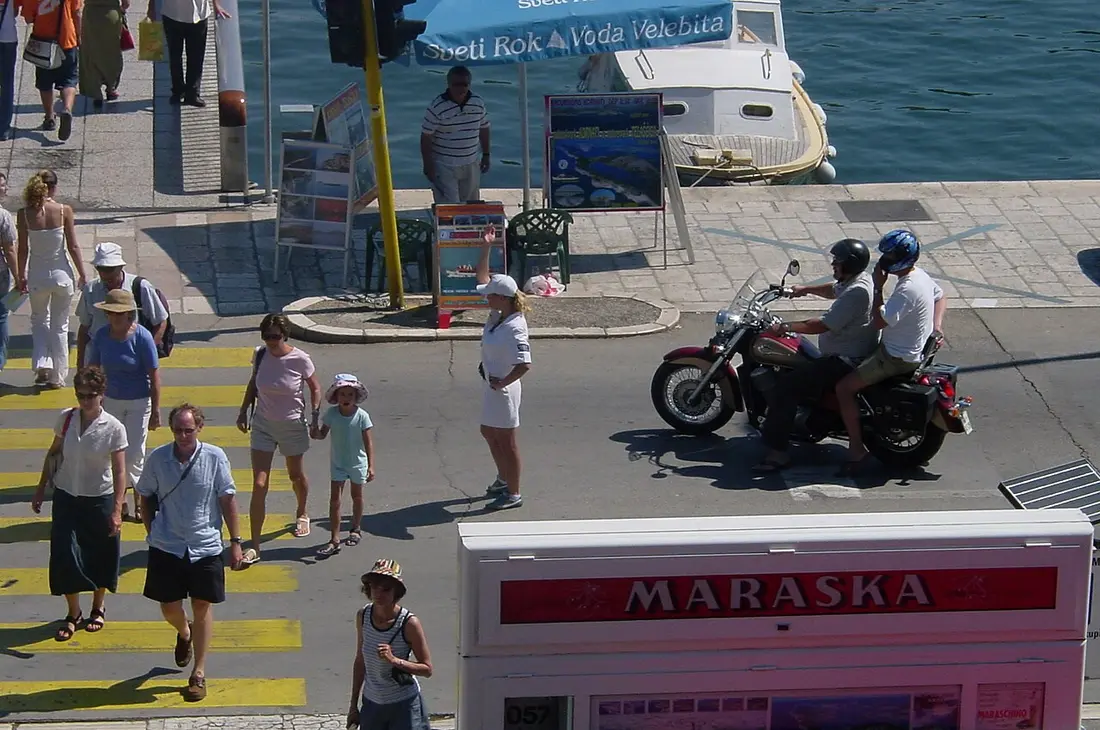
The scams that actually cost tourists money
This is the part worth reading twice, because it’s where the real money leaks. The scams here aren’t violent - they’re overcharging, and they lean on you not knowing the going rate.
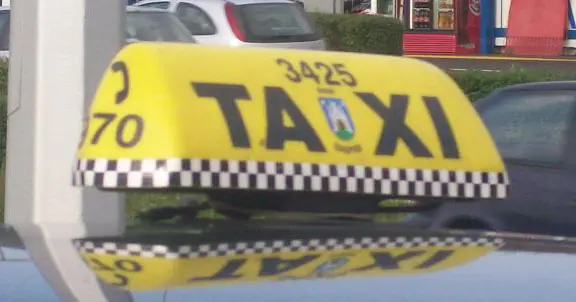
Taxis are the big one. Croatian law lets a taxi charge whatever it likes as long as a price list is posted somewhere in the car, and a handful of drivers around ports, airports and the Dubrovnik and Split old towns use that to sting tourists. There have been cases of people charged over €150 for a couple of kilometres, and one notorious Zagreb ride billed at €1,506 for a ride of about a kilometre and a half. The fix is simple and near-total: use Bolt or Uber, both of which work in Zagreb, Split and Dubrovnik and quote a fixed fare before you get in - our Uber and taxis in Croatia guide breaks down exactly where the apps run, city by city. If you must flag a street taxi, agree the price or confirm the meter is running before you close the door. Flying into Dubrovnik specifically, our Dubrovnik Airport transfer guide has the shuttle, taxi and transfer fares so you know what to expect before you land. (Croatia has been moving toward capping fares after the headlines, but don’t count on it yet.)
Restaurant bills are the second. The classic is fresh fish and seafood priced per kilogram, not per plate - the menu shows a low-looking number, the waiter weighs your sea bass, and the bill is triple what you expected. Always ask the price per kilo and roughly what your fish weighs before you say yes. The other move is “complimentary” bread, olives or a couvert that quietly appears on the bill, and the odd unordered extra. Scan the itemised bill before you pay; a polite question usually makes a mistaken line vanish.
The nastiest overcharge is the “gentlemen’s club” trap, which the UK Foreign Office warns about by name: tourists lured into certain strip clubs have been hit with bills of thousands of euros and threatened when they refused to pay. The advice is blunt - avoid them. And two money traps that live at the ATM and card machine rather than the restaurant table: skip the standalone Euronet cash machines, and always choose to be charged in euros, never your home currency. Both are covered in the Croatia money, cards and cash guide, and they cost more people more money than any pickpocket.
Pickpockets and petty theft
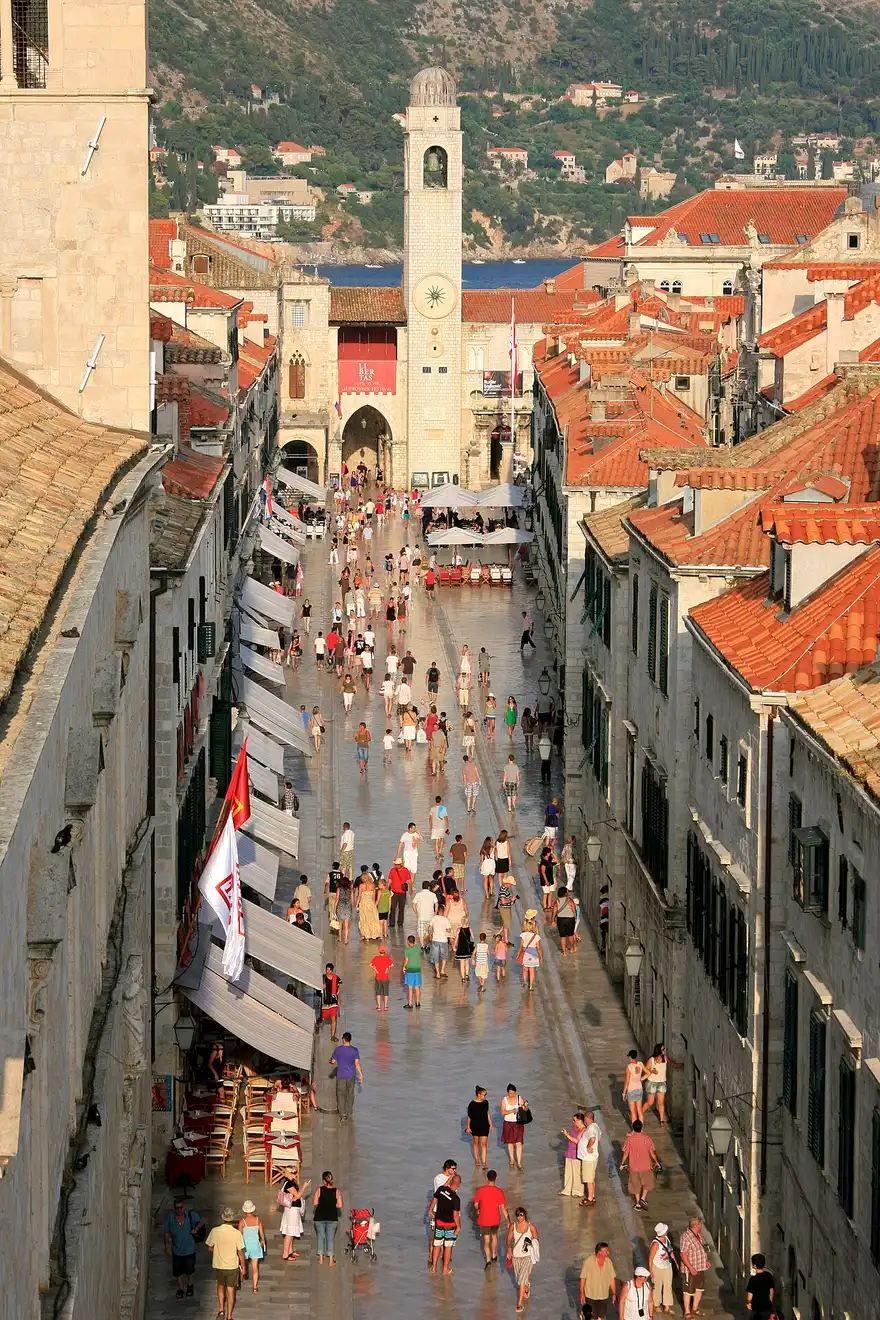
Petty theft is the one genuine crime risk, and it’s seasonal and crowd-driven. Zagreb police reported pickpocketing in tourist areas up sharply in early 2026, and the summer coast is the obvious hunting ground: packed old-town lanes, ferry queues, bus stations, beach bars, and the crush on the Stradun or around Diocletian’s Palace when the cruise crowds land.
None of this needs a money belt. Keep your phone and wallet in a front pocket or a zipped cross-body bag, don’t drape a bag over a café chair-back facing the street, and use the hotel or apartment safe for your passport and spare cash. If you rent a car, the rule that matters is: leave nothing visible inside it, ever, especially at trailhead and beach car parks, where smash-and-grab from tourist rentals is the most common theft of all. Do those three things and the odds of losing anything drop close to zero.
Nights out, drinks and getting home
Croatia’s nightlife - Hvar’s beach clubs, Split’s bars, Zrće on Pag, Dubrovnik after dark - is a big part of the trip and generally trouble-free, but two specific things are worth knowing. Dubrovnik police flagged a rise in drink-spiking over recent summers, so treat your drink the way you would anywhere busy: watch it being made, don’t leave it unattended, and don’t accept an open drink from a stranger. And there have been reports of assaults in taxis at night, which is the other reason to book through an app rather than flag an unmarked car - the ride is logged, tracked, and tied to a named driver. Share your live trip with a friend if you’re heading home alone.
The landmine question, answered honestly
You may have read that parts of Croatia are still mined. Here’s the current, sourced picture: in March 2026 Croatia declared itself clear of its last mine-suspected areas, closing a demining programme that ran for nearly three decades and removed more than 100,000 mines and some 400,000 pieces of unexploded ordnance from roughly 1,835 square kilometres of land (European Commission / Croatian Mine Action Centre). The 1990s war left that legacy in specific inland former front-line zones - parts of eastern Slavonia, the Karlovac and Brod-Posavina areas, the hinterland behind Zadar, and a few remote fringes near Plitvice - and never on the coast, the islands, or in the cities where tourists actually go.
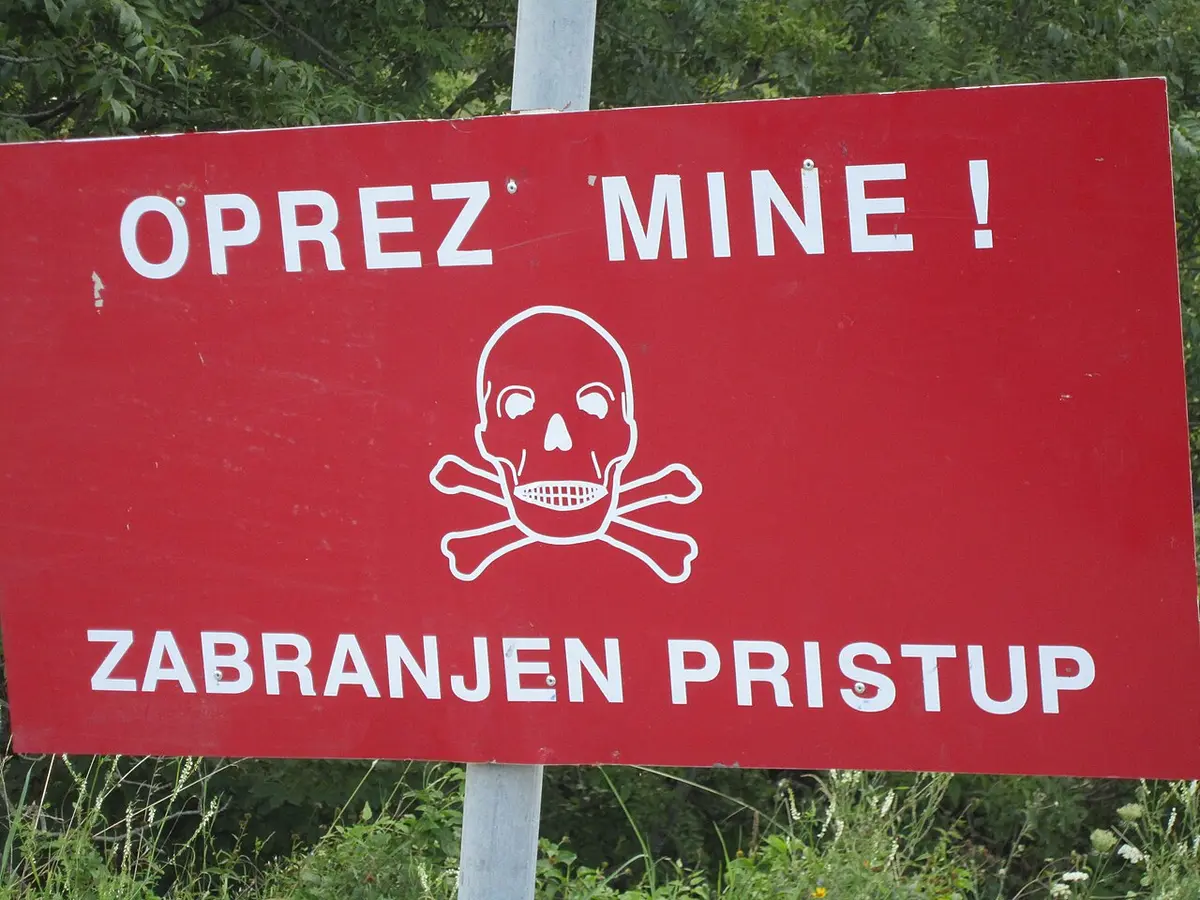
What this means for you: on any normal itinerary you will not encounter a mine sign at all. Monitoring of former risk areas continues, and older advice lingers - the US State Department still tells drivers in former conflict zones to stick to paved roads. So keep the one common-sense rule for deep-rural inland hiking or off-road exploring: stay on marked paths and paved roads, and never step past a red warning sign into uncultivated land. Beyond that, this is history now, not a live travel hazard.
The sea, the sun and the real dangers
If anything is going to ruin a day in Croatia, it’s more likely the beach than a criminal. Croatian beaches are mostly pebble or rock, not sand, and the rocky entries hide sea urchins whose spines snap off in the sole of your foot and hurt for days. Bring or buy water shoes (neoprene or rubber) - locals treat them as basic kit, not a tourist gimmick, and they change the whole experience of getting into the water. Jellyfish, usually the mauve stinger, drift in occasionally, mostly early season; the sting is painful but rarely serious, so just get out and rinse it if you spot a bloom.
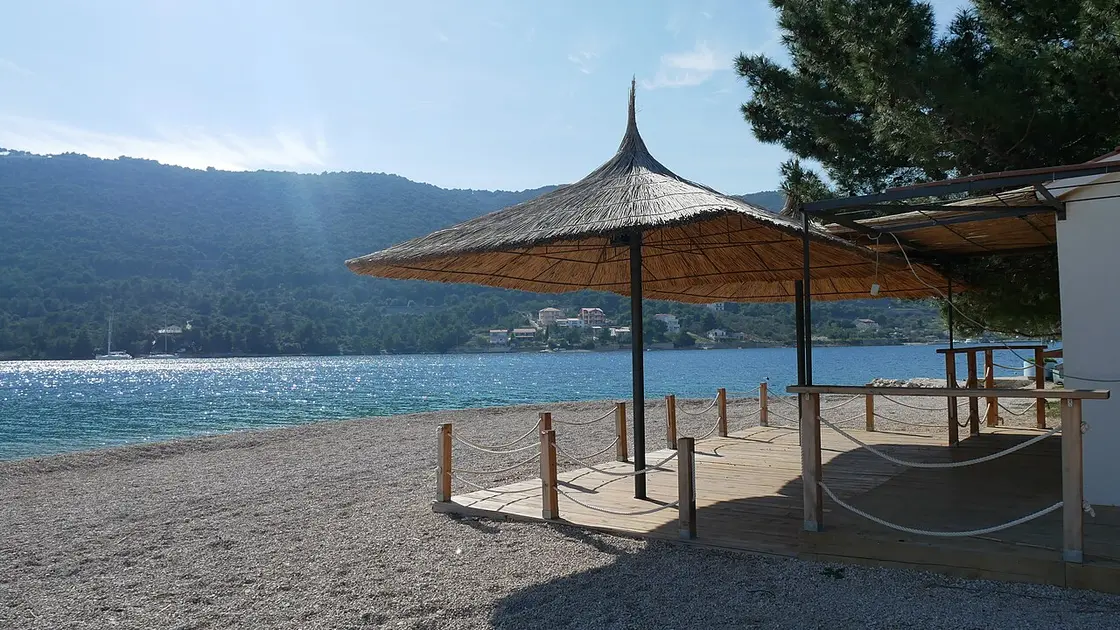
The bigger risks are the sun and the heat. Adriatic summers are fierce, heatwaves are now routine in July and August, and the dry season brings real wildfire danger along the coast - outdoor fires and barbecues are banned from 1 June to 31 October outside designated spots, with steep fines for breaking it. Drink more water than you think you need, hide from the midday sun, and if you are travelling in high summer it is worth reading up on the best time to visit Croatia to know what the heat will be like. In the water, respect the bura and jugo winds if you are on a boat or a paddleboard - they can turn a calm afternoon choppy fast.
Emergencies, health and insurance
The number to know is 112 - the EU-wide emergency line, staffed by English-speaking operators, working from any phone including a locked one with no SIM. That last part matters if your phone dies or you have no signal, which is one more reason a working Croatian eSIM or SIM is worth sorting before you land. Pharmacies (ljekarna) are widespread and good for minor issues; state hospitals are solid in the cities but ambulance cover thins out on islands and in the countryside.
On cover: EU visitors should carry the EHIC/GHIC card for public healthcare, but it doesn’t cover everything - private treatment, a repatriation, or a cancelled trip after a scooter spill are on you. For everyone else, and honestly for EU travellers too, straightforward travel insurance is the box to tick; our Croatia travel insurance guide walks through what actually matters. A rented scooter on a Hvar hill is a far likelier claim than any crime.
Local rules and fines worth knowing
A few coastal towns now fine you for things that feel harmless. Split and Dubrovnik hand out on-the-spot fines - reported up to around €500, and public-order penalties can climb higher - for walking through the historic centre in swimwear or shirtless, drinking alcohol in public, and littering, all part of protecting the UNESCO old towns. Just cover up when you leave the beach and keep the drinking to bars and terraces. Behind the wheel, the blood-alcohol limit is 0.05%, with zero tolerance for drivers under 24, and Croatian police do breathalyse; the safe move on a night out isn’t to drive at all - which loops back to booking that Bolt.
Quick safety checklist
- Book taxis on Bolt or Uber; never accept a “broken meter” flat fare from a street cab.
- Ask the per-kilo price of fish and check the itemised bill before you pay.
- Phone and wallet in a front pocket or zipped bag in summer crowds; leave nothing visible in a parked rental car.
- Watch your drink on nights out; share your live ride home if you are alone.
- Water shoes for the beach, and treat the midday sun and wildfire season with respect.
- Cover up off the beach in Split and Dubrovnik old towns to dodge the swimwear fines.
- Save 112, keep your phone connected, and carry travel insurance.
Get those right and Croatia is exactly what the numbers say it is: a calm, easy, safe place to travel, where the only thing likely to catch you out is a bill. For border paperwork in 2026 - EES, ETIAS status and visas - see Croatia entry requirements. For the rest of the logistics - moving between towns, ferries and driving - see getting around Croatia.
Advisory levels, fines, fares and demining status change over time. This guide was checked on 13 July 2026 against the US State Department and UK Foreign Office advisories and the European Commission mine-free declaration; confirm the current official advice for your nationality before you travel.
Read also

Before you go · 10 min read
Where to Stay in Korčula: Old Town to Vela Luka
Verified · September 5, 2026Korčula Town for walls and boats, Lumbarda for sand, Vela Luka for the Split car ferry. Match the base to how you arrive - then book.

Before you go · 10 min read
Sailing in Croatia: Yacht Charter Costs & Routes
Updated · September 5, 2026Croatia yacht charter 2026: bareboat weekly ranges, skipper and deposit separate, APA on crewed boats, season guides, island routes.

Before you go · 10 min read
Where to Stay in Makarska: Riviera Bases Compared
Updated · August 30, 2026Brela, Baška Voda, Makarska, Tučepi or the quieter south - which Riviera base fits beach weeks, families, nightlife and Brač ferry mornings.

Before you go · 8 min read
Hvar or Korčula: Which Island Fits Your Trip?
Verified · August 28, 2026Hvar or Korčula in 2026? Split catamarans (~€25 like-for-like), vibe, beaches and who each Dalmatian island suits - plus the hop between them.