
Best eSIM & SIM Card for Croatia: Data Plans Compared
How to get data in Croatia: eSIM vs local SIM vs EU roaming, the three networks, real plan prices, and which option fits your trip.
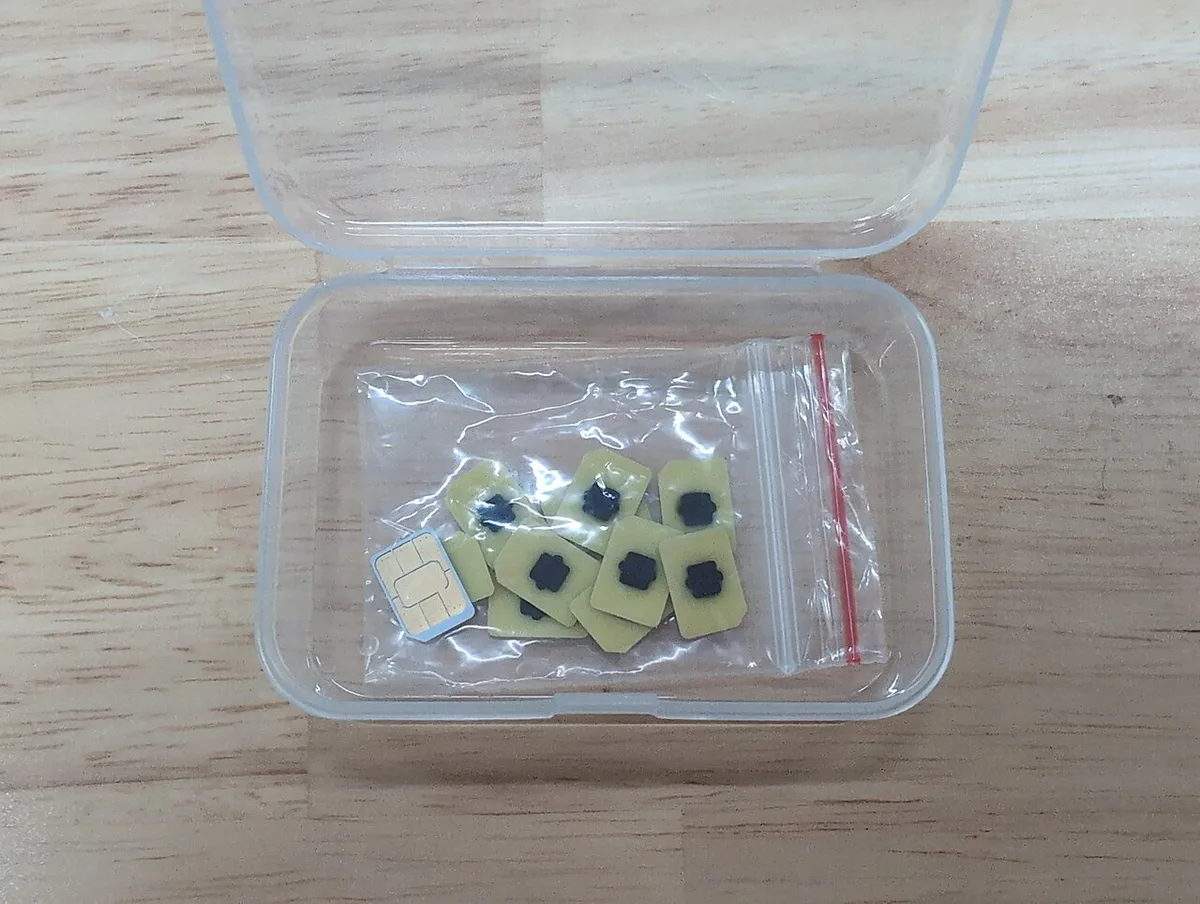
The quickest way to get online in Croatia depends on where you live. If you have an EU or EEA mobile plan, do nothing - “Roam Like At Home” means your home data already works in Croatia at no extra cost. If you’re coming from the US, UK or anywhere outside the EU, buy a travel eSIM before you fly: it installs in minutes, needs no shop and no passport, and costs a few euros for a short trip. A local Croatian SIM is only worth the hassle for long stays or heavy data - and it usually won’t roam in the rest of the EU.
One thing worth setting straight before you land: the airport SIM kiosk is almost always the wrong move. If you’re on an EU plan you’re already covered, and if you’re not, a travel eSIM bought before you fly beats a local SIM on price and hassle for any normal holiday - a local number only pays off if you’re staying weeks or burning through data.
The three networks in Croatia
Croatia has three mobile networks, and every eSIM or SIM you buy runs on one or more of them:
- Hrvatski Telekom (HT) - owned by Deutsche Telekom, formerly T-Mobile. The market leader with the widest coverage, and the one to favour if you’re heading to the islands or remote coast.
- A1 Croatia - owned by Telekom Austria, formerly Vip. Strong national coverage, a close second.
- Telemach - formerly Tele2. Good in towns and along the main corridors, generally the value option.
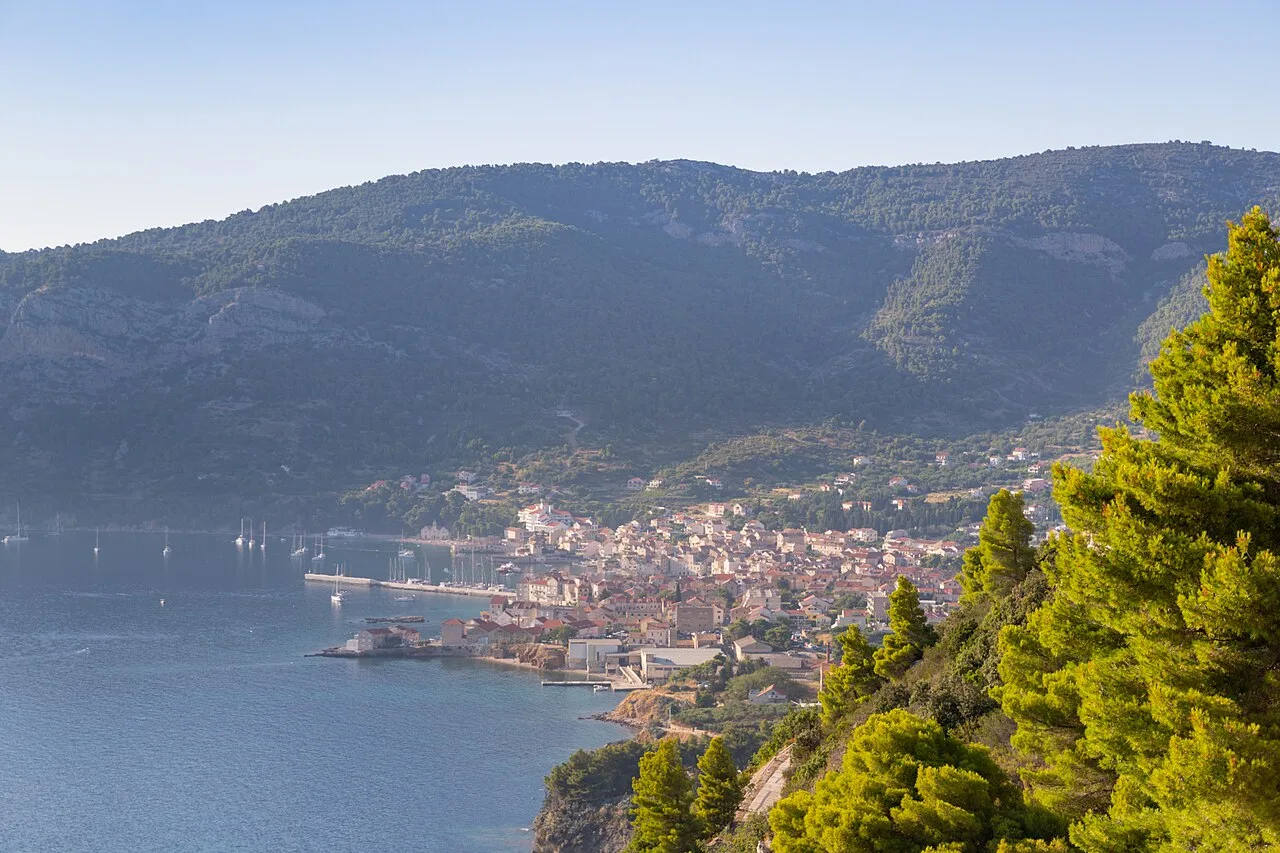
For a city break in Split or Dubrovnik or a drive down the coast, any of the three is fine on 4G, with 5G in the bigger cities. The difference shows up in the far corners - a quiet cove on Vis, a hill village in the interior - where HT tends to hold a signal longest. If constant coverage on the islands matters to you, that’s the one detail worth optimising for.
EU roaming: most Europeans need nothing
If your phone plan is from any EU or EEA country, you are already covered. Since Croatia joined the EU it falls under Roam Like At Home, so your domestic minutes, texts and data work here at your normal home price - no add-on, no new SIM. Croatia has been in the EU, the euro and Schengen since 2023, and RLAH covers all 27 EU states plus a few more.
The one thing to check is your data fair-use cap for roaming. Some cheaper home plans limit how much data you can use abroad before they throttle or charge you; look up your roaming data allowance before you travel, and only consider buying something extra if that cap is small and you plan to use a lot of data. For most EU visitors, the honest answer is: skip this whole decision and just use your phone.
Post-Brexit UK travellers are the exception to watch: some UK networks reintroduced roaming fees in Europe after Brexit while others kept it free, so check your specific plan. If yours charges for EU roaming, treat yourself like a non-EU visitor below.
Travel eSIM: the easy default from outside the EU
For visitors from the US, UK, Australia and beyond, a travel eSIM is the simplest fix. You buy it online, it installs by scanning a QR code, and it’s working the moment you land - no queue at an airport kiosk, no passport registration, and your normal number stays reachable for calls and texts on your primary line.
We use Yesim, and the reason is coverage rather than price: its Croatia network list includes Hrvatski Telekom, the operator that holds a bar of signal longest out on the islands. Yesim still writes the networks under their old names - T-Mobile, Tele2 and VIPnet, which are today’s HT, Telemach and A1 - and its own Croatia write-up names A1 and Hrvatski Telekom as the partner networks, so count on those two and treat the third as a bonus. Checked on 1 August 2026, its Croatia plans ran at about $12.60 for 3 days unlimited, $29.40 for 7 days and $46.80 for 15 days; if you would rather buy gigabytes than days, 10 GB over 30 days was $19.20 and 20 GB was $26.40. Prices are in USD and shift with promotions, so check the figure at the payment screen.
Do that arithmetic before you tap buy, because most people get it backwards: a week of unlimited costs more than a month of 10 GB - $29.40 against $19.20. Maps, ferry timetables, messaging and a normal amount of scrolling won’t come near 10 GB in two weeks. Unlimited earns its keep only if you tether a laptop or watch video on the road.
Airalo is the other name that fills every search result, and it is a solid product - the trade-off is specific. Its Croatia eSIM lists Telemach, the thinnest of the three networks once you leave the main corridors, and its short unlimited plans carried the lower headline price when we last priced them in July 2026: roughly $9.50 for 3 days and $29.50 for 10 days. If your route is Zagreb, Split, Dubrovnik and the motorway between them, that gap is real money and Telemach will do the job. It is the quiet coves and the interior where the network you’re riding on starts to matter.
If your trip takes in more than one country - say Croatia plus Slovenia or Italy - do not buy a Croatia-only plan; get a regional Europe or EU and UK eSIM instead, which covers dozens of countries on one install and works out cheaper than a SIM per border. Both providers sell them.
Two practical requirements: your phone must be eSIM-capable (most iPhones from the XS in 2018 onwards, and recent Google Pixel and Samsung Galaxy models) and carrier-unlocked. If you are not sure, check your phone’s settings for an “Add eSIM” option before you rely on one.
How to set up an eSIM
The process takes about five minutes, and it is worth doing before you leave home, while you still have wi-fi - the eSIM installs over the internet, and doing it in advance means you land already connected. The steps are the same across providers:
- Buy the plan in the app or website and pick your data amount and duration. You’ll get a QR code by email or in the app.
- Install the eSIM. On the phone, open Settings, choose to add an eSIM or mobile plan, and scan the QR code. This downloads the profile - do it on wi-fi, not later at the airport.
- Switch it on when you arrive. Set the travel eSIM as your data line and turn on data roaming for that eSIM only (this is what activates it abroad; your home line stays on for calls and texts). Leaving your primary line as the default for calls avoids surprise charges.
One tip: some plans start counting the moment you install, others only when the eSIM first connects to a Croatian network. Check which yours is, and if it activates on install, buy it a day or two before you fly rather than a week ahead.
Local SIM card: for long stays and heavy data
If you’re staying for weeks, want the lowest price per gigabyte, or have an older phone without eSIM support, a physical Croatian SIM makes sense. You buy one at an operator’s shop, a kiosk or the airport, show your passport (registration is required), and pop it in. Rough tourist-plan prices at the time of writing:
- A1 - around 10 EUR for unlimited data plus some minutes and texts, valid 10 days.
- Hrvatski Telekom - about 11.49 EUR for a 10-day unlimited tourist SIM, or roughly 20 EUR for 120 GB valid 90 days - good value for a long stay.
- Telemach (SIM2GO) - around 6.50 EUR for 10 GB plus generous minutes and texts over 30 days, the cheapest starter.
Confirm the exact plan in the shop, as operators change them often. And note the big catch: local Croatian tourist SIMs generally don’t roam in the rest of the EU - several, including A1’s tourist plan, only work inside Croatia. If your trip is Croatia-only and data-hungry, a local SIM is great; if you are crossing borders, an eSIM regional plan is the better tool.
”Unlimited” and the fine print
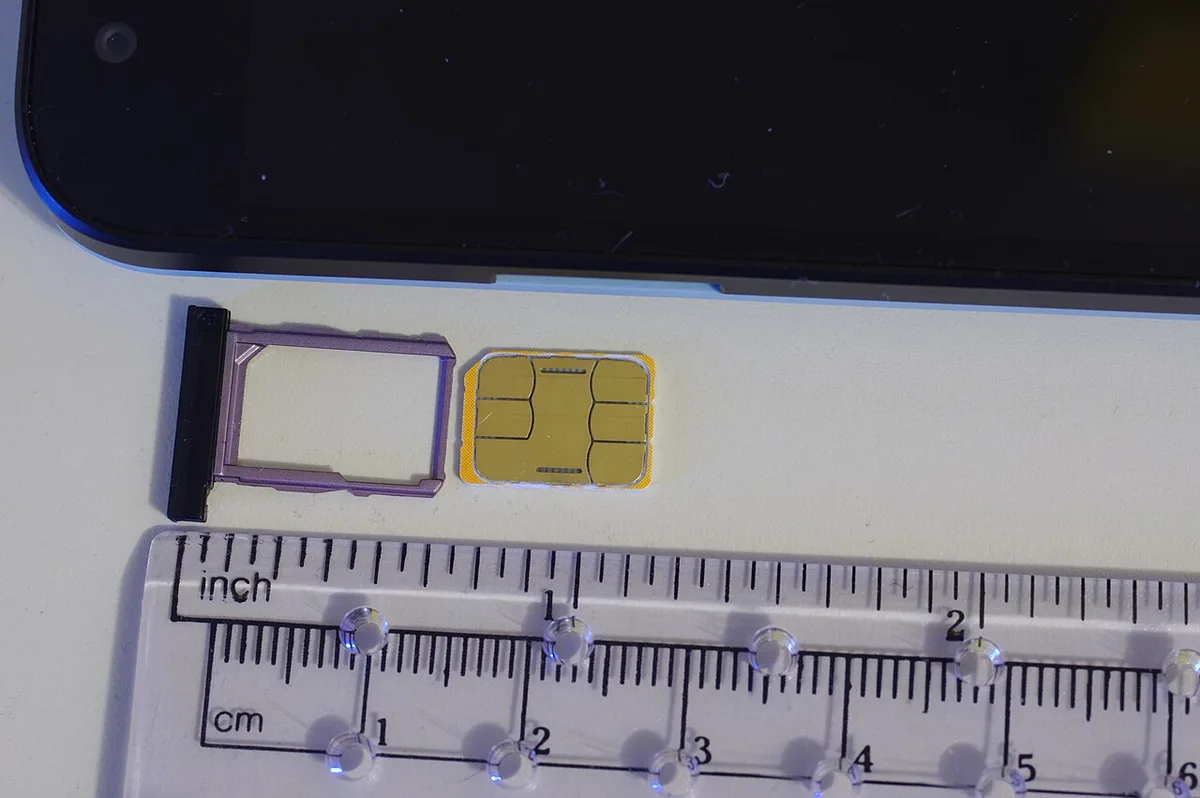
Watch two words on any plan. “Unlimited” data on both eSIMs and local SIMs is usually subject to a fair-usage policy: after a lot of heavy use the speed can be throttled, so if you tether a laptop all day, a generous capped plan (say 20 GB at full speed) can beat a nominally “unlimited” one. And validity is by calendar days from activation, not by data used - a 7-day plan expires on day seven whether or not the data is gone, so match the duration to your trip length.
Which should you pick?
- You have an EU/EEA plan: use it as-is (Roam Like At Home). Only buy extra if your roaming data cap is tiny.
- US or non-EU visitor, Croatia only: a Croatia eSIM - instant, no shop, no passport. Our pick is Yesim, because HT and A1 sit in its network list; take the 10 GB plan unless you tether.
- Touring several countries: a regional Europe / EU+UK eSIM, not a local SIM.
- Long stay, heaviest data, or an older phone: a local SIM - HT for coverage and the islands, Telemach for the lowest price - accepting it’s Croatia-only.
Sort your connection out before you go and you will land with maps, ferry times and bookings already working. From there, plan the rest: see getting around Croatia for transport, the best time to visit Croatia for timing, and is Croatia expensive? for the wider budget. If you are staying long term rather than visiting, the digital nomad visa guide covers the paperwork side.
Operator plans, eSIM prices and roaming rules change often - confirm the current details with the providers and the official sources above before you buy.
Photos
Read also

Before you go · 10 min read
Where to Stay in Korčula: Old Town to Vela Luka
Verified · September 5, 2026Korčula Town for walls and boats, Lumbarda for sand, Vela Luka for the Split car ferry. Match the base to how you arrive - then book.

Before you go · 10 min read
Sailing in Croatia: Yacht Charter Costs & Routes
Updated · September 5, 2026Croatia yacht charter 2026: bareboat weekly ranges, skipper and deposit separate, APA on crewed boats, season guides, island routes.

Before you go · 10 min read
Where to Stay in Makarska: Riviera Bases Compared
Updated · August 30, 2026Brela, Baška Voda, Makarska, Tučepi or the quieter south - which Riviera base fits beach weeks, families, nightlife and Brač ferry mornings.

Before you go · 8 min read
Hvar or Korčula: Which Island Fits Your Trip?
Verified · August 28, 2026Hvar or Korčula in 2026? Split catamarans (~€25 like-for-like), vibe, beaches and who each Dalmatian island suits - plus the hop between them.