
Getting Around Croatia: Buses, Ferries, Trains & Driving
How to get around Croatia: buses are the backbone, ferries link the islands, trains are limited and a car suits Istria and the parks. What to use when.
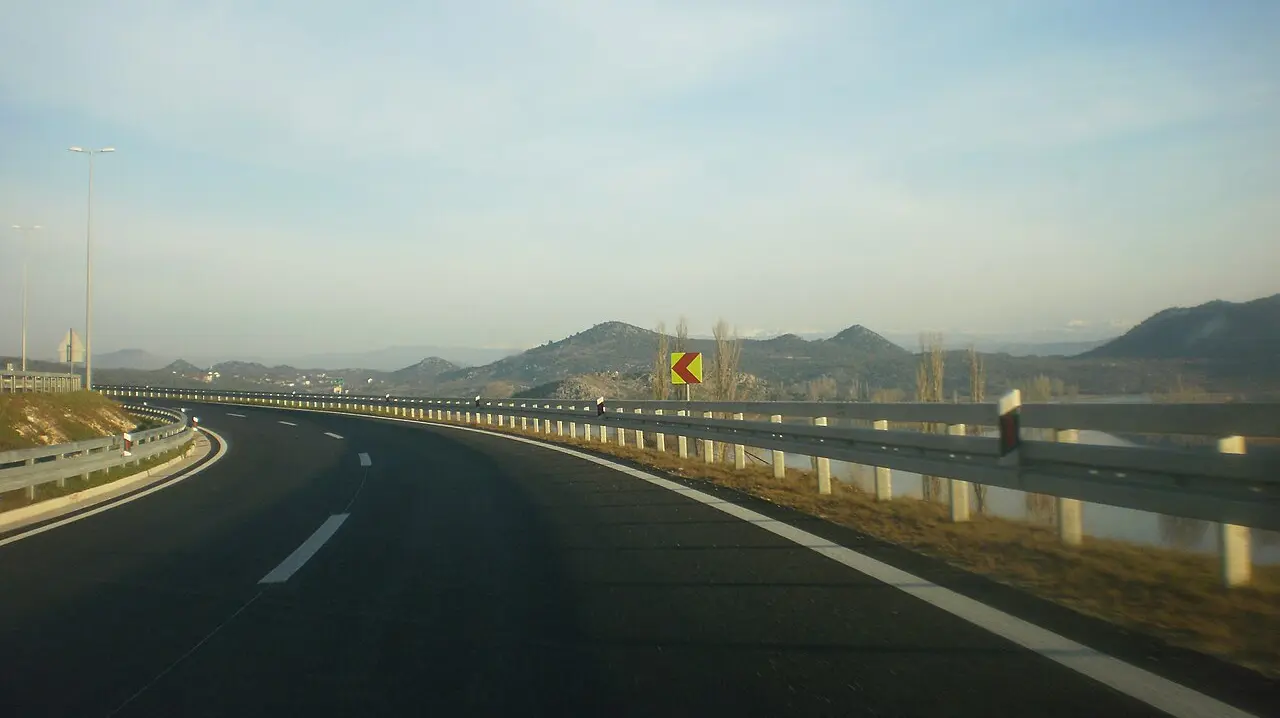
Getting around Croatia comes down to one rule of thumb: buses are the backbone, ferries do the islands, trains are limited and don’t reach the south, and a car earns its keep for Istria, the inland national parks and slow coastal road trips. There’s no high-speed rail, no train at all to Dubrovnik, and only a slow line to Split, so the intercity coach network does the heavy lifting along the coast, while Jadrolinija and the catamaran lines connect the islands. Pick your transport by where you’re going rather than out of habit - the right mix is usually buses plus the odd ferry, with a hire car added only for the bits that need one. The notes below are practical orientation; prices and timetables shift with the season, so confirm current details before you commit.
Heads-up. Fares, schedules and tolls change with the season and the operator. Anything about cost or timing here is rough planning orientation, not a quote - check the operator’s own site for live prices and times.
Buses: the backbone of Croatian travel
For getting between towns and cities, the intercity coach is the default in Croatia, and it’s good: comfortable, air-conditioned, frequent on the main routes, and far more extensive than the railway. Operators such as Arriva, FlixBus and a host of regional companies cover the country, with tickets sold at stations and through aggregators like Getbybus; busy corridors (Zagreb-Split, Split-Dubrovnik, the coast in general) run many times a day.
A few practicalities. Buses leave from each town’s bus station (autobusni kolodvor), usually central and often next to the ferry port. You normally buy a specific seat on a specific departure, so in July and August book the popular routes online a day or more ahead. One Croatian quirk: you’re often charged a small fee for stowing a large bag in the hold, paid separately to the driver - keep a little cash for it. For the busiest single route, see Split to Dubrovnik: bus, ferry, car or transfer.
Ferries and catamarans: doing the islands
The islands are reached by boat, and the network is its own little world. Slow car ferries carry vehicles and foot passengers; fast catamarans are foot-only but quicker and land you in the town centre. The national operator Jadrolinija runs most of it, alongside private catamaran lines like Kapetan Luka (Krilo). Sailings are seasonal - frequent in summer, sparse in winter - so the timetable is the single biggest constraint on any island plan.
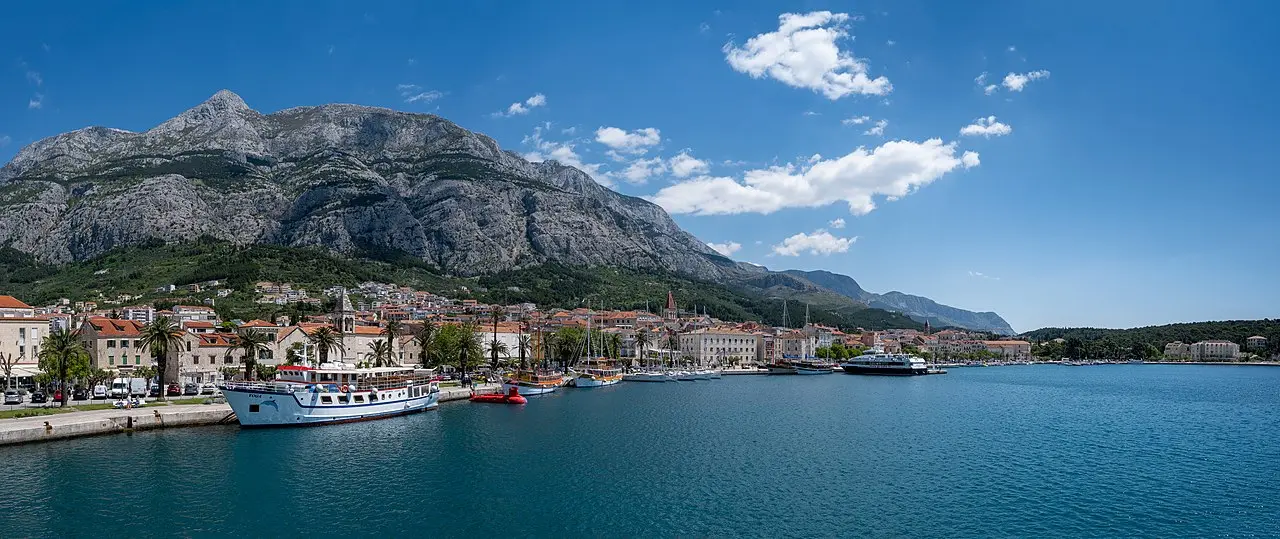
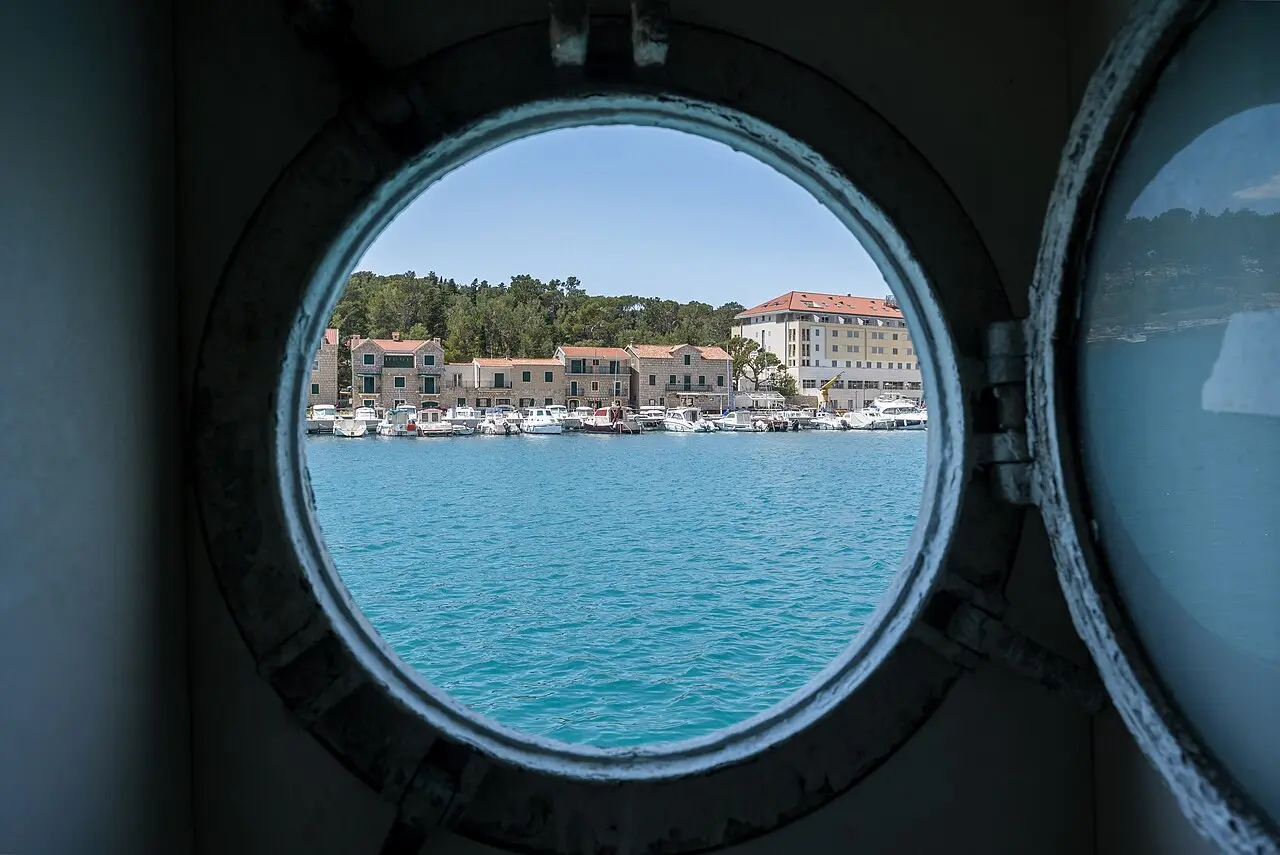
The decision that shapes every island trip is whether you’re bringing a car. Without one, take the catamaran - faster, and it drops you in the heart of town. With a vehicle you must use a car ferry, and in peak season you should reserve your car place and arrive early at the port. A common, cheaper pattern is to explore the mainland by car, leave it at the port, and cross to the islands on foot. The full picture - operators, hubs and sample routes - is in our Croatia island hopping guide.
Trains: useful in the north, absent in the south
Croatia’s railway, run by HŽ (Croatian Railways), is the part travellers most often get wrong. It’s useful around the north and the interior - Zagreb has decent connections, and there are lines toward Rijeka, Osijek and the Slovenian and Hungarian borders - but it’s slow, limited and, crucially, doesn’t reach the Dalmatian coast south of Split. There’s no train to Dubrovnik at all, and the line to Split, while it exists (including seasonal overnight services from Zagreb), is generally slower than the bus.
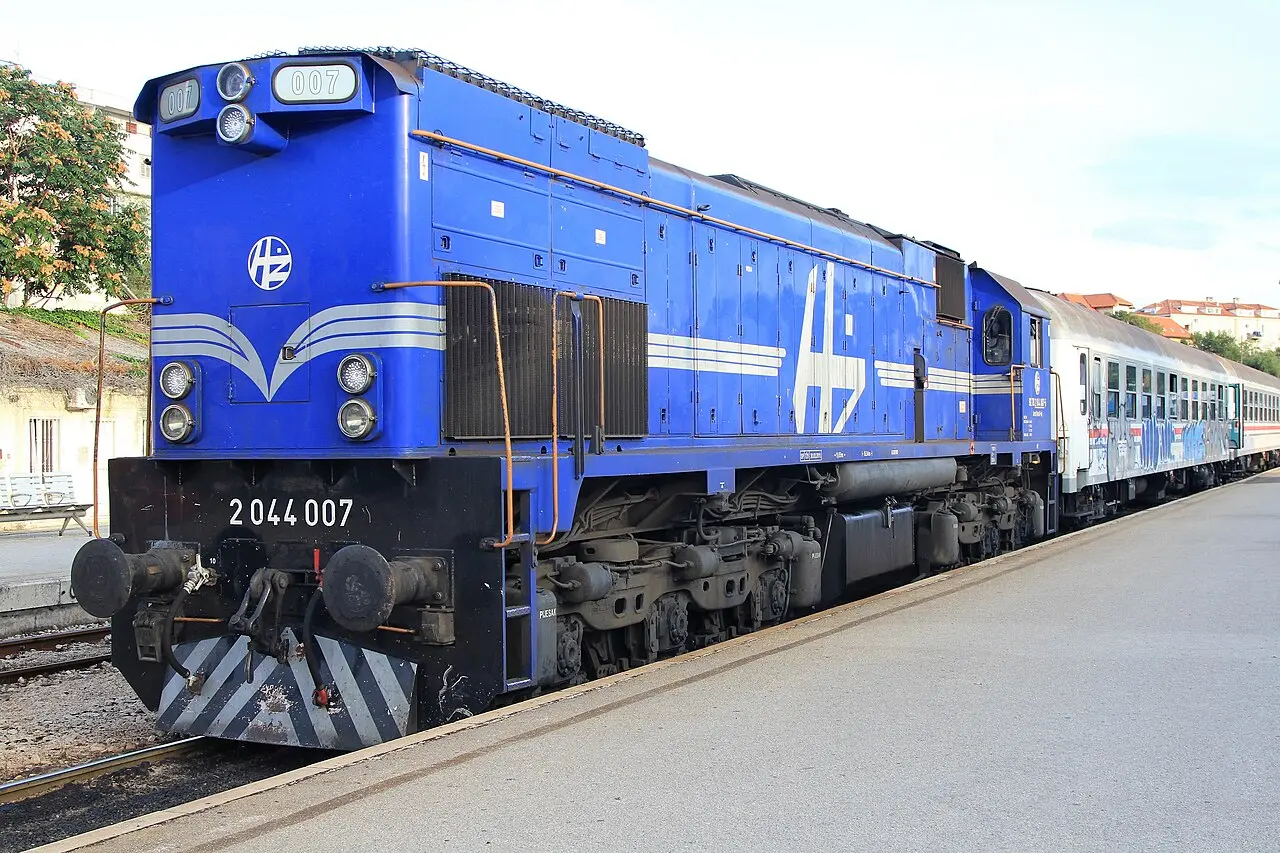
The upshot for most coastal trips: don’t plan around trains. Use the train only where it genuinely fits - the Zagreb-Rijeka corridor, a regional hop in the interior, or a scenic Zagreb-Split run if the timing suits and you don’t mind it being slower. Everywhere else, the bus is faster and more frequent.
Driving: best for Istria, the parks and road trips
A car isn’t necessary for a coast-and-islands trip, but it transforms certain itineraries: Istria’s hill towns, the inland national parks (Plitvice, Krka), and a slow Adriatic road trip are all far easier with your own wheels than tied to timetables. Croatia’s motorways (the A1, A2 and so on) are modern and tolled by distance - you take a ticket on entry and pay on exit, or use the ENC tag - while the scenic coastal Magistrala (D8) is toll-free but slower and winding. For the classic version - Zagreb down to Dubrovnik over ten days - see our Croatia road trip itinerary.
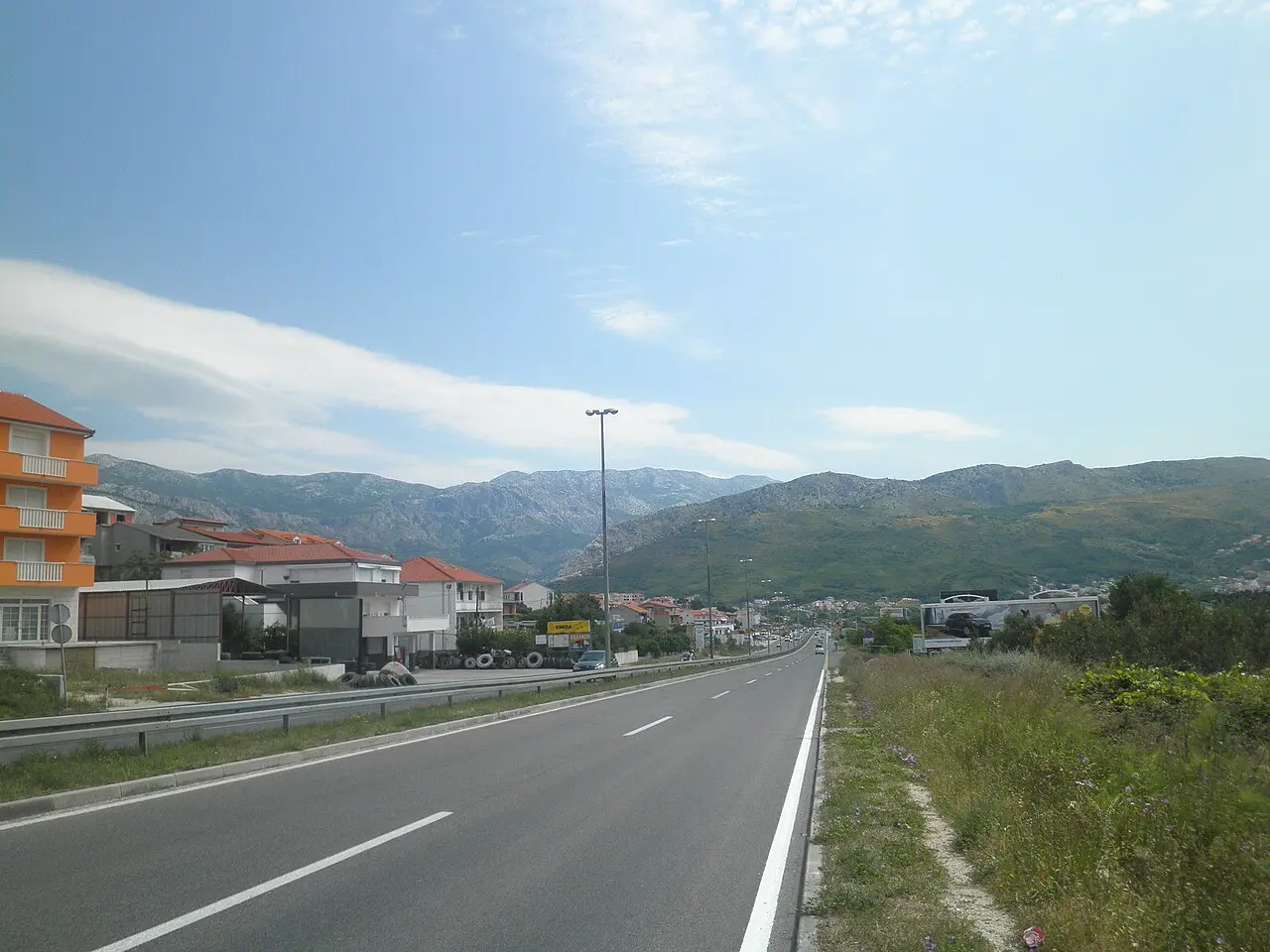
Two things to keep in mind. First, a car is a liability inside the old towns - Split’s Diocletian’s Palace and Dubrovnik’s walled core are pedestrian-only, with scarce, pricey parking, so you park outside and walk in. Second, since the Pelješac Bridge opened in July 2022, you can drive Split to Dubrovnik without crossing into Bosnia at Neum. For costs, insurance, tolls and the one-way-rental question, see renting a car in Croatia; for arriving in your own car from DE/AT/IT, see driving to Croatia.
Flights, taxis and transfers
Croatia has airports at Zagreb, Split, Dubrovnik, Zadar, Pula and Rijeka (Krk), and domestic flights (mainly via Croatia Airlines) connect Zagreb with the coast - worth it only to cross the country fast, say Zagreb to Dubrovnik, where the land journey is long. For shorter hops, taxis and ride-hailing apps operate in the cities, and private transfers booked ahead are handy for airport runs, late arrivals or groups with luggage. Getting from the airport into town is its own small puzzle in each city; our Split airport transfers guide walks through the options there.
Tickets, paying and a few practicalities
A handful of habits make Croatian transport painless. Buy ahead in summer: bus seats, fast catamarans and car-ferry vehicle spaces all sell out on popular routes in July and August, so book online a day or more in advance rather than turning up and hoping. Carry some cash alongside a contactless card - drivers take bus fares directly, the bus-luggage fee is cash to the driver, and small island kiosks aren’t always card-friendly. Mobile data makes all of this easier, since you’ll be checking live times and booking on the move - see our Croatia eSIM and SIM card guide for getting online. For buses, the aggregator sites (and operators’ own apps) let you compare departures and book; for ferries, go to the operators’ sites, which are the only authoritative source for seasonal times and fares.
A note on money and entry that affects everyone: Croatia uses the euro (€) and is in the Schengen Area, so for most visitors there are no internal border formalities and one currency throughout - a genuine simplification compared with a few years ago. Build a little slack into any plan that hinges on a single connection, especially a catamaran (strong wind, the bura or jugo, can cancel sailings) or a tight bus-to-ferry transfer. And remember the through-line of all of this: match the mode to the leg - a bus down the coast, a boat to the island, a car only where it adds something.
Putting it together: what to use when
- Town to town along the coast: the bus - frequent, comfortable, the default.
- To the islands: a ferry or catamaran - catamaran if you’re on foot, car ferry if you’re driving.
- In the north or interior: the train can work (Zagreb-Rijeka, regional lines); elsewhere, skip it.
- Istria, the national parks, a slow road trip: a hire car.
- Crossing the country fast: a domestic flight (e.g. Zagreb-Dubrovnik).
- Airports, late nights, groups: a taxi or private transfer, or the Bolt/Uber apps where they cover the city.
For specific journeys, see our guides to Zagreb to Split (bus beats the train here by about three hours), Zadar to Split, Croatia island hopping, renting a car in Croatia and the Dalmatia coast route from Split to Dubrovnik. Landing at Dubrovnik specifically, see Dubrovnik Airport to the Old Town; for how the ride-hailing apps and street taxis actually compare nationwide, see Uber and taxis in Croatia. To time it all, read the best time to visit Croatia, fit it into a plan with our 7-10 day Croatia itinerary guide, and for budgeting, how much a Croatia trip costs or, against the rest of the region, our Balkans trip cost comparison. To do a whole trip on public transport alone, the Croatia without a car itinerary strings buses and ferries into a 10-day route. The transport hub collects every getting-around guide in one place.
Opening hours, prices, timetables and seasonal services change through the year - the figures here are planning estimates, not quotes. Confirm current details with the operators and official sources before you go.
Photos
Read also

Transport · 12 min read
London to Split 2026: 2h35 Nonstop, from £109 Return
Verified · September 3, 2026Nonstop London-Split takes about 2 hours 35 minutes. Croatia Airlines lists Gatwick from £109 and Heathrow from £159 return - check live fares.

Transport · 9 min read
Zadar Airport to the City: Buses & Transfers
Updated · August 27, 2026Zadar Airport (ZAD) to the old town in 2026: Liburnija shuttle, taxi, private transfer and app rides - the €5 bus, 20-minute trip and where each stops.

Transport · 11 min read
How to Get to Korčula: Ferries from Split & Dubrovnik
Updated · September 5, 2026How to reach Korčula in 2026: catamarans from Split and Dubrovnik, the Orebić car ferry, Vela Luka routes, times, fares and which option to pick.

Transport · 13 min read
Zagreb to Dubrovnik: Fly, Drive or Take the Bus?
Updated · September 19, 2026Zagreb to Dubrovnik: fly (55 min, ~3.5 h door to door), bus 8 h 30 min - 14 h, drive 7 h plus €33.70 tolls, or a private transfer. Which one fits.