
How Many Days in Croatia? 7-10 Day Itinerary Guide
How many days you need in Croatia and which route to pick - by trip length, from a long weekend to two weeks, with the geography that shapes it.
For most people, one week is the honest minimum for Croatia and 10 days is the sweet spot. A long weekend of 3-4 days works if you pick a single base and stay put; a full week lets you do one region properly - the Dalmatian coast, the islands, or Istria; 8-10 days lets you combine two; and only 12-14 days genuinely “covers” the country from Istria in the north to Dubrovnik in the south. The trap is trying to do all of it in a week.
This is a decision guide, not a day-by-day plan: it tells you how many days to set aside and which route fits, then points you to our detailed itineraries for the region you choose. The key to getting it right is understanding one thing about Croatia’s shape.
Why Croatia’s shape decides your itinerary
Croatia is long and thin, wrapped around the top of the Adriatic in a crescent more than 500 km end to end. The capital, Zagreb, sits inland in the north; the beaches, islands and walled towns everyone comes for run down the coast to the south. That geography, not the map’s apparent smallness, is what eats your days.
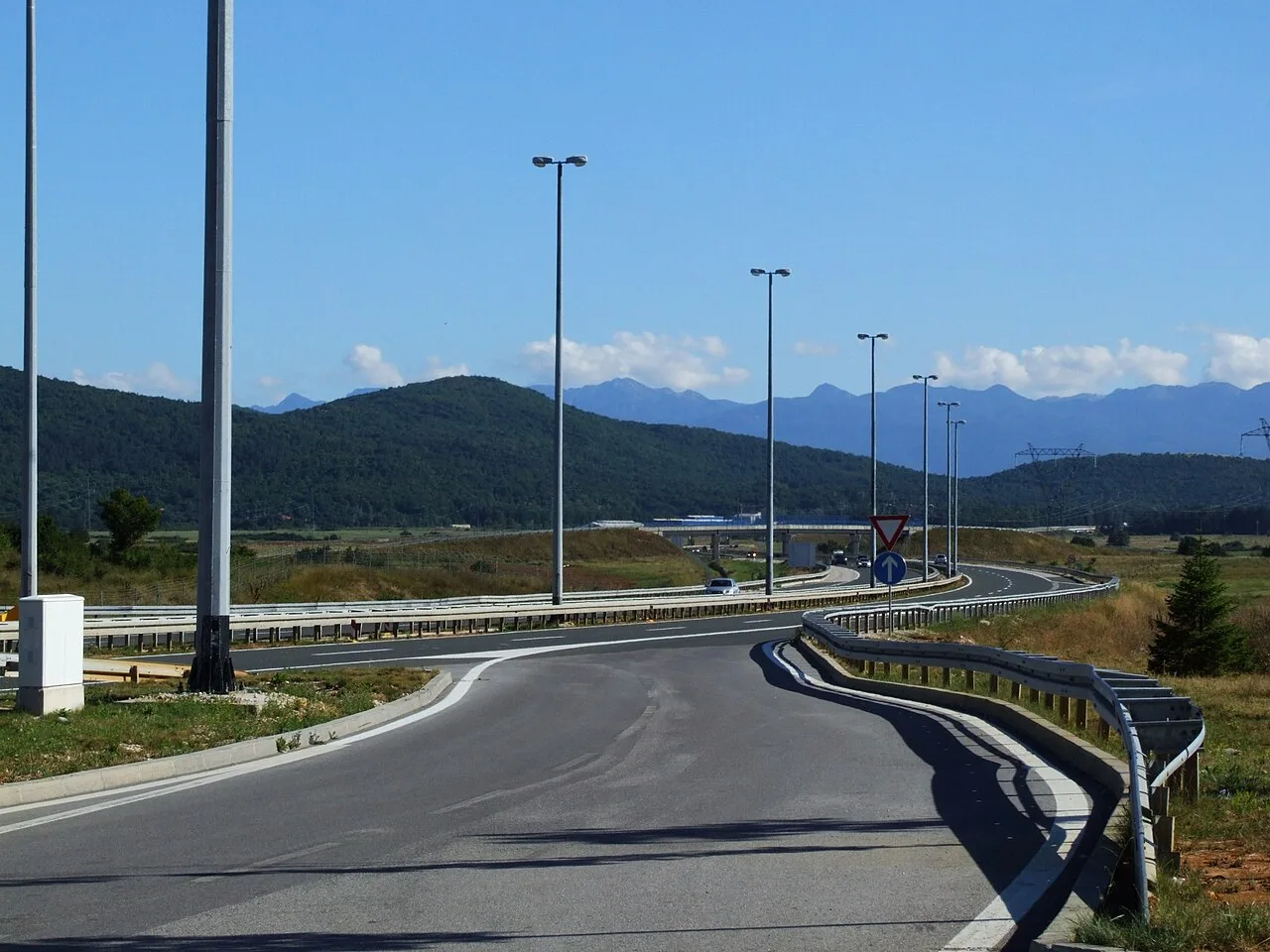
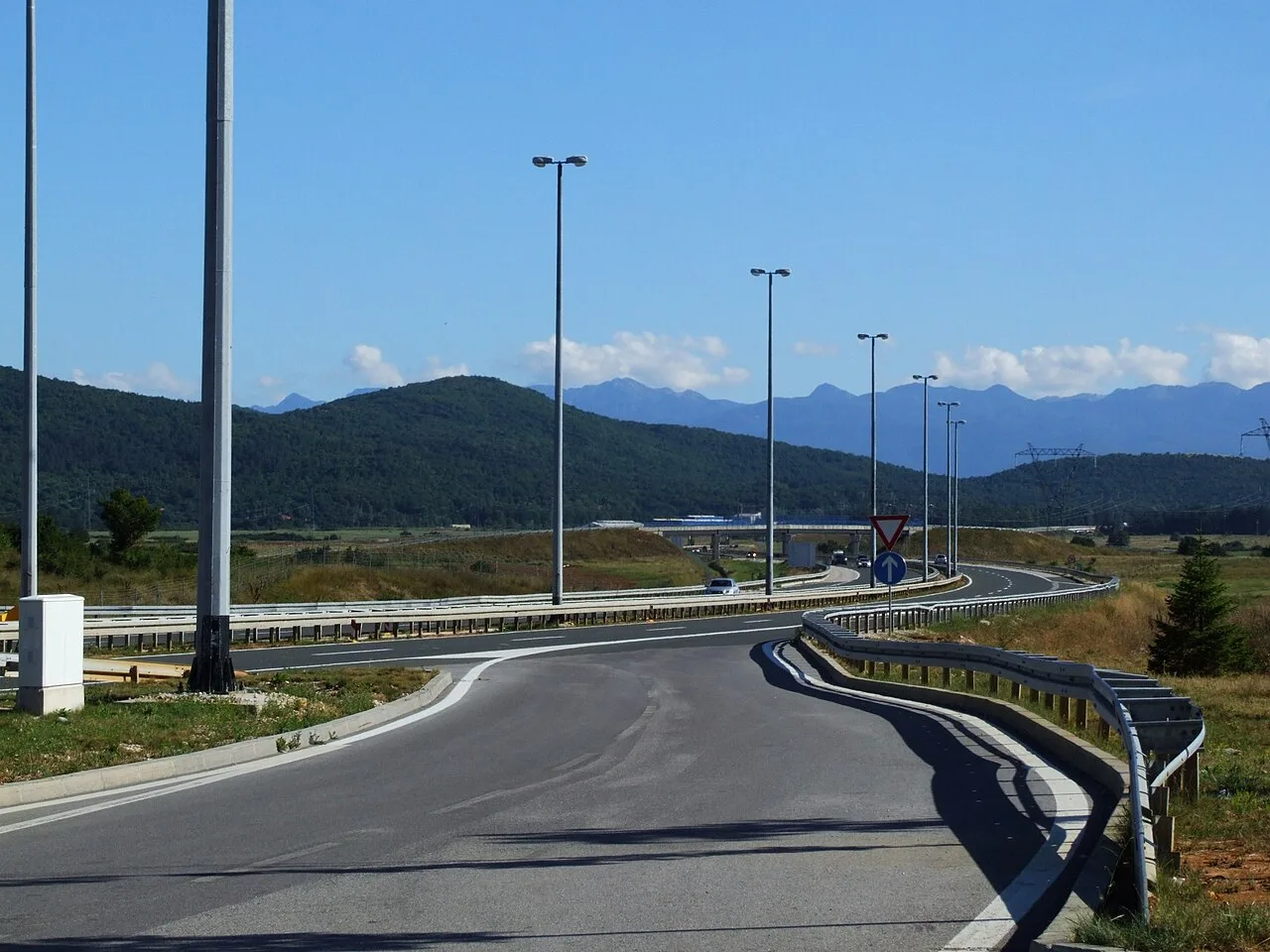
The good news is that the A1 motorway links Zagreb to the coast quickly: Zagreb to Split is 409 km and about 4.5 hours, most of it at 130 km/h. The catch is the far south - Zagreb to Dubrovnik is roughly 600 km and about 6 hours, and Split to Dubrovnik down the coast is another 3-plus hours. Add the islands, which move at the pace of catamaran and ferry timetables, and the distances start to matter. The classic mistake is treating Dubrovnik and Istria as an easy pairing; they’re at opposite ends of the country.
So the planning rule is simple: the fewer days you have, the fewer regions you should attempt. Match your trip length to one of the blocks below, then follow the route link for the day-by-day detail.
3-4 days: pick one base
With a long weekend, resist the urge to combine. Choose a single anchor and go deep:
- Split and one island. Base in Split, see Diocletian’s Palace, and take a day or overnight to Hvar or Brac by catamaran.
- Dubrovnik. The walled Old Town, the city walls walk, and a boat to Lokrum or the Elafiti islands fill three days easily - see the Dubrovnik guide. Whether to base here or in Split is its own question: Split or Dubrovnik settles it.
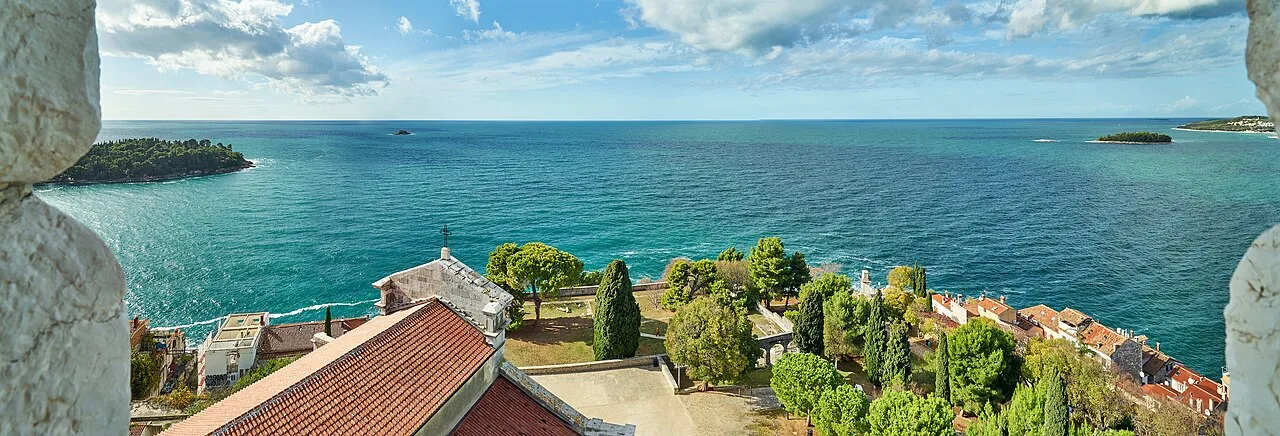
- Istria. Rovinj, Pula’s Roman arena and a hill town like Motovun make a compact northern break, handy if you’re flying in from Italy or Central Europe.
- Zagreb and Plitvice. A city break with a day trip to Plitvice Lakes - the one combination that doesn’t need the coast at all.
What doesn’t work in 3-4 days is Zagreb plus the southern coast, or Istria plus Dubrovnik. The transfer alone burns most of a day.
5-7 days: one region, done well
A week is where Croatia opens up, and it’s enough for one region at a comfortable pace. Three strong options:
- The Dalmatian coast, Split to Dubrovnik. The signature drive threads two mainland old towns and a couple of islands over about 280 km, and our Dalmatia coast route lays it out day by day, ferries and all. This is the best first-timer’s week - and if you’ve exactly five days, the 5-day Split, Hvar and Dubrovnik itinerary does the one-way version by catamaran.
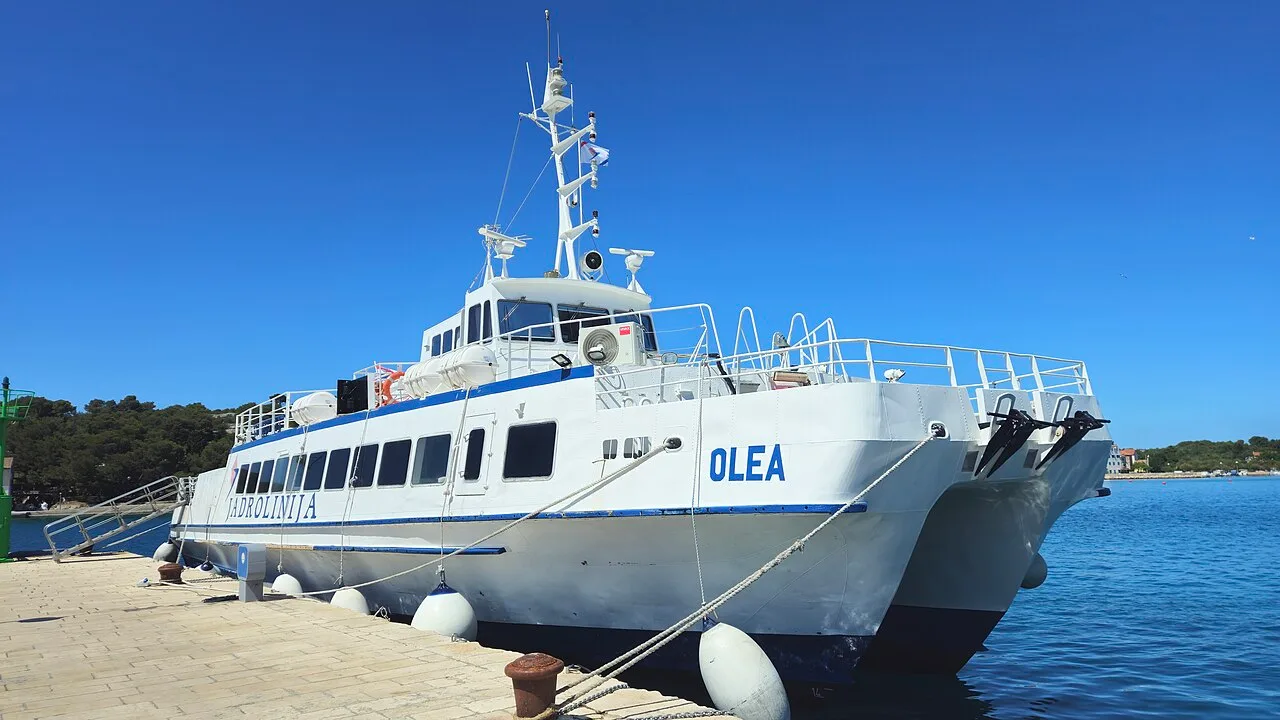
- Island-hopping from Split. Skip the car and chain the central islands - Brac, Hvar, Vis, Korcula - by fast catamaran; the Croatia islands itinerary covers which boat links each one and the leg that trips everyone up.
- Istria in depth. Coast towns, hill towns and the food and wine of the interior, at a slower rhythm - the Istria road trip does it in 3-4 days, leaving room to linger.
Seven days is also long enough to bolt Plitvice onto the start if you’re driving down from Zagreb, since the park sits between the capital and the coast (about 2 hours from Zagreb, 2.5 from Split).
8-10 days: combine two
This is the range most people should aim for, and where “the perfect 10-day Croatia trip” actually lives. Ten days lets you pair two regions without rushing:
- Coast plus islands. Base in Split, hop to Hvar and Korcula, then finish in Dubrovnik - effectively the Dalmatia route stretched to let you slow down and add island nights.
- Islands plus the far south. The islands itinerary from Split, then down to Dubrovnik for the last two or three nights.
- North to middle. Istria, then Plitvice, then Split and a taste of the islands - a good option if you’re entering from the north.
The honest advice at this length is still restraint: two regions and a couple of islands, not four regions. Croatia rewards nights in one place over a new hotel every day.
12-14 days: the full sweep
Two weeks is the only itinerary that genuinely covers Croatia. The natural line is north to south: start in Istria (Rovinj, Pula), drop to Plitvice, reach the coast at Split and take several days for the islands, then follow the Dalmatian coast south to finish in Dubrovnik. Fly out of Dubrovnik or Split rather than doubling back to Zagreb - the long drive north at the end is dead time.
Even with two weeks you’re choosing, not completing: Croatia has more coastline, islands and national parks than a fortnight can hold. Two weeks buys you depth and breathing room, not a checklist.
Which airport to fly into
Your entry airport shapes the whole route, because Croatia has several and they’re spread the length of the coast: Zagreb inland in the north, then Pula, Rijeka, Zadar, Split and Dubrovnik running down the Adriatic. Flying into the airport nearest your region saves a long transfer at each end.
- Coast and central islands: fly into Split. It’s the hub for the Dalmatian coast and the catamarans to Hvar, Brac, Vis and Korcula - that’s where most island hops start, and it sits in the middle of the country so nothing is too far.
- The far south: fly into Dubrovnik. Reaching it overland from Split is a 3-plus-hour drive, so a trip built around Dubrovnik and the Elafiti islands is far easier if you land there directly.
- Istria and the north: fly into Pula (or Rijeka, or Trieste and Venice just over the border in Italy). Zagreb works too if you want the capital and Plitvice before the coast.
- An open-jaw trip: for the full north-to-south sweep, fly into one end and out of the other - typically in to Zagreb or Pula and out of Split or Dubrovnik - so you never backtrack. Most airlines price this the same as a return.
A quick sanity check before booking: a cheaper flight into the wrong end of the country can cost you a half-day transfer and the price of a one-way car drop-off - don’t chase the fare blindly.
Do you need a car?
Not always - and often you don’t. The main corridors work well car-free: frequent buses run Zagreb-Split-Dubrovnik, catamarans and ferries link the coast to the islands, and there are domestic flights to Split and Dubrovnik. A car is most worth it for Istria’s hill towns and for flexible stops along the coast; on a pure island-hopping trip you’ll often find a car is a liability (ferry queues, nowhere to park in old towns). Our getting around Croatia guide weighs bus, ferry, train and plane, and renting a car in Croatia covers the driving side, including one-way drop-offs if you finish somewhere different from where you started.
When to go, and what it costs
Timing changes the trip as much as its length. The coast is at its best in the shoulder season - June and September - when the sea is warm but the crowds and prices ease; July and August are hottest, busiest and dearest, and you’ll need to book ferries and rooms well ahead. See the best time to visit Croatia for the month-by-month detail, and is Croatia expensive? for what a week or ten days actually costs.
Put simply: you’ll want to give Croatia a week if you can, ten days if you can stretch it, and spend those days in one or two regions rather than racing the length of the country. Then pick your route - the coast, the islands, Istria or, if you do want to drive the whole country end to end, the 10-day road trip - and build the days around it. Travelling without a car? The buses-and-ferries itinerary links the same highlights on public transport alone. Travelling with young kids specifically, the pace and the base change - our Croatia with kids guide covers how.
Opening hours, prices, timetables and seasonal services change through the year - the figures here are planning estimates, not quotes. Confirm current details with the operators and official sources before you go.
Photos
Read also

Before you go · 10 min read
Where to Stay in Korčula: Old Town to Vela Luka
Verified · September 5, 2026Korčula Town for walls and boats, Lumbarda for sand, Vela Luka for the Split car ferry. Match the base to how you arrive - then book.

Before you go · 10 min read
Sailing in Croatia: Yacht Charter Costs & Routes
Updated · September 5, 2026Croatia yacht charter 2026: bareboat weekly ranges, skipper and deposit separate, APA on crewed boats, season guides, island routes.

Before you go · 10 min read
Where to Stay in Makarska: Riviera Bases Compared
Updated · August 30, 2026Brela, Baška Voda, Makarska, Tučepi or the quieter south - which Riviera base fits beach weeks, families, nightlife and Brač ferry mornings.

Before you go · 8 min read
Hvar or Korčula: Which Island Fits Your Trip?
Verified · August 28, 2026Hvar or Korčula in 2026? Split catamarans (~€25 like-for-like), vibe, beaches and who each Dalmatian island suits - plus the hop between them.