
Split or Dubrovnik: Which to Base Your Trip In
Split or Dubrovnik for your base? An honest verdict by trip type - Split wins on logistics and day trips, Dubrovnik on a short walled-city stay.
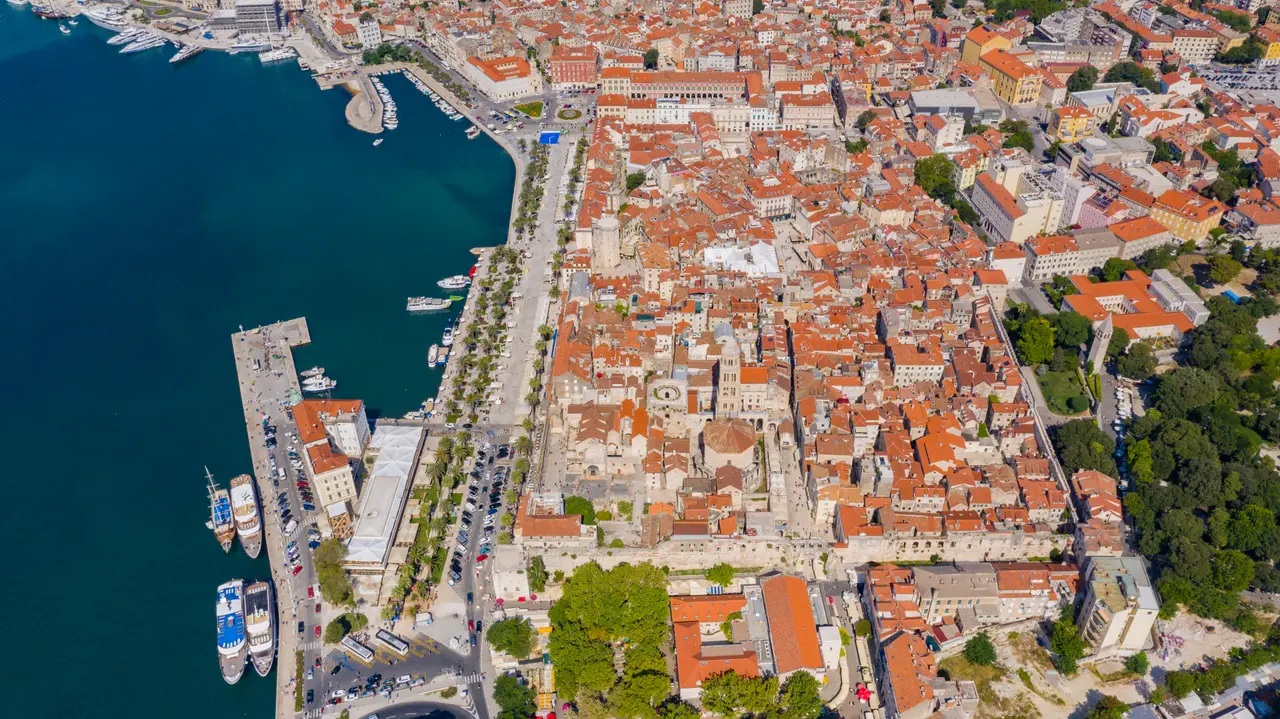
The honest answer for most people is Split. It is Croatia’s second city, the busiest hub on the coast, and its ferry port, bus station and train station all sit in one spot beside the old town - so island days, national parks and the rest of Dalmatia are genuinely easy from your front door. Dubrovnik is the more spectacular single sight, but it sits at the far southern tip of the country, hours from almost everything else, and it is the most expensive base in Croatia. Pick Dubrovnik only if your trip is really about the walled city itself, or a hop into Montenegro.
So this is less “which is prettier” and more “which one saves you time and money for the trip you’re actually taking.” Below is a straight verdict by trip type, the logistics that decide it, what each costs to base in, and how to do both without backtracking.
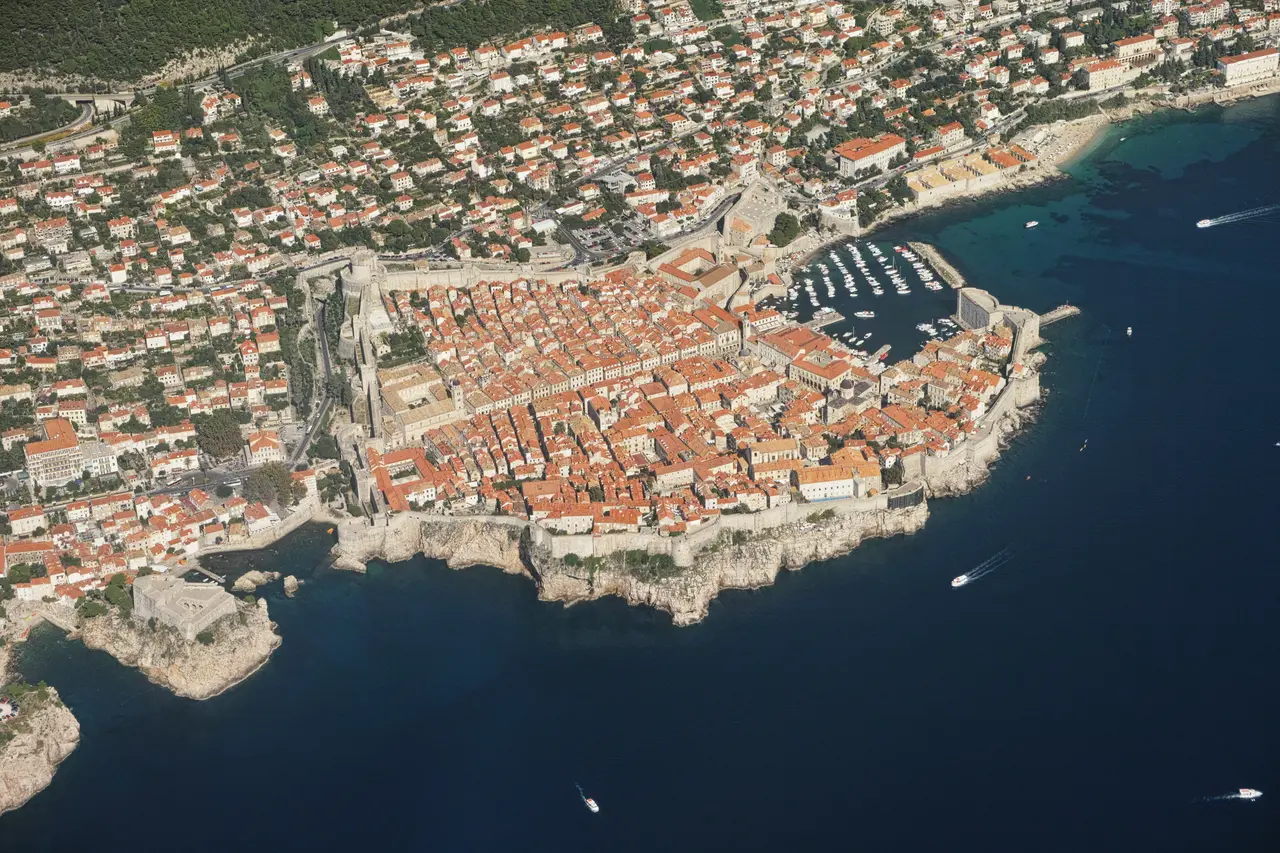
Quick verdict: which base for which trip
| Your trip | Base in | Why |
|---|---|---|
| First time in Croatia, one to two weeks | Split | Central, cheapest logistics, everything reachable |
| Island-hopping (Hvar, Brač, Vis) | Split | Ferry port beside the old town; most routes start here |
| National parks (Plitvice, Krka) | Split | Day-trippable; Dubrovnik is too far south |
| Short 2-3 night city break | Dubrovnik | The walls and old town fill it perfectly |
| Croatia + Montenegro / Bosnia loop | Dubrovnik | Kotor and Mostar are its best day trips |
| Honeymoon, postcard over practicality | Dubrovnik | The setting is the draw; you won’t roam much |
| Budget-conscious | Split | Cheaper beds, food and parking for the same standard |
If your list has more than one thing on it - islands and parks and a couple of towns - Split wins almost every time. If your list is one thing, the walled city, Dubrovnik is the better fit.
The logistics that actually decide it
The real difference between these two isn’t the sightseeing - both old towns are UNESCO-listed and easily worth a day or two. It’s where they sit and what you can reach from them.
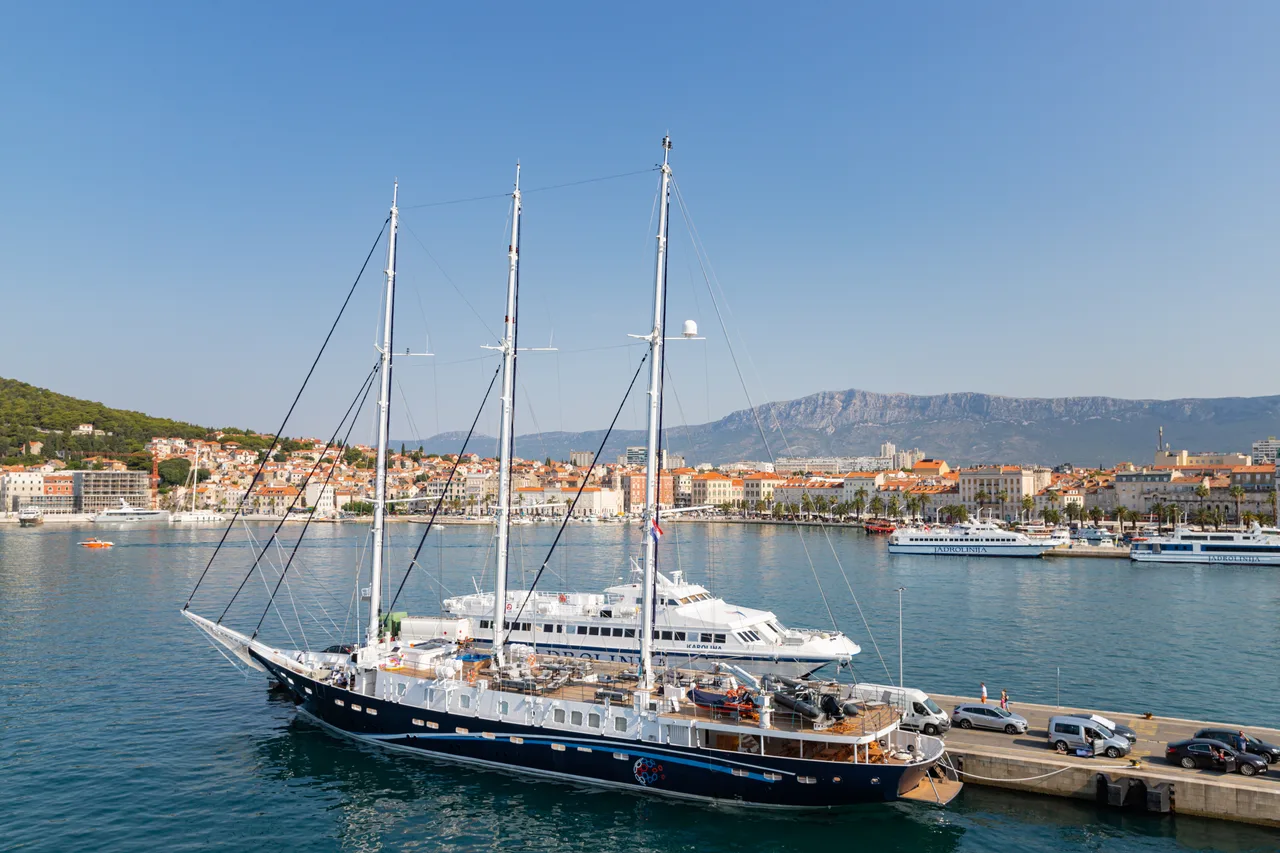
Split is planted in the middle of the Dalmatian coast, and everything about it is built for onward travel. The ferry port, the main bus station and the train station are clustered together right beside the old town, so you can land and be standing on an island catamaran within the hour. From that one harbour you can reach Hvar, Brač, Šolta and Vis by boat, and Trogir, Krka and Plitvice by road. Our guide to island-hopping in Croatia shows just how much fans out from here.
Dubrovnik is the opposite: a near-exclave at the country’s southern tip. Historically it was cut off from the rest of mainland Croatia by the Bosnian Neum corridor, a nine-kilometre strip that meant two border crossings to reach the rest of the country. Since 26 July 2022 the Pelješac Bridge (a 2,404-metre cable-stayed span) bypasses Bosnia entirely, which helped - but it doesn’t change the geography. Dubrovnik is still roughly 230 km and three to four hours from Split by road, and its own day trips are thinner: Lokrum island (a 10-minute boat), the Elaphiti islands, and then the border. Tellingly, its two best day trips leave the country - Kotor in Montenegro and Mostar in Bosnia.
Getting in: the airports
Both cities have their own airport, and both are close to the centre, so arrival isn’t a deciding factor on its own.
Split Airport (SPU) is at Kaštela, about 24 km west of the centre - roughly 30-40 minutes by shuttle bus, public bus or taxi. It is the busier of the two, handling around 3.9 million passengers in 2025, which makes it the second-busiest in Croatia after Zagreb and means more direct routes across Europe in season.
Dubrovnik Airport (DBV) is at Čilipi, 22.5 km southeast of the Old Town - 30-35 minutes by road, up to an hour in summer traffic. The Platanus airport shuttle runs into town after each arrival for €10 one-way / €15 return, about 30 minutes to Ploče Gate and 35 to Gruž bus station. It handled about 3 million passengers in 2025.
The practical upshot: if you’re flying in and out of the same city and staying put, either works. It’s what you do after you land that separates them.
What each costs to base in
Croatia isn’t the bargain it once was, and Dubrovnik is the single most expensive place in the country - accommodation, restaurant bills, the city-walls ticket and parking all run higher there than almost anywhere else on the coast. Split isn’t cheap in July and August either, but for the same standard of room and meal you’ll generally pay noticeably less, and you have far more mid-range and budget choice.
We don’t quote nightly rates here because they swing wildly by week and building, and a made-up figure would mislead more than help - check live prices for your dates. But the direction is consistent: for the same money, Split buys you more nights, or a better room, than Dubrovnik. For the full budget picture - what a week actually costs, and where the money goes - see is Croatia expensive?. If you’ve settled on Split, our guide to where to stay in Split breaks the city down neighbourhood by neighbourhood.
The trap worth naming
Here’s the mistake I see people make: they fall for the Dubrovnik photos, book all their nights there, and then discover that everything on their wish list - the islands, the swimming coves, the national parks - is a long bus or a four-hour-plus boat away. They end up spending the trip in transit, or seeing far less than they hoped.
The catamaran between the two cities is a case in point. It runs seasonally, roughly April to October, up to about three times a day, and takes four and a half to five and a half hours each way - so a same-day return from a Dubrovnik base to see anything up the coast simply doesn’t work. If your dream list is islands and coastline, basing in Dubrovnik quietly costs you days. Base in Split and the same list is a series of easy morning boats.
When Dubrovnik is the right call
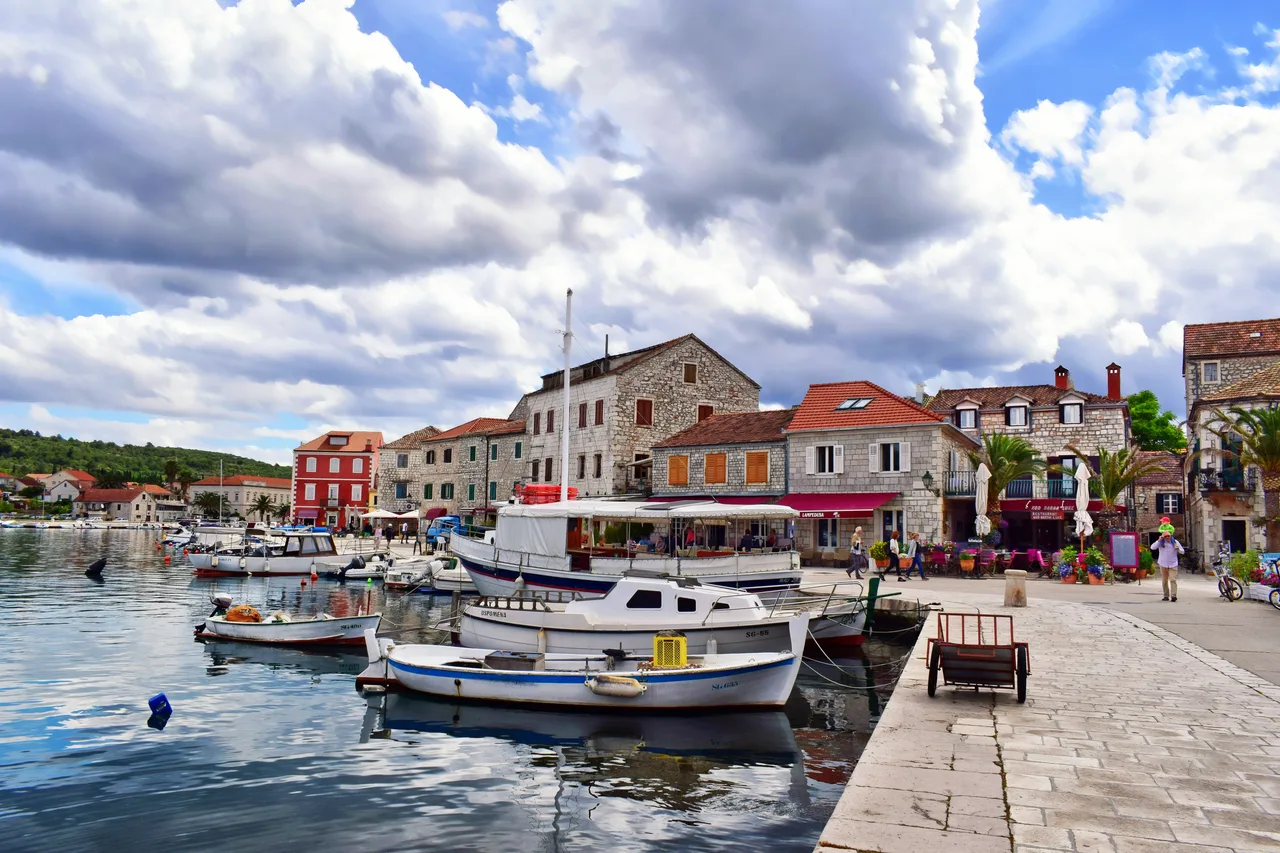
None of this makes Dubrovnik a bad base - it makes it a specific one. It is the right choice when the walled city really is the point of the trip.
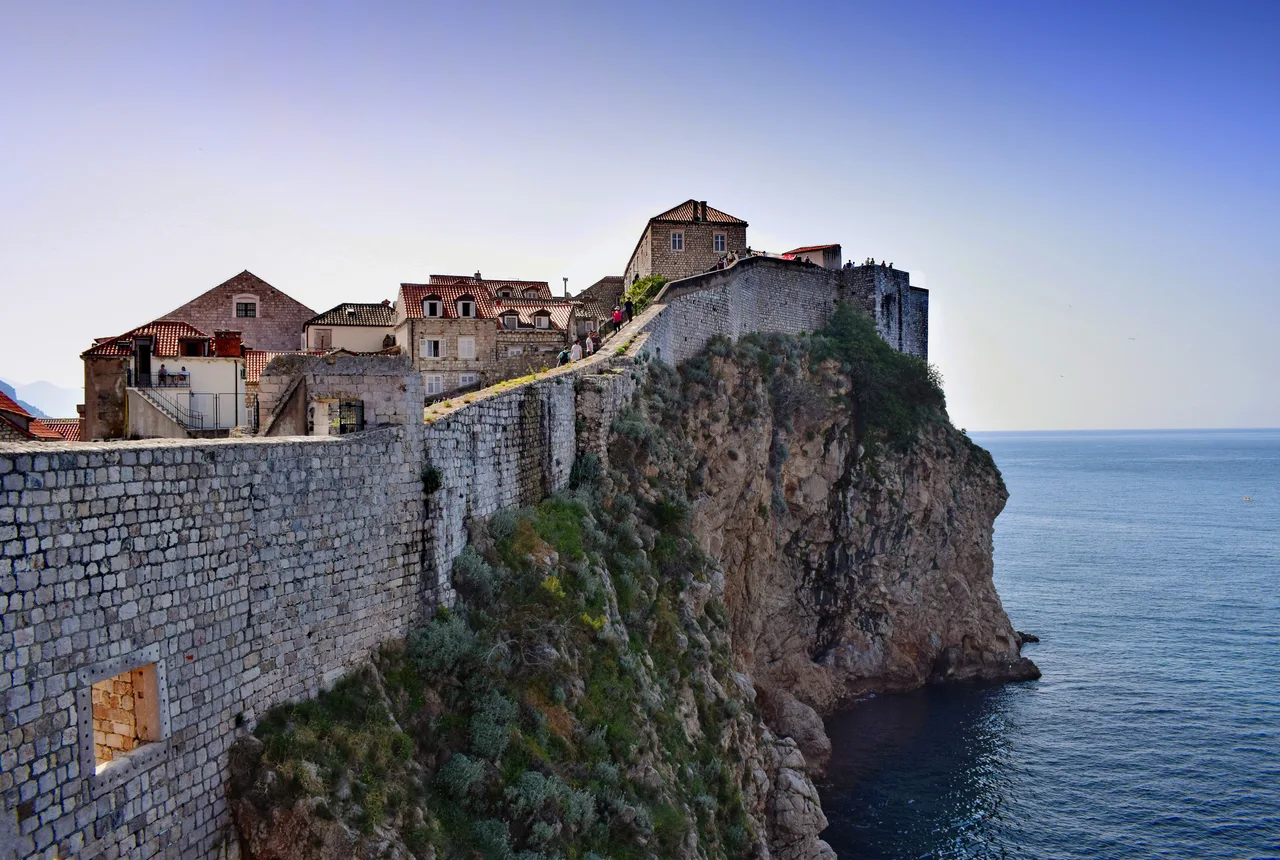
For a short two-to-three-night break, Dubrovnik is close to perfect: the Old Town is compact, and walking the near-complete medieval city walls, wandering the marble Stradun and riding the cable car up Srđ for the view easily fills the time without you ever needing to leave. It’s also the natural base for a Croatia-Montenegro loop: Kotor and the Bay of Kotor are an easy day trip south, and plenty of travellers pair the two. And if a honeymoon or a special occasion is the brief, the setting does the heavy lifting - you’re there for the drama of the place, not to rack up day trips. The full run-down of what to see is in our Dubrovnik travel guide.
Why not both? The open-jaw trick
If you have seven days or more, don’t choose - do both, and don’t backtrack. The smart shape is an open-jaw: fly into one city and out of the other, moving down the coast once rather than doubling back.
The classic run is Split first, Dubrovnik last. Start in Split, use it as your hub for the islands and parks while you’re fresh, then work south along the coast - through Makarska, the Pelješac wine roads or a stop on Korčula - and finish in Dubrovnik before flying home from DBV. You can link the two by the seasonal catamaran, by bus, or by hire car (which also unlocks the coast in between). The options, times and prices are laid out in our guide to Split to Dubrovnik transport. Done this way, the four-hour gap between them stops being a problem and becomes the best part of the trip.
The bottom line
For a first Croatia trip, island-hopping, the national parks, or anything on a budget, base in Split - it’s the logistical winner and the better value, and it puts the whole of Dalmatia within reach. For a short, self-contained stay built around the walled city, or a jump into Montenegro, base in Dubrovnik and lean into what it does best. And if you have the days, fly into Split and out of Dubrovnik and skip the choice entirely.
To go deeper on either city, see the Split travel guide and the Dubrovnik travel guide; for the money side, is Croatia expensive? has the numbers. Once the base is settled, get the timing right with the best time to visit Croatia, or, if you’re torn between the two shoulder months, Croatia in May vs September.
Opening hours, prices, timetables and seasonal services change through the year - the figures here are planning estimates, not quotes. Confirm current details with the operators and official sources before you go.
Photos
Read also

Before you go · 11 min read
Croatia in Winter: Weather, Advent & What's Open
Updated · October 23, 2026Croatia from November to March: official weather by city, which ferries and parks still run, winter tyre rules and flights. Checked 23 October 2026.

Before you go · 10 min read
Where to Stay in Korčula: Old Town to Vela Luka
Verified · September 5, 2026Korčula Town for walls and boats, Lumbarda for sand, Vela Luka for the Split car ferry. Match the base to how you arrive - then book.

Before you go · 10 min read
Sailing in Croatia: Yacht Charter Costs & Routes
Updated · September 5, 2026Croatia yacht charter 2026: bareboat weekly ranges, skipper and deposit separate, APA on crewed boats, season guides, island routes.

Before you go · 10 min read
Where to Stay in Makarska: Riviera Bases Compared
Updated · August 30, 2026Brela, Baška Voda, Makarska, Tučepi or the quieter south - which Riviera base fits beach weeks, families, nightlife and Brač ferry mornings.