
Dubrovnik Travel Guide: Old Town, Walls & Beyond
What to see in Dubrovnik's Old Town: the city walls, Stradun, Fort Lovrijenac, the Srđ cable car, Game of Thrones sites and day trips.
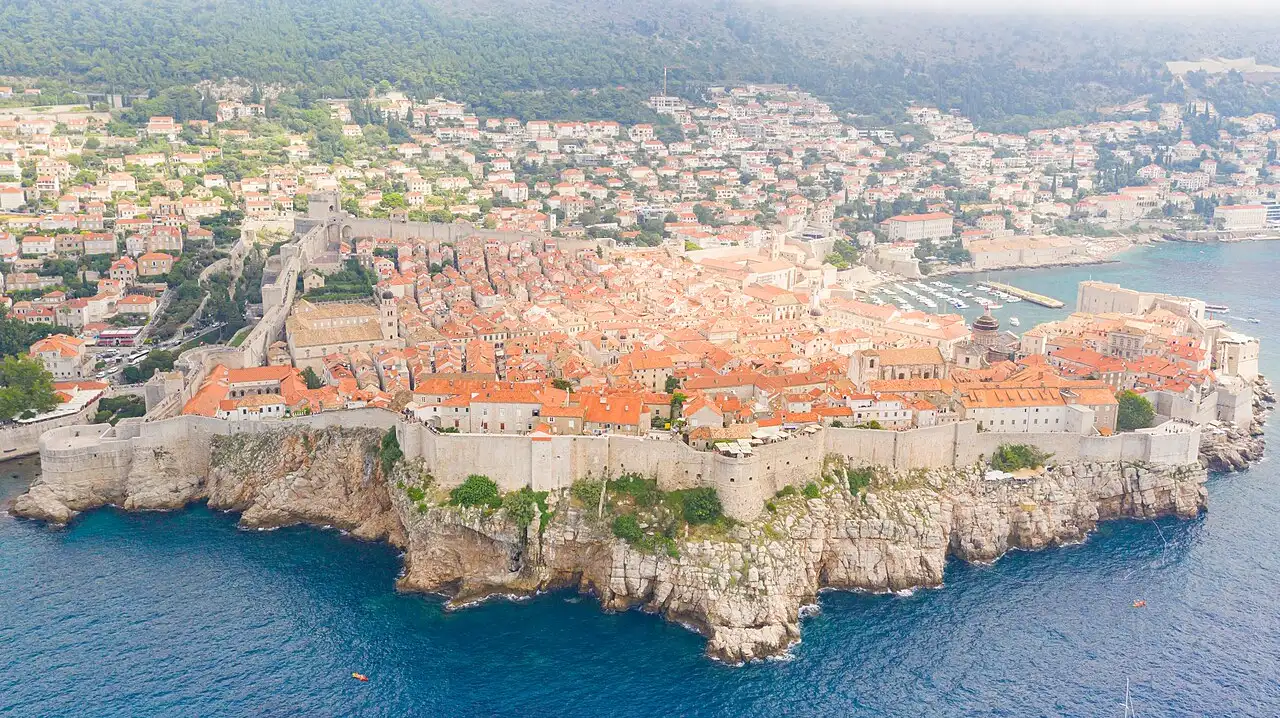
Dubrovnik is Croatia’s showpiece on the far south of the Dalmatian coast - a walled limestone city rising straight out of the Adriatic, with marble streets, baroque churches and a near-complete medieval rampart you can walk all the way round. The Old Town is a UNESCO World Heritage Site and easily fills a full day or two: walk the city walls, stroll the Stradun, take the cable car up Srđ for the postcard view, and use the city as a base for Lokrum and the Elaphiti Islands. Croatia uses the euro (€) and has been in the Schengen Area since 1 January 2023, so for most visitors arrival is formality-free.
Dubrovnik packs almost everything worth seeing into one small walled peninsula, which is its charm and its problem: by midday, with the cruise ships in, the Old Town is shoulder-to-shoulder. The rhythm that works is to hit the headline sights early, then slip out - up Srđ, over to Lokrum, or off to the Elaphiti - while everyone else queues.
How long to spend in Dubrovnik
One full day covers the headline sights - the walls, the Stradun and the cable car. Two days lets you slow down, add Lokrum or a half-day boat trip to the Elaphiti, and see the Old Town early or late when the cruise crowds thin out. Mornings before about 9am and evenings after the day-trippers leave are the calmest and coolest hours; the marble streets and exposed walls get fierce in midsummer, so carry water and a hat.
If you’re short on time, see our companion guide to spending one day in Dubrovnik, which sequences the walls, Stradun and cable car into a single efficient route.
Walking the city walls
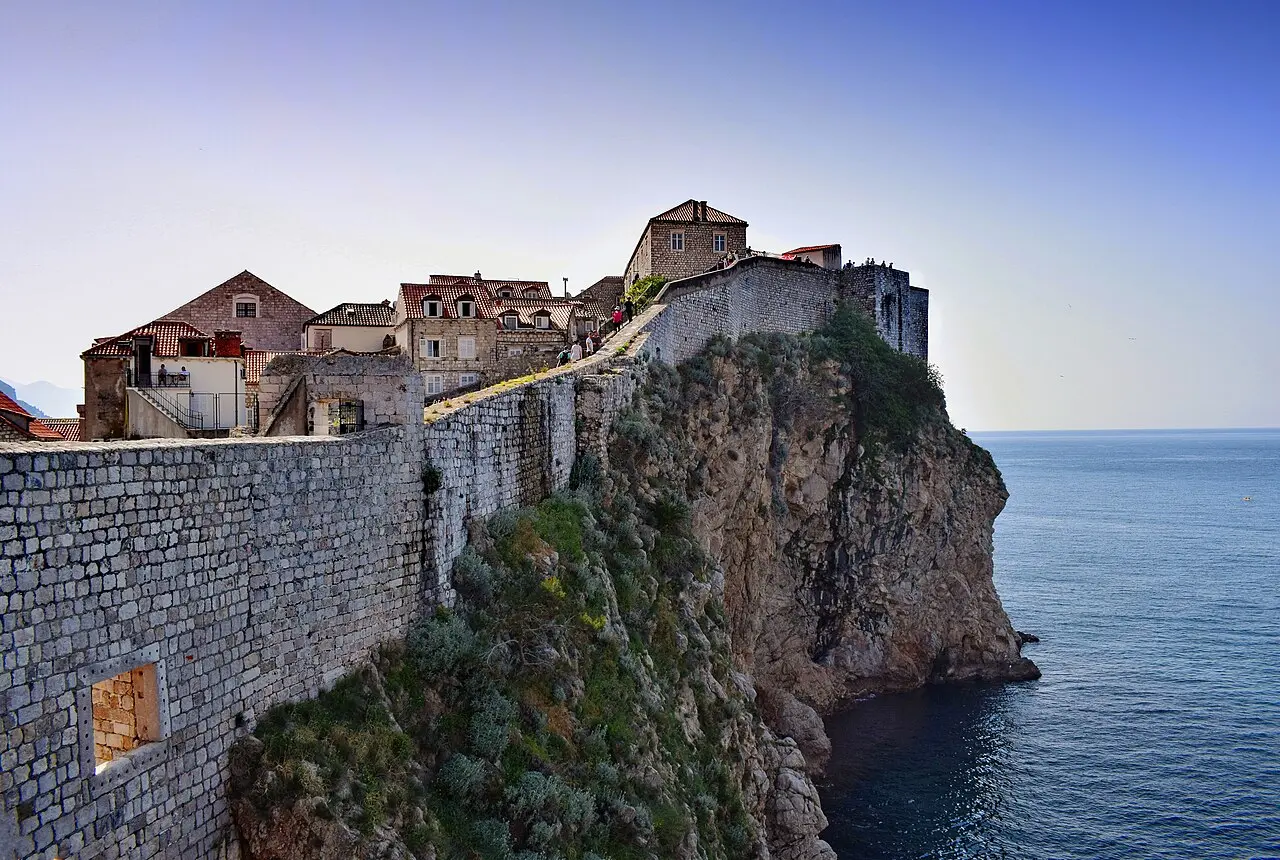
The walls of Dubrovnik are the single thing not to miss. The circuit runs roughly 1,940 metres around the Old Town, rising up to about 25 metres high, and the complete loop takes most people 1.5-2 hours at a relaxed pace with photo stops. The walk is one-directional and almost entirely in the open, with constant views over the rooftops on one side and the Adriatic on the other, passing the round Minčeta Tower at the highest point and the Fort of St. John above the old harbour.
A single ticket covers the full wall circuit and also Fort Lovrijenac across the bay; buy it at the Pile or Ploče entrance or online. Prices and opening hours change by season, so confirm the current figures on the official Walls of Dubrovnik site before you go rather than relying on older numbers. For the full ticket breakdown, the season-by-season hours, where to start the circuit and an honest worth-it verdict, see our dedicated Dubrovnik city walls guide.
The Stradun and the Old Town
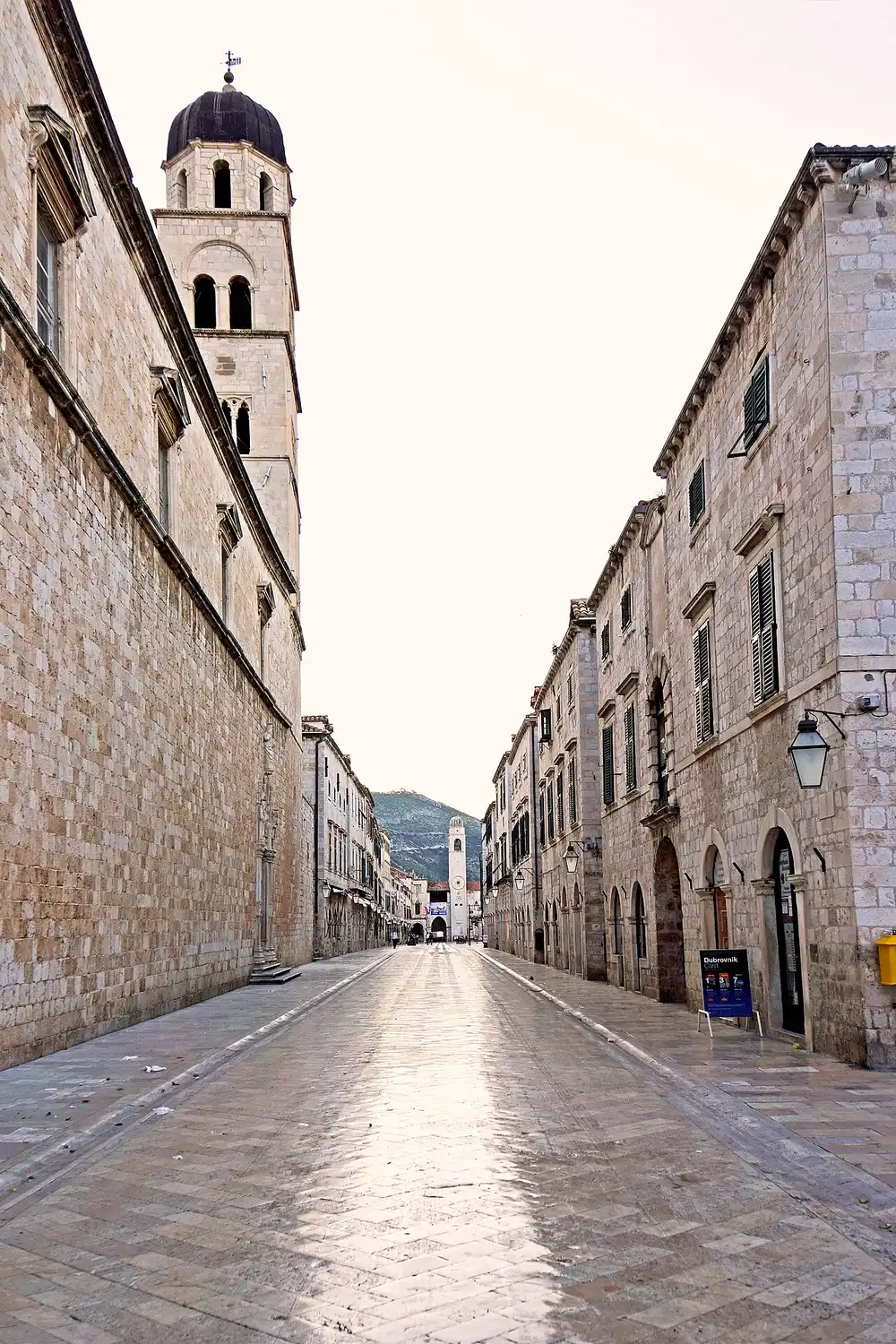
The Stradun (officially Placa) is the city’s polished limestone main street, about 300 metres long, running dead straight between the two land gates - Pile in the west and Ploče in the east. It’s the social spine of the Old Town, and its paving has been worn to a marble shine by centuries of feet. At the Pile end stands Onofrio’s Large Fountain (1438), a domed cistern that still trickles drinking water; at the Ploče end are the Bell Tower, the Sponza Palace and the baroque Church of St. Blaise, dedicated to the city’s patron saint.
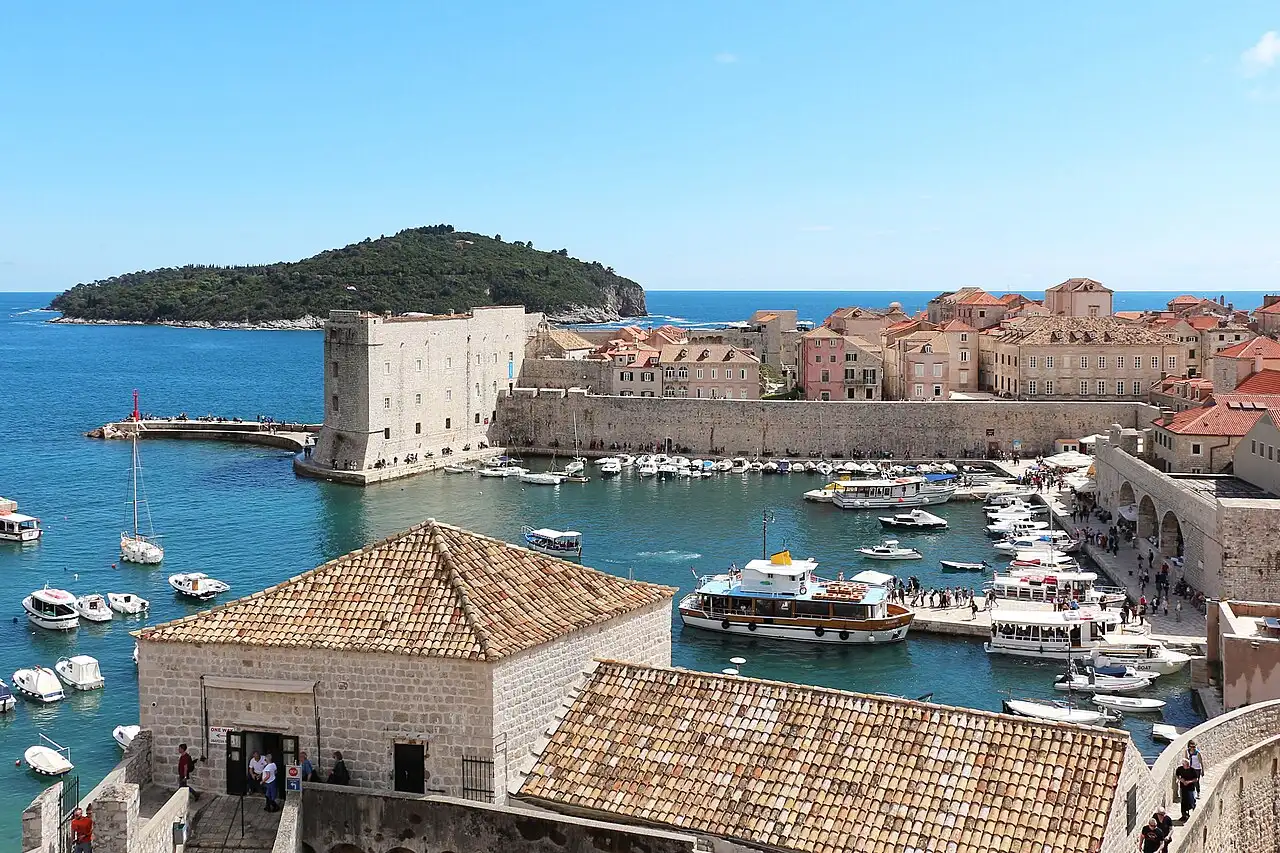
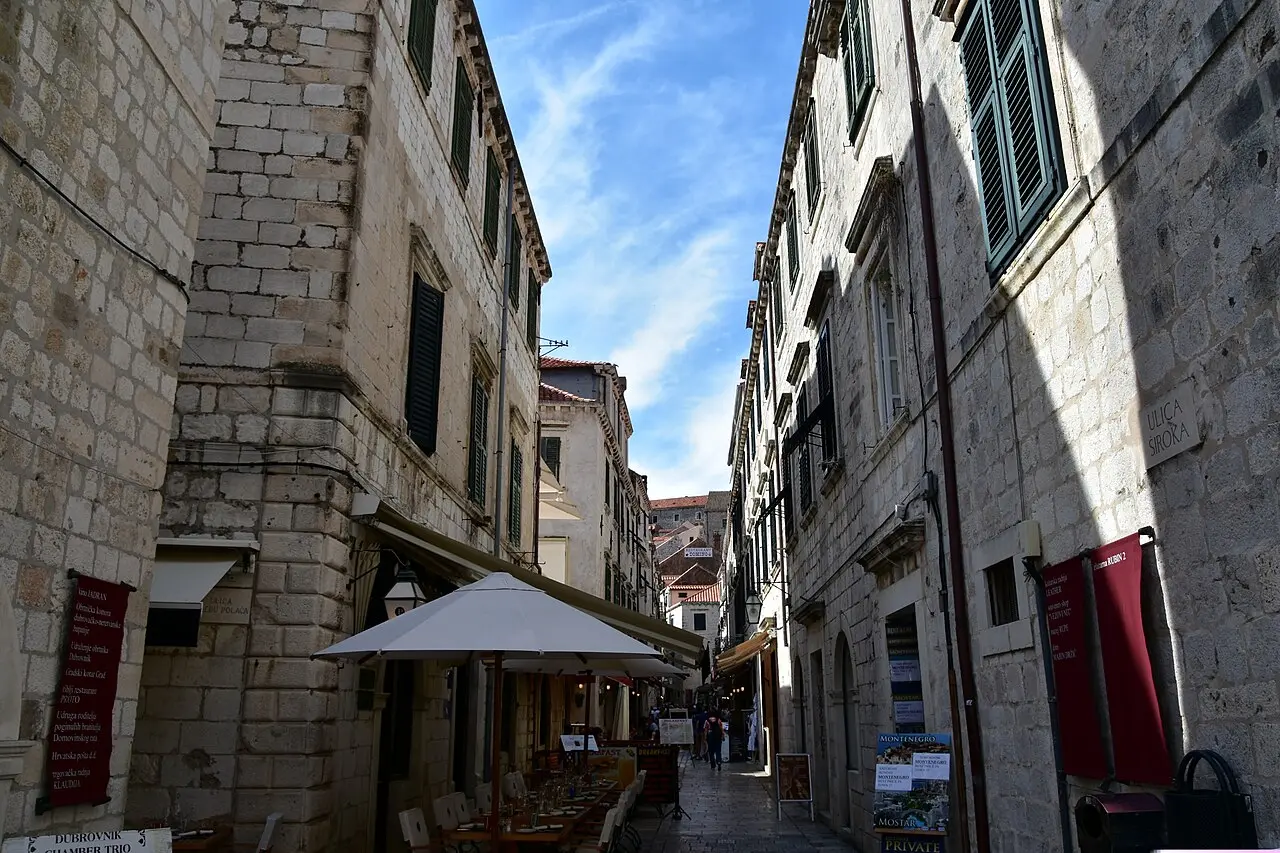
Step off the Stradun and the Old Town becomes a warren of stepped alleys climbing toward the walls, threaded with cafés, churches and small squares. Don’t miss the Rector’s Palace, the Franciscan Monastery with one of Europe’s oldest working pharmacies (1317), and the Old Port behind the Fort of St. John, where small boats leave for Lokrum.
Fort Lovrijenac
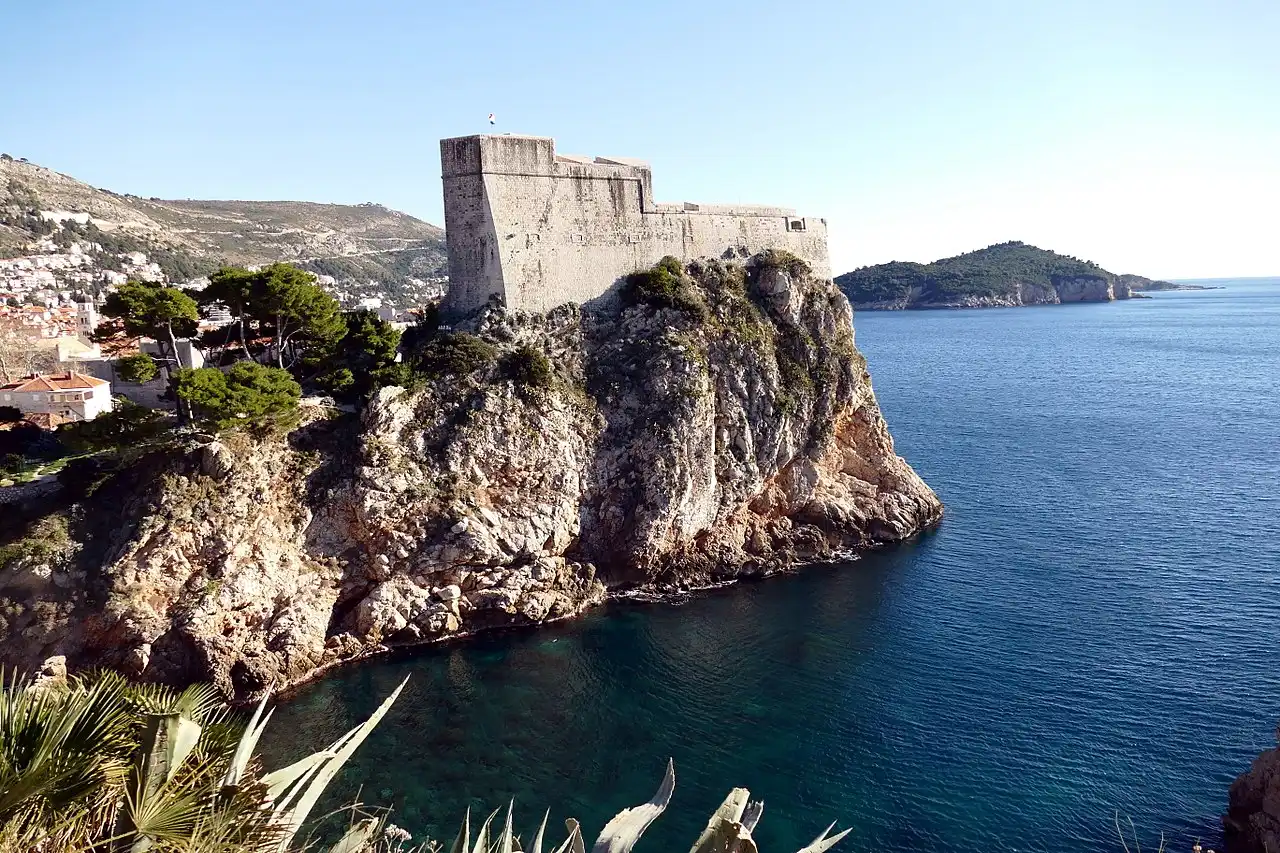
Just outside the western wall, Fort Lovrijenac sits on a sheer 37-metre rock above the sea, guarding the approach to the Old Town. Often called “Dubrovnik’s Gibraltar,” it was built and rebuilt from the 11th century onward and carries the inscription Non bene pro toto libertas venditur auro - “freedom is not sold for all the gold in the world,” the proud motto of the old Republic of Ragusa. The same ticket as the city walls gets you in, and the ramparts give a classic side-on view back at the walled city.
The cable car up Srđ
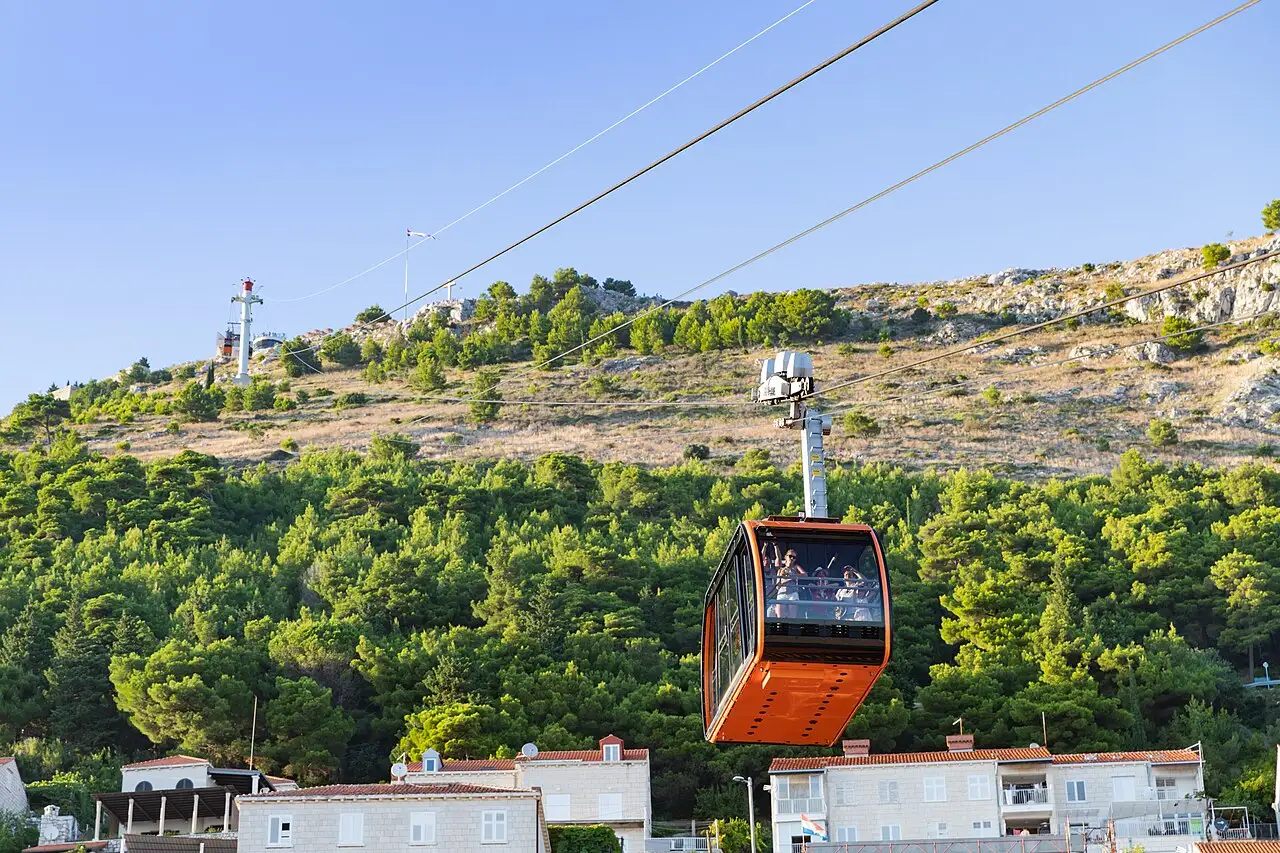
For the definitive view, ride the cable car from just above the Ploče gate up Mount Srđ (412 m). The line first opened in 1969, was destroyed in the 1991-92 war and rebuilt in 2010; the ride takes only a few minutes and lifts you from the city to a panorama that takes in the whole walled town, Lokrum and the Elaphiti Islands strung out across the sea. At the top are a viewpoint, a restaurant and the Fort Imperial / Homeland War museum. Check current hours and the return fare before you go - and note that in strong wind the cable car can close, in which case there’s a road and a steep walking trail.
Game of Thrones locations
Dubrovnik stood in for King’s Landing in Game of Thrones, and many sites are walkable on a self-guided loop. The most recognisable:
| On screen | In Dubrovnik |
|---|---|
| The Red Keep | Fort Lovrijenac |
| The walls of King’s Landing | Dubrovnik city walls and the Fort of St. John |
| The “Walk of Shame” | The Jesuit Staircase down to Gundulić Square |
| Blackwater Bay / harbour scenes | The Old Port and the West Harbour below Lovrijenac |
| The City of Qarth (a different show, but filmed nearby) | Lokrum island |
A guided Game of Thrones walking tour adds the on-set detail, but the walls-plus-Lovrijenac ticket already lets you stand on most of the main spots. For the full route, see our dedicated guide to Game of Thrones filming locations in Dubrovnik.
Day trips: Lokrum and the Elaphiti Islands
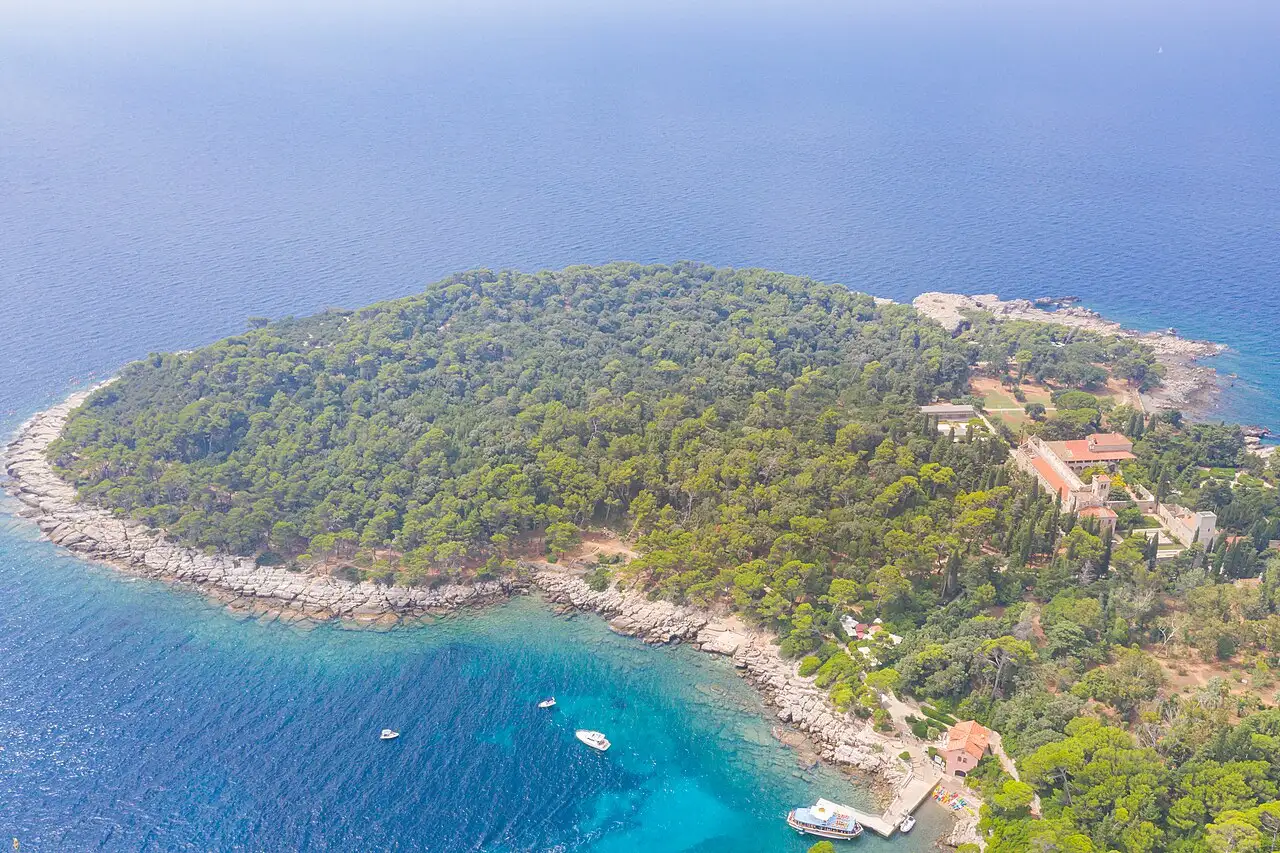
Lokrum is the closest escape - a wooded nature reserve just a 10-15 minute boat ride from the Old Port. It has shady walking paths, a saltwater “Dead Sea” lagoon, a ruined Benedictine monastery, peacocks and rocky swimming spots; there are no hotels, so the last boat back matters. Bring water and swimming shoes. Our Lokrum day-trip guide has the 2026 ticket price, the boat timetable and that last-boat time in full.
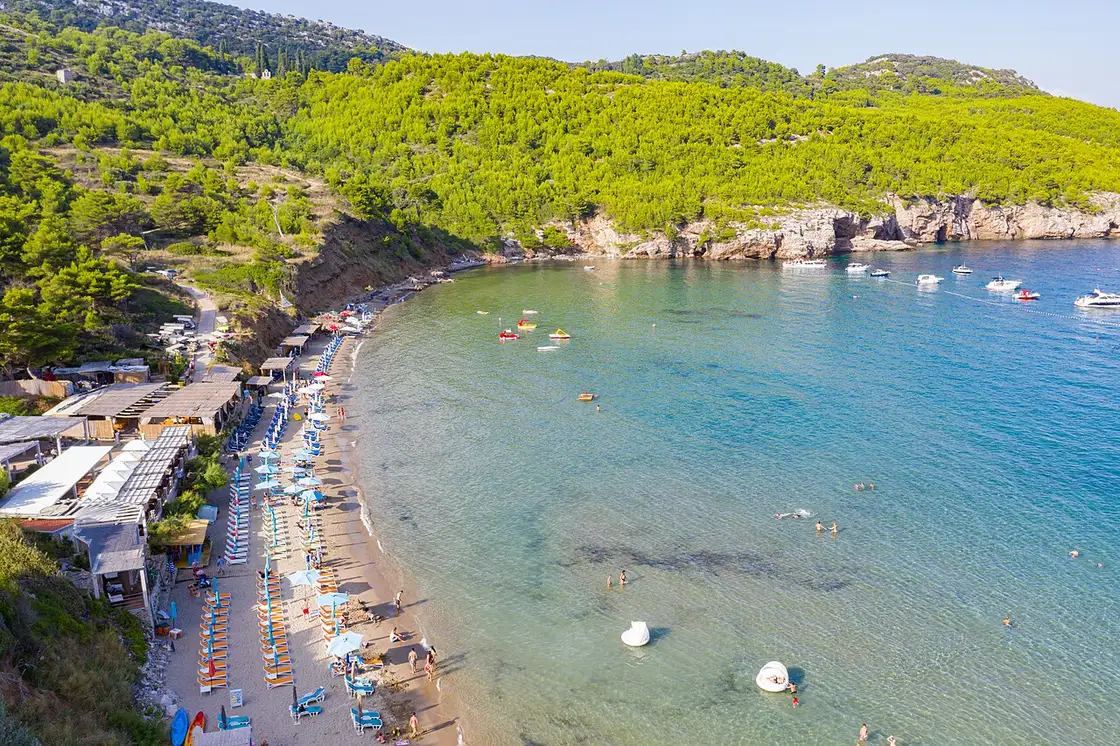
Further out, the Elaphiti Islands - chiefly Koločep, Lopud and Šipan - make an easy day on the water. They’re largely car-free and laid-back, with pine woods, sandy or pebble beaches and small fishing villages; Lopud’s Šunj is one of the few genuinely sandy beaches near Dubrovnik. You can reach them on the regular Jadrolinija ferry from Gruž harbour or on a half-day island-hopping boat tour. Our Elaphiti Islands guide has the 2026 line 807 timetable, fares and what to do on each island.
If you have a full day and want to cross a border, Kotor in Montenegro and Cavtat just down the coast are also popular trips - but Lokrum and the Elaphiti are the classic Dubrovnik pairings. For the full set - Mljet’s island lakes, the Elaphiti, Cavtat and Kotor, with how to reach each - see our best day trips from Dubrovnik. Kotor rewards an overnight more than a rushed day trip, though: our Dubrovnik to Kotor coastal route turns the border drive into a two or three day trip down the bay via Cavtat, Herceg Novi and Perast.
Where to stay: best areas
The Old Town is romantic but cramped, pricey and a haul with luggage over the steps. Where you base yourself depends on your priorities:
| Area | Good for | Notes |
|---|---|---|
| Old Town (within the walls) | Atmosphere, walking out of your door into the sights | Most expensive; small rooms, lots of stairs, no car access |
| Ploče (east of the walls) | Sea views, quick walk to the Old Town | Some of the smartest hotels; pricey |
| Lapad & Babin Kuk | Beaches, value, families | Leafy peninsula a short bus ride out; more space for your money |
| Gruž (the port) | Ferries and budget stays | Where the boats leave from; less charm, good transport links |
Dubrovnik is one of Croatia’s most expensive towns and books out in July-August, so reserve early and compare locations before committing. For a full breakdown of each neighbourhood - who it suits, how it connects to the Old Town and what to pay - see our guide to where to stay in Dubrovnik. If you’re choosing between basing your whole trip in Dubrovnik or up in Split, we compare the two head to head in Split or Dubrovnik: which to base your trip in.
How to get in from the airport
Dubrovnik Airport (DBV) is at Čilipi, 22.5 km southeast of the Old Town - there’s no airport in the city itself. Your options:
| From the airport | Time | Notes |
|---|---|---|
| Platanus airport shuttle | ~30 min to Ploče Gate, ~35 to Gruž | €10 one-way / €15 return; stops at Ploče Gate (the Old Town’s eastern entrance, not Pile) and Gruž bus station, leaves about 30 min after each flight |
| Taxi / ride-hail | ~30 min | Door-to-door; agree the fare or use the meter/app first |
| Rental car | ~30 min | Useful only if you’re touring the coast - parking in the Old Town is impractical |
Inside Dubrovnik you rarely need a car: the Old Town is pedestrian-only and Libertas city buses link it with Lapad, Gruž and the airport. If you’re continuing up the coast, see our guide to renting a car in Croatia - and note that the drive toward Split now uses the Pelješac Bridge to bypass the short stretch of Bosnian coast at Neum. To compare all the ways between the two cities, see Split to Dubrovnik: bus, ferry, car or transfer. Coming straight from the capital instead, our Zagreb to Dubrovnik transport guide weighs the bus, flight, drive and transfer over that longer 600-plus km run.
Where to eat
Dubrovnik’s food is Dalmatian - seafood, olive oil and Pelješac wine rather than the hearty continental cooking of inland Croatia. Look for grilled fish and brudet (a rich fish stew), black risotto coloured with cuttlefish ink, fresh oysters from nearby Ston, and rožata, the local crème-caramel-style dessert - our guide to what to eat in Croatia covers these and the wines to match. Prices inside the walls run high and the most visible terraces on the Stradun are tourist-priced; you’ll eat better and cheaper a few lanes off the main street or out in Lapad and Gruž. For how we choose places, see the food directory.
Practical tips
- When to go. July and August are hot, crowded and dearest; late May-June and September give warm sea, long days and thinner crowds. Aim to walk the walls and the Old Town early or late, around the cruise-ship schedule.
- Money. Croatia uses the euro (€). Cards are widely accepted, but carry some cash for small cafés, markets and boat tickets. For what a trip costs, see is Croatia expensive?.
- Getting around. The Old Town is pedestrian-only and steep in places; wear proper shoes for the marble streets and the walls.
- Tickets. A combined ticket covers the city walls and Fort Lovrijenac; buy online or at Pile/Ploče. The Dubrovnik Card can bundle the walls, museums and bus rides - check whether the maths works for your stay.
Plan the rest of your trip
Dubrovnik pairs naturally with the rest of Dalmatia. It’s the southern endpoint of our Dalmatia coast route from Split to Dubrovnik, which runs the coast through Ston, Korčula, Hvar and Trogir up to Split. For the wider picture, see the best time to visit Croatia and our Croatia itineraries, which link the south coast with Split and the islands. The cities hub collects our other Croatian city guides, including the capital, Zagreb. If you’ve just one day here, our one day in Dubrovnik plan lays it out hour by hour, and after dark our Dubrovnik nightlife guide picks up with the cliff bars, Culture Club Revelin and the bus home. And for a green day away from the crowds, the island lakes of Mljet National Park are a short boat ride from Gruž port.
Opening hours, prices, timetables and seasonal services change through the year - the figures here are planning estimates, not quotes. Confirm current details with the operators and official sources before you go.
Photos
On the map
The map loads on click - to keep the page lightweight.
The map didn’t load. Check your connection and refresh the page.
Good to know
City Walls: a single ticket covers the full wall circuit and Fort Lovrijenac; buy at the Pile or Ploče entrance, or online. Check current price and hours on the official Walls of Dubrovnik site before you go - they change by season.
Details checked: June 22, 2026
Distance
- Split ≈230 km · ~3-4 h By coastal road or motorway; the route crosses the Bosnian Neum corridor unless you use the Pelješac Bridge
- Dubrovnik ≈22.5 km · ~30 min to Ploče Gate, ~35 to Gruž by shuttle Dubrovnik Airport (DBV) is at Čilipi, 22.5 km southeast of the Old Town
Read also

Cities · 12 min read
Motovun Travel Guide: Walls, Truffles & Teran
Verified · September 4, 2026Motovun hilltown guide: walls ticket €5 in 2026, St Stephen, Teran cellars, Mirna views, parking climb, and why the film festival no longer plays here.

Cities · 10 min read
Dugi Otok & Sakarun Beach: Island Day-Trip Guide
Updated · August 31, 2026Day-trip Dugi Otok from Zadar: Jadrolinija ferry to Brbinj, Sakarun beach, Veli Rat lighthouse, and Telašćica cliffs - DIY or boat tour.

Cities · 10 min read
Opatija Travel Guide: Habsburg Riviera & Lungomare
Verified · August 25, 2026Opatija on the Kvarner Gulf: the 10 km Lungomare, Villa Angiolina museum, Maiden with the Seagull, and how it differs from Rijeka and Istria.

Cities · 10 min read
Omiš Travel Guide: Pirates, Zipline & Cetina Canyon
Verified · August 21, 2026Omiš is 25 km from Split: Promet bus €2.50, Mirabela €4-6, Cetina rafting and an 8-line zipline over the canyon.