
Is Croatia Expensive? 2026 Daily Budget & Prices
Is Croatia expensive? Everyday prices sit at 73% of the EU average, hotels and restaurants at 95%. Budget €55-75 a day, mid-range €110-160, comfort €200+.
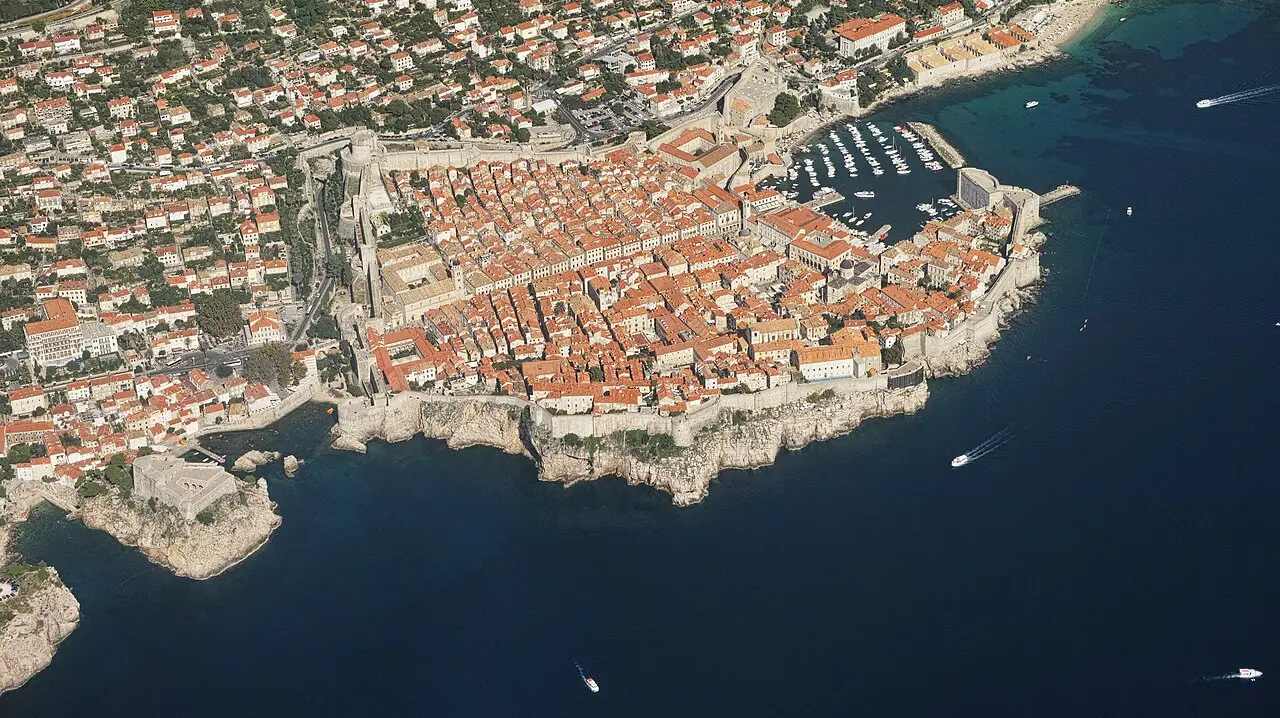
Short answer: Croatia is mid-priced, but the part you actually buy as a visitor isn’t cheap. Eurostat’s 2024 price levels put Croatian consumer prices overall at 73% of the EU average, while restaurants and hotels sit at 95%, higher than Slovenia or Greece. On a Split menu we read on 22 September 2026, a coffee was €2.20 and a half-litre of draught beer €5.50. That gap explains why a Croatia trip so often feels dearer than the statistics promise. In cash terms, a careful backpacker gets by on about €55-75 a day (roughly $63-86 or £47-64), a mid-range traveller on €110-160 ($126-184 / £94-137), and a comfortable trip runs €200+ ($230+ / £171+), before flights. The biggest swing factor is still when and where you go: the same coast in August costs far more than in May or late September.
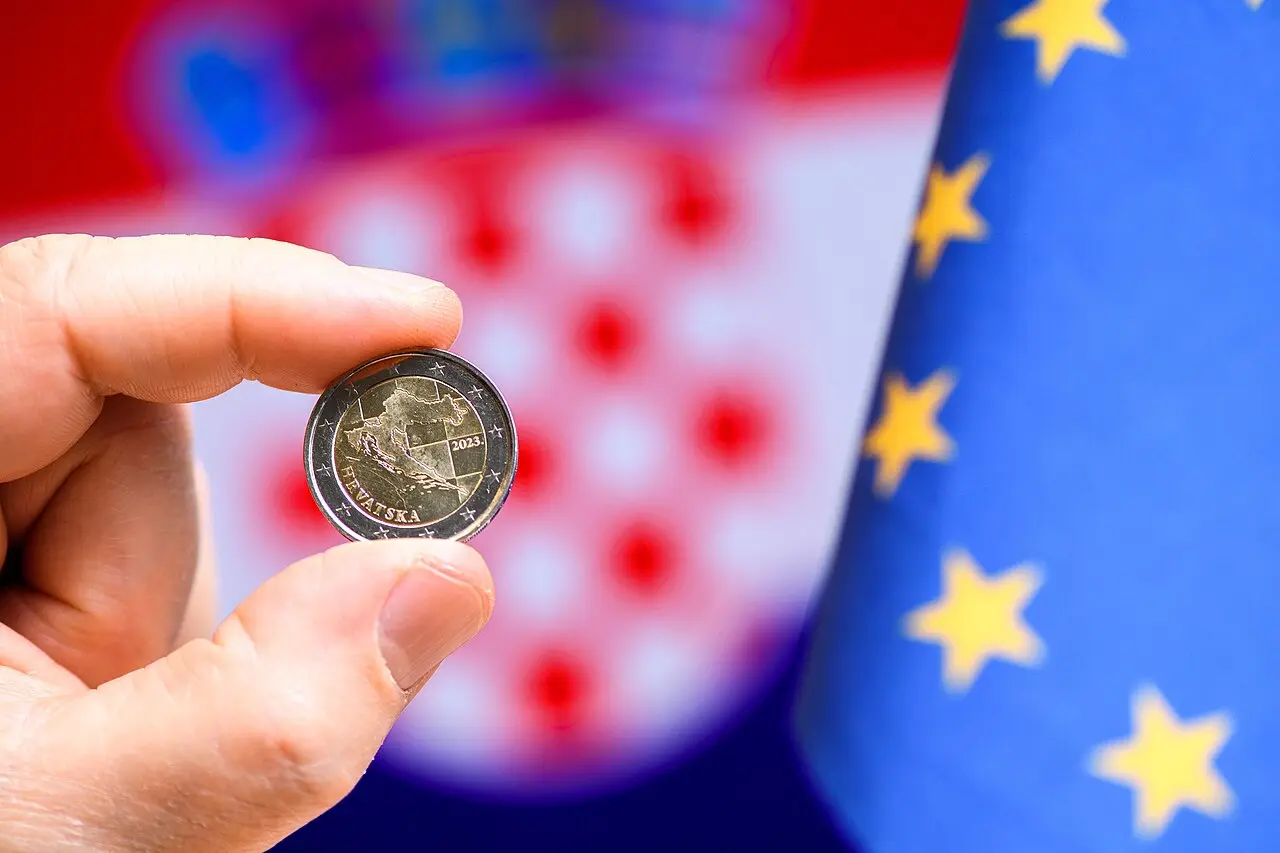
Four things really move the total: accommodation, food, transport and ferries, and tickets for the big sights. Croatia uses the euro (€) and has been in the Schengen Area since 1 January 2023, so for most visitors there are no border or currency hurdles.
Currency converter
- EUR
- €89.09
- USD
- $100
- GBP
- £75.75
What coffee, beer, dinner, a hotel night and the big tickets cost in 2026
Forget generic “expect to pay more” advice. Here’s what eight ordinary things cost you, read on 22 and 23 September 2026 from two Split restaurant menus, two hotels’ own booking pages and the published fare for the Hvar catamaran:
| Item | Price | Where we checked |
|---|---|---|
| Coffee | €2.20 | Konoba Varoš, Split old town, menu read 22 Sep 2026 |
| Cappuccino | €3.00 | Same menu |
| Draught beer (0.5 l) | €5.50 | Same menu |
| Restaurant main course | €10-25; €25-36 for a steak | Konoba More and Konoba Varoš, Split, menus read 22 Sep 2026 |
| Catamaran, Split-Hvar Town (one-way, foot passenger) | €25.00 | Jadrolinija line 641 published fare, read 23 Sep 2026 |
| Dubrovnik City Walls, adult | about €40 in high season (roughly March-October), less in winter | Operator: Society of Friends of Dubrovnik Antiquities; the webshop loads prices by script, so this is our standing 2026 figure, not a reading from 23 Sep |
| Hotel night, Split (3★ on the Riva) | €225 in July, €155 in October (weekday rate; weekends May-Sep +20%) | Hotel Adriana’s own published 2026 tariff, standard double, read 23 Sep 2026 |
| Hotel night, Dubrovnik (3★ in Lapad) | €255 in July, €142 in October | Hotel Splendid’s own booking engine, standard double with balcony and breakfast, nights of 15 Jul 2027 and 15 Oct 2026, read 23 Sep 2026 |
Two lines there do more work than the rest. The hotel rows are the same room in the same hotel four months apart, and that single switch moves more money than any amount of ordering carefully: €225 down to €155 in Split, €255 down to €142 in Dubrovnik. The two hotels are not a like-for-like pair, so read each on its own: the Split figure is room only on a weekday, the Dubrovnik one includes breakfast and a sea view and is the flexible rate - the same screen offered that July night at €225.40 on early booking. The Dubrovnik peak is priced for July 2027, because July 2026 is already past and a booking engine can only quote a future night, while the Split row is the hotel’s published 2026 tariff. And the catamaran fare is only the headline. The state-subsidised catamarans to Hvar Town cost €6.40 out of season and €10 in summer, and the Jadrolinija car ferry into Stari Grad - about 16 km by road from Hvar Town, with the island bus timed to meet only some sailings - is €5.90 out of season and €8.40 in it. The €25 line is the commercial boats’ fare.
Trip budget calculator
Estimated total for the trip, flights excluded
- EUR
- €1,540-2,240
- USD
- $1,729-2,514
- GBP
- £1,310-1,905
Daily budget: backpacker, mid-range and comfort
How much you’ll spend a day depends on your travel style far more than on Croatia itself. Three planning profiles for one person in shoulder season (June or September), flights excluded - our estimates, not quotes; couples save on the room and spend more on everything else.
| Per person / day | Backpacker | Mid-range | Comfort |
|---|---|---|---|
| Accommodation | €20-35 (hostel dorm / cheap room) | €50-90 (3★ hotel or apartment) | €130+ (4-5★ / sea-view) |
| Food & drink | €18-28 (self-catering + 1 cheap meal) | €35-55 (café + one restaurant) | €70+ (restaurants, wine) |
| Transport & day trips | €8-15 (buses, occasional ferry) | €20-35 (ferries, the odd tour) | €40+ (taxis, private tours, car) |
| Typical daily spend | €55-75 | €110-160 | €200+ |
| Same in USD / GBP | ~$63-86 / £47-64 | ~$126-184 / £94-137 | ~$230+ / £171+ |
The three lines above the total are independent ranges, not a column to add up: you won’t sit at the top of accommodation, food and transport on the same day, which is why the total band is narrower than the sum.
Dollar and pound figures use the European Central Bank rate of 31 July 2026 (€1 = $1.15 = £0.86) and move with the market.
In July and August the accommodation line peaks hardest. On Hotel Adriana’s published 2026 tariff a standard double is €225 a night in July and August, €185 in June or September and €155 in April, May or October - and the hotel adds 20% to weekend nights from May to the end of September, so a July Friday is nearer €270. The extras that pad a bill beyond any daily budget - tourist tax, sunbed rental, card traps - are in our hidden costs in Croatia guide.
Run those bands over the length of trip most people actually take, and a week on the ground works out at roughly €385-525 backpacking ($440-600 / £330-450), €770-1,120 mid-range ($885-1,285 / £660-960) and €1,400+ in comfort ($1,610+ / £1,200+), one person, flights excluded. A couple sharing a room lands well under double the mid-range figure, because the bed is the line that splits. One budget line worth getting right before anything goes wrong is cover: our Croatia travel insurance guide breaks down what a policy should include and roughly what it costs.
Is Croatia expensive compared with Italy, Greece or Montenegro?
Cheaper than Italy on both counts and dearer than Montenegro on both, but on the holiday column dearer than Greece: restaurants and hotels score 95 in Croatia against 86 in Greece, even though everyday prices are lower (73 against 83). Eurostat compares what the same basket costs across Europe with the EU average set at 100, and two columns matter here: everyday consumer prices, which is what living costs, and restaurants and hotels, which is what a holiday costs. The 2024 figures show how far apart they can be.
| Country (2024, EU average = 100) | Everyday prices | Restaurants & hotels |
|---|---|---|
| Austria | 120 | 110 |
| Italy | 98 | 107 |
| Slovenia | 91 | 90 |
| Greece | 83 | 86 |
| Croatia | 73 | 95 |
| Bosnia and Herzegovina | 60 | 75 |
| Montenegro | 58 | 66 |
| Albania | 63 | 52 |
Read the Croatian row twice, then read what it leaves out. That 73 is an average over everything a household buys, and it’s held down by categories a visitor never touches: housing at 44, health at 66, education at 63. Take those out and the basket you actually pay for on a trip sits between 85 and 104, with shop alcohol higher still - transport 85, recreation and culture 86, restaurants and hotels 95 (twelve points under Italy, but well above Montenegro or Albania), and food and non-alcoholic drinks at 103.7, above the EU average and above Spain (95.2), Portugal (101.5) and Italy (101.7). Alcohol in the shops is 125.6.
That’s why “Croatia is cheap” falls apart precisely in a visitor’s hands. Cheap Croatia is the country you would meet renting a flat here for a year. The Croatia you buy on a fortnight’s holiday is priced like a normal EU country, supermarket included - which is the part most first-timers get wrong.
So aim your saving at the markup, not the country. A konoba’s daily lunch menu is cheaper because the dishes are simpler, not because the kitchen discounts the same plate: at Konoba Varoš the marenda list runs €8.50-21 - tripe and goulash at the bottom, breaded monkfish at the top - while the evening carte reaches €36 for a steak. A room one street back from the water is a different price band from the one facing it. Those moves work because they cut what you pay for the setting, not because you’re cutting Croatia itself out of the trip. And if you want a genuinely low-cost Adriatic holiday, with the beaches mattering more than the country, the cost of a trip to Montenegro next door comes out lower on exactly this measure. For how Croatia stacks up against all seven of its Balkan neighbours on the same Eurostat data, see our Balkans trip cost comparison.
Accommodation: where your money goes
Lodging is the largest single cost on almost every Croatia trip, and it varies wildly by location and month. A private apartment (apartman or sobe) is the local sweet spot: usually better value than a hotel of the same standard, and a kitchen lets you skip a restaurant meal or two.
- Hostel dorm: roughly €20-35 a night in summer; cheaper inland and in the shoulder months.
- Private room / apartment: roughly €50-110 for a double in a town like Split or Zagreb, more on the most sought-after stretches of coast.
- 3-4★ hotel: typically €90-180+ in summer on the coast; less inland and off-season. The two 3★ hotels in the price table above both sit at the top of that band in July.
You’ll pay a premium for the view, so base yourself a few streets back from the seafront or in a nearby village. And travel in late May-June or September, when the same room is typically 15-20% cheaper than in August, or in October, when it can be a third cheaper. Dubrovnik is the most expensive base in the country; inland towns and the larger islands are gentler on the wallet.
Food: markets, bakeries and restaurants
Eating in Croatia spans a huge range, so this is where budgets diverge fastest. At the cheap end, a bakery burek or sandwich is a couple of euros, and a daily lunch menu (marenda / gablec) at a simple konoba is often the best-value hot meal of the day. A sit-down dinner at a mid-range restaurant means one of the €10-25 mains in the price table above. A seafront terrace in a tourist hotspot can cost a lot more than the same plate of fish a few lanes back, and it’s rarely worth the markup. What an evening of drinks costs is a separate line - see Split nightlife.
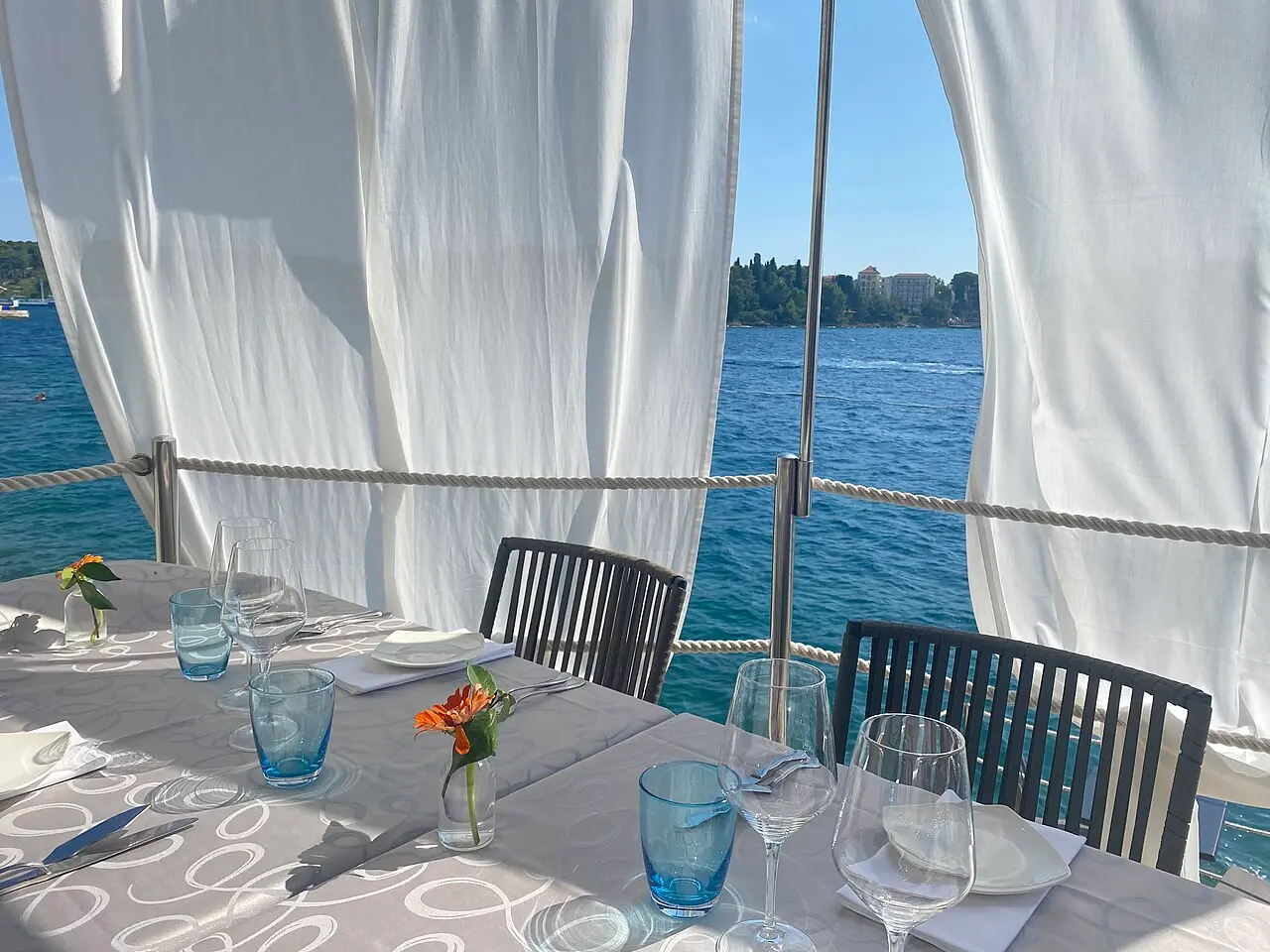
Shop the green markets (pazar) and fish markets for fruit, cheese, pršut and the day’s catch; buy water and snacks from a supermarket (Konzum, Lidl, Plodine, Tommy) rather than a kiosk; eat your main restaurant meal a few lanes off the main square, where locals do. A coffee sat on a terrace - a Croatian institution - is usually only €2-3, so the café habit won’t dent a budget the way people assume it will.
Transport, ferries and car hire
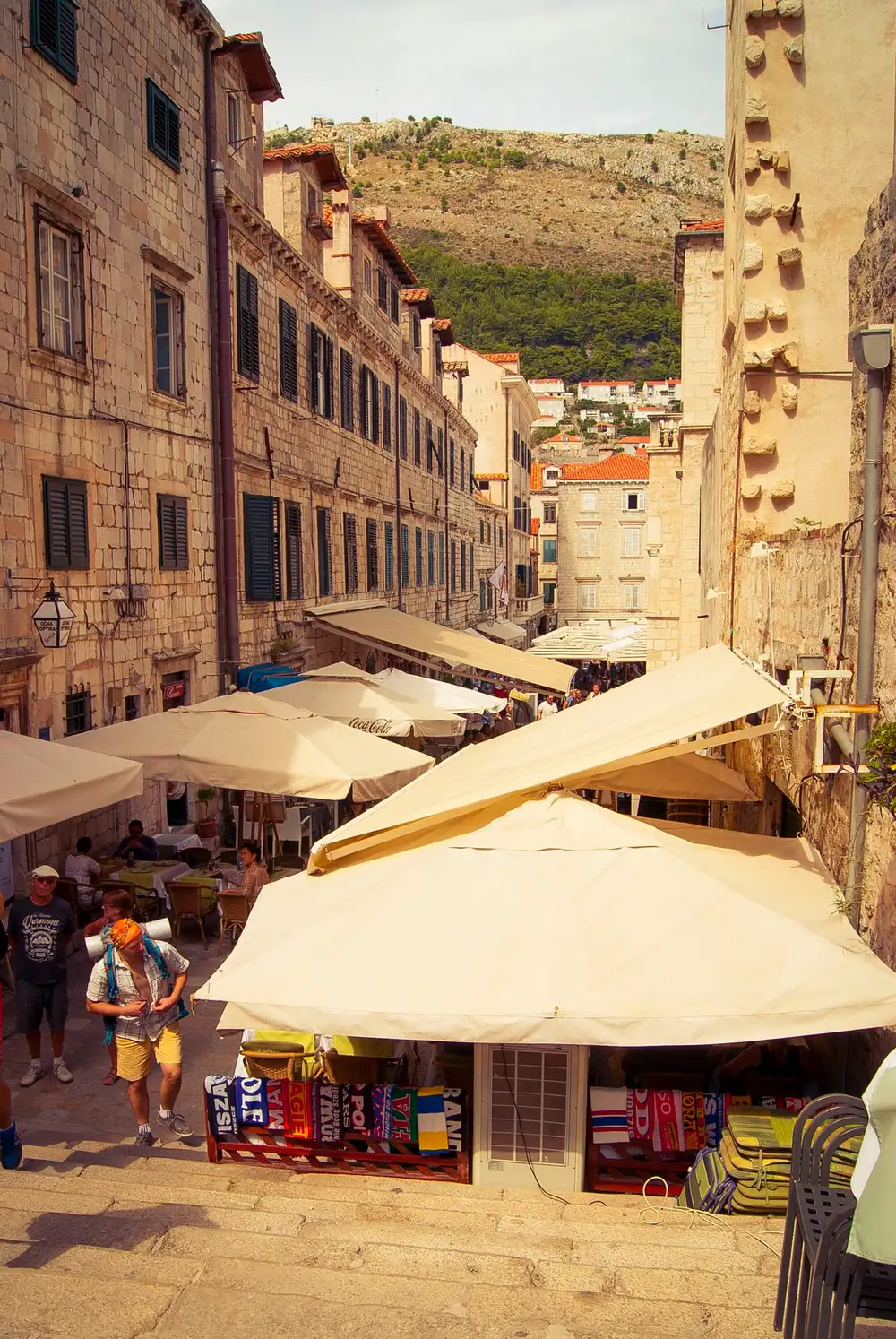
Getting around Croatia is mid-priced rather than cheap. Intercity buses are the backbone - comfortable, frequent and reasonable (a Split-Zagreb or Split-Dubrovnik leg is typically in the low €20s, though carriers price by day and demand), and they reach far more places than the thin train network. Within cities you won’t need much more than your feet and the odd local bus ticket.
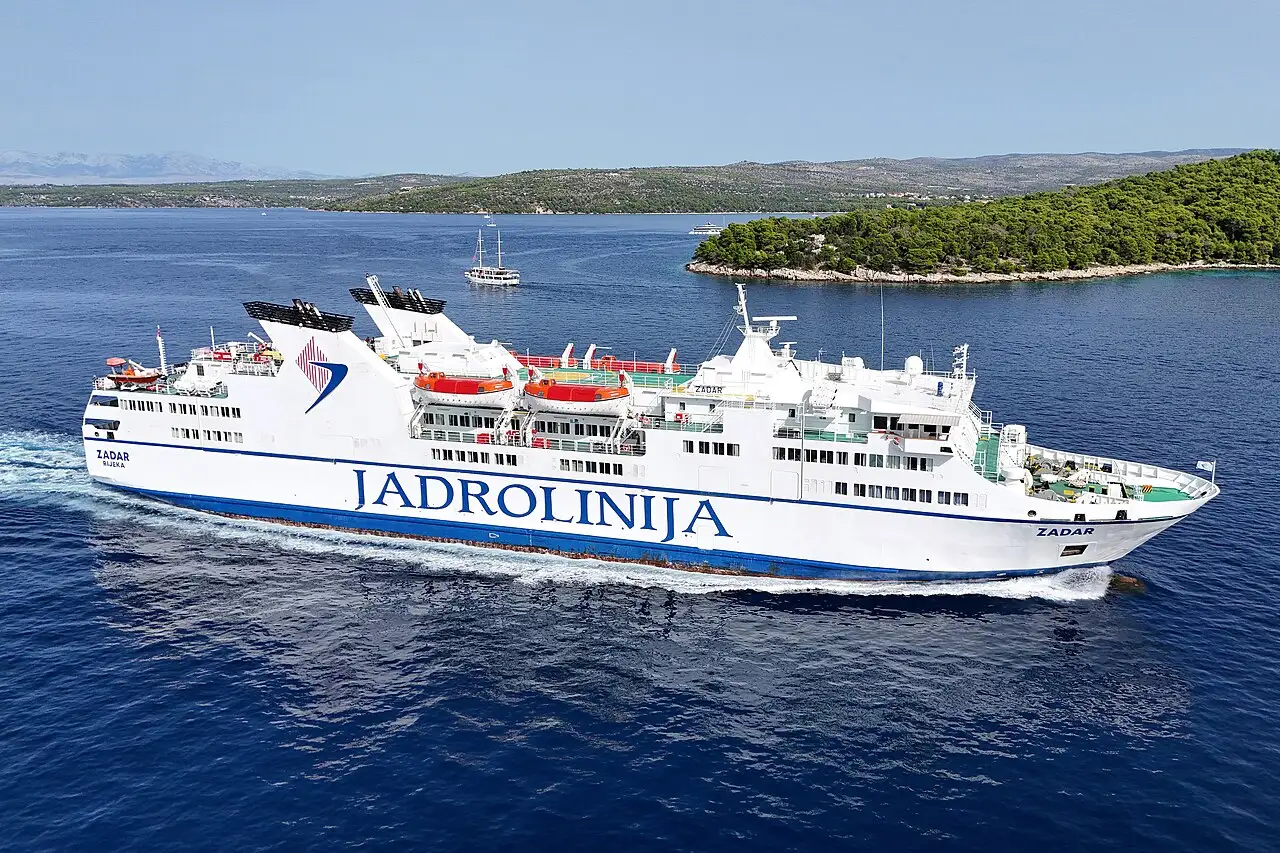
Ferries are both transport and a highlight, and good value as a foot passenger: short island crossings with the national operator Jadrolinija start at a few euros, and the popular Split-Hvar catamaran is €25 one-way as a foot passenger on Jadrolinija’s line 641 - longer catamaran legs cost more still, and the car ferry into Stari Grad is a quarter of the price. Taking a car across is far dearer and books out in summer, so for island-hopping most people don’t bring one at all - they travel as foot passengers and pick up local transport on arrival. Fares and timetables are seasonal - check Jadrolinija directly before you book.
Renting a car makes sense for Istria, the inland national parks and a coastal road trip, but adds up: the headline daily rate is only part of it, with insurance, fuel, tolls, paid town parking and any one-way fee on top. If you only need wheels for a day or two, you’re better off hiring locally than keeping a car idle (and paying to park it) in a walkable city. Compare current rates in our car-hire section before committing. To link the coast without one, the Dalmatia route from Split to Dubrovnik shows the ferry-and-bus way to do it, and the transport section covers the rest.
Tickets and tours: the big-ticket sights
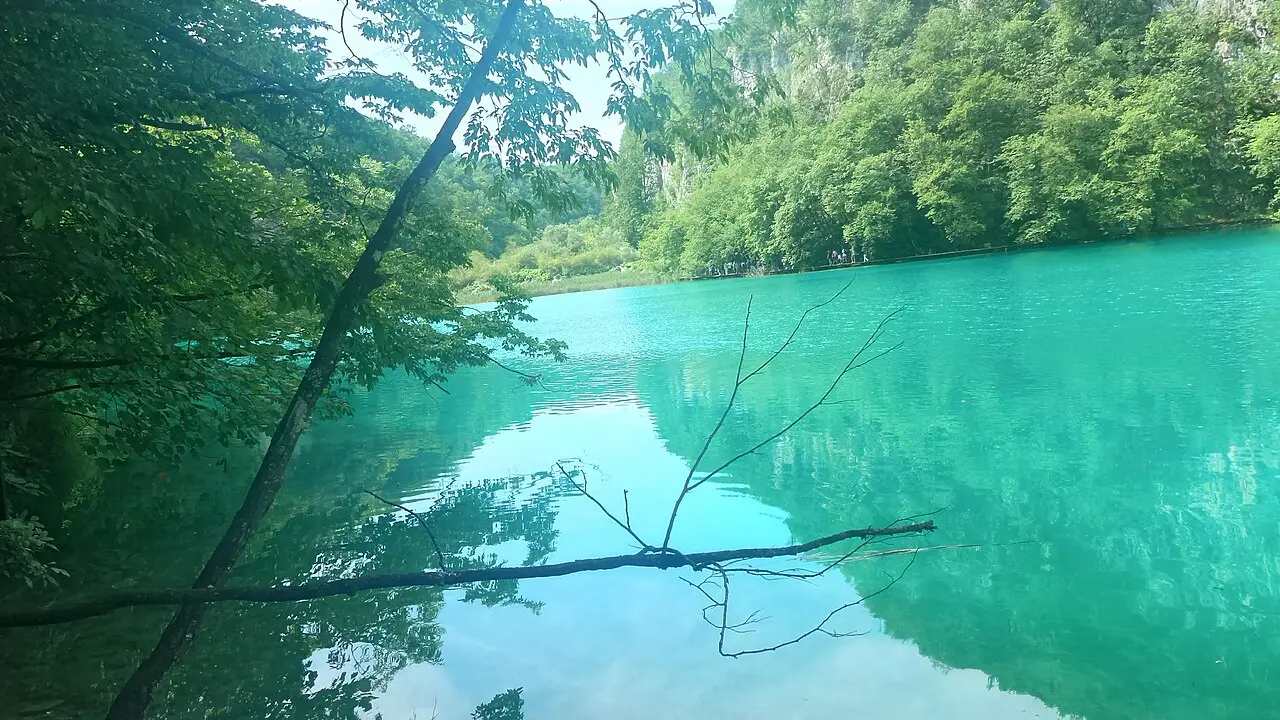
Croatia’s headline attractions are where casual spending adds up fastest, and the two most famous ones aren’t cheap. Plitvice Lakes National Park uses seasonal pricing: the peak-summer adult ticket runs about €40 (roughly June to September), drops to around €25 for a late entry after 4pm, and is markedly cheaper in the low season - so spring, autumn or a late-afternoon start saves real money as well as crowds. Krka charges exactly the same in high season - €40 from June to September, €30 after 15:00, €20 in April, May and October - and combines well with Split. Brijuni National Park, at €50 for the summer excursion ticket, is the one that sits above them.
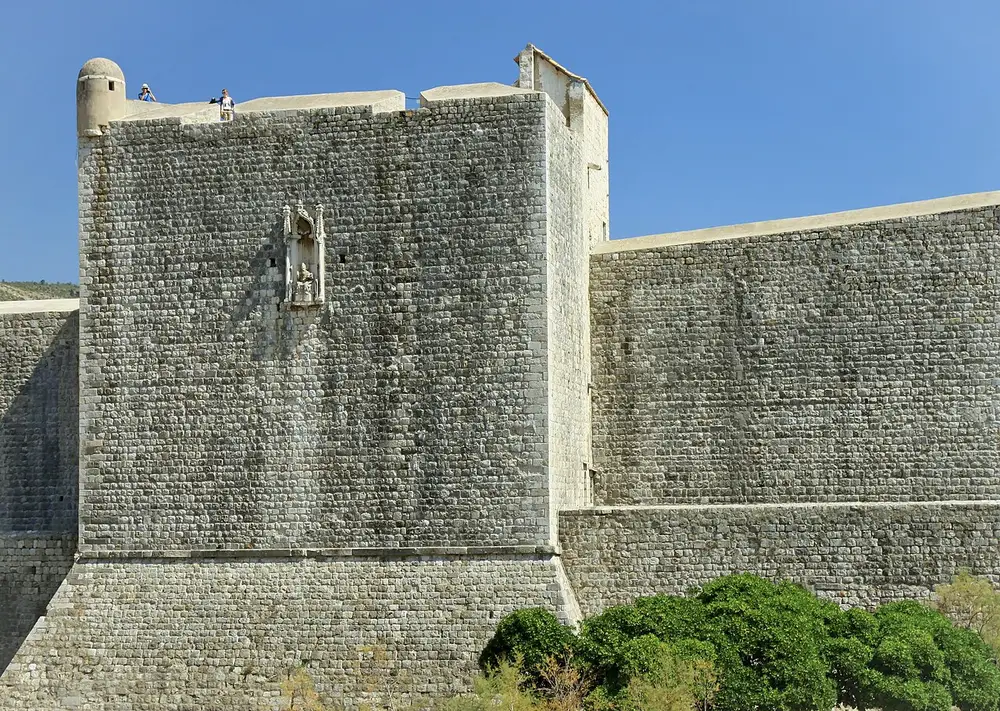
In Dubrovnik, walking the City Walls is the signature experience, at €40 in high season (March-October) and less in winter - the same money as a peak-season day at Plitvice or Krka, not a premium on them. The 1-day Dubrovnik Pass costs the same €40 and bundles the walls plus city buses and several museums (the Rector’s Palace, the Maritime Museum and more), so unless the walls are literally all you’re planning to do, the pass is the one to buy. Multi-day versions add more transport and discounts (roughly €50 for three days, €60 for seven). The Plitvice and Dubrovnik Pass figures here were last checked on 18 July 2026, while the prices in the table above were read on 22-23 September 2026. These headline tickets are revised each season, so confirm current figures on the official sites before you go.
Beyond the marquee sights, there’s plenty that’s free or cheap: most beaches, old-town wandering, hiking Marjan in Split or the Lapad coast in Dubrovnik, the markets. Organised day tours range widely, from a sociable group boat to a private guide.
Seasonality: the single biggest cost lever
Nothing changes your Croatia budget more than timing. July and August are the most expensive and the most crowded; rooms, ferries and tours all peak, and the cheapest options sell out first. The shoulder months - May, June, September and early October - are the sweet spot: warm sea, long days, thinner crowds and accommodation that’s often 15-30% cheaper than midsummer - see the best time to visit Croatia for the weather and sea-temperature case for that same window, not just the price one. The low season (November-March) is cheapest of all, but many island and coastal businesses close and ferry schedules thin out.
Travel in the shoulder and you get most of the summer upside at a discount - the easiest single saving on the trip.
How to save money in Croatia
- Go in the shoulder season (late May-June, September) for the biggest single saving on rooms, ferries and park tickets.
- Sleep one street back from the seafront, or inland, and cook some of your own meals - not because Croatian groceries are cheap (they’re above the EU average) but because it skips the restaurant markup.
- Travel by bus and as a foot passenger on ferries; only rent a car for the days you genuinely need it.
- Buy a city pass where it fits your plans - the Dubrovnik Pass can bundle the City Walls, transport and museums.
- Eat the daily lunch menu (marenda/gablec) and drink your coffee on the terrace; both are cheap local rituals.
- Carry some cash for markets, small konobas and boat tickets, even though cards are widely accepted - our cash-or-card money guide has the detail.
- Price the month before you price the town. Moving the same trip from August to October takes roughly a third off the room, which is more than any other decision on this page; more cost and logistics tips are in the trip-planning hub, and the city-base question is Split versus Dubrovnik.
Opening hours, prices, timetables and seasonal services change through the year - the figures here are planning estimates, not quotes. Confirm current details with the operators and official sources before you go.
Photos
Read also

Before you go · 10 min read
Where to Stay in Korčula: Old Town to Vela Luka
Verified · September 5, 2026Korčula Town for walls and boats, Lumbarda for sand, Vela Luka for the Split car ferry. Match the base to how you arrive - then book.

Before you go · 10 min read
Sailing in Croatia: Yacht Charter Costs & Routes
Updated · September 5, 2026Croatia yacht charter 2026: bareboat weekly ranges, skipper and deposit separate, APA on crewed boats, season guides, island routes.

Before you go · 10 min read
Where to Stay in Makarska: Riviera Bases Compared
Updated · August 30, 2026Brela, Baška Voda, Makarska, Tučepi or the quieter south - which Riviera base fits beach weeks, families, nightlife and Brač ferry mornings.

Before you go · 8 min read
Hvar or Korčula: Which Island Fits Your Trip?
Verified · August 28, 2026Hvar or Korčula in 2026? Split catamarans (~€25 like-for-like), vibe, beaches and who each Dalmatian island suits - plus the hop between them.