
Where to Stay in Zagreb: Best Areas & Neighbourhoods
Best areas to stay in Zagreb - Donji Grad for first visits, Gornji Grad for quiet charm, Trešnjevka, Trnje, Jarun and Maksimir for longer stays.
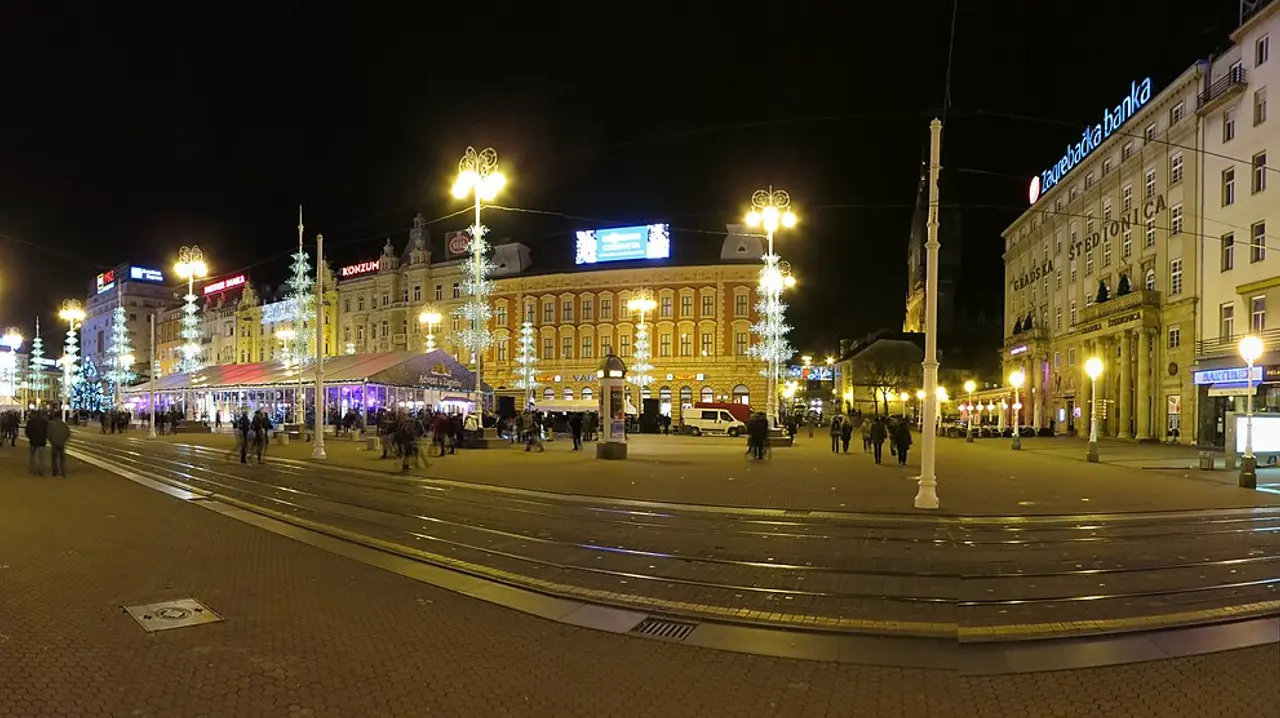
For a first Zagreb stay, book Donji Grad (Lower Town) - ideally within a short walk of Ban Jelačić Square or the Green Horseshoe parks. You’ll sleep on flat streets, step onto trams without a map hunt, and reach Upper Town, Dolac market and the museums on foot. Choose Gornji Grad only if you find a quiet room and don’t mind cobbles with a suitcase; pick Trešnjevka, Trnje, Jarun or Maksimir when you’re staying longer and want space or a lower nightly rate.
Zagreb rewards that choice more than most Adriatic cities. The capital isn’t a walled peninsula with one “inside the walls” answer - it’s a tram city where the neighbourhood you pick shapes noise, parking and how many minutes you burn getting to coffee. Our Zagreb travel guide covers what to see; this page is only about where the bed should sit.
Area cheat sheet
| Area | Best for | Trade-off |
|---|---|---|
| Donji Grad (Lower Town) | First visits, walkability, hotels | Highest demand; parking is awkward |
| Gornji Grad / Kaptol | Atmosphere, quiet nights | Few rooms; hills and cobbles with luggage |
| Near Tkalčićeva | Cafés and nightlife | Louder after dark, especially weekends |
| Trešnjevka | Longer stays, local markets | Not postcard-pretty; tram into sights |
| Trnje / near bus station | Early coaches, transit nights | Functional streets, not scenic |
| Jarun | Summer lake, families, sport | Tram ride to the historic core |
| Maksimir | Park walks, quieter evenings | East of centre - plan tram time |
| Novi Zagreb | Modern flats, lower rates | Across the Sava; sightseeing costs minutes |
Donji Grad: the default first base
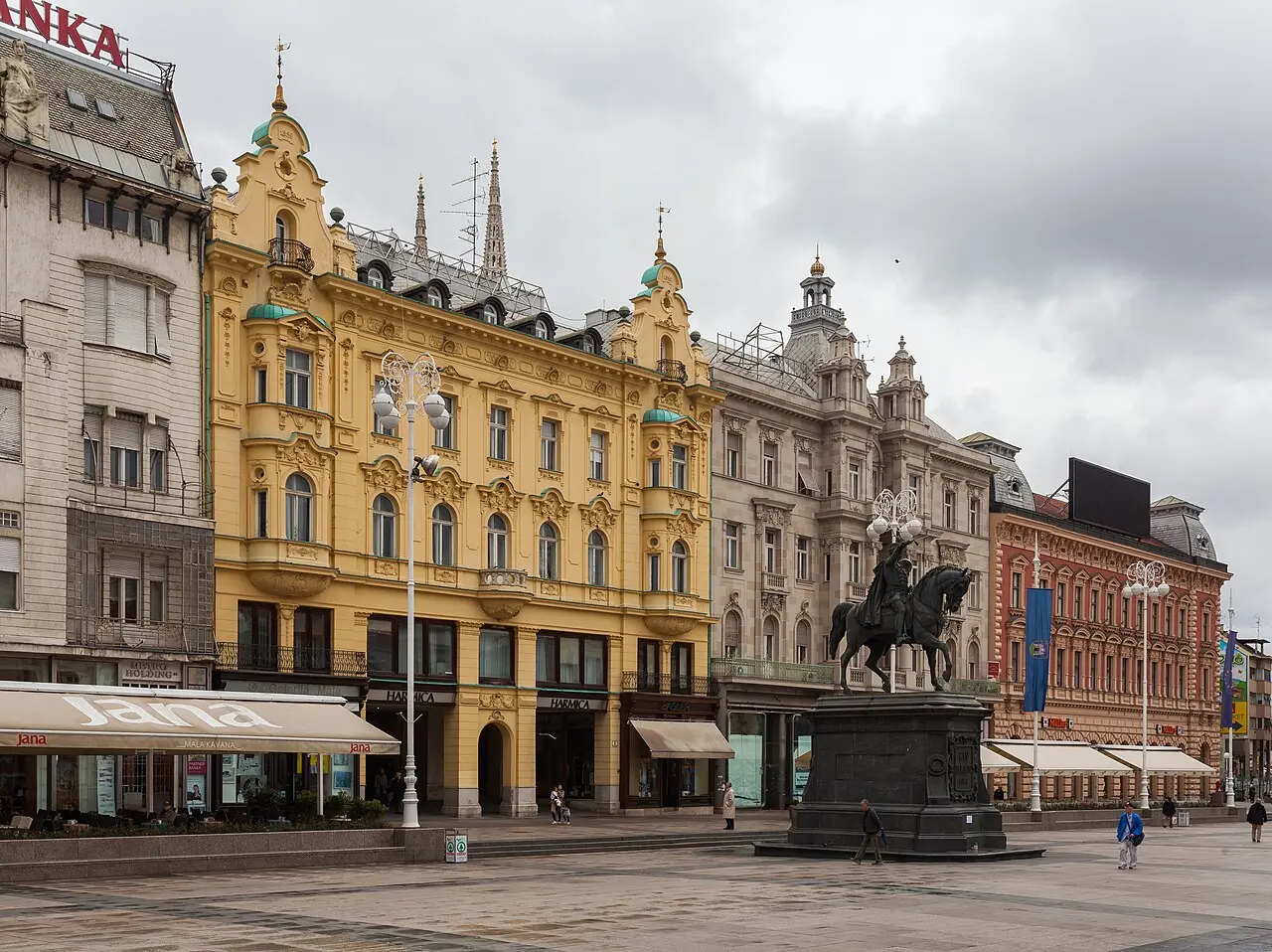
Donji Grad is the Habsburg grid south of Ban Jelačić Square - wide avenues, café terraces and the U-shaped park chain locals call the Green Horseshoe (Lenuci’s Horseshoe): seven linked squares and the Botanical Garden laid out from the 1880s. Sleep here and museums, Zrinjevac, the National Theatre and the main tram spines sit inside a comfortable walking radius. It’s also where most mid-range and upscale hotels cluster, so the choice of room types is widest.
The trade-offs are predictable. Rates sit at the top of the city ladder, and private parking is scarce - if you’re arriving by hire car, ask about a garage before you pay, or leave the car at the edge and ride trams in. Streets near the square feel busy from morning coffee until late; for quieter nights inside Donji Grad, you’ll want a block or two off the main café strips toward the southern parks rather than right on the square.
Gornji Grad and Kaptol: charm with limits
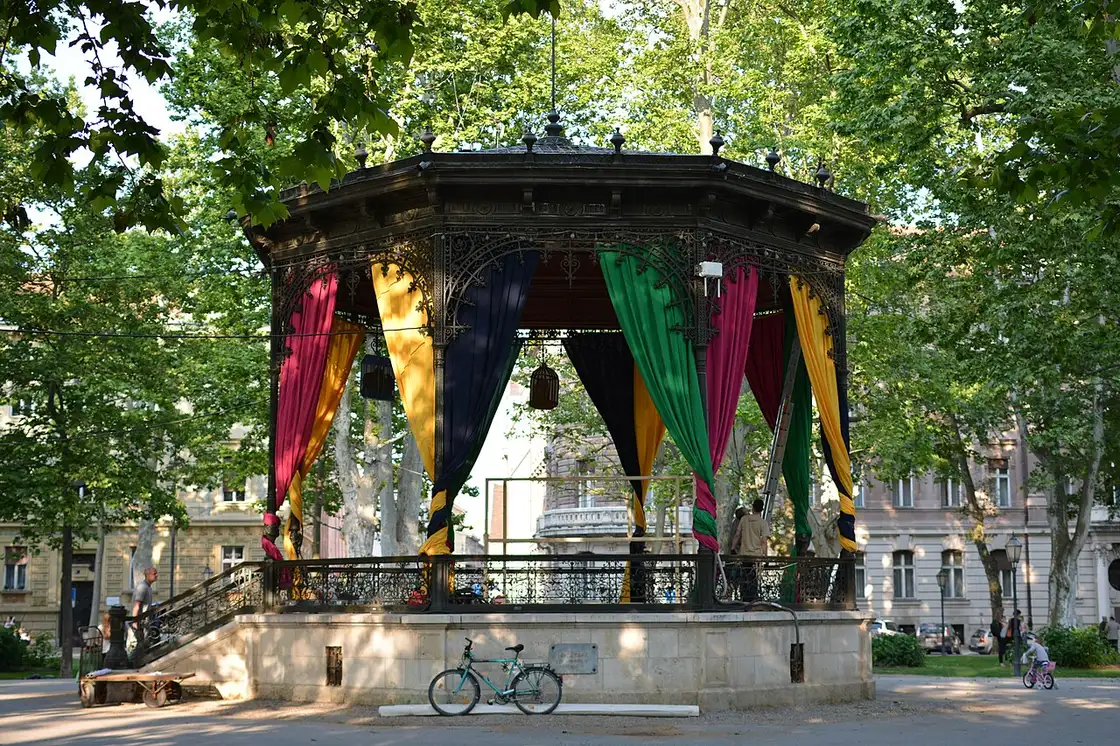
Gornji Grad (Upper Town) - the old Gradec hill with St. Mark’s Church, Lotrščak Tower and the Stone Gate - is the postcard Zagreb. Kaptol, next door around the Cathedral, shares the medieval feel. Evenings up here go quiet once day-trippers leave, which is exactly why some travellers want a room on the hill - until Zagreb’s Christmas market fills Advent evenings and that quiet ends.
Inventory is the hard stop - don’t wait. Hotels and apartments are sparse compared with Lower Town, and anything you do find often sits on cobbles and stairs. With a large suitcase, you’ll want the short funicular ride from Tomićeva Street (ZET’s uspinjača: 66 m of track, about a minute, €0.66 one-way, roughly every 10 minutes from 06:30 into the evening - back in regular service since 19 May 2026 after renovation; confirm last run on the ZET site). Treat Upper Town as a bonus if a good listing appears, not as the place you force for a two-night transit stop.
Tkalčićeva and the nightlife strip
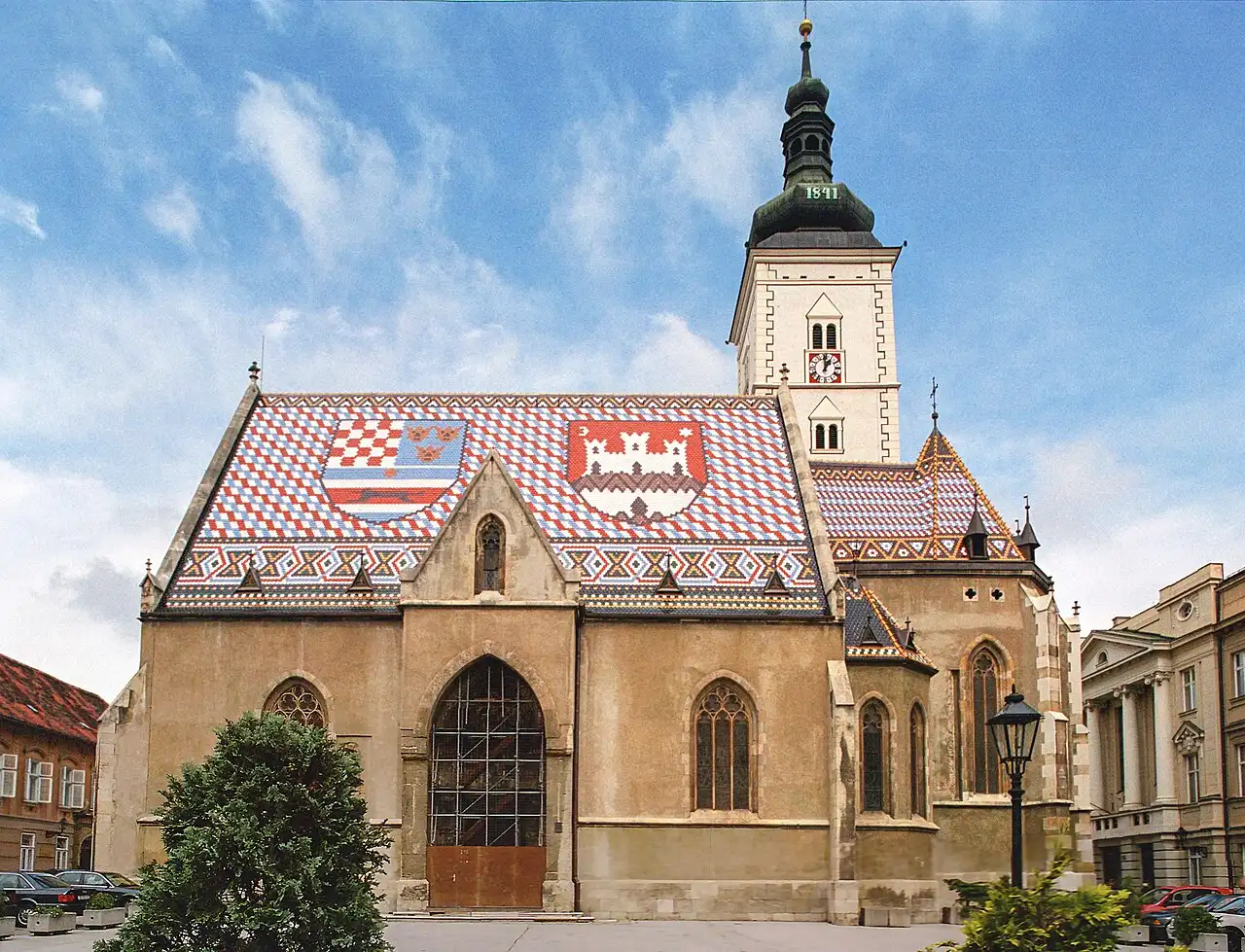
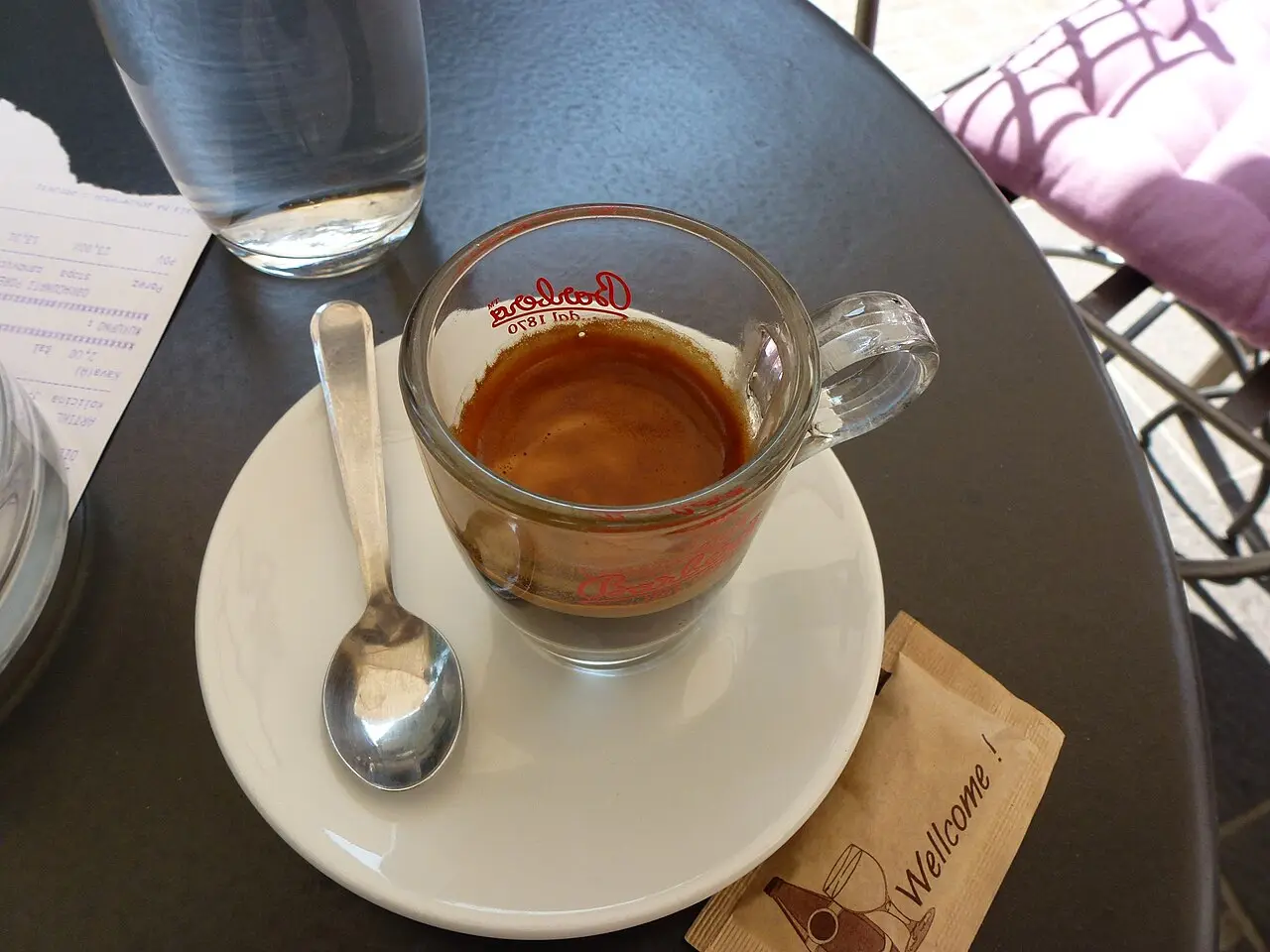
Just below Upper Town, pedestrian Tkalčićeva runs as Zagreb’s café-and-bar spine. Staying on or beside it puts breakfast and late drinks downstairs - and it also puts weekend noise outside your window. If you like that energy, book it; our Zagreb nightlife guide breaks down which streets get loud, and what Croatian law says about how late. If you sleep light, take a Donji Grad address a few blocks south instead and walk up for the evening. The gap is small on a map and huge at 1 a.m.
Trešnjevka and Trnje: local value
West of the centre, Trešnjevka is a lived-in district of markets, bakeries and tram lines - the “city within a city” people settle into for a week of remote work or a slow city break. You won’t get Upper Town views from the balcony, but you’ll usually pay less than Ban Jelačić prices and still ride into the core in minutes.
Trnje, south and southeast of Donji Grad toward the main bus station (Autobusni kolodvor), is the practical twin. If your Croatia plan starts or ends with an early coach to the coast, sleeping near the station saves a dawn taxi across town. It’s residential and functional rather than scenic - fine for one night, less ideal as your only Zagreb base if sightseeing is the point.
Jarun and Maksimir: green, not central
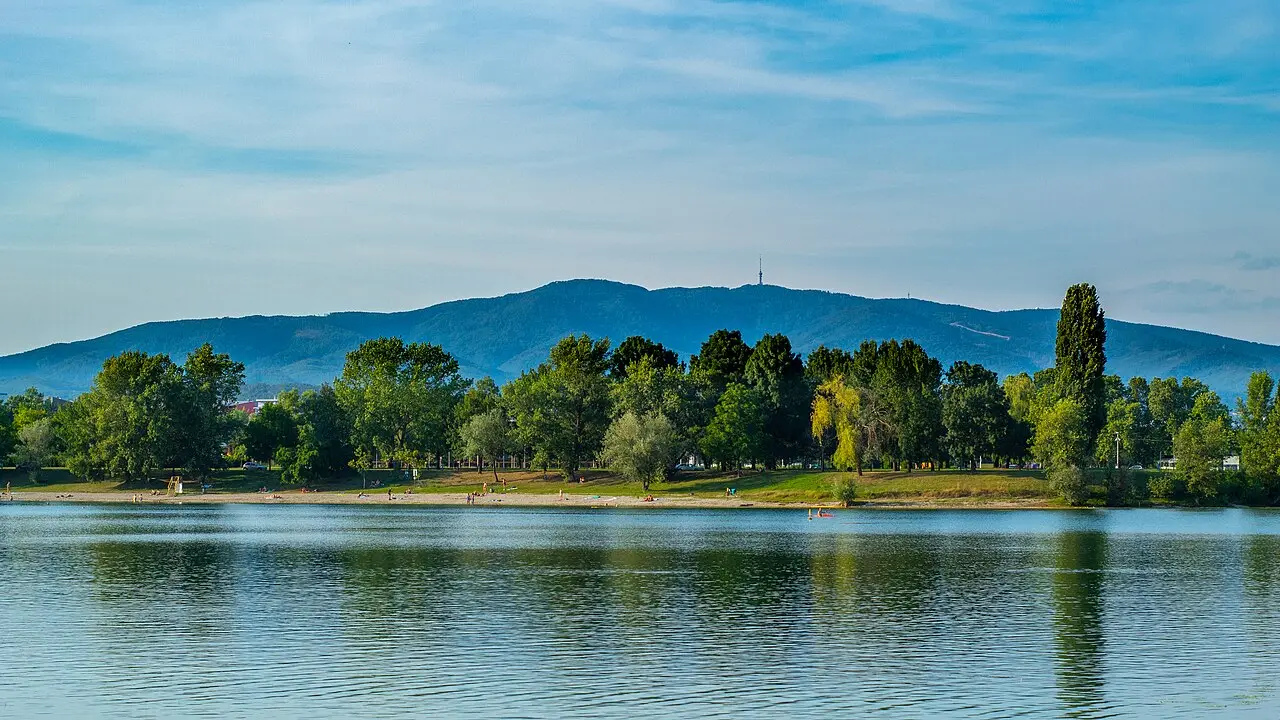
Jarun, the city’s lake recreation zone southwest of the centre, suits families, runners and summer stays. You get water, paths and a calmer night than the café strip - at the cost of a tram ride whenever you want museums or Dolac. Maksimir, east of the centre, trades on the big English-style park and zoo: leafy, quieter, still on the tram network, still not a first-timer’s “wake up and walk to St. Mark’s” base.
Novi Zagreb, south of the Sava, adds modern apartments and often softer rates. Factor the river crossing into every sightseeing day before you book a week there on a first visit.
From the airport, and do you need a car?
Franjo Tuđman Airport (ZAG) sits southeast of the city. The dedicated Pleso Prijevoz shuttle runs to Zagreb’s central bus station in about 35-40 minutes; as of August 2026 the adult one-way fare is €9 (children under 7 free), with daytime runs through the evening and later buses timed to arrivals until around 01:00. City bus ZET 290 reaches Kvaternik Square in about 45-50 minutes and costs a normal ZET ticket - cheaper, slower, with more stops. For door-to-door, use a taxi rank or a ride-hail app; our Uber and taxis in Croatia page covers how apps work at Croatian airports. Always re-check the operator pages the week you fly - fares and last buses move.
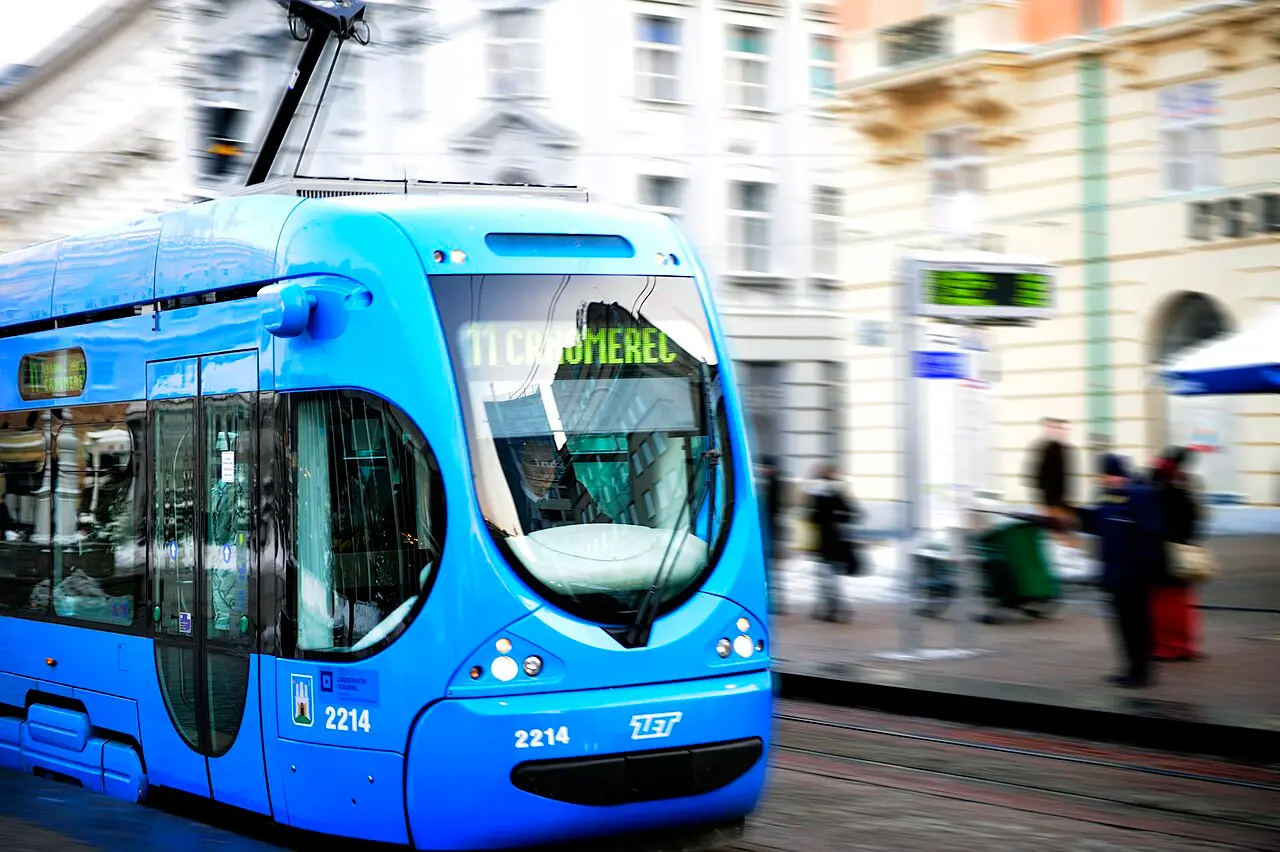
Inside Zagreb you almost never need a hire car for sightseeing. The historic core is walkable, trams cover the rest, and central parking is the expensive headache. Keep a car only if you’re using the capital as a launch pad for Plitvice, Istria or the coast the next morning - and then prefer a base with easier garage access on the fringe rather than a square-front hotel.
Rates, seasons and how far ahead to book
Zagreb doesn’t spike like Split or Dubrovnik in July, but it isn’t flat either. Advent (late November into December), big concerts and midweek congress hotels pull demand into the Lower Town first. Book early if you want a specific street near Zrinjevac or Ban Jelačić; Trešnjevka and Trnje usually hold inventory longer. Relative bands, not quotes: Donji Grad and rare Upper Town rooms at the top, Trešnjevka / Trnje / Novi Zagreb usually softer, Jarun and Maksimir in between depending on the week. Live rates swing too much for a printed nightly number to stay honest - compare your dates on a hotel site and treat any blog “average” as stale.
If Zagreb is only one stop on a Croatia trip, put it next to the coast decision in where to stay in Croatia - the capital is the culture base, not the beach base.
Matching the neighbourhood to your trip
- 1-3 nights, first time: Donji Grad near the square or Green Horseshoe.
- Quiet evenings, found a good listing: Gornji Grad / Kaptol - accept the stairs.
- Nightlife focus: near Tkalčićeva, or Donji Grad with a short walk up.
- Week-plus / remote work: Trešnjevka for local rhythm and value.
- Dawn bus south: Trnje / bus-station fringe for one night.
- Summer with kids or sport: Jarun; park lovers lean Maksimir.
Whichever you pick, pin the exact pin on the map - “Zagreb centre” on a booking site can still mean a 20-minute tram if the listing sits toward the Sava or east toward Maksimir. Read the street, not just the neighbourhood label, and you’ll land the stay the city actually delivers.
Photos
Good to know
Zagreb room rates move with Advent, festivals and midweek congresses more than with summer beach demand. The area ranking below is relative - check live prices and the exact street before you book.
Details checked: August 10, 2026
Read also

Before you go · 10 min read
Where to Stay in Korčula: Old Town to Vela Luka
Verified · September 5, 2026Korčula Town for walls and boats, Lumbarda for sand, Vela Luka for the Split car ferry. Match the base to how you arrive - then book.

Before you go · 10 min read
Sailing in Croatia: Yacht Charter Costs & Routes
Updated · September 5, 2026Croatia yacht charter 2026: bareboat weekly ranges, skipper and deposit separate, APA on crewed boats, season guides, island routes.

Before you go · 10 min read
Where to Stay in Makarska: Riviera Bases Compared
Updated · August 30, 2026Brela, Baška Voda, Makarska, Tučepi or the quieter south - which Riviera base fits beach weeks, families, nightlife and Brač ferry mornings.

Before you go · 8 min read
Hvar or Korčula: Which Island Fits Your Trip?
Verified · August 28, 2026Hvar or Korčula in 2026? Split catamarans (~€25 like-for-like), vibe, beaches and who each Dalmatian island suits - plus the hop between them.