
Croatia Travel Insurance: Requirements & Cover (2026)
Croatia travel insurance in 2026: is it required, the Schengen visa €30,000 rule, EHIC/GHIC limits, what a policy should cover, types and cost.
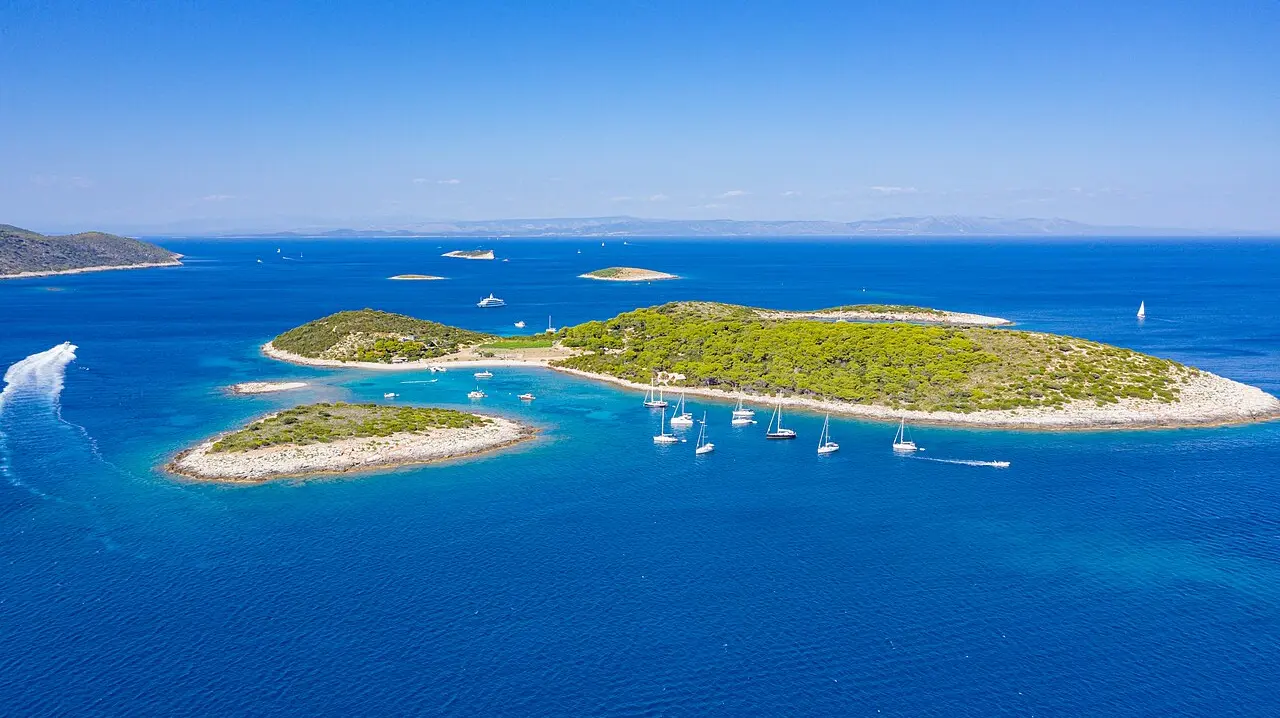
Do you need Croatia travel insurance? For most visitors, yes - and whether it’s strictly required depends on your passport. Croatia is an EU member and, since 1 January 2023, part of the Schengen Area and the euro. That changes the insurance picture in two ways. EU/EEA and Swiss citizens can use a European Health Insurance Card (EHIC) - or the UK’s GHIC - to get state medical care on the same terms as locals. Everyone else has no such safety net and should travel with a proper policy. And the EHIC/GHIC isn’t insurance: it does not cover repatriation, medical evacuation, private clinics or a cancelled trip - which is why most visitors, EU or not, still buy Croatia travel insurance on top. Three numbers frame the decision: mountain rescue by HGSS costs nothing as a rule, even for tourists; anyone treated in the Croatian state system on an EHIC or GHIC pays a co-payment of 20% of the cost of treatment, from €1.32 up to €530.88 per treatment, while without a card the hospital bills you in full; and an air-ambulance flight from the EU to the UK cost €25,000-30,000 by 2023.
Heads-up (verify before you buy). Coverage rules, the small print on activities, and what each card pays for change over time and vary by policy. The points below are general guidance, not a quote. Always read your own policy wording and check the official sources linked at the foot of this page before you rely on anything. Nothing here is medical, legal or financial advice.
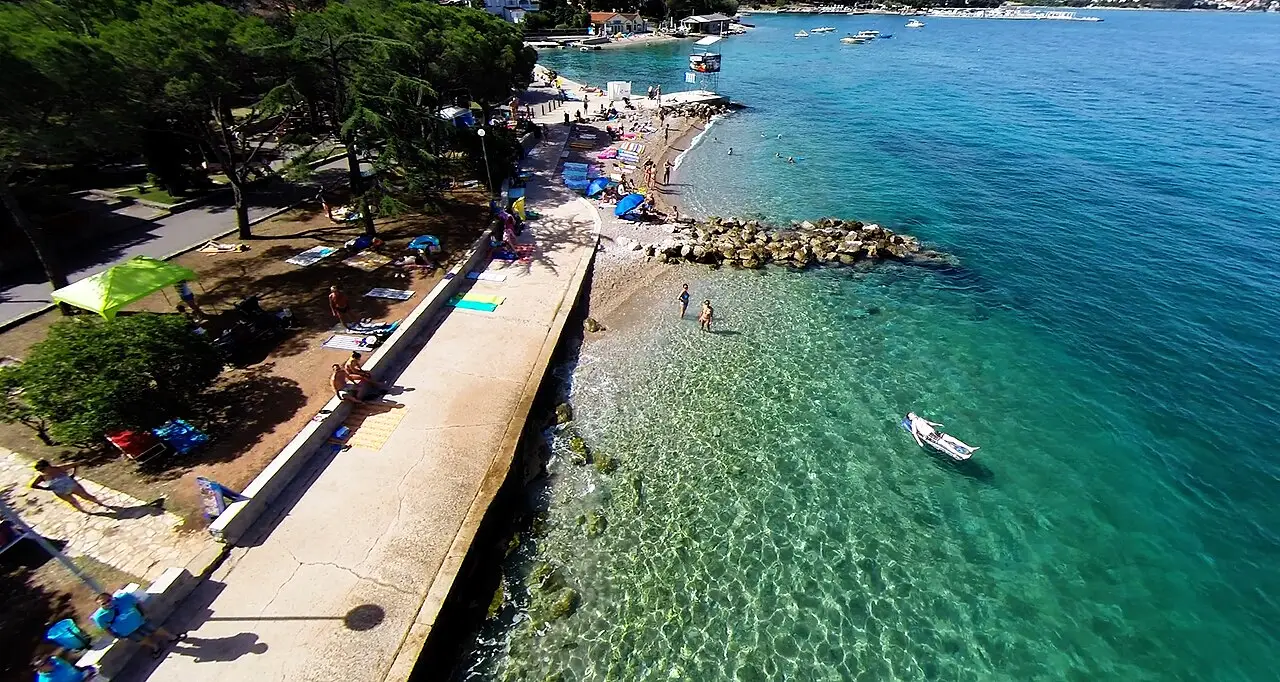
Is Croatia travel insurance required?
For most tourists no, for some yes. Croatia has been in the Schengen Area since 2023, so entry rules follow common Schengen standards rather than a Croatia-specific scheme. Three cases cover almost everyone:
- Visa-exempt visitors - US, UK, EU/EEA, Canadian, Australian and most Western passports - do not have to show insurance at the border. It’s not a legal condition of entry, just strongly advised, because an uninsured hospital stay or air ambulance is the real risk.
- Travellers who need a Schengen visa to enter must hold travel medical insurance with at least €30,000 of cover, valid across the whole Schengen Area for the entire stay and including emergency treatment and repatriation. This comes straight from the EU Visa Code itself - Regulation (EC) No 810/2009, Article 15; without a compliant policy the visa is refused.
- Long-stay and residence applicants, including the digital nomad permit, must show valid health insurance for the full length of the stay.
So whether a policy is required depends on how you enter; whether you should buy one depends on your passport and your plans. For the wider EES / ETIAS / visa picture, see Croatia entry requirements; our insurance hub sets out how policies are sold.
EHIC, GHIC or nothing: what your passport gets you
It depends on your passport, and on what you plan to do.
EU/EEA and Swiss citizens. Carry your EHIC. It entitles you to necessary state healthcare in Croatia at the same cost a local pays - which is not the same as free. Emergency care usually is; the follow-up carries the standard Croatian co-payment of 20%, from €1.32 for a GP appointment up to a cap of €530.88 per treatment. That covers an unexpected illness or accident at a public hospital. It does not cover a private clinic, an air ambulance home, or anything non-medical.
UK travellers. The EHIC was replaced for most people by the GHIC (Global Health Insurance Card). It works much like the old EHIC for state-provided emergency and medically necessary care in the EU, Croatia included. A GHIC is not a substitute for travel insurance, the UK government says: it won’t pay for mountain rescue, repatriation, or treatment in a private facility.
Everyone else - travellers from the US, Canada, Australia, the CIS, Ukraine, and most of the rest of the world - has no reciprocal arrangement. A public hospital can and will bill you, and a private clinic certainly will. Here travel insurance isn’t a nice-to-have; it’s the difference between a manageable trip and an open-ended bill.
What EHIC / GHIC does not cover
This is the gap that catches people out. Neither card covers:
- Repatriation or medical evacuation: air-ambulance repatriation from the EU to the UK cost €15,000-20,000 in 2019 and had climbed to €25,000-30,000 by 2023, per industry data from the International Travel & Health Insurance Journal.
- The Croatian co-payment. A card gets you local terms, not free care: the state system charges 20% of the cost of treatment, from €1.32 for a GP appointment up to a cap of €530.88 per treatment, and that is what a cardholder pays. Emergency care is usually free; the follow-up isn’t.
- Private hospitals and clinics - only the state system.
- Trip cancellation, curtailment, delays or missed connections.
- Lost, stolen or damaged baggage, phones, or travel documents.
- Personal liability if you injure someone or damage property.
- Mountain and ski rescue - the NHS names it among the things a GHIC won’t pay for.
So even with a valid card, a travel insurance policy fills the holes. Without a card, it does all of the heavy lifting.
What a good policy should cover
For a typical Croatia trip, look for these on the certificate before anything else:
- Emergency medical and hospital cover with a high enough limit - Adriatic summers mean boat accidents, dehydration and the odd fracture.
- Medical evacuation and repatriation, including getting you home if needed.
- 24/7 emergency assistance with a phone line that actually answers.
- Trip cancellation and curtailment if you book flights and accommodation in advance.
- Baggage, gadgets and document cover, and personal liability.
- Direct settlement or fast reimbursement so you’re not floating a hospital bill on a card.
| What to check | Why it matters in Croatia |
|---|---|
| Medical + evacuation limit | HGSS rescue is free (see below); the flight home never is, and without EHIC/GHIC neither is the hospital |
| Activities list | Diving, hiking, sailing are often excluded by default |
| Excess (deductible) | A low premium can hide a high per-claim excess |
| Region/duration | ”Europe” plans usually include Croatia; confirm dates |
Don’t fixate on the cheapest premium. The number that matters is what the policy pays and excludes - confirm the limits and the small print with the insurer, not a comparison ad.
One thing worth knowing, because it cuts against the usual Alpine advice: mountain and cave rescue by HGSS, the Croatian Mountain Rescue Service on this page’s cover photo, is free as a rule, tourists included - it’s a state- and local-budget-funded volunteer service, and HGSS itself has publicly argued against charging for call-outs, on the grounds that someone hurt on a trail shouldn’t hesitate to call 112 for fear of the bill. The law keeps one exception: HGSS may bill a rescue caused deliberately or by gross negligence. That’s still the opposite of Austria, where a helicopter lift can run to several thousand euros. Don’t let the free rescue lull you, though: it only covers getting you off the mountain. The NHS lists “ski or mountain rescue” among the things a GHIC won’t pay for, next to medical repatriation and private treatment. With a card, treatment in the Croatian state system is covered on local terms - which still means the 20% co-payment, up to €530.88 a treatment; the flight home and a private clinic aren’t covered at all. Without a card - the position of every US, Canadian or Australian visitor - the hospital bills you in full. HGSS being free removes one bill from the list; travel insurance still covers everything else.
Types of Croatia travel insurance compared
There isn’t one product called “Croatia travel insurance” - there are several, and the right one depends on how long you’re staying and what you’re doing:
- Single-trip policy. One holiday, fixed dates, one premium. The default for a one- or two-week Adriatic trip. Cheapest per trip; you re-buy each time.
- Annual multi-trip. A year of cover with a per-trip day cap (often 31 or 45 days). Worth it if you’ll visit two or three times - a city break plus a summer fortnight usually pays for itself.
- Long-stay / nomad subscription. Rolling monthly cover (such as SafetyWing) built for remote workers and open-ended stays, not fixed return dates. The sensible match for a season in Croatia or the digital-nomad permit.
- Backpacker / multi-country. Months on the road across several countries; check Croatia and the wider Schengen region are inside the geographic zone.
| Policy type | Best for | Typical duration |
|---|---|---|
| Single-trip | One holiday with set dates | Days to a few weeks |
| Annual multi-trip | 2-3 trips a year | Up to ~31-45 days/trip |
| Long-stay / nomad | Seasons, remote work, the nomad permit | Monthly, rolling |
| Backpacker | Long multi-country routes | Several months |
Medical-only cover is cheaper but drops trip cancellation, baggage and the rest; a comprehensive policy bundles them. For a non-EU traveller relying on the policy for hospital bills, the comprehensive route is usually the safer call.
How much does Croatia travel insurance cost?
Premiums are personal - they move with your age, trip length, cover limits, the excess you accept, any add-on activities, and your home country - so treat anything below as a rough planning range, not a quote. Two travellers on the same flight can pay very different premiums. As a ballpark for a standard summer trip:
- A single-trip policy for a healthy adult on a one- to two-week European trip is the cheapest product on this list per trip, and climbs with age, higher medical limits or adventure add-ons. We don’t publish a figure for it, because the only one we could stand behind is a quote for your own dates.
- An annual multi-trip plan usually costs more upfront but works out cheaper across several trips a year.
- Long-stay nomad cover like SafetyWing is priced per four-week block rather than per trip, so that figure is the one to compare against a single-trip quote.
SafetyWing’s Essential plan listed at $62.72 for a four-week block (roughly $16 a week) for a traveller aged 10-39, and its fuller Complete plan at $177.50 a month, when we checked on 22 September 2026. That’s one plan, one age band, one day - compare it against a single-trip quote for your own dates rather than assuming either way round.
Activities: islands, diving, hiking, sailing
Croatia is an outdoor country, and that’s exactly where standard policies get narrow. Anything beyond walking and gentle swimming may need a sports or “adventure” add-on. Check your wording before you book the activity, not after the accident.
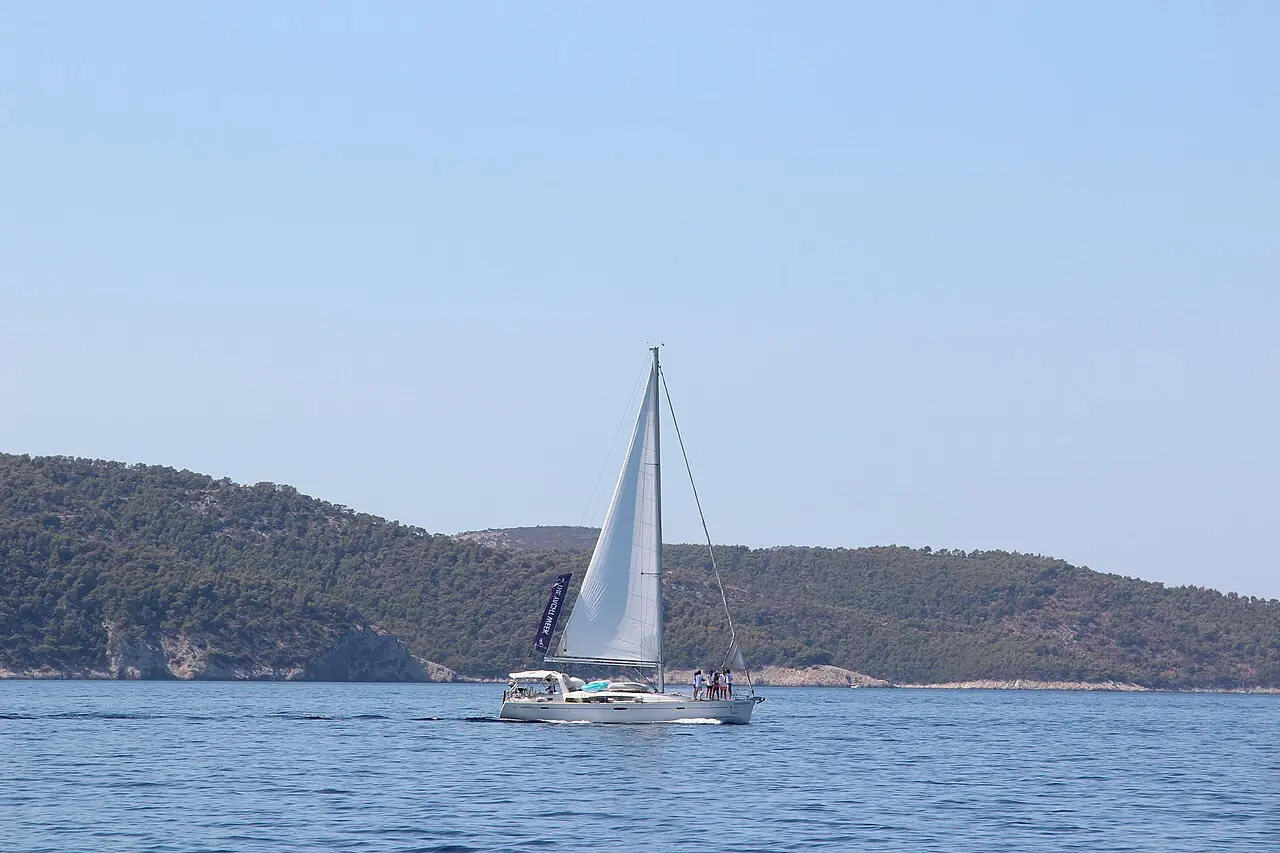
- Scuba diving is commonly excluded above a certain depth, or unless you hold a recognised certification and dive with a licensed centre. Confirm the depth limit on your policy.
- Hiking and mountain walking in places like Paklenica or the Velebit range can fall outside cover above a stated altitude, or on “off-piste” terrain. The HGSS call-out itself won’t cost you anything (see above) - what a gap in cover leaves exposed is the ambulance, the hospital bed and, in a bad case, the flight home.
- Sailing and yacht charter - being a fare-paying passenger is usually fine; skippering a charter often isn’t. Bareboat charters may ask for separate cover.
- Sea kayaking, windsurfing, kitesurfing, cliff jumping, jet skis, parasailing - each has its own treatment; many sit in an “extreme” tier or are excluded outright.
If your trip is built around the water or the mountains, buy a policy that lists your activity by name. A vague “watersports covered” line is worth less than a named one.
Digital nomads and long stays
A two-week holiday policy is the wrong tool for a multi-month stay. If you’re settling in for a season - or applying for the digital nomad permit, which requires valid health insurance for the whole stay - look at rolling, subscription-style cover designed for long-term travellers and remote workers rather than a fixed-date trip policy. Read our Croatia digital nomad visa guide for the residence side, then match the policy length to your actual plans.
Travel insurance vs. car-hire CDW
These are two different things and it’s worth not confusing them. Travel insurance covers you - your health, your trip, your belongings. Collision Damage Waiver (CDW) and theft protection on a rental car cover the vehicle, and they usually carry a large excess plus exclusions for tyres, glass, the underbody and “off-road” use.
Some travel and credit-card policies bundle a car-hire excess reimbursement that pays back that deductible after a rental claim - but it does not replace the rental company’s own CDW. If you’re driving, read both the rental contract and your travel policy. The full breakdown of what a hire car is and isn’t covered for - deposit against excess, the tyres-and-glass exclusions, super CDW at the desk against a standalone policy, and the Green Card rules for Bosnia and Montenegro - is in our Croatia rental car insurance guide. Our renting a car in Croatia guide goes through tolls, the Pelješac bridge and the rest of the driving side.
How to choose, by where you’re from
The market is split, and the right insurer often depends on your home country:
- Western travellers (EU, UK, US, Canada, Australia): mainstream travel insurers and nomad subscriptions cover Croatia as part of “Europe.” For long, open-ended stays, a monthly plan like SafetyWing is convenient.
- CIS countries and Ukraine: several Western insurers exclude or won’t sell to residents of CIS states, so a specialist such as EKTA is usually the practical route. Check that the policy explicitly lists Croatia/Schengen and your activities.
Whatever you pick, verify three things on the certificate: that Croatia (or the Schengen/EU region) is named, that the dates match your trip, and that your activities are listed. Then keep the emergency number and policy number on your phone.
Before you go
- Read the insurance hub for the entry rules and how policies are sold for Croatia.
- Budgeting the trip? See how much a Croatia trip costs and the Zagreb city guide for getting around. For the crime and scam side, see is Croatia safe?
- Travelling with kids? Each child needs their own GHIC/EHIC, not a spot on a parent’s card - our Croatia with kids guide covers that and the rest of the family-specific logistics.
- Save your insurer’s 24/7 emergency line, your policy number, and the EU emergency number 112 offline.
This guide is informational, not medical, legal or insurance advice. Cover, exclusions and entitlements change and vary by policy and nationality; always confirm the current details with your insurer and the official sources listed above before you travel. Last checked: 23 September 2026.
Photos
Read also

Insurance · 11 min read
Croatia Rental Car Insurance 2026: CDW, Excess, Borders
Verified · August 2, 2026What a Croatian hire car is really insured for: CDW and its exclusions, deposit vs excess, standalone excess cover and the Green Card for Bosnia.

Entertainment · 9 min read
Dubrovnik Nightlife: Revelin, Cliff Bar & Getting Home
Verified · October 3, 2026Dubrovnik nightlife: sunset at Buža, Old Town wine bars, Culture Club Revelin 22:30-05:30 in season, Gruž and Lapad bar prices, the 01:15 last bus.

Entertainment · 14 min read
Martinje: St Martin's Day & Young Wine in Croatia
Updated · October 2, 2026Martinje, 11 November, is when Croatia baptises the new must into young wine. Where to go from Zagreb in 2026, what to order, how to get back.

Entertainment · 11 min read
Zagreb Nightlife 2026: Bars, Clubs & Craft Beer
Verified · September 19, 2026Zagreb nightlife by area: Tkalčićeva's bars, Opatovina's craft beer, the touring KSET club scene and Jarun Lake in summer - plus real, published prices.