
Croatia with Kids: Family Holiday Guide & Best Spots
Croatia with kids: which coast is easiest for families, car-seat rules, pharmacy basics, and when to book. A practical plan, not a wish list.
Croatia works well with kids once you stop planning it like a trip for two. Base on a shallow, gently sloping beach instead of a dramatic pebble cove, hire the child seat when you book the car instead of hoping the desk has a spare, and don’t pack the itinerary as tight as you would without kids. Nail those three and the rest - what to pack, which pharmacy to trust, when to book - falls into place on its own.
Where to base a family: coast or inland
Most families should base on the coast and treat any inland stop as a day trip, not the other way round. The reason is practical: a coastal base gives you a beach to fall back on every single afternoon, which matters more with small kids than ticking off sights. Our Croatia itinerary guide covers how many days and which regions suit a trip in general; this page is really about how that plan bends once kids are in the back seat.
The one exception worth building in is a short Zagreb stopover before the coast, which suits families flying in and wanting a gentle first day - the capital doesn’t need the sea at all. If a national park day trip is on the list from there, weigh it carefully rather than defaulting to the famous one: Plitvice’s trails run along roughly 8km of narrow, mostly unfenced wooden boardwalk above the water, while Krka’s main loop is a flat 1,900m path around the falls, and under-7s go free at both. Our Plitvice vs Krka guide sets out which one actually fits your base and season, but on safety alone with small children, Krka is the easier call.
Not every stretch of coast suits toddlers equally, though. Croatia’s coastline is overwhelmingly pebble and rock, and a fair few of the postcard coves drop off quickly a few steps from the shore - lovely for a confident ten-year-old, less fun for a two-year-old who wants to wade. The beaches that actually work for small children share the same trait: they’re shallow for a long way out, and most of them cluster in the north.
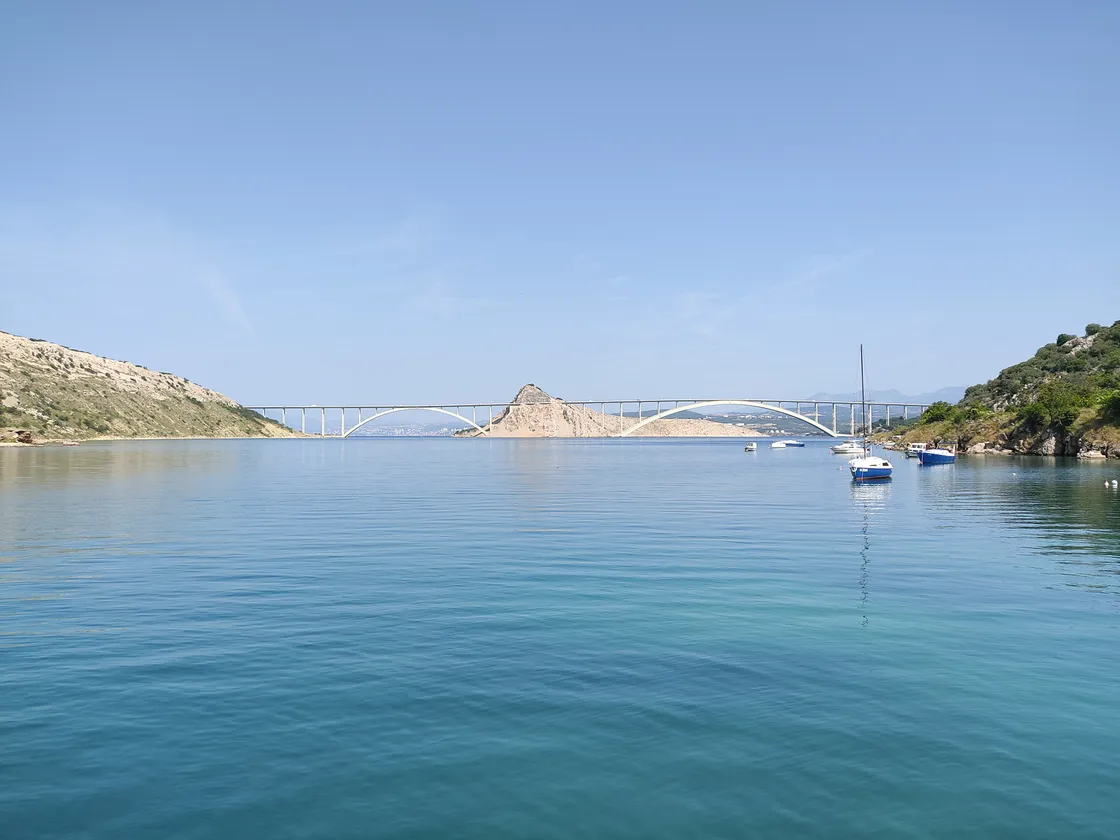
Krk is the pick if you want the fewest moving parts. A road bridge has linked it to the mainland since 1980, and the toll came off it in June 2020, so there’s no ferry queue to time around a feeding or a nap - you just drive on. The regional airport sits on the island itself, which shortens the whole journey from touchdown to towel. Our Krk island guide covers where to base yourself and the beaches at Baška and Malinska.
Rab, next door, has the trump card of actual sand at Lopar’s Paradise Beach - rare on this coast, and shallow enough that small kids can wade out a long way before it gets deep. It’s a short car ferry from the mainland (roughly 15-20 minutes on the Stinica crossing), which is a fair trade for real sand.
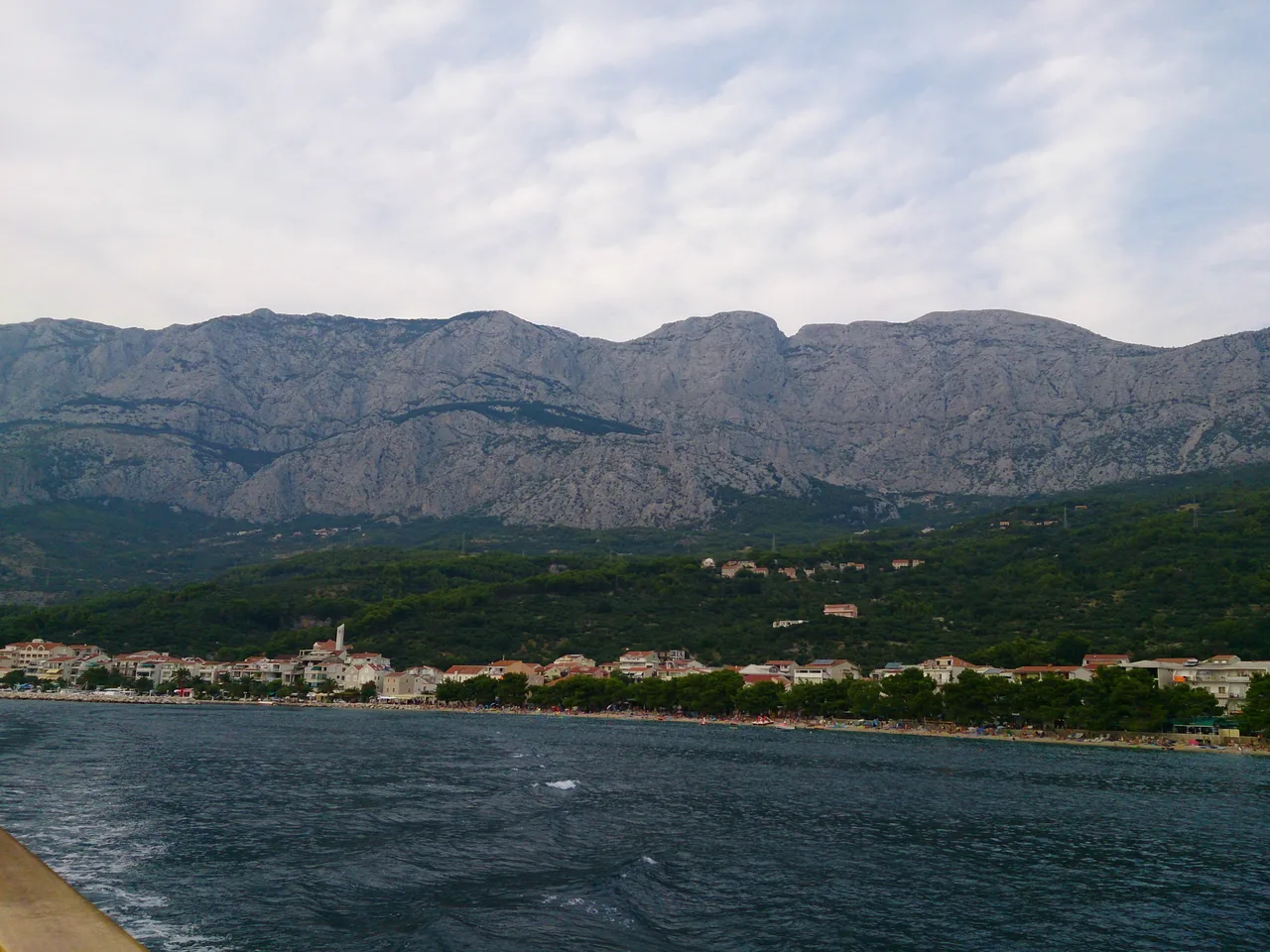
The Makarska Riviera, further south, is a 60km run of pine-backed pebble beaches below the Biokovo mountains. Not all of it suits toddlers - some coves shelve fast - but Tučepi and Podgora have flatter, gentler entries than the rest of the Riviera, and Tučepi in particular is often billed as the longest beach on the Riviera and is the most deliberately family-oriented of the seven resort towns. Our Makarska Riviera guide breaks down all seven towns if Tučepi’s crowds put you off.
If you’d rather stay in a city, Split’s Bačvice is the rare sandy, shallow beach that sits right inside a city, a short walk from the old town - handy if you want restaurants and a pharmacy within reach and don’t want to drive anywhere with a sleeping toddler in the back. For more sand further north, Nin’s Queen’s Beach near Zadar and Sakarun on Dugi Otok are both broad, shallow and warm early in the season; our best beaches in Croatia guide has the fuller rundown of which coves are sand versus pebble.
Kid-friendly things to do beyond the beach
Two attractions do the heavy lifting for a family itinerary, and both are already built around a full day out rather than a quick look.
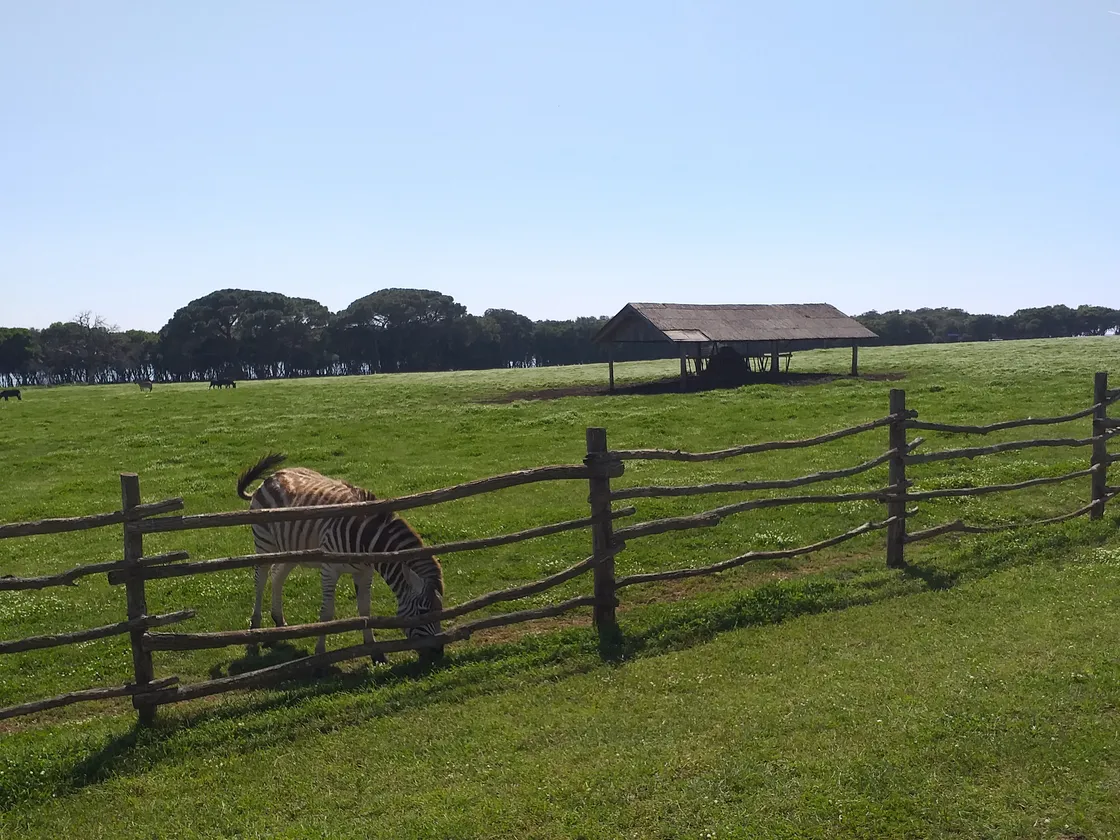
Brijuni National Park, off the Istrian coast, is reached only by the park’s own boat from Fažana, and a single ticket covers the crossing, a guide, an hour on the tourist train and the safari park - useful when you don’t want to juggle separate bookings with kids in tow. Under-7s go free and 7-18s pay a reduced rate; our full Brijuni guide has the current prices and the choice between the guided train tour and the self-guided app (the app is the better call if you’re travelling with a restless toddler who won’t sit through the history).
The Biokovo Skywalk, above the Makarska Riviera, is a glass platform cantilevered over the cliff edge at 1,228m on the mountain - dramatic for kids old enough to handle heights, and under-7s get in free. It’s a 40-minute drive up hairpins from the coast, so it works best as a half-day add-on to a Makarska Riviera base rather than the main event; the mountain road runs roughly April to November.
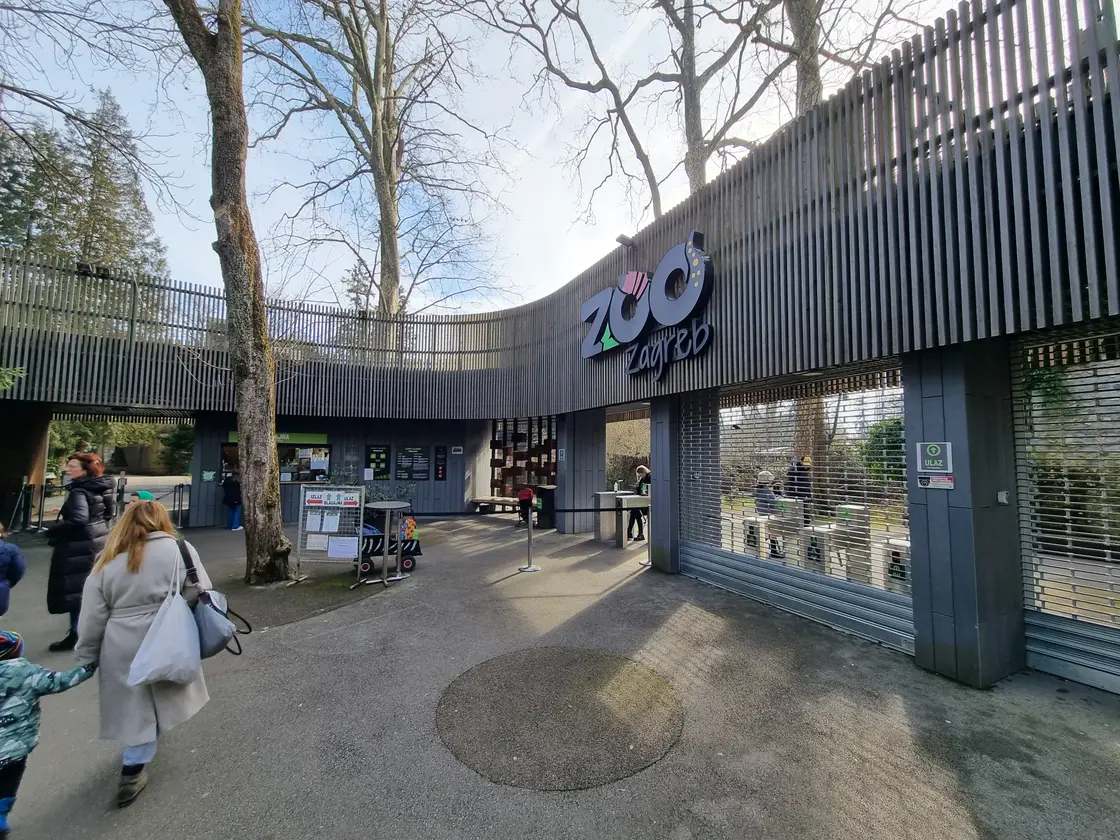
Inland, Zagreb’s Maksimir Park has the city zoo inside it, an easy win for a rainy day or a stopover before the coast. The café culture Zagreb is known for sits a few kilometres away around Tkalčićeva street in the Lower Town, not next to the park - worth folding into the same city stop for older kids and patient parents; our Zagreb travel guide covers both the zoo side and the café terraces in full.
Car seats and driving with kids
Croatian law is specific about this, so it’s worth knowing the rule before you land rather than at the rental desk. Under the Road Traffic Safety Act, children up to 5 must travel in the back in a properly fitted child seat, with one exception: a child under 2 can go in the front passenger seat in a rear-facing seat if the airbag there is switched off. Children aged 5 to 12 must stay in the back, belted, with a booster suited to their height. You’ll also see a height-based rule quoted a lot by rental firms and motoring sites - roughly, under 150cm needs an approved restraint, and 135-150cm can exceptionally use just the seatbelt in the rear - though that’s the version repeated by secondary sources rather than something we’ve pinned to the exact legal wording, so treat it as a good rule of thumb and confirm specifics with whoever supplies your seat.
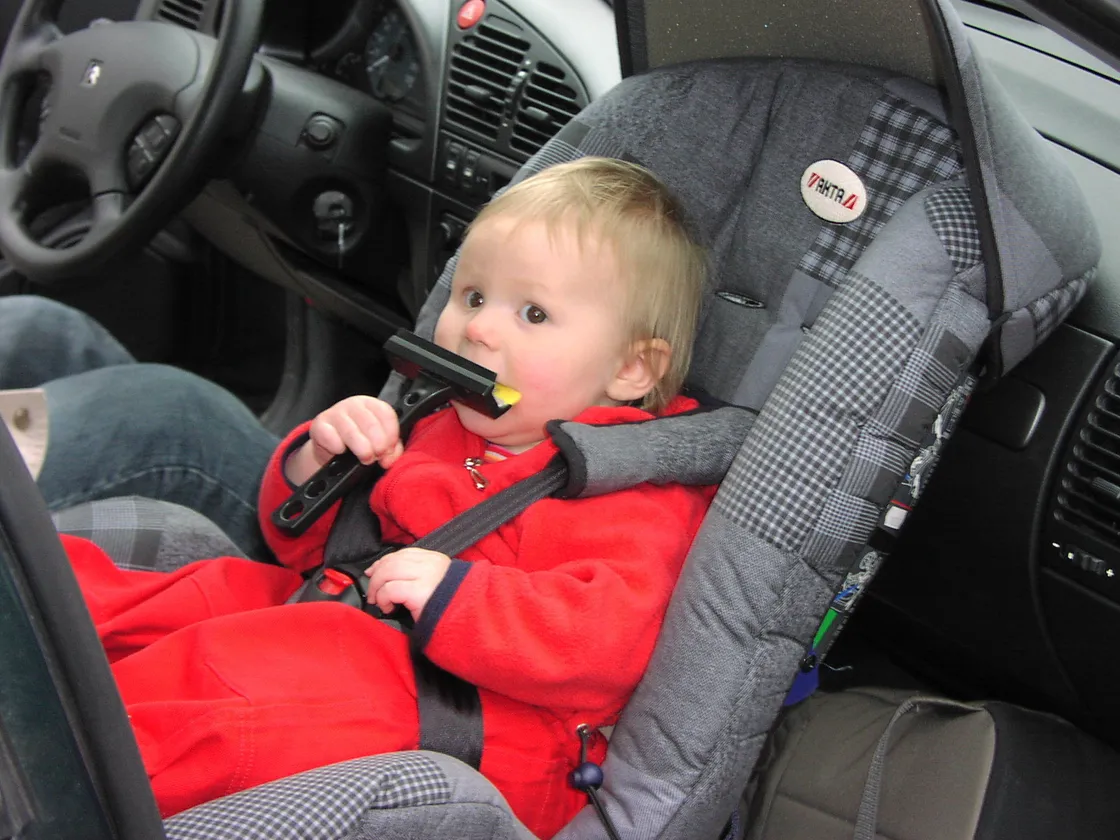
In practice, this means booking a child seat with your rental rather than assuming one will be free at pickup, especially in July and August when desks run short. Expect a daily fee in the low teens of euros, usually capped after about ten days rather than charged for the whole trip - Hertz’s own Croatia pricing, as one example, lists €15+VAT per rental day with a ten-day cap across three seat groups (infant, 9-36kg and booster). Bringing your own seat and checking it as luggage is the other option, and it means you know exactly what your child is sitting in. Either way, sort it when you book, not when you land: our renting a car in Croatia guide covers the wider rental picture, including the excess and insurance side.
Old town centres are the other thing that catches families out. Split, Dubrovnik and Rovinj’s historic cores are mostly cobbled, stepped and closed to cars, which is charming to walk and genuinely hard with a buggy - a sling or a compact stroller with decent wheels does better than a full pram. If you’re renting near Split Airport, a taxi or private transfer with your own child seat clipped in is usually less stressful on arrival than wrangling a rental desk and a jet-lagged toddler at the same time; the shuttle bus works fine once everyone’s had a night’s sleep.
Health, pharmacies and insurance for families
Croatia’s pharmacies (ljekarna) are widespread and reliable for the everyday stuff - a fever, a grazed knee, sun-cream you forgot - but they keep shop hours, roughly 8am to 8pm on weekdays and a shorter Saturday, with most closed on Sundays. Every district keeps at least one pharmacy open on a rotating on-call basis (dežurna ljekarna) for nights, Sundays and islands where the nearest regular pharmacy might be a boat ride away; look for a sign on the door of a closed pharmacy pointing you to it, or search “dežurna ljekarna” nearby. The EU-wide emergency number 112 works from any phone, locked or not, with English-speaking operators.
For insurance, the family-specific detail that trips people up is that a UK GHIC (or EU EHIC) isn’t a household card - every family member, including children, needs their own, applied for as a dependant on the parent’s application. It’s free and normally takes around 15 working days to arrive, so it’s a booking-window task, not a last-minute one. Neither card covers repatriation, a private clinic or a cancelled trip, which is why most families still travel with a proper policy on top - our Croatia travel insurance guide covers what a policy should include and how EHIC/GHIC limits work in practice.
One small money detail worth knowing: the local tourist tax, charged per person per night, exempts children under 12 outright and halves the rate for 12-to-17s - it won’t move your budget much, but it’s one less line to calculate for a family of four. Our Croatia hidden costs guide has the rest of the small charges that don’t show up on the headline price.
Packing, timing and when to book
Pack for the pebbles, not just the sun: a pair of water shoes for kids saves more meltdowns than anything else on this coast, and a rash vest cuts down on the running battle over reapplying sunscreen, especially on a boat. Sun is genuinely strong here even with cloud cover, so don’t skip the hat; our Croatia packing list covers the rest of what the coast actually demands.
Timing matters more with young kids than it does for a couple, because the sea temperature swings a lot by month. May is still climbing out of winter at around 17-19°C - fine for adults to dip a toe, often too cold for a small child to actually enjoy - while June and September settle into the low-to-mid 20s, warm enough for kids to stay in the water rather than shivering after five minutes; the full month-by-month breakdown is in our Croatia sea temperature guide. July and August are the warmest and most reliable for swimming, but also the busiest and priciest, and the point at which rental desks run out of child seats and popular beach hotels sell out first. If your school terms allow it - taking kids out during term rather than waiting for the official holidays - the shoulder months give you nearly the same water temperature with noticeably fewer crowds and easier bookings; our Croatia in July and May vs September guides go through the trade-offs month by month.
Book the accommodation and the rental car together, and book both earlier than you would solo - family-sized apartments with a washing machine and a rental car with a confirmed child seat both get scarcer first in peak season, not the standard rooms and standard cars. If you’re flying into Split, the Split Airport transfer guide is worth reading before you land so you know whether a shuttle, taxi or your own rental car makes more sense for your group.
Sort the beach and the car seat before you land, keep the itinerary one stop lighter than you’d plan without kids, and Croatia does the rest of the work on its own.
Rules, prices and opening hours here are a planning guide, not a substitute for checking the current details with the relevant authority, rental company or insurer before you travel. Last checked: 5 August 2026.
Photos
Read also

Before you go · 10 min read
Where to Stay in Korčula: Old Town to Vela Luka
Verified · September 5, 2026Korčula Town for walls and boats, Lumbarda for sand, Vela Luka for the Split car ferry. Match the base to how you arrive - then book.

Before you go · 10 min read
Sailing in Croatia: Yacht Charter Costs & Routes
Updated · September 5, 2026Croatia yacht charter 2026: bareboat weekly ranges, skipper and deposit separate, APA on crewed boats, season guides, island routes.

Before you go · 10 min read
Where to Stay in Makarska: Riviera Bases Compared
Updated · August 30, 2026Brela, Baška Voda, Makarska, Tučepi or the quieter south - which Riviera base fits beach weeks, families, nightlife and Brač ferry mornings.

Before you go · 8 min read
Hvar or Korčula: Which Island Fits Your Trip?
Verified · August 28, 2026Hvar or Korčula in 2026? Split catamarans (~€25 like-for-like), vibe, beaches and who each Dalmatian island suits - plus the hop between them.