
Croatia in July: Weather, Crowds, Prices & Tips
Croatia in July: hot 30°C days, a 24-25°C sea, peak crowds and prices, and the summer festivals - plus how to beat the heat and where to escape it.
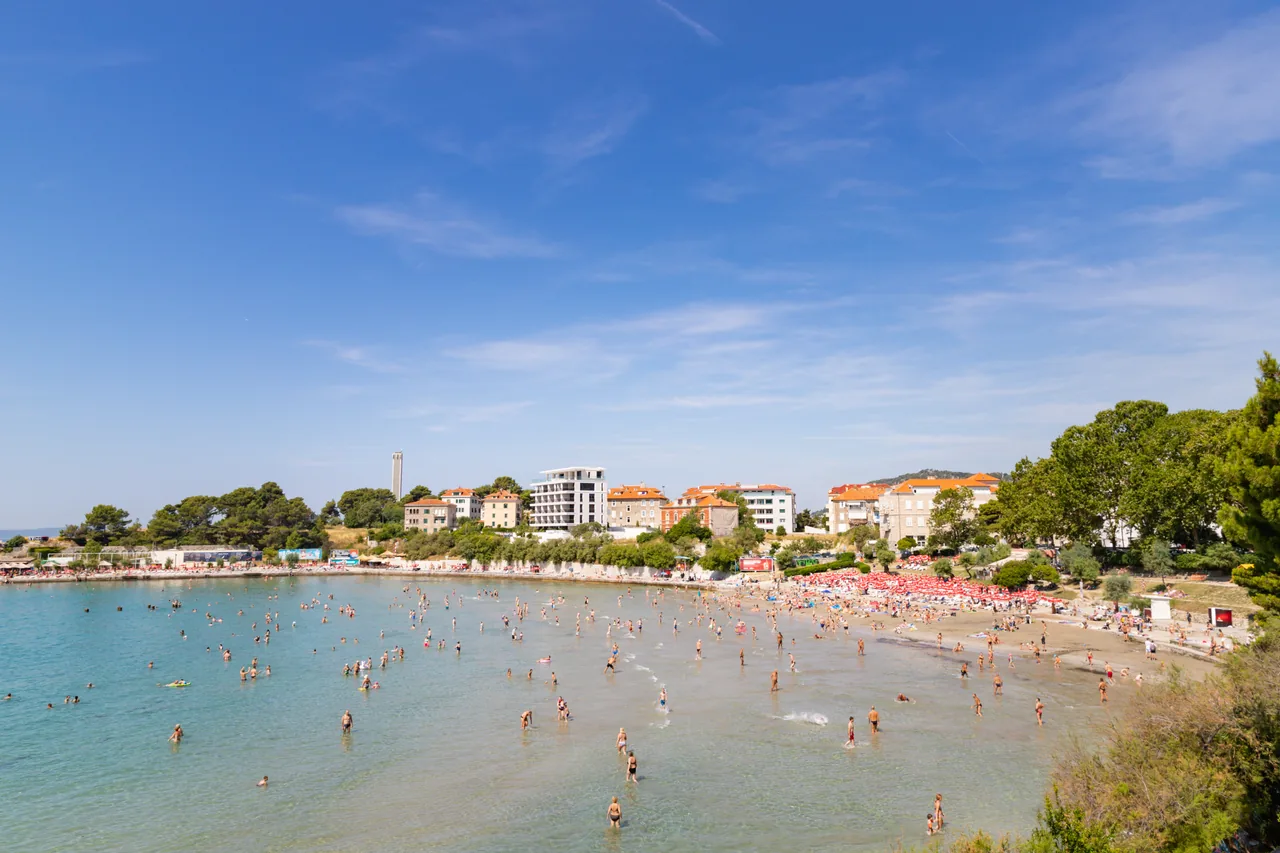
Croatia in July is high summer at full volume: daytime highs around 30°C, a warm 24-25°C sea, barely any rain, and the longest, liveliest days of the year - paid for with the biggest crowds and the highest prices of the season. If you want warm water, every ferry running, packed beach bars and the country’s marquee festivals, July delivers. If you want space and value, it’s the month to plan carefully around, or to sidestep. Croatia uses the euro (€) and is in the Schengen Area, so for most visitors arrival is simple.
The trade is blunt: July gives you the best weather and the worst of the queues and bills at the same time. The heat is real, the old towns and beaches are busy, and rooms cost the most they’ll all year - but the sea is bath-warm, the sailing is easy, and the calendar is stuffed with things to do. Knowing how to work around the peak is what separates a great July trip from a hot, expensive scrum.
July weather: hot, dry and sunny
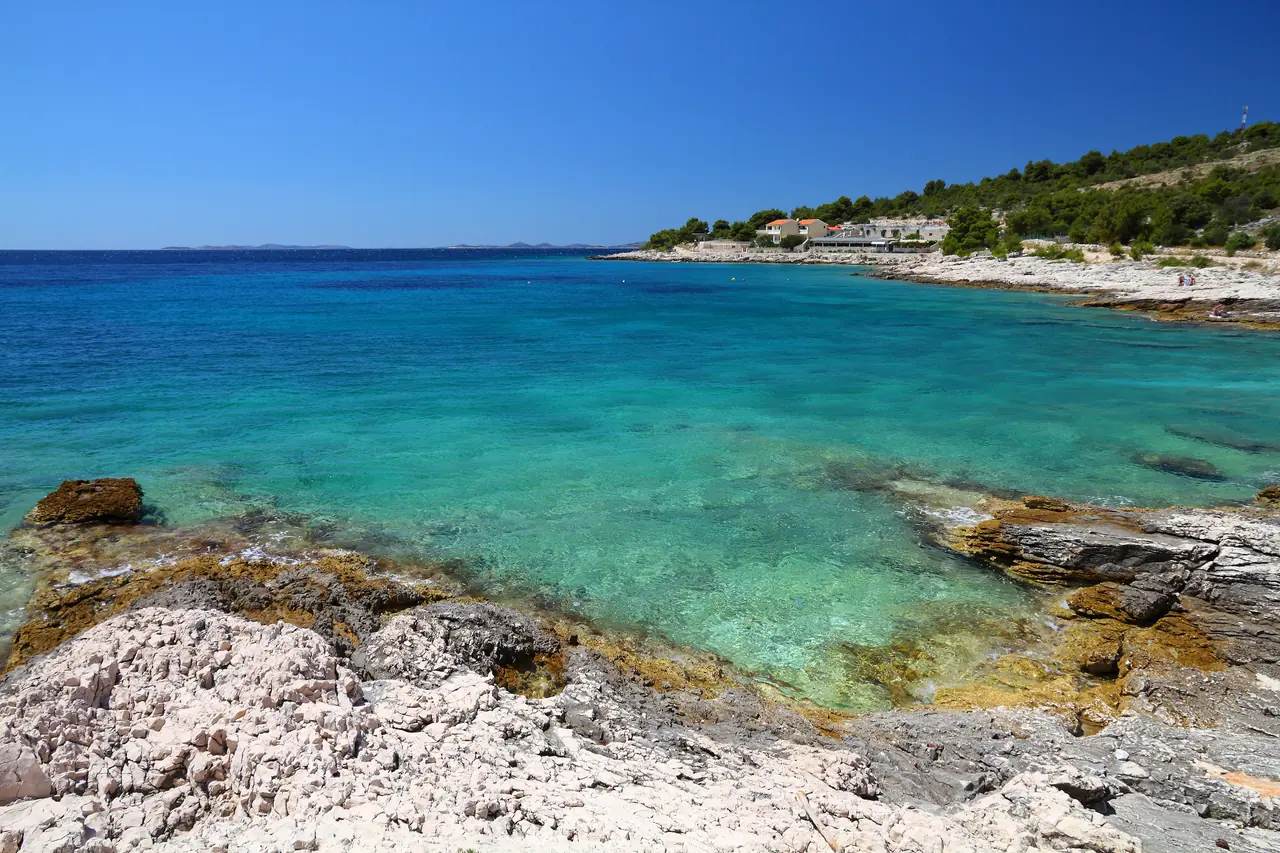
July is the hottest, driest and sunniest month on the Adriatic. On the coast expect daytime highs around 30°C, cooling only to the low 20s overnight, with long sunshine and very little rain - Split and Dubrovnik average only about 26 mm over roughly four to six days all month. A heatwave can push the thermometer into the mid-30s, and inland cities like Zagreb and the Slavonian plains can feel just as hot, sometimes hotter, without the sea to soften it.
The saving grace on the coast is the maestral, a dependable afternoon sea breeze that picks up through the day and takes the sting out of the midday heat. The flip side of all that dry heat is wildfire risk in tinder-dry Dalmatia, and strong sun that burns faster than people expect - a hat, water and real shade aren’t optional in July. Evenings stay warm and easy well past sunset, which is exactly why Croatian summer life shifts outdoors and late: dinner around nine and a slow stroll along the riva are the local rhythm, not the exception. Daylight is long, too - it’s bright by around 5.30 am and the sun holds until close to 8.30 pm, giving July days nearly fifteen hours of light, room for an early climb, a long beach afternoon and a late dinner in one day.
The sea is at its warmest, sitting around 24-25°C off central Dalmatia, a touch warmer in the south and a degree or two cooler up north in Istria and Kvarner. That is proper bath-warm swimming, and it’s the single best reason to accept July’s crowds. Istria and the Kvarner coast in the north also run a shade cooler and less humid than Dalmatia, which is part of why they fill with central-European families in summer. For the month-by-month picture, see the Croatia sea temperature guide.
Crowds and prices: this is the peak
There is no softening it: July is peak season, sharing the top of the year with August. Beaches fill by late morning, the walled old towns of Dubrovnik and Split throng at midday, car ferries to the islands sell out their vehicle decks, and popular day trips book up days ahead. It’s lively and it’s loud.
Prices track the crowds. Accommodation hits its annual high, and the single most expensive stretch is roughly mid-July to mid-August - so, counter-intuitively, early July is a shade cheaper and calmer than the end of the month. The lever that matters most is timing: nudging a beach trip even a week or two earlier, or into September, changes the bill more than the weather does. For what a summer trip actually costs, see is Croatia expensive?, and for the calmer, cheaper bookends, our Croatia in May vs September head-to-head.
The practical upshot: book everything ahead. Rooms, car ferries, airport transfers and the big-ticket tours (the Blue Cave, Plitvice, island-hopping boats) all sell out or spike in July. Turning up and winging it’s a summer strategy that works far better in the shoulder months. On the ground, July also means traffic: the coastal road jams on summer Saturdays when weekly rentals change over, and the car-ferry queues are longest then too, so cross islands midweek if you can.
What’s on: Croatia’s festival month
July is the busiest month on the cultural calendar, which is either a reason to come or a week to route around. The heavyweight is Ultra Europe in Split, one of Europe’s biggest electronic-music festivals, held over a weekend in mid-July and drawing tens of thousands - book Split accommodation very early if your dates overlap, as the whole city fills.
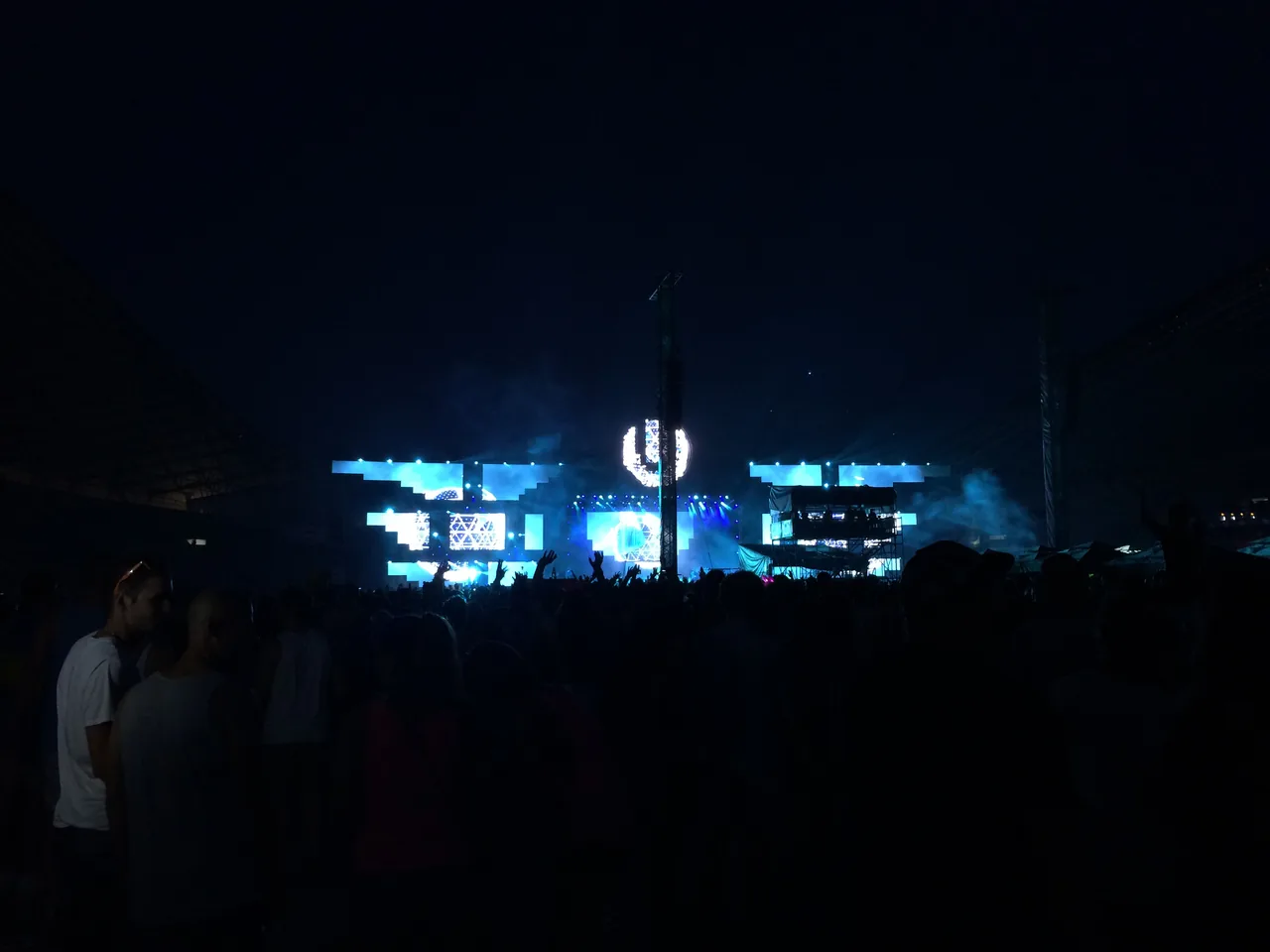
Beyond the dance floors, the highbrow Dubrovnik Summer Festival runs open-air theatre and classical music from mid-July into late August, Split Summer (Splitsko ljeto) stages opera and drama across the city, the Pula Film Festival screens films inside the 2,000-year-old Roman arena, and Cinehill (the arthouse festival that grew up in Motovun) shows films in the cool mountains of Gorski Kotar in late July. Exact dates shift year to year, so confirm the current-season programme on the official and tourist-board sites before you build a trip around one - our Croatia festivals calendar tracks the confirmed dates month by month. Beyond the marquee names, almost every coastal town runs its own summer evenings of klapa singing, food stalls and a patron-saint fiesta through July - well worth asking your host what’s on locally while you are there.
Beating the heat and the crowds
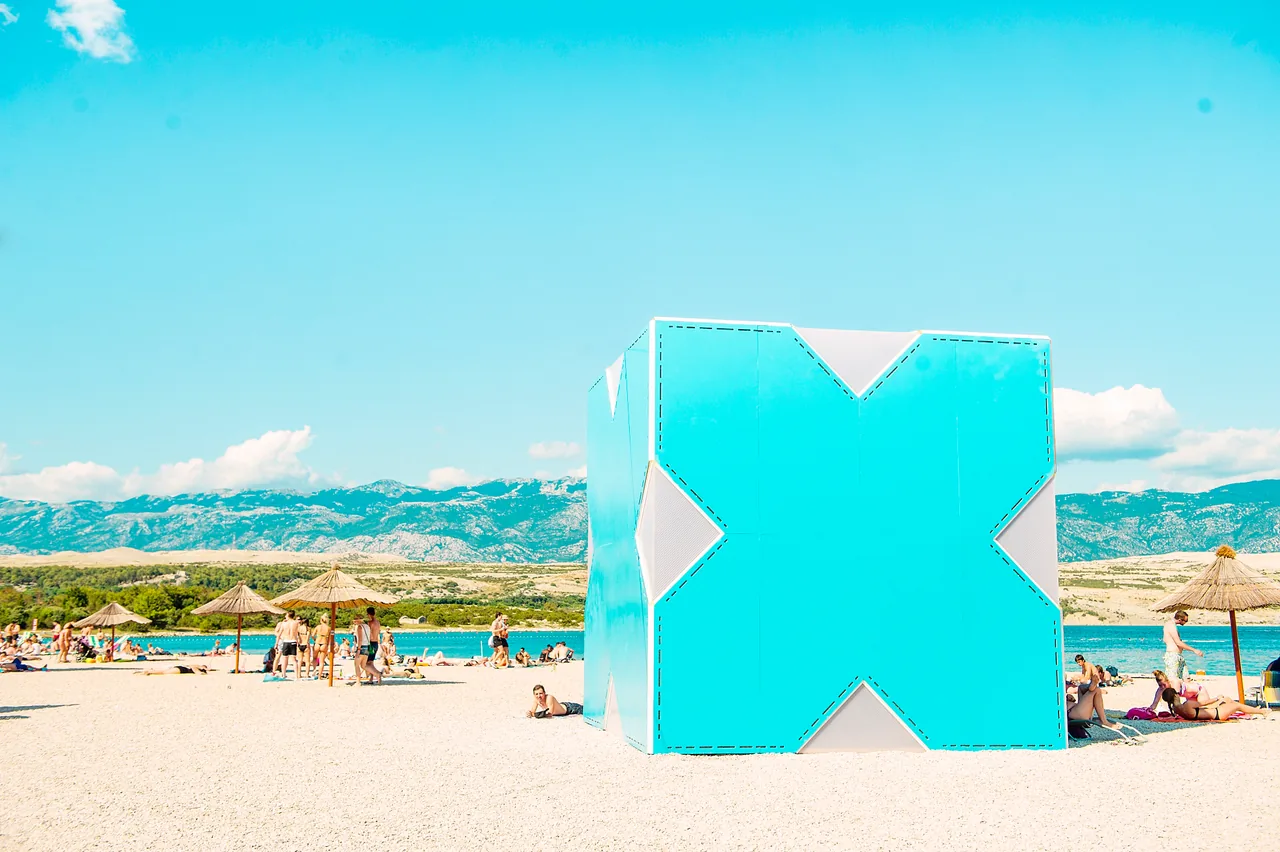
A good July day runs on a simple rhythm: sightsee early, swim at midday, rest through the hottest hours, and come out again in the evening. The walled towns and the national parks are far kinder at opening time than at 2 pm, and the light for photos is better anyway. Save the beach for when the sun is highest, and keep the museums and shaded lanes for the peak heat.
Water shoes make the rocky and pebbly beach entries far easier, and a refillable bottle earns its keep - cafes and public fountains are easy to top up from, and staying hydrated matters more than people plan for in this heat. The warm water occasionally brings drifting jellyfish; they’re usually harmless stingers, easy to sidestep, and rarely a reason to skip a swim. Where you go changes how crowded July feels. The famous beaches and headline old towns take the brunt; the quieter islands and coves, the inland shade, and the mountains stay noticeably calmer. A morning swim followed by an afternoon up somewhere high and cool - the Biokovo mountain above the Makarska Riviera, say, or the forests of Gorski Kotar - buys you a break from both the heat and the crush.
Is July a good time to visit Croatia?
July is the right call if your trip is built around the sea, the islands and the summer buzz: the water is at its warmest, ferries run their fullest schedules, beach bars and festivals are in full swing, and the days are long. It’s the wrong call if your priorities are budget, quiet or cool-weather sightseeing - for those, the shoulder months win easily. If you can only travel in summer, tilt toward early July over the peak fortnight, build in island and mountain days to dodge the worst crowds, and book early. For the full month-by-month comparison, see the best time to visit Croatia, or compare it with Croatia in August, when the sea is at its warmest; to plan the beaches themselves, our guide to the best beaches in Croatia covers where to swim.
July quick tips
- Book months ahead. Rooms, car ferries and popular tours sell out and peak in price; last-minute July is expensive and thin.
- Run on the summer clock. Sights and parks early, beach midday, dinner late - it dodges both the heat and the queues.
- Respect the sun. Highs near 30°C, strong UV and wildfire risk mean shade, water and sunscreen are essentials, not extras.
- Escape upward and outward. The islands, quieter coves and the mountains are cooler and calmer than the headline coast.
- Carry a card and some cash. Croatia uses the euro; cards work almost everywhere, but keep cash for beach bars, water taxis and small konobas.
Opening hours, prices, timetables and seasonal services change through the year - the figures here are planning estimates, not quotes. Confirm current details with the operators and official sources before you go.
Read also

Before you go · 10 min read
Where to Stay in Korčula: Old Town to Vela Luka
Verified · September 5, 2026Korčula Town for walls and boats, Lumbarda for sand, Vela Luka for the Split car ferry. Match the base to how you arrive - then book.

Before you go · 10 min read
Sailing in Croatia: Yacht Charter Costs & Routes
Updated · September 5, 2026Croatia yacht charter 2026: bareboat weekly ranges, skipper and deposit separate, APA on crewed boats, season guides, island routes.

Before you go · 10 min read
Where to Stay in Makarska: Riviera Bases Compared
Updated · August 30, 2026Brela, Baška Voda, Makarska, Tučepi or the quieter south - which Riviera base fits beach weeks, families, nightlife and Brač ferry mornings.

Before you go · 8 min read
Hvar or Korčula: Which Island Fits Your Trip?
Verified · August 28, 2026Hvar or Korčula in 2026? Split catamarans (~€25 like-for-like), vibe, beaches and who each Dalmatian island suits - plus the hop between them.