
Croatia in August: Heat, Festivals & Booking Ahead
Croatia in August: the warmest sea of the year, peak crowds and prices, the 15 August holiday and festivals - plus why late August is the sweet spot.
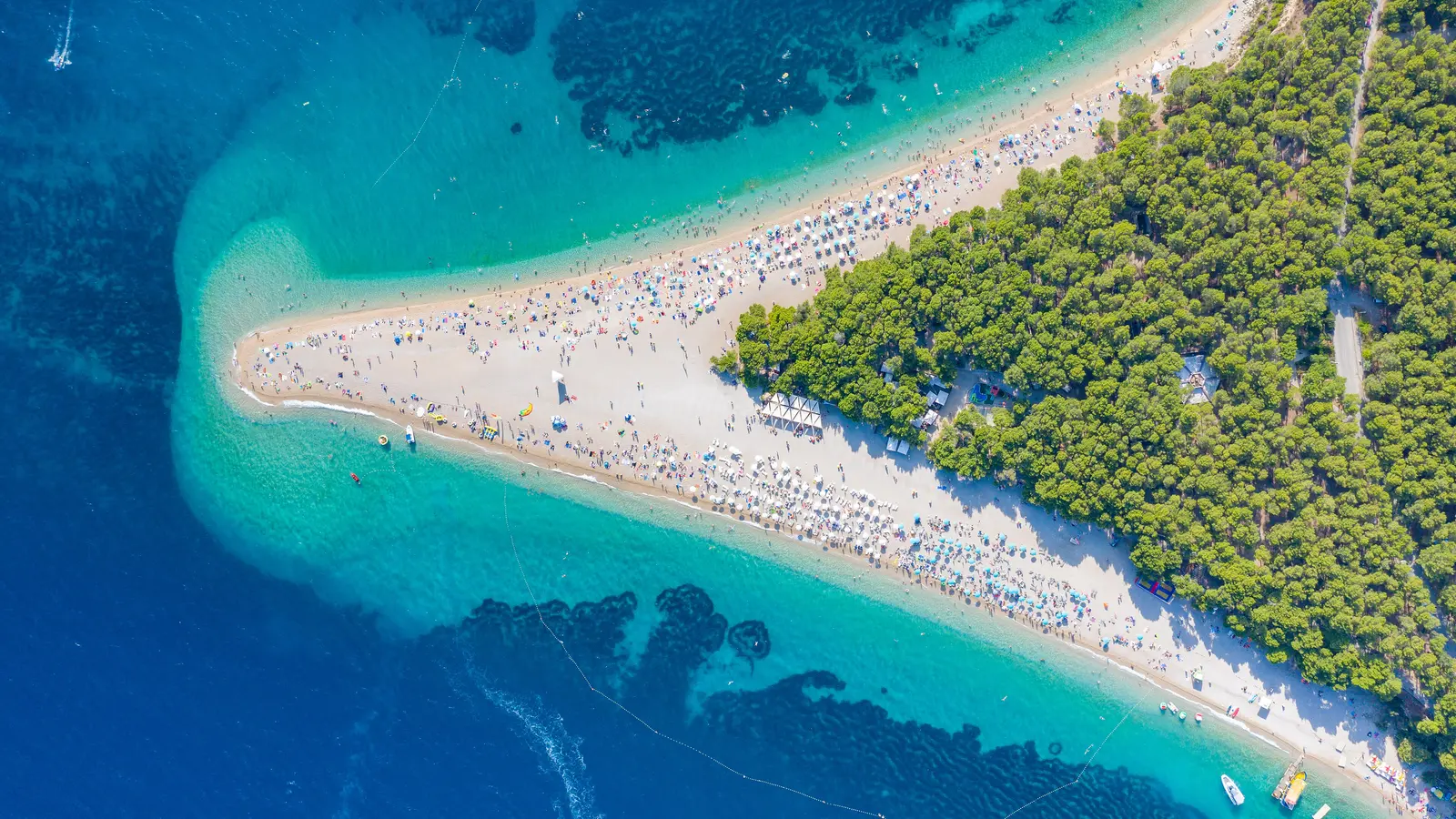
Croatia in August is the peak of the peak: the warmest sea of the year at around 25-26°C, daytime highs near 30°C on the coast, and the whole of Europe on holiday at once - so it’s also the busiest and most expensive stretch of the calendar. The water is bath-warm, every ferry runs its fullest schedule, and the festival programme is in full swing. The catch is that everyone else knows this too, and one date makes it worse: 15 August, Velika Gospa, is a national holiday when Croatians themselves travel, layering a domestic rush on top of the international crowd. Croatia uses the euro (€) and is in the Schengen Area, so for most visitors arrival is simple.
The single most useful thing to know is that August isn’t one flat month. The first three weeks are the tightest and priciest of the year, and the week around 15 August is the tightest of all - but the very end of August starts to loosen as the first Central-European school terms resume, while the sea stays at its warmest. If you’ve to travel in high summer and want the best trade of warm water against slightly thinner crowds, the tail of August is the sweet spot to aim for. Everything else comes down to one rule: book early.
August weather: the hottest, driest month
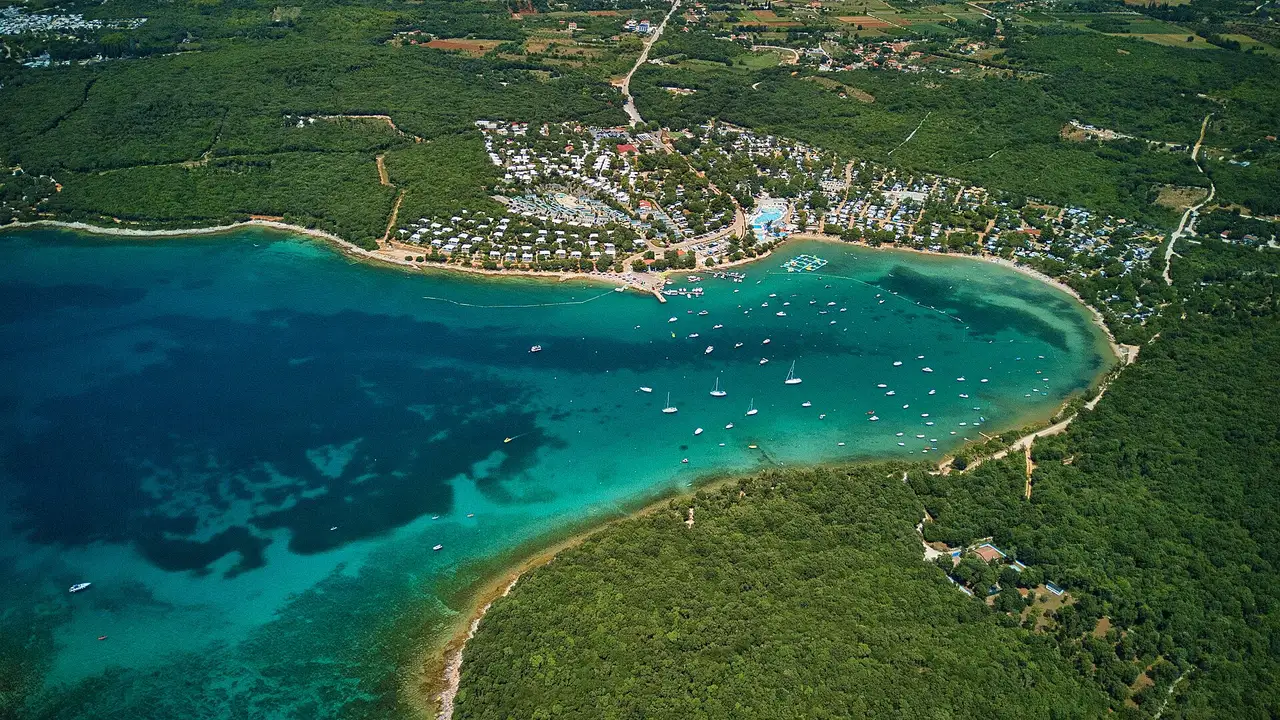
August ties with July for the hottest and driest month on the Adriatic, and some years it edges ahead as the single warmest. On the coast expect daytime highs around 28-30°C - Split runs near 30°C, Dubrovnik a touch gentler around 28°C - cooling only to the low 20s overnight. Sunshine is long and rain is scarce, with roughly 14 to 14.5 hours of daylight and clear skies most days. The one place with no escape at all is inland: Zagreb and the Slavonian plains post the same numbers as the coast with no sea breeze to soften them, which can make inland August the harder heat of the two.
August shares July’s maestral sea breeze and the same wildfire risk - see Croatia in July for the hat, water and shade basics, unchanged here. One thing August does that July mostly doesn’t: the season’s first proper thunderstorms tend to arrive toward the end of the month. They’re usually short and dramatic, clearing the air and dropping the mugginess for a day, rather than a washout - but they’re a hint that summer is turning. For the full month-by-month picture, see the best time to visit Croatia guide.
The sea is at its warmest
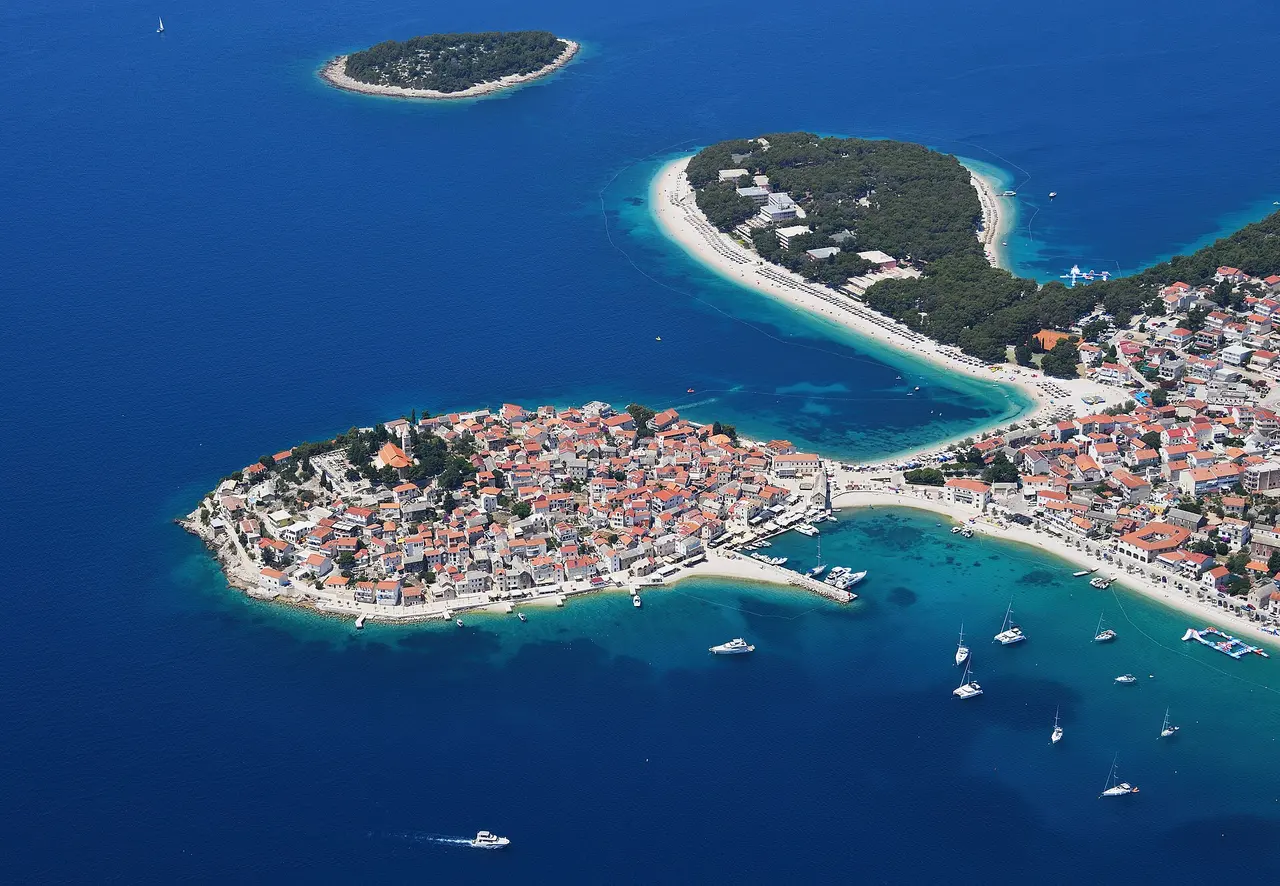
If there’s one reason to accept August’s crowds, it’s the water. The Adriatic warms slowly through the summer and peaks in mid-to-late August at around 25-26°C off central and southern Dalmatia - about a degree warmer than July’s reading, with the usual gradient still in place further north in Istria and Kvarner. That’s proper bath-warm swimming, and it holds well into September because the sea cools even more slowly than it heats. For the month-by-month regional numbers, see our Croatia sea temperature guide.
Warm water has one small downside - occasional drifting jellyfish, usually harmless and easy to sidestep - and the water-shoes-and-hydration basics from Croatia in July apply here just as much. The practical read is simple: August is the best month of the year purely for swimming, snorkelling and easy sailing, which is exactly why it fills up.
Peak of the peak: crowds, prices and the 15 August spike
There’s no softening it: August usually edges out July for the single busiest, priciest fortnight of the year, because it’s the one month the entire continent goes on holiday at once. Exactly how that crush plays out day to day - jammed beaches by mid-morning, Dubrovnik and Split throttled at noon, ferry decks selling out - works the same way it does in Croatia in July; August just carries it later into the month. Accommodation sits at its annual high, and the single most expensive stretch of the year is roughly mid-July to mid-August. For what a summer trip actually costs, see is Croatia expensive?.
The date that catches people out is 15 August, Velika Gospa (the Assumption of Mary), a national public holiday and one of the biggest days in the Croatian calendar. It’s both a beach weekend and a major pilgrimage day - shrines like Sinj, Marija Bistrica and Trsat draw huge crowds - so Croatians themselves are on the move, adding a domestic surge on top of the foreign peak. The date is fixed, but the weekday moves, and that’s what decides how bad it gets: when 15 August lands on or beside a weekend - as it did in 2026, on a Saturday - the surrounding days become the tightest window of the whole summer for rooms, ferries and the coastal road. Midweek is softer, though still the busiest few days of August. If your dates can flex, steer either side of that weekend.
What makes that Saturday collide so hard is timing, not coincidence: most week-long lets on the coast turn over on a Saturday, so 2026’s fixed holiday lands on the same day the coastal road and the ferry ports already handle a changeover crunch every week of the summer. Our ferries guide puts the safe margin at 60 minutes before departure for the summer vehicle lane, and an hour or two on the local lines that won’t take a booking - that’s a floor, not a target, on the Friday, Saturday and Monday around the 15th. The legs under the most strain are the ones already tightest in an ordinary August, foot or car: anything via Hvar or Korčula out of Split. Shift a crossing to the Tuesday-to-Thursday stretch either side of the weekend if your dates allow it; that’s where the gap between the holiday surge and the ordinary August crowd actually opens up.
None of that changes the basic advice from Croatia in July - book rooms, car ferries, airport transfers, the big tours and the island-hopping boats well ahead - what changes is the risk: a car ferry with a sold-out vehicle deck in August often means no crossing that day, not just a scramble for a pricier one.
What’s on in August
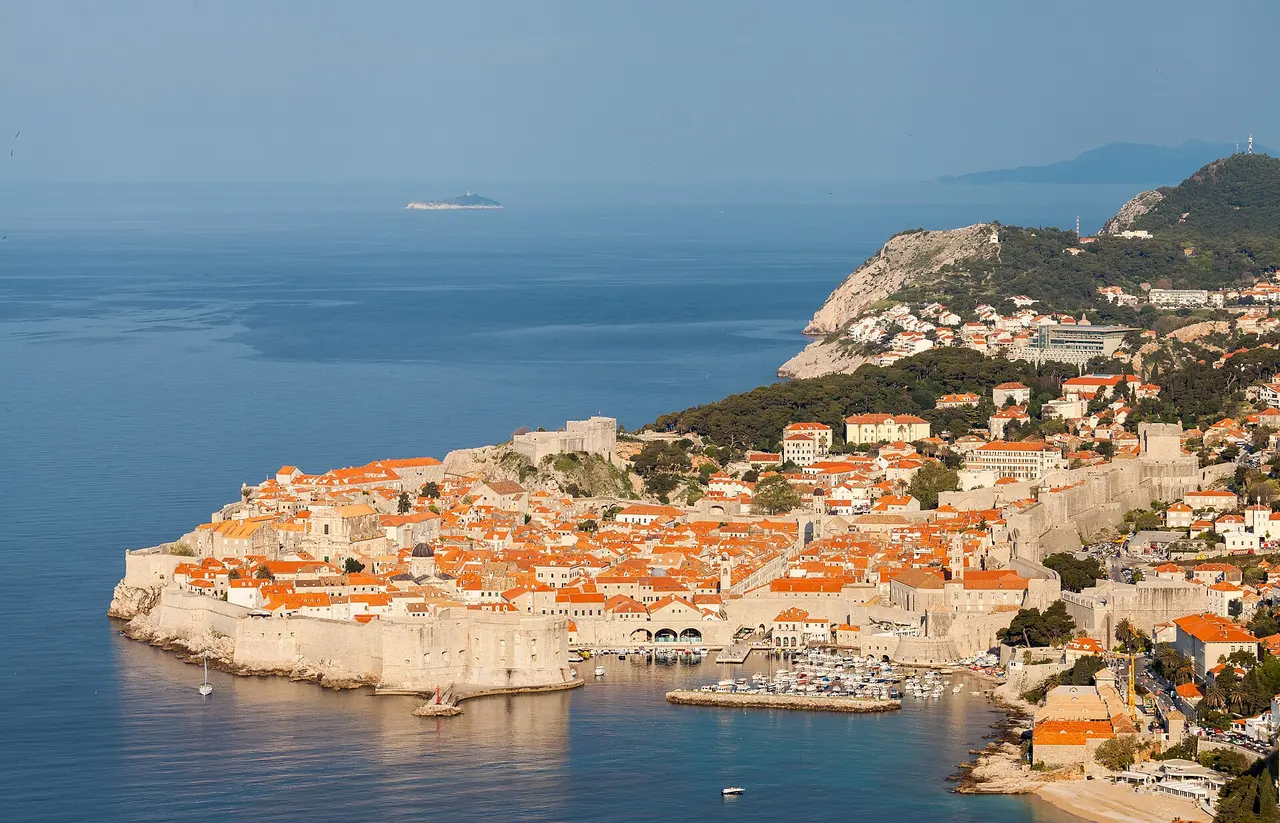
August keeps the cultural calendar busy, though the headline dance festival is done: Ultra Europe is a mid-July event, so by August it’s over. What runs instead is a broader, often more local mix. The Dubrovnik Summer Festival - which runs from early July into late August each year - the 77th edition covered 10 July to 25 August 2026 - stages open-air drama, classical music and dance across the walled city, on Fort Lovrjenac and the island of Lokrum, right through most of the month. Confirm the current programme on the official festival site before building a trip around a specific performance.
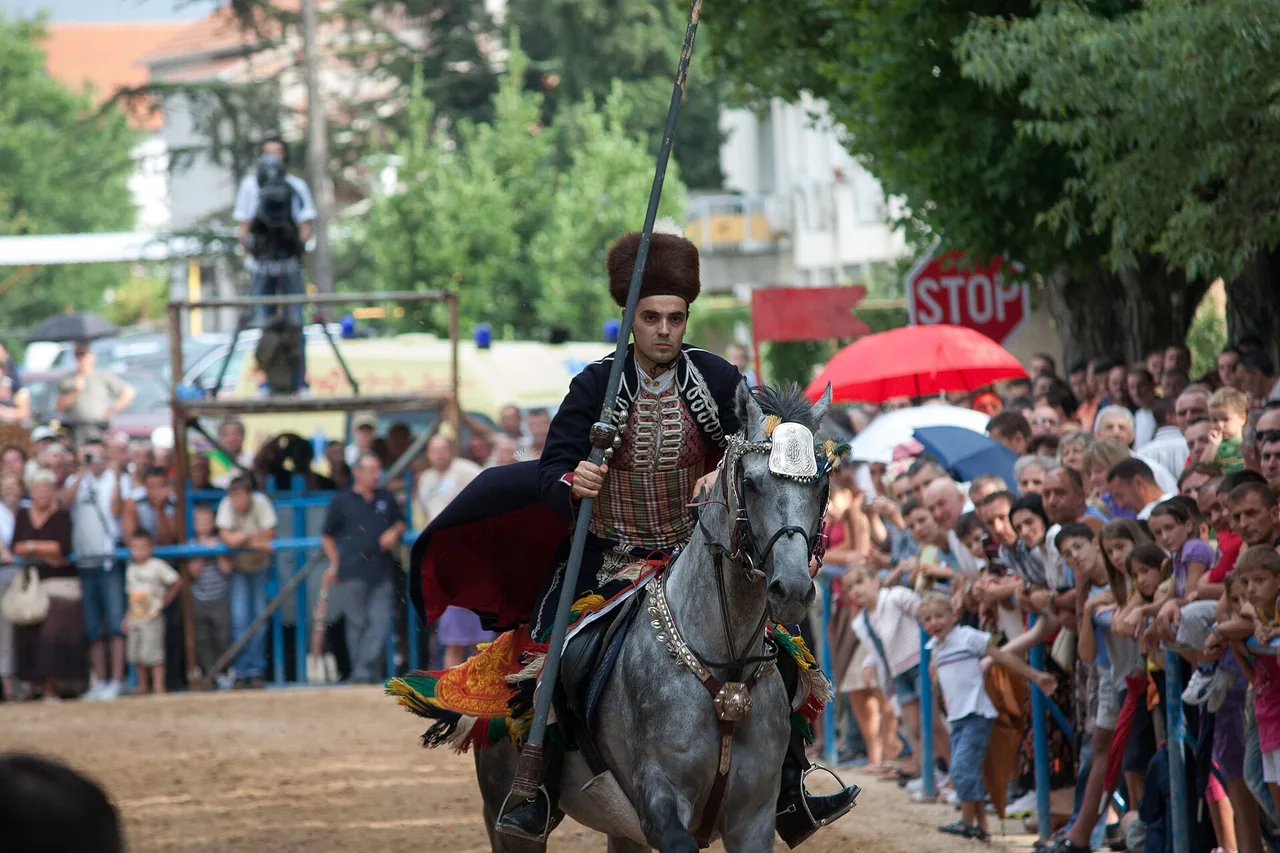
The most distinctive August event is inland: the Sinjska Alka, a UNESCO-listed knights’ tournament in Sinj, under an hour from Split. Riders in eighteenth-century dress uniform gallop at a small iron ring hung above the track, in a contest that has run since 1715 to mark a local victory over a far larger Ottoman force. It’s held once a year in August across three heats (Bara, Čoja and the Alka itself on the Sunday). Don’t treat “the first Sunday in August” as a rule: the 311th Alka fell on the second Sunday, 9 August 2026 at 16:30, with the Bara heat on the Friday and the Čoja on the Saturday before it. The day shifts year to year and alka.hr is slow to update, so check the ticket platform and the Sinj tourist board for the current date. If you want an inland festival with no beach in sight, Špancirfest turns Varaždin’s baroque old town into a ten-day street party of buskers, world music and craft stalls over the last ten days of the month; in 2026 that was 21 to 30 August. Beyond the marquee names, small-town saint’s-day evenings of klapa singing and food-stall fairs run somewhere on the coast most nights of the month - ask your host what’s on locally, since the calendar shifts village to village. The rest of the year is mapped out in our Croatia festivals calendar.
When in August: the late-month sweet spot
Because August isn’t one flat month, timing within it matters as much as the choice of coast. The first three weeks are the busiest and dearest, peaking around the 15 August holiday. The last week starts to ease: the first Central-European school terms resume, some families head home, and the crush at the headline beaches thins a little - while the sea is still at, or near, its warmest. It’s not the shoulder season, but the very end of August is the closest the peak gets to a bargain, and it’s the window to aim for if you want warm water without the absolute worst of the crowds.
The sea barely notices the calendar turning, either: our sea temperature guide puts September at 23-24°C, only a degree or two off August’s own 25-26°C peak, so a swim in the last days of August and one in the first days of September feel much the same.
The daily rhythm and where to go to dodge the crowds don’t change from July: see Croatia in July for the sightsee-early, swim-at-midday routine, and for why the quieter islands, coves and mountains stay calmer than the headline beaches even now.
Is August a good time to visit Croatia?
The logic here’s the same one that decides Croatia in July: come for the sea, the islands and full-throttle summer nightlife, and either peak month delivers; come for a tight budget, quiet streets or cooler sightseeing, and neither one will, with the shoulder months winning easily instead. What’s specific to August is timing within the month. Steer clear of the weekend around 15 August if your dates can flex - it’s the tightest window of the whole summer for rooms, ferries and the coastal road. And because the sea keeps climbing right through the month, lean toward the last week over the middle: it’s as close as August gets to loosening its grip, and the water is at its warmest exactly then. For the full comparison across all twelve months, see the best time to visit Croatia guide.
August quick tips
- Mind 15 August. Velika Gospa is a national holiday and a domestic-travel spike; the week around it’s the tightest of the summer, so flex your dates either side if you can.
- Aim for late August. The sea is at its warmest and the last week starts to loosen as school terms resume elsewhere in Europe.
- Everything else runs on July’s playbook, only tighter. Book months ahead, run on the summer clock, respect the sun and carry a card plus cash for the small places - Croatia in July has the detail.
Opening hours, prices, timetables and seasonal services change through the year - the figures here are planning estimates, not quotes. Confirm current details with the operators and official sources before you go.
Read also

Before you go · 10 min read
Where to Stay in Korčula: Old Town to Vela Luka
Verified · September 5, 2026Korčula Town for walls and boats, Lumbarda for sand, Vela Luka for the Split car ferry. Match the base to how you arrive - then book.

Before you go · 10 min read
Sailing in Croatia: Yacht Charter Costs & Routes
Updated · September 5, 2026Croatia yacht charter 2026: bareboat weekly ranges, skipper and deposit separate, APA on crewed boats, season guides, island routes.

Before you go · 10 min read
Where to Stay in Makarska: Riviera Bases Compared
Updated · August 30, 2026Brela, Baška Voda, Makarska, Tučepi or the quieter south - which Riviera base fits beach weeks, families, nightlife and Brač ferry mornings.

Before you go · 8 min read
Hvar or Korčula: Which Island Fits Your Trip?
Verified · August 28, 2026Hvar or Korčula in 2026? Split catamarans (~€25 like-for-like), vibe, beaches and who each Dalmatian island suits - plus the hop between them.