
Croatia in May vs September: Which Wins
Croatia in May vs September: September wins for a warm sea and island days, May for spring landscapes, full waterfalls and the lowest prices.
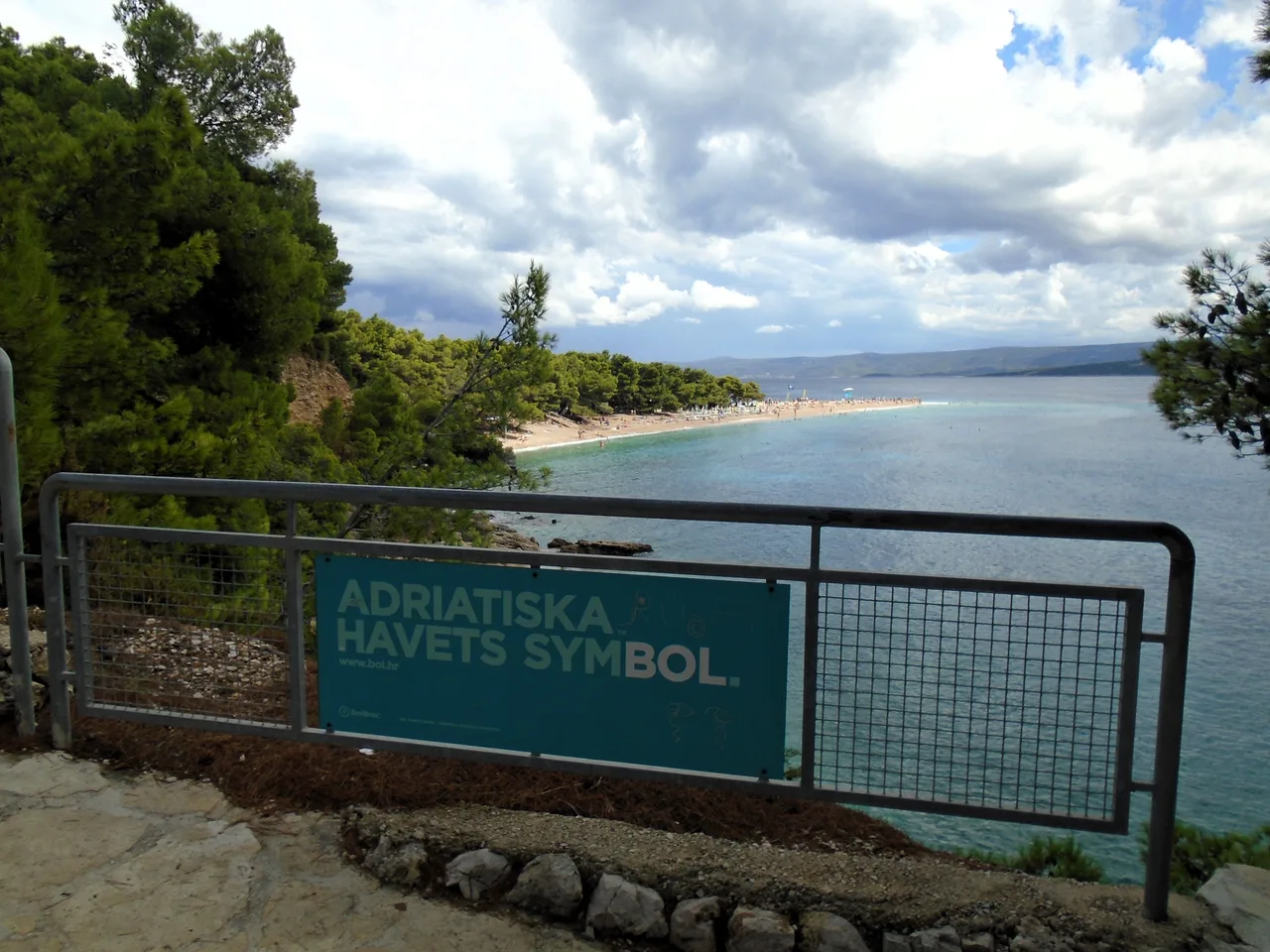
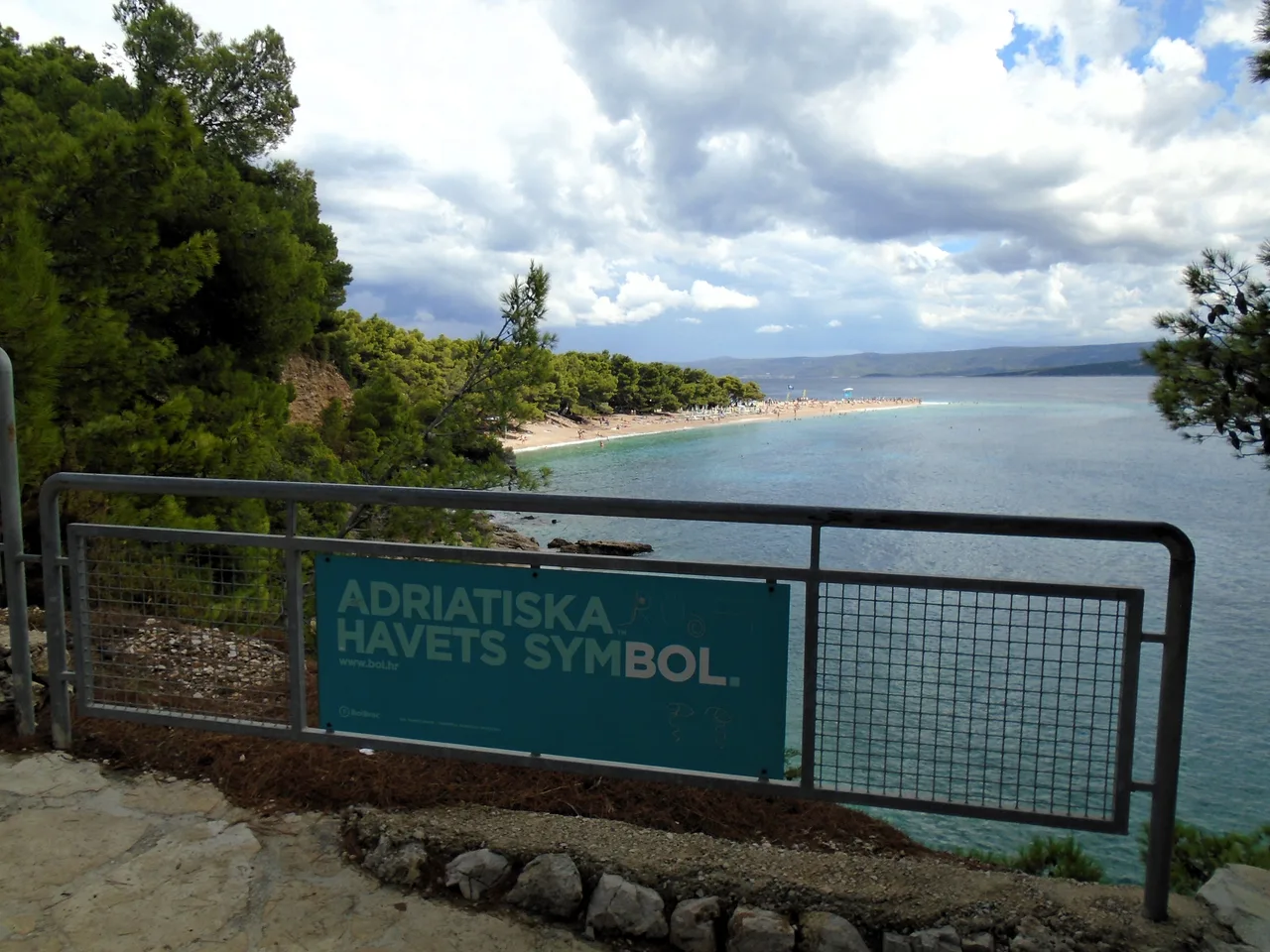
If your one question is swimming, September wins - after a whole summer of sun the Adriatic sits around 23-24°C, genuinely warm, while in May it’s still a bracing 17-20°C. But May wins the land: spring-green hills, the fullest waterfalls of the year, comfortable walking weather and the lowest prices and thinnest crowds of the two. So the choice comes down to one thing - is this trip mostly about the sea, or mostly about landscapes, parks and value?
Both months dodge the July-August crush, which is why they’re the smart picks. But they are not interchangeable, and picking the wrong one for your priorities can mean a cold sea you won’t swim in, or a green shoulder trip spent wishing the water were warmer. Here’s the head-to-head.
The one-line verdict
- Go in September if the trip is about the beach, swimming and island-hopping. The sea is warm, the days are still long, ferries run their full summer schedule, and the peak-season crowds have started to thin.
- Go in May if the trip is about national parks, hiking, spring scenery, cities and keeping costs down. The countryside is at its greenest, the waterfalls are full, the heat is gentle, and it’s the cheapest, quietest of the two - you just trade a warm sea for it.
Everything below is why.
The sea: September, and it isn’t close
This is the single biggest difference, and it’s the one newcomers get wrong most often. The Adriatic lags the air by a couple of months - it takes all summer to heat up, and holds that warmth well into autumn. So the same calendar distance from midsummer gives you wildly different water.
In September the sea sits around 23-24°C on most of the coast - warmer in the south (Dubrovnik and the southern islands often 24°C and up), a touch cooler up in Istria. That’s proper swimming, snorkelling and long-afternoon-in-the-water warm. In May it’s still climbing out of winter: roughly 17-20°C, with early May at the cold end and late May only just reaching the low 20s in the far south. Plenty of people do swim in May, but it’s a quick, brisk dip for most, and small children usually won’t last. If the sea is the reason you’re coming, September is simply the better month - often warmer even than June. For how warm the Adriatic gets in every month, see our Croatia sea temperature guide.
The land: May takes it
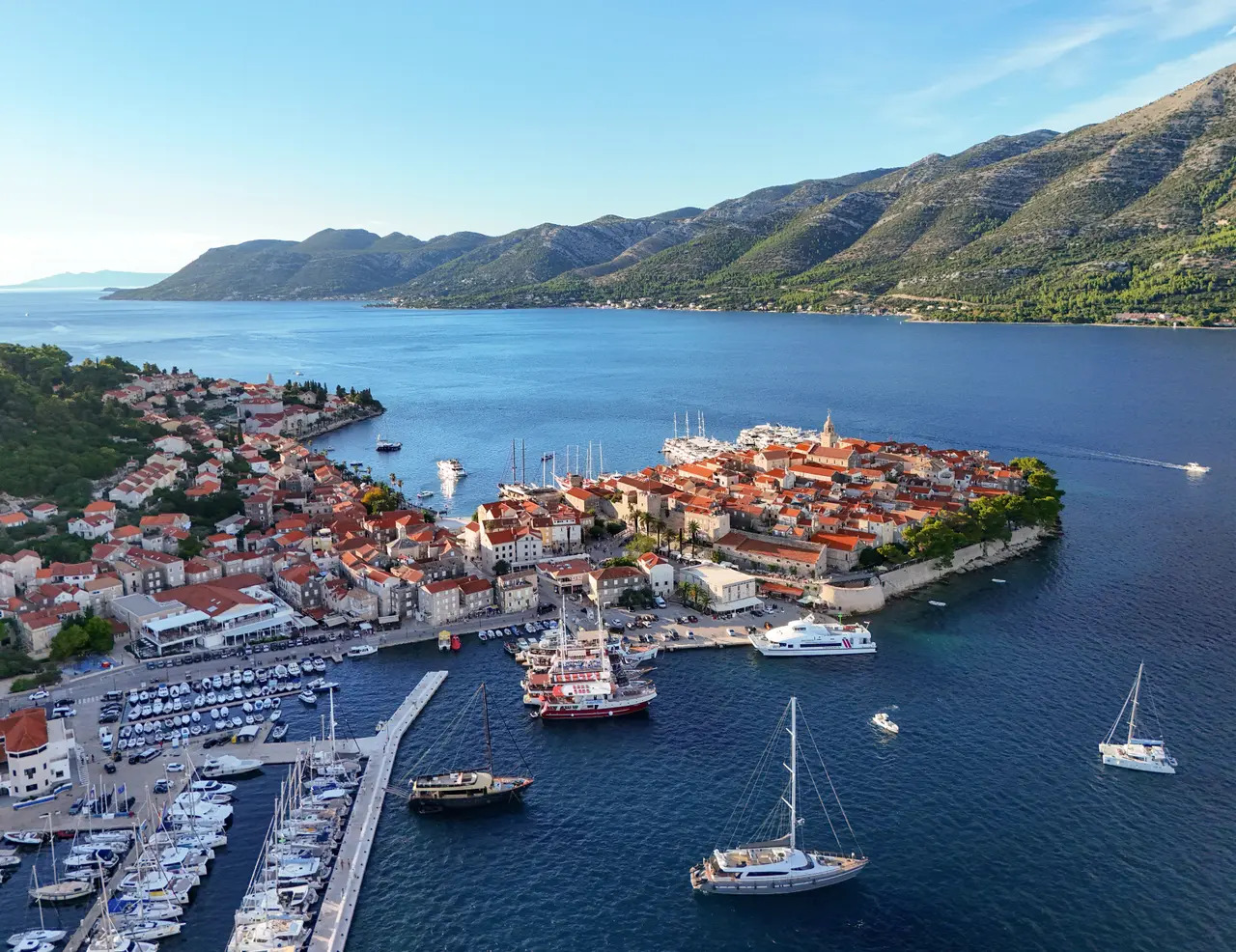
Flip the question to what’s on shore, and May pulls ahead. After the wet winter and spring, the hills and islands are green and flowering - a landscape that’s already burning off to summer gold by September. Air temperatures are mild rather than hot (coastal highs around 21°C, cooler nights), which is exactly what you want for walking a city or a hillside without wilting.
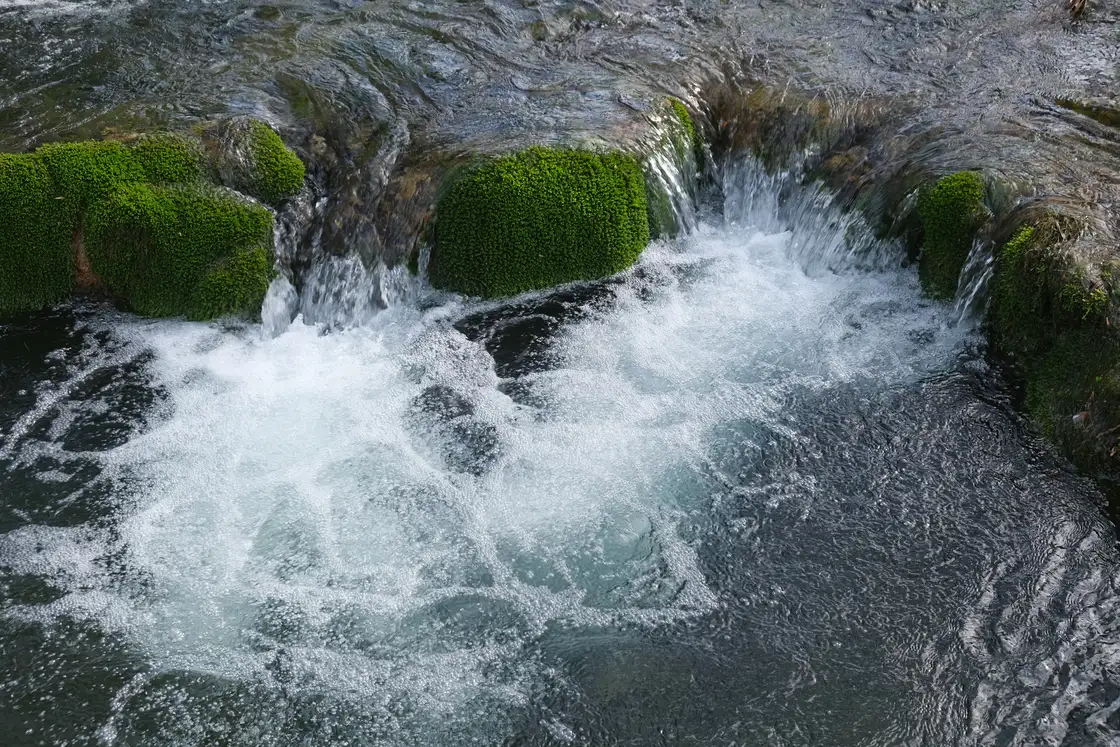
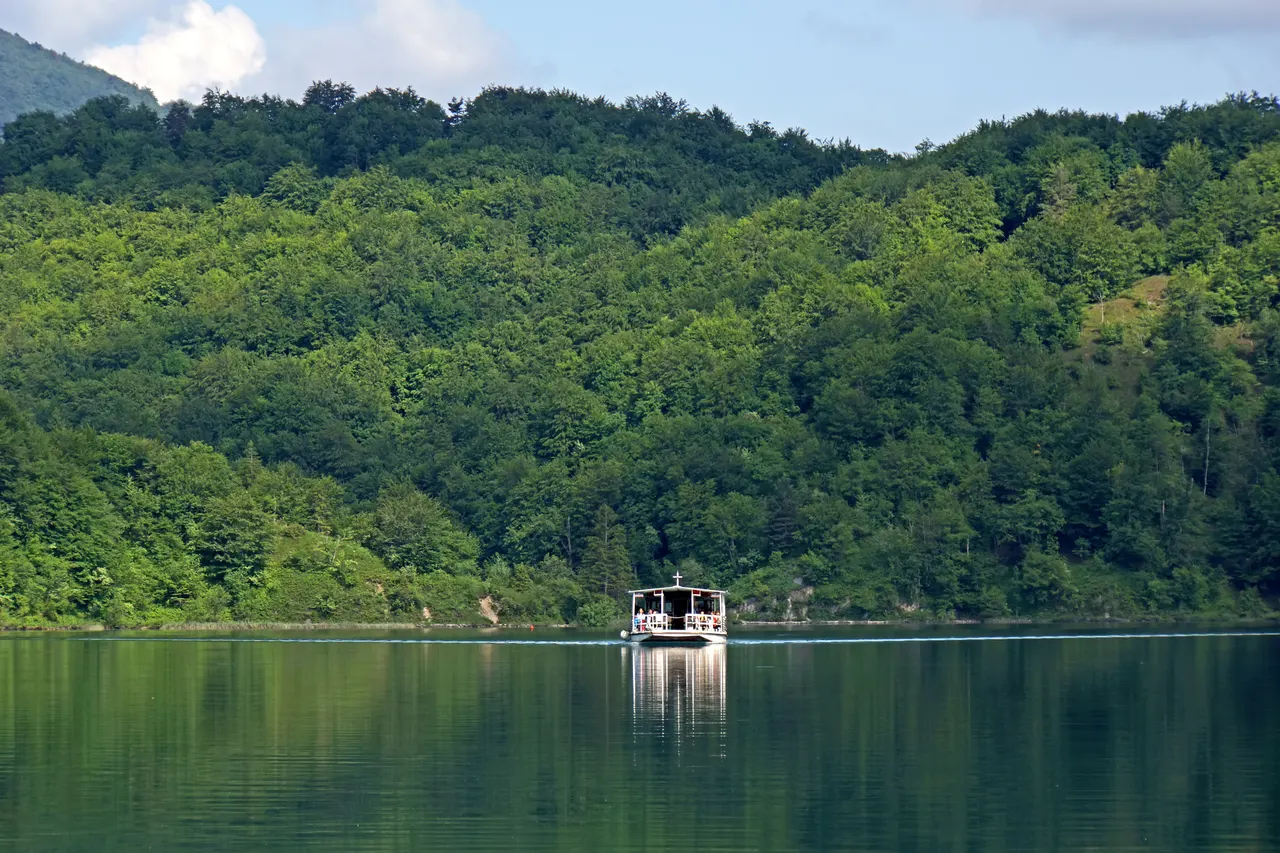
The parks are May’s trump card. Spring rain and snowmelt keep Plitvice and Krka at their fullest flow of the year, so the waterfalls are at their most dramatic - and the walking is comfortable, with lower national-park admission and far fewer people than the July-August peak. September is still a good time in the parks, but the water is lower and the greens are tireder. If Plitvice and Krka are high on your list, May shows them at their best.
Islands and ferries: a hidden point for September
Here’s a practical detail that tips a lot of island trips toward September. Croatia’s ferries and catamarans run two schedules - a quieter low-season one and a fuller high-season one - and the high-season timetable typically kicks in only around late May (often the last few days of the month) and runs through to the end of September or early October.
What that means on the ground: come in early May and some island routes are still on reduced frequency, with fewer daily catamarans and connections that can force an overnight where a day trip would work in summer. Come in September and you’re still inside the full summer schedule - the boats to Hvar, Vis and the rest run at near-peak frequency, making island-hopping far smoother. If your plan leans on hopping between islands, September’s timetable is a real advantage; late May is fine, but early May can be fiddly.
Crowds and prices: May is quietest, September eases fast
Both months are cheaper and calmer than high summer, but they’re not identical. May is the quieter and generally cheaper of the two - the season hasn’t fully cranked up, so rooms, flights and car hire are at their most affordable, and the old towns are relaxed. The catch is the cool sea and the fact that a few seasonal beach bars and businesses are only just opening.
September starts busy - the first week or so still carries August’s momentum, especially in Split and Dubrovnik - but crowds and prices fall away noticeably after the first fortnight, while the sea stays warm and everything is still open. So late September is a sweet spot: summer conditions, autumn prices. For the numbers behind all of this - what a week actually costs in each - see is Croatia expensive?. And if the single goal is to pay as little as possible, our guide to the cheapest time to visit Croatia pins down the exact dates when park tickets, ferries and the tourist tax drop.
Weather quirks to plan around
Neither month is flawless. May is spring, so it’s more changeable - you can get a run of warm, blue-sky days and then a cool, wet spell, and evenings are chilly enough for a jacket. It’s the classic trade for those green landscapes: the rain that fills the waterfalls also lands on you sometimes.
September is the more settled of the two, holding summer’s warmth and light through most of the month, but with two things to watch. The first days can still be hot and crowded on the tail of August, and by late September the daylight is shortening and the odd early-autumn storm rolls through, cooler in the north and inland. As a rule, the south of the country - the southern islands and the coast around Dubrovnik - stays warmer and swimmable longer in both months than Istria and the Kvarner in the north.
One date worth pencilling in: 1 May is Labour Day (Praznik rada), a public holiday that in 2026 falls on a Friday - so the first weekend of May is a domestic long weekend, and the roads to the coast, plus the busier beaches near Zagreb, fill with Croatian day-trippers. It’s a brief, local spike rather than a foreign-tourist one, but if you’re arriving in early May it’s worth knowing the first few days can feel busier and the coastal traffic heavier than the quiet month implies.
So which should you book?
Line up your priorities and it’s a clean split. Book September if the trip is built around swimming, beaches and islands - the warm sea, the full ferry schedule and the easing late-month crowds make it the stronger all-round beach month, and late September in particular gives you summer conditions at shoulder prices. Book May if it’s built around national parks, hiking, spring scenery, cities and cost - the fullest waterfalls, the greenest landscapes, gentle walking weather and the lowest prices of the two, with a cool sea as the one real compromise.
And if you can’t decide, tilt by region: for the southern coast and islands, either works and September swims better; for the parks and the interior, May is hard to beat. For the wider month-by-month picture across the whole year, see the best time to visit Croatia, and once your dates are set, sort where to stay in Split or weigh Split against Dubrovnik as a base.
Sea temperatures, ferry schedules and prices are seasonal normals that shift year to year - confirm current conditions with the official sources above before you book a swimming or island trip.
Photos
Read also

Before you go · 11 min read
Croatia in Winter: Weather, Advent & What's Open
Updated · October 23, 2026Croatia from November to March: official weather by city, which ferries and parks still run, winter tyre rules and flights. Checked 23 October 2026.

Before you go · 10 min read
Where to Stay in Korčula: Old Town to Vela Luka
Verified · September 5, 2026Korčula Town for walls and boats, Lumbarda for sand, Vela Luka for the Split car ferry. Match the base to how you arrive - then book.

Before you go · 10 min read
Sailing in Croatia: Yacht Charter Costs & Routes
Updated · September 5, 2026Croatia yacht charter 2026: bareboat weekly ranges, skipper and deposit separate, APA on crewed boats, season guides, island routes.

Before you go · 10 min read
Where to Stay in Makarska: Riviera Bases Compared
Updated · August 30, 2026Brela, Baška Voda, Makarska, Tučepi or the quieter south - which Riviera base fits beach weeks, families, nightlife and Brač ferry mornings.