
Hidden Travel Costs in Croatia Nobody Warns You About
The Croatia costs that surprise first-timers: tourist tax, ATM and card traps, restaurant cover charges, sunbed rental, tolls and the real car-hire bill.
Croatia rarely blows a budget with one big shock. It nickel-and-dimes you: a tourist tax added at check-in, a “no fee” ATM that quietly eats about 10 percent, bread you did not order, a sunbed you didn’t know you were renting. None of these are scams - they’re normal, legal and easy to sidestep once you know they exist. This guide walks through the extras that turn a planned budget into a fuzzy one, with rough euro figures so you can pad your sums before you go, not after.
None of it should put you off. The point is that the headline flight-plus-hotel number isn’t the whole story, and a family that budgets for the small stuff spends the trip relaxed instead of doing arithmetic at every till. For the big-picture daily budget, start with our Croatia trip cost guide; this piece is about the lines that guide doesn’t itemise.
A note on the figures. Everything below is a 2026 planning ballpark from official and local sources, not a live quote. Tourist tax, tolls, ticket prices and rental fees change by area, company and season - confirm the exact number with your host, the operator or the rental firm before you commit. Last checked: 15 July 2026.
The tourist tax that lands on your bill
Almost every visitor pays a sojourn tax (boravišna pristojba), a small per-person, per-night charge on registered accommodation. It’s usually not baked into the online room price - you meet it at check-in or checkout, which is exactly why it surprises people.
The rate depends on where you sleep and when. In the priciest zones it runs to about €2.65 per adult per night in Dubrovnik in the April-to-September season (nearer €1.85 off-season), around €2.00 in Split, and less in smaller towns and inland - down to well under a euro. Children under 12 are exempt and 12-to-17s pay half. It sounds trivial, and per night it is, but two adults on a week in Dubrovnik quietly hand over roughly €37 on top of the room. Budget a few euros a head per night and it’ll never catch you out. Rates are set locally and revised yearly, so treat these as the current shape rather than a fixed figure.
The card and ATM trap that costs the most
This is the single easiest way to lose money in Croatia, and it has nothing to do with prices. Croatia has used the euro since 1 January 2023, so there is no currency to change - but two habits at the card machine can still cost you real money.
The first is Dynamic Currency Conversion (DCC). When an ATM or a shop terminal asks whether you want to be charged “in your home currency” (pounds, dollars) instead of euros, it’s offering to do the conversion itself at a padded rate. Always decline and pay in euros. Your own bank will convert at a far better rate than the machine’s. This applies at restaurants and shops too, not just cash machines.
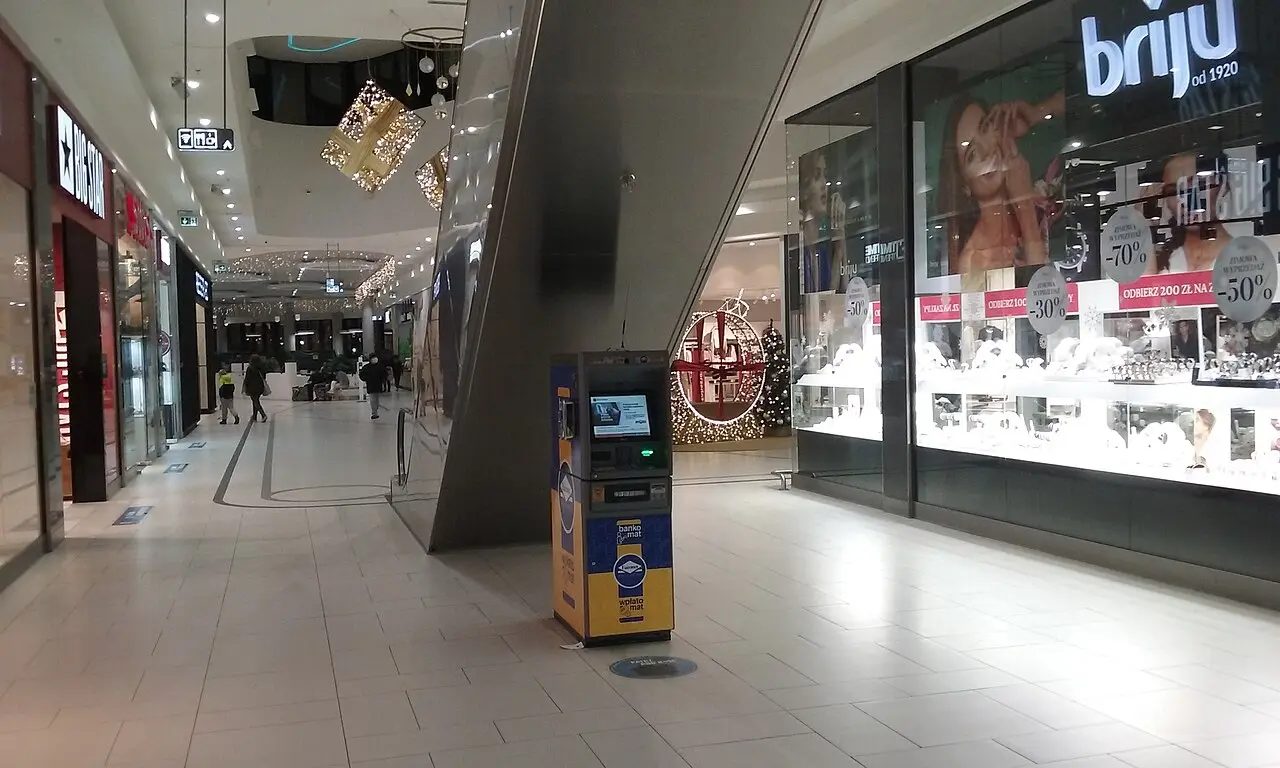
The second is which ATM you use. The bright standalone machines branded Euronet, plastered with “no fee” and “no commission”, are the ones to walk past: the fee is hidden in a poor exchange rate, and they push the DCC prompt hard. Independent ATMs can also add a flat €5-€10 access fee per withdrawal. Stick to machines run by actual Croatian banks - Zagrebačka banka (ZABA), PBZ, Erste, OTP - decline the conversion, and take out a larger sum less often to spread any fixed fee. Our cash-or-card money guide has the full detail on when you actually need cash.
Eating out: cover charges, water and the terrace premium
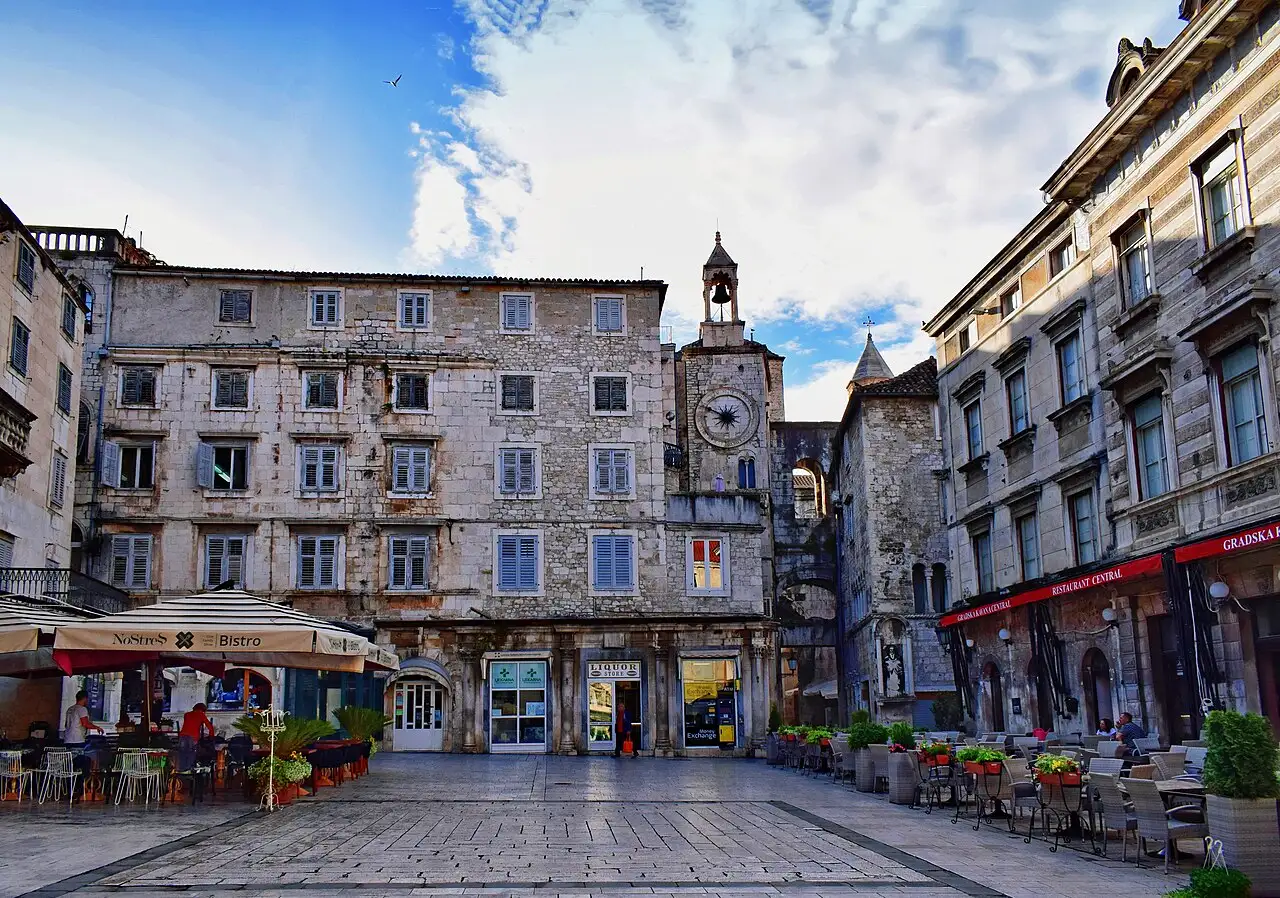
Restaurant menus are honest, but a couple of add-ons appear at the end. Many mid-range and tourist-facing places apply a small cover charge (couvert) for the bread and table setting - roughly €1.50-€3 per person - whether or not you asked for the bread. It’s legal and normal; just know it’s coming.
Water is the other one. Tap water is safe and free, but plenty of terraces will bring bottled water by default and charge for it. Ask for tap water (voda iz slavine) if you would rather not pay. And the biggest swing on any bill is simply where you sit: a seafront terrace on the main square costs far more than an identical plate in a konoba a few lanes back. Tipping isn’t obligatory in Croatia - rounding up or roughly 10 percent for good service is plenty, and it’s not added automatically, so check the bill before you leave extra.
The beach is not always free
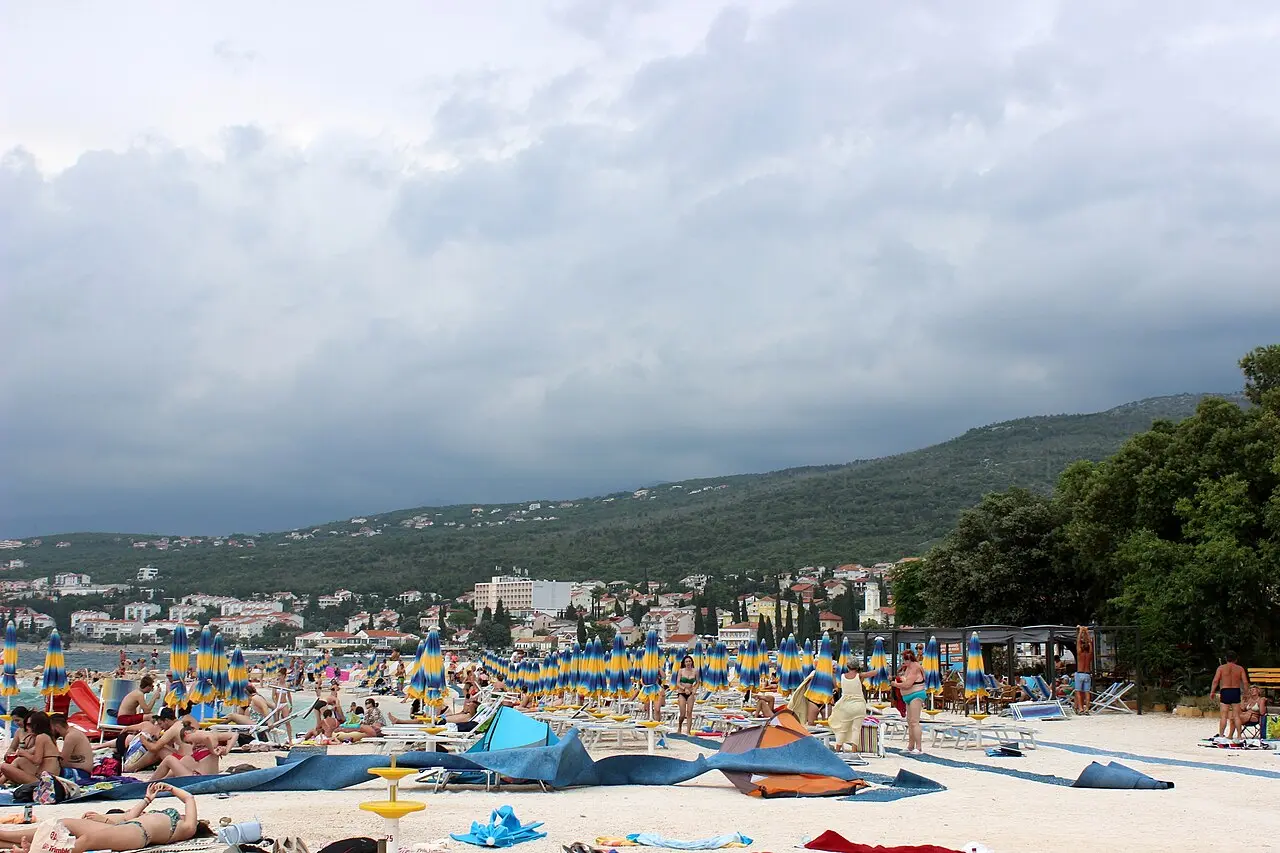
Croatia’s beaches are public and free to walk onto, but the loungers on them are a business. On an organised or resort beach, a sunbed runs about €7-€10, an umbrella is usually extra, and a smart beach club can charge €20 or more per bed. Two loungers and a parasol for a day at a popular spot can quietly become €20-€30 before you’ve bought a drink. Some hotels even charge around €10 a day for the sunbeds on their own stretch of sea.
The workaround is easy and pleasant: bring a towel or a cheap mat and lay it on the free part of the beach, which is most of it. Rent a lounger when you want the comfort, not by reflex. On pebble beaches - which is most of the coast - a foam mat from any supermarket is the local move and costs a couple of euros once.
Driving: tolls, parking and the real car-hire bill
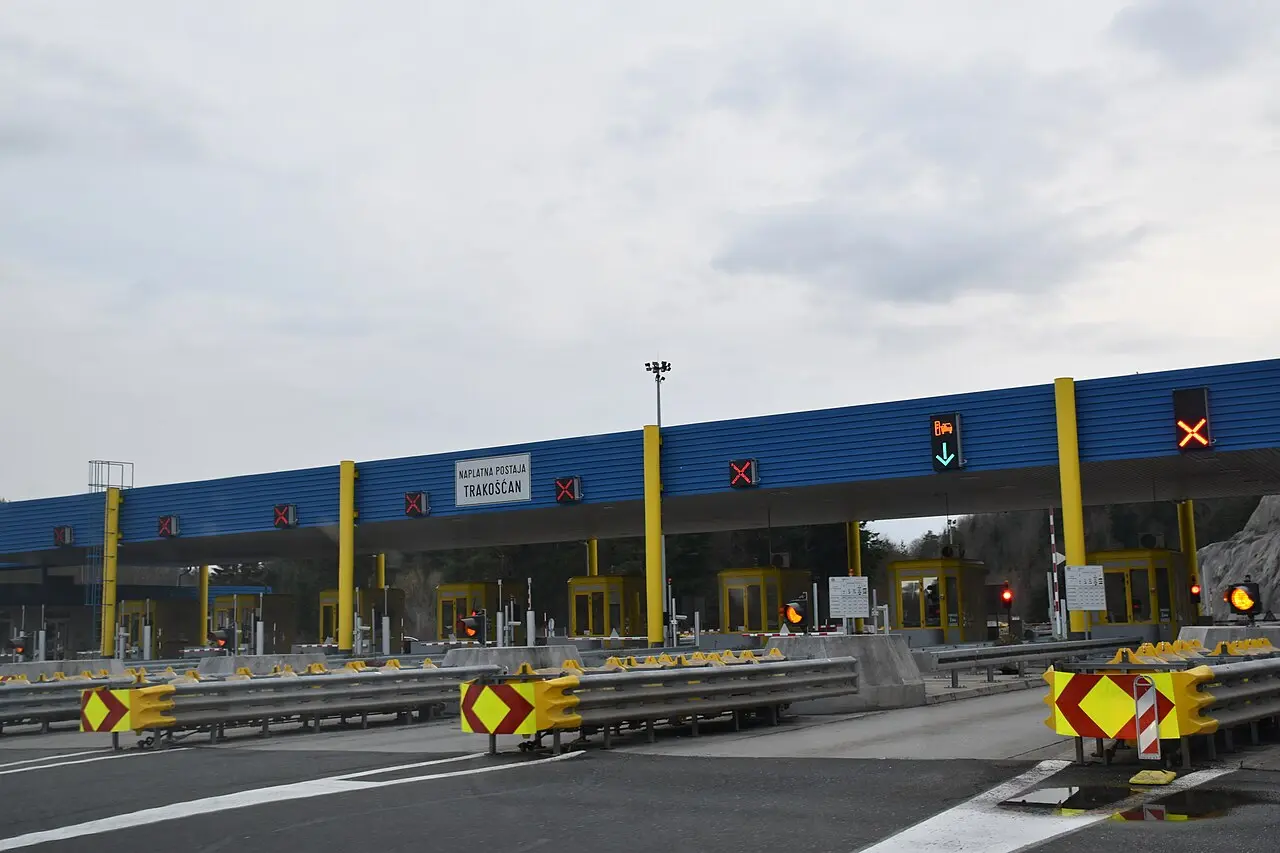
If you rent a car, the headline daily rate is the smallest part of the story. Croatia’s motorways are tolled by distance - there’s no vignette sticker like Slovenia or Austria. You take a ticket on entry and pay at a barrier on exit by card, cash or an ENC tag, and for the whole of 2026 the old booths stay in place (the barrier-free system slipped to 2027). Budget a few euros of toll for a long motorway leg. The Pelješac Bridge itself is free; the motorway sections aren’t. The wider picture on driving and tolls is in getting around Croatia; if you drive your own car in from abroad, see driving to Croatia for Austrian/Slovenian vignettes and the 2027 free-flow date.
Then come the rental extras that never make the sticker price: a security deposit blocked on your card (often €800-€1,500), the insurance excess you carry unless you buy it down, full-to-full fuel, any young-driver surcharge, paid parking in every walkable old town, and a one-way drop-off fee if you collect and return in different cities - typically €100-€250 for Split to Dubrovnik. We break those down in renting a car in Croatia and, for the open-jaw trip, in one-way car rental. The honest takeaway: price the whole bundle, not the daily rate, and only keep a car for the days you truly need it.
Ferries: cheap on foot, dear with a car
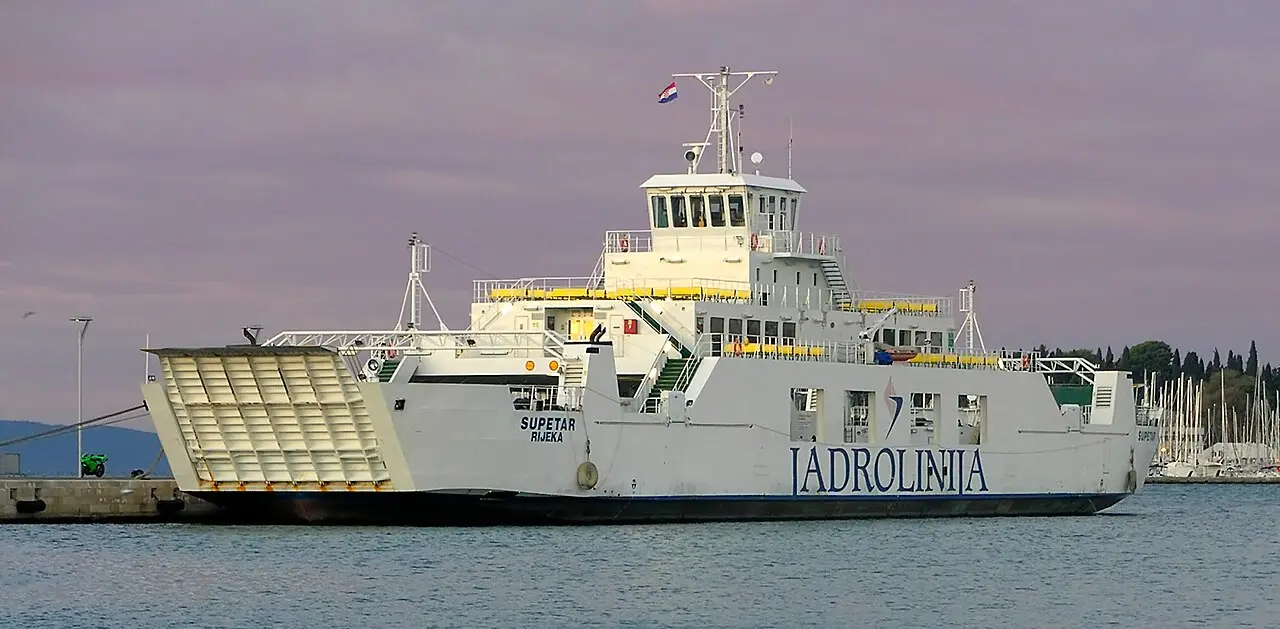
Island ferries hide the same lesson. As a foot passenger you pay a few euros for a short crossing; taking a car across costs several times more and the vehicle deck sells out first in summer. Unless you genuinely need the car on the island, the smart pattern is to cross on foot and use local transport on the other side - most island towns are small and walkable. There’s a second catch: car ferries often land at an out-of-town port (the Split car ferry to Hvar arrives at Stari Grad, 20 km from Hvar Town), while the passenger catamaran ties up right in the centre. How it all fits together is in our Croatia ferries guide.
How to keep the extras down
- Pad the budget for tourist tax - a few euros per person per night, paid at your accommodation, not shown online.
- Always pay in euros at ATMs and terminals; decline the “home currency” offer, and use bank ATMs (ZABA, PBZ, Erste), never Euronet.
- Ask for tap water, check for a cover charge, and eat a few lanes back from the seafront for the same food at a lower price.
- Bring a beach mat or towel and rent a sunbed only when you want it, not by default.
- Price the whole car bundle - deposit, excess, fuel, tolls, parking, one-way fee - and cross to islands on foot when you can.
- Carry a little cash for markets, small konobas, beach kiosks and boat tickets, even though cards work almost everywhere.
Plan the rest of your trip
Once you’ve padded for the small stuff, the bigger levers are timing and route. Our Croatia trip cost guide sets the daily budget for backpacker, mid-range and comfort travel, and the cash-or-card money guide covers exactly when you need euros in hand. If you’re weighing a cheaper Balkan neighbour too, our Balkans trip cost comparison prices eight countries the same way, Croatia included. If you’re weighing a car against public transport, compare the sums in one-way car rental and renting a car in Croatia before you book. Good travel insurance is the one extra worth paying for rather than dodging - our Croatia travel insurance guide covers what a policy should include. More logistics live in the trip-planning hub.
Tourist tax, tolls, ticket prices and rental fees change by area, operator and season - confirm current figures with your host, the operator or the rental company before you book.
Read also

Before you go · 10 min read
Where to Stay in Korčula: Old Town to Vela Luka
Verified · September 5, 2026Korčula Town for walls and boats, Lumbarda for sand, Vela Luka for the Split car ferry. Match the base to how you arrive - then book.

Before you go · 10 min read
Sailing in Croatia: Yacht Charter Costs & Routes
Updated · September 5, 2026Croatia yacht charter 2026: bareboat weekly ranges, skipper and deposit separate, APA on crewed boats, season guides, island routes.

Before you go · 10 min read
Where to Stay in Makarska: Riviera Bases Compared
Updated · August 30, 2026Brela, Baška Voda, Makarska, Tučepi or the quieter south - which Riviera base fits beach weeks, families, nightlife and Brač ferry mornings.

Before you go · 8 min read
Hvar or Korčula: Which Island Fits Your Trip?
Verified · August 28, 2026Hvar or Korčula in 2026? Split catamarans (~€25 like-for-like), vibe, beaches and who each Dalmatian island suits - plus the hop between them.