
Croatia: Cash or Card? ATMs, DCC Fees & Tipping
Croatia is card-first on the euro. When to use cash, how to dodge Euronet ATM fees and the 10-13% DCC trap, and how much cash to carry (€30-50).
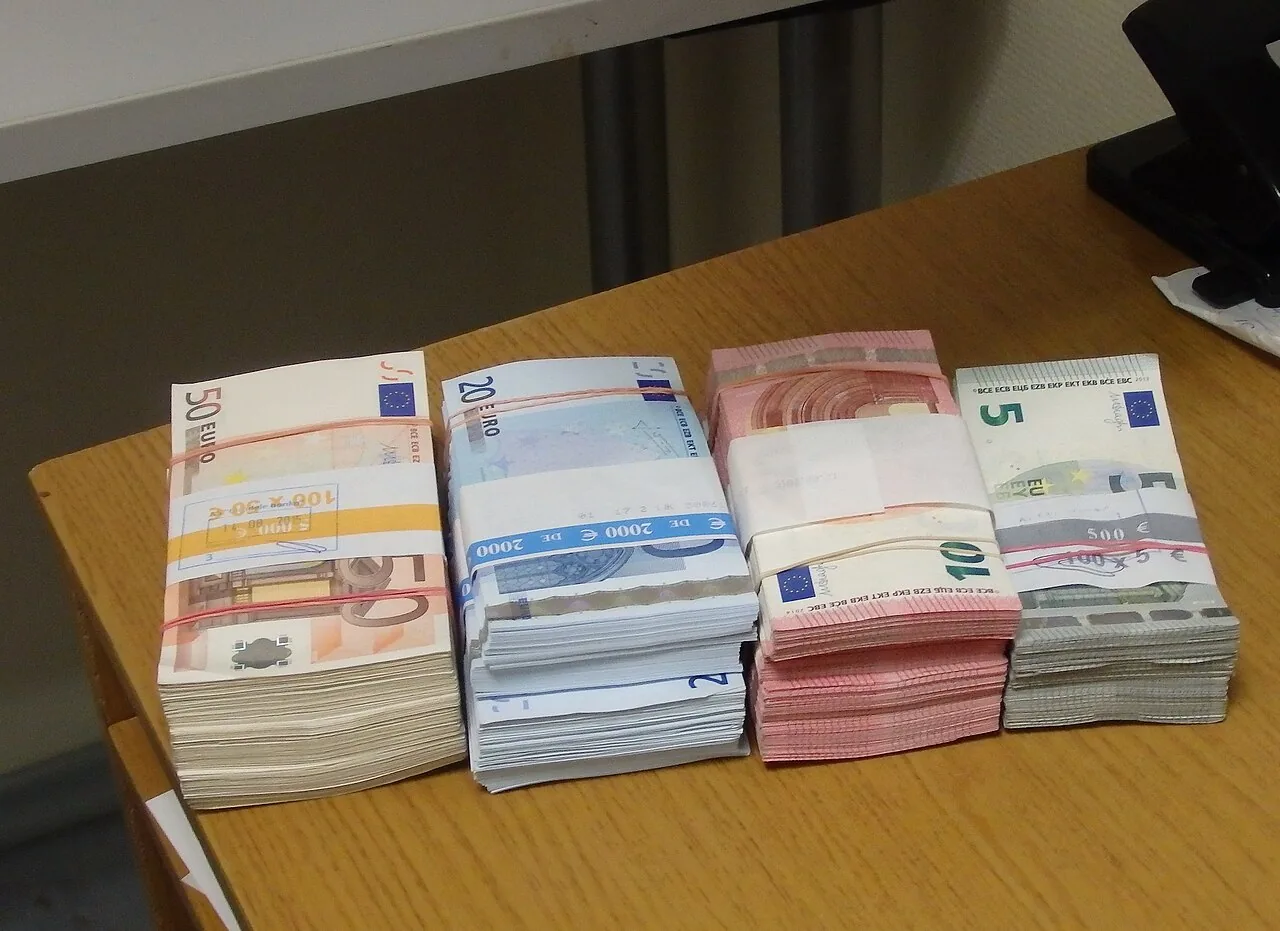
Croatia runs on the euro (€), and cards work almost everywhere - so the short answer is card first, with a small stash of cash for the places that still want it. The catch is that two everyday things quietly overcharge tourists here: Euronet ATMs and the “would you like to pay in your own currency?” screen. Dodge those two, carry €30-50 in notes, and you’ll barely think about money for the rest of the trip.
This is the practical version: what the currency is now, when card beats cash and when it doesn’t, which ATMs to use and which to walk past, the conversion trick that skims 10% off you, and how tipping actually works.
Currency converter
- EUR
- €87.26
- USD
- $100
- GBP
- £74.94
The currency: euro since 2023
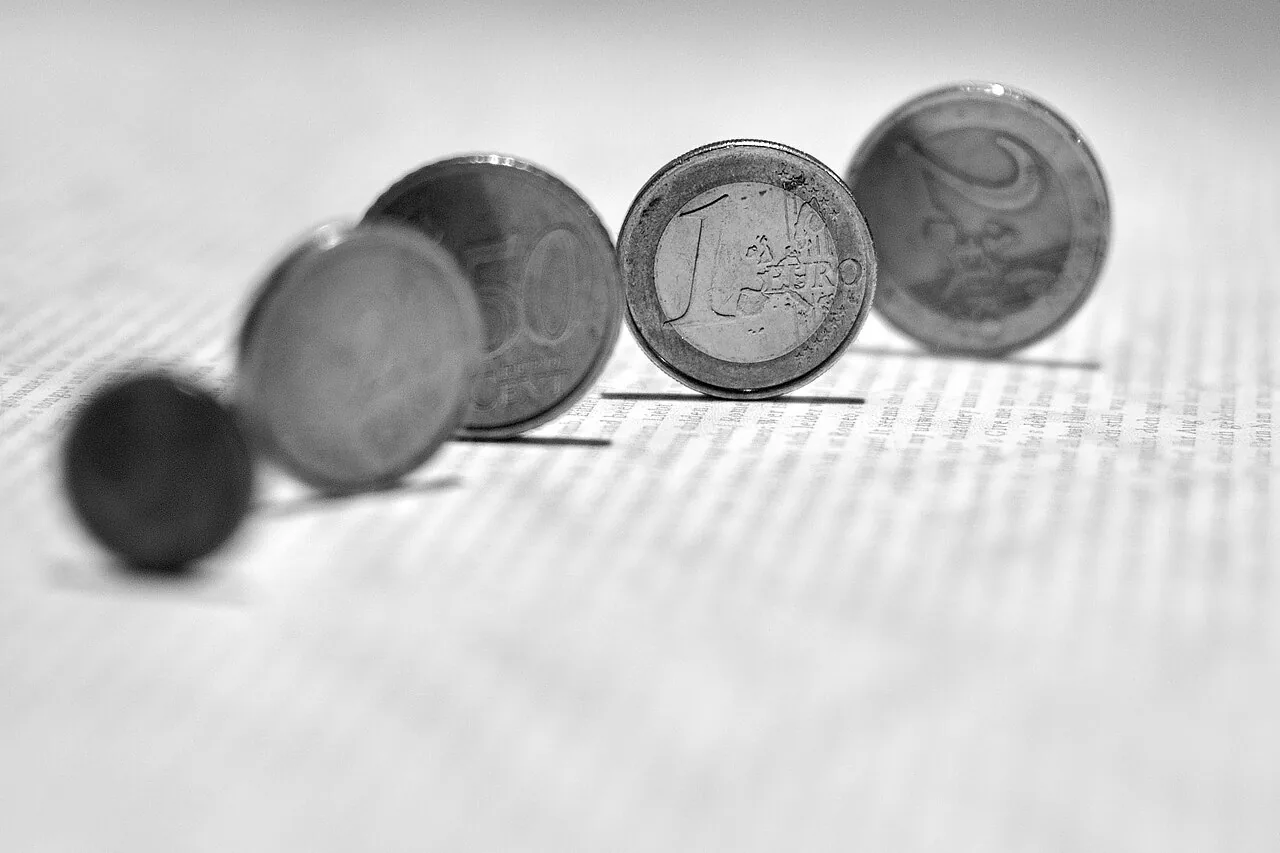
Croatia dropped the kuna and adopted the euro on 1 January 2023 - the same day it joined the Schengen area, so it swapped currency and opened its borders in one go. The kuna is gone; every price you see is in euros, and the coins are standard euro coins (Croatia’s own designs, but valid everywhere in the eurozone). If you’ve leftover euros from anywhere else in Europe, they spend here without a second thought.
Card or cash: what each is really for
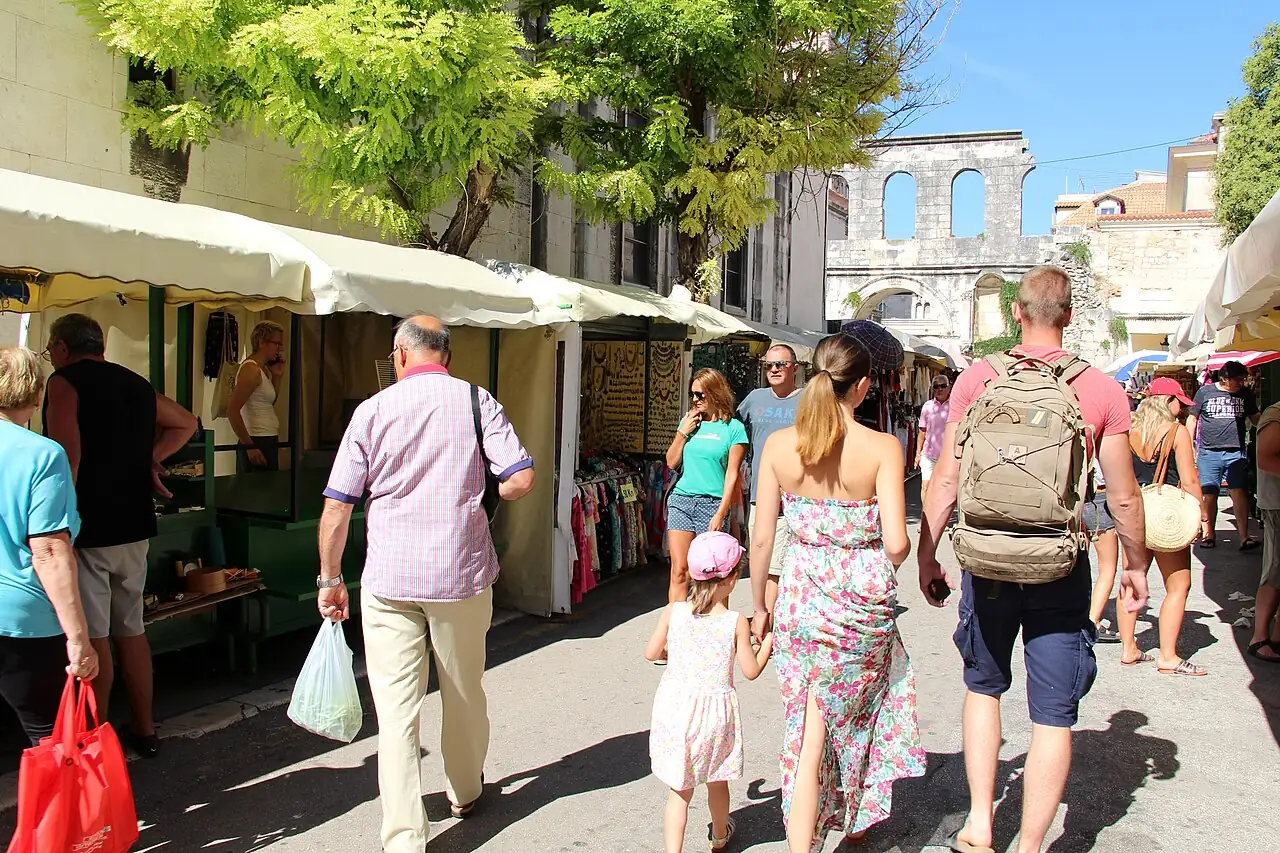
In the cities and along the coast, cards win. Hotels, restaurants, supermarkets, museums, bigger shops and most cafés take contactless without blinking, and you rarely need to sign anything. For the bulk of a trip - accommodation, dinners, the big-ticket costs we break down in the Croatia trip cost guide - a card is the easy, safe default.
Where cash still earns its place:
- Green markets and fishmongers - the morning produce and fish markets are cash affairs.
- Small konobas and bakeries in villages and on the islands, some of which are card-shy or have a small-payment minimum.
- Taxis and small boat transfers, especially the informal ones.
- Parking machines, public toilets and the odd ferry kiosk, which want coins.
- Tips, which locals almost always leave in cash (more below).
A working rule: pay by card, but keep €30-50 in small notes and coins on you, and top it up when it runs low. You’re not carrying a brick of cash; you’re covering the gaps.
Apple Pay and Google Pay work at most terminals, and contactless is standard even for tiny taps, so a phone or watch handles a surprising amount. The flip side is the small places: a few village konobas, bakeries and market stalls are cash-only or set a card minimum (often around €5-10), and it’s never the supermarket that catches you out, always the little spot you actually want to eat at. That’s what the cash buffer is for.
Do you still need to change money?
Almost never. Croatia is on the euro, so there’s nothing to exchange if you already carry euros, and the old exchange bureaus (mjenjačnica) have largely lost their point. Skip the exchange desks at the airport and in hotel lobbies, where the rates are poor, and treat any “0% commission” sign with suspicion - that is usually where a bad rate hides instead. If you arrive with euros from elsewhere in Europe you’re already sorted, and if you go home with euros left over, just keep them: they spend anywhere in the eurozone.
ATMs: skip Euronet, use a bank
This is the single most useful thing to know. The bright standalone ATMs branded Euronet - parked next to landmarks and on the busiest tourist lanes - are the ones to walk past. They pile on a withdrawal fee (commonly a few euros, and it varies by machine) and then push the currency-conversion trick hard. They’re not a bank; they exist to catch tourists who grab the nearest machine.
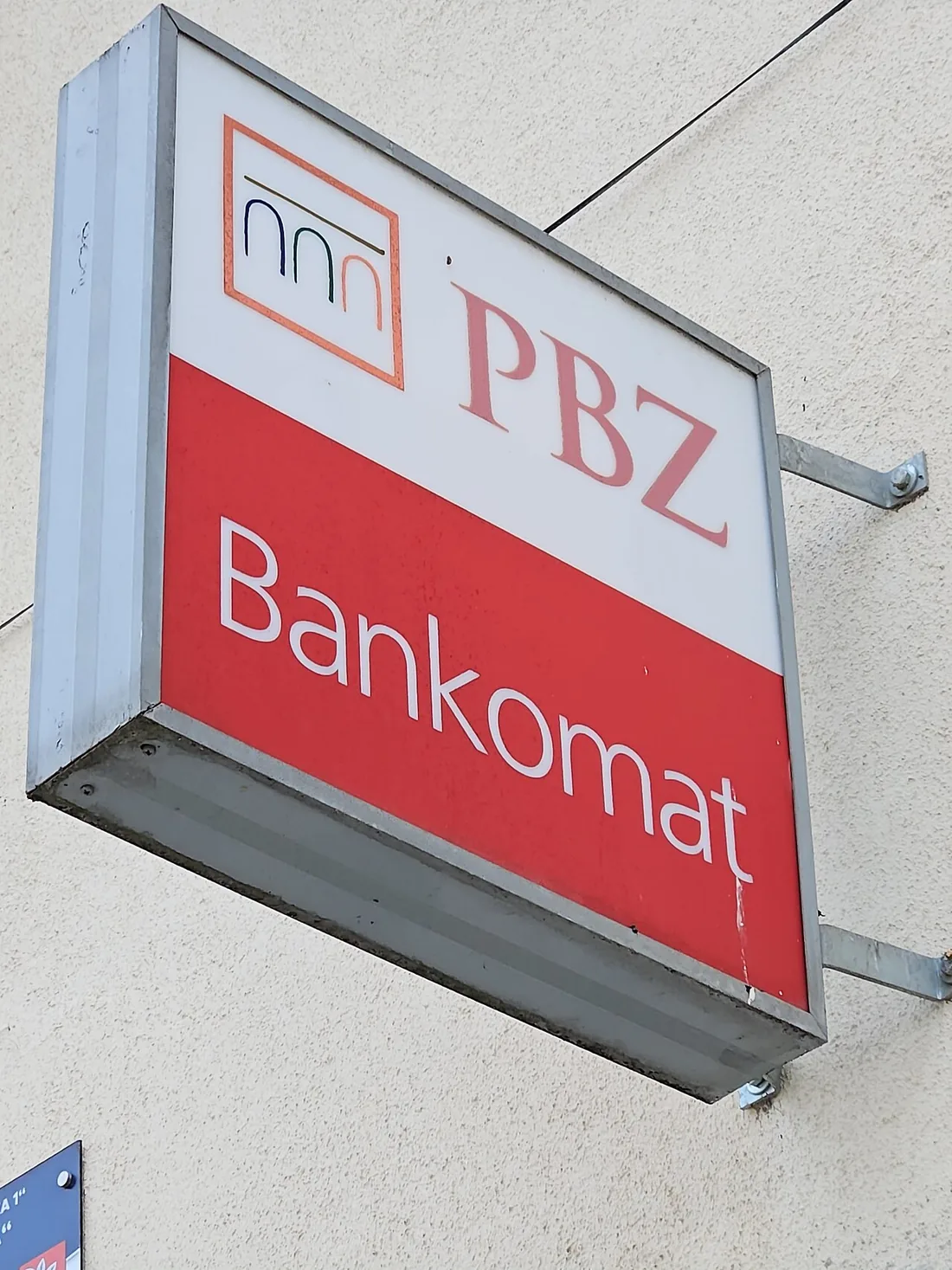
Instead, use an ATM attached to an actual Croatian bank: Zagrebačka banka (ZABA), Privredna banka Zagreb (PBZ), Erste, OTP, Hrvatska poštanska banka (HPB) or Raiffeisen (RBA). Look for the word “Bankomat” on a bank’s own sign. Bank ATMs still charge foreign cards a flat access fee - reported around €4.65 at Raiffeisenbank and €4.75 at Erste for non-customers - but the rate is fair and you’ll not get the hard-sell conversion screen. Because that fee is flat, the move is simple: take out a larger amount less often rather than €20 at a time.
One more angle worth checking: if your home bank belongs to a group with a Croatian arm, partner withdrawals can be fee-free. For example, UniCredit customers can use Zagrebačka banka ATMs, and Intesa Sanpaolo customers PBZ ATMs, without the third-party charge.
The DCC trap: always choose euros
Here’s the one that gets almost everyone, and it costs more than any ATM fee. When you withdraw cash or tap your card in a shop, the machine may ask whether you want to be charged in your home currency - pounds, dollars, whatever your card is in - instead of euros. It sounds helpful. It’s the opposite.
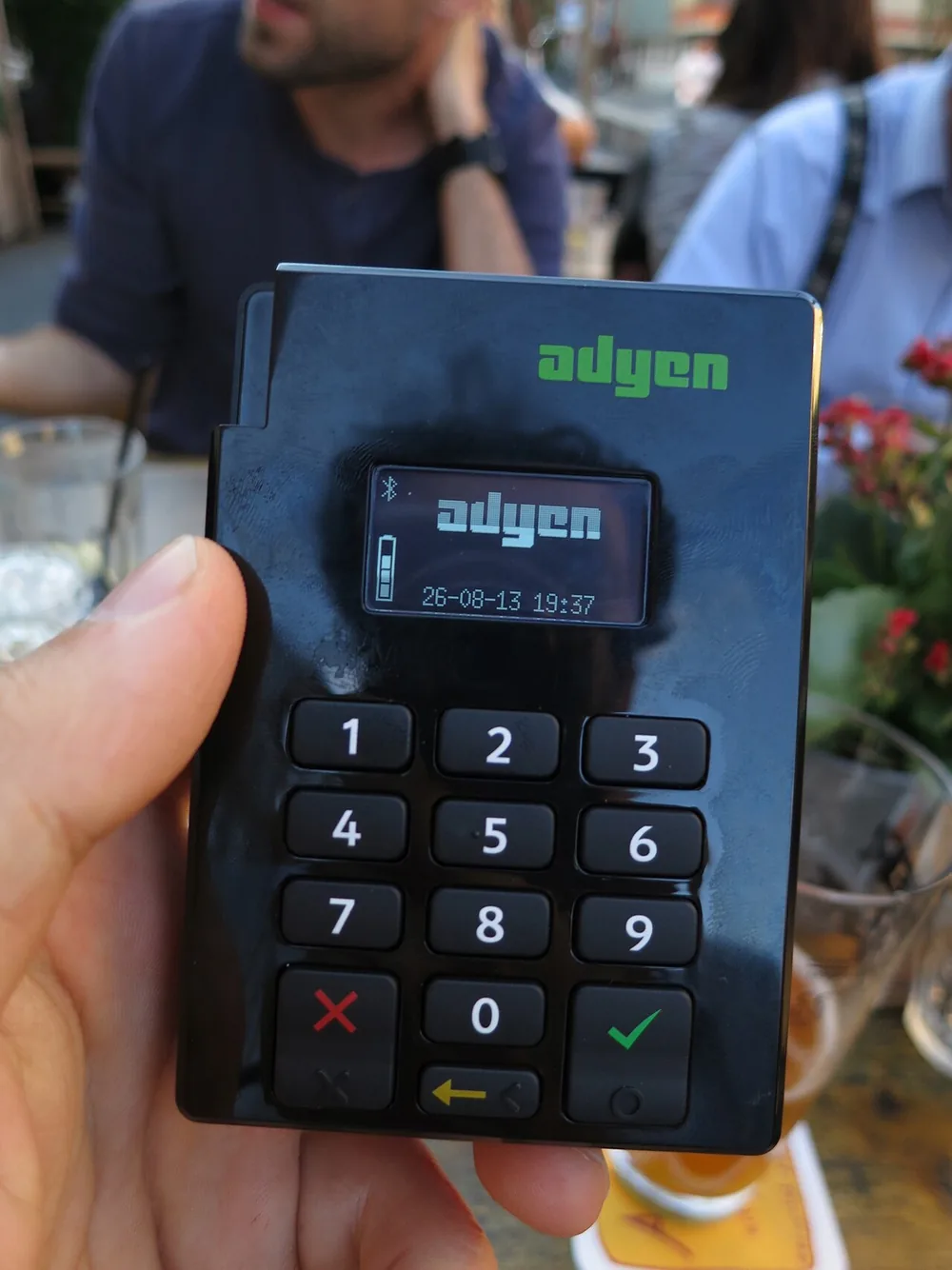
This is dynamic currency conversion (DCC), and choosing your home currency lets the ATM or terminal set its own exchange rate, which is padded - the surcharge is often in the region of 10-13%. Always choose to be charged in euros (“without conversion” / “pay in EUR”). Then your own bank does the conversion at a normal rate. Same screen, same rule, whether it’s a cash machine or a card reader at a restaurant: EUR, every time.
To put a number on it: on a €300 withdrawal, letting your own bank convert costs roughly the real rate, while accepting the machine’s home-currency offer can bury a markup of around 10%, quietly turning it into some €30 lost for nothing. The euro figure is the honest one - it is what you actually owe - so EUR is always the safe answer, even when the screen nudges hard the other way.
Cut the fees with a travel card
If you want to sidestep your home bank’s foreign-transaction charges entirely, a multi-currency travel card such as Wise or Revolut pays in euros at close to the interbank rate and skips the markup most high-street cards add abroad. It pairs well with the cash-buffer approach: tap the travel card for day-to-day spending, pull euros from a bank ATM when you need notes. The same DCC rule still applies - decline home-currency conversion even with these cards.
Getting the same discipline right with your phone data saves the other classic tourist tax; our Croatia eSIM and SIM guide covers that, and travel insurance for Croatia is the other box worth ticking before you go.
Tipping in Croatia
Tipping is appreciated, not obligatory, and it’s more relaxed than in the US. The norms:
- Restaurants: round up to about 10% for good service in a proper restaurant; 5-10% is normal in a konoba or pizzeria. Fine dining, a bit more.
- Cafés and bars: just round up, or leave the small coins.
- Taxis: round up to the nearest euro or two.
- Cash is king. Even when you pay the bill by card, locals usually leave the tip in cash so the staff actually get it. Since 2024 many card machines do offer a tip prompt (5, 7, 10, 15%), so you can add it on the card if you prefer.
- Check the bill first. If it says “Napojnica uračunata u cijenu”, service is already included and you need not add more.
Beyond restaurants the touch is light. Round up a taxi fare, leave a coin or two for a helpful tour guide or for hotel housekeeping if you feel like it, but nobody is running the US-style 20% math, and no one will chase you for a tip you chose not to leave.
Quick money checklist
- Currency is the euro; the kuna is history.
- Card for most things; €30-50 cash for markets, konobas, taxis, parking and tips.
- Skip Euronet ATMs; use a bank “Bankomat” and withdraw larger sums less often.
- At any ATM or card reader, always choose EUR, never your home currency.
- Consider a Wise/Revolut card to dodge foreign-transaction fees.
- Tip ~10% for good service, ideally in cash, after checking it’s not already on the bill.
Sort those out and Croatia is an easy place to spend money in - which, given the beaches and the seafood, you will. For where those euros actually go day to day, see the Croatia trip cost breakdown, and for moving between towns, getting around Croatia. For the scams and safety picture beyond your wallet, is Croatia safe? rounds up what to watch.
ATM fees, bank charges, conversion rates and tipping customs change over time - treat the figures here as a guide and check current fees on the screen before you confirm any withdrawal or payment.
Read also

Before you go · 10 min read
Where to Stay in Korčula: Old Town to Vela Luka
Verified · September 5, 2026Korčula Town for walls and boats, Lumbarda for sand, Vela Luka for the Split car ferry. Match the base to how you arrive - then book.

Before you go · 10 min read
Sailing in Croatia: Yacht Charter Costs & Routes
Updated · September 5, 2026Croatia yacht charter 2026: bareboat weekly ranges, skipper and deposit separate, APA on crewed boats, season guides, island routes.

Before you go · 10 min read
Where to Stay in Makarska: Riviera Bases Compared
Updated · August 30, 2026Brela, Baška Voda, Makarska, Tučepi or the quieter south - which Riviera base fits beach weeks, families, nightlife and Brač ferry mornings.

Before you go · 8 min read
Hvar or Korčula: Which Island Fits Your Trip?
Verified · August 28, 2026Hvar or Korčula in 2026? Split catamarans (~€25 like-for-like), vibe, beaches and who each Dalmatian island suits - plus the hop between them.