
5 Days in Croatia: Split, Hvar & Dubrovnik Plan
5 days in Croatia: Split, Hvar, Dubrovnik one-way. Catamarans about €25+€50; from €95/day (about $109/£81). Walls €40.
5 days in Croatia fits one coastal arc, not the whole country: Split (2 nights) → Hvar (1) → Dubrovnik (2), one-way by catamaran. High-season boat fares run about €25 Split-Hvar and €50 Hvar-Dubrovnik; mid-range spend is from roughly €95 a day (about $109 / £81 at ECB late-July 2026 rates), before the two big tickets (City Walls €40, Krka about €40). Fly into Split, fly home from Dubrovnik, and you never double back - no car needed for the spine.
The honest trade-off: five days means one region, and this is southern Dalmatia. Istria, Plitvice and Zagreb don’t fit - that’s the longer 7 to 10 day Croatia itinerary. If islands are the whole point, the 8-day island-hopping route swaps Dubrovnik for Brač, Vis and Korčula. This plan is the first-timer greatest-hits line, held together by one through-catamaran.
The one boat that makes this work
Before the day plan, the leg everyone worries about: getting from the islands down to Dubrovnik. Kapetan Luka (Krilo) runs a daily through-catamaran that leaves Split around 08:00 and reaches Dubrovnik about 12:30, calling at Milna (Brač), Hvar town, Korčula and Mljet on the way. That means you can board at Hvar mid-morning and step off in Dubrovnik in the early afternoon - roughly a 3 to 3.5 hour ride, foot passengers only, no cars.
Two things to know. It’s seasonal: the full Split-Dubrovnik service runs broadly from spring into mid-October, and there’s usually just one sailing a day, so miss it and your fallback is a bus back via Split. And it’s popular - in July and August the Hvar-Dubrovnik seats sell out, so book ahead on krilo.hr. High-season fares in 2026 run about €25 Split-Hvar and around €50 Hvar-Dubrovnik; confirm current prices and times on the operator’s own site, because they shift with the season. The mechanics of catamaran versus car ferry are in our Croatia ferries guide.
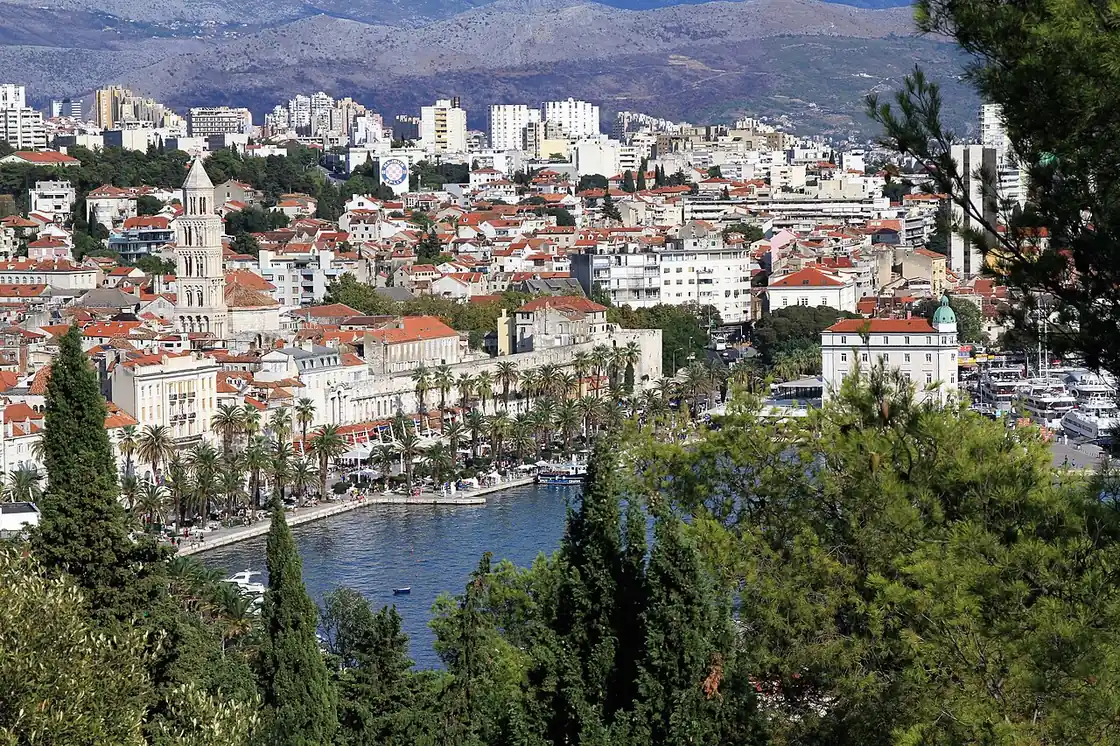
Day 1: Split and Diocletian’s Palace
Land at Split Airport (about 24 km from the centre) and get straight into the old town, because the old town is the sight. The whole warren sits inside Diocletian’s Palace, a 4th-century Roman retirement compound that people never stopped living in - you walk into it off the Riva waterfront for free, at any hour. Spend the afternoon getting lost in it: the columned Peristyle, the cathedral built into the emperor’s mausoleum, the cool stone cellars. Our Diocletian’s Palace guide lays out what costs money and what doesn’t, and the wider Split travel guide covers beaches and food.
Come dusk, climb a few steps for the view, then eat in the lanes and turn in early - you have a full day tomorrow. For where to base yourself, our where to stay in Split breaks down staying inside the palace walls (atmospheric, noisy) versus just outside (calmer, still walkable).
Day 2: A day trip - Krka or Trogir
Use your second Split day for one excursion, and pick by mood.
- Krka National Park if you want the postcard: travertine waterfalls you can walk right up to on boardwalks, about an hour and a half north of Split. The 2026 high-season ticket is around €40 for an adult (roughly €30 after 15:00), and it includes the little boat and shuttle inside the park - a car or an organised tour makes the day easy. Note that swimming below the main Skradinski buk falls has been restricted in recent years, so treat it as a walking park, not a bathing one, and check the current rule.
- Trogir if you would rather stay by the sea: a tiny UNESCO-listed stone town on its own islet, about 27 km / 30 minutes west of Split by bus or car. Half a day is plenty - a cathedral, a Venetian fortress, a walkable core - and it pairs neatly with a late-afternoon swim back in Split.
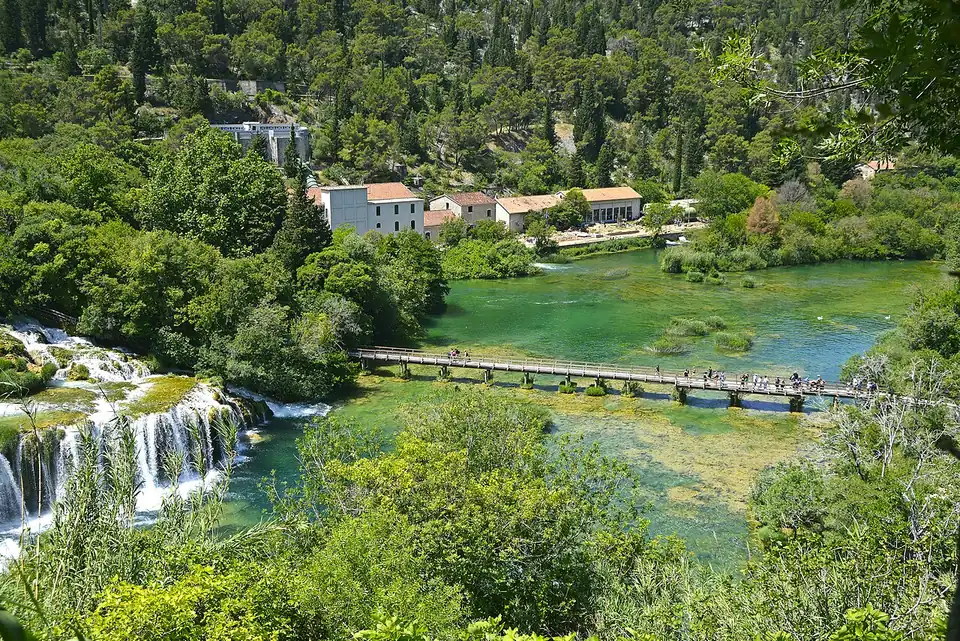
Whichever you choose, book any onward catamaran seats tonight if you’ve not already, and pack so you can walk on to the boat with one bag in the morning.
Day 3: One day on Hvar
Board the morning catamaran and you’re in Hvar town about an hour later - skip the car ferry, which lands 20 km away at Stari Grad, time you don’t have to spare on a five-day trip. With only one night on the island, don’t try to see everything: climb to Fortica, the hilltop fortress, for the harbour view and the scatter of Pakleni islands below, hop a taxi-boat across to one of them for the clearest swim of the whole trip, and save the last light for the marble main square, the biggest in Dalmatia, under the cathedral bell tower.
That single night earns its keep twice over: Hvar is genuinely lovely by day and turns into the coast’s most famous party after dark, so which kind of evening you get is entirely up to you. Full detail on beaches, the fortress and where to stay is in the Hvar travel guide and where to stay in Hvar.
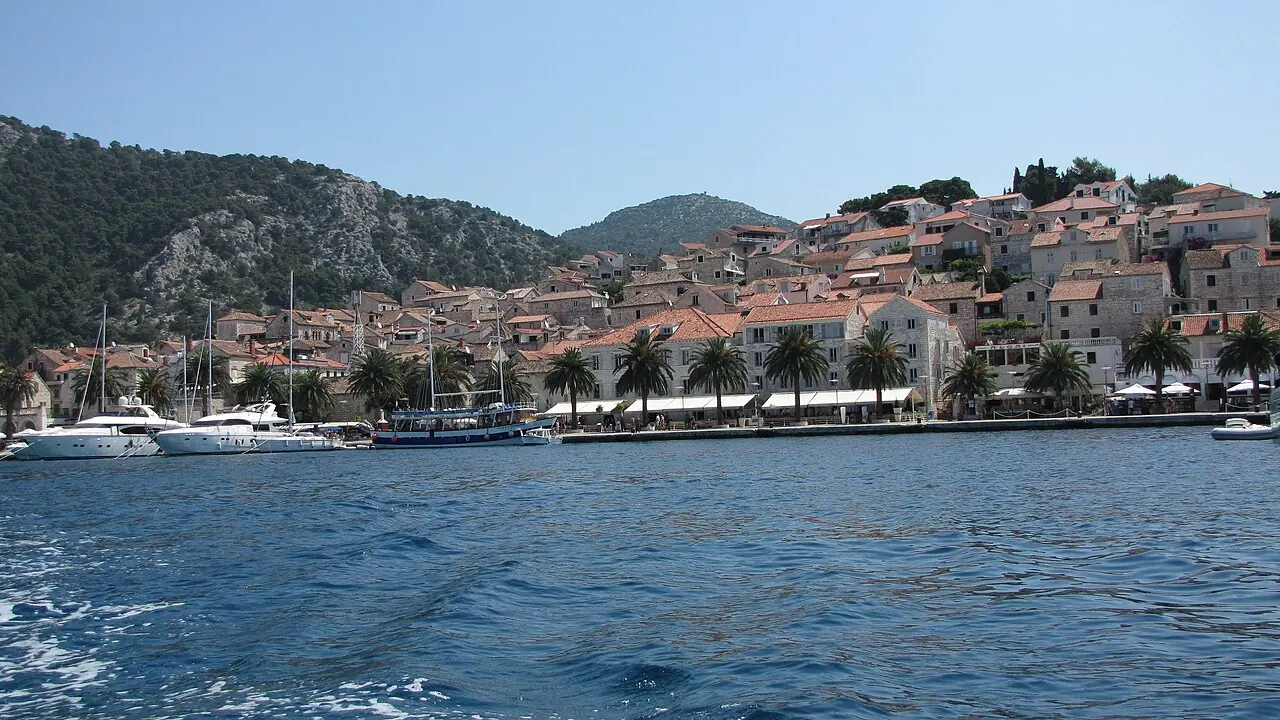
Day 4: Hvar to Dubrovnik, and a first look at the walls
This is the big travel leg, and it’s a scenic one. Catch the Krilo through-catamaran as it calls at Hvar mid-morning and ride it down past Korčula and Mljet to Dubrovnik, arriving early afternoon. Check in, then do nothing ambitious - the point of getting there with the afternoon free is to see the old town warm up as the day-trippers and cruise crowds thin out.
Walk the length of the Stradun, the polished limestone main street, find the tiny Buža bar clinging to the sea-cliff outside the walls for a sundown drink, and watch the ramparts turn gold. Save the actual walls walk for tomorrow morning, when it’s cooler and quieter. Miss the seasonal catamaran and the backup is simple: the bus from Split (roughly four to five hours over the 2022 Pelješac Bridge, no Bosnia border stop anymore) gets you there just the same - see Split to Dubrovnik transport for all the options, and where to stay in Dubrovnik for bases inside versus outside the walls.
Day 5: Dubrovnik’s walls, then home
Set an alarm and be first at a City Walls entrance when it opens - with a flight to catch later, this is the one thing on the trip you can’t afford to push into the afternoon. The full circuit is about 2 km of medieval rampart wrapped around the old town, sea on one side, a maze of roofs on the other, and it’s the single best thing you do in Dubrovnik right up until the midday heat and the crush turn it into a shuffle. The 2026 ticket is €40 for an adult (it also covers Fort Lovrijenac across the harbour); confirm the current price, as it has climbed steadily.
With that done, the morning is a single choice, not an open block: the cable car up Mount Srđ for a quick view over the old town, a boat out to the green island of Lokrum just offshore for one last swim, or simply more time in the lanes before you need your bag. Then it’s a short hop to Dubrovnik Airport (22.5 km southeast; the Platanus shuttle, €10 one-way, leaves from the Gruž bus station and picks up at the Cable Car stop by the Old Town - about 35 minutes from the station, 25 from the cable car - and doesn’t sell tickets on board, so buy online or at the cable car station first) and home.
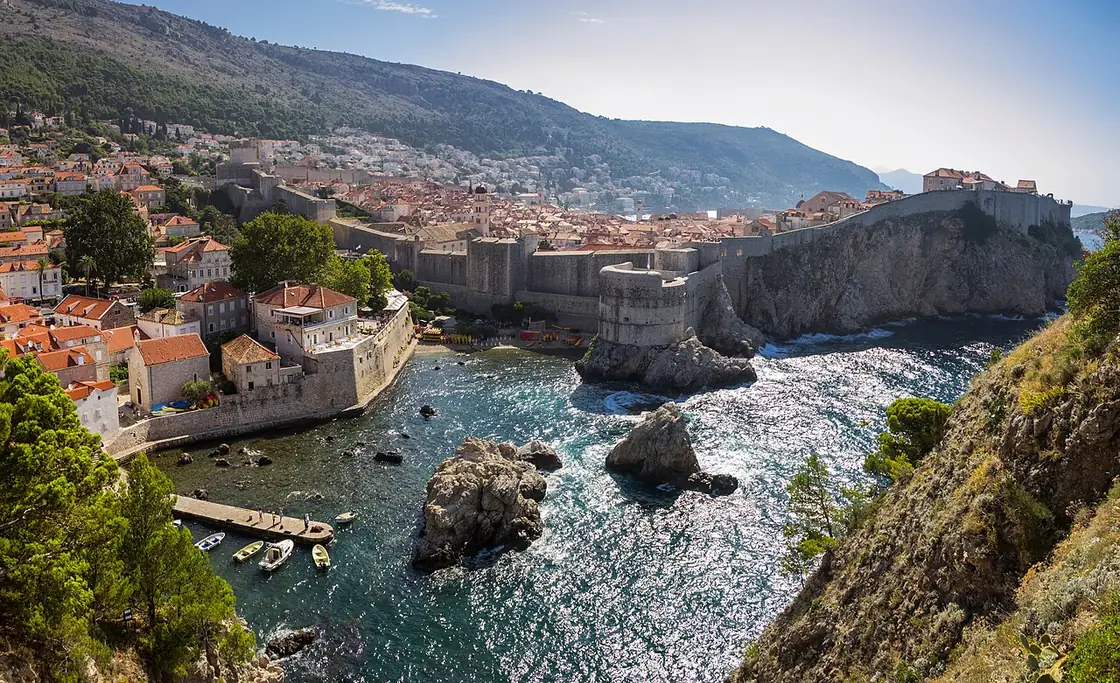
Do you need a car?
For the route as written, no - and a car is actively a nuisance on the island legs, where car ferries are slower and land out of town. The catamarans plus three walkable old towns do the job. Where a car earns its keep is the Split day trip: it makes Krka or Trogir far easier than juggling tour times. One tidy option is to rent in Split for day two only and hand it back before you board the Hvar boat; if you would rather drive the whole coast instead of sailing it, a one-way rental from Split to Dubrovnik carries a drop-off fee - the sums are in our one-way car rental guide, and the basics are in renting a car in Croatia.
Money and timing for five days
The daily budget runs from roughly €95 per person on a mid-range trip; Dubrovnik alone will eat more of it than Split or Hvar, and August eats more still. The boat fares above (about €25 + €50) and the two headline tickets (walls €40, Krka €40) are fixed lumps you can’t shrink; everything else is beds and meals, and that’s where the daily number actually moves.
With only five days on the ground, the real risk isn’t the network, it’s losing one of them to weather or a queue you didn’t plan for. Catamarans run from late May to September; if you can choose, aim for June or September, when the sea’s already warm, the boats are running, and the July-August crowds haven’t shown up yet. Outside the sweet spot the plan still holds, you just have less slack to spare - book the Krilo legs and the City Walls slot as soon as your dates are fixed. It also runs just as well in reverse, Dubrovnik to Split, if that’s how your flights land.
Opening hours, prices, timetables and seasonal services change through the year - the figures here are planning estimates, not quotes. Confirm current details with the operators and official sources before you go.
Route day by day
- Days on the road
- 5
- Distance
- ≈200 km
- Budget from
- 95 EUR
- Best season
- May, June, July, August, September
-
Split
Route startstop ≈2880 min
Two nights. Fly into Split Airport, base inside or beside Diocletian's Palace, and use day two for one day trip - Krka waterfalls or the walled town of Trogir. Split is also the ferry hub, so every onward leg starts here.
Photo: Rob Hodgkins / Wikimedia Commons, CC BY-SA 2.0 ( source) -
Hvar
40 km from the startstop ≈1440 min
One night. A roughly 1-hour catamaran from Split lands you in Hvar town: a marble square under a hilltop fortress, clear-water swims off the Pakleni islands, and the liveliest nightlife on the coast.
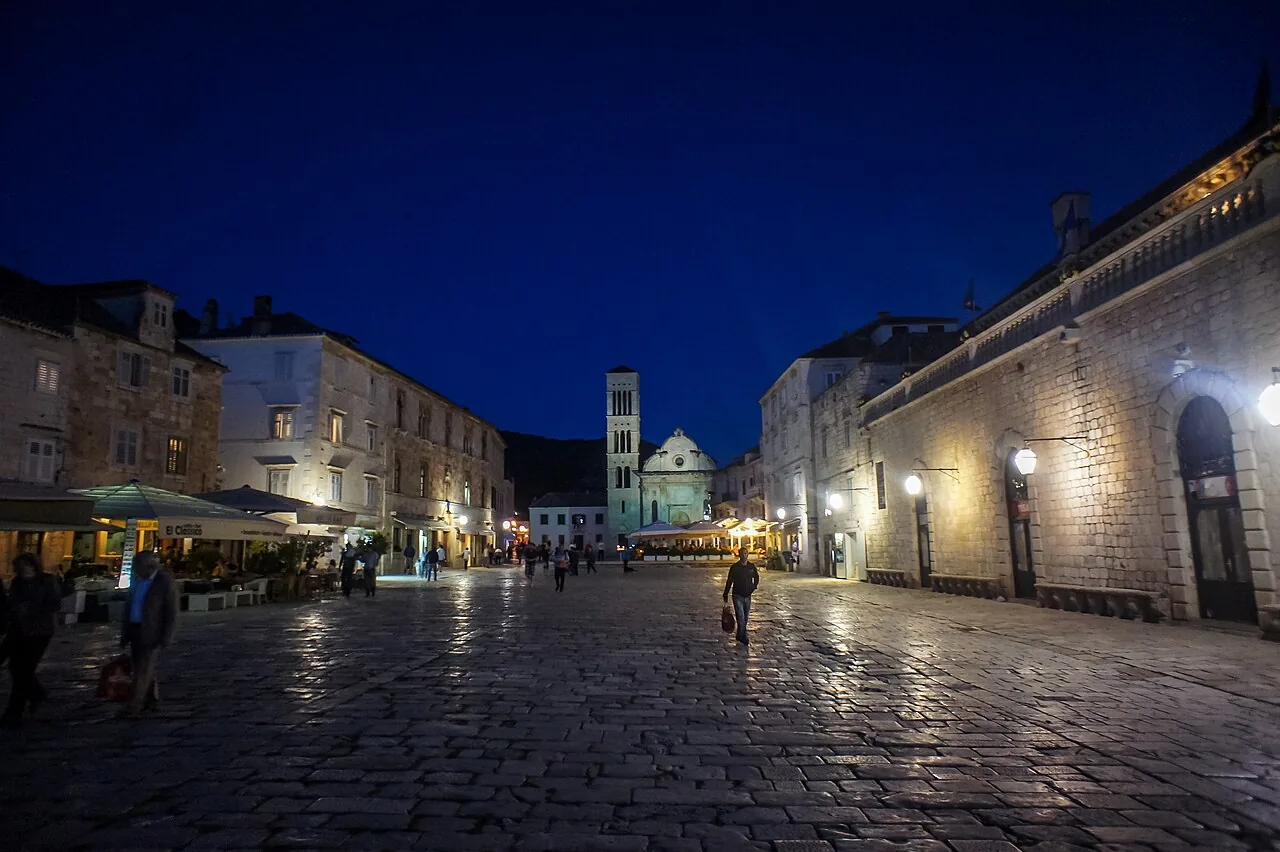
Photo: Los Paseos from Earth / Wikimedia Commons, CC BY-SA 2.0 ( source) -
Dubrovnik
200 km from the startstop ≈2880 min
Two nights. The Krilo catamaran carries you from Hvar down to Dubrovnik in about 3 to 3.5 hours. Walk the medieval walls, ride the cable car up Mount Srđ, and fly home from Dubrovnik Airport.
Photo: Zysko serhii / Wikimedia Commons, CC BY-SA 4.0 ( source)
Route map
The map with stops loads on click - to keep the page lightweight.
The map didn’t load. Check your connection and refresh the page.