
Budapest to Zagreb: Train, Bus or Drive
Budapest to Zagreb: FlixBus about 4 to 6 h from €19, the afternoon IC about 6 h from €30.60 (HŽPP offer), 344 km by car. Checked 15 Nov 2026.
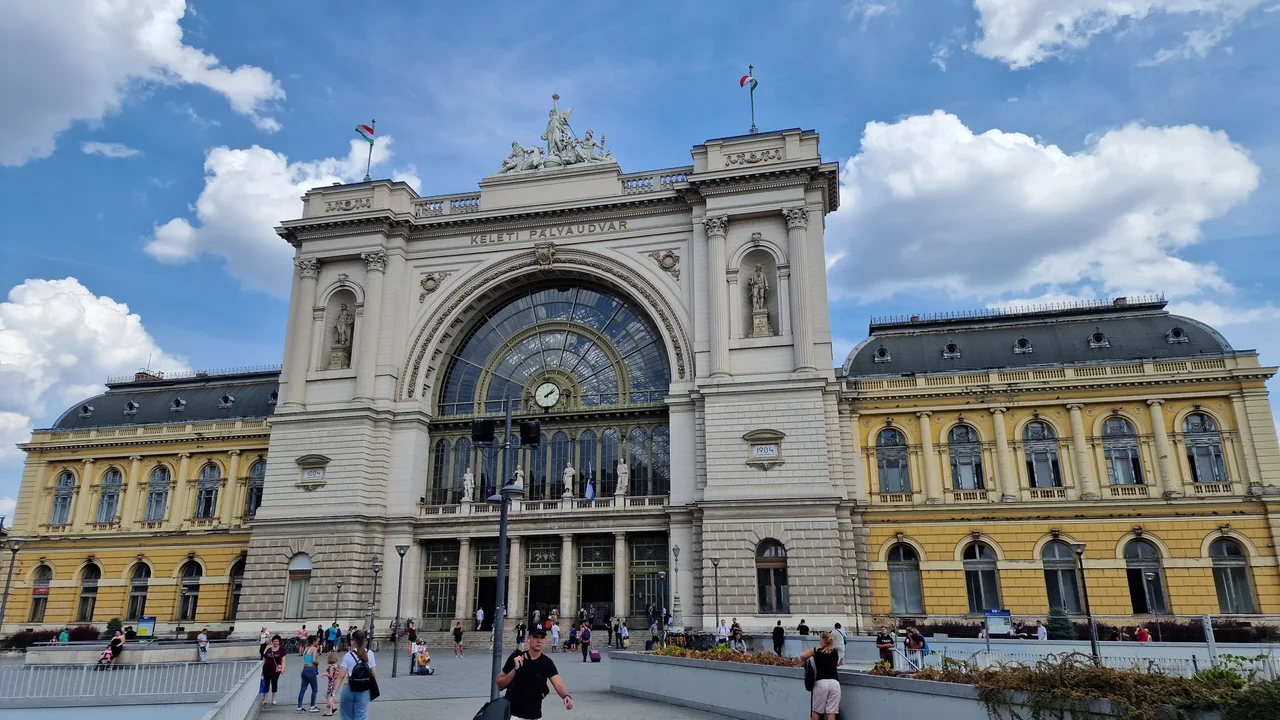
If you’re free to choose, take the bus for speed and the train for comfort: FlixBus covers Budapest to Zagreb in 3 h 55 to 5 h 50 (about 4 hours on most morning, midday and evening departures), for €18.99 to €30.99 on our dates plus a €0.99 platform fee per booking, while HŽPP’s afternoon train takes about 6 hours and arrives at night. Driving is 344 km and about 3 h 40 without queues, and both countries are in Schengen.
What makes this route awkward isn’t the distance. It’s that the train runs one pair a day, in the afternoon, so a morning arrival is a bus-or-car decision.
Fares and times here come from searches and operator pages on 15 November 2026, for trips between 21 November 2026 and 12 January 2027. Train times after 13 December 2026, when Europe’s rail timetable changes, are plans until HŽPP updates its page.
Four hours or six: what each ride costs you
| Option | Time | Price | Pick it when |
|---|---|---|---|
| FlixBus | About 3 h 55-5 h 50; most daytime rides about 4 h | €17.99-48.99 on our dates, one-way in either direction (€18.99-30.99 from Budapest), plus €0.99 per booking | You want to arrive before dinner and can pick a cheap weekday |
| Train (IC) | About 5 h 54 to 6 h 28, leaving mid-afternoon | HŽPP fares sold in Croatia: €30.60 one-way, from €19 with a limited Sparschiene fare from Zagreb | You’d trade two extra hours for a train seat and a station at each end |
| Car | 344 km, 222 min without queues | Fuel, Hungarian vignette, Croatian A4 toll | You’re three or four people, or going on to Plitvice or the coast |
The afternoon IC: timetable, fares and the change in December
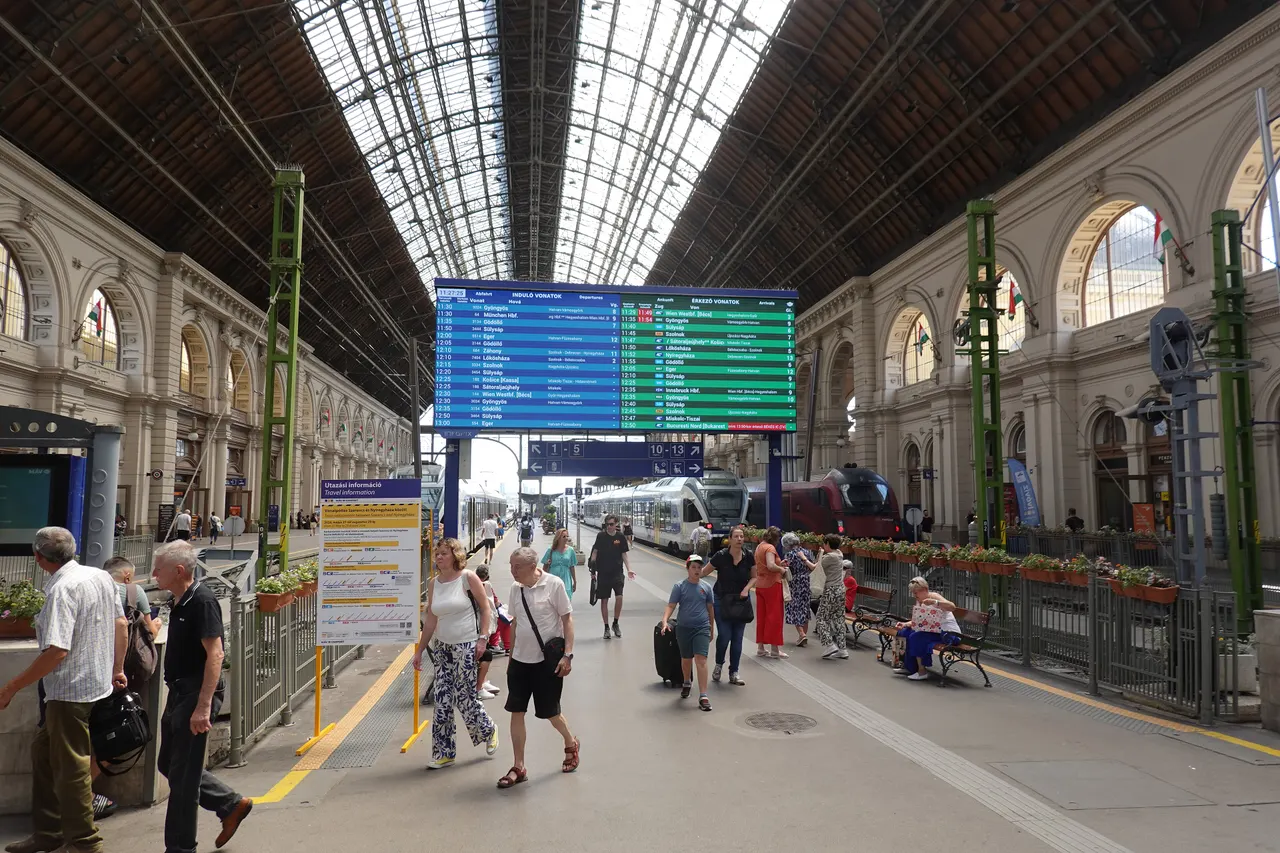
HŽPP’s own Hungary page, last changed on 20 October 2026, lists the through trains. IC 201 leaves Zagreb Glavni kolodvor at 16:30 and reaches Budapest Déli at 22:24. In the other direction, IC 204 leaves Budapest Déli at 15:35 and reaches Zagreb at 22:03, and it runs except between 27 June and 28 August, when IC 1206 from Budapest Keleti (15:31 to 22:21) takes over. In winter, then, you’re on IC 204 from Déli.
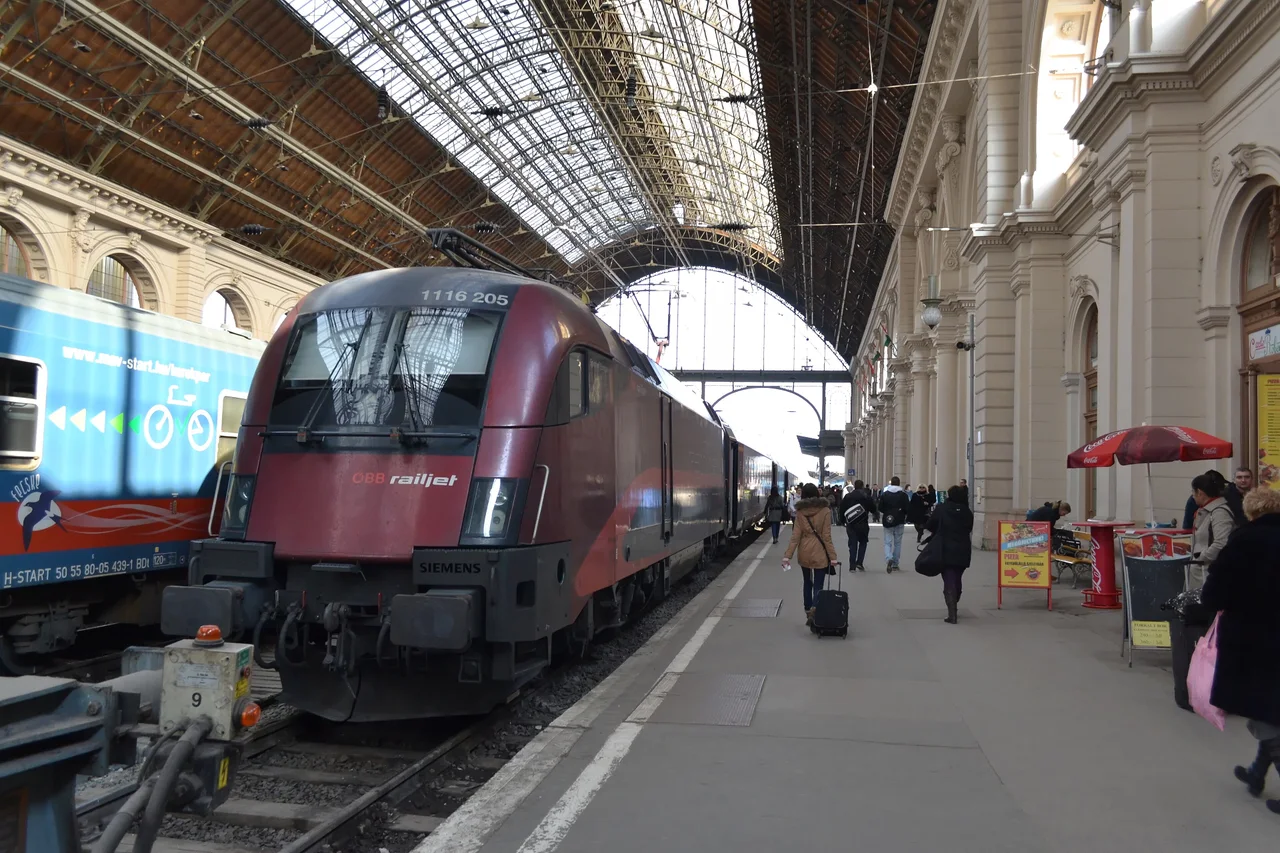
That’s roughly 5 h 54 to Budapest and 6 h 28 to Zagreb. It’s an afternoon train with a late arrival, which suits a Friday-night city break more than a morning meeting.
HŽPP prints its fares in a short list, for tickets sold at its international ticket offices in Croatia. Sparschiene tickets for second class from Zagreb to Budapest start at €19 and €25 one-way, in limited numbers, which is the cheap fare to hunt for, though the page lists it for the Zagreb to Budapest direction only. The HŽPP-MÁV offer, 40% off trips between Croatia and Hungary, is €30.60 one-way and €59.40 return, with a child aged 6 to 15 at €15.30 one-way, and groups of six or more at €25.50 each way. The return barely pays: €59.40 against €61.20 for two singles saves €1.80, so two one-way tickets cost almost nothing extra if your plans might change. Groups are a different story: six people on the group fare pay €153.00 against €183.60 at the single fare, €30.60 less.
Buying is the awkward part from abroad. The page names the HŽPP international ticket offices as the place for transport and reservation tickets and recommends buying in advance there; it describes no online sale for this train, so check with HŽPP before you assume you can book from home. Special-offer tickets can’t be bought on the train. The page gives no price for buying in Hungary, so if you start in Budapest, check MÁV’s fare before you rely on these. Bicycles are allowed, one space per coach in coaches 424, 425 and 426.
Check the date before you pay. HŽPP’s page doesn’t say how the winter timetable ends, and ÖBB has said the new European timetable starts on 13 December 2026. If you’re travelling later than that, check the times again before you pay for a non-refundable ticket.
FlixBus: the direction changes the price
FlixBus’s booking search gave a clear pattern. On Tuesday 24 November it listed four direct buses from Budapest, most of them calling at two or three Budapest stops, with prices from €21.99 to €30.99, and two from Zagreb, at 11:05 and 14:10, for €17.99 to €19.49. On Saturday 21 November buses ran from about 08:00 into the night from Budapest (plus a 00:30 night bus) and from 07:30 to 23:59 from Zagreb, €22.49 to €27.99 from Budapest and €21.49 to €23.99 from Zagreb. On Saturday 5 December it was €18.99 to €24.99 from Budapest and up to €29.99 from Zagreb. All of these are before the €0.99 booking fee.
Stops matter more than usual here. On 24 November the Budapest departures were spread over three FlixBus stops, Népliget, Kelenföld and Mexikói út: the 08:00 from Népliget and the 08:25 from Kelenföld are one coach; so are the 14:25 from Mexikói út, the 15:00 from Népliget and the 15:20 from Kelenföld. In Zagreb the coaches ended at the stop FlixBus lists as the Zagreb bus station, not at the railway station, so check which stop your ticket names at both ends and plan the last leg from there.
The expensive date was Friday 18 December. From Zagreb the fare rose to €34.99, with a €48.99 departure at 07:30, while Budapest to Zagreb stayed at €22.49 to €27.99. If your dates are flexible, the direction matters as much as the day, so search both ways before you decide.
The oddity is Tuesday 12 January 2027. Every itinerary the search offered, from Budapest and from Zagreb, had a transfer, taking about 8 h 15 to 12 h 40 for €30.48 to €36.48. That may be a timetable gap or the search simply not yet showing direct coaches, so we can’t say it’s permanent. Other coach companies weren’t part of this search.
Driving the M7 and the A4
OSRM puts the route at 344 km and 222 minutes, a free-flow figure with no traffic or queues, so add time for a stop. The road is the Hungarian M7, then Croatia’s A4 into Zagreb. You’ll need a Hungarian e-vignette before you enter the motorway and you’ll pay Croatian tolls on the A4; both prices change, so check the operators (nemzetiutdij.hu and hac.hr) on the day instead of trusting a number in a guide.
On the border: the European Commission’s list of temporary internal border controls, in the version dated 16 October 2026, shows only 2021 notifications from Hungary and none from Croatia. Carry your passport or ID card anyway.
Renting adds a cost the fuel sums don’t show. A car hired in Hungary and returned in Croatia is a cross-border one-way rental: it can carry a fee, and some companies don’t allow it, so read the one-way terms before you book. For a party of four the bus sets the bar: at €22.49, the lowest fare from Budapest in our search for Saturday 21 November, four tickets come to about €90 before booking fees, and four train singles at HŽPP’s fare, sold in Croatia, to €122.40, so price the car against those two numbers.
If Zagreb is only your first stop, our Zagreb travel guide has the next steps. And if you’re leaving Budapest’s baths behind, Croatia has its own, covered in Croatia’s thermal spas.
Arriving in Zagreb after dark
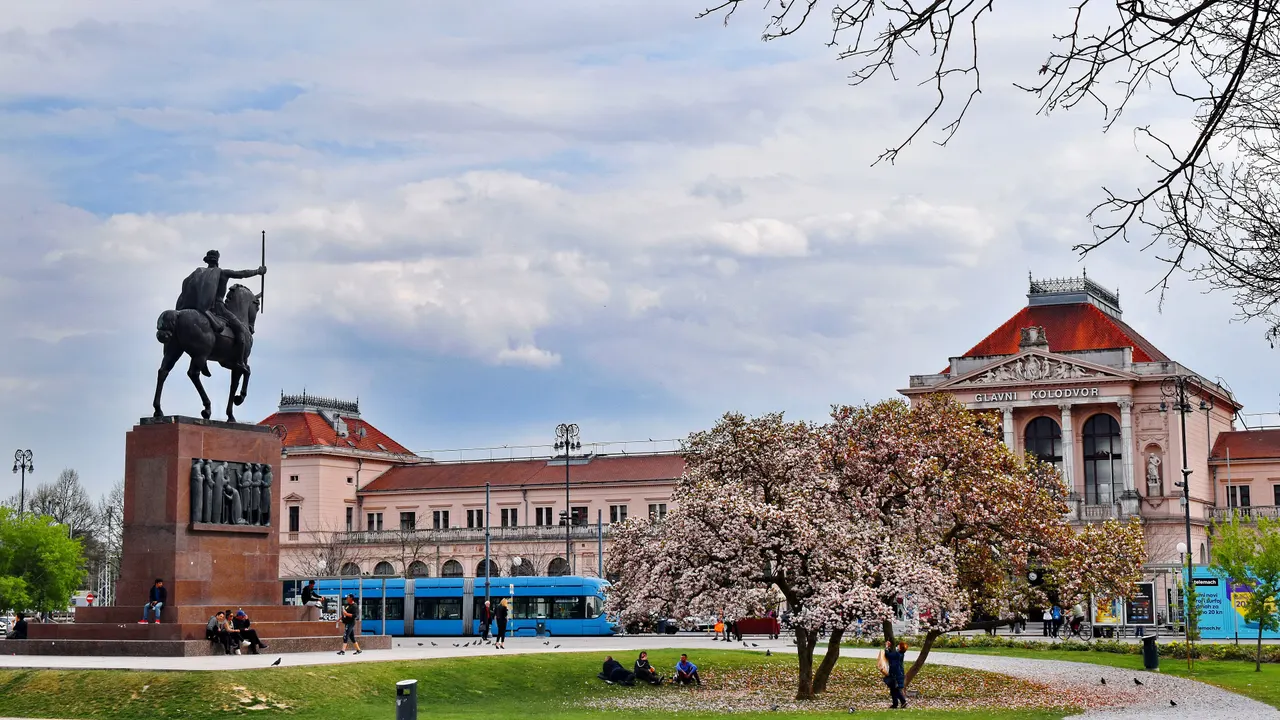
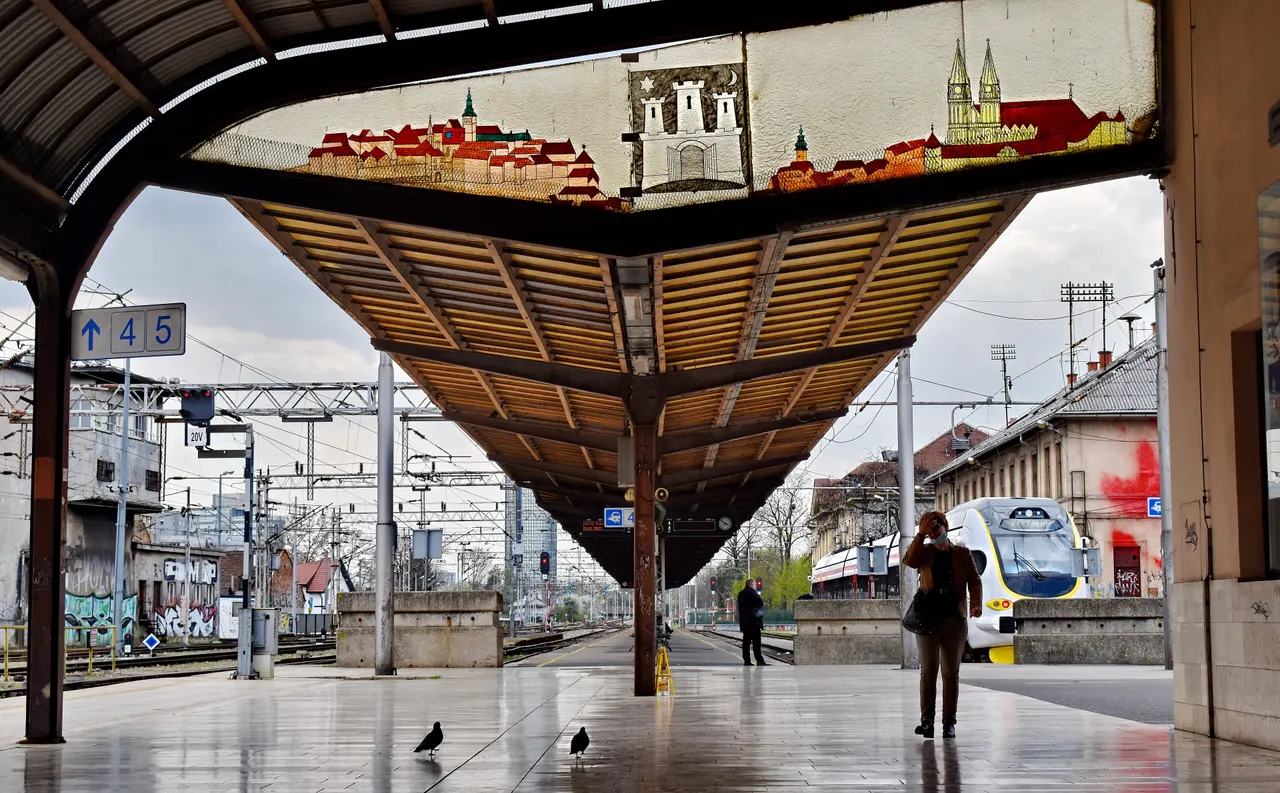
The train gets in at 22:03. From the station it’s a short ride or a walk into the centre; if you arrive with bags, a pre-booked car is the low-effort way. FlixBus coaches stop at the bus station instead, so don’t tell a driver or a host the wrong place. If you’re flying home from Zagreb, Zagreb airport to the city compares the shuttle, bus 290 and taxis.
As on Vienna to Zagreb, where the one daily train into Zagreb also leaves in the afternoon, the bus does the morning job better from Budapest. Pick the bus when time is tight, the train when the ride is part of the trip, and don’t book either until you’ve checked your own date: that’s the lesson of every fare above.
Opening hours, prices, timetables and seasonal services change through the year - the figures here are planning estimates, not quotes. Confirm current details with the operators and official sources before you go.
Read also

Transport · 8 min read
Zagreb to Rijeka and Opatija: Bus, Train or Car
Verified · November 14, 2026Zagreb to Rijeka by bus, train or car: up to 19 FlixBus departures a day in 2h15-3h, two daily trains via Ogulin, 159 km by road. Checked 14 November 2026.

Transport · 8 min read
Vienna to Zagreb: Train, Bus, Flight or Drive
Verified · November 8, 2026Vienna to Zagreb: the daily 07:06 train, FlixBus from €18 in about 5 h, Croatia Airlines after Austrian quits, a 369 km drive, two vignettes. Nov 2026.

Transport · 8 min read
Zagreb to Ljubljana: Train, Bus or Car in 2026
Verified · November 8, 2026Zagreb to Ljubljana: FlixBus from €8.99 plus a fee in 2-3 hours, six trains a day from €9, a 137 km drive with a €16 vignette. Checked Nov 2026.

Transport · 8 min read
Trieste Airport to Istria: Rovinj, Poreč & Pula Options
Verified · November 6, 2026Trieste Airport to Rovinj, Poreč and Pula: 111-135 min by car, or train to Trieste and FlixBus from €9.49, a transfer, border and vignette rules. Nov 2026.