
Do You Need a Car in Croatia? Rent vs Ferries
When to rent a car in Croatia and when to use ferries and buses instead - a decision guide by trip type, region and cost, with the hybrid most people copy.
Short answer: for a trip built around the coastal cities and the islands, you don’t need a car in Croatia, and it’s often a liability. For Istria, the national parks or a slow inland road trip, you do want one. Most people are somewhere in between, and the smart move is a hybrid - rent for the part of the trip that rewards a car, and go car-free for the rest. This guide sorts out which camp your trip falls into, and what each choice actually costs you in money and hassle.
The single question that decides it is not “how long is the trip” but “what shape is it”. A car buys you freedom and reaches the places buses and boats don’t; it also saddles you with parking, ferry queues and tolls in exactly the places you least want them. Match the tool to the route and the decision makes itself.
When you can skip the car
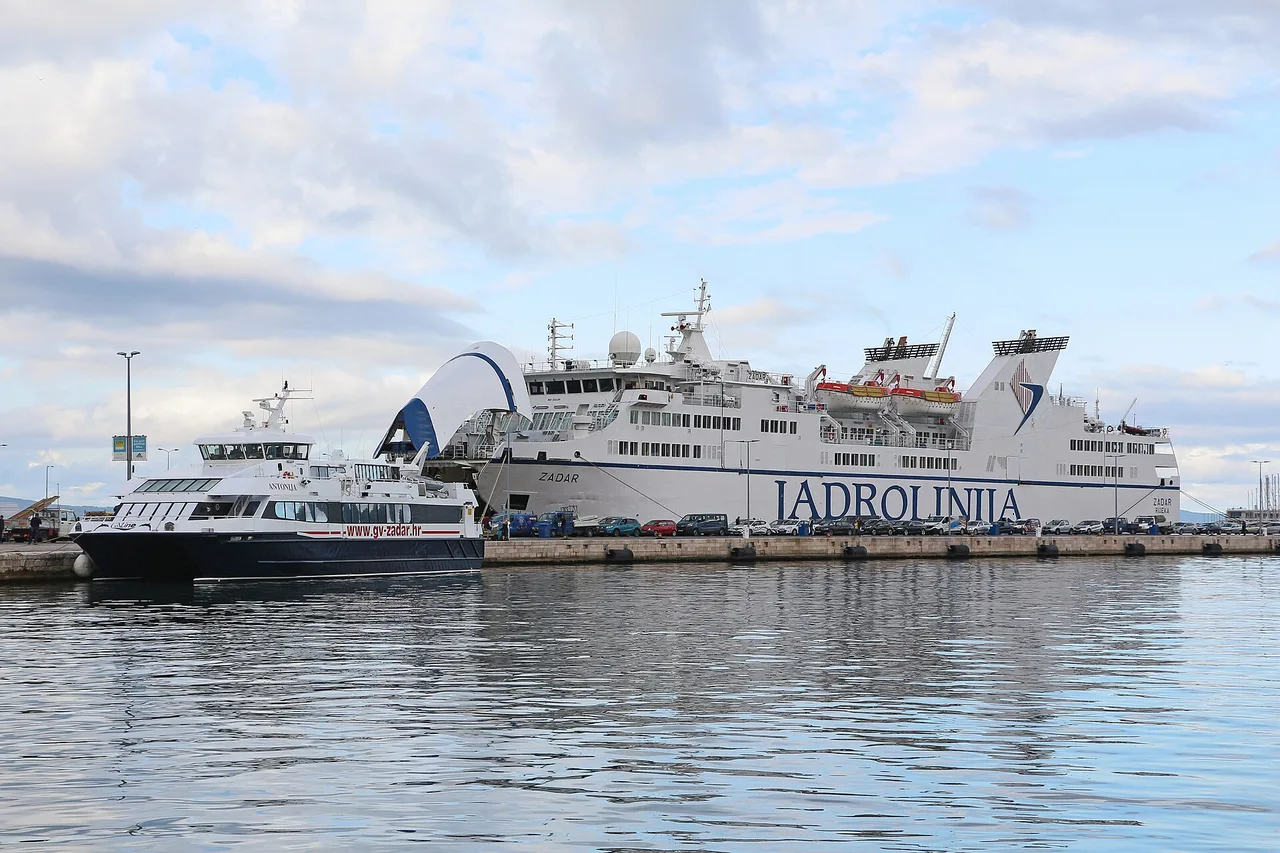
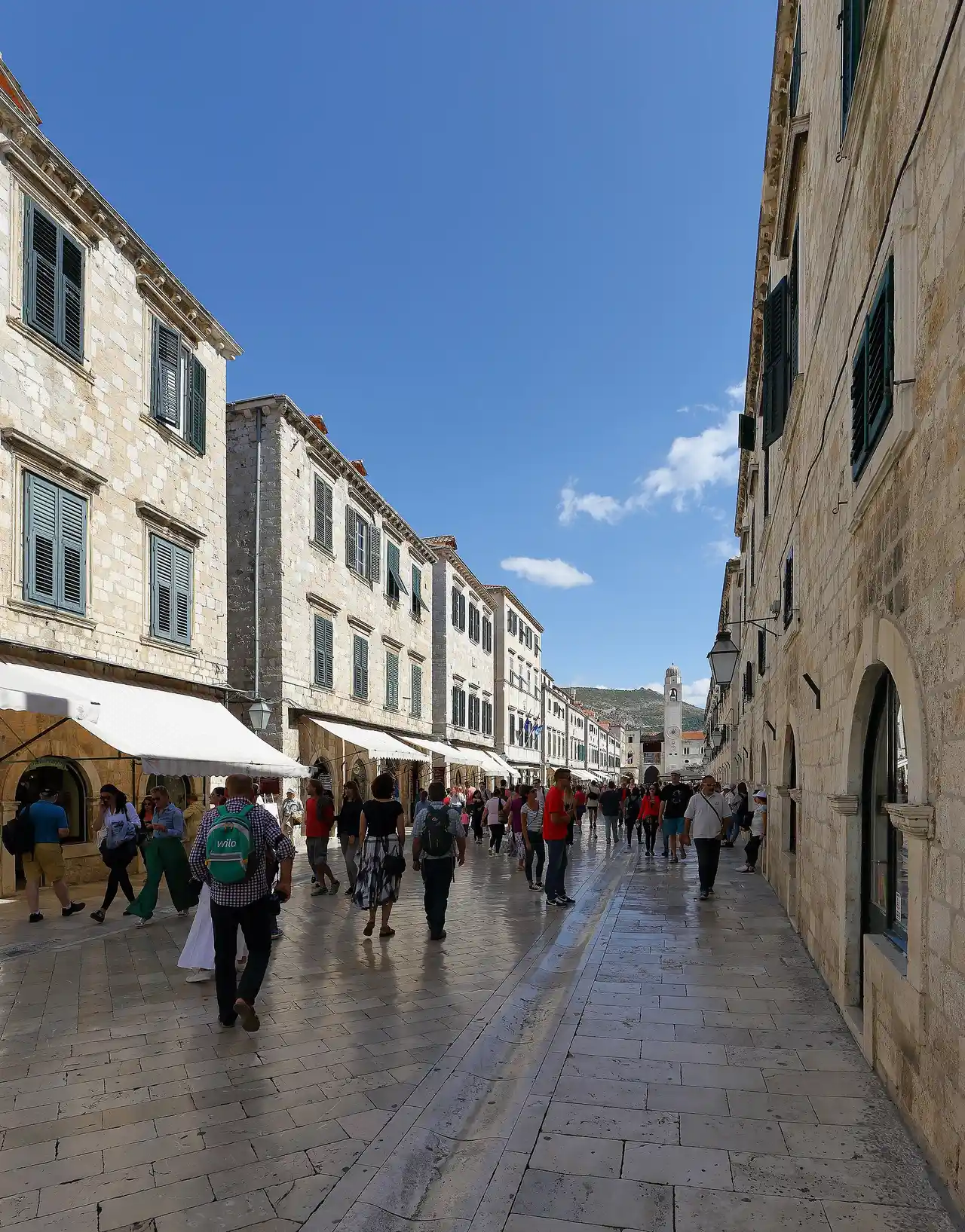
If your trip is mostly cities and islands, leave the car at home. Croatia’s coast is one of the better-connected in the Mediterranean: frequent intercity buses link Zagreb, Zadar, Split and Dubrovnik, and a web of car ferries and fast passenger catamarans reaches the islands. Inside the historic cores a car is worse than useless - Split’s Diocletian’s Palace and Dubrovnik’s walled Old Town are pedestrian-only, so you would park outside and walk in anyway, paying for a car that sits idle.
The islands are the clincher. You almost never need to bring a vehicle across, because most islands are small, walkable or served by local buses, and a foot-passenger catamaran lands you right in the main town while a car ferry dumps you at a port you then have to drive from. Taking a vehicle over costs several times a walk-on ticket, and in July and August the car decks book out days ahead. A car-free coast trip is not a compromise - our worked Croatia without a car itinerary runs Zagreb to Dubrovnik on buses and boats alone, never parking, never queuing at a ferry ramp.
When you’ll want one
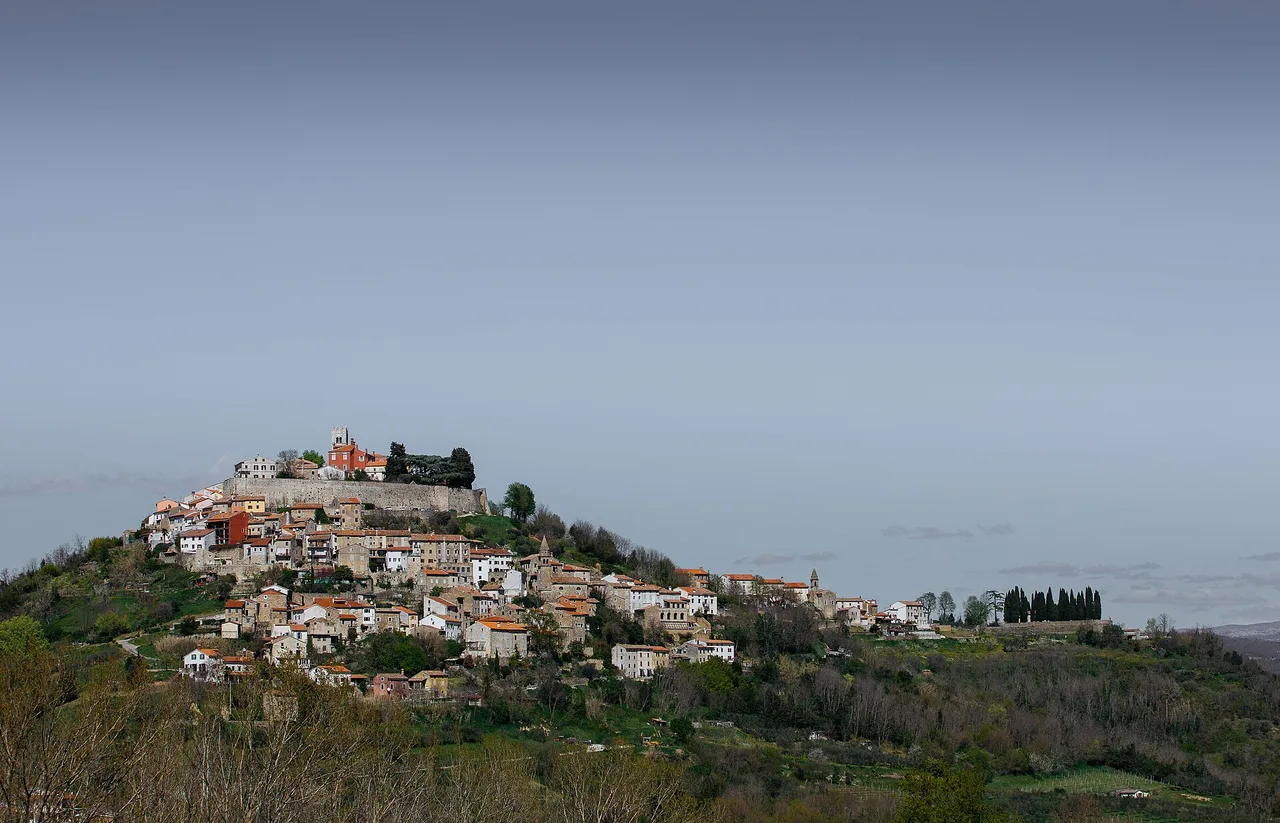
A car changes a different kind of trip entirely. Rent one if you’re heading for Istria - its magic is the hill towns (Motovun, Grožnjan, Hum) and back-road wineries and truffle country, all scattered where buses barely run and a car is close to essential. Rent one for the national parks on your own clock: Plitvice and Krka are doable by bus or tour, but a car lets you arrive at opening before the coaches and leave when you like. And rent one if you’re basing yourself somewhere rural, chasing quiet coves down unmarked lanes, or driving the coast at your own pace rather than a timetable’s.
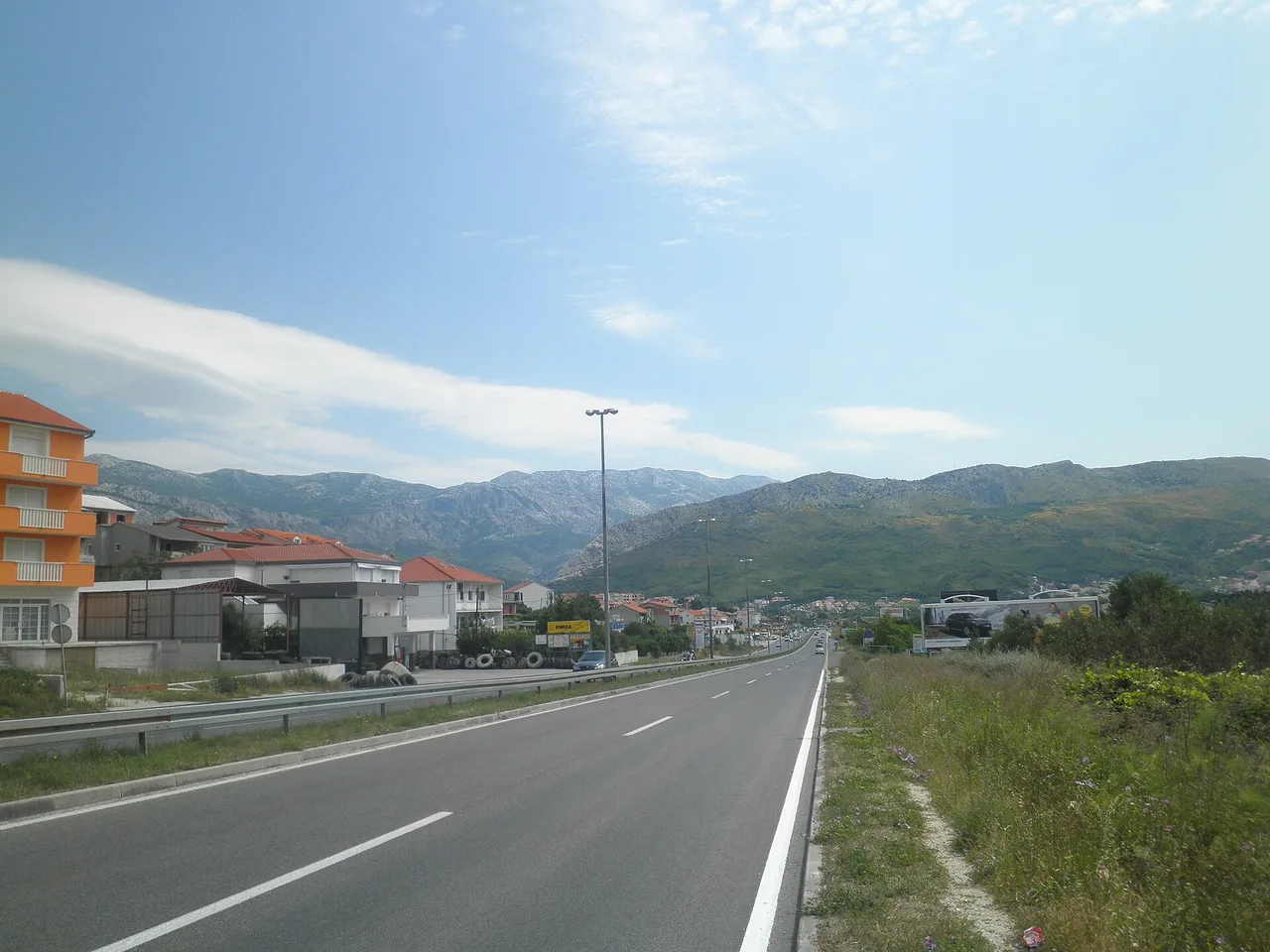
The through-line is dispersal. Where the good stuff is spread out and lightly served by public transport - inland, Istria, the Lika highlands - a car pays for itself in reach and time. Where it’s concentrated and well connected - the coastal cities, the island towns - it doesn’t. For a feel of the Istrian back country a car opens up, see our Istria travel guide.
The hybrid most people should copy
Here’s the pattern that suits the majority of two-week Croatia trips, and it is worth planning around: drive the mainland, then leave the car at the port and cross to the islands on foot. You rent for the Istria or inland leg, or for the coastal drive between towns, and hand the car back (or park it) before you take to the water. It gives you the reach of a car where reach matters and spares you the cost and faff of shipping a vehicle to an island where you’ll not need it.
A concrete version: fly into Zagreb, car for Plitvice and the drive down to Split, drop the car in Split, then go car-free out to Hvar, Vis or Brač by catamaran and on to Dubrovnik by bus or boat. You pay for a car only on the days it earns its keep. If you do this, note the one-way drop-off fee most companies charge for returning a car in a different city, and price it in - our guide to renting a car in Croatia covers those fees, insurance and the paperwork in detail.
The hidden costs of bringing a car
The daily rental rate - roughly 30 to 60 euros for a small car outside peak season, more in July and August - is only the visible part of the bill. The rest hides in the places a car struggles:
- Parking in the old towns. Split and Dubrovnik ban cars from their historic cores; you pay for zoned, seasonal parking outside and walk in. In peak summer a central space is scarce and pricey.
- Ferries with a vehicle. Taking a car across costs several times a foot ticket, and summer car decks fill up - you queue at the ramp and book ahead, or miss the sailing.
- Motorway tolls. The autoceste (the A1 Zagreb-Split, the A2 and others) are tolled by distance - budget for it on long legs. The coastal D8 is toll-free but slow and winding.
- Cross-border admin. Driving a Croatian rental into Bosnia, Montenegro or Slovenia usually needs the company’s permission plus a permit and green card; turning up at the border without it can void your insurance.
One thing that got easier: since the Pelješac Bridge opened in July 2022, the main road from Split to Dubrovnik bypasses the old Neum crossing through Bosnia, so you no longer break your journey for two border checks. For the money side across both styles, our Croatia trip cost guide breaks down daily spend.
The catch of going car-free
Car-free is not free of trade-offs either, and it’s fairer to say so. You follow the network, not your whims - the spine of buses and catamarans serves the capital, the big coastal cities and the main island towns well, but the moment you want a remote beach, an inland village or a winery off the bus map, you’re into taxis, tours or doing without. Fast catamarans are foot-passenger only and seasonal, running roughly late spring to mid-October and filling up in summer, so you book ahead and travel light - wrestling three suitcases onto a packed Krilo catamaran is nobody’s holiday. And a missed last bus can strand you, where a car would just drive on. For how the boats actually work - the two ferry types, reservations and queues - see our guide to how Croatia’s ferries work, and for stringing islands together, Croatia island hopping.
So, do you need a car?
Decide by the shape of your trip, not a blanket rule:
- Coast and islands only (Split, Dubrovnik, Hvar, Korčula by boat): no car. Buses and catamarans do it better and cheaper, and you skip the parking.
- Istria (hill towns, wineries, truffle country): yes, a car - public transport barely covers it.
- National parks on your own schedule (Plitvice, Krka, the Lika highlands): a car helps a lot, though tours exist.
- A bit of everything over 10 to 14 days: hybrid - car for the inland and Istria legs, foot-passenger for the islands.
The mistake is defaulting to a car for the whole trip “to be safe”, then paying to park it by every old town and shipping it to islands where you will not drive it. Rent for the days a car earns its keep, and let the ferries take the strain for the rest. If you land on renting, our renting a car in Croatia guide walks through the costs, insurance and tolls before you book.
Opening hours, prices, timetables and seasonal services change through the year - the figures here are planning estimates, not quotes. Confirm current details with the operators and official sources before you go.
Photos
Read also

Before you go · 10 min read
Where to Stay in Korčula: Old Town to Vela Luka
Verified · September 5, 2026Korčula Town for walls and boats, Lumbarda for sand, Vela Luka for the Split car ferry. Match the base to how you arrive - then book.

Before you go · 10 min read
Sailing in Croatia: Yacht Charter Costs & Routes
Updated · September 5, 2026Croatia yacht charter 2026: bareboat weekly ranges, skipper and deposit separate, APA on crewed boats, season guides, island routes.

Before you go · 10 min read
Where to Stay in Makarska: Riviera Bases Compared
Updated · August 30, 2026Brela, Baška Voda, Makarska, Tučepi or the quieter south - which Riviera base fits beach weeks, families, nightlife and Brač ferry mornings.

Before you go · 8 min read
Hvar or Korčula: Which Island Fits Your Trip?
Verified · August 28, 2026Hvar or Korčula in 2026? Split catamarans (~€25 like-for-like), vibe, beaches and who each Dalmatian island suits - plus the hop between them.