
Istria Travel Guide: Best Towns, Beaches & Food (2026)
What to do in Istria, Croatia: Rovinj, Pula and the hilltop towns, truffles and Malvazija wine, the best beaches, and how to get around the peninsula.
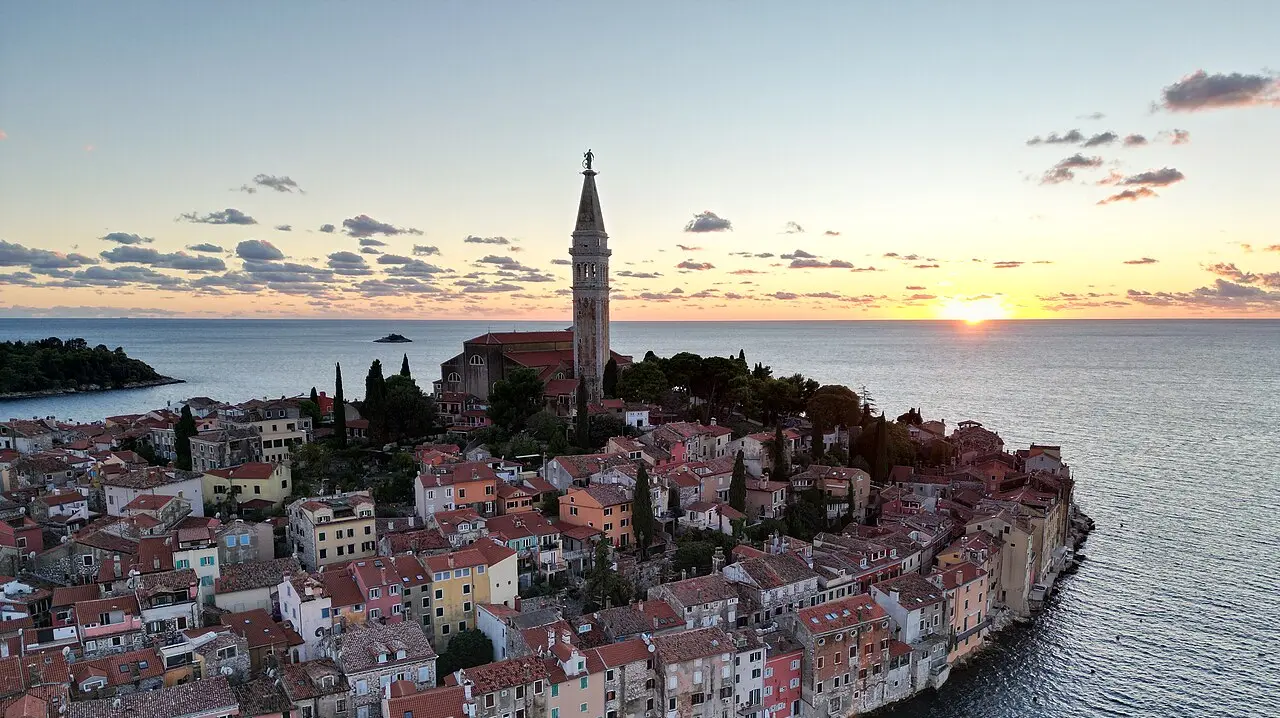
Istria is the heart-shaped peninsula at the top of Croatia, and it feels less like the Dalmatian coast down south and more like Italy that happens to be in Croatia - which, historically, it half was. Come here for two things above all: the food, which is some of the best in the country (truffles, Malvazija wine, olive oil, hand-made pasta), and the contrast between the buzzing Venetian coastal towns like Rovinj and Pula and the silent stone hill towns inland like Motovun and Grožnjan. It uses the euro and, since it borders Slovenia, is the easiest slice of Croatia to combine with Italy or the Alps.
For cliffs and coves near Pula, use the Cape Kamenjak guide.
The one practical thing that trips people up: Istria is a driving region, not an island-hopping one - the best of it, the hill towns and the truffle country, sits inland down back roads no ferry reaches. Rent a car and the coast and the hills open up together; rely on buses and you’ll only ever scratch the edges.
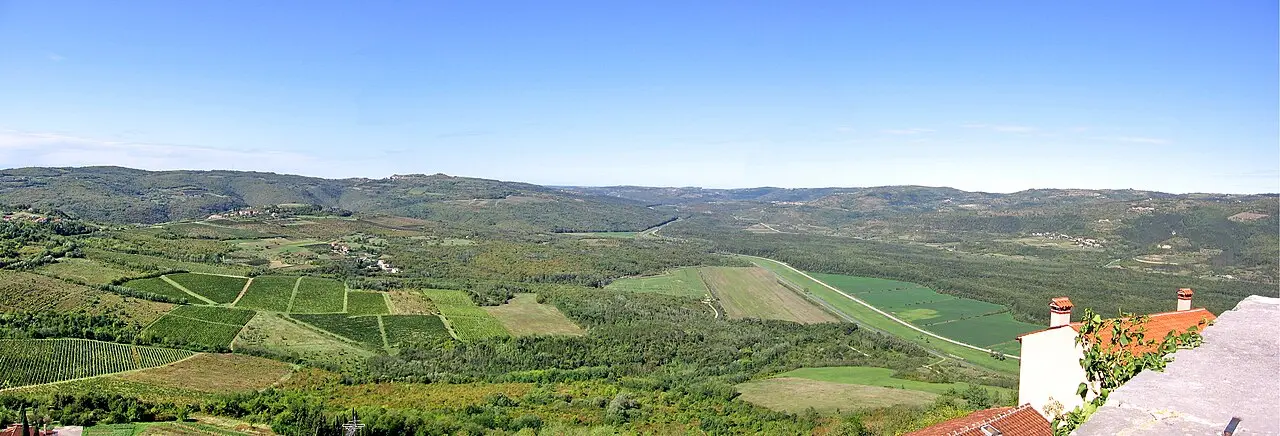
Coast or hills? How Istria splits
The peninsula has two personalities, and a good trip uses both. The west coast is where the resorts, the marinas and the big Venetian old towns sit - this is where most people base themselves and swim. Central Istria, a short drive inland, is a green Tuscany-like landscape of vineyards, oak forests and medieval towns stuck on hilltops, where you go to eat, taste wine and hunt truffles. You can be on a beach at noon and eating truffle pasta in a hill village by eight, and that flexibility is the whole point of the place.
Distances are small - most of Istria is within an hour’s drive of everywhere else - so you don’t need to move hotels constantly. Pick one coastal base and one inland day, or split a longer trip between Rovinj and a hill town.
The coastal towns
Rovinj (Rovigno) is the one everyone falls for, and rightly. Its old town is jammed onto what was once an island, a tangle of steep lanes climbing to the tall baroque church of St Euphemia, with fishing boats and pastel houses dropping straight into the sea. It’s the prettiest town in Istria and the most photogenic in Croatia after Dubrovnik - our full Rovinj travel guide covers the old town, the beaches and the offshore islands, and where to stay in Rovinj breaks down the old town versus the Monte Mulini resort belt versus camping if you’re picking a base.
Pula (Pola), at the southern tip, is the big city and the historical heavyweight: it has a nearly complete Roman amphitheatre, the Arena, that still hosts concerts, plus a Roman forum and temple in a working port town. It also has the region’s airport and the best beach clusters nearby. See the Pula travel guide for the Roman core and Cape Kamenjak, and Brijuni National Park for the ticketed archipelago offshore.
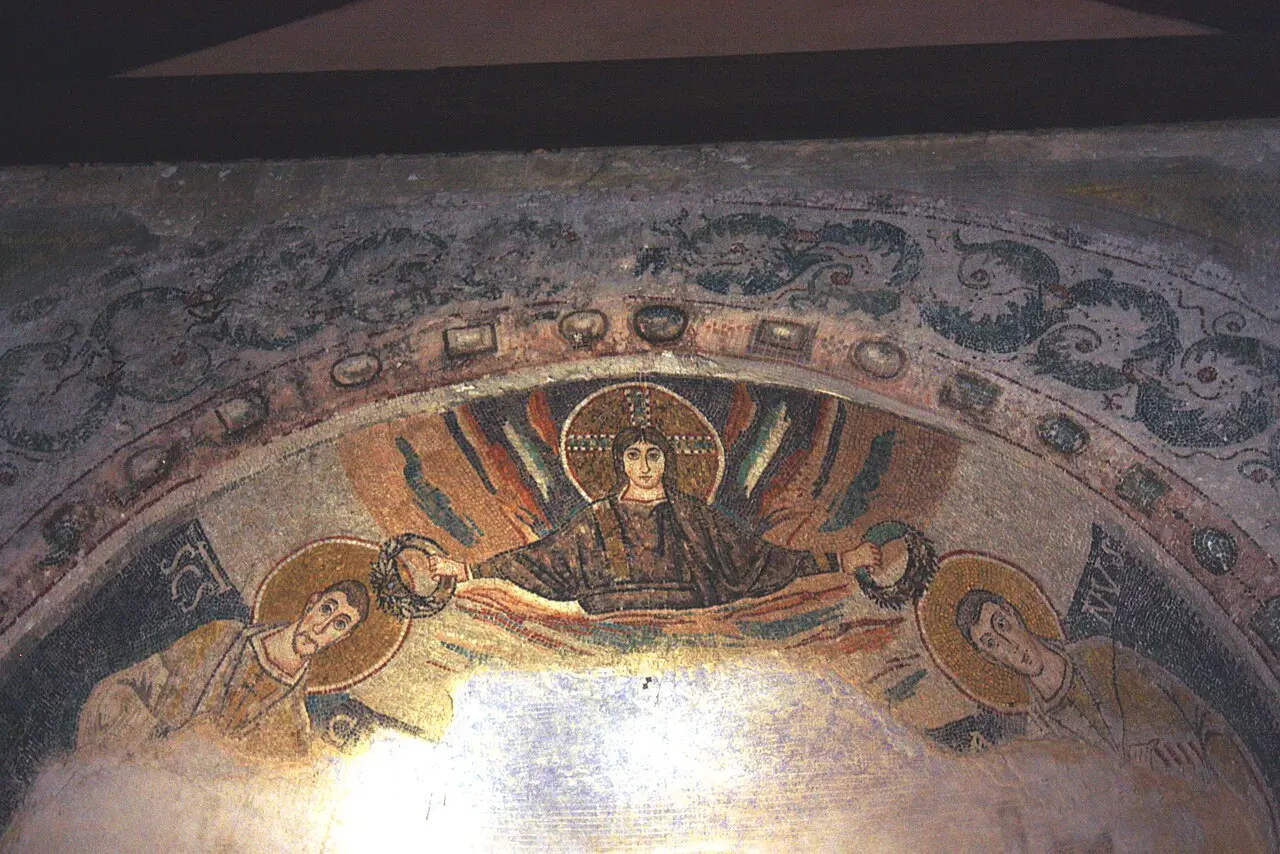
Between and beyond them: Poreč (Parenzo) is a busy resort town with a genuine treasure at its heart - the 6th-century Euphrasian Basilica, a UNESCO World Heritage Site since 1997, with shimmering gold Byzantine mosaics in the apse that rank among the finest anywhere. Vrsar, Novigrad and Umag (the tennis town) round out the coast with smaller harbours and quieter swimming.
The hill towns
Inland, the show is the hilltop towns, and they’re what make Istria different from anywhere else in Croatia. Motovun is the headline act - a walled medieval town on a 277-metre hill above the Mirna valley, with a ring of ramparts you can walk for a 360-degree view over the vineyards and the truffle forest below. It gets busy by hill-town standards; come early or stay the evening once the day-trippers leave. Our Motovun travel guide covers the walls, parking and what to eat once you’re up there.
Grožnjan is smaller and quieter, a “town of artists” where nearly every stone house is a gallery or studio and a summer jazz academy fills the lanes with music. Buzet styles itself the “city of truffles”; Oprtalj and Vižinada are sleepy and lovely; and if you want a curiosity, Hum claims the title of “the smallest town in the world”, with a couple of dozen residents inside its tiny walls. None of these takes more than an hour to see - the pleasure is stringing three or four together on a slow drive, stopping to eat.
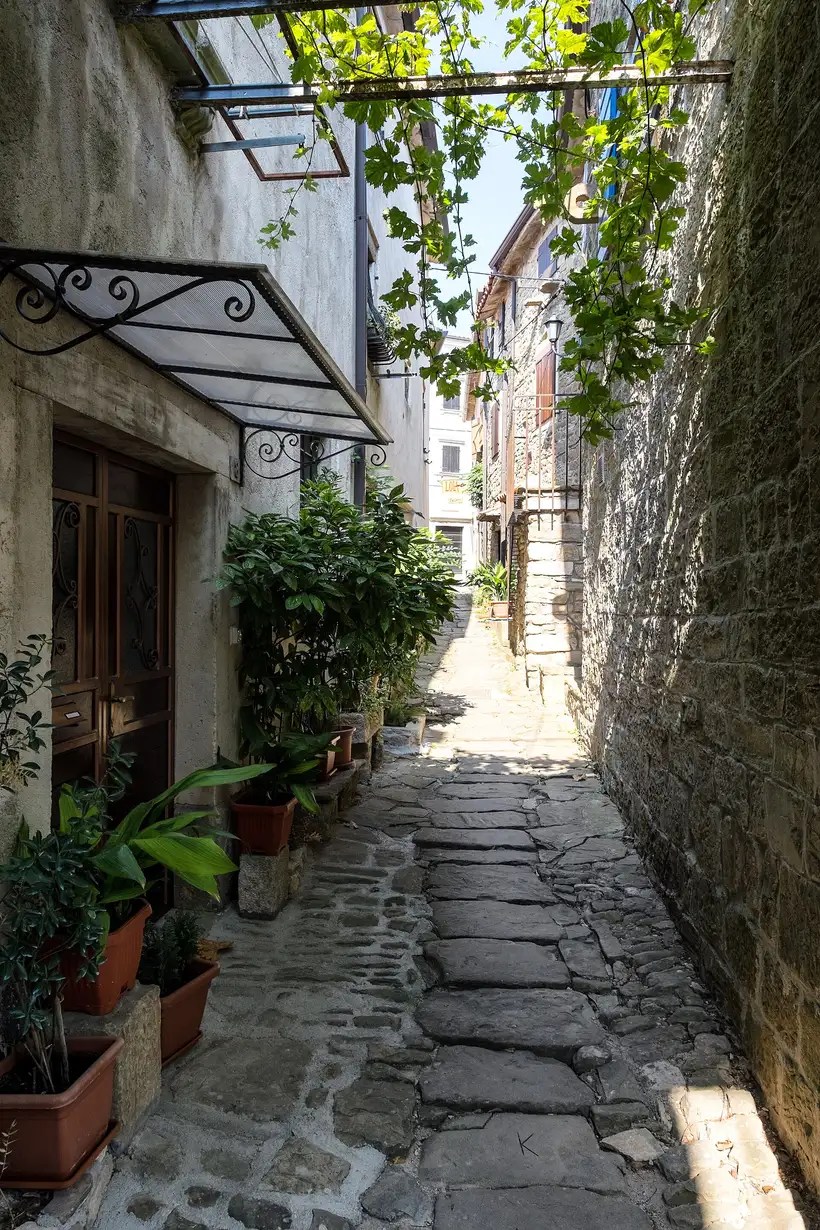
Our Istria road trip route strings Rovinj, Pula and Motovun into one 3-4 day loop if you want a ready-made plan for the hills and coast together.
Truffles: the thing Istria is famous for
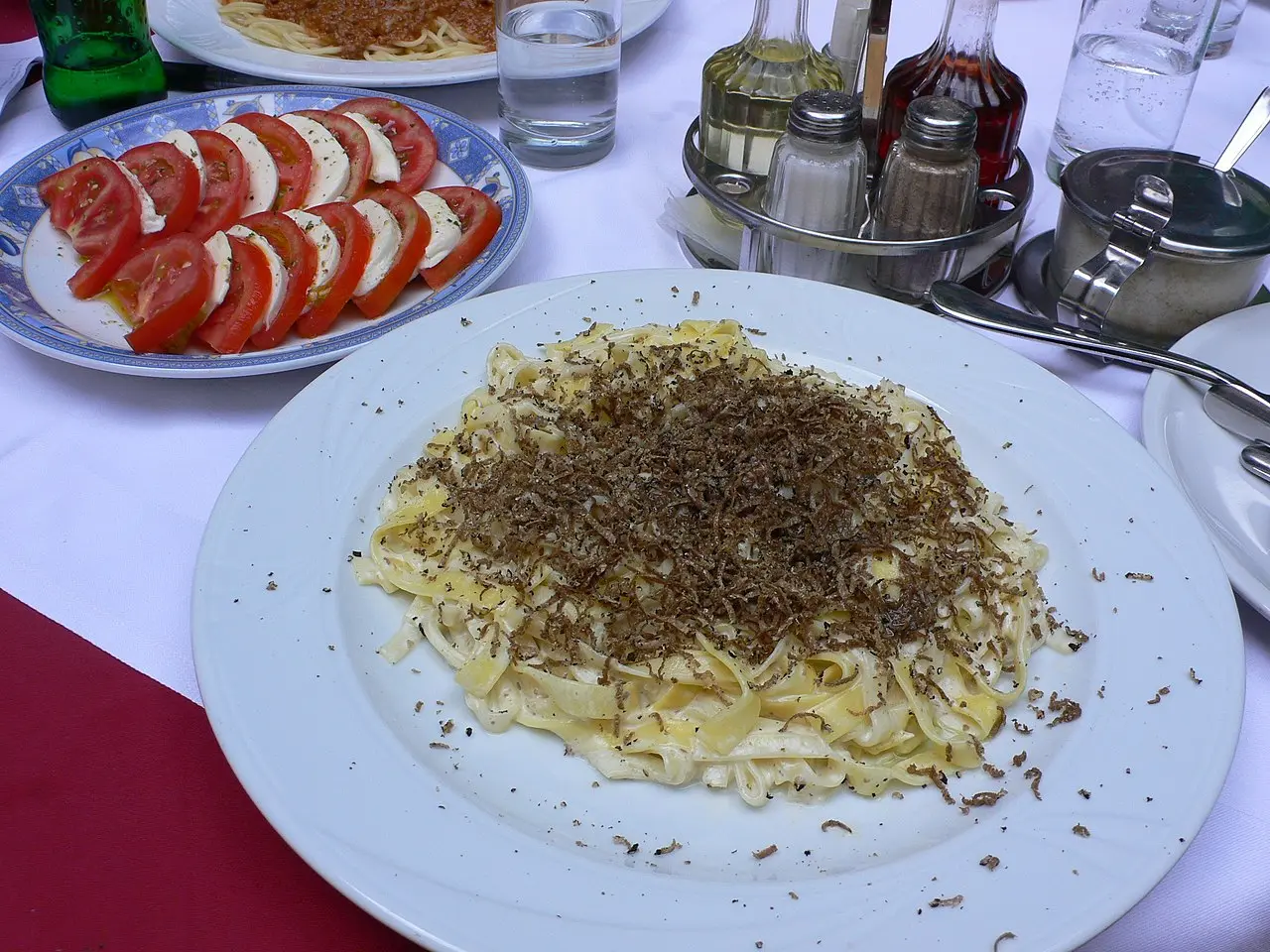
If Istria has one obsession, it’s truffles, and the forests around Motovun and Buzet are one of Europe’s great truffle grounds. There are two seasons worth knowing. The prized white truffle (the same species as Italy’s Alba white) has a famously short harvest, October to December, peaking in October and November - this is when the region throws itself a party. The earthier black summer truffle runs through the summer, so even a July visit gets you truffle on the menu. The wider hunting season people quote as September to January covers all the local species together, not the white one on its own, which is where a lot of guidebooks blur the two.
The local legend is real: in 1999, an Istrian named Giancarlo Zigante dug up near Buje what was at the time the largest white truffle ever found - 1.31 kilos - and it went into the Guinness Book of Records. His shop and restaurant in the village of Livade are still the truffle epicentre, and Livade hosts the big Zigante Truffle Days fair over autumn weekends (check the current year’s dates before you plan around it). The genuinely fun thing to do, in season, is a truffle hunt: a couple of hours in the woods with a guide and his dogs, usually ending in a tasting. It’s touristy, yes, but the dogs are the real deal and the eggs-and-truffle breakfast afterwards isn’t. Our truffle hunting in Istria guide covers the operators, prices and the legal seasons behind that “September to January” confusion above.
Wine, olive oil and what else to eat
Truffles aside, Istria eats and drinks extremely well, and most of it comes from small family producers you can visit. The signature white is Malvazija Istarska - crisp, dry, easy-drinking and everywhere; the signature red is Teran, dark and tannic. Wine roads thread through the interior, and tastings are usually informal and cheap. The region’s olive oil is a serious point of local pride and regularly rated among the world’s best, so buy a bottle from a producer rather than a supermarket.
On the plate, look for fuži and pljukanci (hand-rolled pastas, often with truffle or game sauce), maneštra (a hearty bean-and-vegetable soup), boškarin (the native Istrian ox, slow-cooked), local pršut (air-dried ham) and, on the coast, plenty of Adriatic seafood. It is heartier and more Italian than Dalmatian cooking further south, and it’s one of the best reasons to come.
Beaches in Istria
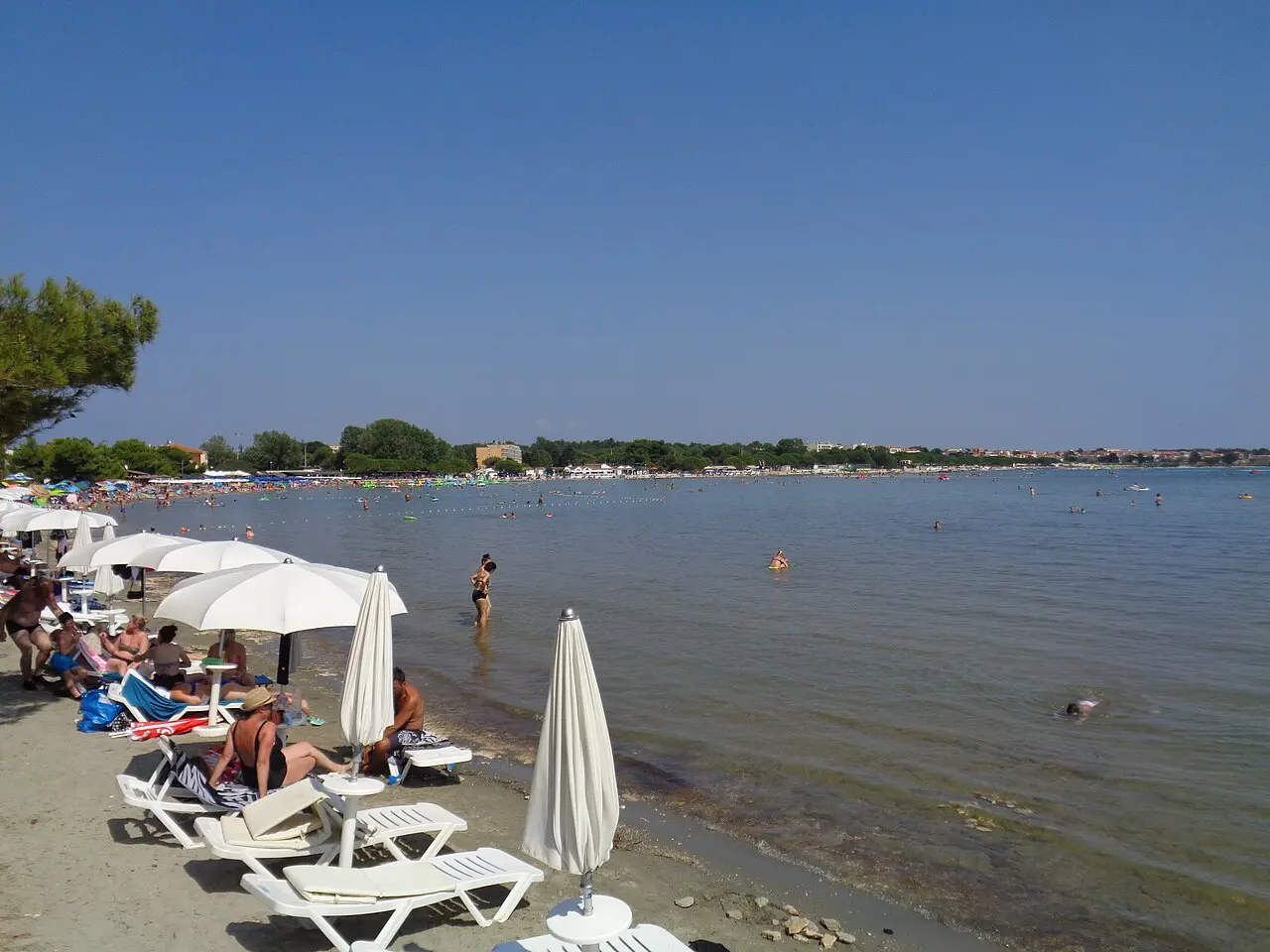
Set expectations first: like the rest of Croatia, Istria’s coast is pebble, rock and concrete bathing platforms, not sand. What you get in return is clear, clean water and pine-shaded coves. The best swimming clusters around Pula - the Verudela peninsula and the wild reserve at Cape Kamenjak at the southern tip - and around Rovinj, where the forested Punta Corrente (Zlatni Rt) park and the Lone and Mulini bays are the pick.
The one real sandy beach is Bijeca in Medulin, near Pula, with shallow water that makes it a favourite for families with small children. If sand matters to you, base near there; otherwise, bring water shoes and enjoy the fact that rocky entries mean the sea stays crystal-clear.
How to get to Istria and around
Pula Airport (PUY) is the region’s own airport, with seasonal flights from around Europe in summer. Because Istria sits in the corner where Croatia, Slovenia and Italy meet, other useful gateways are Trieste and Venice in Italy, plus Rijeka and Zagreb in Croatia. From Zagreb it is roughly 2.5-3.5 hours by car or bus, over the motorway via Rijeka and the Učka tunnel.
Here’s the practical catch worth planning around: Istria isn’t on the Dalmatian ferry network. You can’t island-hop from here to Split, Hvar or the southern islands by boat - those trips start much further down the coast. Istria is a road-trip region. Buses connect the main coastal towns well enough, but the hill towns, wineries and truffle country inland are awkward without your own wheels, so this is one part of Croatia where renting a car genuinely pays off. For the wider picture on transport, see getting around Croatia.
When to visit
- May to June and September: the sweet spot - warm sea, long days, thinner crowds and open restaurants. The best all-round time to come.
- July and August: hot, lively and busiest on the coast; book accommodation ahead and expect company on the beaches.
- October and November: white-truffle and wine-harvest season, cooler and quieter, ideal if you’re here to eat. The Livade truffle fair falls in this window.
- Winter: many coastal resorts wind down, but the hill towns and their restaurants stay open and atmospheric.
See our month-by-month guide to the best time to visit Croatia for sea temperatures and crowd levels across the year.
Is Istria worth it?
If you care about food and want a calmer, more Italian-flavoured side of Croatia, Istria is arguably the country’s most rewarding region - and because it links so easily to Slovenia and Italy, it slots neatly into a bigger trip. Base yourself in Rovinj or near Pula, rent a car, give yourself at least one full day inland for the hill towns and a truffle lunch, and you’ll leave planning a return. Just don’t come expecting to catch a ferry to the Dalmatian islands - for that, you start from Split.
Opening hours, prices, timetables and seasonal services change through the year - the figures here are planning estimates, not quotes. Confirm current details with the operators and official sources before you go.
Photos
On the map
The map loads on click - to keep the page lightweight.
The map didn’t load. Check your connection and refresh the page.
Good to know
Istria is a driving region: buses link the coastal towns, but the hill towns, wineries and truffle country inland really need a car. The signature sights - the Euphrasian Basilica in Poreč, the Arena in Pula, Motovun's walls - each carry small entrance fees with seasonal hours; confirm current details on the town tourist-board sites.
Details checked: July 8, 2026
Distance ≈270 km · ~2.5-3.5 h by car
- Zagreb ≈270 km · ~2.5-3.5 h by car By motorway via Rijeka and the Učka tunnel. Istria is the westernmost region of Croatia, reached entirely by road - it is not on the Dalmatian island-ferry network.
Read also

Cities · 12 min read
Motovun Travel Guide: Walls, Truffles & Teran
Verified · September 4, 2026Motovun hilltown guide: walls ticket €5 in 2026, St Stephen, Teran cellars, Mirna views, parking climb, and why the film festival no longer plays here.

Cities · 10 min read
Dugi Otok & Sakarun Beach: Island Day-Trip Guide
Updated · August 31, 2026Day-trip Dugi Otok from Zadar: Jadrolinija ferry to Brbinj, Sakarun beach, Veli Rat lighthouse, and Telašćica cliffs - DIY or boat tour.

Cities · 10 min read
Opatija Travel Guide: Habsburg Riviera & Lungomare
Verified · August 25, 2026Opatija on the Kvarner Gulf: the 10 km Lungomare, Villa Angiolina museum, Maiden with the Seagull, and how it differs from Rijeka and Istria.

Cities · 10 min read
Omiš Travel Guide: Pirates, Zipline & Cetina Canyon
Verified · August 21, 2026Omiš is 25 km from Split: Promet bus €2.50, Mirabela €4-6, Cetina rafting and an 8-line zipline over the canyon.