
Where to Stay in Rovinj: Old Town vs Resorts
Old Town or the Monte Mulini resort belt in Rovinj - real walking times, parking costs by zone, and when apartments or campsites beat a hotel.
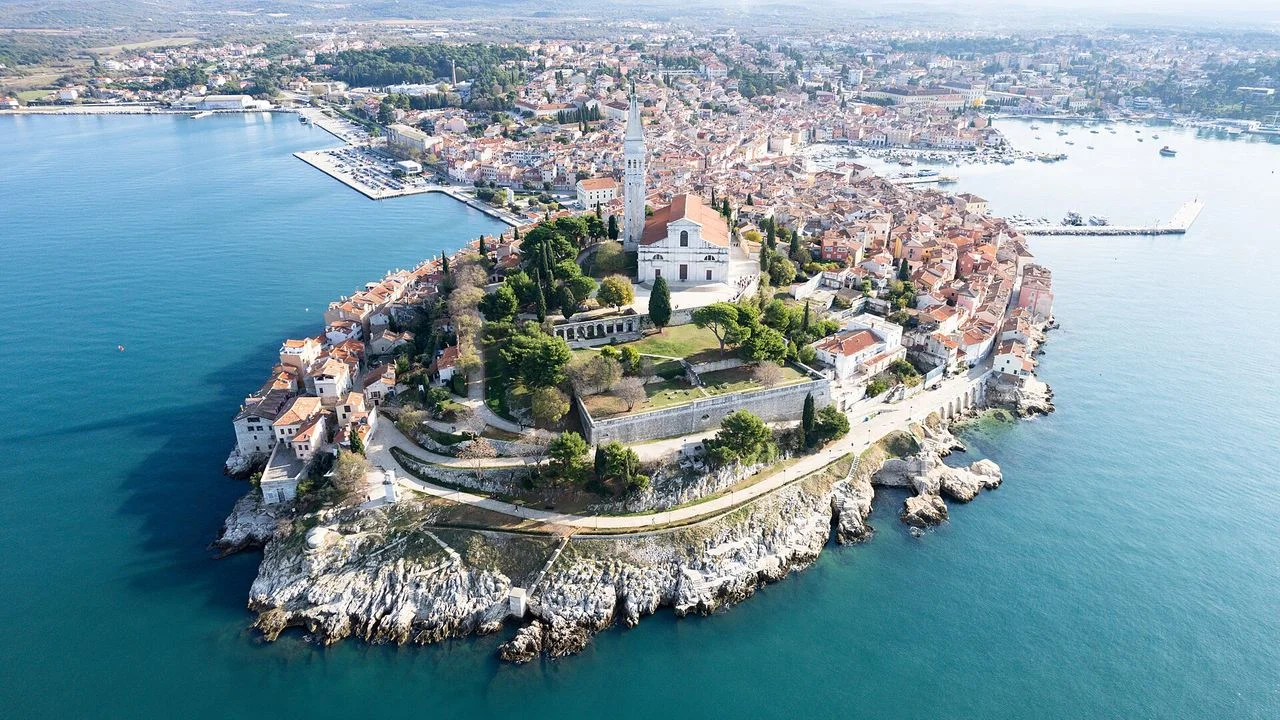
Every place to sleep in Rovinj comes down to the same trade: how much stone-lane atmosphere you want against how much walking you’re willing to do for it. Sleep inside the old town and you get the view and the harbour outside your window, but no car, tight stairs and café noise into the night. Move into the Monte Mulini/Lone Bay resort belt just south, and you keep a real walk into town - about 20 minutes each way - while trading some of that atmosphere for a pool, a hotel beach and a quieter room. Go further to Amarin or one of the campsites and the walk stops being realistic; you’re choosing space and price over proximity. Apartments cut across all of it, depending on the street you land on.
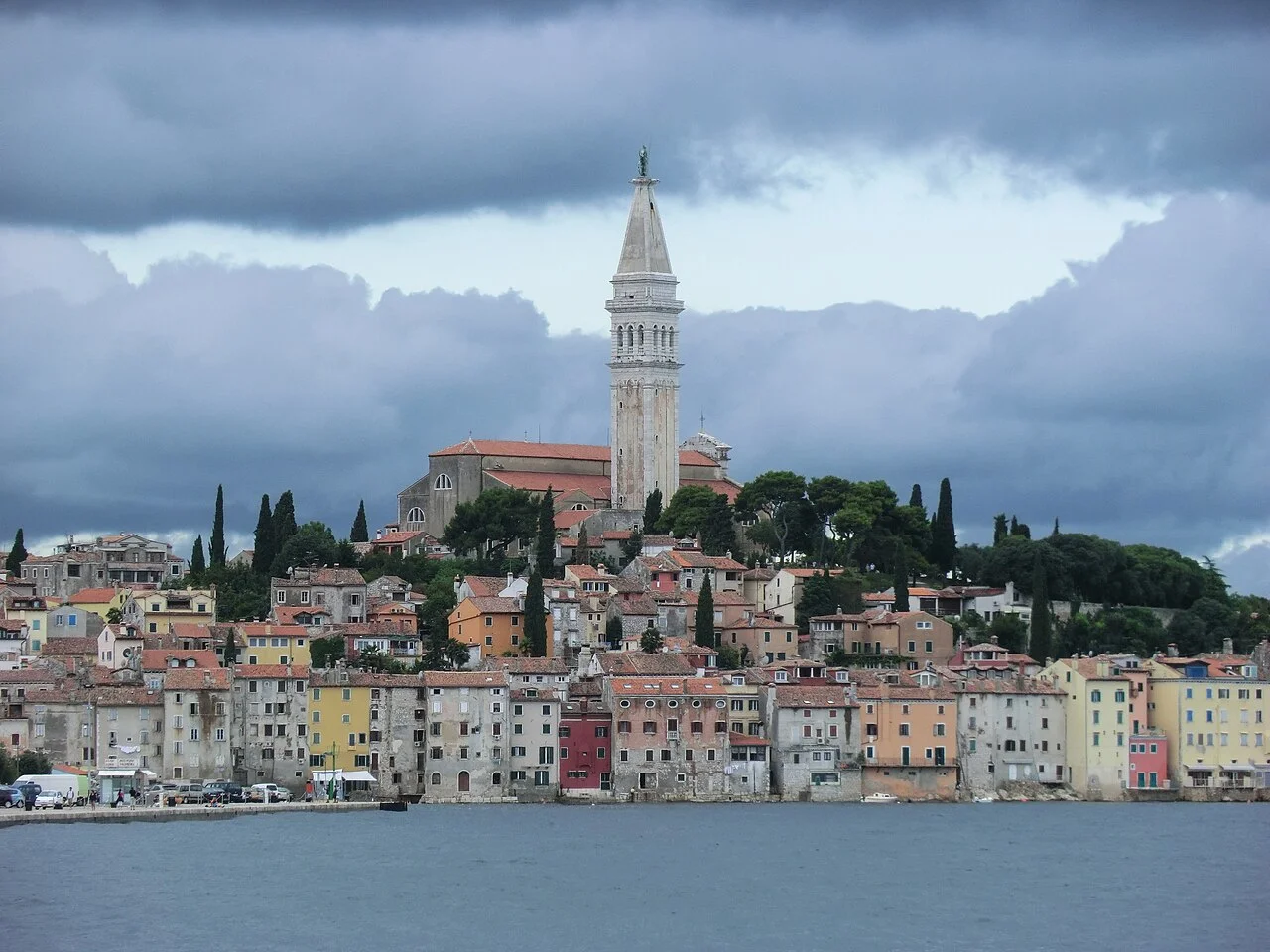
Rovinj is small - the old town peninsula is walkable end to end in under twenty minutes - so “where to stay” here is less about crossing a big city and more about which short walk you’re happy to do every day, and whether you want a car at all. For what to actually do once you’ve picked a bed, see our Rovinj travel guide; for the wider region and its hill towns, the Istria travel guide.
The areas, side by side
| Area | Distance from the old town | Best for | Trade-off |
|---|---|---|---|
| Old Town | On it | Atmosphere, sights, short stays | Stepped lanes, no car, noise, pricey |
| Monte Mulini / Lone Bay | ~1.5 km, ~20 min walk | Pools, quiet nights, adults-only options | A real walk for old-town evenings |
| Amarin (north) | ~4 km | Families, shallow beaches, big resorts | Needs the tourist trolley, a boat or a car |
| Apartments (residential streets) | Varies - check the map pin | Longer stays, kitchens, value | Ordinary streets, not postcard views |
| Camping / mobile homes | 2-5 km | Budget, sea access | Seasonal - closes between October and November |
Think of that order as a ranking, not a receipt: old town first for atmosphere, the resort belt second for a quieter version of the same walk, Amarin and the campsites third for space and price, apartments cutting across all of it. No area publishes a “night from €X” figure worth repeating - beds swing too much by building and week - so pull up live prices for your dates; see is Croatia expensive? for what a full Rovinj trip tends to run. One number is stable: July and August book out months ahead, especially the old town’s boutique hotels with their dozen rooms, so book those by spring. May, June and September are the sweet spot if your dates can move.
The old town: stone steps and a view worth paying for
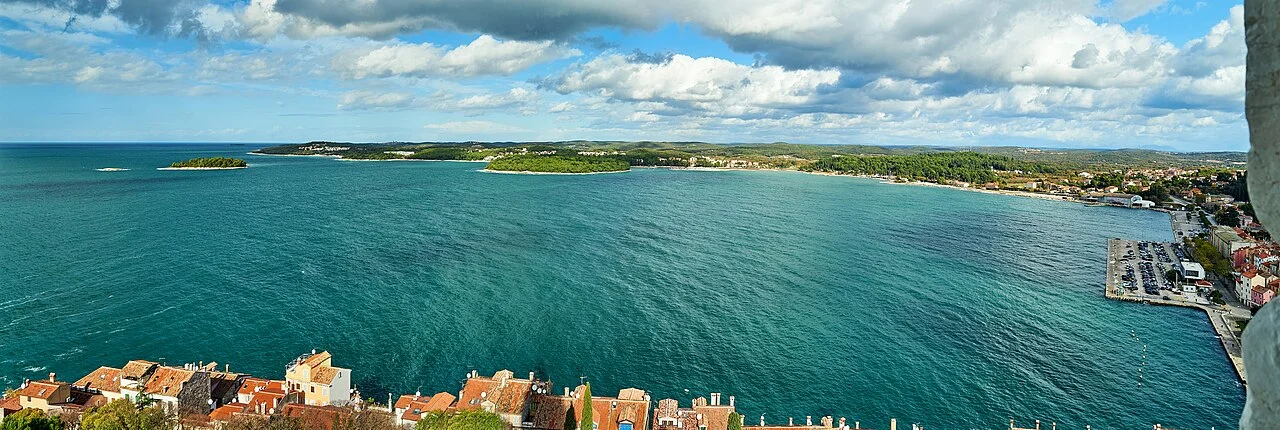
Everything you came to Rovinj for - Grisia, the bell tower of St Euphemia, the harbour full of fishing boats - sits inside the old town, and if you sleep there you’re never more than a few minutes from any of it. The real reward comes after the day-trip buses pull out: the lanes empty, the pastel houses catch the last light over the water, and you get to eat dinner in it instead of watching it from a coach window on the way to a hotel outside town.
None of that comes free, and it’s what you’d expect from a town built for people on foot centuries before wheeled suitcases existed. Every street inside the old walls is pedestrian-only - cars aren’t allowed in, aside from delivery vehicles on an early-morning permit - so however you arrive, you finish on foot. Rooms are often small and carved into old stone, and the lanes amplify restaurant and bar noise well past dinner in July and August.
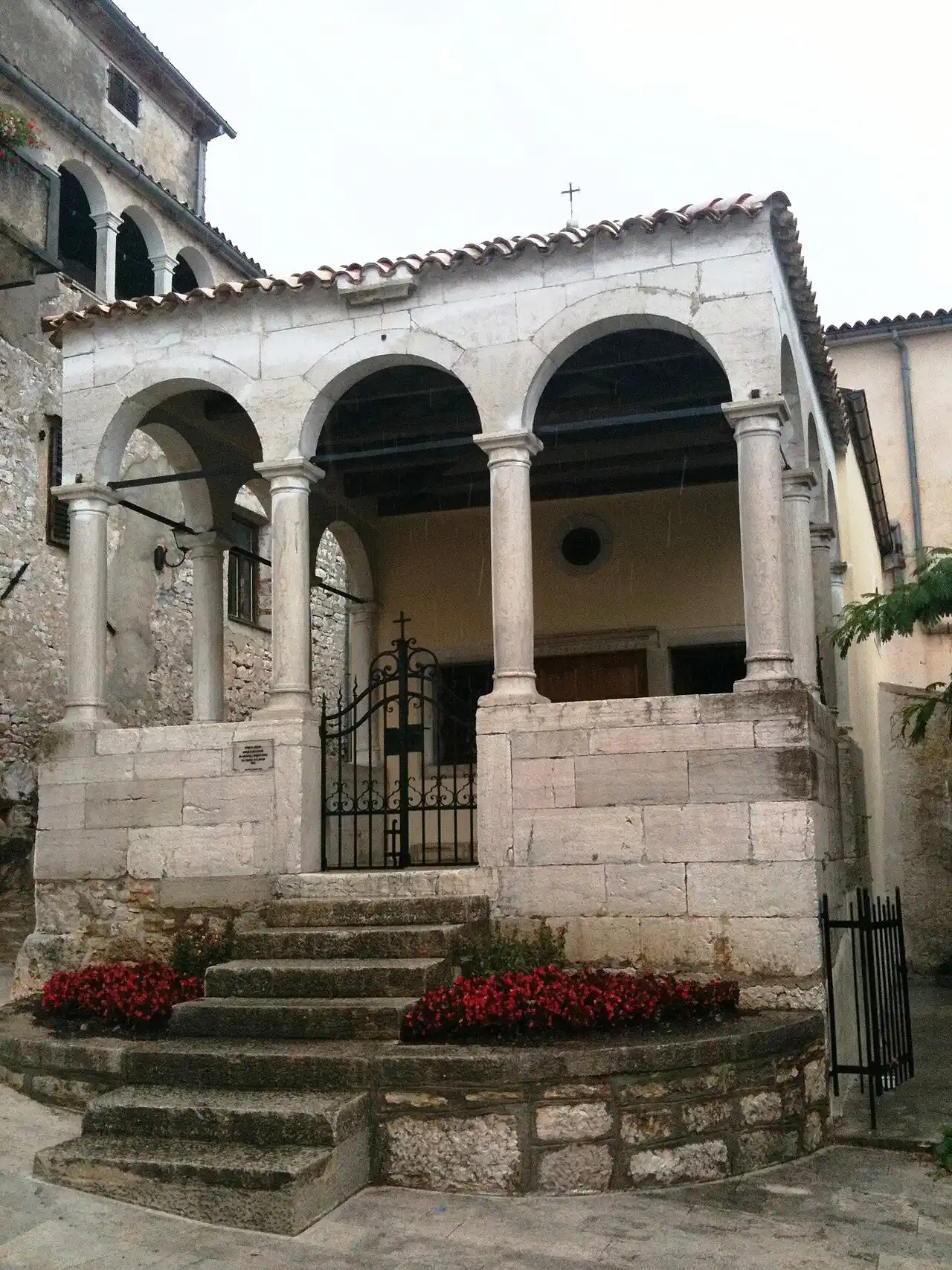
Parking is the other thing to plan around, because you won’t be doing it at your door. The closest paid lots to the old town gates are Velika Valdibora, Mala Valdibora and Boksiti - barrier-controlled, right by the harbour, a 5 to 15 minute walk depending on where inside the walls you’re headed. These are billed by the hour with no daily cap: €3.50 an hour in peak season (1 June-30 September), €2 in the April-May/October shoulder, €0.50 in winter - so a full day here can run past a capped ticket elsewhere. Velika Valdibora also serves residents and fills by midday in summer, so Fra Pavla Pellizzera, a similar lot about 20 minutes out, is the usual backup, at a slightly lower €3 an hour. Prefer a ceiling to a meter? The numbered open zones further out charge a flat €25 daily ticket (1 April-31 October, €15 the rest of the year) - and Zone 4, which includes the Porton Biondi lot, is cheapest at a flat €1 an hour, €7 a day, year-round. A private garage, if your host has one, is almost always cheaper than either. Confirm rates on arrival; tariffs are reviewed each season.
Monte Mulini and Lone Bay: the resort belt south of the walls
South of the old town, past the pine-shaded paths of the Punta Corrente forest park, sits Rovinj’s cluster of big hotels: Lone, Monte Mulini (adults-only), Eden and the Grand Park Hotel, all run to a resort standard with pools, spas and their own parking. Monte Mulini’s own listing puts it about 1.5 km from the centre, roughly a 20-minute walk along the park’s edge, or a short drive if you’d rather not do it with bags.
This is the trade the table above is really about: you give up the five-minutes-to-everything convenience of the old town for quiet nights, a hotel beach at Lone Bay or Mulini, and a room built for a longer stay rather than a two-night sprint. A 20-minute walk each way is real, not a formality - plenty of guests still do it most evenings for dinner in the old town, but it’s worth deciding upfront whether that’s your nightly plan or whether the resort’s own restaurants and pool are the default, with the old town as an occasional trip rather than routine.
Amarin and the family zone north of town
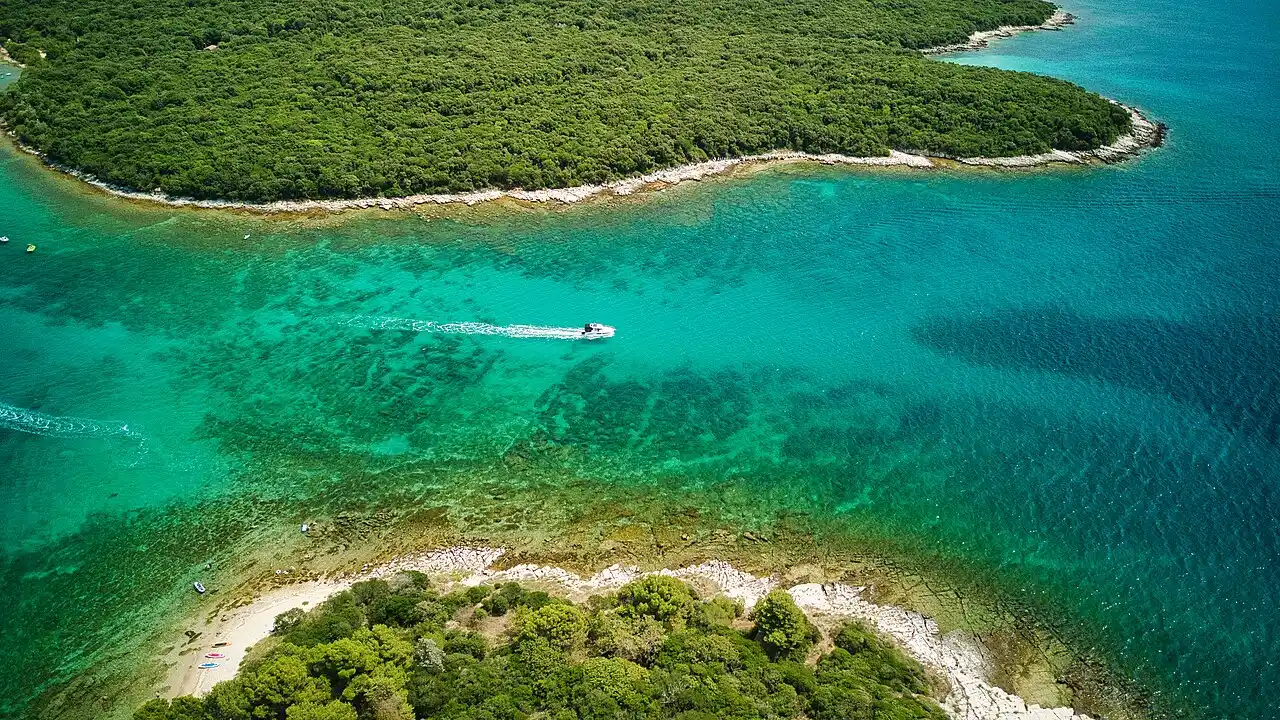
About 4 km north along the coast by the operator’s own figure, Amarin is Rovinj’s family-resort corner: shallow beaches roughly 50 m from the door, pools, playgrounds and gardens built for the crowd that finds the old town’s stairs and late-night terraces a mismatch. You’re trading walk-everywhere convenience for space, and you’ll want the seasonal tourist trolley, a resort boat, or your own car for an old-town evening, not a stroll.
It’s not a base for a short city break - it’s a base for a beach week where the old town is a half-day out, not the main event. If that’s your trip, compare Amarin directly against Monte Mulini/Lone Bay rather than against the old town: the two resort zones compete with each other more than either competes with sleeping inside the walls.
Apartments away from the postcard streets
Most of what you’ll actually find on a booking site isn’t a hotel at all - it’s a private apartment, and plenty of them sit in the ordinary residential streets behind the old town rather than inside it. Location varies more here than in any area above: some listings are minutes from the harbour, others a real walk out, so check the map pin rather than the listing photos. What you trade the sea view and the stepped-lane charm for is more space, a kitchen, and one less night of old-town restaurant prices - worth it over a week rather than two nights.
It’s also the more realistic option if you’re bringing a car: even a host advertising “private parking” for an old-town listing means a spot outside the walls, since nothing drives into the old town itself - a residential street stands a better chance of an actual space near the door.
Camping and mobile homes: sea access without the hotel price
Rovinj’s campsites are the cheapest way to get sea access, and they range from a walk you’d do with a cooler to a drive you’ll want a car for. Porton Nature Hideouts - still signposted locally by its old name, Porton Biondi - sits about 2 km from the historic centre, roughly a 20-minute walk by the operator’s own estimate: the closest campsite to the old town, though not the closest bed of any kind (a handful of small hotels, among them Hotel Adriatic on the main square, sit inside the walls themselves). Further south, Camping Polari (run by Maistra, the same group behind the Monte Mulini and Lone hotels) is about 3.5 km out along a coastal path. Veštar, a Maistra property further along the coast, sits about 5 km out by the operator’s own figure - a bit further than Polari, on the opposite side of town, and quieter for it.
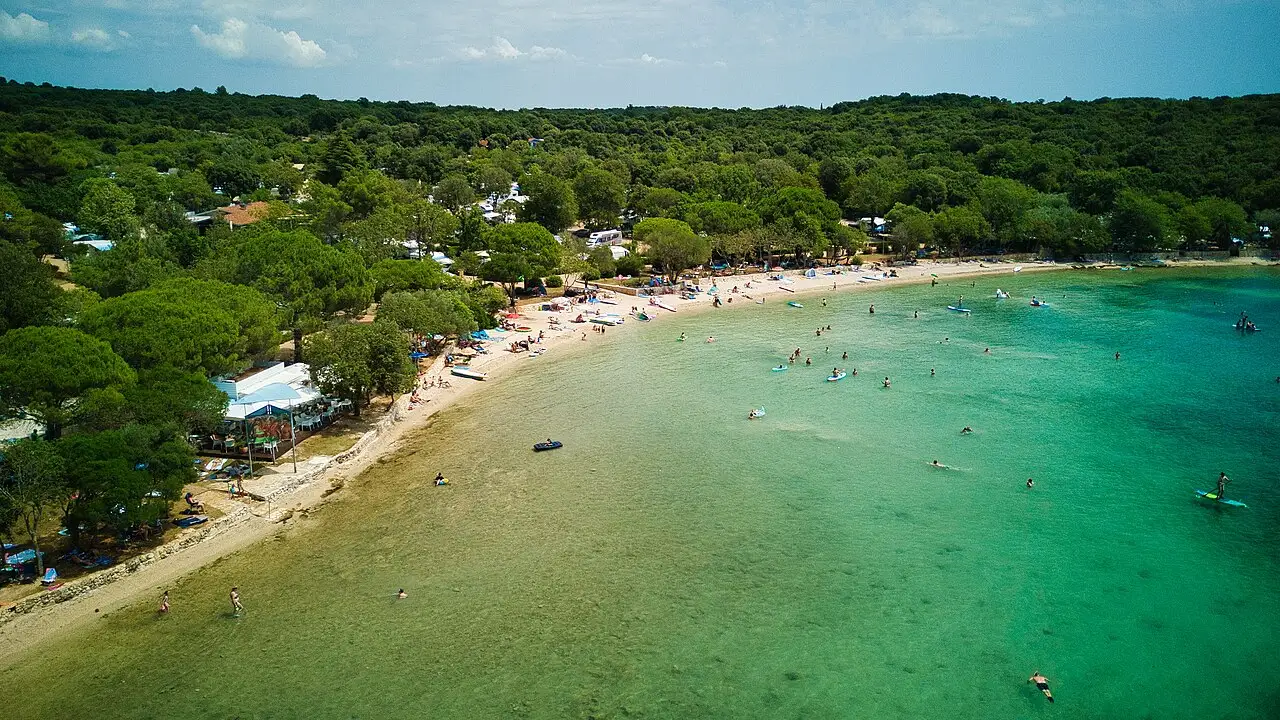
Mobile homes here cost more than a tent pitch but far less than a resort room - a solid choice for a family that wants a kitchen, a shaded pitch and a short walk to the water. Book season dates carefully: in 2026, Maistra runs Polari and Veštar from 24 April to 4 October, and Porton Nature Hideouts’ pitches run 28 March to 31 October - both close outside those windows, and the exact dates shift by a week or two each year, so check the current calendar for April, May or October travel.
Roads in, and the parking rules on arrival
Rovinj sits in Istria, reached by road rather than by the Dalmatian ferry network. The nearest airport is Pula, about 40 km and a 40-minute drive south; by car, Rovinj is roughly 250 km and about 3 hours from Zagreb via the motorway and the Učka tunnel. None of that changes where you should sleep, but it does shape whether a car helps once you’re here.
Staying in the old town with Rovinj plus maybe one boat trip on the agenda? Skip the car entirely - it just becomes a parking bill. Amarin, a campsite further along the coast, or a hill-town day trip into inland Istria on your list instead? A car (or a day hire) earns its cost quickly - see our guide to renting a car in Croatia - since Istria’s countryside is genuinely awkward without one. Either way, don’t expect to park at your old-town door: budget the walk from Valdibora into your routine, or - if saved euros matter more than saved minutes - walk on to Zone 4 near Porton Biondi, at roughly a third of the harbourside rate.
Late August versus September: the same walk, a smaller bill
August is the most expensive, most crowded stretch of the Rovinj calendar: the harbourside barrier lots hold their peak €3.50-an-hour rate through 30 September, those lots are the ones most likely to fill by mid-morning, and old-town apartments book out first. On 1 October the hourly rates on the barrier lots and the metered zones drop to their shoulder tier - €2 instead of €3-3.50 - though the €25 daily cap on the open zones holds until 31 October before falling to €15 for winter, and Zone 4 near Porton Biondi doesn’t move at all, since its flat €1/€7 rate runs year-round. The relief comes in stages: crowds thin through September, the hourly rate drops on 1 October, the daily-cap saving lands only with the November tariff.
That makes early-to-mid September a reasonable middle ground if your dates are flexible: summer-warm, still on the peak hourly rate, but calmer than the last two weeks of August. Push into October and you get the shoulder-season parking rate and a properly quiet old town, at the cost of Polari and Veštar closing on 4 October (Porton Nature Hideouts runs to 31 October) and the seasonal trolley and boat to Amarin thinning out - confirm exact dates with the property rather than assuming a fixed calendar. Whatever the month, the nightly tourist tax lands separately at check-in almost everywhere in Croatia; our hidden costs in Croatia guide covers what to expect.
So: old town, resort belt, or a tent under the pines?
If this is a short first visit and the point is Rovinj itself, sleep inside the old town and accept the stairs, the noise and the parking walk as the price of the view. Want the same town with a pool and quieter nights? The Monte Mulini/Lone Bay belt gets you that for a real but doable 20-minute walk each way; Amarin further north trades the walk itself for more space, and needs the tourist trolley, a boat or a car instead. And if budget matters more than address, an apartment in the ordinary streets or a pitch at Porton Nature Hideouts, Polari or Veštar gets you the same Adriatic water for a fraction of the price, with Porton close enough - about 20 minutes on foot - that dinner in the old town stays realistic most nights. For the wider country picture, see where to stay in Croatia; for what fills the days once your base is booked, back to the Rovinj travel guide.
Good to know
Parking rates below are Komunalni Servis d.o.o.'s 2026 tariff, checked against the official Rovinj Tourist Board price list in August 2026 (hourly peak season runs 1 June-30 September; the €25 daily cap on the open zones runs 1 April-31 October). The seasonal tourist trolley and boat shuttle to Amarin change by year too - confirm current signage and timetables before you rely on them.
Details checked: August 20, 2026
Read also

Before you go · 10 min read
Where to Stay in Korčula: Old Town to Vela Luka
Verified · September 5, 2026Korčula Town for walls and boats, Lumbarda for sand, Vela Luka for the Split car ferry. Match the base to how you arrive - then book.

Before you go · 10 min read
Sailing in Croatia: Yacht Charter Costs & Routes
Updated · September 5, 2026Croatia yacht charter 2026: bareboat weekly ranges, skipper and deposit separate, APA on crewed boats, season guides, island routes.

Before you go · 10 min read
Where to Stay in Makarska: Riviera Bases Compared
Updated · August 30, 2026Brela, Baška Voda, Makarska, Tučepi or the quieter south - which Riviera base fits beach weeks, families, nightlife and Brač ferry mornings.

Before you go · 8 min read
Hvar or Korčula: Which Island Fits Your Trip?
Verified · August 28, 2026Hvar or Korčula in 2026? Split catamarans (~€25 like-for-like), vibe, beaches and who each Dalmatian island suits - plus the hop between them.