
Opatija Travel Guide: Habsburg Riviera & Lungomare
Opatija on the Kvarner Gulf: the 10 km Lungomare, Villa Angiolina museum, Maiden with the Seagull, and how it differs from Rijeka and Istria.
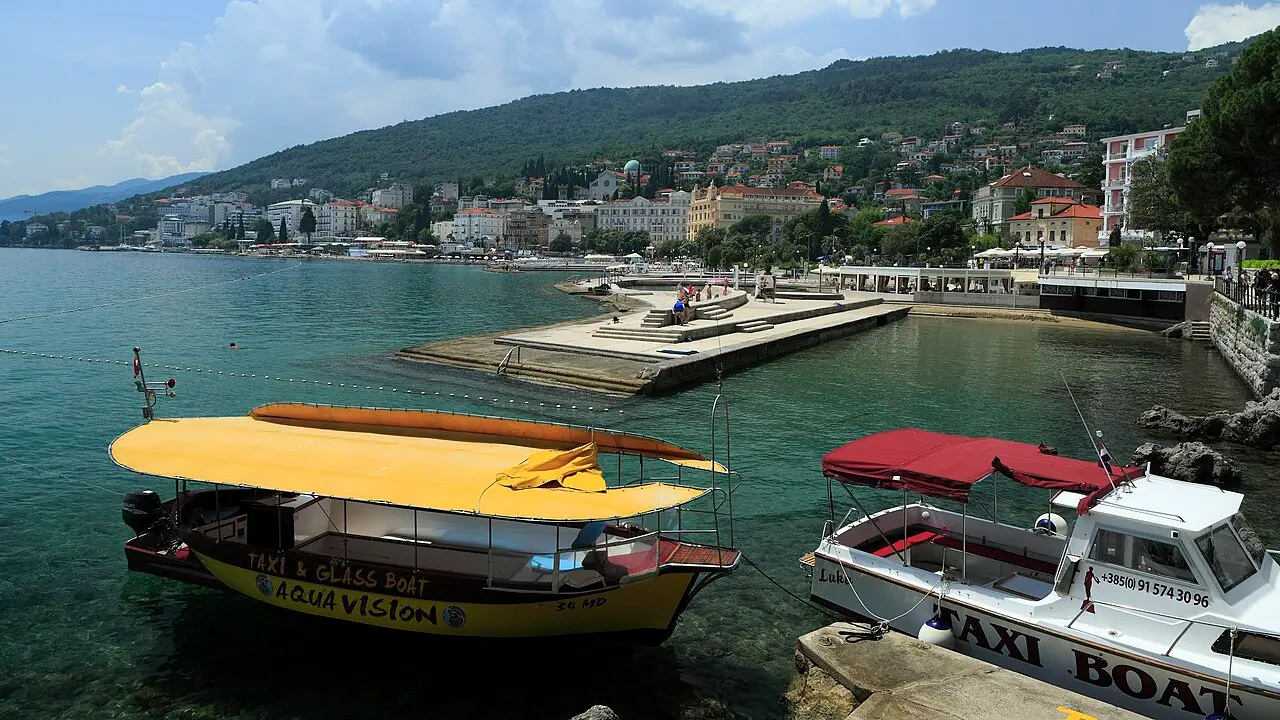
Opatija is where Croatian seaside tourism started - a string of Habsburg villas and grand hotels on the Kvarner Gulf, wired together by the Lungomare, a 10-kilometre coastal path from Volosko through town to Lovran. You don’t come for a Roman amphitheatre or a working port skyline; you come to walk the promenade in the shade of palms and mature trees, swim off concrete platforms into clear water, and sleep in a room that still carries the name Imperial or Kvarner from the Austro-Hungarian era. It’s 18 km west of Rijeka and feels like a different country from the shipyards next door.
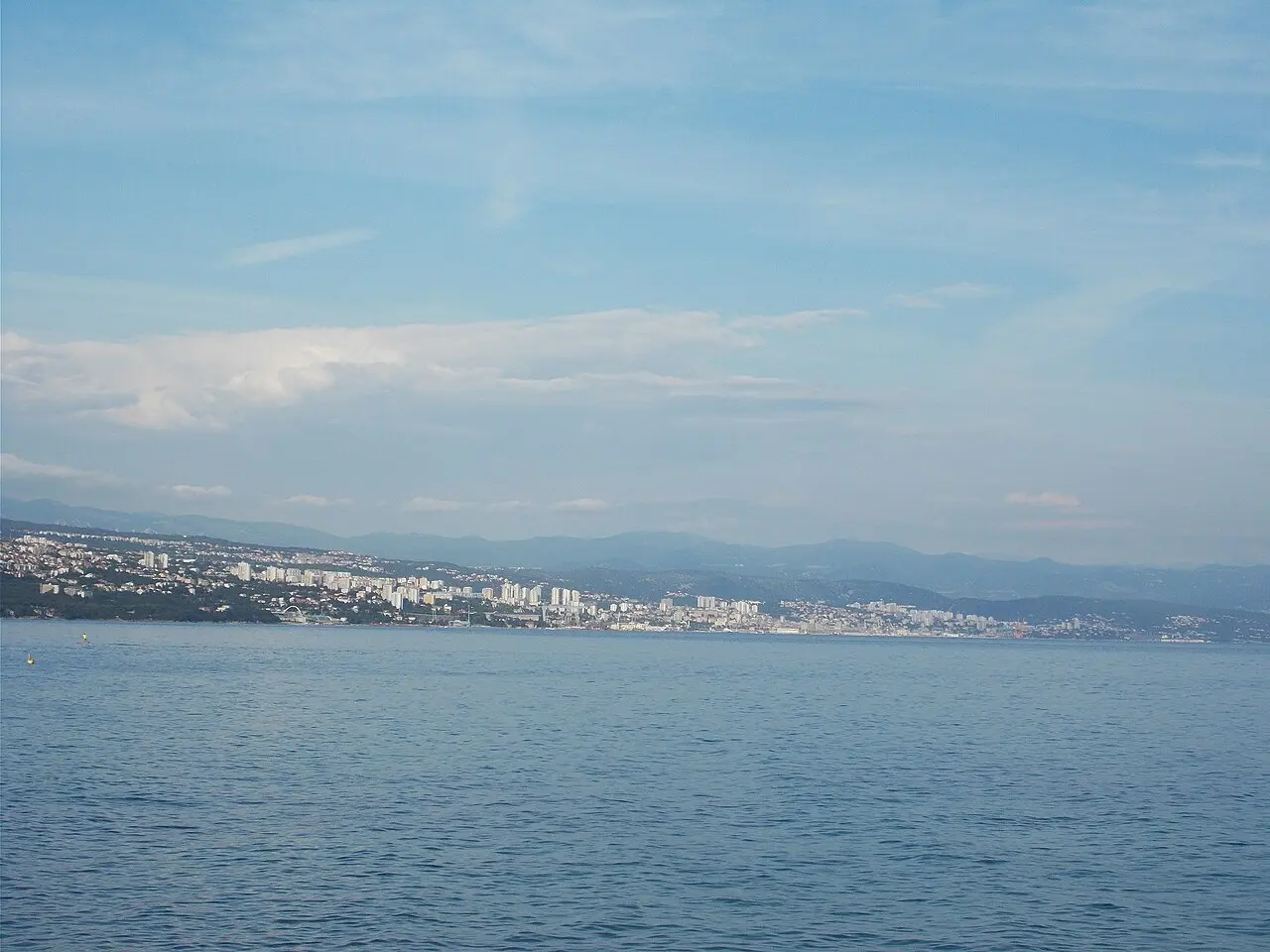
The useful mental map is simple: Rijeka is where you change trains, climb 561 stairs to Trsat, and catch the airport bus from Krk. Opatija is where you unpack for three nights and let the week slow down. Istria, with Rovinj and Pula, starts further south-west - our Istria travel guide covers that peninsula; Opatija is the Kvarner riviera’s belle-époque strip, not the truffle-and-hill-town loop.
How long you need
Two nights is the minimum that makes sense: one afternoon on the Lungomare, one museum morning, one long dinner that doesn’t end because you’ve got a bus to catch. Three or four nights let you walk the full promenade both ways, add a Učka afternoon when the coast is too hot, and still keep a day for Krk or the start of the Kvarner islands route.
Day-trippers from Rijeka do exist - the coastal road is short - but they miss the evening hour when the promenade lights come on and the coaches have gone. If you’re only passing through, at least walk from the Maiden with the Seagull to Angiolina Park and back; that’s the core.
The Lungomare: walk the whole riviera
The Lungomare (officially the Franz Joseph I Promenade) is the reason most people know Opatija at all. Paved, mostly flat, and shaded by mature trees, it clings to the cliff line above the Adriatic from the fishing village of Volosko in the north, through Opatija centre, past Ičići and the smaller coves, down to Lovran in the south. The Opatija tourist board puts the full run at 10 km on its own promenade page; you’ll also see twelve quoted second-hand. Either way, plan a half-day one way if you stop for coffee, which you will.
Walk north from Opatija toward Volosko for the quieter end: stone houses, small restaurants, and the kind of harbour where locals still argue about fish prices. Walk south toward Lovran for longer views back to Učka and a gentler climb into another old resort town with its own villa belt. You don’t need a ticket, a guide, or shoes beyond what you’d wear on a city stroll - though the swimming sections are rock and concrete, so pack swim shoes if you’re getting in.
The path is lit at night, which is not a gimmick - it’s how locals move between hotels and restaurants without taking the hillside road. In July and August the midday sun is fierce even under the trees; start early, break at a terrace, and save the long southbound push for after 16:00.
Villa Angiolina and where tourism began
In 1844 the Rijeka merchant Iginio Scarpa built Villa Angiolina as a summer house in what was still a small fishing settlement. That villa, and the park he planted around it, is the usual starting point for the story of Croatian coastal tourism - decades before the big hotels went up. The Southern Railway reached nearby Matulji in 1873, and by 1889 the Habsburg authorities had declared Opatija (Abbazia) an imperial climatic health resort, the Adriatic equivalent of Bad Ischl with salt air instead of alpine water.
Today the villa houses the Croatian Museum of Tourism. The museum publishes both hours and prices itself: in summer 2026 it lists Villa Angiolina open daily 10:00-21:00, adults €5, students and youth €4, a family ticket €12, and €10 for a combined ticket with the Juraj Šporer Art Pavilion next door. Out of season it has run Tuesday to Sunday, 10:00-18:00, so check the museum’s own page against your dates. In July 2026 the museum opened the first phase of a new permanent display, Villa Angiolina - The Story of Opatija, tracing the family, the railway era, and the grand hotels - worth an hour even if you’re not a museum person.
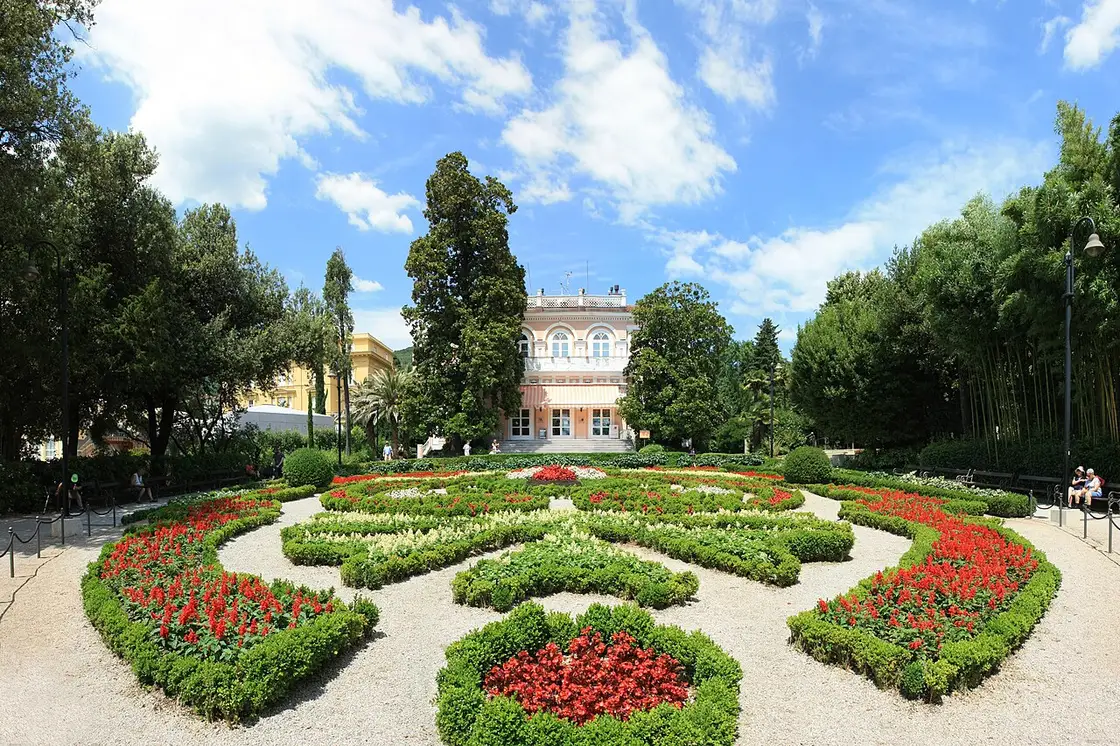
Angiolina Park, protected since 1968, wraps the villa in exotic planting from Scarpa’s era - the kind of showpiece garden that made this bay a resort. It’s free to wander and connects directly to the Lungomare, which is why so many walks start here.
Maiden with the Seagull and St Jacob’s Church
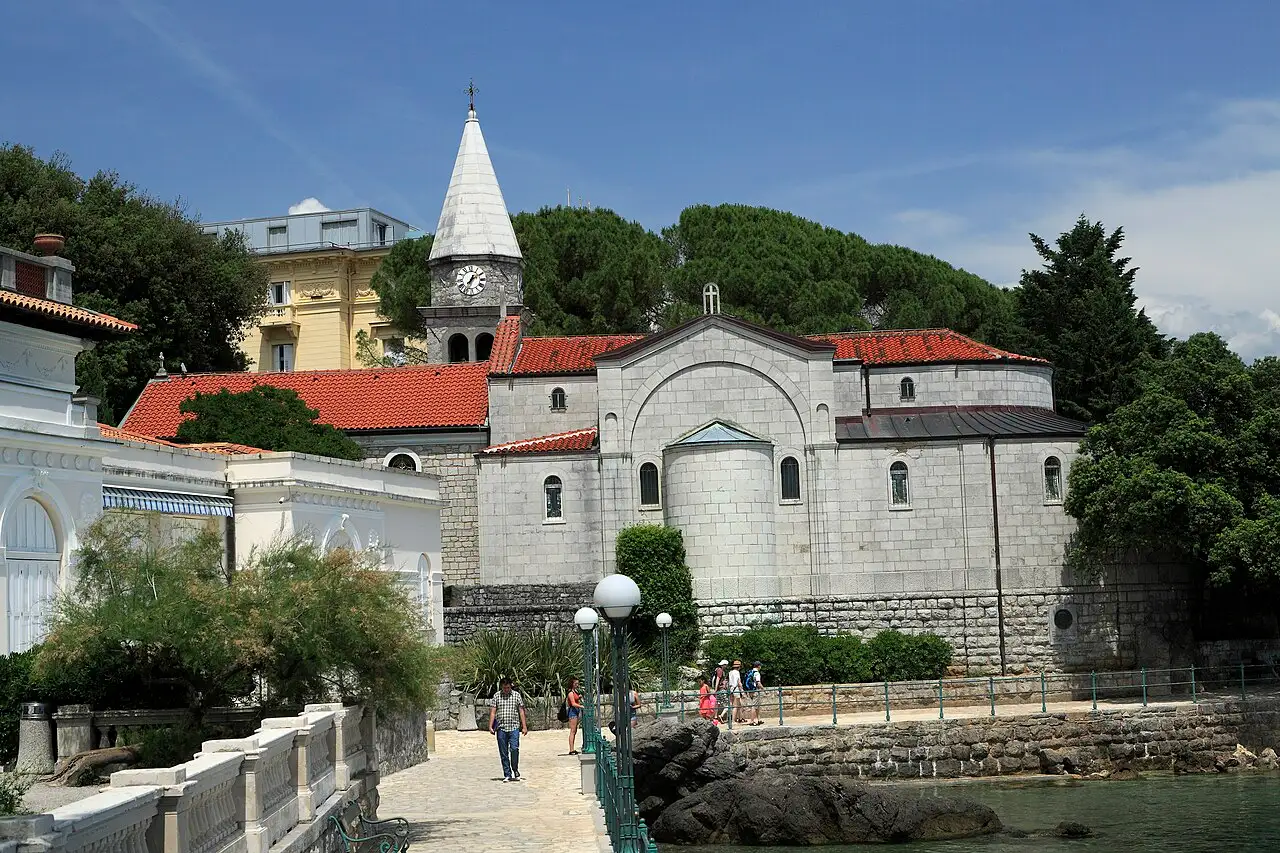
Opatija’s most photographed spot is the Maiden with the Seagull (Djevojka s galebom), a 1956 bronze by Zvonko Car on a promontory by the Juraj Šporer art pavilion. She’s become the town’s symbol - on postcards, on tourist signs, and in every other visitor’s camera roll. An earlier Madonna del Mare stood on the same rock until the post-war years; a gilded replacement now sits in front of St Jacob’s Church (Sv. Jakova), a few minutes inland. The church itself stands on the site of an abbey first recorded in 1453; the name Opatija literally means “abbey” in Croatian.
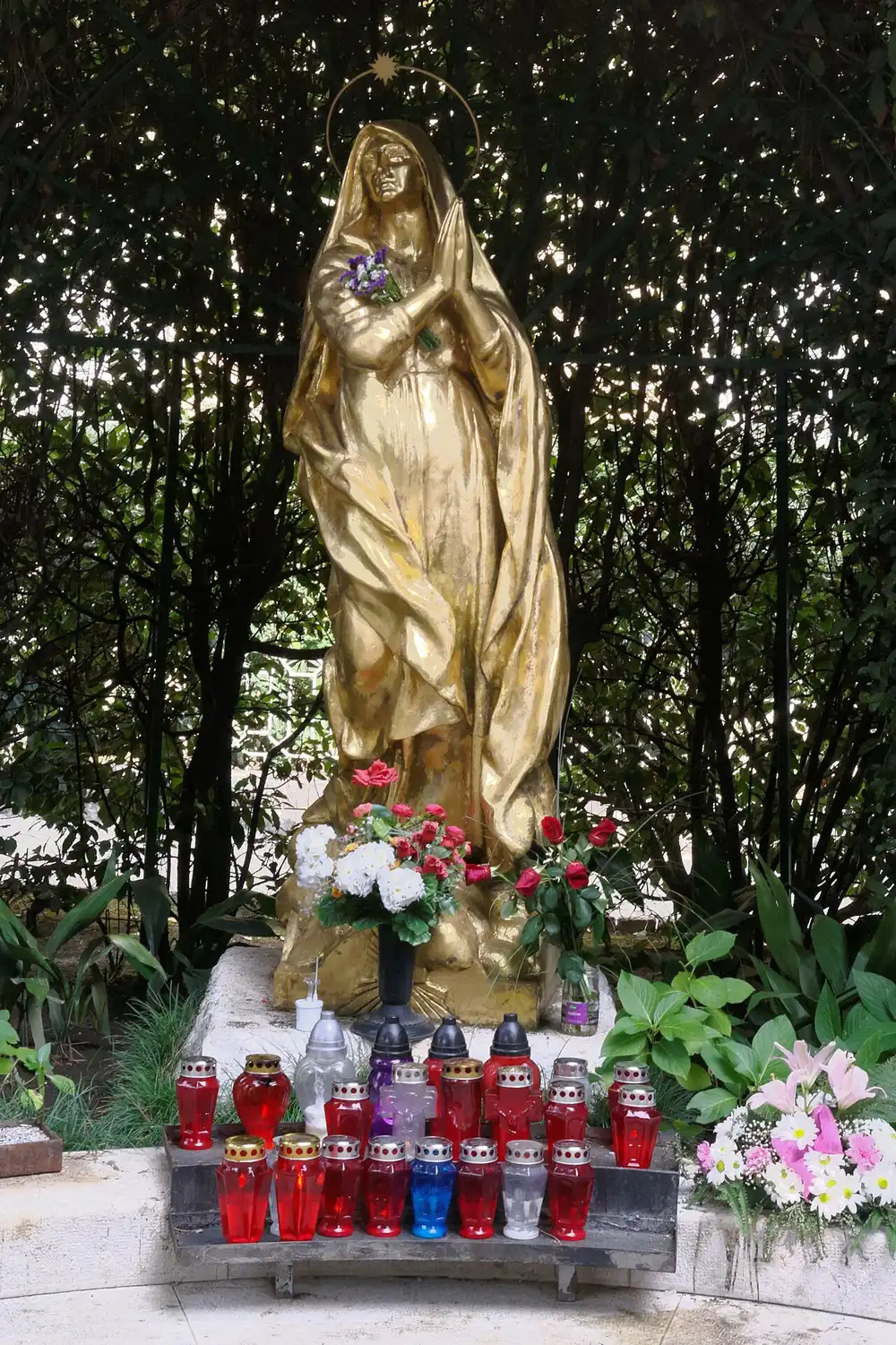
Nearby, Park Svetog Jakova (St Jacob’s Park) gives you another layer of shade and benches above the sea - less famous than Angiolina, quieter on a hot afternoon.
Belle-époque hotels and the open-air stage
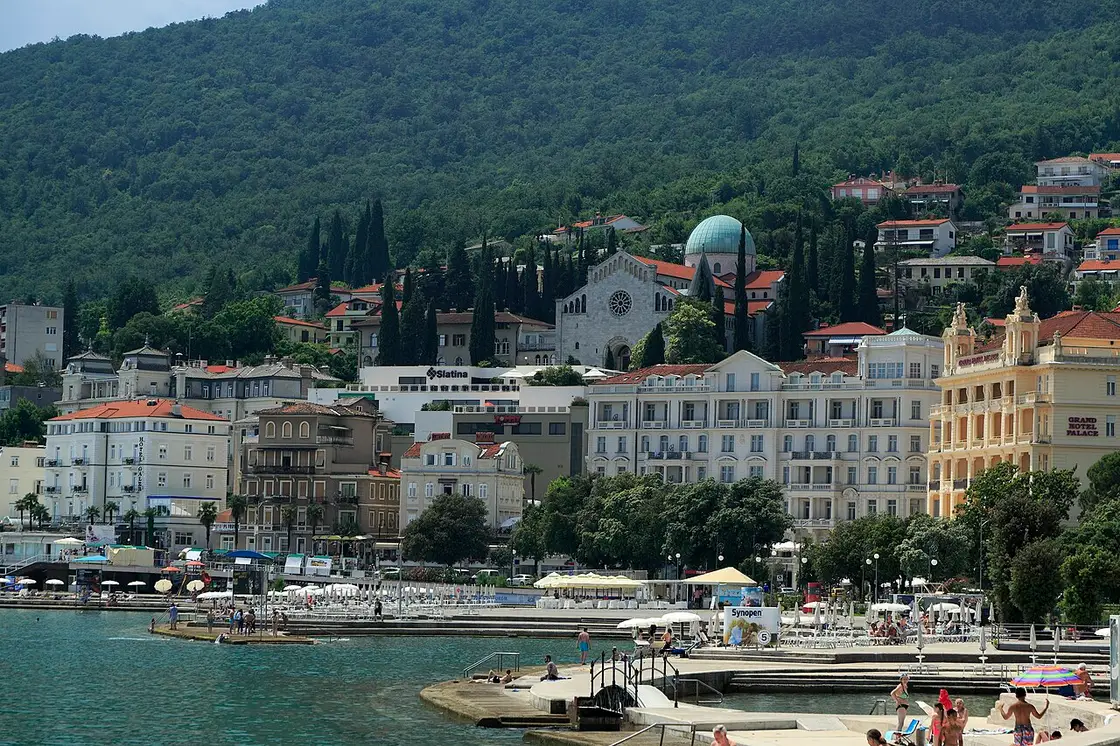
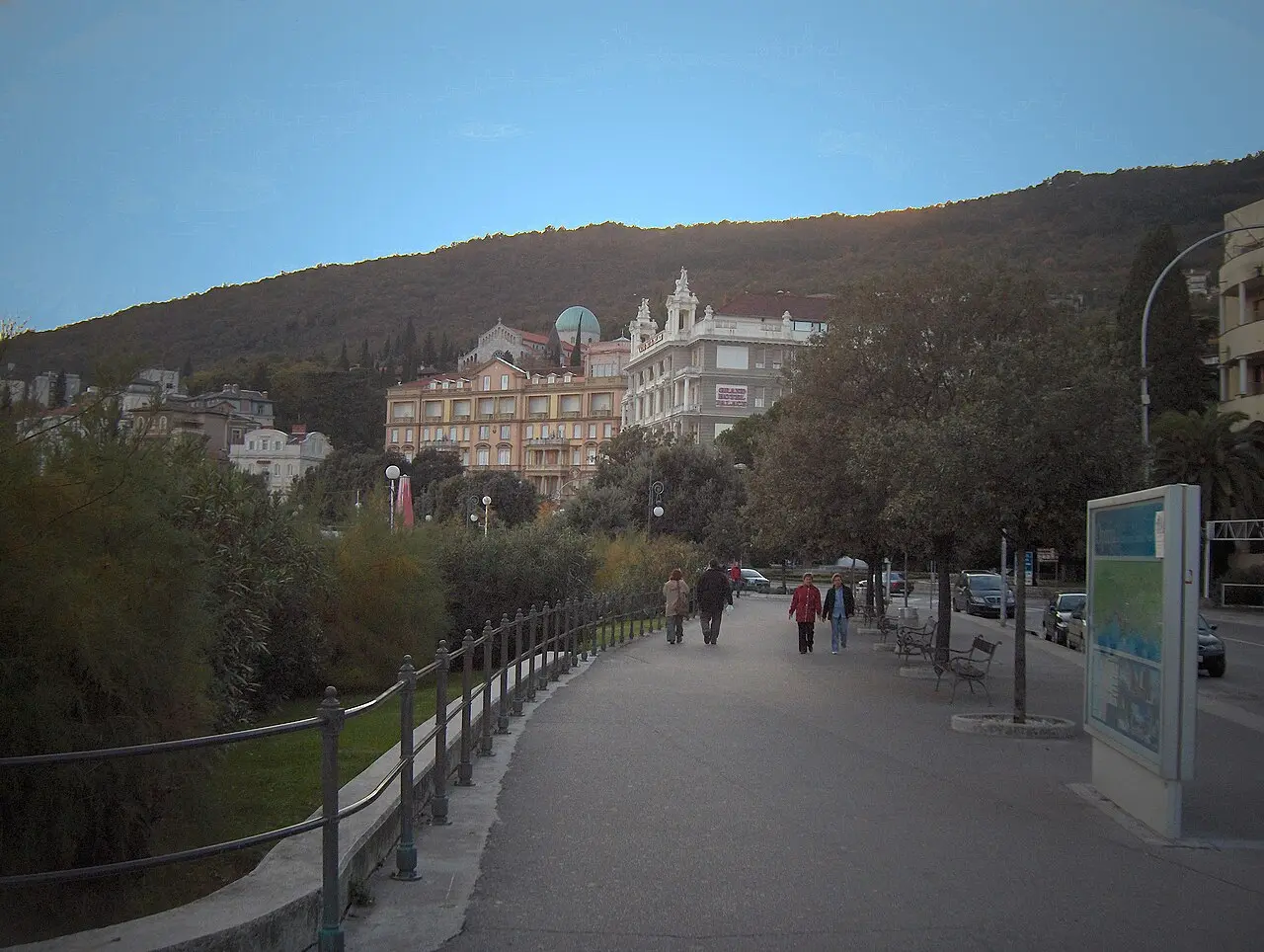
The skyline along the waterfront is the Austria-Hungary package: Hotel Kvarner (opened as Hotel Quarnero in the 1880s), Hotel Imperial, and other belle-époque hotel facades along the shore that still take guests. Many facades survived the 20th century’s border changes; what you see is renovation inside historic shells, not a theme park rebuild.
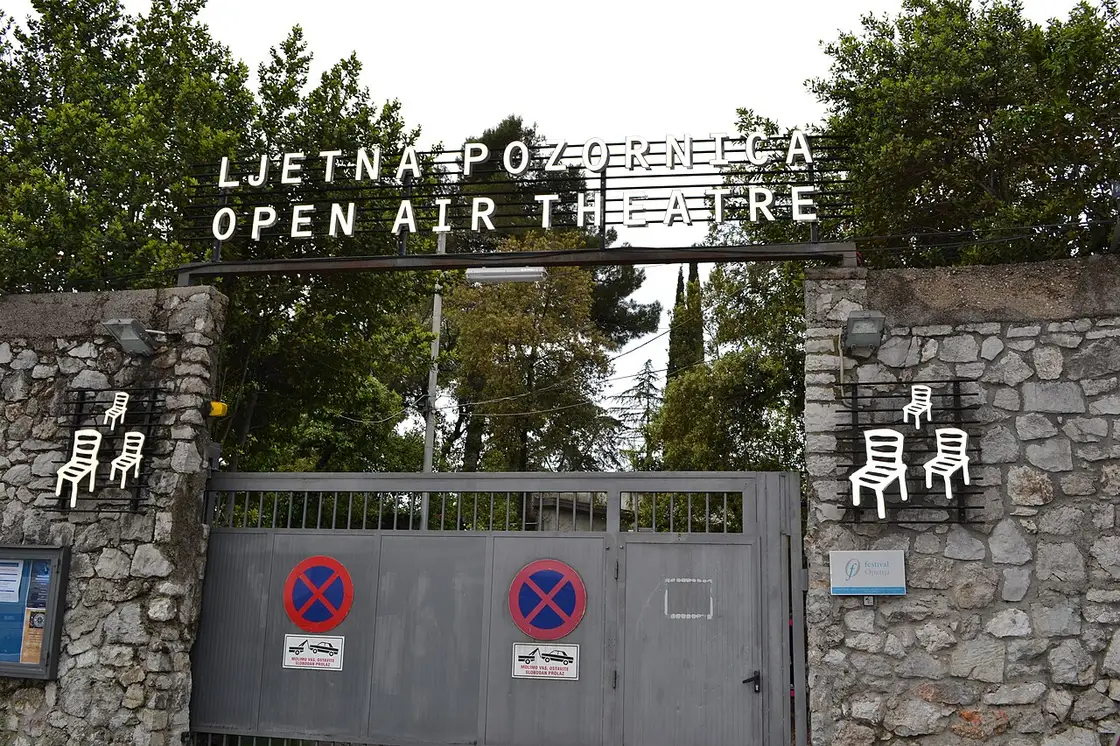
The Open Air Theatre (Ljetno kino) sits in the park belt above the sea - a summer stage that has hosted concerts and film nights for generations. Programmes and tickets shift by season; check local listings instead of assuming a fixed show night.
Swimming here is mostly platforms and ladders off the Lungomare, not long sandy beaches. The water is clear and deep quickly; families with small children often prefer the concrete steps at Ičići or a short drive to Mošćenička Draga. That’s normal for this coast - you’re trading sand for shade and a straight walk back to your hotel.
Učka when the coast overheats
Mount Učka rises behind Opatija to 1,401 m at Vojak - close enough that the ridge dominates sunset photos from the Lungomare. The Učka Nature Park is a proper escape on a blazing afternoon: cooler air, forest shade, and views over the entire Kvarner bay.
The Poklon Visitor Centre runs interpretive exhibits; seasonal tickets on the park’s official site are €10 for adults April-October and €6 November-March, with lower rates for children and families. Parking for a private car is €8.00 / €5.00 by the same seasonal split. Don’t plan around a cable car - the Žičara Učka project is still in the permitting stage and no public cable car operates in 2026. You drive up or hike; the road is the access.
Where to stay on the riviera
| Area | Good for | Trade-off |
|---|---|---|
| Opatija centre / Lungomare | Walkability, classic hotels, restaurants | Premium prices; paid parking in season |
| Ičići / smaller coves south | Quieter sleep, still on the path | Fewer grand hotels, more apartments |
| Volosko north | Harbour dinners, local feel | Steeper lanes; walk or bus to central sights |
| Lovran | Longer Lungomare base, lower key | Further from Opatija’s main museum cluster |
Opatija is upmarket by Croatian standards - you’re paying for the Habsburg brand and the maintained promenade, not for a bargain beach break. July and August need early booking; May, June and September give you the same walk with thinner crowds. Croatia uses the euro and has been in Schengen since 1 January 2023.
Getting there
From Rijeka: about 18 km by road or frequent coastal bus - the fastest link if you’re combining a port city day with a resort stay. The Rijeka travel guide has Trsat, Korzo and the airport shuttle from Krk (€15 to Rijeka city on the official airport tariff from May 2025).
By air: Rijeka Airport (RJK) sits at Omišalj on Krk, not in either city. Many guests hire a car at the terminal and reach Opatija in well under an hour via the bridge and coastal road.
From Istria or Zagreb: you’re on the motorway toward Rijeka, then peel off west on the shore road. If your trip is peninsula-first, read the Istria travel guide for Rovinj and Pula, then slot Opatija as a Kvarner bookend rather than mixing the two into one rushed loop.
Pairing Opatija with islands and Istria
Opatija works well as a mainland cushion before or after the Kvarner islands route - sleep two nights on the Lungomare, then drive the free Krk Bridge and start the Valbiska ferries fresh, or recover on the promenade when the car queues end. It’s not a substitute for island time; it’s where Wi-Fi and coffee still work after a week of ferries.
Istria’s hill towns and truffle country sit south-west, an easy car day from Opatija, but this resort isn’t the peninsula’s food-and-vineyard heartland - that’s inland from Pula and Rovinj. Keep the roles separate: Opatija for the promenade and the imperial hotels, Istria for the hill forts and Malvazija.
When to come
May-June and September are the sweet spot for walking the Lungomare without melting. July-August deliver the full belle-époque bustle - outdoor concerts, packed terraces, and sea warm enough for long swims off the platforms. Winter is mild by northern European standards and genuinely quiet; some museums shorten hours, but the path stays open and the hotels that stay open often cut rates sharply. Opatija’s Advent runs 27 November 2026 to 6 January 2027 on the tourist board’s page, and our Advent beyond Zagreb guide lists what its 2025/26 programme included.
If you’re weighing Opatija against Rijeka for a single base: pick Rijeka for culture, Carnival, and fast exits to Krk; pick Opatija if your trip is promenade, swimming, and slow mornings with a newspaper on a Habsburg terrace. You can have both - they’re 18 km apart - but don’t expect one town to feel like the other.
Opening hours, prices, timetables and seasonal services change through the year - the figures here are planning estimates, not quotes. Confirm current details with the operators and official sources before you go.
Photos
On the map
The map loads on click - to keep the page lightweight.
The map didn’t load. Check your connection and refresh the page.
Good to know
The Lungomare and coastal parks are free. Villa Angiolina (Croatian Museum of Tourism) is open daily 10:00-21:00 in summer 2026; adults €5, students and youth €4, family €12, and €10 combined with the Juraj Sporer pavilion, on hrmt.hr. Poklon Visitor Centre on Učka charges seasonal entry - adults €10 Apr-Oct, €6 Nov-Mar on pp-ucka.hr.
Details checked: August 25, 2026
Distance ≈180 km · about 2-2.5 h by car via the A6/A1 corridor
- Zagreb ≈180 km · about 2-2.5 h by car via the A6/A1 corridor Most visitors fly into Rijeka Airport on Krk; the airport bus runs to Rijeka, not to Opatija, so you continue by local bus, taxi or hire car - see the Rijeka guide for airport bus fares.
Read also

Cities · 13 min read
Motovun Travel Guide: Walls, Truffles & Teran
Verified · September 4, 2026Motovun hilltown guide: walls ticket €5 in 2026, St Stephen, Teran cellars, Mirna views, parking climb, and why the film festival no longer plays here.

Cities · 10 min read
Dugi Otok & Sakarun Beach: Island Day-Trip Guide
Updated · August 31, 2026Day-trip Dugi Otok from Zadar: Jadrolinija ferry to Brbinj, Sakarun beach, Veli Rat lighthouse, and Telašćica cliffs - DIY or boat tour.

Cities · 10 min read
Omiš Travel Guide: Pirates, Zipline & Cetina Canyon
Verified · August 21, 2026Omiš is 25 km from Split: Promet bus €2.50, Mirabela €4-6, Cetina rafting and an 8-line zipline over the canyon.

Cities · 9 min read
Cavtat Travel Guide: Dubrovnik's Quieter Neighbour
Verified · August 12, 2026Cavtat is 18 km from Dubrovnik: Libertas bus 10 costs €4, Račić Mausoleum €4, Bukovac House €7. Stay or day-trip.