
Zagreb to Dubrovnik: Fly, Drive or Take the Bus?
Zagreb to Dubrovnik: fly (55 min, ~3.5 h door to door), bus 8 h 30 min - 14 h, drive 7 h plus €33.70 tolls, or a private transfer. Which one fits.
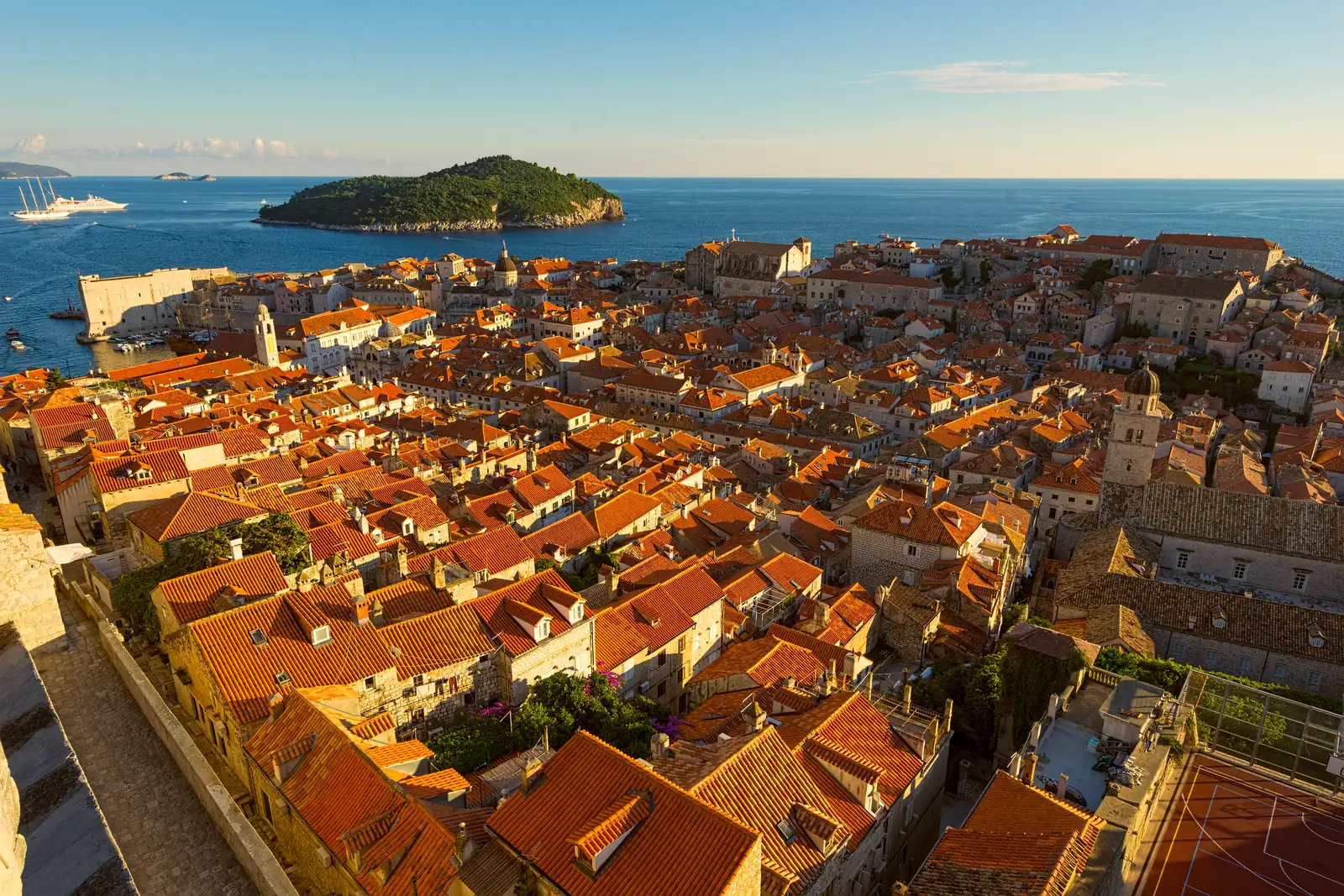
Every way of covering the 606 km between Zagreb and Dubrovnik costs you something - either a chunk of your trip or real money to buy that chunk back, and the honest starting point is deciding which one you’d rather spend. Flying costs about half a day, door to door: Croatia Airlines runs three to five flights daily in summer, typically four, and mostly three in winter, each about 55 minutes gate to gate, for somewhere around €50-75 booked early. The bus costs a full day, or a night if you go overnight - Arriva advertises its new direct run on a First Minute fare from €31.20, FlixBus lists its cheapest trip from €25.98, and the quickest FlixBus service takes 8 hours 30 minutes; Arriva’s slower services can run past 13. Driving costs a full day too, about seven and a quarter hours over the Pelješac Bridge, but at least you choose where that day goes. A private transfer from Zagreb Airport quotes about six hours without you behind the wheel, from €780 a car - though, as you’ll see below, that figure deserves a second look. Treat every number that follows as a 2026 planning figure, not a live quote: the bus fares were re-checked on 5 September 2026, the winter flight schedule on 23 October 2026, the rest in August, and fares and schedules move with the season.
The four ways, and what each one costs your trip
| Option | Time, start to finish | What it costs your trip | Price |
|---|---|---|---|
| Flight | ~3-3.5 h, door to door (to 4 h in summer) | About half a day - you still get the afternoon | ~€50-75 one-way, cross-checked |
| Bus, day departure | 8 h 30 min - 14 h, station to station | The whole day | Arriva First Minute from €31.20, FlixBus from €27.48 (both checked 19 September 2026; these fares move) |
| Bus, overnight | ~9-11 h asleep | A night’s sleep, not a day | same fares, seat-dependent |
| Drive | ~7 h 15 min, centre to centre | A full day, but you pick the stops | fuel + €33.70 toll + car |
| Transfer, from Zagreb Airport | ~5 h 52 min, Kiwitaxi’s estimate | A full day, spent as a passenger | from €780 per car |
Flying light, in a hurry
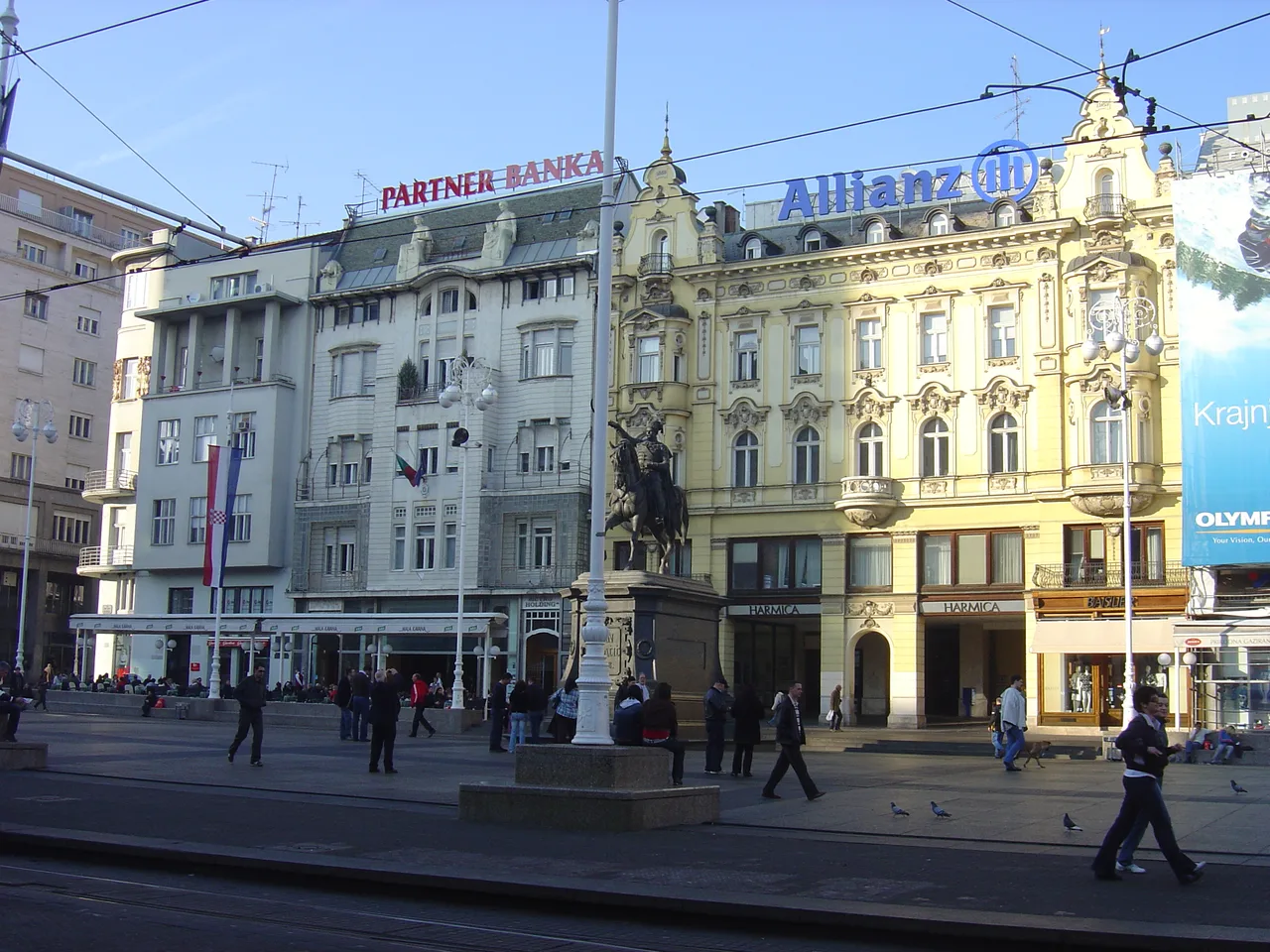
Croatia Airlines lists this route as nonstop, daily, year-round in both directions in its summer 2026 timetable (29 March to 24 October 2026) and in its winter 2026/27 one, which applies from 25 October 2026, as checked on 23 October 2026 - one of the few Dubrovnik connections that keeps a daily service outside the season. For summer 2026 the airline’s own flight-schedule tool, cross-checked against Dubrovnik Airport’s published arrival times, gave a clearer picture than the generic listing: three to five departures a day, typically four, with block times mostly around 55 minutes - a Friday-morning rotation ran it in 45, a couple of the later ones took a full 60, so call it 45 to 60 minutes depending on which flight you’re on. Dubrovnik Airport’s winter 2026/27 schedule (25 October 2026 to 27 March 2027) has fewer: mostly three Croatia Airlines flights a day each way, four on Sundays, and none on 25 December 2026, so check your date in the airline’s schedule search before you book.
Tally the rest of the journey and every ground option still trails behind. Zagreb Airport sits about 15 km out - 25-40 minutes by bus or taxi in normal traffic; airport rules of thumb suggest 45-75 minutes on top for check-in on a short domestic hop; then the flight itself; then baggage claim and the run in from Dubrovnik Airport at Čilipi, roughly 21-22 km from the Old Town, around 30 minutes on a quiet day and well over 40 in summer traffic. Add it up and you land somewhere around three to three and a half hours door to door, occasionally closer to four at the height of summer.
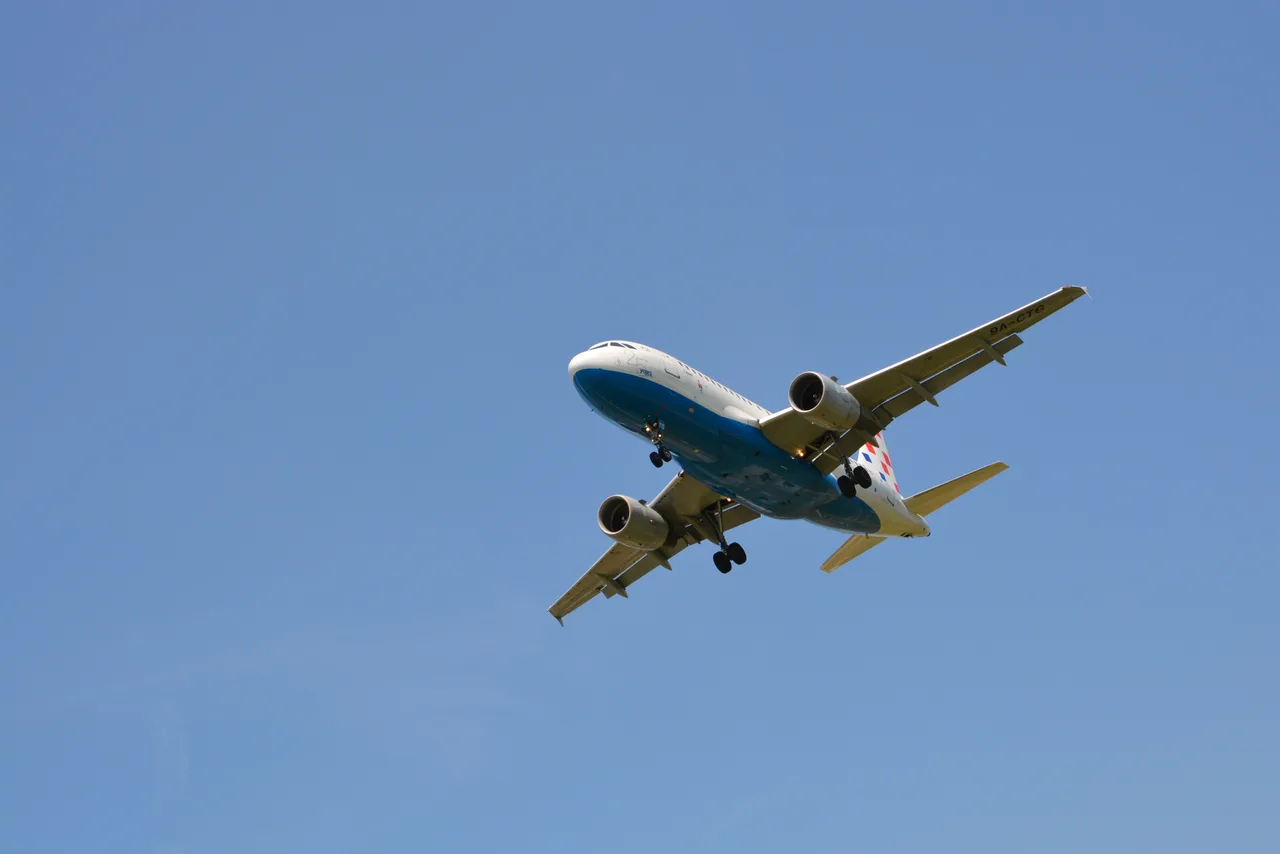
Croatia Airlines is the one part of this comparison where a single number doesn’t exist: fares move with the calendar the way any airline’s do, not a posted tariff. Checking fare-search sites for August 2026 dates puts an early one-way somewhere around €50-75, rising fast the closer you get to departure - book a few weeks out if the price matters more than the flexibility.
Taking the bus, watching the budget
FlixBus and Arriva both cover this run, and their own numbers tell slightly different stories - the same split shows up on the shorter Zagreb-Split leg. FlixBus’s own route page gives a minimum distance of 659 km and a minimum trip duration of 8 hours 30 minutes, its cheapest trip from €27.48 when we checked on 19 September 2026 (it showed €25.98 six days earlier, so treat it as a moving number), and at least six trips a day between 02:00 and 23:55; the same page confirms one checked bag and one piece of hand luggage travel free, worth knowing before a trip this long. Arriva publishes two separate things about this route, and it pays to keep them apart. Its route page averages out longer - 692 km and 13 hours 45 minutes across every departure it runs, not a typo, just a wider net than FlixBus’s fastest-run figure. Its offer page for the new direct line is where the cheap fare actually lives: one daily departure in each direction, Zagreb to Dubrovnik at 08:40 and back at 09:00, with First Minute tickets from €31.20 when we checked on 19 September 2026 - an advance-purchase fare, not a walk-up one. Leave it late and you pay the standard price instead: on 5 September 2026 the two same-day departures on Arriva’s own timetable were €49.40 and €54.20, both run by Brioni/BUSLY rather than on the direct line. An earlier booking snapshot, for 20 August 2026, landed in between on time - 11 hours 5 minutes, run jointly with Autotrans and Brioni/BUSLY, priced from €31.20 to €45.50, with the cheapest seats already gone by the time we looked. Treat those two as snapshots of single dates; the only bus fare on this page that Arriva itself posts as a standing offer is the €31.20 First Minute ticket.
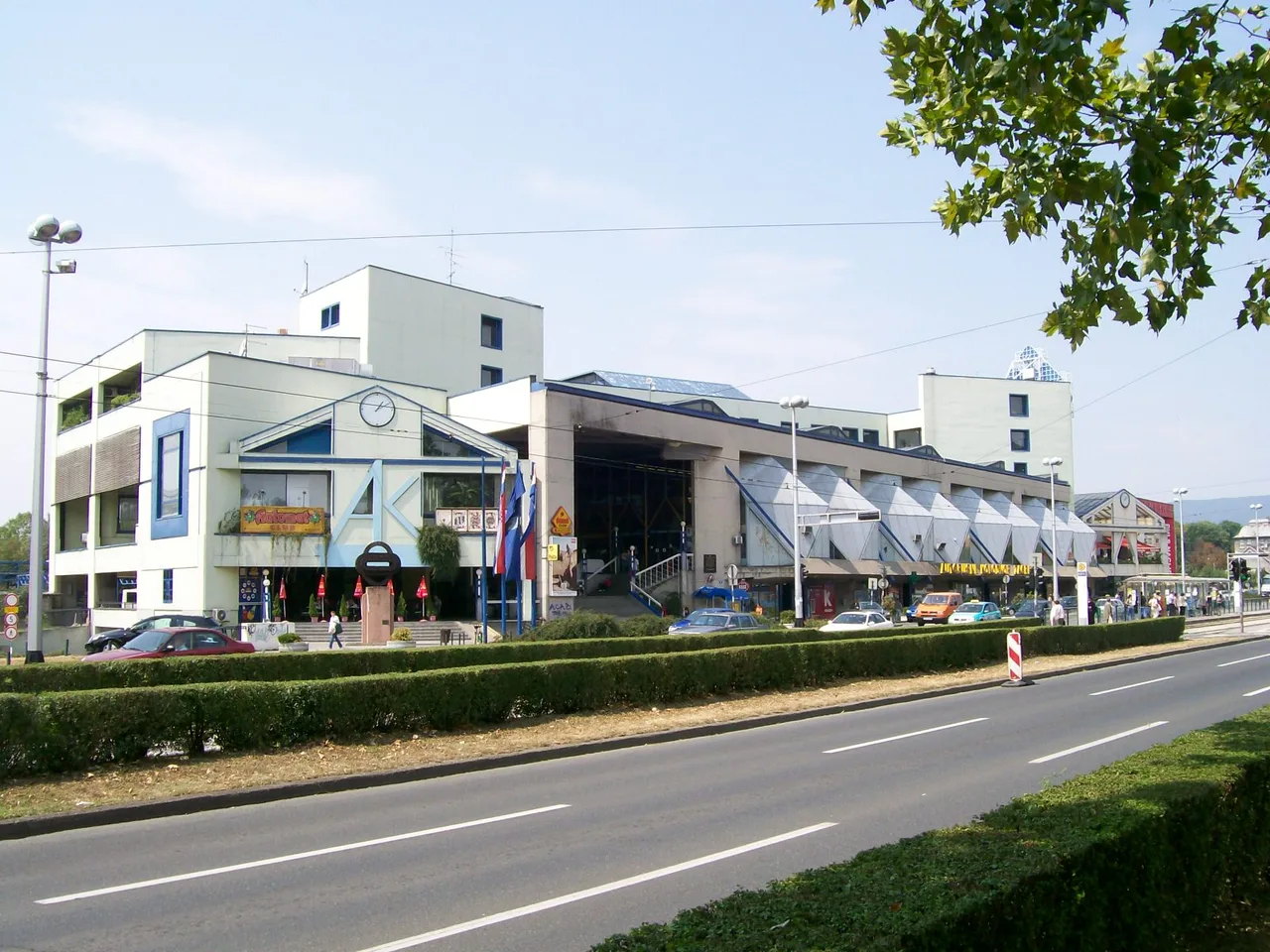
Both companies use the same stops at either end - Zagreb’s Autobusni kolodvor on Avenija Marina Držića, and Dubrovnik’s terminal at Gruž, next to the ferry port - so you’re not choosing between stations, just between two companies running the same route. Neither operator publishes exactly which road each service takes, so carry a passport regardless of the route: the direct way through Croatia no longer needs one, but a service that still dips into Bosnia at Neum would.
There’s no scheduled train on this run today - Croatian Railways’ passenger network doesn’t connect Split with Dubrovnik, and Dubrovnik itself hasn’t had a working station since the narrow-gauge line to Gruž closed in 1976. On a trip this long, going overnight is worth weighing seriously rather than treating it as a last resort: you give up a night’s sleep instead of a day, and step off already at your destination. FlixBus doesn’t break its six-a-day minimum down by season, and Croatian coastal routes commonly run less often outside summer - confirm the actual schedule before booking a winter date.
Need a car for the coast anyway
The A1 motorway plus the coast road covers this route in about 606 km, roughly 7 hours 15 minutes of driving with no stops. Split that distance at the point the toll ends, and the picture gets more useful than a flat “it’s tolled” would suggest: 495 km of it, around 82%, runs on the paid A1 up to the Karamatići interchange in the Neretva valley, about 13 km northeast of Ploče - €33.70 for an ordinary car, HAC’s category I, settled at the barrier by card, cash or an ENC tag. The remaining 111 km - close to two hours of the drive - is free: the coast road through the Neretva delta, past Ston and its old walls, over the Pelješac isthmus and across the bridge. That last stretch isn’t a downside; it’s the best-looking part of the whole drive, and the natural place to plan a stop rather than push straight through.
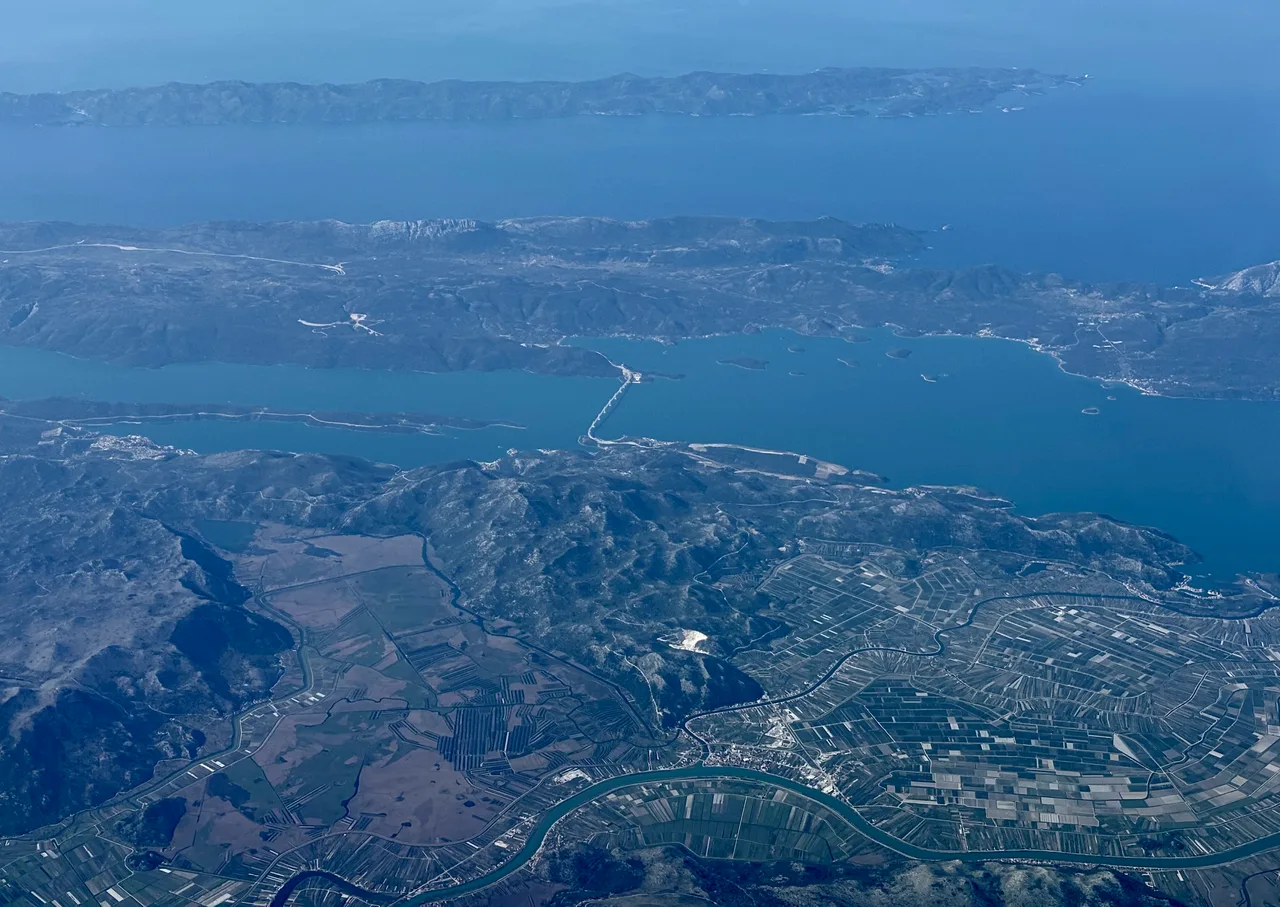
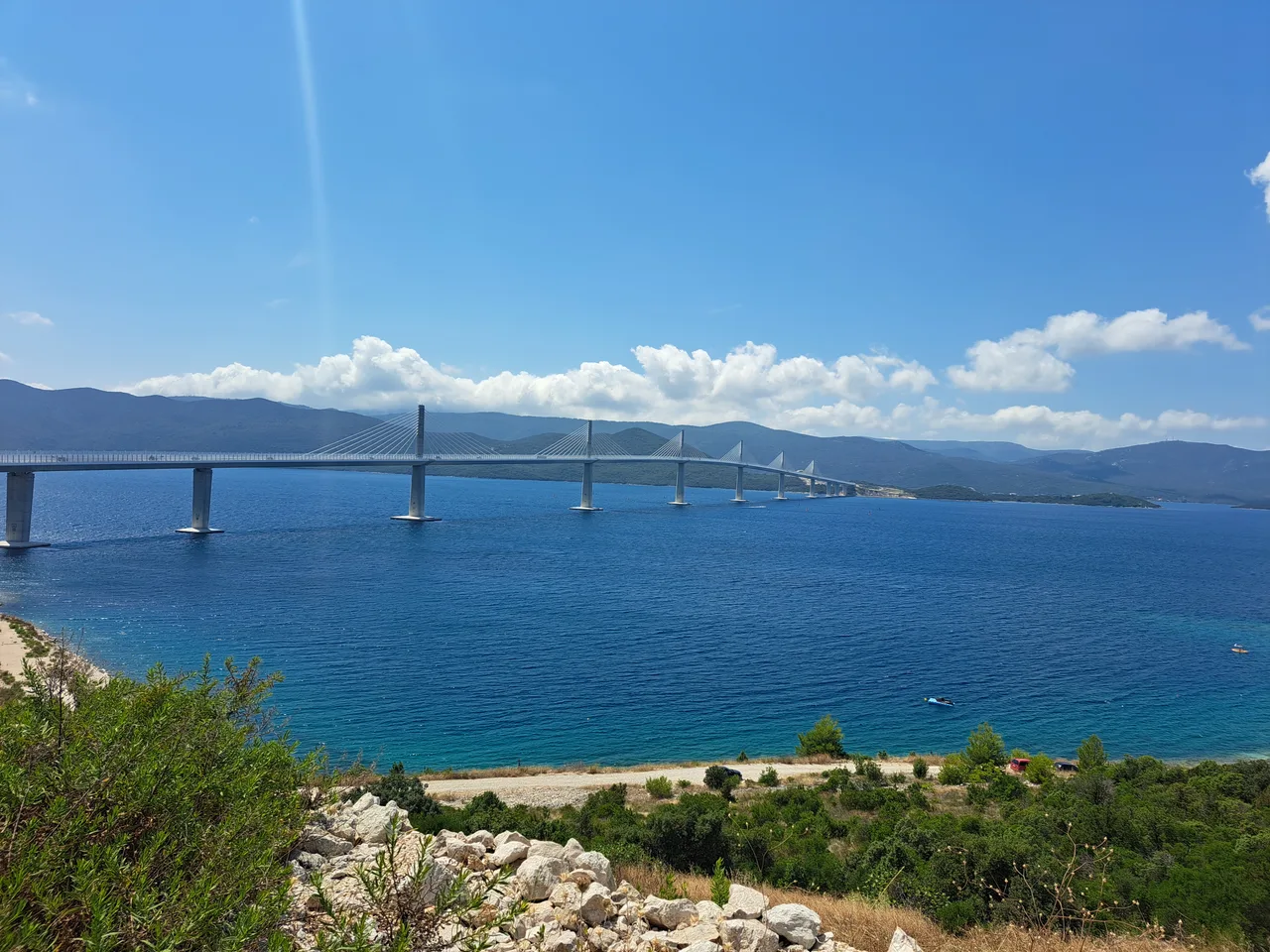
The bridge is why this route reads differently from older guides. Before it opened in July 2022, the coast road ran through Neum, a strip of Bosnian territory that splits Croatia’s coastline in two - a passport check on the way in, another on the way out. The bridge keeps the whole drive inside Croatia instead, and it’s worth being precise about why: it isn’t because Croatia joined the Schengen Area in January 2023. Bosnia and Herzegovina isn’t a Schengen member, so a route through Neum would still need checking today regardless of Croatia’s status on either side of that date. The bridge removed the border crossing itself, not the paperwork around it.
One thing to check if you’re driving here late in 2026: Hrvatske ceste has confirmed repair work on cracks in the protective coating on six of the bridge’s pylons - damage it says isn’t unusual for infrastructure this size and doesn’t affect the structure. The work is about keeping rain, salt and moisture from ever reaching the reinforced concrete inside those pylons, not a sign of a problem today. Construction starts in early autumn, after this year’s season, running around eight months and due to finish before the 2027 season; Croatia’s roads authority says two-way traffic stays open throughout, with occasional lane restrictions rather than any closure, though part of the work could slip to the following autumn if anything unexpected turns up.
Both cities complicate parking, in different ways. Dubrovnik’s Old Town is walled and fully pedestrian, so you park beyond the fortifications and walk in; Zagreb’s centre has no walls at all but keeps through traffic out just the same, so either way you’ll be leaving the car a short walk from wherever you’re staying. Fuel adds up too: at Croatia’s currently regulated maximum prices (€1.63 a litre for petrol, €1.80 for diesel, as of mid-August 2026), the drive works out to roughly €65-75 in an average compact car. One-way rentals between the two cities are common and save retracing the route, though they carry a drop-off fee - our guide to one-way car rental in Croatia has the real numbers and the full Neum-versus-bridge comparison.
A transfer for family, heavy bags or bad timing
A private transfer covers this route without anyone in your group doing the driving. Our partner Kiwitaxi prices it from Zagreb Airport to Dubrovnik specifically - not from central Zagreb, since a plain city-to-city search on their own site turns up nothing but the airport route - at 613 km and about 5 hours 52 minutes by Kiwitaxi’s own estimate. Take that figure as the operator’s marketing number rather than a measured time: the same road works out closer to 7 hours 15 minutes by routing calculation, and the airport itself sits slightly beyond the city, not partway along the route to Dubrovnik. Economy starts at €780 (a regular sedan, fine for one or two travellers travelling light); Comfort, which seats four, is €804; it climbs to €816 for a Minivan, €864 for Business, €887 for a seven-seat Minibus and €1,200 for a Premium Minibus. Four people sharing a Comfort car pay about €201 each - a lot more than a bus ticket, but roughly what a one-way rental costs once you tally the fuel, the toll and a full day of someone’s holiday spent driving instead.
It earns its price on a red-eye arrival, once the buses have stopped running for the night; for a family that would rather not manage a nine-hour trip with young kids; or simply to hand the whole day over to someone else - a driver who’ll usually stop for a photo or a coffee if you ask, which no scheduled coach will do.
Breaking the trip at Split, or at Plitvice
Split isn’t the midpoint of this route - it’s roughly two-thirds of the way down (409 of 639 km if you’re routing through the city on the coast road), so the first leg is about twice as long as the second. That still makes it the natural place to break a trip that would otherwise cost a full day: our Zagreb to Split transport guide covers that first leg on its own, and Split to Dubrovnik picks up from there - including the option of covering that second half by catamaran past Hvar and Korčula in summer, instead of by road. Driving the whole way, the same idea turns into an actual road trip instead of a day spent watching the motorway: our Croatia road trip itinerary strings Zagreb, Plitvice, Zadar, Split and Dubrovnik into ten days, and our Zagreb to Plitvice guide covers that detour by itself if you’re short on time for the full loop.
Coming back: Dubrovnik to Zagreb
Everything here runs both directions. Croatia Airlines’ own schedule lists Dubrovnik-Zagreb as year-round and daily too, not just the outbound leg; FlixBus and Arriva both sell the return route from their own sites, not merely as a round trip; and the road, the toll and the bridge cost the same distance and the same price either way. The one real difference: Kiwitaxi’s transfer product is built around Zagreb Airport specifically, so check pricing for the Dubrovnik-side pickup separately if you’re travelling north instead of south.
Whichever way you go, this is the longest domestic leg we cover, and it’s worth choosing on purpose rather than by habit. Once you’ve arrived, Dubrovnik has its own travel guide, Dubrovnik Airport transfer covers the last leg into town, and getting around Croatia ties this route into the wider transport picture.
Treat every number on this page as a planning figure, not a live quote - buses re-checked 5 September 2026, everything else August 2026, sourced from operators, Croatia’s roads authority and its fuel regulator. Fares and schedules move with the season and the date, so confirm before you commit to one option over another.
Photos
Read also

Transport · 13 min read
London to Split 2026: 2h35 Nonstop, from £109 Return
Verified · October 22, 2026Nonstop London-Split takes about 2 hours 35 minutes. Croatia Airlines lists Gatwick from £109 and Heathrow from £159 return - check live fares.

Transport · 9 min read
Zadar Airport to the City: Buses & Transfers
Updated · August 27, 2026Zadar Airport (ZAD) to the old town in 2026: Liburnija shuttle, taxi, private transfer and app rides - the €5 bus, 20-minute trip and where each stops.

Transport · 11 min read
How to Get to Korčula: Ferries from Split & Dubrovnik
Updated · September 5, 2026How to reach Korčula in 2026: catamarans from Split and Dubrovnik, the Orebić car ferry, Vela Luka routes, times, fares and which option to pick.

Transport · 12 min read
Zagreb to Split 2026: Bus, Train, Flight or Car
Updated · September 19, 2026Zagreb to Split by bus (from €24, under 5h), train (nearly 8h) or car (€26 toll). Real August 2026 fares and what actually saves you time.