
Zagreb to Plitvice Lakes: Bus, Tour & Day-Trip Guide
Zagreb to Plitvice Lakes by bus, tour or car: travel time, fares in euros, the day-trip timetable, park tickets and how to plan the day.
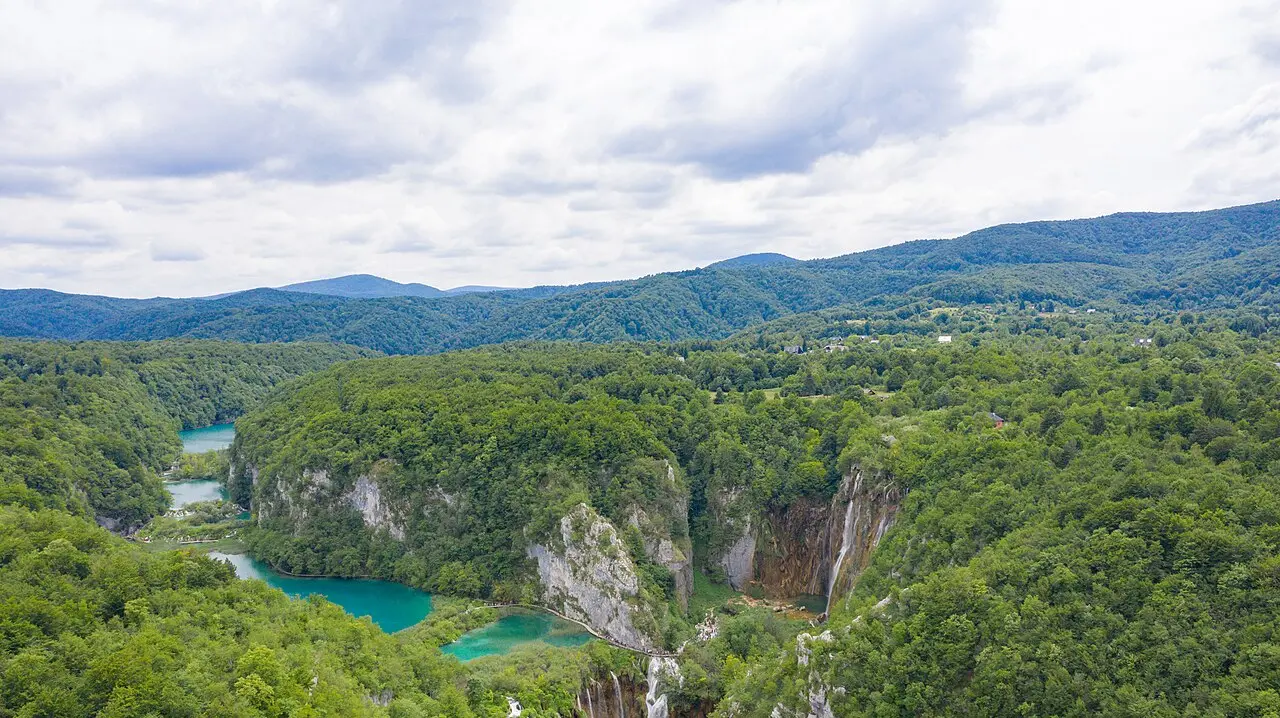
Zagreb to Plitvice Lakes is the easiest national-park day trip in Croatia, and you don’t need a car to do it. The two towns sit about 130 km apart on the A1 motorway, and a direct bus takes roughly 2 to 2.5 hours (the fastest are under two hours), with fares from around €12 one way. Around a dozen buses run daily from Zagreb’s main bus station (Autobusni kolodvor), most stopping at Entrance 1 or Entrance 2 of the park. Catch an early one - the 06:45 to 08:00 departures get you to the lakes before the tour coaches pile in - and you can walk the trails and be back in Zagreb by evening. The other route is a guided day tour, which trades flexibility for a door-to-door coach, a guide and a pre-booked park ticket. A December outing pairs well with Zagreb’s Advent market: lakes by day, stalls after dark.
For most people it comes down to one choice - the cheap, frequent bus or a hand-held guided tour - and one piece of timing that matters more than either: catch a departure before 08:00 and you walk the boardwalks ahead of the coach crowds; leave it late and you spend the best light in a queue. The car and the private transfer are really just variations on the same day.
By bus: the simplest option
The bus is the cheapest and most flexible way to reach Plitvice from Zagreb, and for most visitors it is the right call.
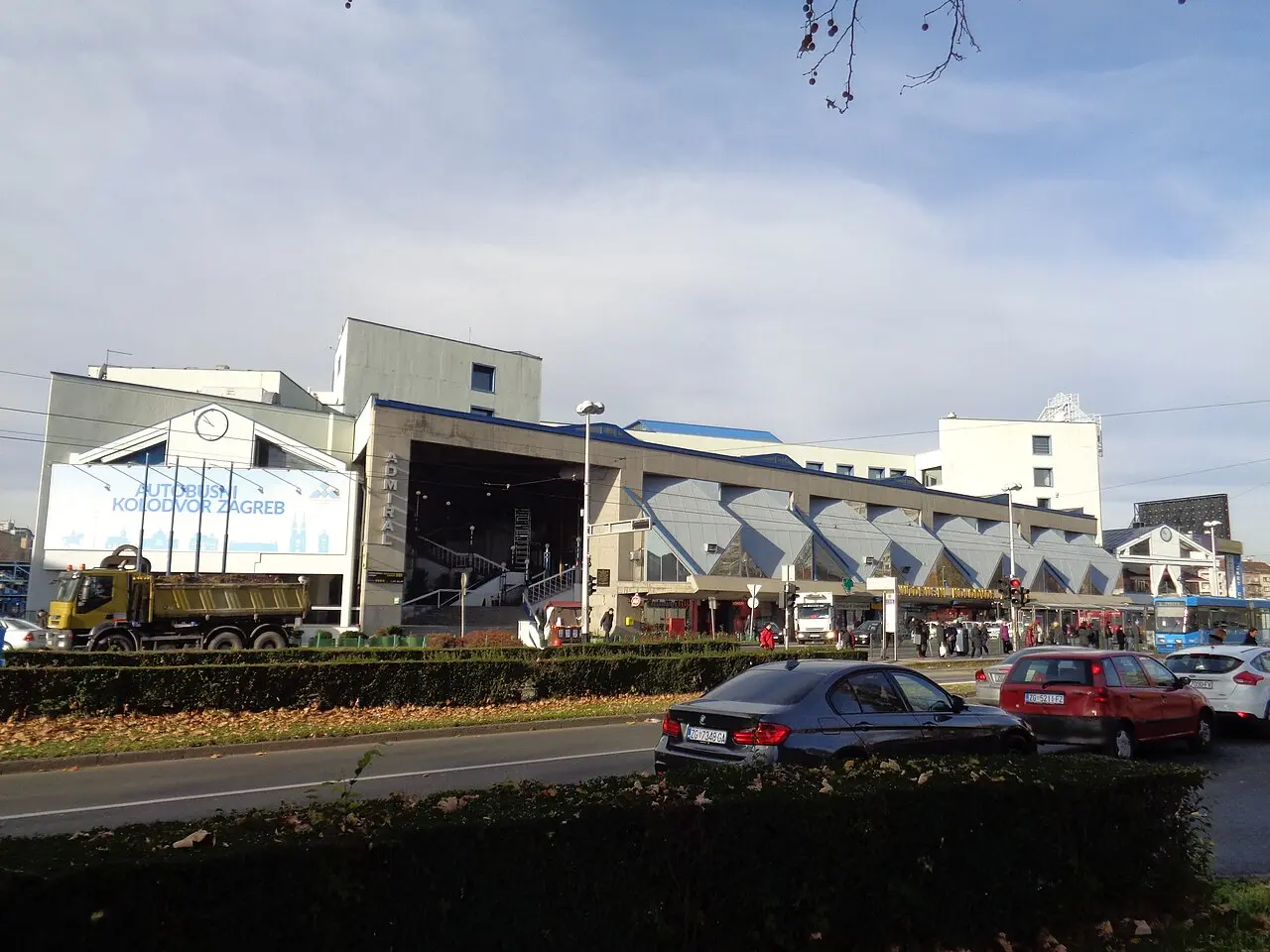
Where it leaves from. Buses depart from Autobusni kolodvor Zagreb, the main bus station on Avenija Marina Držića, about 2 km southeast of the main square - a short tram ride or walk from the centre. It’s a different building from the train station, so head for the bus station specifically.
Who runs it. Several operators share the route, including Arriva (Autotrans), FlixBus, Autopromet Slunj and smaller lines. They all use the A1 motorway south toward Split and pull off at the park.
How long and how much. The trip is about 130 km and takes 2 to 2.5 hours on a normal direct service; the fastest FlixBus runs do it in under two hours. One-way fares start around €12 and climb a little on peak departures or if you book late - checked June 2026, so reconfirm the current price when you book. Around a dozen connections run each day in summer, far fewer in winter.
Where it drops you. Most buses stop on the main road at Entrance 1 (closer to the Lower Lakes and the Great Waterfall) or Entrance 2 (closer to the Upper Lakes and the hotels). Tell the driver which you want, and keep your return ticket time in mind - buses passing through can be full in peak season, so it is worth knowing the timetable for the way back.
Book ahead in summer. From June to September the early buses and the park itself both fill up. Buy the bus ticket online in advance and aim for the first departures around 06:45-08:00 so you reach the lakes ahead of the 10:00 tour-coach rush.
By guided tour: door to door, no logistics
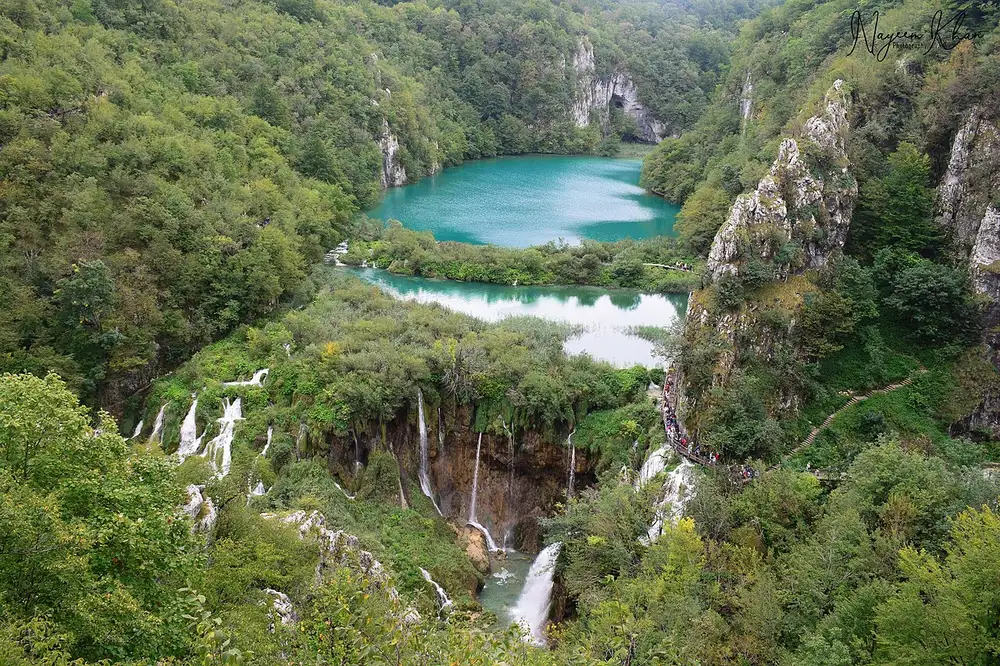
A day tour from Zagreb removes every moving part: a coach picks you up centrally, drives straight to the park, and a guide handles the entrance ticket and points you along the trails. Most tours leave Zagreb early morning, give you several hours in the park, and return late afternoon - a full day out.
The trade-off is flexibility and price. A tour costs more than a bus ticket and runs to a fixed schedule, so you can’t linger past the group’s departure or pick your own trail freely. But it solves the two things that trip up independent visitors in summer - the timed park ticket (tours pre-book it) and the return bus (no risk of a full coach passing you by). If you would rather not think about logistics, or you’re short on time, a tour is the low-stress choice. You can book a Plitvice day tour from Zagreb and have the ticket and transport sorted in one go.
By car: most freedom, if you’ll drive
Driving yourself is the most flexible option and barely longer than the bus. From Zagreb you take the A1 motorway south, leave at the Plitvička Jezera junction, and it’s roughly a 1.5-2 hour drive depending on traffic and the summer queues near the park. There’s paid parking at both entrances.
A car makes sense if you want to start at first light, combine Plitvice with Rastoke or the Krka falls, or carry on to the coast afterwards rather than backtrack to Zagreb. If you only want Plitvice and nothing else, the bus is cheaper and saves you the parking scramble. Our guide to renting a car in Croatia covers the paperwork, tolls and what to watch for. For everything in between - buses, ferries, trains and driving across the country - see getting around Croatia.
By private transfer: fastest and most direct
A private transfer is the priciest option but the most direct: a driver collects you in Zagreb and takes you door to door, on your schedule, with no station, no parking and no group. It suits families, small groups splitting the cost, or anyone with luggage heading on to the coast afterwards, since the driver can carry on past Plitvice. For a one-day there-and-back visit it’s usually overkill, but for a one-way leg to the lakes en route south it can be worth it.
What the park visit itself costs
Your bus or car only gets you to the gate - you still need a park entrance ticket, and Plitvice’s are among the priciest in Croatia. In peak season (June-September) the adult day ticket is €40, with a discounted afternoon ticket (entry after 16:00, or after 15:00 in September) at €25. Children aged 7-18 pay €15, and under-7s are free (prices from the official park site, checked June 2026 - reconfirm before you go). The ticket includes the electric boat across Lake Kozjak and the panoramic train, and it’s valid for one day.
Two things matter in summer: tickets are timed-entry with a one-hour arrival window, and daily numbers are capped, so they sell out from June through September. Book online in advance on the official site, np-plitvicka-jezera.hr, which sells at face value with no booking fee - and match your entrance (1 or 2) to the trail you want, since they’re about 2.5 km apart. For the trails, the boat and train, and which lettered route to pick, see our full Plitvice Lakes guide.
A realistic day-trip plan
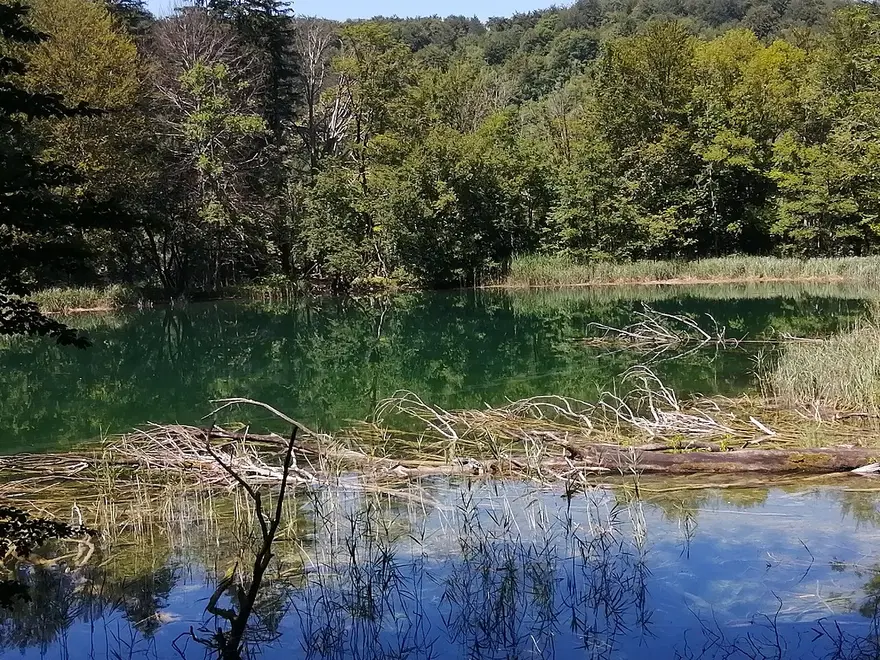
A day trip works, but only if you start early. Here’s a plan that beats the crowds:
- Catch the 06:45-08:00 bus from Autobusni kolodvor (buy the ticket the day before). You reach the park around 9-10.
- Have your park ticket pre-booked for a morning slot, entrance matched to your route.
- Walk the classic circuit (route C links the Lower and Upper Lakes with the boat and train) - allow 4-6 hours at an unhurried pace.
- Aim for a mid- to late-afternoon return bus to Zagreb; check the timetable in advance, because through-buses can be full in peak season.
You’ll be back in Zagreb for dinner. If you can spare a night, basing yourself at the park instead lets you walk before the day-trippers arrive and after they leave - the lakes are at their best in the early morning quiet.
Practical tips
- Go early. The first buses and a morning ticket put you ahead of the tour coaches that arrive around 10:00.
- Book both tickets in summer. The bus and the timed park entry both sell out from June to September.
- Mind the return. Through-buses can pass full in peak season - know the timetable back before you set off.
- Wear proper shoes. The boardwalks are wooden, often wet and without railings; the trails are long but mostly flat.
- Carry water and snacks. Options inside the park are limited and pricey; cash helps at small kiosks.
Plan the rest of your trip
Spend time in the capital before or after the lakes - our Zagreb travel guide covers the old town, museums and where to eat. For the park itself, the Plitvice Lakes guide explains the trails, tickets and seasons in detail, and getting around Croatia sets out how buses, ferries and driving connect the rest of the country. If you’re coming from the coast instead, see how to visit Plitvice from Zagreb or Split without a car, and the transport hub collects our other getting-around guides. Driving on to the coast yourself afterwards? Our Zagreb to Split via Plitvice route picks up exactly where this trip leaves off.
Opening hours, prices, timetables and seasonal services change through the year - the figures here are planning estimates, not quotes. Confirm current details with the operators and official sources before you go.
Photos
Read also

Transport · 12 min read
London to Split 2026: 2h35 Nonstop, from £109 Return
Verified · September 3, 2026Nonstop London-Split takes about 2 hours 35 minutes. Croatia Airlines lists Gatwick from £109 and Heathrow from £159 return - check live fares.

Transport · 9 min read
Zadar Airport to the City: Buses & Transfers
Updated · August 27, 2026Zadar Airport (ZAD) to the old town in 2026: Liburnija shuttle, taxi, private transfer and app rides - the €5 bus, 20-minute trip and where each stops.

Transport · 11 min read
How to Get to Korčula: Ferries from Split & Dubrovnik
Updated · September 5, 2026How to reach Korčula in 2026: catamarans from Split and Dubrovnik, the Orebić car ferry, Vela Luka routes, times, fares and which option to pick.

Transport · 13 min read
Zagreb to Dubrovnik: Fly, Drive or Take the Bus?
Updated · September 19, 2026Zagreb to Dubrovnik: fly (55 min, ~3.5 h door to door), bus 8 h 30 min - 14 h, drive 7 h plus €33.70 tolls, or a private transfer. Which one fits.