
Hvar or Korčula: Which Island Fits Your Trip?
Hvar or Korčula in 2026? Split catamarans (~€25 like-for-like), vibe, beaches and who each Dalmatian island suits - plus the hop between them.
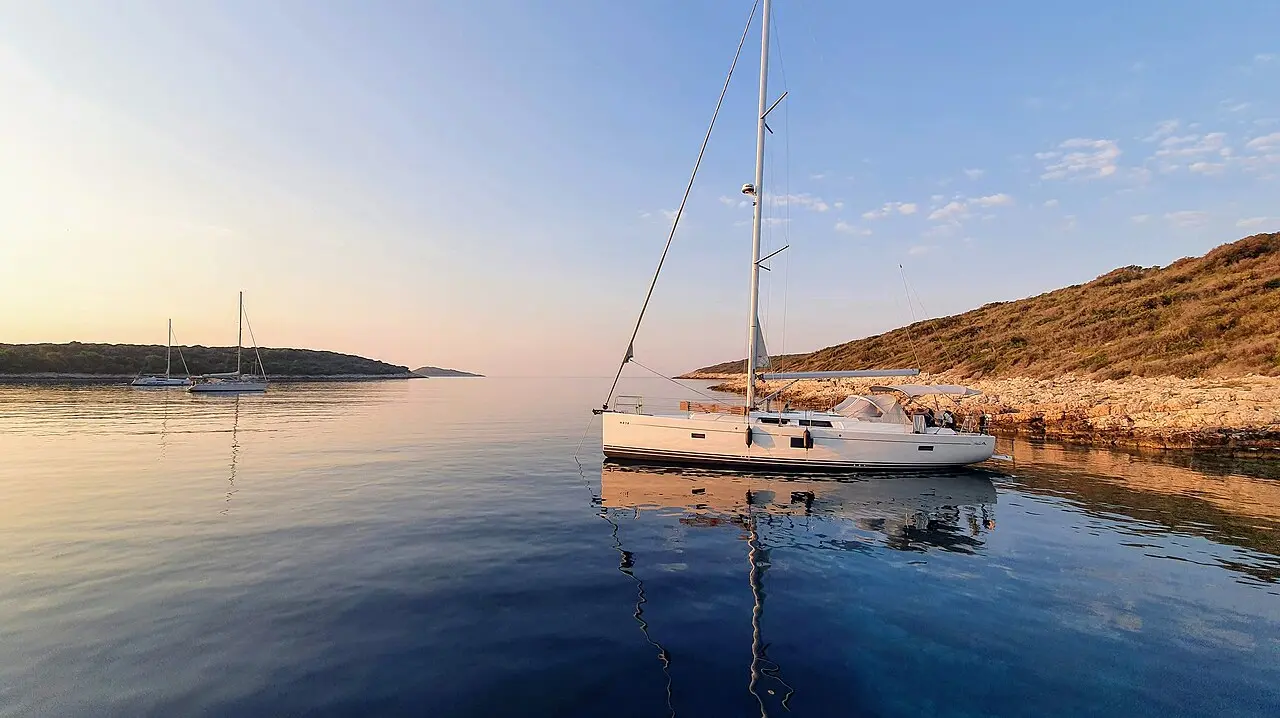
Hvar is the closer, louder, more glamorous pick from Split - about 50 minutes to an hour on a Krilo catamaran into Hvar Town at about €25 on the direct / through listing, with yacht bars and boat days to the Pakleni islets. Korčula sits further south: about €25 and roughly two and a half hours from Split on the same operator’s Getting-there table, but it hands you a walled old town, serious white wine and quieter nights. Pick Hvar when the trip hangs off Split and you like a buzz; pick Korčula when you’re coming from Dubrovnik or Pelješac, or when the week is about walls and wine instead of marina glitter. Fares and times below were checked on operator sites in late August 2026 - confirm your sailing before you pay.
Both islands are Dalmatian limestone ridges with pebble coves and stone towns. The decision isn’t “pretty vs ugly.” It’s how you arrive, how loud you sleep, and what you do after the swim.
| Hvar | Korčula | |
|---|---|---|
| From Split (catamaran) | ~50-60 min, about €25 direct (Krilo) | ~2 h 20-2 h 30, about €25 (Krilo) |
| Car ferry option | Split → Stari Grad ~2 h (Jadrolinija) | Split → Vela Luka ~3 h, or Orebić → Domince ~20 min |
| From Dubrovnik | Longer hop / day trip logic | KSC catamaran ~2 h, adult €30 (season plan May-Oct; halted after 9 Aug 2026) |
| Signature day | Fortica climb + Pakleni swim | Walled town + Pošip/Grk tasting |
| Night vibe (Jul-Aug) | Hvar Town runs late and loud | Old town café pace; far quieter |
| Beach quirk | Rock and pebble; Pakleni by boat | More sand at Lumbarda (Pržina, Bilin Žal) |
| Price band (relative) | Highest island tier | Mid - still summer-expensive |
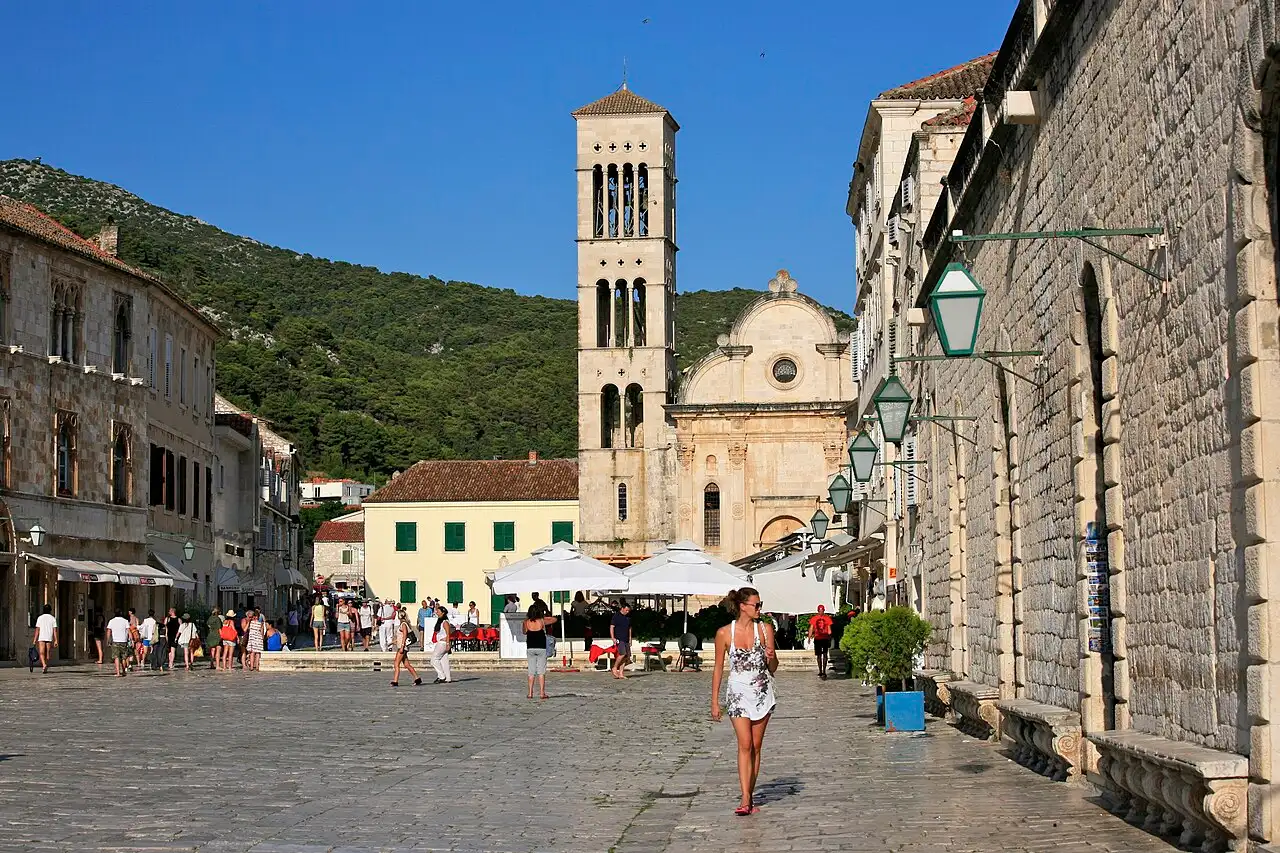
Vibe check: loud harbour vs walled town
Hvar sells itself as Croatia’s sunniest big island, and Hvar Town sells a polished harbour: marble square, Fortica fortress above the roofs, taxi-boats to the Pakleni pine islets ten to twenty minutes offshore. Inland you’ll find lavender terraces (peak late June-early July) and the UNESCO Stari Grad Plain, plus calmer bases in Stari Grad, Jelsa and Vrboska. The mismatch that trips people up: they book “Hvar” and land in the party harbour when they meant the lavender villages. The fuller Hvar travel guide splits those halves; this page only asks which island belongs on your booking.
Korčula’s main town sits on a thumb of land with Venetian walls and herringbone lanes - the “Little Dubrovnik” nickname is fair on looks, unfair on crowds. You get Pošip around Čara and Smokvica, rare Grk around Lumbarda, and the Moreška sword dance in summer. Nights are restaurant-and-promenade, not club-queue. Detail lives in the Korčula island guide; the ranking context sits in Croatia’s islands ranked, where Hvar tops the list for buzz and Korčula places for wine and history.
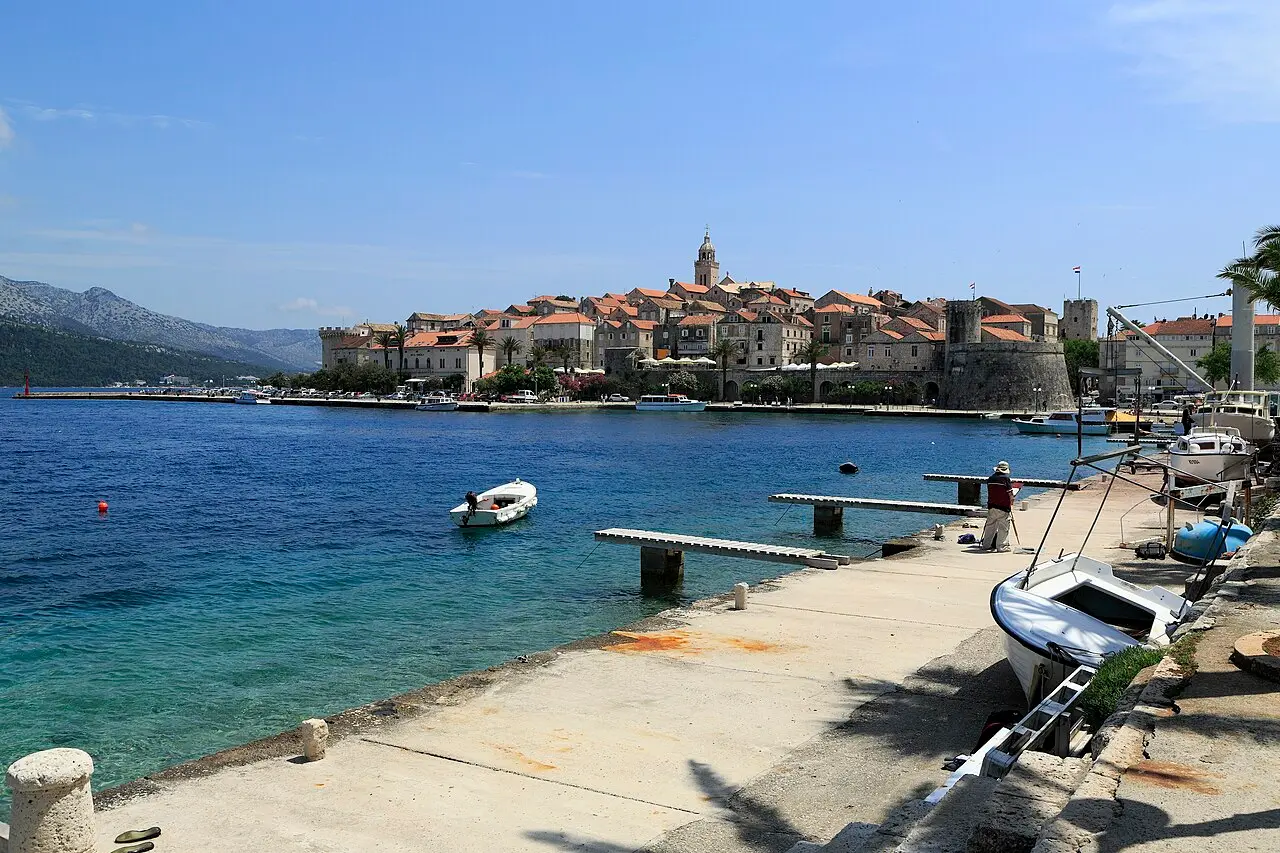
Ferries and times that decide the booking
Logistics beat aesthetics for most first-timers. Split is Croatia’s busiest island hub, so Hvar wins on pure access: Krilo’s Getting there table prices Split → Hvar Town at about €25 in roughly 50 minutes (foot only). The homepage hero “From €8.50 · 1h” is marketing tied to other routings (for example Split → Brač → Hvar → Vis at €8.50, or a Milna through-line at €15) - don’t use it as the like-for-like fare against Korčula. Bring a car and Jadrolinija’s Split ↔ Stari Grad ferry (line 635) runs about two hours; 2026 adult foot fares are €5.90 off-season and €8.40 in the high window 29 May-27 September 2026, with a standard car (up to 5 m long and 2 m high) at €35.60 / €47.60. Vehicle space sells out in peak weeks - reserve and arrive early.
Korčula from Split costs more time on the fast boats, not a dramatically different ticket. Krilo’s Korčula Getting there table lists about €25 for roughly 2 h 20-2 h 30 into Korčula Town; the destination hero still markets “from €20 / 3 h 30,” which doesn’t match that table - trust the route list and the live booking. In high summer those Hvar and Korčula legs sell out days ahead - don’t leave the booking to the pier. Driving the coast? The Orebić hop is often smarter: foot ferry into Korčula Town in about 15 minutes year-round (G&V Line Iadera), or the car ferry to Domince in about 20 minutes, then a short transfer into town. From Dubrovnik, Krilo Shipping Company ran a seasonal catamaran in 2026 (12 May-15 October, nothing out of season) via Mljet in about two hours at €30 adult / €15 child (3-12). On 28 August 2026 the same operator page still showed that May-Oct plan, but the banner said the Dubrovnik-Pomena-Korčula line ceased after the last sailing on Sunday 9 August 2026 - refunds via the purchase channel. Treat Dubrovnik→Korčula by KSC as closed until ksc.hr says otherwise; Hvar is the longer play from the south either way. Full Korčula routing sits in how to get to Korčula.
The islands also link to each other. High-season catamarans (Krilo, TP Line and sometimes Jadrolinija) cover Hvar ↔ Korčula in roughly 1 h 10-1 h 30, with adult tickets that start low on some sailings (aggregator listings from about €6 - treat as a planning ballpark and buy on the operator). That’s why a Split → Hvar → Korčula → Dubrovnik chain works without backtracking to the mainland each time.
Beaches, boats and what fills a day
Neither island is a sand factory. Hvar’s clearest water often sits a short boat ride out on the Pakleni - Palmižana, Jerolim, Stipanska - or in pebble coves like Pokonji Dol and Dubovica near Hvar Town. Korčula answers with Pupnatska Luka (steep road, limited facilities, worth it) and a sand pocket at Lumbarda that families notice immediately. Wine mornings beat beach clubs on Korčula; Hvar leans harder into boat hire and harbour evenings. You’ll want a morning boat slot in July if you’re chasing Pakleni space.
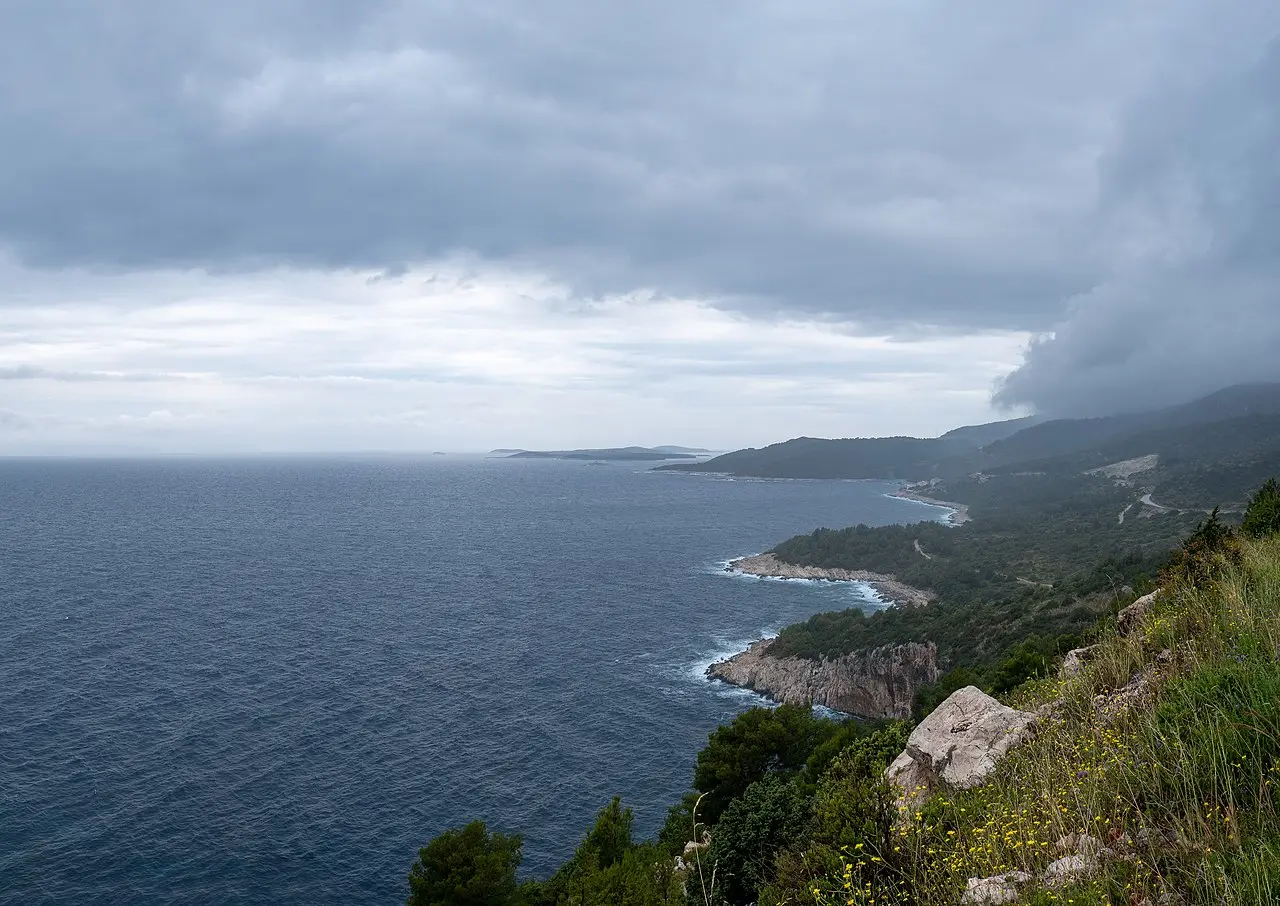
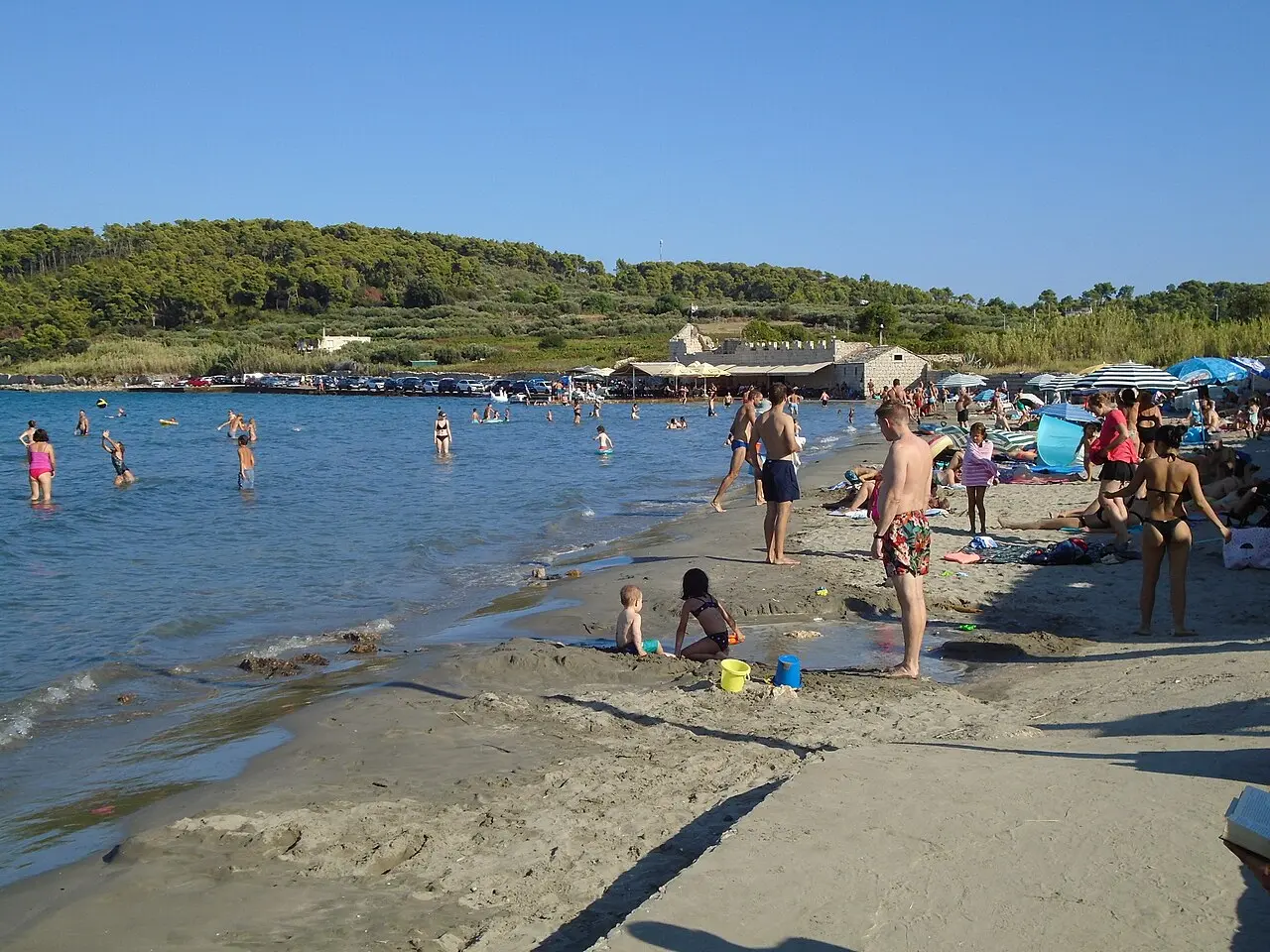
Day length differs too. A long day trip from Split covers Hvar Town, the fortress climb and a swim; Korčula from Split eats most of the daylight on the boat alone, so an overnight there pays off more cleanly. From Dubrovnik the maths flips - Korčula is the natural island day or overnight, Hvar is a stretch. It’s smarter to overnight on the farther island from your arrival airport.
Where you sleep changes the island
On Hvar, Hvar Town is the glossy, expensive, late-night address; Stari Grad and Jelsa cut the volume and put you nearer the plain and the car-ferry port. On Korčula, Korčula Town is the walled postcard (parking is tight inside); Lumbarda is wine-and-sand; Vela Luka suits the Split car ferry but sits about 45-50 minutes by road from the old town - land there for a harbour hotel and you’ve bought a taxi. Like-for-like rooms in Hvar Town usually cost more than Korčula Town in peak weeks; exact nightly rates move too fast to quote as fixed euros here, so compare live listings for your dates.
Doing both without wasting a crossing
You’ve got ten days and both names on the list? Start where your flights land. Fly Split → Hvar 2-3 nights → catamaran to Korčula 2-3 nights → onward to Dubrovnik (or reverse) is the clean spine many island-hoppers use. Keep luggage light for catamarans - they’re foot only. Don’t leave a rental car stranded: either use foot boats between islands and collect a car later on the mainland, or take Jadrolinija car ferries and accept the slower timetable. Book the Hvar and Korčula legs early in July-August; wind (especially the Bura) can delay catamarans more than car ferries.
Six trip shapes
| Trip shape | Book |
|---|---|
| First Croatia week based in Split, islands as day trips + one overnight | Hvar |
| Nightlife, yacht harbour, Pakleni boat day | Hvar (sleep in Hvar Town) |
| Quiet base, lavender / plain, still on Hvar island | Hvar - but sleep Stari Grad or Jelsa |
| Walls, wine, Moreška, calmer nights | Korčula |
| Flying into Dubrovnik or driving Pelješac | Korčula (Orebić hop or Gruž catamaran) |
| Sand with kids + tasting afternoon | Korčula - base Lumbarda |
Hvar and Korčula aren’t rivals so much as different weeks. Match the boat time and the bedtime noise to the trip you already bought tickets for, confirm 2026 fares on krilo.hr and jadrolinija.hr the week you travel, and the “wrong island” problem mostly disappears.
Opening hours, prices, timetables and seasonal services change through the year - the figures here are planning estimates, not quotes. Confirm current details with the operators and official sources before you go.
Photos
Read also

Before you go · 11 min read
Croatia in Winter: Weather, Advent & What's Open
Updated · October 23, 2026Croatia from November to March: official weather by city, which ferries and parks still run, winter tyre rules and flights. Checked 23 October 2026.

Before you go · 10 min read
Where to Stay in Korčula: Old Town to Vela Luka
Verified · September 5, 2026Korčula Town for walls and boats, Lumbarda for sand, Vela Luka for the Split car ferry. Match the base to how you arrive - then book.

Before you go · 10 min read
Sailing in Croatia: Yacht Charter Costs & Routes
Updated · September 5, 2026Croatia yacht charter 2026: bareboat weekly ranges, skipper and deposit separate, APA on crewed boats, season guides, island routes.

Before you go · 10 min read
Where to Stay in Makarska: Riviera Bases Compared
Updated · August 30, 2026Brela, Baška Voda, Makarska, Tučepi or the quieter south - which Riviera base fits beach weeks, families, nightlife and Brač ferry mornings.