
Croatia in October: Shoulder-Season Weather & What's Open
Croatia in October: warm sea to mid-month, park tickets drop 40-50%, and ferries and islands start closing for winter.
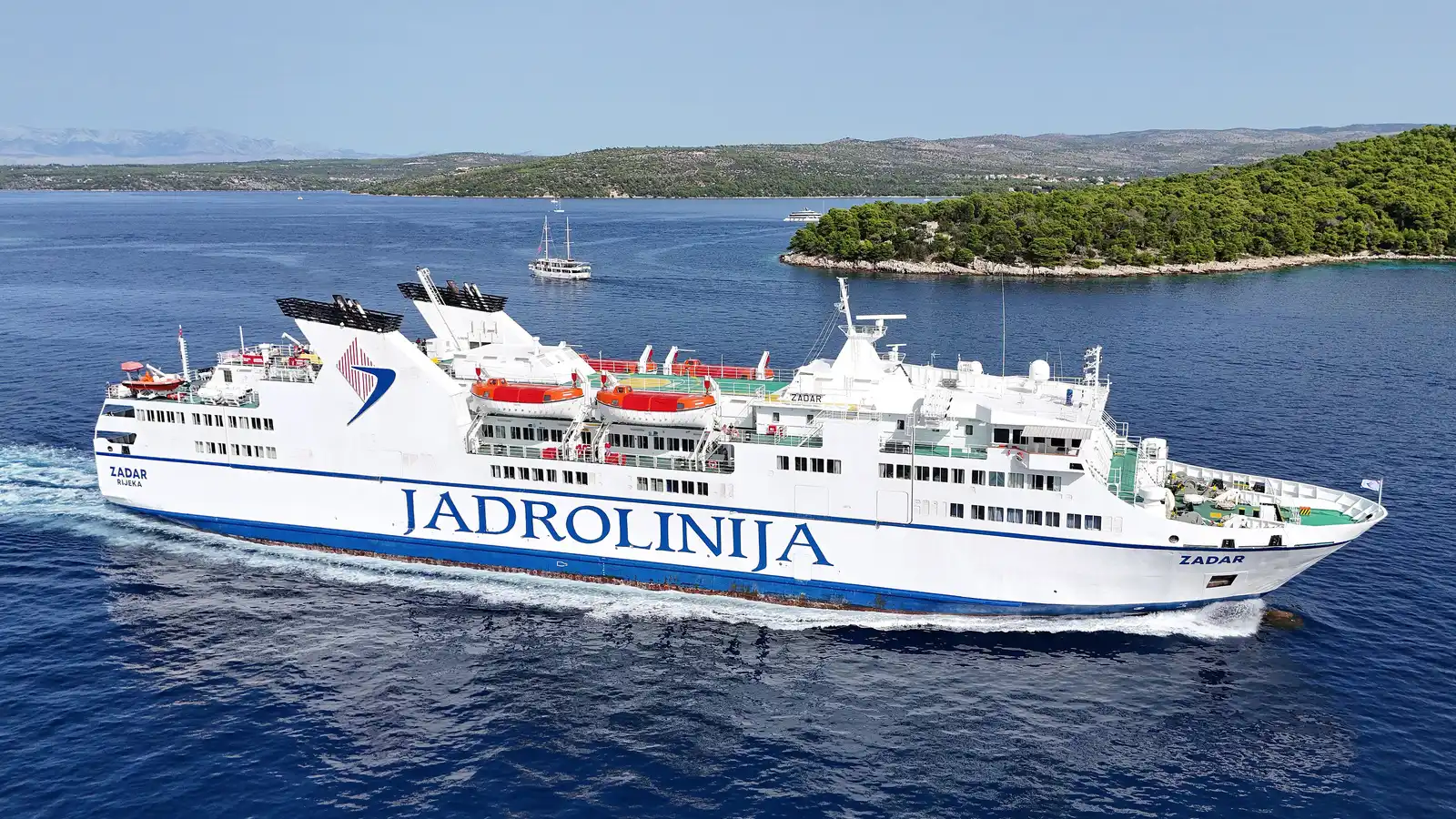
Go in the first two weeks of October and Croatia still feels close to summer, only with the crowds gone. Go in the last two weeks and you get a genuinely quieter country: the sea has cooled off, a fair number of island restaurants have already shut for winter, and the ferry timetable has thinned out. Both halves make a good trip. They just aren’t the same trip, and nothing about the word “October” printed on a calendar tells you which one you’re booking. After October, the next big inland date is the Zagreb Advent season.
Croatia uses the euro and has been in the Schengen Area since 1 January 2023, so arrival itself adds no extra paperwork this month. The real planning questions are practical ones: which ferries are still running, which restaurants are still open, and how much less you’ll pay for all of it. Two numbers set the scene early. National park tickets drop by roughly a third to a half from their summer rate, and the sea holds a genuinely swimmable 20-21C through the first half of the month before it slides toward the high teens by the end. Everything else here - the boats, the restaurant hours, the daylight - runs on that same early-late split.
Weather across the coast in October
October’s air temperature depends far more on where you are than on the date on the calendar. On the coast, daytime highs run around 19C in Split, Dubrovnik and Pula alike, dropping to 9-11C overnight - Pula holds the mildest nights of the three, Dubrovnik the coolest by this particular measure, a smaller regional gap than most people expect. Inland, Zagreb runs a few degrees cooler by day at around 16C and properly chilly by night at 7C, a reminder that the capital’s autumn arrives ahead of the coast’s. Rain becomes a real factor for the first time since spring: the coast sees rain on 10-12 days across the month, with Dubrovnik catching the heaviest total at around 129mm against Split’s 102mm and Istria’s gentler 90mm. Sunshine drops with it, from summer’s stretch of 11-14 hours a day down to somewhere between four and six. None of this is dramatic weather - it’s an ordinary European autumn, not a washout - but it’s a real drop from September, and a layer you didn’t need in August earns its space in the bag.
Is the sea still swimmable?
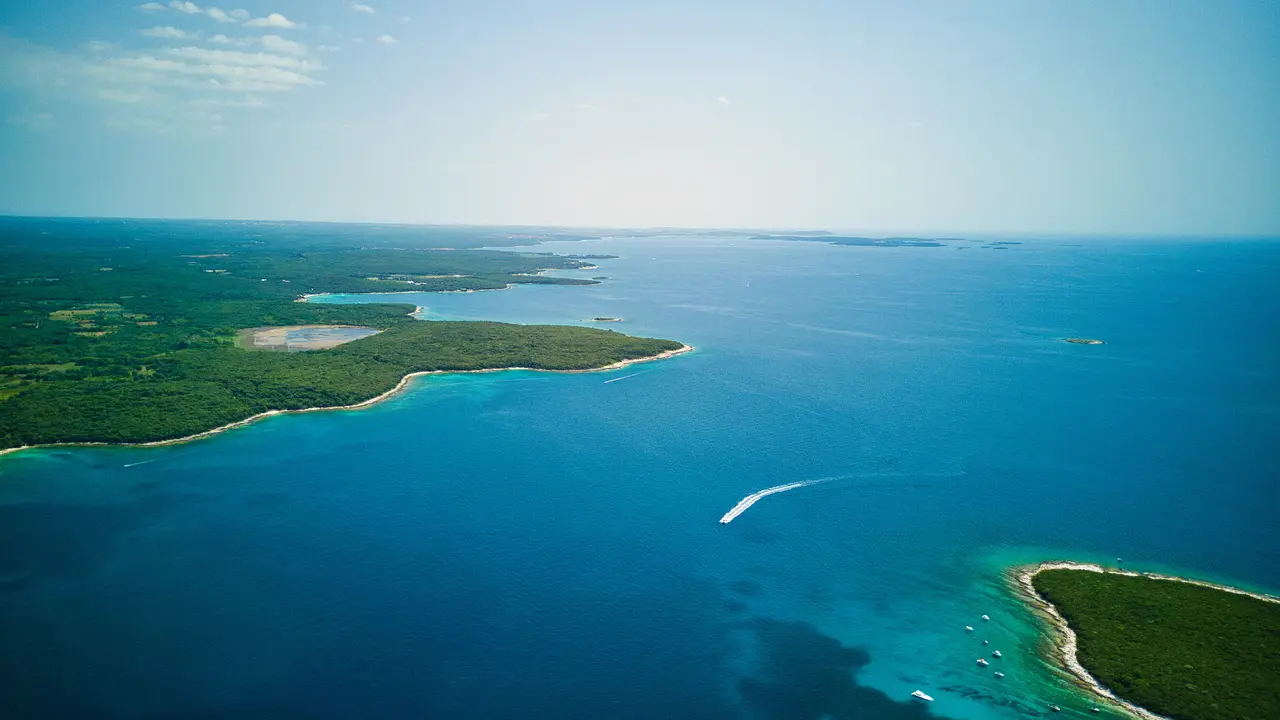
Yes, for a while. The Adriatic warms and cools slowly, so it carries real heat into October: figure on 20-21C through the first couple of weeks, a degree or two warmer again in the far south near Dubrovnik and the islands off the Pelješac peninsula. That’s a proper swim, not a token dip you take once so you can say you did it. The change comes after the middle of the month. Nights get longer, the sea loses its stored summer warmth quickly, and by the last week the water has usually dropped toward 18C or lower, with the northern coast cooling first and the south holding out longest. If a swim matters to the trip, front-load it: book the first half of the month and lean as far south as your route allows. For the full month-by-month numbers behind this, see our Croatia sea temperature guide.
Ferries and island life start winding down
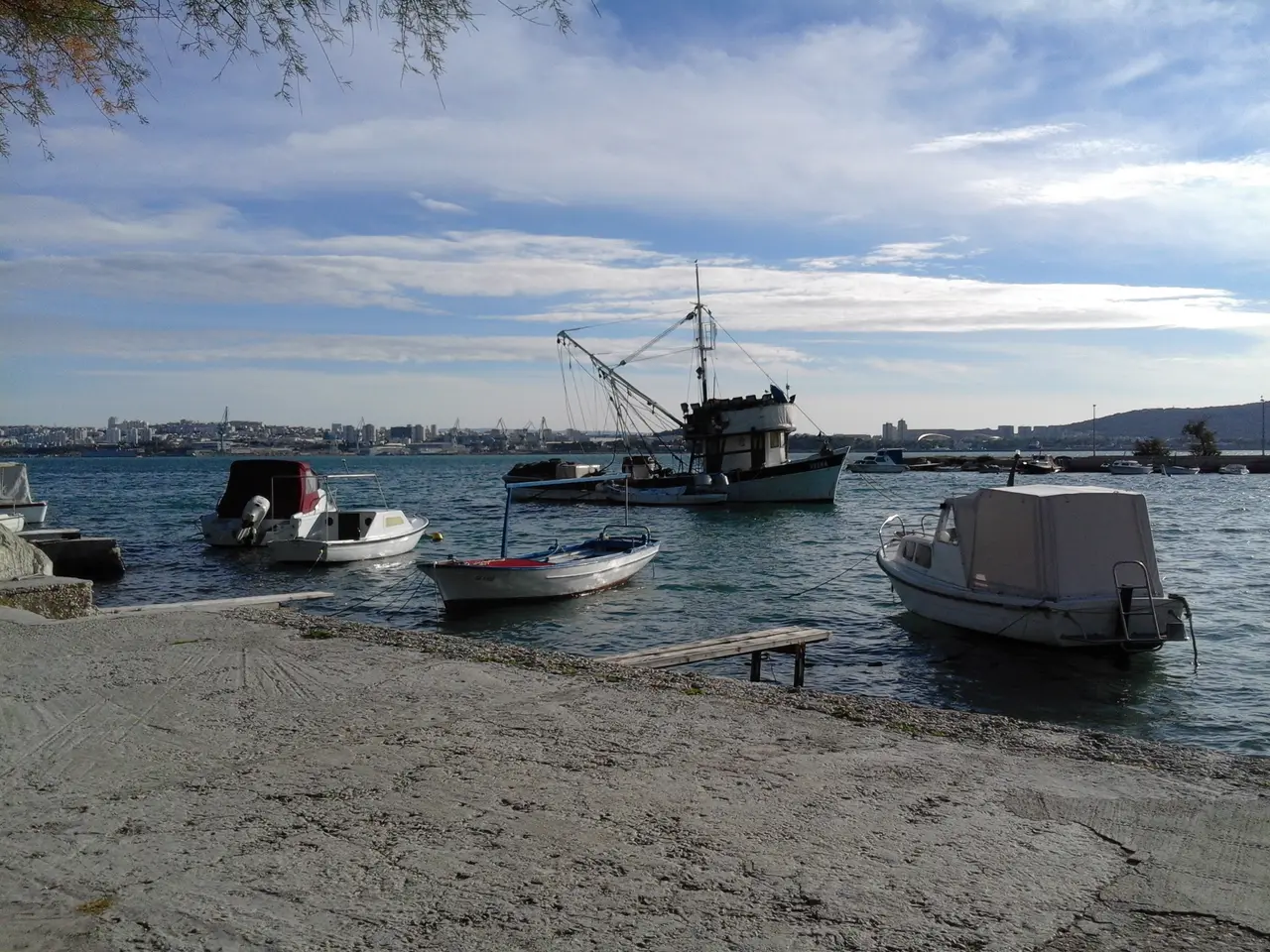
October is when Croatia’s transport network visibly downshifts, though not all at once or on one single date. Take Jadrolinija’s Split-Supetar run, among the busiest short hops to an island: it drops from 14 sailings a day each way in summer to 12 once low season starts on 1 October, and that’s actually a gentle cut by the network’s own standards, since Split-Supetar is one of only five routes nationwide that Jadrolinija now runs without a deeper winter gap. Most other lines pull back harder. The standing rule on this coast is that spring, autumn and winter timetables shrink to a handful of sailings a day, and on the smaller routes to a few a week, so treat any October timetable you find online as a starting point and confirm it close to your date rather than months out.
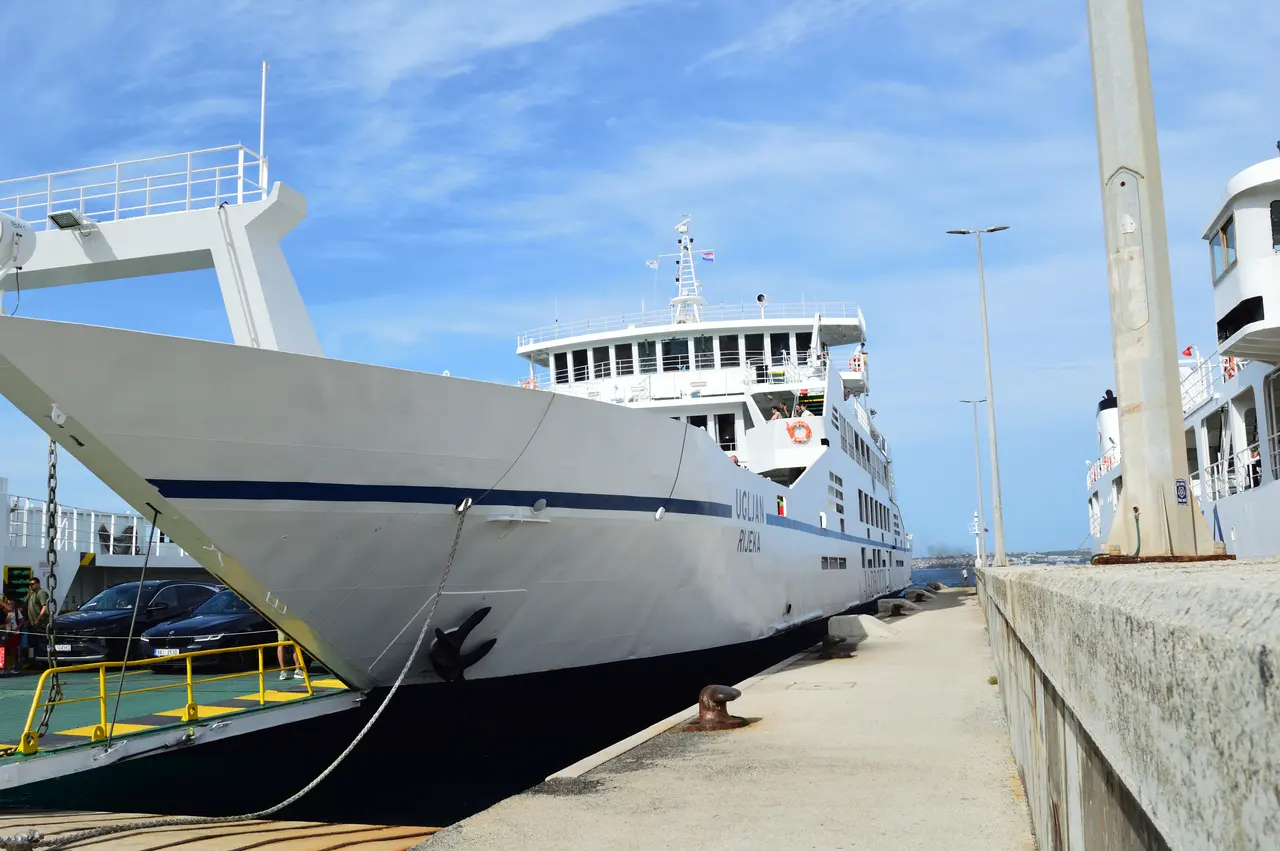
One international link has already stopped for the year. SNAV’s seasonal Ancona-Split cruise ferry ran from 1 April to 4 October 2026 and its next season starts on 12 April 2027, according to SNAV’s own timetable page (read 19 October 2026). Jadrolinija’s Italy lines aren’t a fallback for the rest of the year either: all three run off one ship, and after a technical fault on it the operator’s notice of 21 October 2026 says Jadrolinija will not operate any sailings on its international routes until 5 January 2027, which as of 23 October 2026 includes L53 Split-Ancona, L54 Dubrovnik-Bari and L56 Split-Bari. L54 and L56 are summer-season lines. Check the operator’s passenger notices for your own dates before you count on a boat from Italy. On the domestic network the boats themselves don’t disappear, only the frequency does - a ship like the Jadrolinija ferry Ugljan, which covers the 20-minute Zadar-Preko crossing, keeps working straight through winter, it just does it less often. For the wider network and how to plan a multi-island route around it, see island hopping in Croatia. The timetable picture from November is in Croatia in winter.
Plitvice and Krka: shorter days, a smaller bill
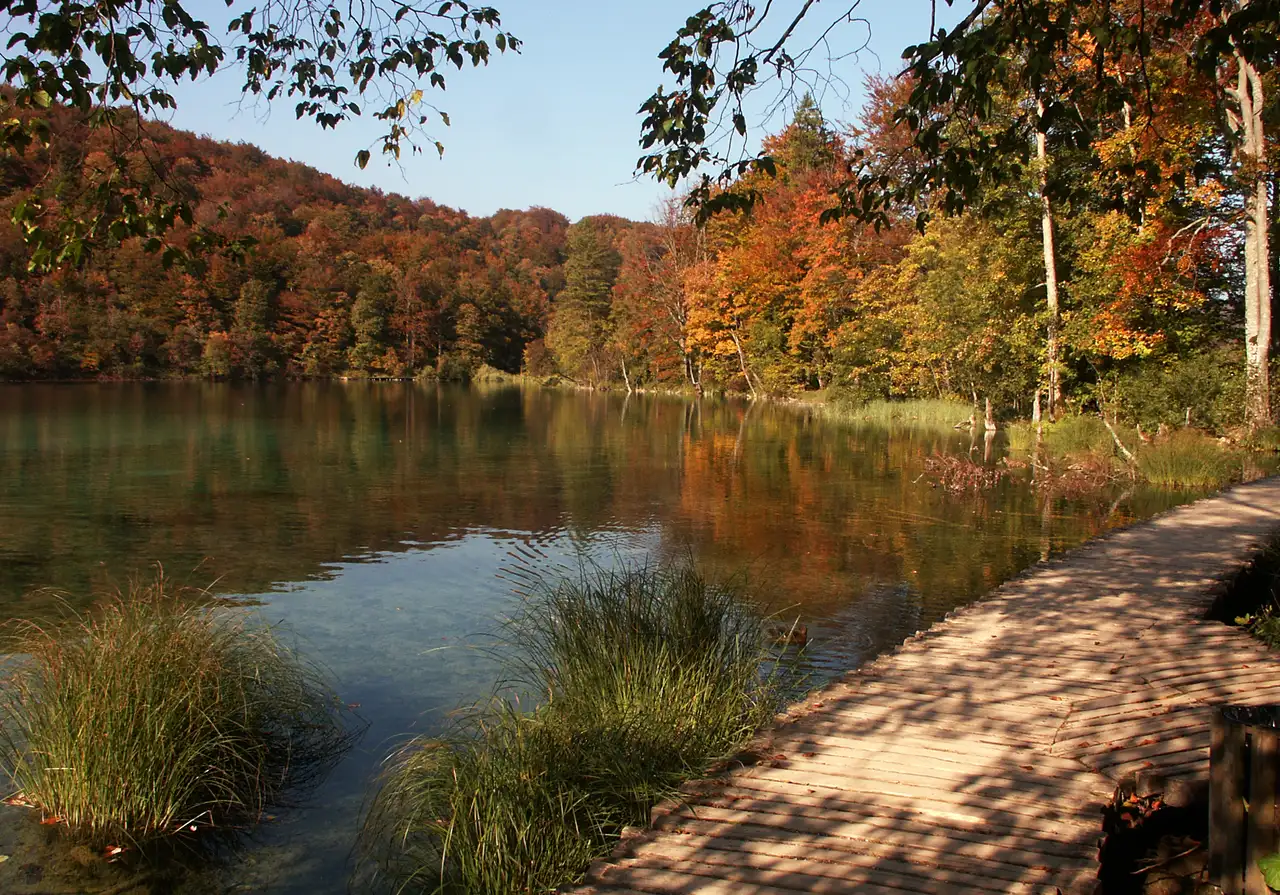
Croatia’s two biggest national parks both run season-priced tickets, and both fold October into the same bracket as spring rather than treating it separately. At Plitvice Lakes, the official 2026 price list charges €40 for an adult ticket from June through September (€25 after the afternoon cutoff), groups April, May and October together at €23, and drops again to €10 from November - a 42% cut from peak, for a park that arguably looks its best this month, when the beech and maple around the lakes turn and the boardwalks go from shoulder-to-shoulder in August to merely busy. Krka uses the identical structure and is cheaper at every tier: €40 in peak summer becomes €20 across April, May and October, exactly half, before it settles at €7 from November. One date matters here specifically: the boat from Skradin and the shuttle bus from Lozovac, both included in the entrance ticket, run only from 1 April to 31 October, so the free ride in to Skradinski Buk ends when the month does - from November you may be walking in instead. Opening hours shrink too, though no park publishes an exact October closing time in advance, so it’s worth planning on less daylight than an August visit and checking the current hours on the park’s own site before you set off.
What’s on: baroque concerts and truffle weekends
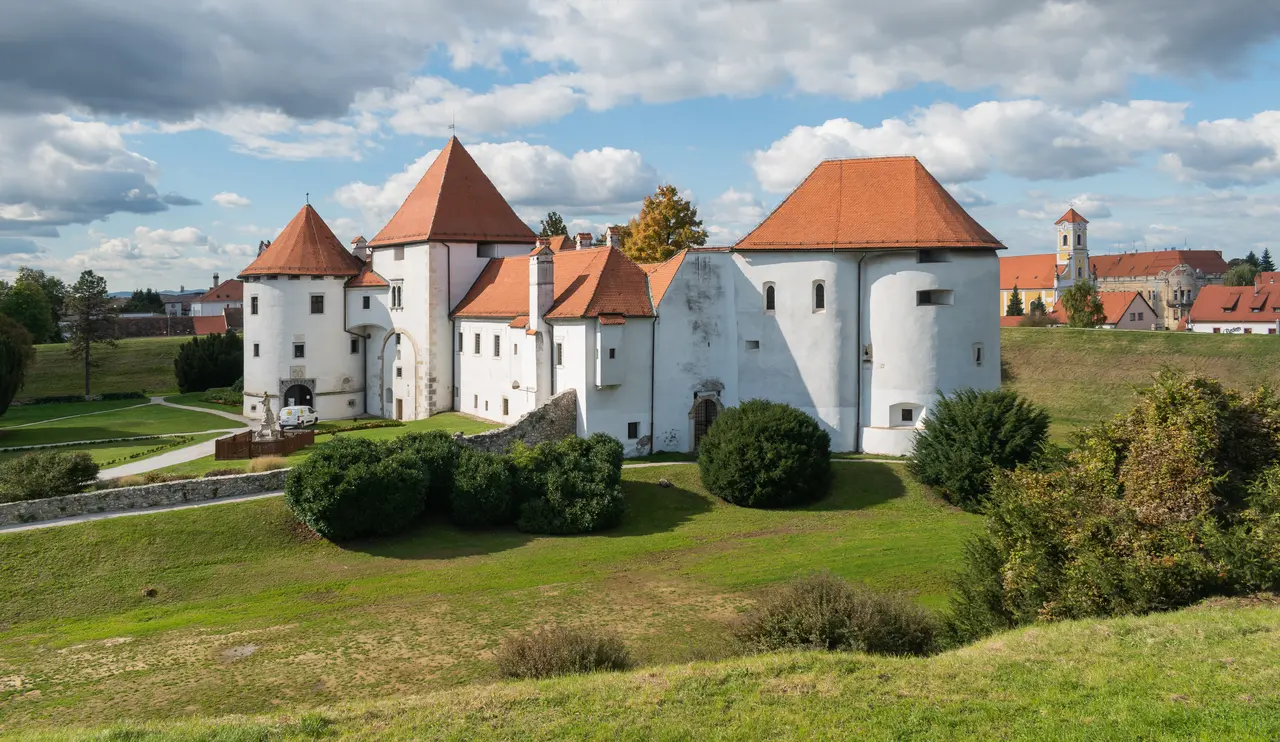
Once the coast quiets, the continental north takes over the calendar - with one caveat worth knowing before you book. Varaždin’s Baroque Evenings, the big classical draw up there, closes its 56th edition on 29 September 2026, the day before October starts: 28 concerts across Varaždin, Trakoščan and Opeka, and all of them gone by the time this month begins. If that festival is what you were coming for, you want the last week of September, not the first of October. What October does have inland is Croatia’s wider autumn festival calendar - and over in Istria, Zigante Truffle Days take over the village of Livade on autumn weekends every year - in 2026 that is every Saturday and Sunday from 3 October to 1 November, 10:00 to 19:00, free to walk in - tastings, cooking demonstrations and forest outings with the dogs that do the actual finding. It’s also, by that same festival’s own reckoning, a cheaper time of year to book a room and a rental car in Istria, which is nearly as good a reason to go as the truffles themselves.
Early October or late October
If you get to choose your two weeks, you’re really choosing between two different trips, not two shades of one. The first half still runs close to a compressed summer: warm water, longer daylight, ferries near full frequency and most island restaurants open for business. The second half is quieter, cheaper and greyer, with more of the coast’s small operators closed for the season and the evenings arriving noticeably earlier. One EU-wide detail lands right inside that second half: clocks go back an hour on Sunday, 25 October 2026, so dusk shows up about sixty minutes earlier from the next morning on - worth knowing if you’re driving an unlit stretch of coastal or mountain road, or timing a last boat back to the mainland. It also isn’t yet the season to relax about open flames: the outdoor fire and barbecue ban that runs 1 June to 31 October covers the whole month, so a beach bonfire is still off-limits even once the air has properly cooled. For how October compares with other months on price, is Croatia expensive? breaks the shoulder season down in more detail, and our page on safety in Croatia covers the fire rules in full.
One more thing worth knowing, since it isn’t scheduled anywhere official: family-run restaurants and guesthouses on the smaller islands, Hvar and Vis among them, start closing for winter from the first week of October and keep closing as the month goes on. It’s a business-by-business decision, not a coordinated date, so if a specific address matters to your evening, it’s worth a quick call ahead, especially past the first ten days.
Is October a good time to visit Croatia?
October earns a yes, on one condition: know which two weeks you’re actually booking. Pick the first half for a trip that still delivers a swimmable sea, close-to-normal ferries and open restaurants, at a noticeably lower price than August and without the queues. Pick the second half only if the beach isn’t the point - it suits city breaks, the national parks in full colour and Istria’s truffle season well, and suits a swimming holiday badly. Weigh it against Croatia’s other shoulder-season pick in our Croatia in May vs September comparison, or see the whole year laid out in the best time to visit Croatia.
October quick tips
- Front-load the swim. Book the first two weeks if warm water matters, and lean south toward Dubrovnik for the extra degree or two.
- Check ferries close to your date, not months out. October frequencies run below September’s, SNAV’s Ancona-Split ferry finished its 2026 season on 4 October, and Jadrolinija’s three Italy lines are off until 5 January 2027, per its notice of 21 October 2026.
- Budget less for the big parks. Plitvice and Krka both cut their ticket price by roughly a third to a half once October starts.
- Call ahead on the smaller islands. Restaurants and family-run guesthouses on Hvar, Vis and similar islands begin closing for winter from the first week of October, and a specific address may already be shut by the back half of the month.
- Mind the clock change. Clocks go back on Sunday, 25 October 2026, so plan for an earlier sunset on anything booked for the evening.
- Pack for real weather. A layer and something waterproof - October brings the year’s first proper rain, Dubrovnik especially.
Opening hours, prices, timetables and seasonal services change through the year - the figures here are planning estimates, not quotes. Confirm current details with the operators and official sources before you go.
Read also

Before you go · 11 min read
Croatia in Winter: Weather, Advent & What's Open
Updated · October 23, 2026Croatia from November to March: official weather by city, which ferries and parks still run, winter tyre rules and flights. Checked 23 October 2026.

Before you go · 10 min read
Where to Stay in Korčula: Old Town to Vela Luka
Verified · September 5, 2026Korčula Town for walls and boats, Lumbarda for sand, Vela Luka for the Split car ferry. Match the base to how you arrive - then book.

Before you go · 10 min read
Sailing in Croatia: Yacht Charter Costs & Routes
Updated · September 5, 2026Croatia yacht charter 2026: bareboat weekly ranges, skipper and deposit separate, APA on crewed boats, season guides, island routes.

Before you go · 10 min read
Where to Stay in Makarska: Riviera Bases Compared
Updated · August 30, 2026Brela, Baška Voda, Makarska, Tučepi or the quieter south - which Riviera base fits beach weeks, families, nightlife and Brač ferry mornings.