
Cheapest Time to Visit Croatia (and Still Have Good Weather)
The cheapest time to visit Croatia with decent weather is early October, when park tickets, ferry fares and the tourist tax all drop on the same day.
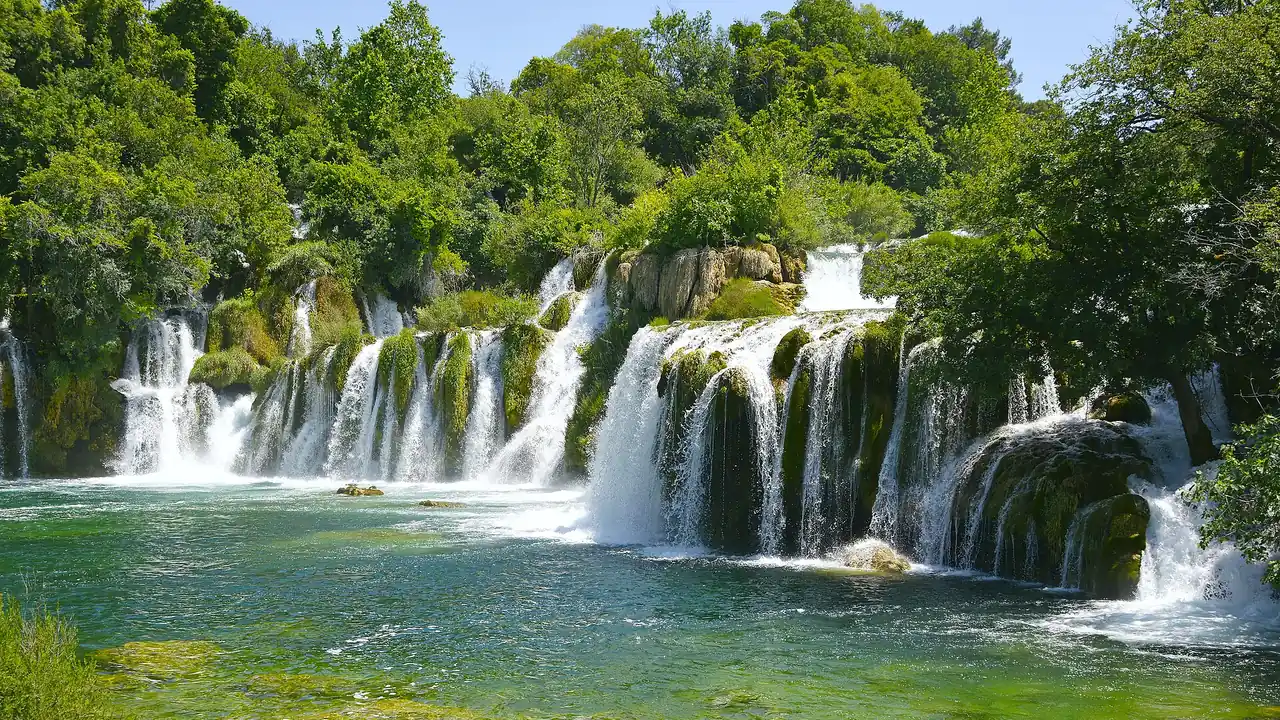
The cheapest time to visit Croatia with weather still worth having is the first half of October. On 1 October a set of prices steps down on the same day: a Krka National Park ticket falls from 40 to 20 euros and Plitvice from 40 to 23 - and in the dead of winter they drop again, to 7 euros at Krka and 10 at Plitvice, a fifth to a quarter of the summer price, the tourist tax drops by roughly 50 to 80 cents a night, ferry lines switch to low-season fares, and hire cars hit their annual floor - while the sea is still around 22-23°C and the coast is dry and warm. Late May and early June is the spring equivalent, cheaper than August but with a cold sea. The absolute cheapest months are January and February, and they’re cheap for a reason.
The useful thing to understand about Croatian pricing is that it doesn’t slide gently downhill after August. It falls off ledges on fixed calendar dates, and most of those ledges are on 1 June and 1 October. Move your trip four days and you can pay a third less for exactly the same weather. One inland exception: Zagreb hotel rates rise again toward Zagreb Advent, when winter demand returns to the capital.
The 1 October cliff, in numbers
Croatia’s headline attractions publish official seasonal price lists, and they all pivot at the end of September. These are the 2026 rates.
| What | June-September | From 1 October | Winter (Nov-Mar) |
|---|---|---|---|
| Krka National Park, adult | €40 (€30 after 15:00) | €20 (Oct) | €7 |
| Plitvice Lakes, adult | €40 (€25 after 16:00; 15:00 in Sept) | €23 (Oct) | €10 |
| Dubrovnik City Walls, adult | €40 | €40 until the end of October | ~€15 (Nov-Feb, reported) |
| Tourist tax, per person per night | ~€1.90-2.65 (1 Apr-30 Sep) | ~€1.40-1.85 | ~€1.40-1.85 |
| Jadrolinija fares | high season (June-Sept) | low season | low season |
For a couple doing both big national parks, crossing that date saves €74 on tickets alone (€40 saved at Krka, €34 at Plitvice), before the tax, the ferries or the room. That’s a flight for one of you.
The same logic runs in reverse in spring: Krka is €20 in April and May and jumps to €40 on 1 June, and Plitvice is €23 until the end of May. A last-week-of-May trip and a first-week-of-June trip look identical in the photos and differ sharply on the receipts.
Accommodation: where the real money is
Rooms are the biggest line in a Croatia budget, and they follow demand rather than a published calendar. Industry data on Croatian short-term rentals for 2025 puts the average daily rate at about €175 in July and €160 in August, against €141 in June and roughly €95-105 in the dead of winter, with an annual average near €116.
Occupancy tells the story more bluntly: about 79% in August and 73% in July, but 55% in June and under 20% in January and February. Once occupancy drops, hosts negotiate. From late September onwards you’re dealing with owners who would rather take a lower rate than have an empty week, which is why the shoulder discount on the coast is usually larger than the headline rate cards suggest.
Two practical patterns. First, a few streets back from the seafront costs materially less than the promenade in any month, and the gap widens in peak season. Second, weekly bookings in apartments are often priced below seven nightly rates, especially once the peak passes. For the underlying numbers on what a trip actually costs, see is Croatia expensive?, and for the fees people forget to budget for, Croatia’s hidden costs. The one cost worth keeping even on a tight budget is travel insurance, because off-season flight cancellations and closures are exactly what it covers.
Flights: cheap tickets, disappearing routes
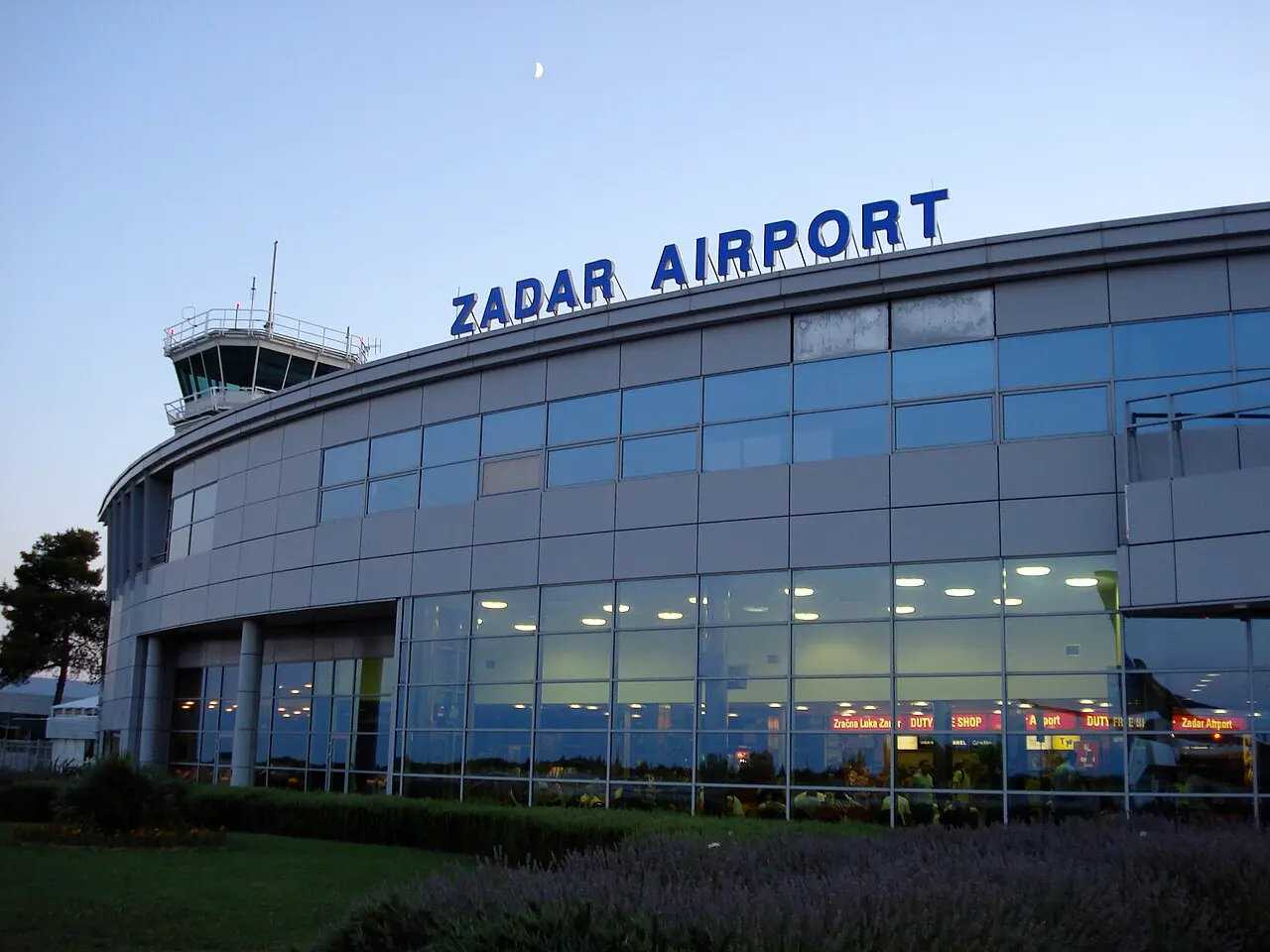
Airfares to Croatia are lowest in winter, and here’s where the “cheapest month” question gets a trap in it. Croatia’s coastal airports - Split, Dubrovnik, Zadar and Pula - are seasonal operations. In summer they fill with low-cost and charter flights from across Europe; in winter most of those routes simply stop, and Zagreb is the only airport running a full year-round schedule.
So a January flight can be genuinely cheap, but it may land you in Zagreb with a three- to four-hour drive to Dalmatia, in weather that makes the drive unappealing. In practice you’ll find the sweet spot for flights is the same as for everything else: late September and October, when seasonal routes are still operating but the peak-season pricing has gone. You’ll want to book those weeks early, though, because capacity is already thinning out.
Cars and ferries
Car hire is the most seasonally distorted price in the country. Rates in June to August typically run two to three times what the same car costs in other months, and aggregator data puts October among the cheapest months of the year for a mid-size car, roughly a quarter below the annual average. If your trip depends on a car, you’ll often save enough just by shifting the dates.
Ferries move less, but they move in the same direction. Most Jadrolinija routes carry separate low and high-season fares, with the high season running June to September, so October crossings are charged at the lower rate. The catch is frequency: the summer timetable ends in late September or early October, and departures across the network drop by roughly half out of season. For island-hopping in October that means fewer catamarans and less flexibility, not necessarily a worse trip - but you’ll want to plan the sequence instead of improvising.
What you actually get for the money in early October
The saving only counts if the holiday still works - and it does, early in the month. In the first half of October the sea on the Dalmatian coast is still around 22-23°C, which is swimmable for most people and warmer than it was in May. Days are usually dry and warm, evenings need a jacket, and in the old towns you walk instead of shuffling through a crowd. The sea temperature month by month is the number to check if swimming is the point of your trip.
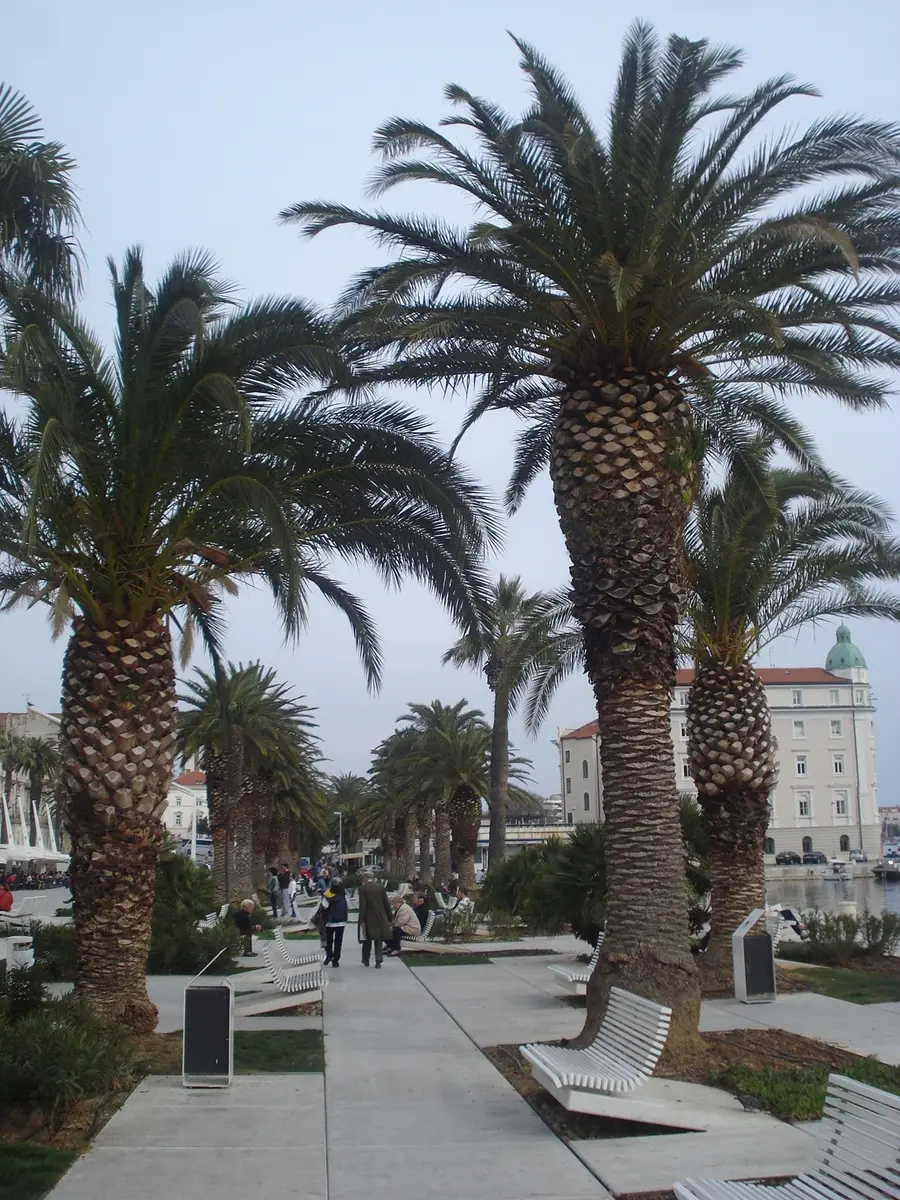
What you’ll lose: some seasonal restaurants, beach bars and island businesses start closing from mid-October, boat frequency falls, and the weather becomes less reliable as the month goes on. The first two weeks are the sweet spot; by the last week of October you’re gambling.
If you want the warm sea more than the discount, the second half of September is the compromise - water at 23-24°C, accommodation already below August rates, but park tickets, ferry fares and tourist tax still at summer levels. Our head-to-head on Croatia in May vs September works through that trade-off in detail.
January and February: the cheapest of all
If price is the only thing that matters, the answer is January and February. Rental rates bottom out near €95-105 a night on average, Krka costs €7, Plitvice €10, the Dubrovnik City Walls reportedly fall to about €15 from November to the end of February (the operator doesn’t publish a winter price), and the tourist tax sits at the low-season rate.
The trade-offs are real. The coast is mild but wet and windy, many island and seaside businesses close, ferry and catamaran schedules thin right out, and most direct flights to the coast aren’t operating. A winter trip to Croatia is a good idea if you’re going to Zagreb for a city break or the Advent market, or if you want Dubrovnik’s old town almost to yourself. It’s a bad idea if you pictured swimming.
Five ways to spend less without changing your dates
- Buy park tickets for an afternoon slot. Krka charges €30 instead of €40 after 15:00 in high season, and Plitvice €25 instead of €40 after 16:00 (after 15:00 in September). On a hot day the afternoon is the better walk anyway.
- Sleep inland, drive to the beach. A room in a village ten minutes back from the water is a different price bracket from the same room on the promenade.
- Skip the seafront lunch. The terrace with the view charges for the view; a konoba two streets in doesn’t.
- Cross to the islands as a foot passenger. Taking a car onto a ferry multiplies the fare; renting a scooter or using local buses on the island is often cheaper for a short stay.
- Check the tourist tax on your booking. It’s charged per person per night on top of the room rate and varies by town: at Dubrovnik’s high-season €2.65 a family of four on a ten-night trip pays €106 of it, about €80 at Split’s €2.00.
The short answer
For value with usable weather, go in the first two weeks of October, or in late May if you don’t mind a cool sea. For warmth with a modest discount, go in the second half of September. For the lowest possible price, go in January or February and plan a city trip rather than a beach holiday. And whichever you choose, check the calendar dates rather than the month name: crossing 1 October or 1 June is worth more than picking the “right” month.
For the wider picture of what each part of the year is like, see our month-by-month guide to the best time to visit Croatia, and the walking seasons at Krka and Plitvice.
Ticket prices, tourist-tax rates, ferry tariffs and flight schedules change every season - confirm the current figures with the national parks, Jadrolinija and your accommodation before you book. Prices above were checked on 23 July 2026.
Photos
Read also

Before you go · 10 min read
Where to Stay in Korčula: Old Town to Vela Luka
Verified · September 5, 2026Korčula Town for walls and boats, Lumbarda for sand, Vela Luka for the Split car ferry. Match the base to how you arrive - then book.

Before you go · 10 min read
Sailing in Croatia: Yacht Charter Costs & Routes
Updated · September 5, 2026Croatia yacht charter 2026: bareboat weekly ranges, skipper and deposit separate, APA on crewed boats, season guides, island routes.

Before you go · 10 min read
Where to Stay in Makarska: Riviera Bases Compared
Updated · August 30, 2026Brela, Baška Voda, Makarska, Tučepi or the quieter south - which Riviera base fits beach weeks, families, nightlife and Brač ferry mornings.

Before you go · 8 min read
Hvar or Korčula: Which Island Fits Your Trip?
Verified · August 28, 2026Hvar or Korčula in 2026? Split catamarans (~€25 like-for-like), vibe, beaches and who each Dalmatian island suits - plus the hop between them.