
Croatia Cost of Living for Digital Nomads
Croatia cost of living for digital nomads in 2026: realistic monthly budgets, rent in Zagreb and Split, insurance, eSIM and money notes.
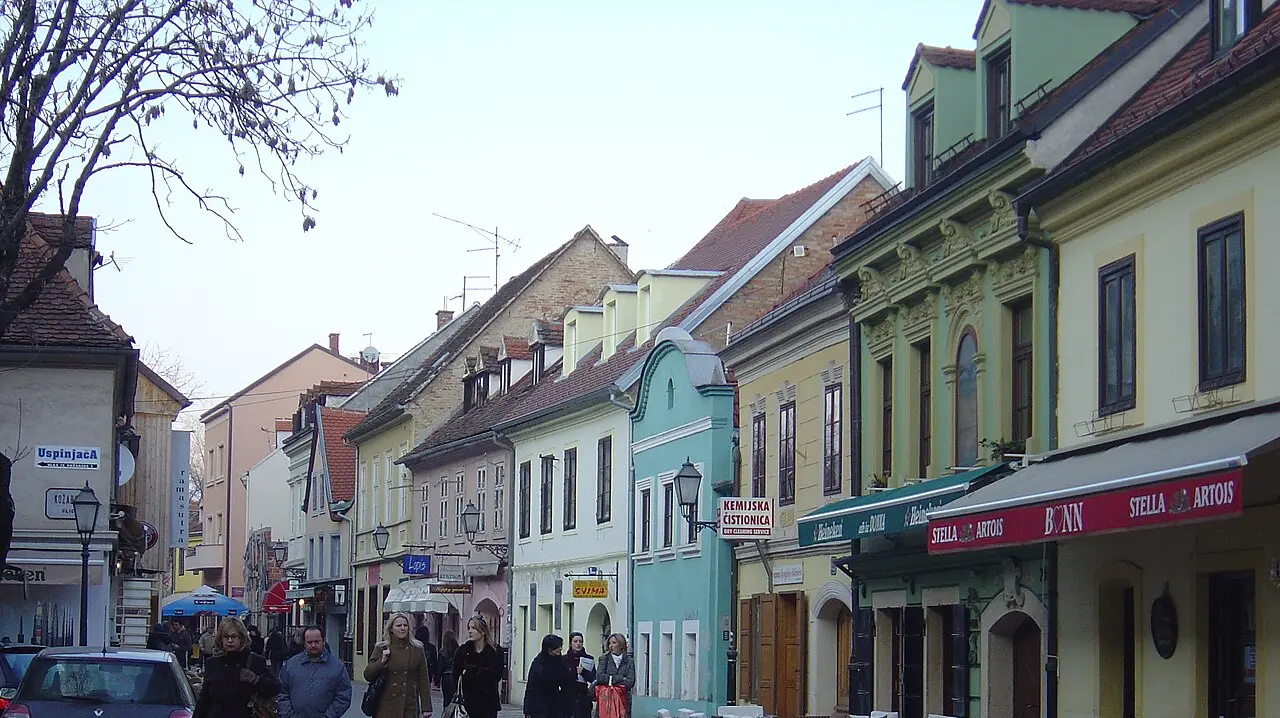
For a solo digital nomad, a realistic Croatia cost of living budget in 2026 is about €1,250-1,800 per month in Zagreb and €1,450-2,100 in Split if you rent a one-bedroom apartment, cook some meals and work from home or cafes. The biggest variable is housing: Zagreb is steadier year-round, while Split and the coast jump sharply in July and August.
This is a planning guide, not a price guarantee. The figures below are ballpark ranges checked on 25 June 2026 against current cost-of-living data, official visa rules and live insurer/eSIM pages. Always confirm rent, insurance and mobile prices before you sign or buy.
Money and residency disclaimer. Cost ranges move with season, neighbourhood, lease length and exchange rates. The digital-nomad income threshold is a legal requirement and can be re-indexed; confirm it on MUP before applying. Nothing here is legal, tax, financial or insurance advice.
Monthly budget: the short answer
If you want one number, budget €1,500-1,900 per month for a comfortable but not luxurious solo base in Croatia. You can live below that in an inland city or with shared housing; you can easily exceed it in Split, Dubrovnik, Hvar or Rovinj in summer.
| Monthly item | Zagreb | Split / coast |
|---|---|---|
| One-bedroom rent | €575-950 | €640-1,120+ |
| Utilities + home internet | €170-240 | €175-240 |
| Groceries | €260-380 | €280-420 |
| Cafes / eating out | €160-300 | €190-360 |
| Local transport | €35-55 | €35-60 |
| Mobile / eSIM | €15-35 | €15-35 |
| Insurance | from about US$63 per 4 weeks | from about US$63 per 4 weeks |
| Practical solo total | €1,250-1,800 | €1,450-2,100 |
Numbeo’s June 2026 data puts a single person’s non-rent costs at roughly €822 in Zagreb and €820 in Split. That’s useful as a baseline, but a nomad budget usually lands higher once you add coworking days, airport transfers, ferry trips, subscriptions, visa paperwork and a buffer.

Rent: the line that decides everything
Rent is the only category that can break the budget. Rent has no operator to ask - nobody publishes a tariff for a one-bedroom flat - so the honest source here’s a resident price survey. On Numbeo’s June 2026 data a Zagreb one-bedroom runs €650-950 in the city centre and €500-650 outside it. Read those as bands, not quotes. That makes the capital the better base if you want predictable costs, a normal workweek rhythm and less pressure from short-term tourism.
Split is more expensive and more seasonal. The same data shows a one-bedroom at €800-1,120 in the centre and €600-850 outside the centre, before the worst summer pressure. Real long-stay availability can be thinner than the raw numbers imply because many owners switch to weekly tourist rentals from late spring.
For the coast, the practical rule is simple: sign a longer lease in autumn or winter, or expect either a higher price or a move-out date before peak season. If you only need the coast for a month, treat it as a travel month, not a stable base month. Start with a short stay through an apartment or hotel search, then inspect long-term listings in person before paying a deposit.
Zagreb vs Split vs smaller cities
Zagreb is the strongest year-round value: trams, hospitals, coworking, government offices, winter life and a larger rental market. It’s not the Adriatic fantasy, but it’s the easier place to run calls, renew documents and keep rent under control. Read the wider relocation context in our Croatia digital nomad visa guide.
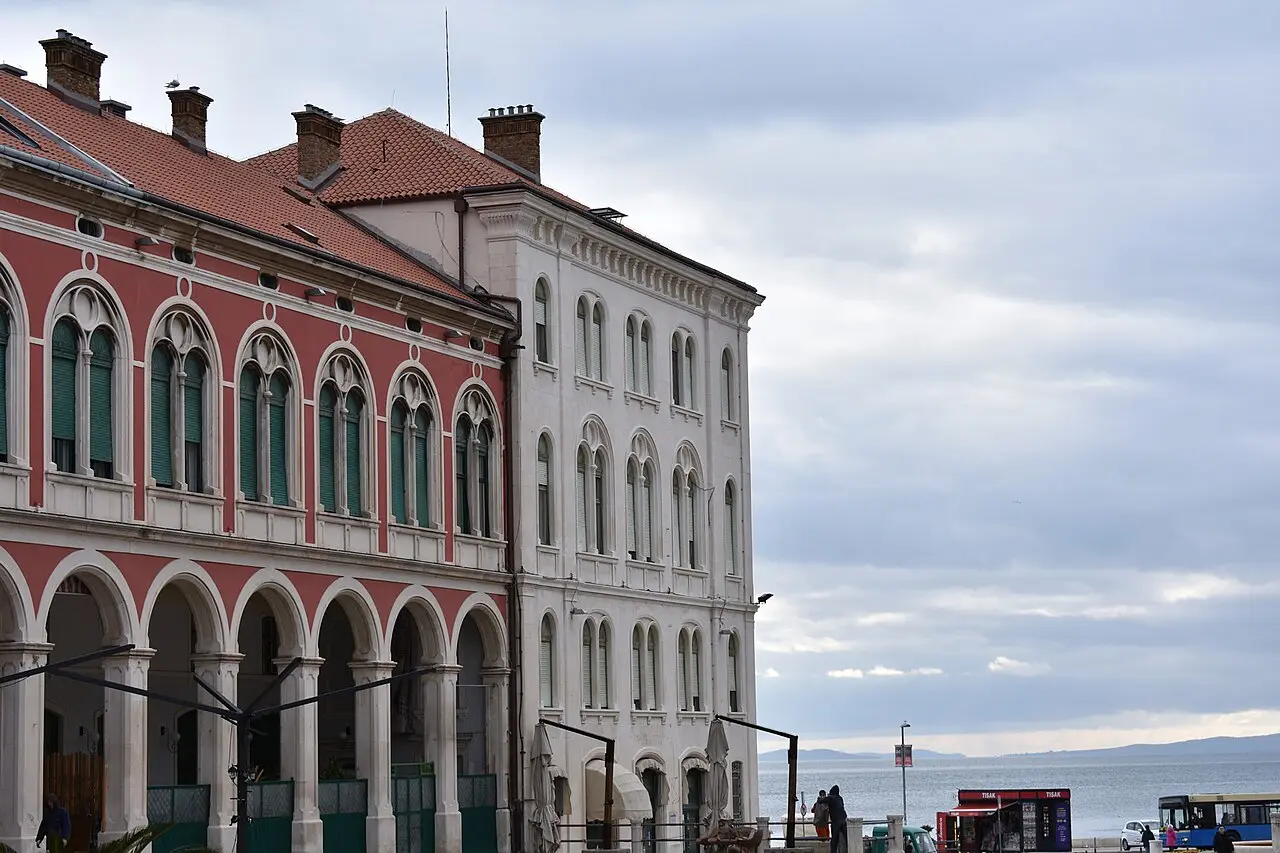
Split is the better lifestyle base if your reason for Croatia is the sea. You get the Riva, Diocletian’s Palace, ferries to Hvar and Brač, and a large international summer scene. The trade-off is seasonality: apartments, restaurants and even quiet workspaces are under tourist pressure from June through September. Our Split guide is useful if you want a neighbourhood feel before choosing a base, and if Split is your pick, living in Split as a digital nomad breaks down the residential districts, real coworking spaces and how to dodge the summer rent trap.
Rijeka, Zadar, Osijek and some Istrian towns can be cheaper, especially outside the centre, but the smaller the city, the more you should check winter transport, English-speaking services, coworking options and flight access. For a first Croatian base, Zagreb or Split is usually easier. If you want these bases weighed side by side on rent, coworking, seasonality and flights rather than just their budgets, our guide to the best cities in Croatia for digital nomads turns this into a straight decision.
Food, cafes and daily spending
Croatia isn’t Southeast Asia-cheap, but everyday food is manageable if you shop locally. A basic solo grocery budget is roughly €260-420 per month, depending on how much imported food, wine and convenience shopping you buy. Supermarkets such as Konzum, Lidl, Plodine and Tommy cover normal cooking; green markets are best for fruit, vegetables, cheese and seasonal produce.
Eating out is where a “cheap month” turns into a “nice month.” In Zagreb, Numbeo lists an inexpensive restaurant meal around €12 and a cappuccino around €2.16. In Split, the same check gives about €15 for a simple meal and €2.45 for a cappuccino. Those numbers aren’t a menu promise, but they match the lived pattern: cafes stay affordable, while dinner in old towns and seafront zones climbs quickly.
Plan on €160-300 per month for cafes and casual meals if you cook most days, and €300-500+ if you eat out several times a week in coastal tourist areas.
Transport and work setup
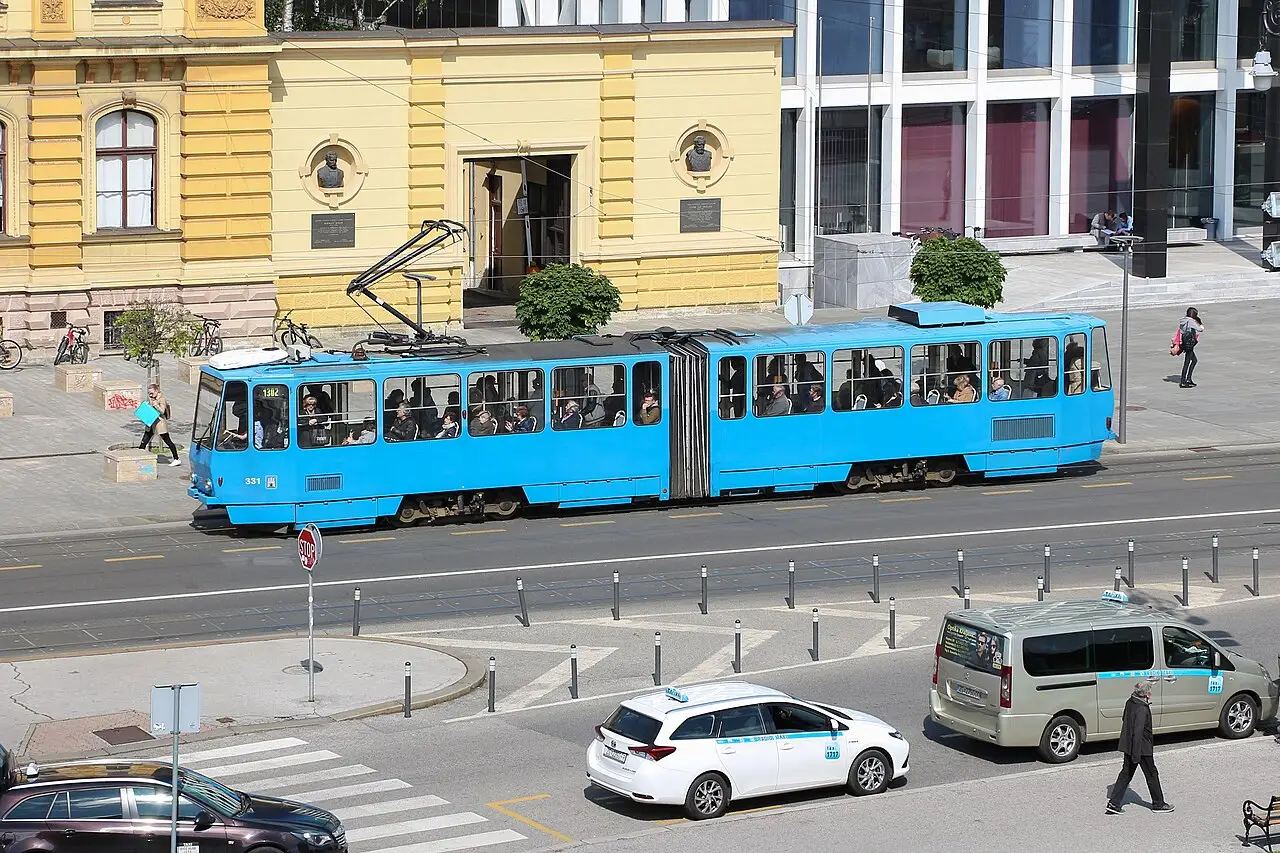
You don’t need a car for a normal nomad month in Zagreb or Split. Zagreb’s 30-day transit ticket is €53.09 - that one comes straight off ZET’s own fare page, not a survey, and it’s dearer than the crowd-sourced estimates you’ll find quoted around the web. Split’s equivalent runs about €35 on resident price surveys; Promet Split doesn’t publish a comparable figure openly, so treat that one as an estimate. City centres are walkable, taxis and ride-hailing cover late nights, and buses or ferries handle most weekend trips.
For island weekends, transport becomes part of the lifestyle budget. Ferries are reasonable as a foot passenger, but bringing a car adds cost and planning. If you want a coastal route, compare the transport trade-offs in our Croatia trip cost guide and island-hopping guide.
Home internet is widely good enough for remote work in city apartments, but verify the actual connection before you sign. Numbeo’s June 2026 broadband line is about €35 per month in both Zagreb and Split. Mobile plans with 10GB+ data sit roughly in the €18-19 range in the same source; a travel eSIM is more convenient for arrival week. Airalo’s Croatia eSIM page showed plans starting from US$4 when checked on 25 June 2026, with larger data bundles priced higher.
Insurance, Wise and banking costs
If you’re applying for the Croatian digital-nomad stay, health insurance isn’t optional; it’s part of the document set. Even if you enter visa-free for 90 days, private cover is sensible because EHIC/GHIC limits and non-EU travellers are treated differently. See the details in our Croatia travel insurance guide.
SafetyWing’s public pricing page showed Nomad Insurance Essential at US$62.72 per 4 weeks for ages 18-39 when checked on 25 June 2026. Treat that as a starting point only: age, US coverage, add-ons and plan type change the quote, so use the insurer’s calculator before buying.
For money movement, a multi-currency account such as Wise can be useful for receiving income, converting to euros and paying rent deposits, but there’s no current Wise partner link on this site. If you want a local IBAN for salary and direct debits, our guide to opening a Croatian bank account as a foreigner covers the OIB-first order, resident vs non-resident accounts and the new free basic account. Use the official Wise app or your bank directly; don’t trust a random “discount” link. The cost to watch is more than the transfer fee: card ATM limits, weekend exchange markups and whether a landlord demands a Croatian or SEPA bank transfer all add up too.
Visa threshold vs real cost of living
Don’t confuse “what Croatia costs” with “what Croatia requires.” The digital-nomad income threshold is much higher than a normal solo budget. For 2026, MUP’s formula is tied to 2.5× the average Croatian net salary; the current threshold used in our visa guide is €3,622.50 per month, or about €43,470 for 12 months / €65,205 for 18 months if showing savings instead of monthly income. Each accompanying family member increases the requirement.
That means Croatia may cost you €1,500-2,000 per month to live in, but you still need to document a much larger income or savings buffer for the residence route. If your income is close to the threshold, confirm the live figure on MUP before you make rental commitments.
A practical first-month plan
For a smooth landing, book 2-4 weeks of flexible accommodation, buy an eSIM for the first days, and spend the first week viewing apartments and testing neighbourhoods. Keep your deposit money in euros, screenshot every listing and agree in writing what utilities are included. In summer on the coast, avoid any lease that quietly ends before August unless that’s exactly what you want.
The leanest reliable setup is Zagreb base + occasional coast trips. The lifestyle setup is Split or another coastal city outside peak summer. The expensive setup is “coast, city centre, summer, short lease.” Choose the version that matches your work rhythm, not just the postcard.
Read next
Start with the legal side in Croatia digital nomad visa, then compare medical cover in Croatia travel insurance. If you’re comparing rent with buying after a trial month, see buying property in Croatia as a foreigner. For travel months and weekend trips, use Croatia trip cost and the relocation hub to keep the money picture in one place.
Figures checked on 25 June 2026. Rents, insurance quotes, eSIM plans and official thresholds change; verify current numbers with the linked sources before making financial or residency decisions.
Photos
Read also

Relocation · 13 min read
Buying Property in Croatia as a Foreigner
Verified · August 24, 2026Can foreigners buy property in Croatia? EU and non-EU buyers follow different rules. Reciprocity, taxes, costs and the purchase steps, checked August 2026.

Relocation · 9 min read
Best Cities in Croatia for Digital Nomads
Verified · July 6, 2026The best cities in Croatia for digital nomads compared: Zagreb, Split, Zadar, Rijeka and Istria on rent, coworking, seasonality and which suits you.

Relocation · 10 min read
How to Open a Bank Account in Croatia as a Foreigner
Verified · July 6, 2026Open a Croatian bank account as a foreigner: OIB first, resident vs non-resident accounts, documents, the new free basic account and Wise. Checked 2026.

Relocation · 10 min read
Croatia Residence Permit Types for Non-EU Foreigners
Verified · July 6, 2026Croatia residence permit types for non-EU citizens in 2026: temporary vs permanent, the legal grounds, EU Blue Card, study and family routes. Checked 2026.