
Croatia Residence Permit Types for Non-EU Foreigners
Croatia residence permit types for non-EU citizens in 2026: temporary vs permanent, the legal grounds, EU Blue Card, study and family routes. Checked 2026.
If you’re not an EU, EEA or Swiss citizen and want to stay in Croatia beyond the visa-free 90 days, you don’t pick from a menu of “visas” - you apply for temporary residence on a specific legal ground, and after five continuous years you can move up to permanent (long-term) residence. Croatia’s own list of grounds is short and precise: family reunification, education, research, humanitarian reasons, life partnership, work, digital nomad stays, and a few others. This guide maps every route so you can find the one that fits, and points you to the deep-dive guides where they exist.
Immigration disclaimer, checked 6 July 2026. This is general information, not legal or immigration advice. Croatian residence rules, document requirements, fees and thresholds are set by the Ministry of the Interior (MUP) and change. The exact papers depend on your ground and your case. Confirm the current requirements on gov.hr and mup.gov.hr, or use a Croatian immigration lawyer, before you apply or make travel plans.
The three tiers: short stay, temporary, permanent
Croatian residence works in three layers, and knowing which one you’re in saves a lot of confusion.
- Short stay. As a non-EU/EEA visitor you can be in Croatia (and the Schengen area) for a maximum of 90 days within any 180-day period. This is not a residence permit - it is the baseline you exceed the moment you want to actually live here.
- Temporary residence (privremeni boravak). The permit you apply for to stay longer than 90 days. It’s always tied to a purpose (see the grounds below) and is the route almost every non-EU newcomer takes first.
- Permanent / long-term residence. After five years of continuous, legal residence on temporary permits, you can apply to stay indefinitely. EU long-term resident status even carries rights close to those of EU citizens in certain areas.
Everything below is the non-EU map. If you are an EU, EEA or Swiss citizen, you don’t use these permits at all - you simply register your stay at a police administration, which is a far lighter process.
The legal grounds for temporary residence
This is the heart of it. Croatia doesn’t grant “a residence permit” in the abstract; it grants temporary residence for a reason. Per gov.hr, temporary residence can be granted for:
- family reunification
- secondary and higher education (study)
- research
- humanitarian reasons
- life partnership
- work (including posted workers)
- residence of persons with long-term residence in another EEA member state
- digital nomad stays
- other purposes
Your first job is to identify which of these fits, because it determines your documents, your rights (can you work? bring family?) and how long the permit lasts. Get the ground wrong and the application doesn’t simply get downgraded - it gets refused.
What every temporary permit requires
Whatever your ground, Croatia asks for the same core set of proofs. According to gov.hr, an applicant for temporary residence must demonstrate:
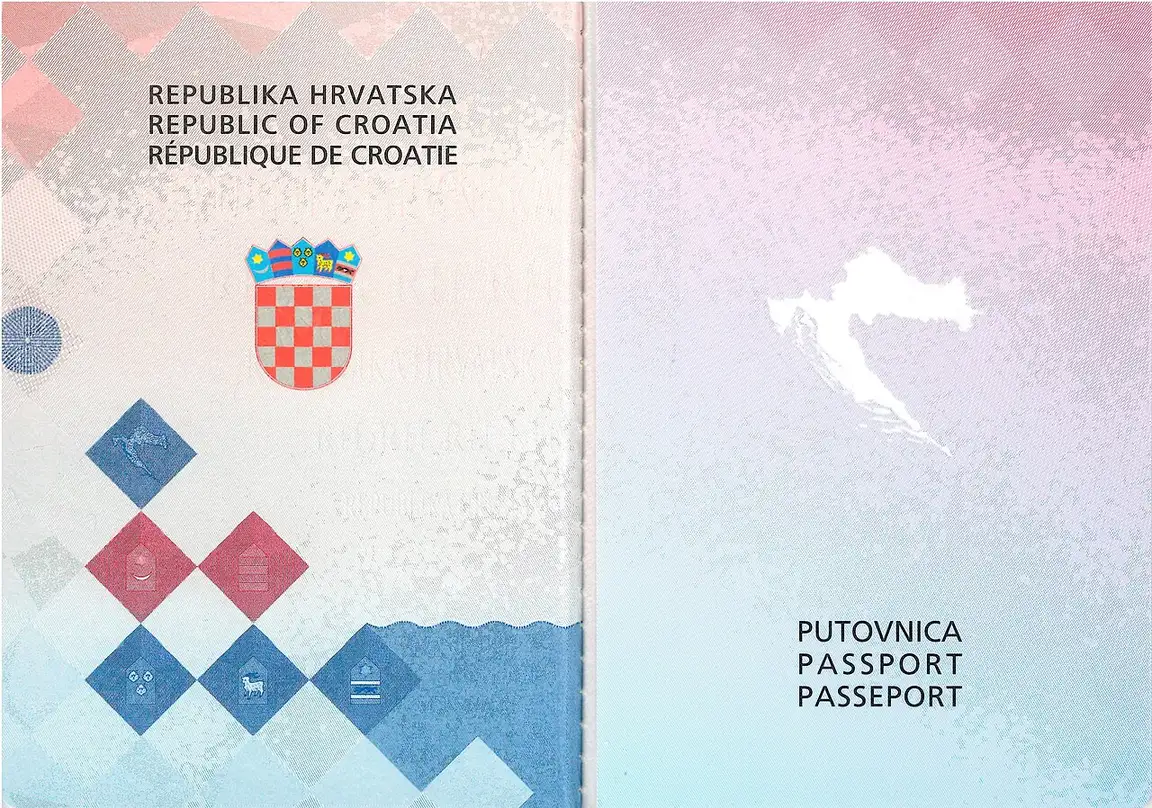
- “a valid travel document” (your passport, valid well beyond the permit);
- “proof of having health insurance”;
- “proof of having means of supporting themselves”;
- “proof of grounds for their temporary residence” (the evidence specific to your route - a job contract, enrolment letter, marriage certificate and so on);
- no criminal convictions (with exceptions for students, posted workers and certain intra-company transferees);
- no entry bans or Schengen alerts against you.
Two of these trip people up. Health insurance isn’t optional on any route - budget for it from day one. And “means of subsistence” is a real bar you must document, not a formality. Health cover is easy to underestimate; monthly nomad-style insurance such as SafetyWing (compare plans) suits open-ended relocations, and our Croatia travel insurance guide covers what a permit-grade policy needs to include.
How long it lasts, and where you apply
Temporary residence is normally granted for one year at a time and renewed, according to gov.hr. The main exception: family reunification or life partnership with a Croatian citizen is granted for two years, which is a meaningful advantage if you qualify.
On where to apply, there are two doors:
- Before you enter Croatia - at a Croatian diplomatic mission or consular office (embassy/consulate) in your country.
- After entry, if you are visa-exempt - at the competent police administration or police station at your intended place of stay in Croatia.
Certain categories (immediate family members of Croatian citizens, students, researchers, humanitarian cases, and family of EU Blue Card holders) may apply from inside Croatia even if they normally need a visa. Once approved, you’re issued a biometric residence card; the exact issuance timeline varies, so apply early rather than assuming a fast turnaround.
The work routes: permit, Blue Card and shortage list
Work is the most common reason non-EU nationals move to Croatia, and it splits into a few tracks.
Standard stay-and-work permit. Per gov.hr, third-country nationals may work in Croatia only with a residence and work permit or a work registration certificate. The ordinary employment permit is a combined document tied to a specific employer and job - you cannot freely switch jobs on it. Historically the standard route required a labour-market test at the Croatian Employment Service, but that test is waived for occupations on Croatia’s official shortage list and for EU Blue Card applicants, which is why so many hires now run through those two channels.
EU Blue Card. This is the route for highly qualified workers. It needs a university degree (or equivalent qualification) and a binding job offer of at least one year, with a salary meeting a national threshold set as a multiple of the average Croatian gross salary (commonly cited around 1.5×). Because that multiplier and the resulting euro figure are re-set periodically, treat any specific salary number as something to confirm with MUP, not a fixed constant. The Blue Card can be issued for up to four years, is renewable, and brings easier family reunification and mobility across the EU.
Owning a company, by the way, isn’t a work permit. A non-EU national can fully own a Croatian d.o.o. without living here, but actively working in it from Croatia is a separate immigration question - the detail is in our how to open a d.o.o. company in Croatia guide.
Study, family and the digital nomad route
Study permit. For non-EU students enrolled at a recognised Croatian university, college or school. The core requirements are an official enrolment letter, proof of sufficient financial means, and valid health cover in Croatia. It’s usually granted for one academic year and renewed as your studies continue.
Family reunification and life partnership. For joining a family member or partner legally resident in Croatia, or a Croatian citizen. As noted above, the route tied to a Croatian citizen carries the longer two-year permit. Exact documents depend on the relationship, so this is a case-by-case route.
Digital nomad stay. Croatia’s headline route for remote workers is a temporary residence for digital nomads - up to 18 months, for people working remotely for employers or clients outside Croatia, and explicitly not for EU/EEA/Swiss nationals. It has its own income requirement (a formula, not a flat number) and its own quirks, including that it doesn’t renew in place. Rather than repeat all of it here, see the full walkthrough in our Croatia digital nomad visa guide - and if you want to know how the permit shapes daily life, living in Split as a digital nomad covers the practical side.
Permanent and long-term residence after five years
The long game is permanent or EU long-term residence. The core rule is five years of continuous legal residence on valid temporary permits, with absences kept within the legal limits - break the continuity and the clock can reset. On top of the five years, applicants generally need to show stable income, health insurance, accommodation and basic knowledge of the Croatian language.
A crucial planning point that catches nomads out: the digital nomad stay is capped at 18 months with a mandatory six-month break before a new application, while the five years for permanent residence must be continuous - so the nomad basis alone can’t carry you to them. If your long-term aim is to settle, factor in whether your chosen route actually builds toward permanence, or is a standalone stay. This is exactly the kind of thing to confirm with MUP for your specific permit before you commit years to it.
Which route is yours - a quick map
To cut through it:
- Working for a Croatian employer - stay-and-work permit; highly qualified with a degree and a strong salary offer, aim for the EU Blue Card.
- Working remotely for foreign clients - the digital nomad stay (non-EU only).
- Studying at a Croatian institution - the study permit.
- Joining a spouse, partner or family - family reunification / life partnership (two years if with a Croatian citizen).
- Already a long-term resident of another EEA country - the specific mobility ground for that status.
- Aiming to settle for good - plan a route that builds five continuous years toward permanent / long-term residence.
Croatia’s system is more logical than it first looks: pick the correct ground, meet the universal conditions (valid passport, health insurance, means of subsistence, clean record), and apply through the right door. The wider money and tax picture matters too - see our Croatia taxes for foreigners guide before you assume how your income will be treated. And whichever permit you choose, verify the live document list and thresholds with MUP or a Croatian immigration lawyer, because the details move and your case is your own.
Residence rules, grounds, fees and thresholds are set by MUP and change; details checked 6 July 2026. Confirm the current requirements on gov.hr / mup.gov.hr or with a Croatian immigration lawyer before making any decision.
Photos
Read also

Relocation · 13 min read
Buying Property in Croatia as a Foreigner
Verified · August 24, 2026Can foreigners buy property in Croatia? EU and non-EU buyers follow different rules. Reciprocity, taxes, costs and the purchase steps, checked August 2026.

Relocation · 9 min read
Best Cities in Croatia for Digital Nomads
Verified · July 6, 2026The best cities in Croatia for digital nomads compared: Zagreb, Split, Zadar, Rijeka and Istria on rent, coworking, seasonality and which suits you.

Relocation · 10 min read
How to Open a Bank Account in Croatia as a Foreigner
Verified · July 6, 2026Open a Croatian bank account as a foreigner: OIB first, resident vs non-resident accounts, documents, the new free basic account and Wise. Checked 2026.

Relocation · 10 min read
Living in Split as a Digital Nomad
Verified · July 3, 2026Living in Split as a digital nomad: the best neighbourhoods to base in, real coworking spaces, the summer rent trap and how the visa income rule works.