
Moving to Croatia from the US, UK, Canada or Australia
Moving to Croatia from the US, UK, Canada or Australia: pick a permit ground, file inside your 90 visa-free days, then beat the 8 and 30-day clocks.
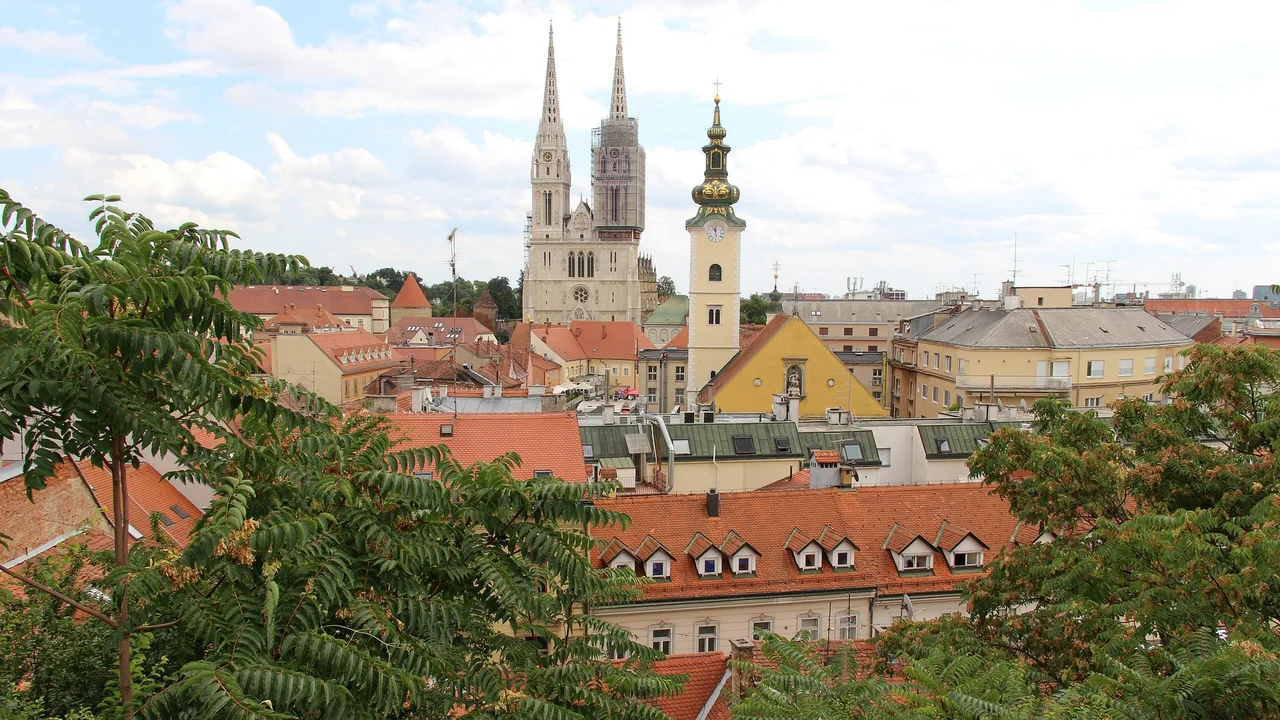
You can’t just move to Croatia on a US, UK, Canadian or Australian passport, but you can start the process from inside the country. Your passport gives you 90 days in any 180 without a visa; staying longer takes a temporary residence permit on one named ground, and a visa-exempt applicant who files before those days run out may stay until the decision is enforceable. The application isn’t where people come unstuck. The deadlines that start after approval are: an address to register at the police, a health-insurance rule that treats remote workers differently from everyone else, and an absence limit that can cost you the permit.
Immigration and tax disclaimer, checked 31 October 2026. This is general information, not legal, immigration or tax advice. Permit rules, fees and thresholds are set by the Ministry of the Interior (MUP) and other bodies, and they change. Confirm the current requirements on mup.gov.hr and gov.hr, or with a Croatian immigration lawyer, before you apply, sign a lease or give up a home.
Check your family tree before you pick a permit
If a parent, grandparent or earlier ancestor emigrated from Croatia, Croatian citizenship law has a separate track for emigrants and their descendants (Article 11 of the Citizenship Act), and the Ministry of the Interior decides the applications. You file proof of the emigration and of how you’re related to that person, plus a CV and motivational letter written in Croatian, and every document has to be translated into Croatian. The Foreign Ministry’s citizenship page lists the papers. If it applies to you and citizenship is granted, you won’t need the permits below, so give that page an evening first.
Four grounds that fit a newcomer from outside the EU
Croatia doesn’t issue a generic “residence visa”. It grants temporary residence for a stated purpose, and gov.hr’s list includes family reunification, study, research, work, life partnership, humanitarian reasons, “other purposes” and digital nomads. Four of them cover most readers of this page:
| Ground | Fits you if | Who files | Length |
|---|---|---|---|
| Digital nomad stay | You work remotely for an employer or your own company registered outside Croatia and serve no Croatian clients | You, online | Up to 18 months; six months’ wait before a new nomad application |
| Stay and work permit | A Croatian employer wants to hire you | The employer, through the Croatian Employment Service platform where a labour market test applies | For the term of the employment contract, up to three years; tied to that employer and job |
| Family reunification or life partnership | Your spouse or partner is a Croatian citizen | You | Two years when the partner is a Croatian citizen |
| Study | You’re enrolled at a Croatian university | You | Up to one year, or to the end of the study programme, three years at most |
Permit lengths follow the Aliens Act as amended in March 2025 and June 2026 (gov.hr’s English page still prints one year), and filing routes come from gov.hr and MUP; the full map, including the EU Blue Card, is in our residence permit types guide. Owning a home isn’t one of the named grounds, which is why our buying property guide treats it as a separate question.
The nomad route has one gate that sorts most remote workers. MUP’s page sets the bar at a regular income of at least €3,622.50 a month, or €43,470 in the bank if you stay 12 months (checked 27 October 2026), and the digital nomad visa guide has the documents. Two rules matter if you’re moving as a couple. The bar rises by 10% of the average monthly net salary for each family member or partner who joins you, and MUP rejects a partner’s family-reunification application if it’s filed before the nomad has been granted the stay, so the worker files first and the partner follows.
File from inside your 90 visa-free days
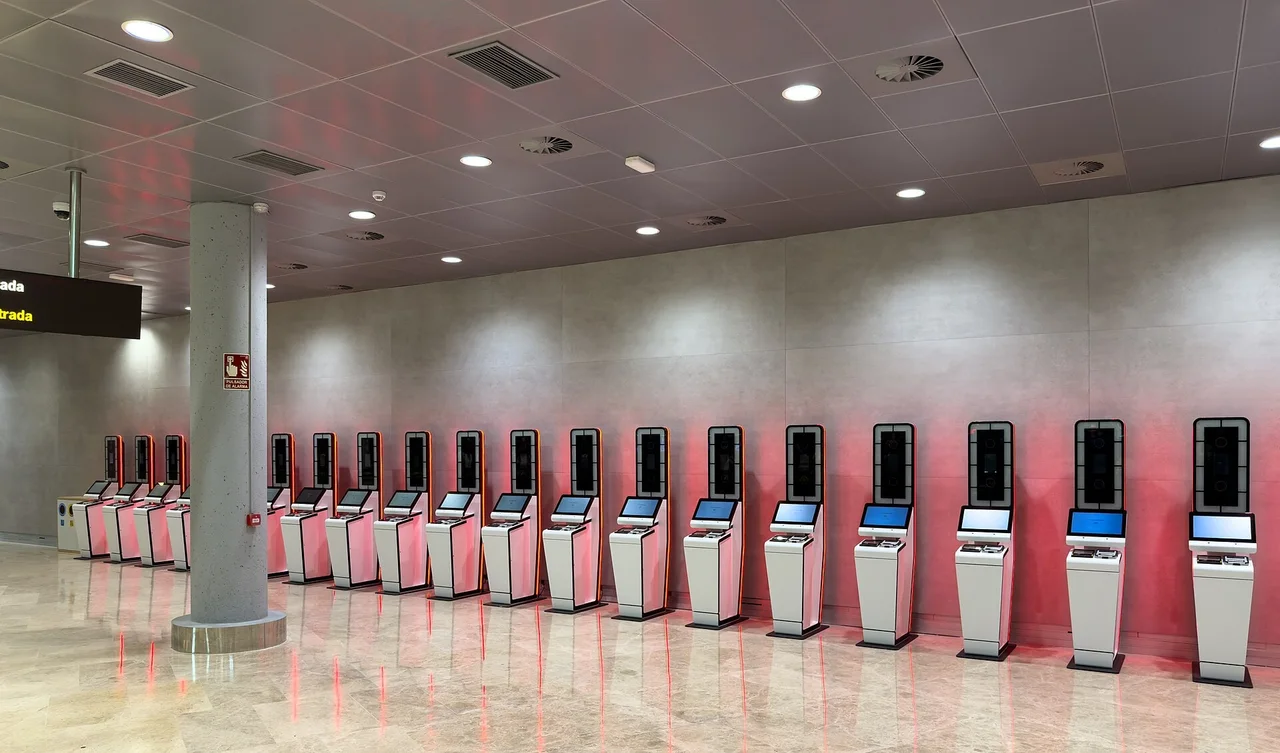
Citizens of all four countries enter without a visa for up to 90 days in any 180, and the count covers the whole Schengen area, not Croatia alone. Two weeks in Italy before you land eat into it. Since the Entry/Exit System became fully operational on 10 April 2026, borders record entries and exits digitally instead of stamping passports; the Commission’s short-stay calculator does the arithmetic.
Arrive, settle somewhere short-term, and file with the police administration for your intended place of stay. Remote workers can also file the nomad application online and MUP forwards it to the right police office. According to gov.hr, a visa-exempt applicant who files a first application before the short stay ends may remain until the decision is enforceable; MUP’s nomad page states that right for an application filed in person at the police while you’re legally in Croatia, so if you’re counting on it, file in person. Either way, file early in the 90 days, not in the last week.
If you’re applying as a digital nomad, you don’t need a lease to start. MUP’s nomad page lets a first-time applicant with no Croatian address give a temporary one, such as a hotel or hostel with a confirmed reservation, as the address of intended stay. So hold off on the lease: don’t sign a 12-month tenancy on a flat you know only from photos before the permit is approved.
What you bring, per gov.hr: a photo, a passport valid at least three months beyond the permit, proof of health insurance, proof of means, proof of your ground, and for a first permit a criminal-record certificate from your home country or from the country where you lived for over a year just before arriving. Originals or certified copies, with certified translations into Croatian; a nomad application is the exception, since MUP takes its documents in Croatian or English, so an English-language certificate needs no translation and papers in another language go to an authorised translator. Order the certificate and translations before you fly, because they depend on offices at home.
The state fees at the police are €46.45 for the permit, €31.85 for the biometric card and €9.29 in administrative fees for the card, about €88 in all (MUP, checked 27 October 2026); the card costs €59.73 instead of €31.85 for the accelerated version. How long a decision takes depends on the police administration and your file. For a stay and work permit that needs the Croatian Employment Service’s opinion, the Aliens Act has, since 4 June 2026, set a ceiling of 90 days from a complete application, labour market test included, which can stretch by 30 days in complex cases; the gov.hr and MUP pages give no figure for the nomad, family or study routes, so keep your short-term housing flexible until the decision comes and don’t give up your home yet.
The clocks that start on approval day
Once the permit is granted, four jobs follow, and three of them run on hard deadlines.
- Register your address. Since 4 June 2026 the Aliens Act gives a third-country national on temporary stay 15 days from entering Croatia, or from a move, to register the residence address with the police (MUP’s English pages still print the old three days), and MUP’s list of reasons to withdraw a permit includes failing to register within 30 days of the grant. The 15 days count from your entry into Croatia, the 30 from the grant, so don’t read them as one deadline. You file Form 16a with a lease, a title deed or a statement from the property owner; the owner doesn’t have to attend if a notary has certified the papers. In practice, the landlord’s cooperation is part of the lease: ask for it in writing before you sign.
- Apply for the biometric card within eight days. The Aliens Act fines a third-country national who doesn’t apply for the residence card within eight days of the approval (€100 to €1,000), so book the police appointment as soon as you hear; the fee is the one above.
- Get your OIB. The Tax Administration’s own page says the police station assigns an OIB to foreigners when they register residence, so you may not need a separate trip to a tax office. If a bank or landlord wants the number sooner, the bank account guide walks through the Tax Administration route. MUP lets you pay the permit fee with your passport number as the reference if you don’t have an OIB yet.
- Sort health cover within eight days. The rule depends on your ground, and it’s the next section.
Extensions have their own clocks. A nomad permit shorter than 18 months can be extended, but the application has to be in at least 60 days before expiry, in person, and the extension is for six months at most.
Health cover: nomads and everyone else
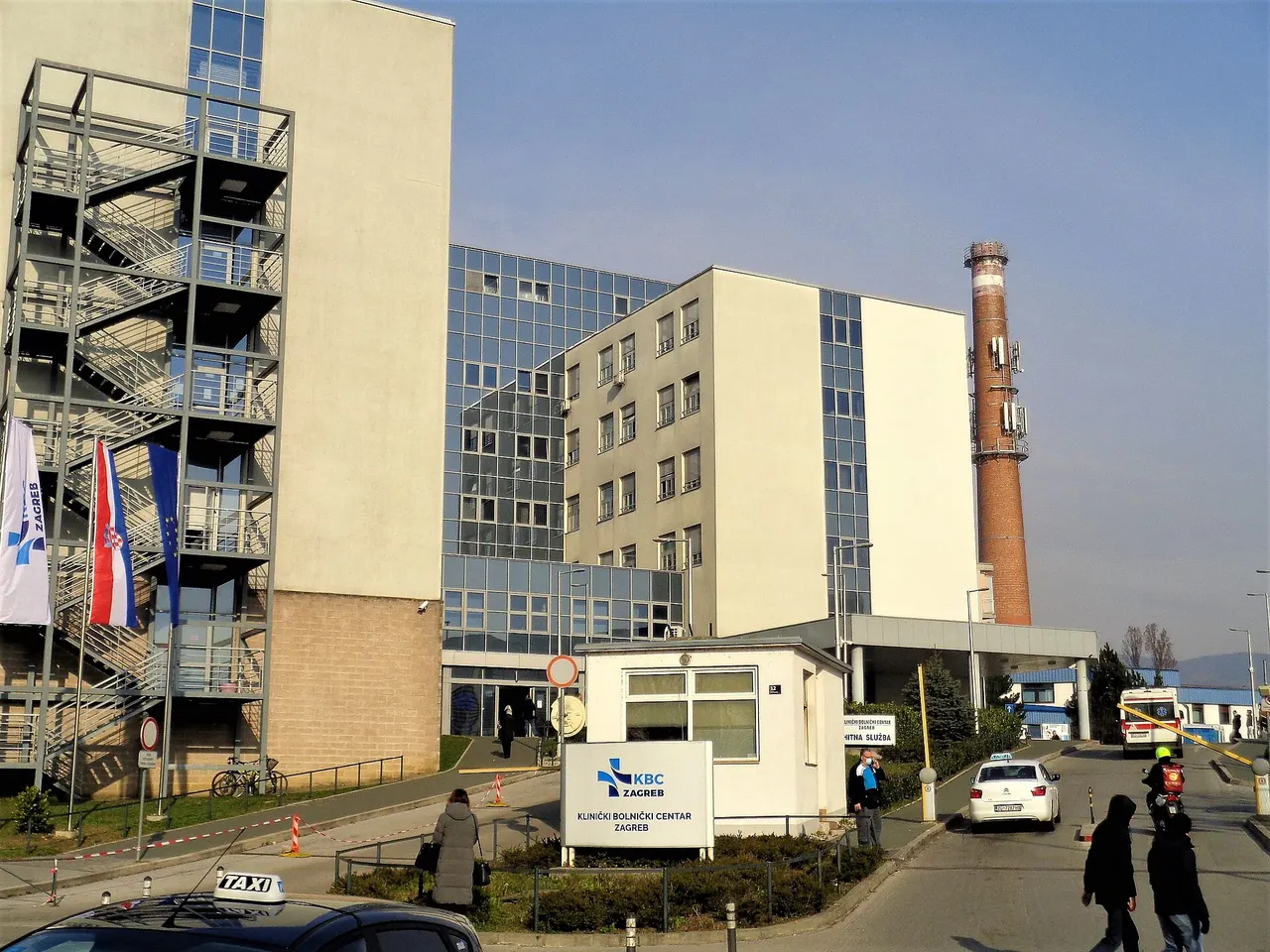
HZZO, the national health fund, sets the rule on its own page, updated 16 April 2026. A third-country national on temporary stay, whatever the purpose, whose health care isn’t secured on another basis must register at the regional HZZO office within eight days of the approval and pay contributions. The entry ticket is a one-off payment equal to the contribution on the lowest base for the period since the earlier insurance ended, for up to 12 months. If the monthly contributions then go unpaid for 30 days, the right narrows to emergency care until the arrears and interest are cleared.
The exemptions are specific. Students with proof of insurance are out, and so are third-country nationals staying as digital nomads. HZZO says exempt people must hold a private policy, stay outside the compulsory system and pay all health costs themselves. For a remote worker the policy is therefore the whole safety net, and MUP wants cover valid in Croatia for the full planned stay. Read the exclusions the way you’d read a lease; our Croatia travel insurance guide covers what to look for.
A work permit changes the paperwork: gov.hr says you don’t enclose proof of health insurance with the application when residence rests on an employment agreement with a Croatian employer. Family and “other purposes” applicants fall under the general HZZO rule unless their cover is secured on another basis. If your case isn’t clearly nomad or student, ask the regional office in writing which side of the line you’re on.
Why long trips can cost you the permit
This is the rule new arrivals skip. MUP’s page on temporary stay lists the cases in which the ministry withdraws a permit, and two of them are about being away. On a permit of up to a year, more than 30 days abroad in a row or more than 90 days in total is grounds for withdrawal. On a permit of up to two years, the figures are 60 days in a row or 180 in total. On a permit granted for more than two years, which a work or study permit can now be, the law sets 90 days in a row or 270 in total. An absence of up to 90 days for justified reasons doesn’t trigger it if you tell the police before you leave.
So a “base in Croatia, travel Europe all summer” plan needs counting. The same arithmetic shows up later: long-term residence, available after five uninterrupted years of temporary residence (a stay for “other purposes” doesn’t count, except in a few cases such as a retiree over 60 who owns property in Croatia, and their spouse or partner), tolerates no more than six months at once or ten months in total outside Croatia (gov.hr).
Tax residence and your home country
Croatian tax residence and immigration status are related but separate, and 183 days isn’t the whole test; our taxes for foreigners guide explains the habitual-residence idea and the nomad exemption. The other half of the question sits at home. US citizens generally file US returns the same way as those living in the States, wherever they live (IRS). UK residence status decides whether the UK taxes your foreign income (GOV.UK). For Canada and Australia, check your own tax authority before you cut ties. A Croatian permit doesn’t settle any of that.
First-year costs: what’s priced and what isn’t
| Item | Amount | Applies to | Source |
|---|---|---|---|
| State fees at the police | €46.45 + €9.29 + €31.85 | Any temporary stay filed at the police | MUP |
| Income or savings to show | €3,622.50 a month, or €43,470 for 12 months | Digital nomad amount; most other grounds prove means too, with exceptions such as family of a Croatian citizen | MUP |
| Health cover | Private policy; HZZO contributions for most other grounds | Nomads / everyone else | HZZO |
| Criminal-record certificate, legalisation, certified translations | Quote from the provider | Any first permit (no translation for English documents on a nomad application) | Not priced here |
| Deposit and first rent | Quote from the landlord | Anyone renting | Not priced here |
Add twelve months of living costs to that. The cost of living guide sets out monthly budgets for Zagreb and the coast, and the city-by-city comparison for nomads helps you choose where to sign a lease. The two unpriced rows set your timeline: the certificate before you fly, the lease after the permit.
Residence, health-insurance and tax rules are set by MUP, HZZO, the Tax Administration and your home authorities, and they change; details checked 31 October 2026. Confirm them on gov.hr and mup.gov.hr, with HZZO, or with a Croatian immigration lawyer before you decide.
Read also

Relocation · 13 min read
Buying Property in Croatia as a Foreigner
Verified · August 24, 2026Can foreigners buy property in Croatia? EU and non-EU buyers follow different rules. Reciprocity, taxes, costs and the purchase steps, checked August 2026.

Relocation · 9 min read
Best Cities in Croatia for Digital Nomads
Verified · July 6, 2026The best cities in Croatia for digital nomads compared: Zagreb, Split, Zadar, Rijeka and Istria on rent, coworking, seasonality and which suits you.

Relocation · 10 min read
How to Open a Bank Account in Croatia as a Foreigner
Verified · July 6, 2026Open a Croatian bank account as a foreigner: OIB first, resident vs non-resident accounts, documents, the new free basic account and Wise. Checked 2026.

Relocation · 10 min read
Croatia Residence Permit Types for Non-EU Foreigners
Verified · July 6, 2026Croatia residence permit types for non-EU citizens in 2026: temporary vs permanent, the legal grounds, EU Blue Card, study and family routes. Checked 2026.