
How to Open a Bank Account in Croatia as a Foreigner
Open a Croatian bank account as a foreigner: OIB first, resident vs non-resident accounts, documents, the new free basic account and Wise. Checked 2026.
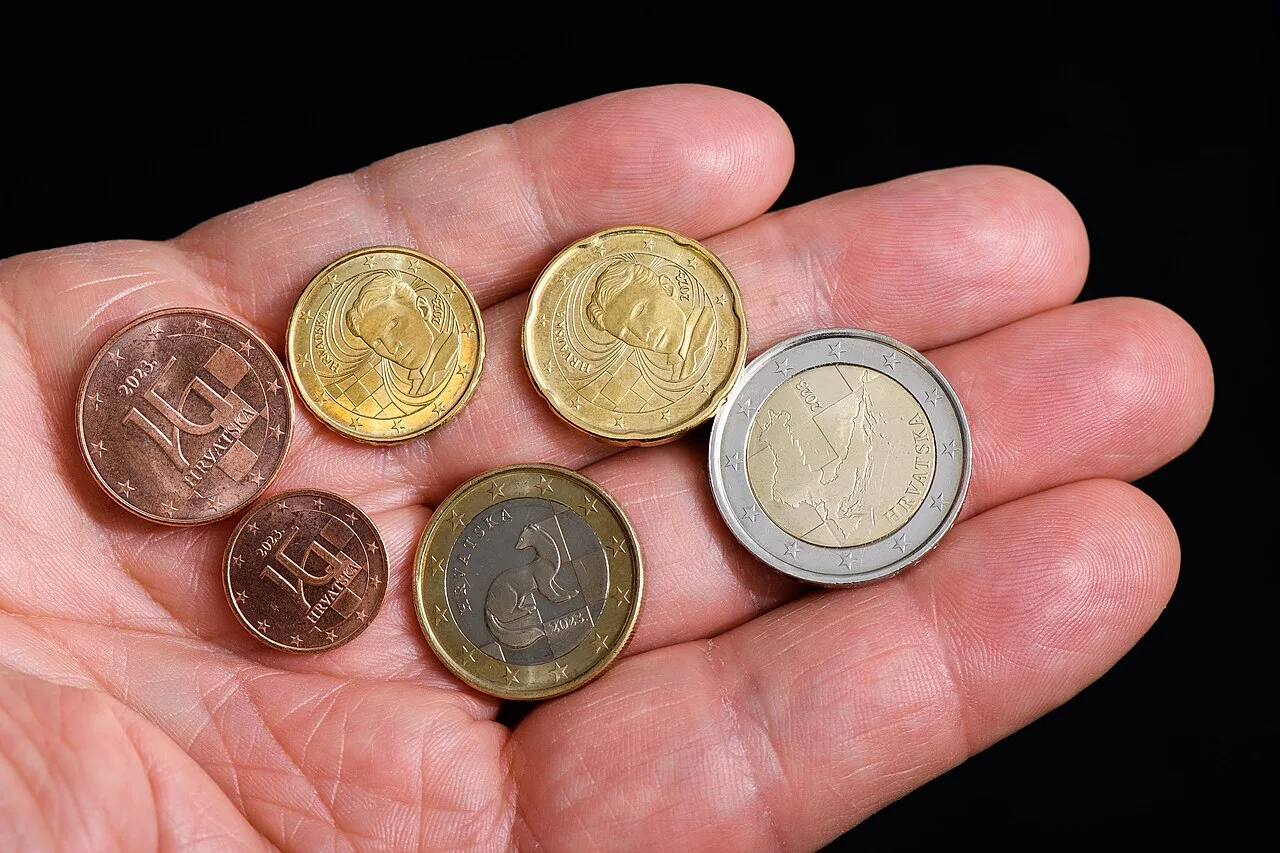
Opening a Croatian bank account as a foreigner comes down to one gate and one distinction. The gate is the OIB, Croatia’s personal ID number - you cannot open any account without it, and it’s issued by the Tax Administration, not the bank. The distinction is resident vs non-resident: if you do not yet hold a Croatian residence permit valid for more than 183 days, banks put you in a non-resident account, which is fully legal but comes with more onboarding and fewer perks. Almost every bank still needs you to show up in person at a branch to prove who you are.
Money and banking disclaimer, checked 6 July 2026. This is general information, not financial or legal advice. Bank onboarding rules, document lists and fees are set by each bank and by Croatian and EU law, and they change. Confirm the current requirements directly with the bank branch and check OIB rules on porezna-uprava.gov.hr before you rely on anything here or hand over money.
Get your OIB first - nothing works without it
Before a bank will talk numbers, you need an OIB (osobni identifikacijski broj), the Croatian personal identification number. According to the Tax Administration, foreign persons are assigned an OIB precisely when they’re entered into official records - and it lists bank accounts and company establishment among those triggers. In plain terms: no OIB, no account, no property purchase, no company.
Getting one is refreshingly low-drama. The Tax Administration says you submit an “Application for the determination and assignment of the Personal Identification Number” together with a passport (original for inspection, plus a copy with the application), a European identity card, or another identity document that also proves your citizenship. A residence card from a third country on its own may not be enough, because the document has to both identify you and confirm your nationality.
Two shortcuts worth knowing:
- EU/EEA citizens who hold valid e-Citizens (e-Građani) credentials can apply for the OIB remotely through the “Electronic PIN (OIB) assignment” e-service - no trip to a tax office needed.
- If you can’t attend yourself, you can act through a representative, but the power of attorney must be drawn up in Croatian or translated into Croatian, and certified unless it’s issued to a notary, lawyer, public body, tax adviser or bank.
The OIB office is the Ministry of Finance, Tax Administration in Zagreb. The Tax Administration page does not publish a fee for the OIB, and it’s generally issued without charge - but treat that as “confirm at the counter”, not a guarantee.
Resident vs non-resident: which account you actually get
This is the part that confuses people, so here’s the clean version. Croatian banks sort foreigners by residency status, and the dividing line is a residence permit valid for more than 183 days.
Zagrebačka banka spells it out through its dedicated Centre for Non-Residents: a non-resident is, among others, a natural person abroad without a valid Croatian residence permit exceeding 183 days (the category also covers diplomats, foreign legal entities and foreign sole traders operating abroad). If that’s you - a tourist, a remote worker on the 90-day visa-free clock, or someone who has only just arrived - you open a non-resident account, not because you did anything wrong, but because you have not yet crossed into residency.
What a non-resident account gets you is more useful than the label suggests. Per Zagrebačka banka, once you have your OIB you can open an account in EUR or a multi-currency account, set up e-zaba internet banking or m-zaba mobile banking, and receive a debit card for each account. It’s a real, usable Croatian account with a HR IBAN.
Once you hold a residence permit valid for more than 183 days - through the digital nomad stay, a work or study permit, or one of the other Croatian residence permit types - you move to a resident account, which typically has fewer restrictions and access to the full product range, including the new free basic account below.
Which bank, and what to bring
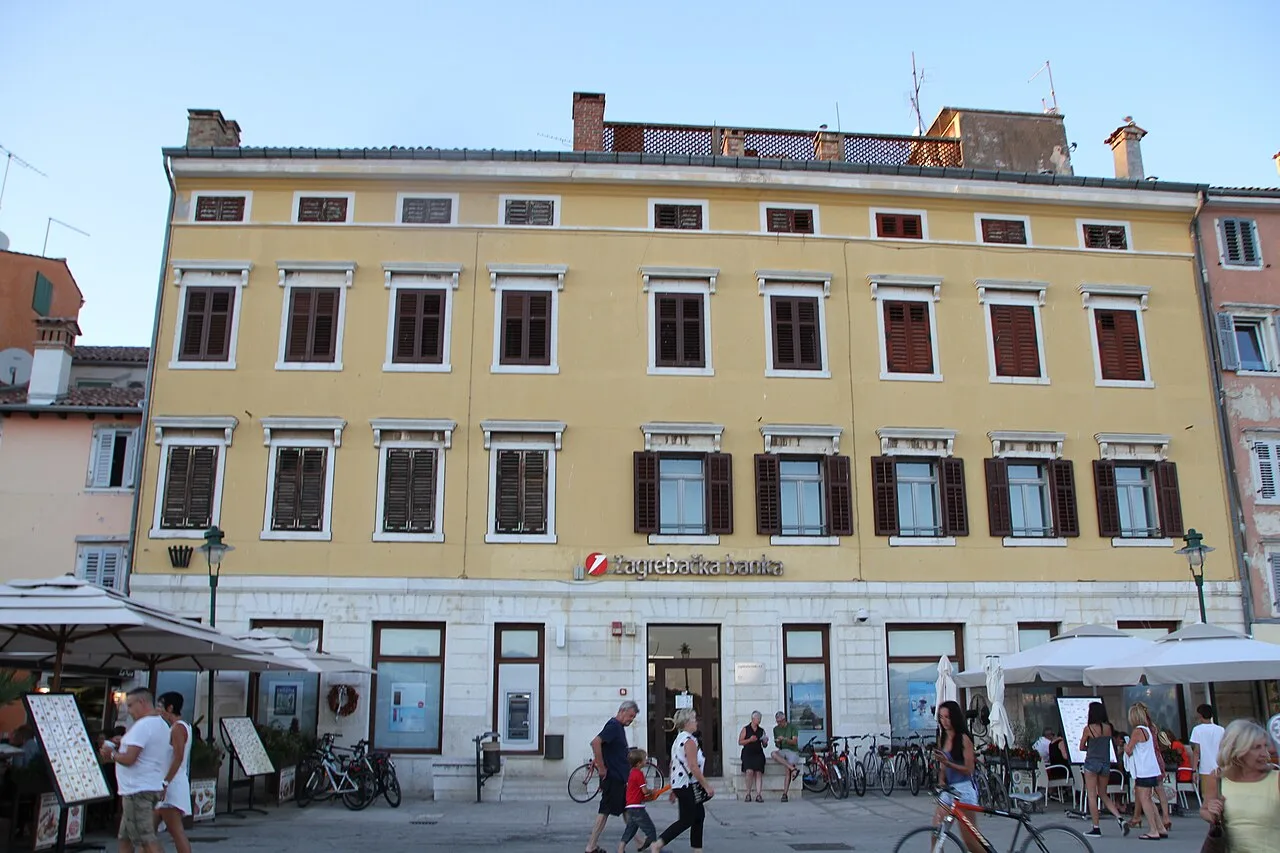
Croatia’s biggest banks all handle foreigners, and several have real experience with non-residents and expats: Zagrebačka banka (UniCredit group), Privredna banka Zagreb (PBZ), Erste Bank, OTP banka and Raiffeisenbank (RBA). OTP is refreshingly blunt about access - its non-resident page states that “a foreign individual can open an account, which is always made out to the customer’s name” and that this can be done “in any of our branches.”
On documents, here’s the honest answer nobody selling you a service will give: there’s no single national checklist. Each bank sets its own onboarding under Croatian and EU anti-money-laundering rules, so the exact papers vary by bank, by branch and by your situation. What you should realistically walk in with:
- your passport (original);
- your OIB certificate;
- proof of address (often your home-country address for a non-resident);
- something that shows your link to Croatia or the source of your money - a lease, a residence permit, a property document, a work or study confirmation, or business papers.
Banks increasingly want to see an economic connection to Croatia (residence, property, long-term stay or business activity) before opening an account for a non-resident, so a clear reason for the account smooths the process. OTP’s page, for example, doesn’t list documents at all and simply directs you to call the bank or visit a branch - which tells you how bank-specific this is. Confirm the precise list with your chosen branch before you travel; don’t rely on a checklist copied off a forum.
The new 2026 free basic account
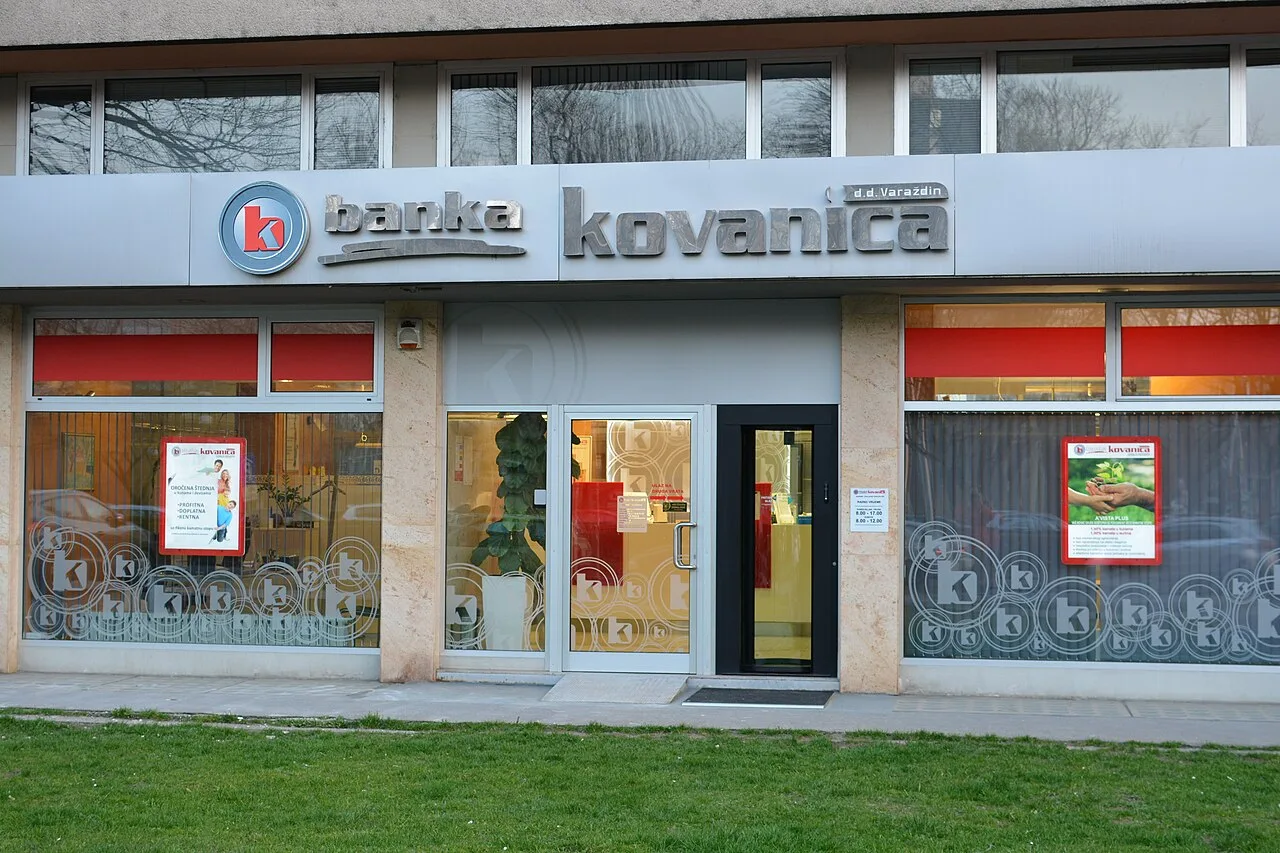
Here’s a genuinely useful change most guides have not caught up with. From 1 January 2026, Croatia’s Law on the Comparability of Fees, Switching of Payment Accounts and Access to a Basic Account is in force, and from the first working day of the year, people can request a free basic account for their regular income.
Who it’s for: anyone receiving a regular income in Croatia - a salary, pension, scholarship or unemployment benefit. The free package is not a stripped-out shell either. As reported around the launch, it covers the opening, maintenance and closing of the account, cash deposits and withdrawals at branches and ATMs, incoming domestic and cross-border euro payments, issuance of a debit card, and card payments at physical shops - and Croatia’s banks all chose to throw in internet banking too.
The catch for newcomers: this is aimed at people with a qualifying regular inflow, so a short-stay tourist or a brand-new arrival without Croatian income won’t automatically get it. You apply in person at a branch, show proof of that regular income if it is not already paid into that bank, and by law the bank must approve or reject within 10 working days. If you are settling in Croatia and will draw a salary or pension here, this is the account to ask for by name.
Wise, Revolut and the fintech bridge
Not everyone can - or wants to - open a local bank account on day one, and this is where fintech earns its place. Services like Wise and Revolut give you a euro IBAN and a card within minutes, entirely online, which is why so many arriving nomads and remote workers use one as a bridge while they sort out the OIB and a branch appointment. For moving money into Croatia, converting to euros and paying a first deposit, they are usually cheaper than a traditional bank wire.
Two honest caveats. First, a Wise euro IBAN is a Belgian (BE) IBAN, not a Croatian HR one. Under EU SEPA rules, a Croatian landlord, employer or utility is not allowed to refuse a valid euro IBAN just because it’s foreign - but in practice a few still balk at a non-HR account, so for a salary or a long lease a local account can remove friction. Second, fintechs are payment accounts, not a substitute for the local bank when an institution specifically demands a Croatian account. There is no partner link for Wise or Revolut on this site - use their official apps directly and ignore any random “discount” link.
For how banking costs fit a wider monthly budget, our Croatia cost of living for digital nomads guide covers rent, insurance, eSIM and the money picture in one place. And if a company is part of your plan, opening a business account is a required step covered in our how to open a d.o.o. company in Croatia guide - which is a separate process from a personal account.
Tax side: an account is not tax residence
One thing that trips people up: opening a Croatian bank account does not make you a Croatian tax resident, and it does not on its own create a tax liability. Tax residence in Croatia turns on where you actually live and the 183-day question, not on which bank holds your euros. But the two do interact once you settle - salary, dividends and where your income is taxed all connect to your status. Before you route income through a Croatian account, read how the pieces fit in our Croatia taxes for foreigners guide, and get personal advice if real money is involved.
A realistic order of operations
If you’re doing this for the first time, the sane sequence is:
- Get your OIB from the Tax Administration (or remotely if you are an EU citizen with e-Citizens credentials).
- Set up a Wise or Revolut account as a same-day bridge so you can transact while you wait.
- Pick a bank with non-resident experience (Zagrebačka banka, PBZ, Erste, OTP, RBA) and call the branch to confirm exactly what documents they want from a foreigner in your situation.
- Visit in person with your passport, OIB and proof of your Croatian link, and open a non-resident EUR or multi-currency account.
- Once you’ve residence valid for more than 183 days, switch to a resident account and, if you draw a salary or pension here, ask for the free basic account by name.
Croatia is a straightforward place to bank once the OIB is in hand and you understand the resident line. The mistakes to avoid are turning up without an OIB, assuming a single document list exists, or confusing a payment app with the local account an employer or landlord may insist on. Start with the official OIB rules, confirm the papers with the actual branch, and keep a fintech account running in the background so you’re never stuck without a way to pay.
Bank onboarding rules, document requirements and fees are set by each bank and change; figures and rules checked 6 July 2026. Confirm the current requirements with the bank and with the Tax Administration before making any financial decision.
Photos
Read also

Relocation · 13 min read
Buying Property in Croatia as a Foreigner
Verified · August 24, 2026Can foreigners buy property in Croatia? EU and non-EU buyers follow different rules. Reciprocity, taxes, costs and the purchase steps, checked August 2026.

Relocation · 9 min read
Best Cities in Croatia for Digital Nomads
Verified · July 6, 2026The best cities in Croatia for digital nomads compared: Zagreb, Split, Zadar, Rijeka and Istria on rent, coworking, seasonality and which suits you.

Relocation · 10 min read
Croatia Residence Permit Types for Non-EU Foreigners
Verified · July 6, 2026Croatia residence permit types for non-EU citizens in 2026: temporary vs permanent, the legal grounds, EU Blue Card, study and family routes. Checked 2026.

Relocation · 10 min read
Living in Split as a Digital Nomad
Verified · July 3, 2026Living in Split as a digital nomad: the best neighbourhoods to base in, real coworking spaces, the summer rent trap and how the visa income rule works.