
Buying Property in Croatia as a Foreigner
Can foreigners buy property in Croatia? EU and non-EU buyers follow different rules. Reciprocity, taxes, costs and the purchase steps, checked August 2026.
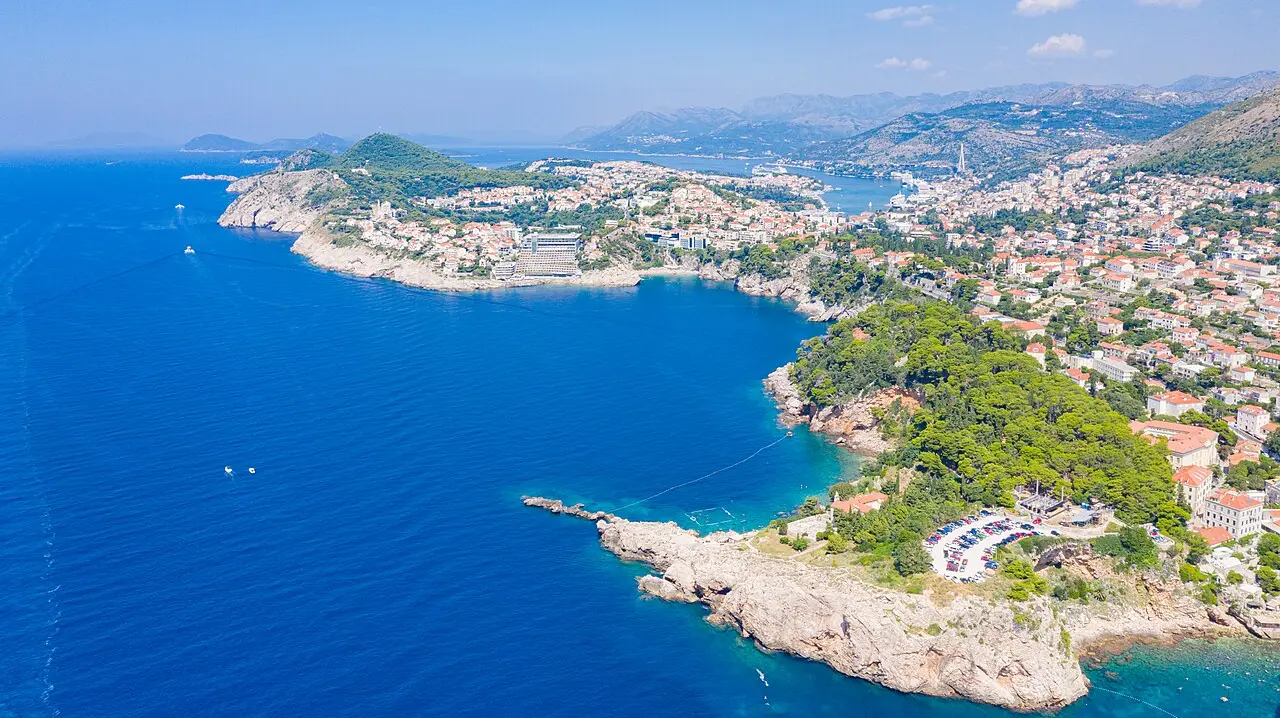
Yes, foreigners can buy property in Croatia - but the rules split cleanly at the EU border, and that split matters more than any single price tag. If you hold a passport from an EU member state, Iceland, Liechtenstein or Norway (or you’re Swiss), you generally buy on the same footing as a Croatian national. Everyone else needs to clear reciprocity with their home country and obtain written consent from the Ministry of Justice before the land registry will register you as owner. Croatia’s gate for non-EU buyers is reciprocity plus an administrative consent file, not a fixed investment threshold.
Property and legal disclaimer, checked 24 August 2026. This is general information, not legal, tax or investment advice. Croatian property, reciprocity and tax rules change, the live reciprocity table is updated by the Ministry of Justice, and your exact path depends on citizenship, the property type and the municipality. Confirm the current position on gov.hr and mpudt.gov.hr, and use a Croatian property lawyer before you sign or transfer money.
EU, EEA and Swiss buyers: the straightforward track
If you’re a citizen of an EU member state, Iceland, Liechtenstein or Norway, gov.hr is explicit: you may acquire ownership under the same conditions as Croatian nationals and Croatian companies, apart from property in certain exempted areas. For most buyers that means apartments, houses and commercial units in towns and on the coast without a Ministry consent application.
Swiss citizens sit in the same bucket on substance, with one extra paper at the end: when you file for registration in the land registry, you must enclose a certificate of temporary residence in Croatia alongside the usual documents.
The area where even EU buyers hit a separate rulebook is agricultural land. Gov.hr treats it as governed by a special law rather than the general foreign-purchase consent procedure. Croatia’s 2011 EU Accession Treaty let it keep a transitional moratorium on agricultural land acquisition by other EU nationals (Annex V doesn’t single out state-owned land - it’s agricultural land generally). Croatia only asked for a further extension in a November 2019 request; the actual end date came from the European Commission’s Decision (EU) 2020/787 of 16 June 2020, which ran the transitional period through 30 June 2023. Since 1 July 2023, EU and EEA nationals have been able to acquire agricultural land on the same footing as Croatian citizens - state-owned agricultural land is a separate matter that stays restricted regardless of nationality. Either way, the Agricultural Land Act (NN 57/22) still applies: the Republic of Croatia itself holds a pre-emption right (Art. 71) once a plot passes the thresholds in Art. 60 - 10 hectares inland or 1 hectare on the coast. Don’t assume a field or olive grove is a simple freehold purchase; a lawyer who works in agricultural transactions is worth the fee.
Third-country nationals (everyone outside the EU/EEA circle) generally cannot buy agricultural land as individuals. Company structures for genuine farming exist, but a shell created only to hold land creates tax, compliance and immigration problems of its own. Switzerland’s bilateral treatment clearly covers residential and commercial property; agricultural land isn’t clearly addressed, so verify the Swiss-specific position with the Ministry rather than assuming EU-equivalent treatment.
Non-EU buyers: reciprocity first, then Ministry consent
For citizens of countries outside the EU, EEA and Switzerland, Croatia does not ask “how much are you investing?” as the first question. It asks whether reciprocity exists - whether Croatian nationals can acquire real estate in your country on a comparable basis - and then runs an administrative consent procedure before you can be registered as owner.
According to gov.hr, the application goes to the Ministry of Justice, Public Administration and Digital Transformation, Civil, Commercial and Administrative Affairs Department, Ulica grada Vukovara 49, 10000 Zagreb, in person at the Registry and Archives Department or by post. You typically submit:
- the legal basis of the acquisition (purchase contract, gift deed, lifelong support contract, etc.), original or certified copy;
- proof the seller owns the property (a land-register extract);
- a certificate from the urban-planning authority confirming the legal status of the land (whether it sits inside the construction zone under the local plan);
- proof of citizenship (certified passport copy) or company registration if you’re a foreign legal entity;
- a power of attorney if someone represents you;
- if you’re abroad without a representative, an attorney-in-fact domiciled in Croatia to receive documents.
The Ministry may request further papers, and each request resets the clock. Gov.hr doesn’t publish a fixed processing time for this procedure, but the General Administrative Procedure Act sets the statutory backstop: 30 days for a straightforward decision, or 60 days when the file needs an investigative procedure, which most reciprocity-and-consent applications do. Treat 60 days as the legal floor, not the real-world average - lawyers who handle these files routinely see several months once a follow-up document request or two is factored in, so budget accordingly if a move date depends on it. Only after consent is granted does the notarised deal move to the land registry court (zemljišnoknjižni sud) for registration.
What reciprocity looks like for common passports
The live table is published by the Ministry of Justice. These rows matter for many readers planning from the US, UK, Canada or Australia - but always re-check your country line before you rely on it:
| Passport | Reciprocity status (official table, Aug 2026) | Practical note |
|---|---|---|
| United Kingdom | Reciprocity requirements met | Consent procedure still required; no fixed investment minimum |
| United States | Met for most listed states | Arkansas, Hawaii, Kentucky, Minnesota, Mississippi, New Hampshire, Oklahoma and Vermont require permanent or long-term residence in Croatia |
| Canada | Verification underway | Do not treat Canada as cleared until the table shows a final answer |
| Australia | No reciprocity for existing property 1 April 2025 - 31 March 2027 | Narrow exemptions for domiciled residents and certain joint purchases with Croatian nationals; new-build apartments only within tight limits |
Reading this after 31 March 2027? The Australia window has lapsed - check the live table for whatever replaced it.
Other countries range from full reciprocity (Japan, Serbia, Montenegro, Turkey and others) through conditional rows - Israel sits here, not among full-reciprocity countries - to straight no reciprocity (India, Iran, Iraq and others). “Verification underway” means Croatia is still waiting on the other country’s authorities; treat it as pending, not a yes.
The purchase process, step by step
Whether you’re EU or non-EU, the commercial skeleton of a Croatian purchase is similar once you’re legally cleared to buy. Expect a few trips to see properties in person before you commit - photos and floor plans don’t show a damp wall or a noisy street. Treat the list below as the order a good lawyer will walk you through, not a DIY checklist.
1. Get your OIB. Croatia’s personal identification number is issued by the Tax Administration and you’ll need it for the bank, the notary and the land registry. If you haven’t got one yet, our bank account guide for foreigners explains the OIB-first sequence and the resident vs non-resident distinction.
2. Hire a Croatian property lawyer early. They should pull a land-register extract (izvadak iz zemljišne knjige), check liens and co-owners, confirm the seller’s authority to sell, and verify building permits and utility status for houses. In coastal tourist zones, also ask about short-term rental rules and any building-management restrictions.
3. Make a written offer and pay a deposit carefully. Pre-contract deposits are common; never wire money without a lawyer reviewing the reservation contract and confirming where the escrow sits.
4. Sign the purchase contract. The contract itself doesn’t have to be a full notarial deed, but a notary must certify the seller’s signature - without that, the land registry won’t register the transfer - and separately reports the sale to the Tax Administration within the statutory deadline. If you’re a non-EU buyer, build the Ministry’s consent into the contract as a suspensive condition: you need a signed, certified contract before you can even apply, and the sale becomes final only once the Ministry says yes.
5. Non-EU buyers: file the Ministry consent application, attaching the signed contract as your “legal basis” document, plus the other documents from the list above. EU buyers skip this step entirely for standard residential property and move straight to tax and registration once the contract is signed.
6. Pay transfer tax or confirm VAT treatment. Resale property that is not subject to VAT typically triggers real estate transfer tax at 3% of market value, payable by the buyer under the Real Estate Transfer Tax Act. If you’re buying a new-build first sale from a VAT-registered developer, the price usually includes 25% VAT (PDV) instead, and the 3% transfer tax does not apply on top. Get the seller to state clearly which regime applies before you compare quotes.
7. Register ownership in the land registry. Registration is what makes you the legal owner in Croatia - for a non-EU buyer, this step only happens once Ministry consent is granted. Until it completes, you do not have the full security of title you’d expect in a UK or US closing.
8. Open or fund a Croatian bank account for the notary payment and ongoing utilities. A local IBAN also simplifies life if you’ll pay Croatian property tax and communal charges from Croatia.
Taxes, fees and what to budget beyond the price
Foreigners pay the same transfer tax rate as Croatians when transfer tax applies - there is no foreign-buyer surcharge in the statute. The Tax Administration can assess market value independently if the contract price looks low, so “cash under the table” is both illegal and a tax trap.
Beyond tax, expect:
- Notary fees - tied to property value; get a quote before signing.
- Legal fees - typically a percentage or fixed fee; worth it for land-register and permit checks.
- Agency commission - in Croatia the buyer more often pays, commonly around 3% plus VAT; the law doesn’t fix who pays which side, so get the split confirmed in writing before you sign with an agency.
- Land-registry fees - modest: the court fee for registering the deed runs about €33.18 (roughly half that filed electronically); extracts themselves are free.
- Ongoing property tax - a new annual real estate tax replaced the old holiday-home tax from 1 January 2025, running €0.60 to €8.00 per square metre of usable area; the exact rate is fixed by each municipality, so two towns 20 km apart can land on very different bills. It also depends on use (primary home vs a place you let short-term). If you’ll rent the place, that interacts with income tax - see our Croatia taxes for foreigners guide, and check your own municipality’s decision instead of a generic figure online.
If you sell later at a profit, capital-gains treatment depends on how long you held the asset, your tax residence and whether exemptions apply. Map that before you buy if investment exit matters to you.
Buying property is not a visa
This catches people every year: owning an apartment in Split does not give you the right to live in Croatia all year. Short-stay Schengen rules still apply to tourists. Beyond 90 days in 180, you need a temporary residence permit on a legal ground - work, study, family, digital nomad, and so on. Our Croatia residence permit types guide maps the non-EU routes; EU citizens register their stay rather than applying for those permits.
Property can support a residence case indirectly - as proof of ties, accommodation, or economic connection when opening a bank account - but it is not itself a residence category. Whichever ground you apply under, the standard conditions also include valid health insurance - owning the flat doesn’t cover that, so price it in separately from day one. If you’re weighing “buy first” vs “permit first”, ask an immigration lawyer which order suits your passport.
Pitfalls that cost real money
The same handful of mistakes shows up again and again in Croatian property deals:
- Skipping the land-register search before any money moves.
- Trusting a forum post on reciprocity instead of the Ministry’s own table on the day you apply.
- Mixing up Airbnb income with residence rights - a rental licence is a tax matter, not a stay permit.
- Paying a developer without escrow discipline on a new build.
- Ignoring the EU/non-EU split in a mixed-nationality couple when planning ownership shares and paperwork.
If you’re comparing rent vs buy while testing a city first, start with our cost of living and best cities for nomads guides before you sign a deed.
Before you sign anything
Work backwards from your passport: confirm EU/EEA/Swiss treatment or reciprocity plus consent, line up OIB and a lawyer, read the land register on the exact unit, and separate title from residence.
Rules, reciprocity rows and tax treatment checked 24 August 2026. Verify the live reciprocity table and your property’s planning status with official sources and a Croatian lawyer before you commit.
Photos
Read also

Relocation · 9 min read
Best Cities in Croatia for Digital Nomads
Verified · July 6, 2026The best cities in Croatia for digital nomads compared: Zagreb, Split, Zadar, Rijeka and Istria on rent, coworking, seasonality and which suits you.

Relocation · 10 min read
How to Open a Bank Account in Croatia as a Foreigner
Verified · July 6, 2026Open a Croatian bank account as a foreigner: OIB first, resident vs non-resident accounts, documents, the new free basic account and Wise. Checked 2026.

Relocation · 10 min read
Croatia Residence Permit Types for Non-EU Foreigners
Verified · July 6, 2026Croatia residence permit types for non-EU citizens in 2026: temporary vs permanent, the legal grounds, EU Blue Card, study and family routes. Checked 2026.

Relocation · 10 min read
Living in Split as a Digital Nomad
Verified · July 3, 2026Living in Split as a digital nomad: the best neighbourhoods to base in, real coworking spaces, the summer rent trap and how the visa income rule works.